Hutong occupies the 18th floor of H Zentre in Tsim Sha Tsui, bringing northern Chinese cooking, anchored in the strong spice traditions of regions beyond the Pearl River Delta, to a city whose dining scene is largely defined by Cantonese and international fine dining. The elevation and harbour-facing position frame a cuisine that Hong Kong's restaurant culture has historically underrepresented at this price tier.
Pearl is the En Primeur Club membership app — saves, bookings, and concierge access live there. Same editors, same standards.
- Address
- H Zentre, 18/F, 15 Middle Rd, Tsim Sha Tsui, Hong Kong
- Phone
- +852 3428 8342
- Website
- hutong.com.hk
- Directions
- Get directions
 Saves & bookings on Pearl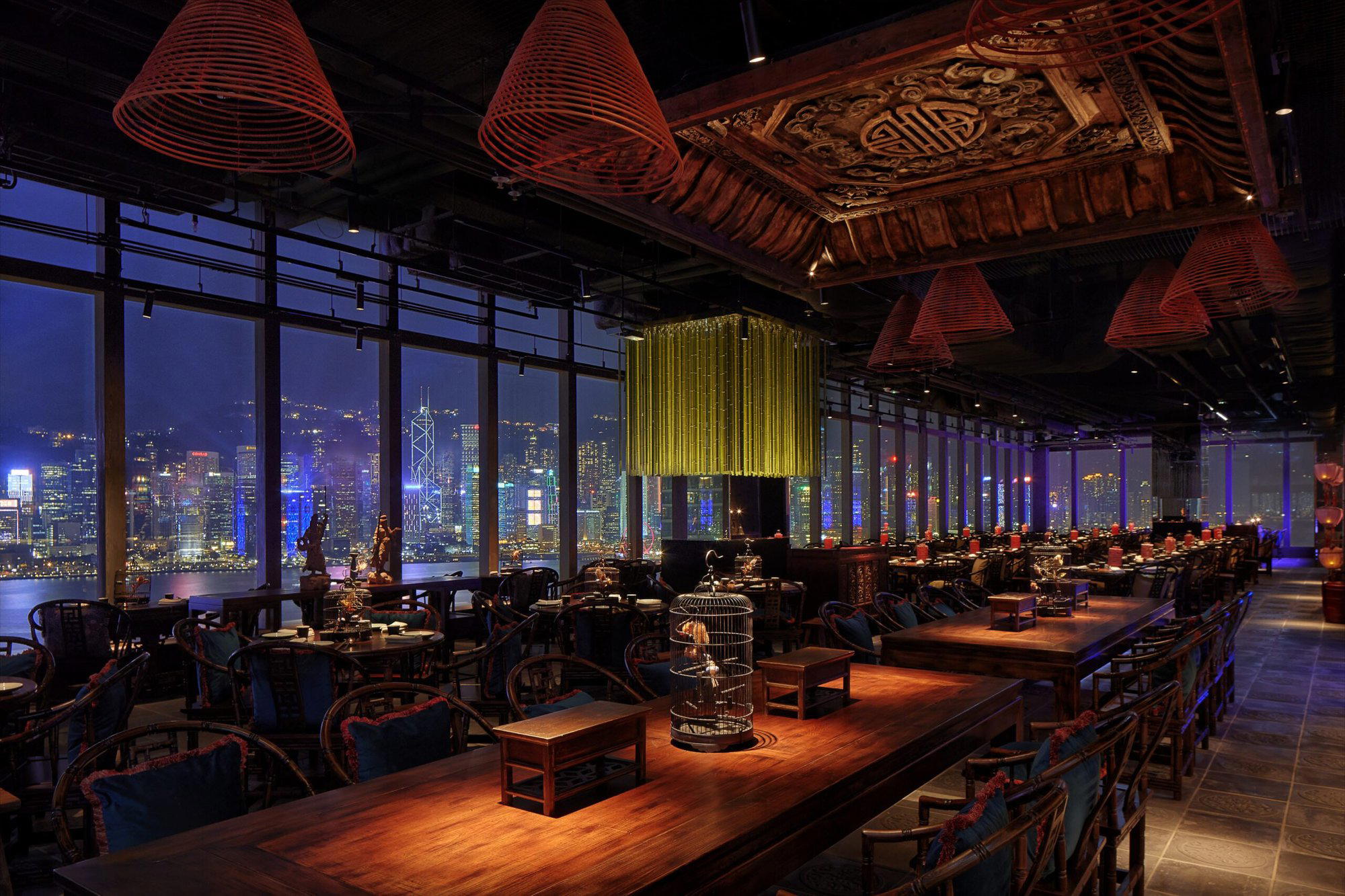
Northern Chinese Cooking in a Cantonese City
Hong Kong's fine dining conversation has long defaulted to two poles: Cantonese tradition, represented by rooms like Forum, and European imports with Michelin credentials, from Caprice to 8 1/2 Otto e Mezzo Bombana. The cuisines of northern China, Sichuan heat, Hunanese smoke, the braised and roasted registers of Beijing cooking, have rarely held space at the upper end of the market here. Hutong, positioned on the 18th floor of H Zentre in Tsim Sha Tsui, Hong Kong, is a northern Chinese fine dining restaurant. It makes a case that northern Chinese technique and ingredient sourcing can occupy the same tier as the Michelin-chasing European rooms that have defined Hong Kong's premium dining identity for decades.
That positioning matters because it shapes everything about how the kitchen operates. Where Cantonese fine dining prizes the purity of the primary ingredient, a live fish, a precisely aged abalone, northern Chinese cooking builds complexity through layering: fermented pastes, dried aromatics, slow-rendered fats, and spice combinations that arrive in sequence rather than in a single clean note. To execute that register at fine dining level requires sourcing discipline that differs markedly from what a Cantonese kitchen demands.
The Sourcing Logic Behind Northern Chinese Fine Dining
The ingredient sourcing argument for northern Chinese cuisine at this level rests on geography. The cooking traditions Hutong references draw from provinces where harsh winters shaped preservation culture: dried, cured, fermented, and aged components are structural, not decorative. Bringing those ingredients to Hong Kong at consistent quality requires supply relationships that stretch across significant distances inside mainland China, with all the temperature, timing, and authenticity pressures that entails.
In broader terms, the shift toward provenance-conscious sourcing that has reshaped European fine dining over the past two decades, the same logic that frames conversations around restaurants like Aponiente in Spain or Le Bernardin in New York, has reached Asian kitchens with its own regional character. For a northern Chinese kitchen in Hong Kong, that means tracking where Sichuan peppercorns are grown and at what altitude, which producers are handling doubanjiang fermentation traditionally, and whether the dried chilies arrive in peak condition. These are supply chain questions as much as culinary ones, and they separate rooms operating with genuine sourcing rigour from those treating northern flavours as atmosphere.
The cuisine's reliance on aged and preserved components also creates a different relationship with seasonality than the hyper-local, harvest-driven model familiar from contemporary European fine dining as practiced at rooms like Amber or Alléno Paris au Pavillon Ledoyen. Preservation is itself the seasonal act; what arrives at the table in winter may reflect decisions made six months earlier about fermentation timing and drying conditions. That temporal dimension is part of what makes northern Chinese cooking intellectually coherent as a fine dining subject, even if it requires different critical tools to evaluate.
Tsim Sha Tsui at Elevation
The 18th-floor location in H Zentre on Middle Road is a considered choice for this kind of restaurant. Tsim Sha Tsui has long operated as Hong Kong's most internationally facing district, the point of arrival for travellers crossing from the airport through Kowloon before crossing the harbour. The neighbourhood carries a different dining energy than Central or Wan Chai: more transient, more varied in its expectations, and accustomed to rooms that pitch themselves at both local regulars and visitors who may not return for some time.
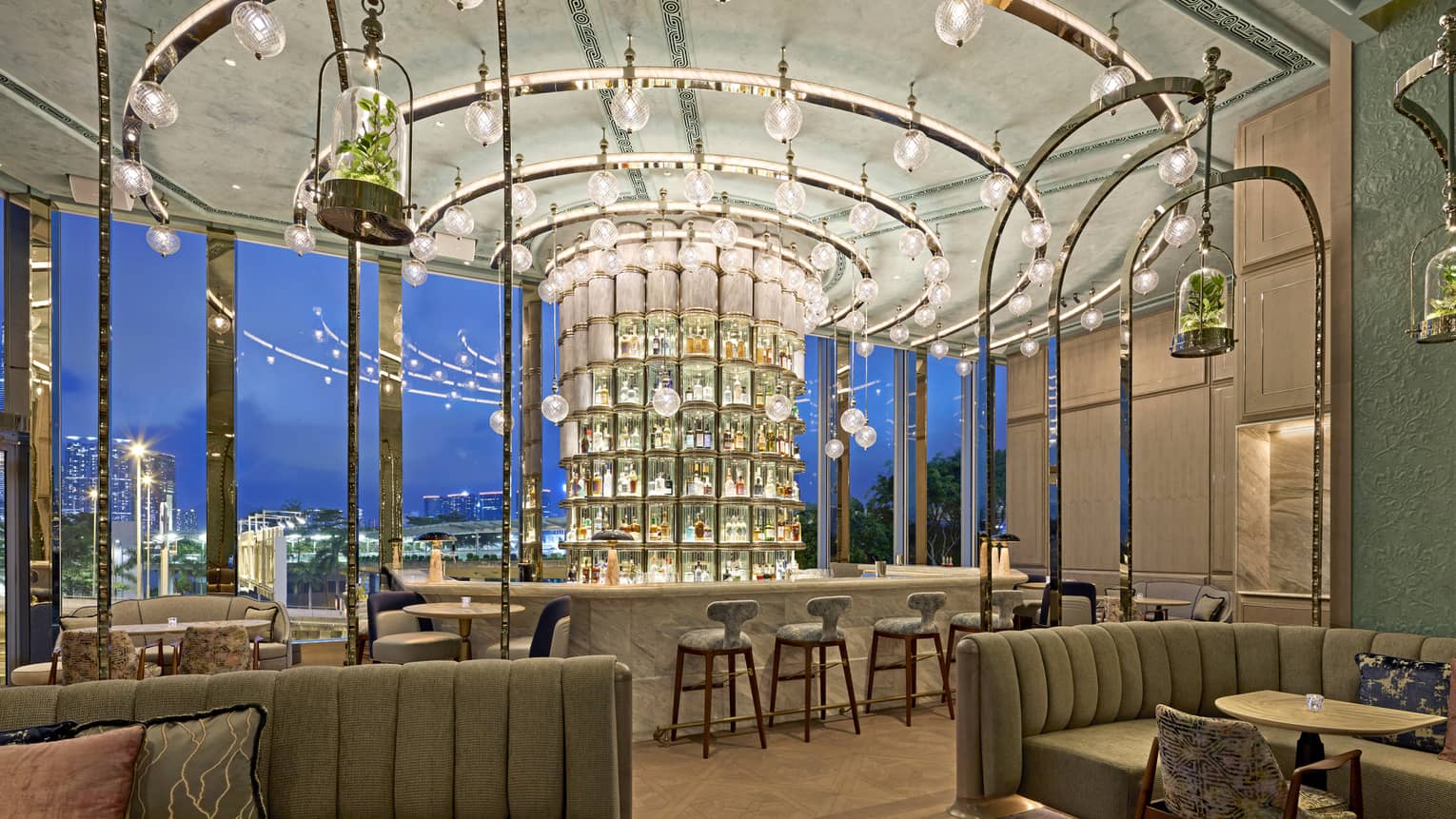
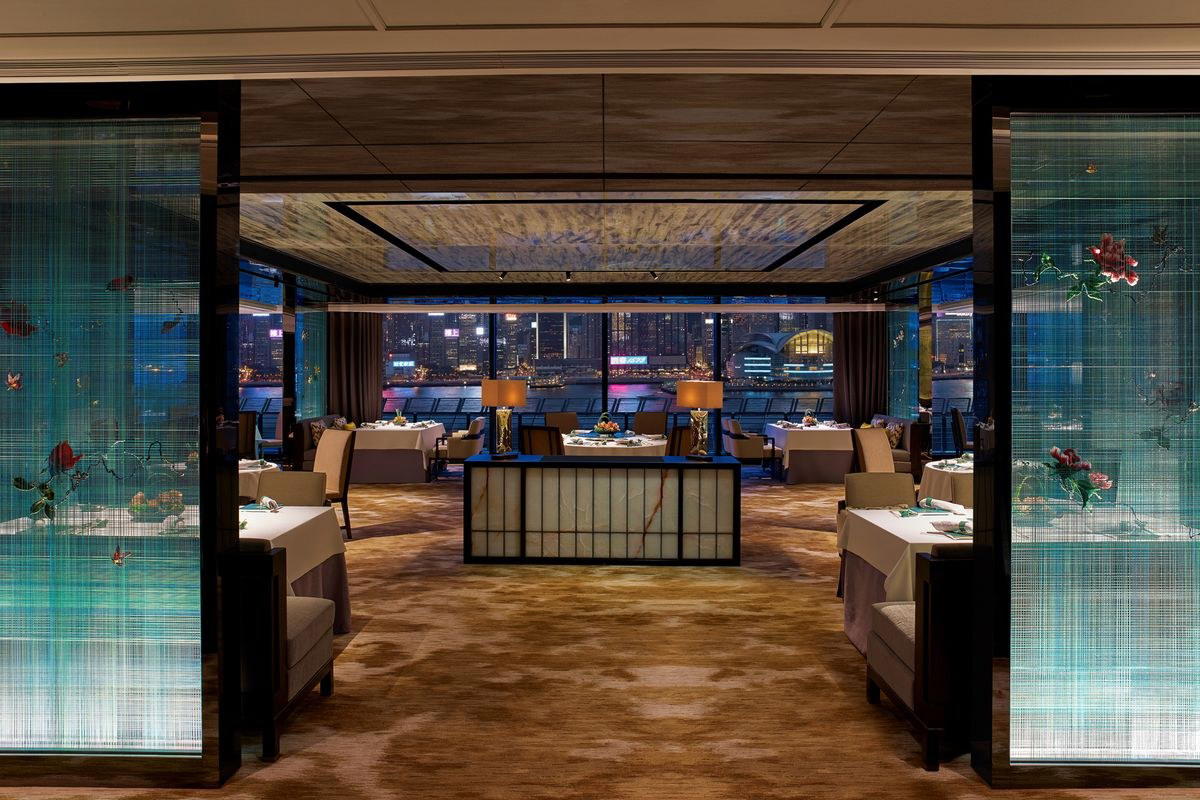
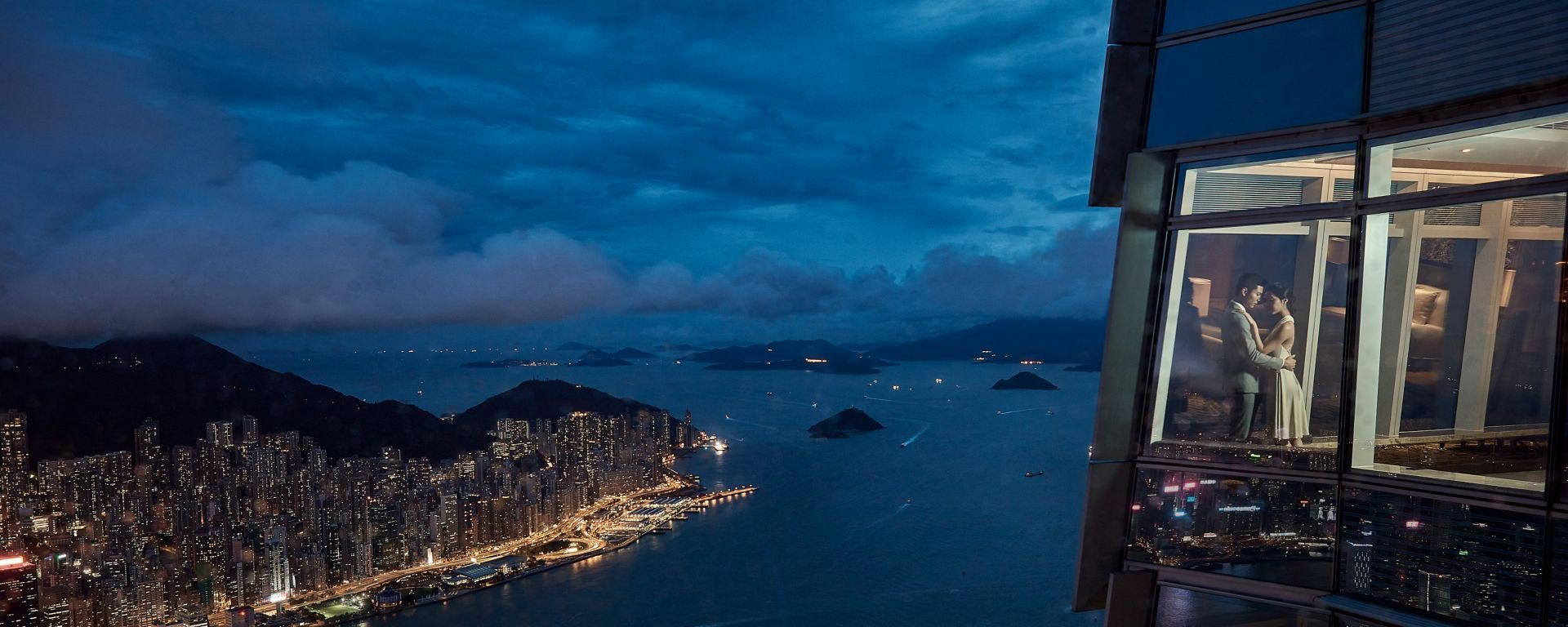
At elevation, the harbour view becomes a dining element in its own right. This is a format with precedent across Hong Kong's premium tier, the combination of significant height, Victoria Harbour sightlines, and cooking that rewards attention rather than speed. The formula works because the view creates a natural pacing mechanism: guests arrive with the expectation of time, and the kitchen can respond accordingly. Comparable refined experiences across the city's fine dining scene have demonstrated consistent demand for this format, regardless of cuisine type.
The address also places Hutong within reasonable proximity to the hotel corridors of Tsim Sha Tsui, which feed a customer base comfortable with premium pricing and international dining references. For a room serving a cuisine that most of those guests will have encountered only in casual formats, the roast duck shop, the hot pot chain, there is an educational dimension to the proposition that the location supports.
Where Hutong Sits in the Hong Kong Premium Tier
Placing Hutong against its immediate comparable set requires some precision. The Michelin three-star rooms in Hong Kong, Caprice, Ta Vie, Otto e Mezzo Bombana, operate in European or Franco-Japanese registers where the critical vocabulary is well established and the international reference points are shared. Forum holds a comparable position for Cantonese. Hutong operates in a smaller, less codified tier: premium northern Chinese cooking in Hong Kong has few direct competitors at this level, which means its comparable set is partly defined by price and format rather than cuisine.
That relative scarcity is a double-edged condition. It insulates the room from direct cuisine-to-cuisine comparison, which can work in its favour with guests who lack the reference points to challenge what they are served. But it also means the critical frame for evaluating the kitchen's sourcing and execution is less developed in Hong Kong than it would be in Beijing or Chengdu, where diners carry inherited knowledge of what these flavours should taste like at their source. The room exists, in part, as an ambassador for a culinary tradition that most of its guests are encountering in concentrated, premium form for the first time.
For context on how other globally recognised kitchens have handled the challenge of representing regional cuisines far from their origin, it is worth considering rooms like Atomix in New York, which brought Korean fine dining to a market with strong European fine dining defaults, or Alinea in Chicago, which reframed American cooking within an international critical conversation. The challenge is similar: establish the cuisine's seriousness on terms the market can evaluate, while remaining faithful to the traditions that give it substance.
Planning a Visit
| Factor | Hutong | Caprice | Forum |
|---|---|---|---|
| Location | Tsim Sha Tsui, 18/F H Zentre | Central, Four Seasons | Causeway Bay |
| Cuisine Register | Northern Chinese | French Contemporary | Cantonese |
| Price Tier | Not confirmed | $$$$ | Not confirmed |
| Awards | Not confirmed | Michelin 3 Stars | Not confirmed |
| View | Harbour (18th floor) | Harbour (Four Seasons) | Street level |
Hutong's address is 18/F, H Zentre, 15 Middle Road, Tsim Sha Tsui. Dress code is smart casual.
Compact Comparison
Comparable venues nearby, for context on price, style, and recognition.
| Venue | Cuisine | Price | Notes |
|---|---|---|---|
| HutongThis venue — the venue you are viewing | Not listed | $$$$ | Not listed |
| Yong Fu(Ning Bo) | Not listed | $$$$ | Wan Chai, Michelin‑starred Ningbo fine dining |
| Man Ho Chinese Restaurant (JW Marriott Hotel Hong Kong) | Not listed | $$$$ | Admiralty, Michelin-starred Cantonese Fine Dining |
| Soft Bank | Sheung Wan, Cantonese Private Kitchen | $$$$ | Not listed |
| Flower Drum | Wan Chai, Modern Cantonese Fine Dining | $$$$ | Not listed |
| Mián | Not listed | $$$$ | Central, Modern regional Chinese fine dining |
Continue exploring
More in Hong Kong
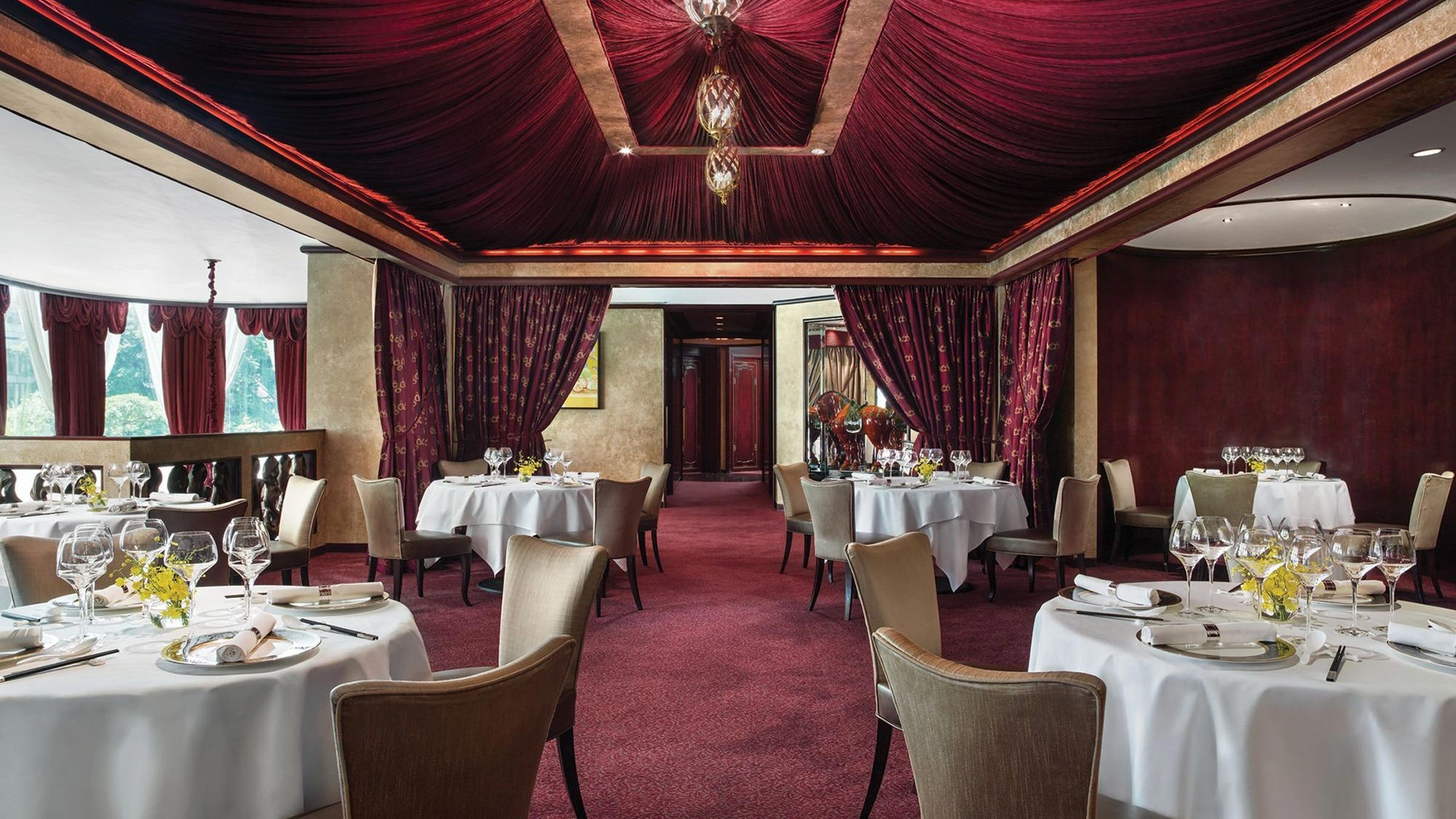
Restaurants in Hong Kong
Browse all →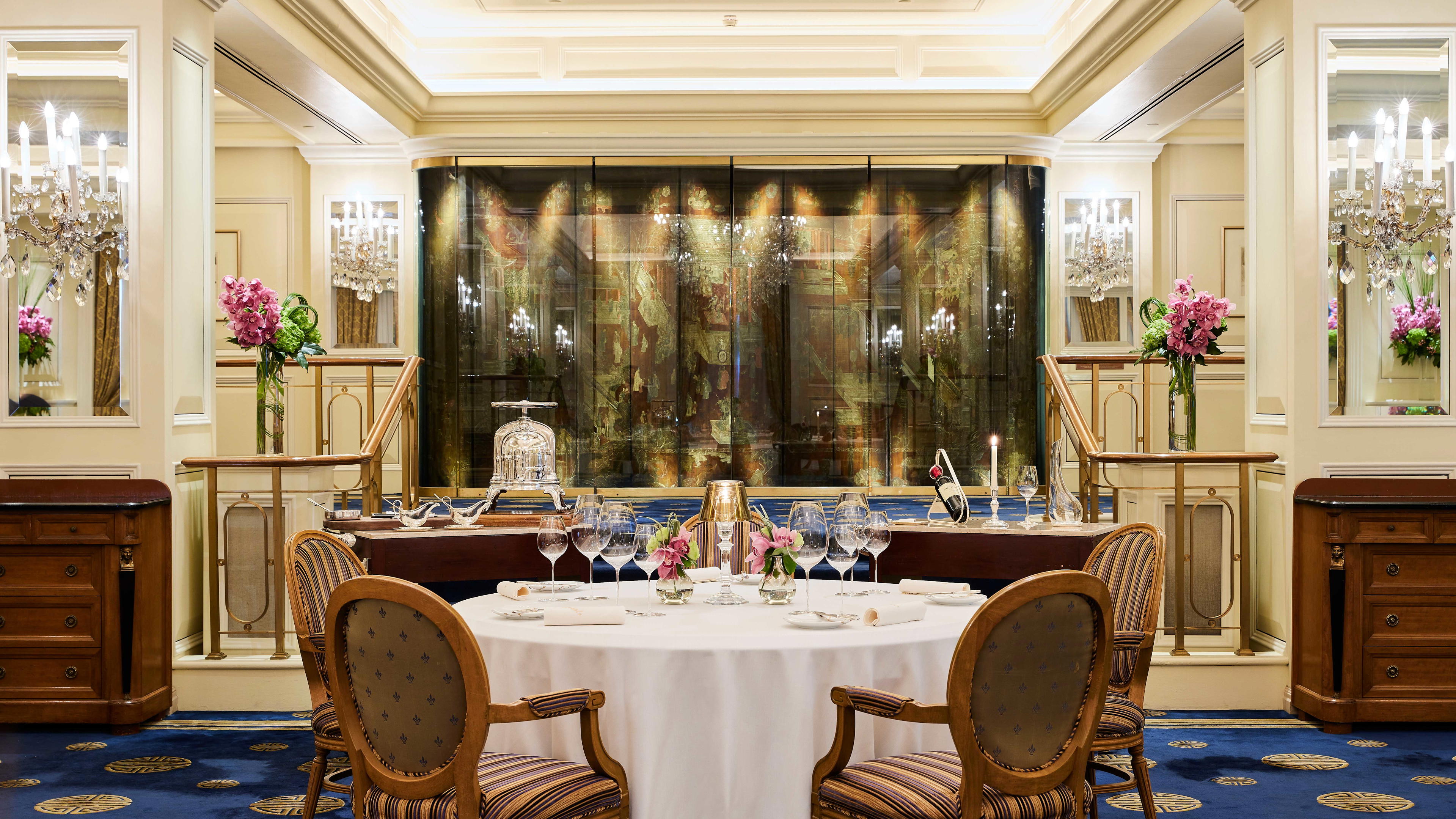
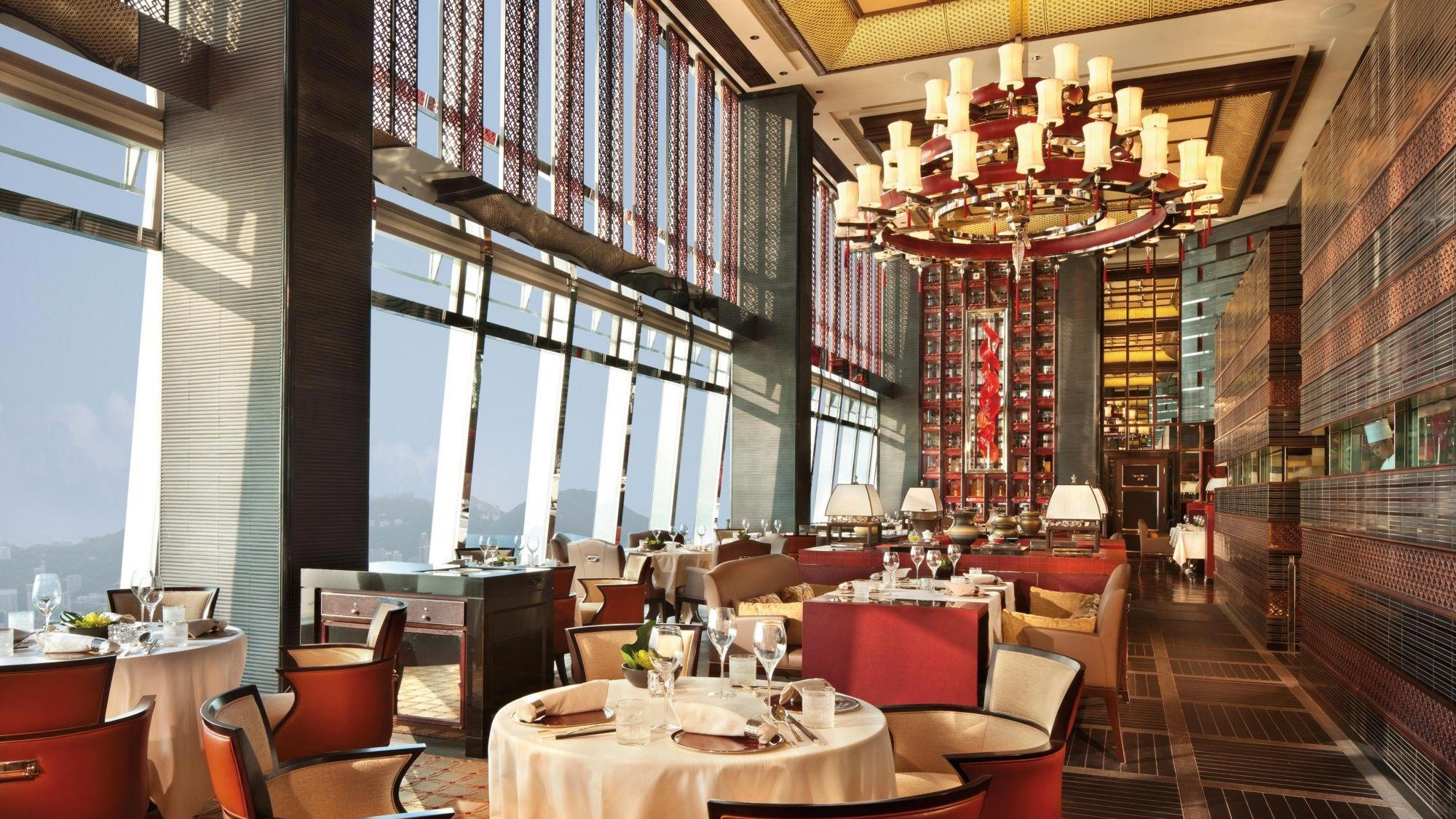
Bars in Hong Kong
Browse all →
At a Glance
- Elegant
- Sophisticated
- Rustic
- Well Known
- Date Night
- Special Occasion
- Celebration
- Business Dinner
- Panoramic View
- Private Dining
- Hotel Restaurant
- Extensive Wine List
- Sake Program
- Craft Cocktails
- Skyline
Current opening hours
- Monday
- 12 PM–12 AM
- Tuesday
- 12 PM–12 AM
- Wednesday
- 12 PM–12 AM
- Thursday
- 12 PM–12 AM
- Friday
- 12 PM–12 AM
- Saturday
- 11:30 AM–12 AM
- Sunday
- 11:30 AM–12 AM
Hours can change for holidays and private events. Last verified .
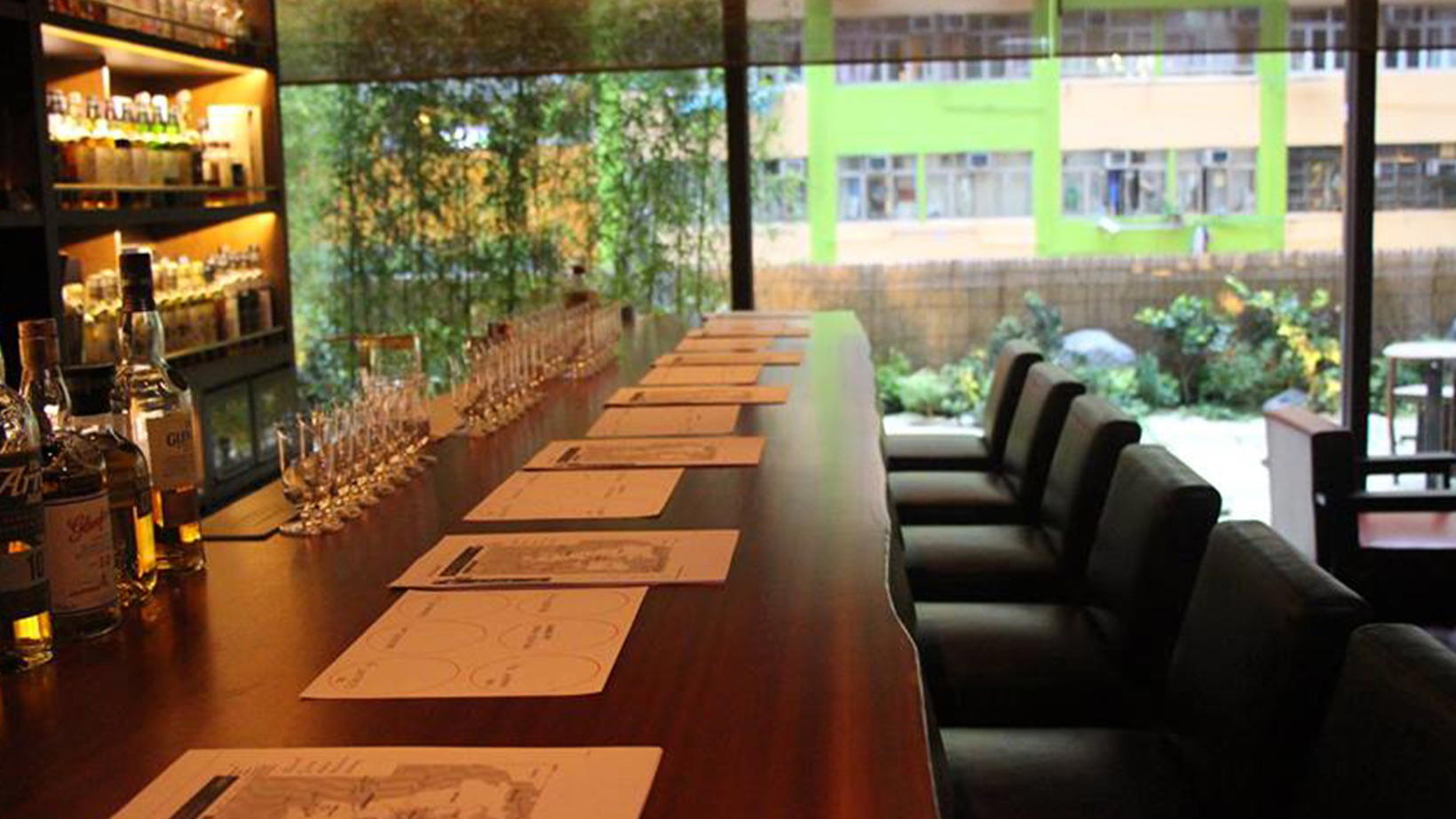
Elegant and modern all-wood interior with dark, atmospheric lighting and period furniture creating a sophisticated yet rustic village-like feel.