A neighbourhood dining address on Yanling Road in Tianhe District, Haimen Yuzai Shop draws from the Haimen culinary tradition, a coastal style that sits distinct from mainstream Cantonese cooking in Guangzhou. For visitors piecing together the city's broader eating scene, it represents a strand of regional specificity that the more celebrated banquet halls rarely offer.
 Discover on Pearl
Pearl is the En Primeur Club membership app — saves, bookings, and concierge access live there. Same editors, same standards.
- Address
- 120 Yanling Rd, Tianhe District, Guangzhou, Guangdong Province, China, 510507
- Phone
- +862037205609
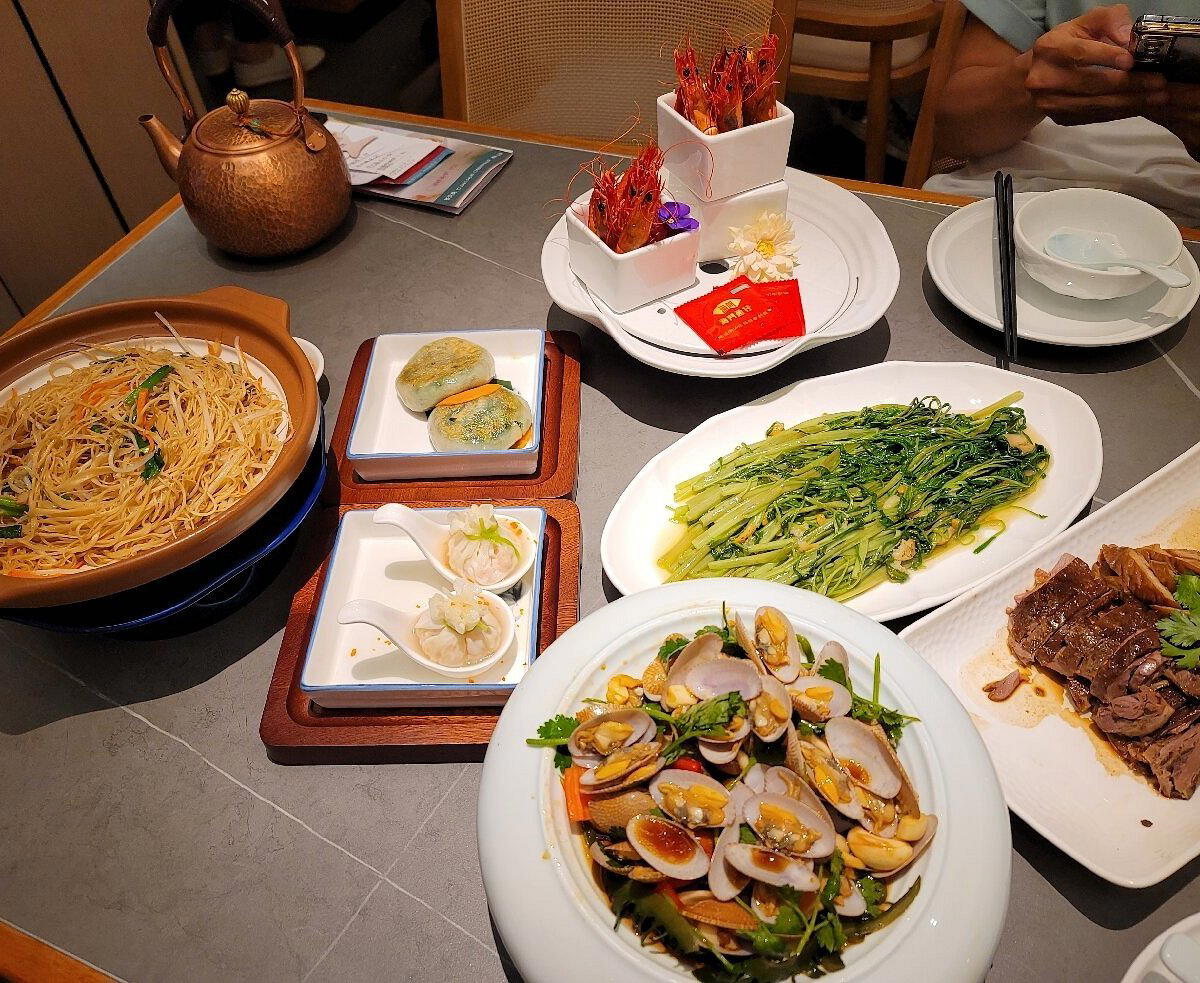
A Coastal Register Inside a Cantonese City
Tianhe District is where Guangzhou's commercial density meets its more residential back streets, and Yanling Road sits in that in-between zone where the city's dining habits are shaped less by tourism than by daily local use. Haimen Yuzai Shop is a restaurant serving Chaoshan Seafood at 120 Yanling Rd, Tianhe District, Guangzhou.
Haimen, a coastal area in eastern Guangdong, produces a style of cooking that shares DNA with Chaozhou and Teochew traditions but carries its own coastal identity: lighter braises, a stronger emphasis on fresh seafood handled with minimal intervention, and a textural vocabulary that diverges from the richer saucing common in central Cantonese cooking. In a city as food-serious as Guangzhou, these regional distinctions matter to the people eating in them. The Haimen specialist addresses a different appetite than the celebrated Cantonese rooms you find at venues like Imperial Treasure Fine Chinese Cuisine or Jiang by Chef Fei, both of which operate at the upper end of the Cantonese fine-dining bracket.
How Haimen Cooking Sits in Guangzhou's Regional Picture
Guangzhou's dining scene is more internally diverse than outside coverage tends to acknowledge. The city's Cantonese identity is real and deep, but the Pearl River Delta and its surrounding coastal counties each contribute distinct culinary dialects. Chaozhou cooking has its own dedicated specialists in the city; so does Hakka cuisine; and so does Haimen-style seafood cooking. These aren't fusion exercises or chef-driven reinterpretations, they are intact regional traditions served to communities for whom the distinctions carry genuine meaning.
Within that framework, a Haimen-focused address in Tianhe is filling a specific slot. It is not competing with the dim sum institutions, venues like Hongtu Hall or the formal banquet rooms of BingSheng Mansion, nor with the progressive end of Guangzhou's dining scene represented by places like Chōwa. It occupies a different niche: the kind of address that locals return to for a particular regional idiom, not for occasion dining or gastronomic novelty.
This pattern repeats across China's major food cities. In Beijing, coastal specialists like Xin Rong Ji have built strong followings around the East China Sea fishing tradition. In Shanghai, neighbourhood-format addresses such as 102 House anchor their identity in regional specificity rather than pan-Chinese ambition. The Haimen format in Guangzhou belongs to the same logic: precision of origin over breadth of appeal.
Planning Around a Neighbourhood Address
The editorial angle here is practical, because the planning considerations for a venue like this differ significantly from the prestige-tier rooms that dominate most Guangzhou coverage. Booking dynamics at neighbourhood-format specialists in Chinese cities tend to be driven by local regulars rather than by inbound tourism, which means peak times, weekend lunches and early weekday evenings, fill on short notice. Visitors unfamiliar with this pattern sometimes assume that a non-Michelin-listed address means easy walk-in availability; in Guangzhou's busier neighbourhoods, that assumption is regularly wrong.
If you are targeting a weekend visit, contact ahead.
Tianhe District is well-served by Guangzhou Metro, making the venue accessible without relying on taxis or ride-share services during peak hours. The address on Yanling Road places it within a walkable distance of the district's main arterials.
Language is a practical consideration worth flagging. At neighbourhood-format specialists in Guangzhou, Mandarin and Cantonese are the operating languages; English menus and English-speaking staff are less consistent than at the hotel-affiliated or prestige-tier venues. Visitors without either language should either come with a companion who reads Chinese or be prepared for a point-and-observe approach to ordering, which, at a seafood specialist, often works well enough given that live tanks are a common feature of the format.
The Broader Coastal Specialist Circuit
For visitors who find the Haimen approach compelling, the tradition extends across southern China's coastal belt. In Macau, Chef Tam's Seasons addresses the Cantonese-coastal convergence from a more formal angle. Further along the coast, Fleurs Et Festin in Xiamen and Jiangnan Wok·Rong in Fuzhou each work within regional seafood traditions that share certain structural characteristics with Haimen cooking, minimal intervention, product-driven rather than technique-driven, and rooted in a specific coastal geography. The comparison is instructive: these are not interchangeable, but they belong to the same broader argument about how southern Chinese coastal cooking resists homogenisation.
For those who want a sense of how prestige-tier coastal Chinese cooking presents internationally, Le Bernardin in New York City and Atomix represent the kind of formal, technically documented seafood and tasting-menu environments that sit at the opposite end of the format spectrum from a Guangzhou neighbourhood specialist, useful context for calibrating expectations before the visit. Similarly, Dai Yuet Heen in Nanjing, Dingshan·Jiangyan in Suzhou, and Shang Palace in Yangzhou each anchor regional Chinese cooking in their respective cities, illustrating how the specialist-address model functions across different culinary traditions.
What to Know Before You Go
Haimen Yuzai Shop's address, 120 Yanling Road, Tianhe District, is the most reliable planning anchor currently available. Phone, website, hours, and pricing data are not listed. The Tianhe location makes it reachable by metro, and the neighbourhood context suggests a mid-range, everyday-use format. Visitors building a multi-day Guangzhou itinerary should treat it as a complement to, not a replacement for, the city's more formally documented dining tier.
Comparable Venues
Comparable venues nearby, for context on price, style, and recognition.
| Venue | Cuisine | Price | Awards | Notes |
|---|---|---|---|---|
| Haimen Yuzai ShopThis venue — the venue you are viewing | Chaoshan Seafood | $$ | , | |
| 广å·è±åé åº | Guangzhou Huayuan Bar | , | , | Guangzhoushi |
| Flavor Restaurant | Huaiyang and Sichuan Chinese | $$$ | , | Guangzhoushi |
| Bingsheng Private Dining (Zhongda Flagship Store) | Traditional Cantonese seafood and dim sum | $$$ | , | Haizhu District |
| Fa Sing Garden Cantonese Cuisine Restaurant | Cantonese | $$ | , | Zhujiang New Town |
| Tao Ran Xuan (Liwan) | Authentic Cantonese Dim Sum | $$ | Michelin Plate | Guangzhoushi |
Continue exploring
More in Guangzhou
Restaurants in Guangzhou
Browse all →
Bars in Guangzhou
Browse all →
At a Glance
- Lively
- Group Dining
- Casual Hangout
- Open Kitchen
High-ceilinged bi-level dining room next to a glass-walled kitchen, buzzing and loud with locals.