On Yanjiang Middle Road in Guangzhou's Yuexiu District, Yongli Restaurant occupies a position within the city's layered Cantonese dining scene where heritage technique and local-market sourcing intersect. The address places it along the Pearl River corridor, a stretch that has long anchored the city's serious restaurant culture. Visitors looking for a window into Guangzhou's approach to refined Chinese cooking will find Yongli a credible entry point.
Pearl is the En Primeur Club membership app — saves, bookings, and concierge access live there. Same editors, same standards.
- Address
- Xianjian Business Building, 3楼259 Yanjiang Middle Rd, 259, Yuexiu District, Guangzhou, Guangdong Province, China, 510110
- Phone
- +8618026250388
- Directions
- Get directions
 Saves & bookings on Pearl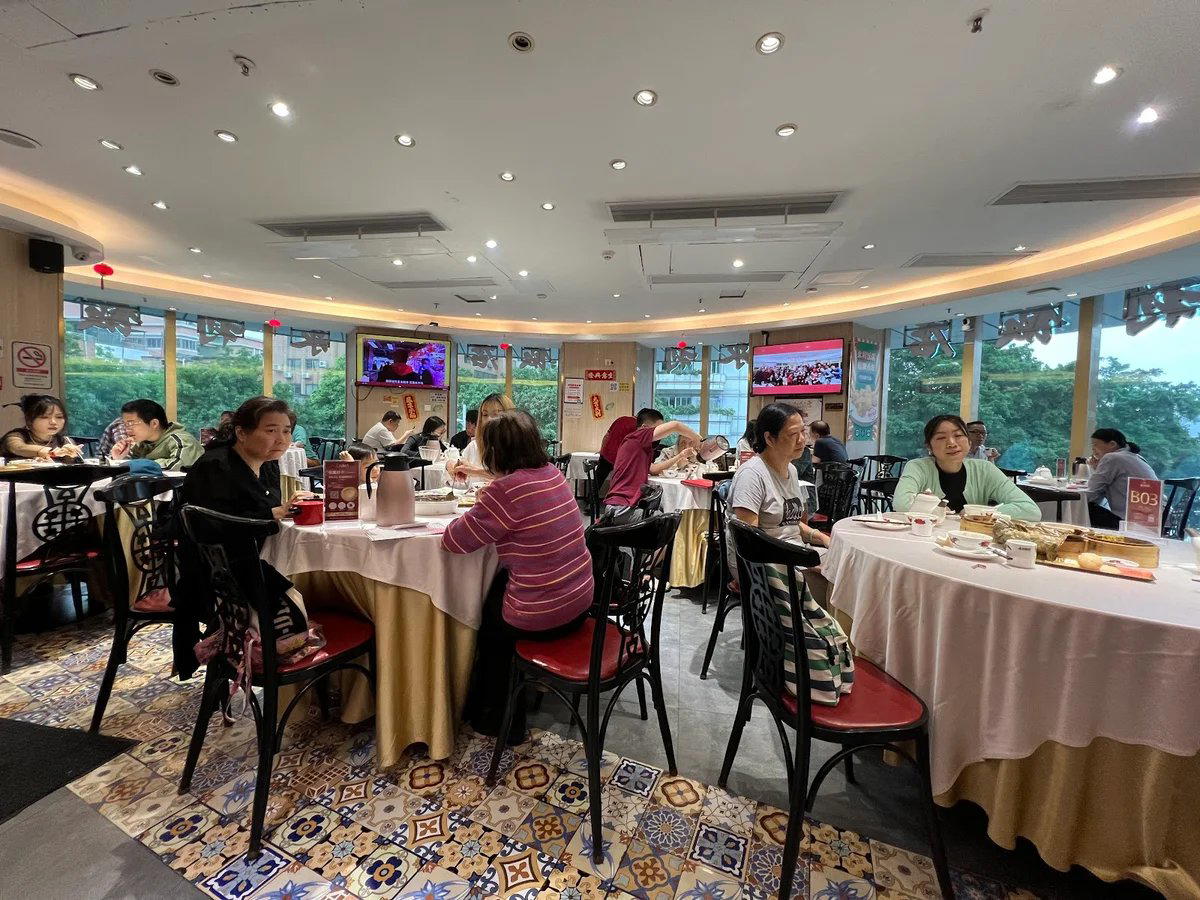
Where Yanjiang Middle Road Meets the Table
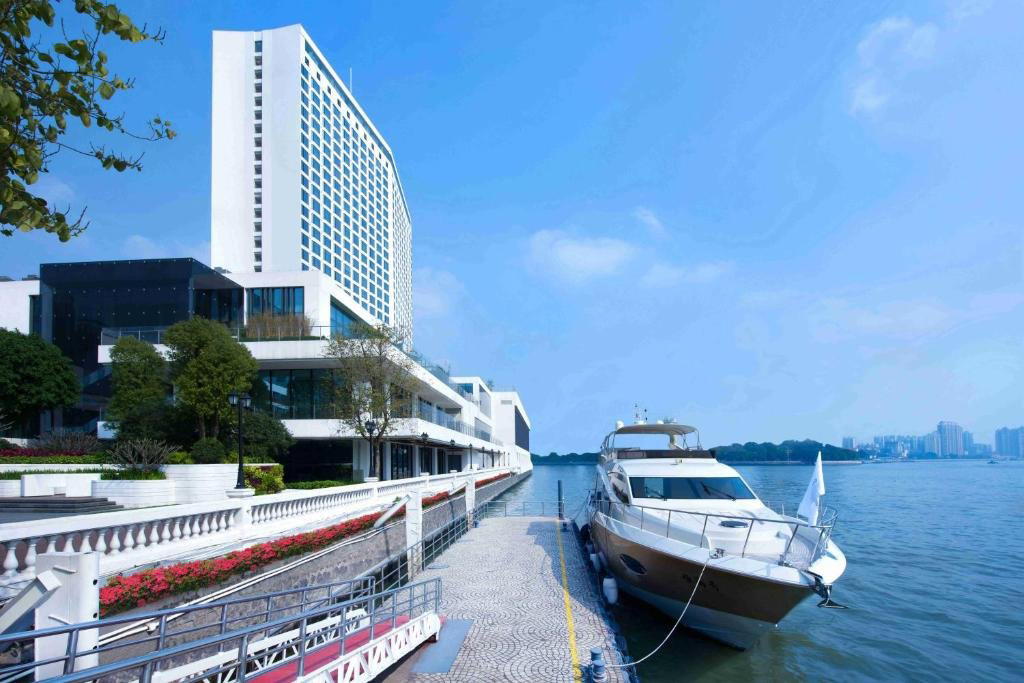
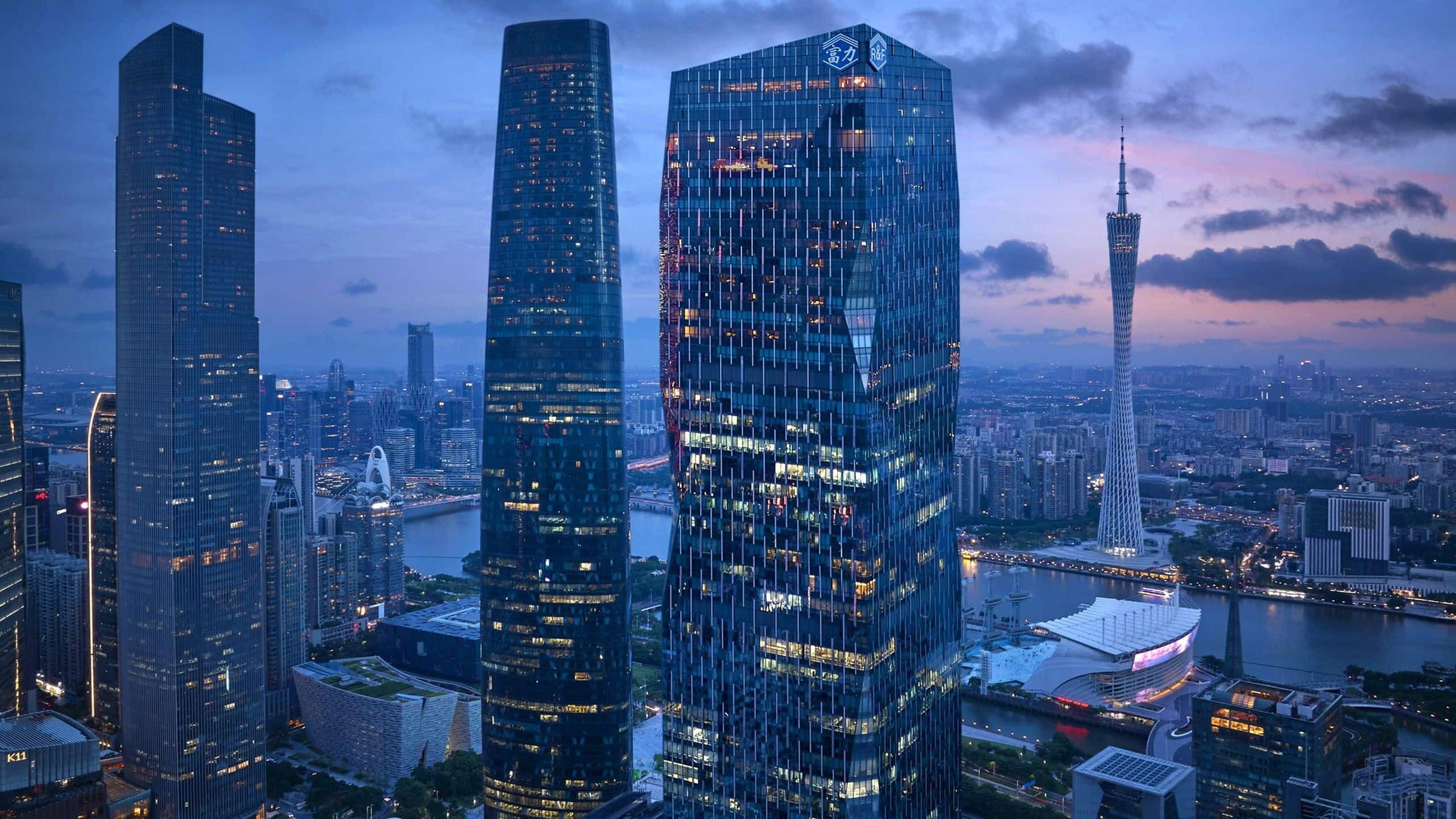
The stretch of Yanjiang Middle Road that runs along Guangzhou's Pearl River waterfront has, for decades, functioned as one of the city's most legible addresses for serious dining. The corridor belongs to Yuexiu District, the administrative and historical heart of Guangzhou, and the buildings here carry a particular weight: this is not a newly gentrified pocket or a developer-led food hall, but a neighbourhood with deep commercial and civic roots. Yongli Restaurant occupies the third floor of Xianjian Business Building at number 259, in Yuexiu District. The Pearl River sits close enough to shape the light on the windows; the ambient sounds of the waterfront reach the upper levels in quieter moments.
Guangzhou's Dining Logic and Where Yongli Sits
To understand any Guangzhou restaurant, it helps to understand the city's position in Chinese culinary geography. Cantonese cuisine, in its broadest sense, originates here, and Guangzhou's dining culture is unusually self-confident about that inheritance. The city hosts a spectrum that runs from dai pai dong street stalls through mid-range roast-meat specialists, all the way to formal yum cha houses and contemporary rooms where classical Cantonese technique meets imported methodology. That upper register is where the more interesting editorial questions now sit: how much of the classical grammar survives contact with modern kitchen practice, and what happens to ingredients sourced through Guangdong's extraordinary agricultural and coastal networks when they meet technique drawn from further afield.
The comparison set in Guangzhou's higher-tier dining is well-defined. Imperial Treasure Fine Chinese Cuisine and Jiang by Chef Fei anchor the recognized prestige end of Cantonese dining, each with formal credentials and significant regional profiles. Chōwa operates in the innovative tier, where Chinese and Japanese technique overlap in a format that has found a specific audience among younger, internationally-oriented diners. BingSheng Mansion represents the banquet-scale Cantonese tradition, while Hongtu Hall holds a place in the dim sum conversation that few rooms in the city can contest. Yongli's position within that map rests on location, address credibility, and what the Yuexiu setting implies about its likely audience and ambition.
Local Ingredients, the Cantonese Pantry, and Technique
The editorial angle that makes Guangzhou worth writing about seriously is precisely the one that applies most directly to a restaurant in Yuexiu: the intersection of Guangdong's ingredient base with whatever technical approach the kitchen has chosen. Guangdong province produces an agricultural and aquatic pantry that most other Chinese regions cannot replicate at scale. River fish from the Pearl River delta, live seafood from coastal Guangdong, seasonal vegetables from the province's subtropical growing zones, and a preserved-goods tradition that extends from soy-cured meats through fermented black beans to aged tangerine peel: these are the materials that define what Cantonese cooking can do at its leading. The question any serious restaurant in this city has to answer is how it handles that inheritance.
At the more ambitious end of the global fine-dining conversation, the intersection of indigenous ingredients and imported methodology has become a defining preoccupation. Rooms like Le Bernardin in New York City built a case for technique-led precision applied to singular sourcing, while Atomix, also in New York, demonstrates how Korean culinary grammar can absorb and reframe European tasting-menu structure without losing its specificity. In China's major dining cities, a parallel conversation has been developing across different formats and price points. Xin Rong Ji in Beijing has made Zhejiang ingredients central to its identity in a northern-city context, while 102 House in Shanghai represents a different approach to heritage and contemporary framing. Further south, Chef Tam's Seasons in Macau shows what happens when Cantonese technique meets a Macanese culinary context with its own distinct pressures. Guangzhou, as the origin point of Cantonese cooking, sits at the centre of this conversation rather than on its periphery.
The Yuexiu Location and Planning Considerations
Guangzhou's dining culture rewards planning in a way that some other Chinese cities do not. The city's serious rooms operate on tighter booking windows during peak periods, particularly around Cantonese festivals, the twice-yearly Canton Fair, and the cooler autumn months that many local diners consider the prime season for richer preparations. For reference, rooms in comparable tiers elsewhere in China's southern dining corridor, including Fleurs Et Festin in Xiamen and Jiangnan Wok Rong in Fuzhou, show similar seasonal demand patterns. At Yongli, the reservation policy is recommended, so booking ahead is sensible. The Xianjian Business Building address on Yanjiang Middle Road is accessible from Guangzhou's central metro network, and the Yuexiu District location puts it within reasonable distance of the older city's major cultural sites.
For readers building a broader itinerary around southern Chinese dining, the regional context extends beyond Guangzhou. Ru Yuan in Hangzhou, Dingshan Jiangyan in Suzhou, Dai Yuet Heen in Nanjing, Shang Palace in Yangzhou, and Xin Rong Ji in Chengdu each represent different expressions of how Chinese regional cooking operates at a considered level.
Peers You’d Cross-Shop
Comparable venues nearby, for context on price, style, and recognition.
| Venue | Cuisine | Price | Notes |
|---|---|---|---|
| Yongli RestaurantThis venue — the venue you are viewing | Traditional Cantonese | $$ | Not listed |
| Fresh Wood Beef Hot Pot | Chinese hot pot | $$ | Guangzhou |
| 德利私厨 | Private Kitchen | Not listed | Panyushi |
| 广å·è±åé åº | Guangzhou Huayuan Bar | Not listed | Guangzhoushi |
| çå æ¥æ - Yutang Chunnuan | Classical Cantonese Dim Sum & Roasted Specialties | $$$ | Guangzhoushi |
| 达杨原味炖品 | Cantonese Dim Sum | $$ | Guangzhoushi |
Continue exploring
More in Guangzhou
Restaurants in Guangzhou
Browse all →
Bars in Guangzhou
Browse all →
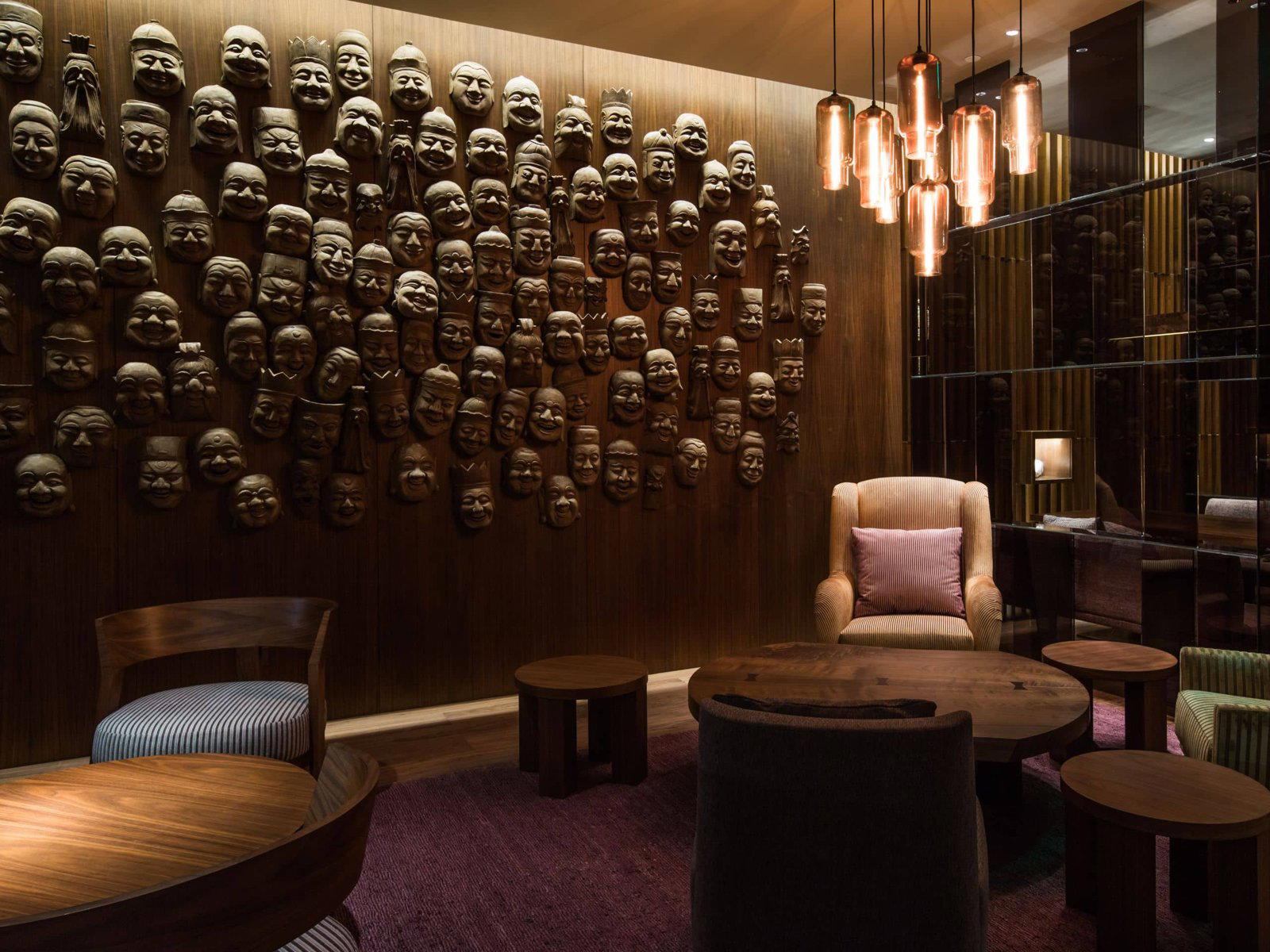
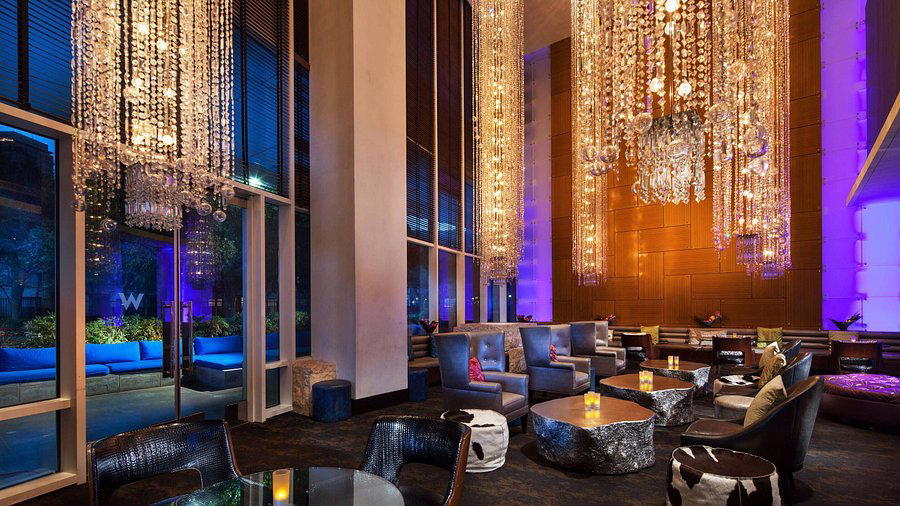
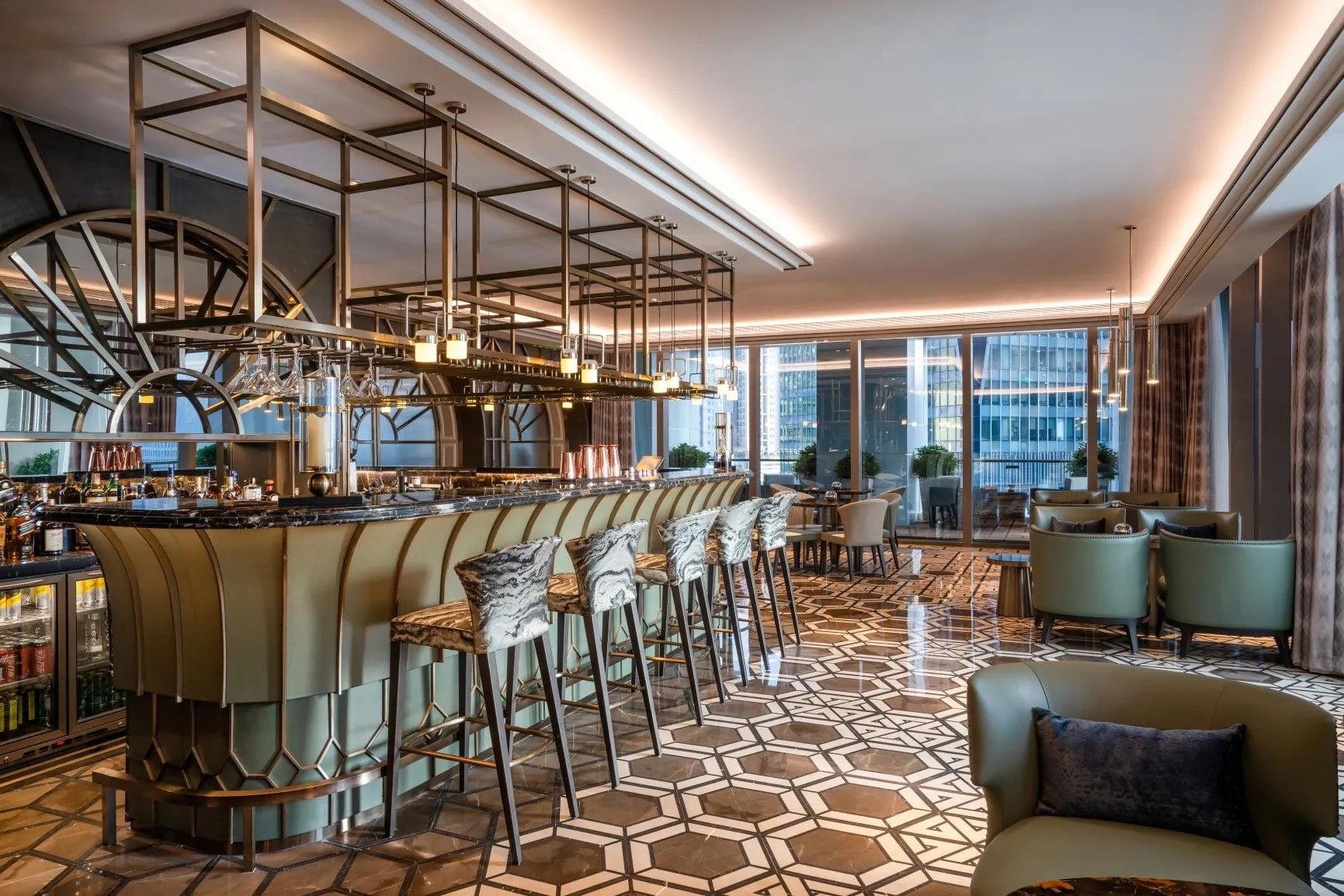
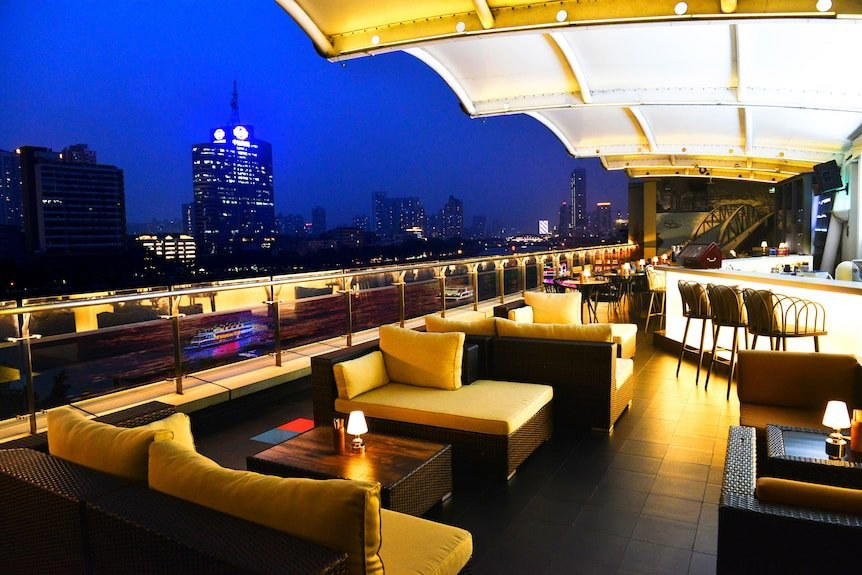
At a Glance
- Classic
- Lively
- Family
- Group Dining
- Casual Hangout
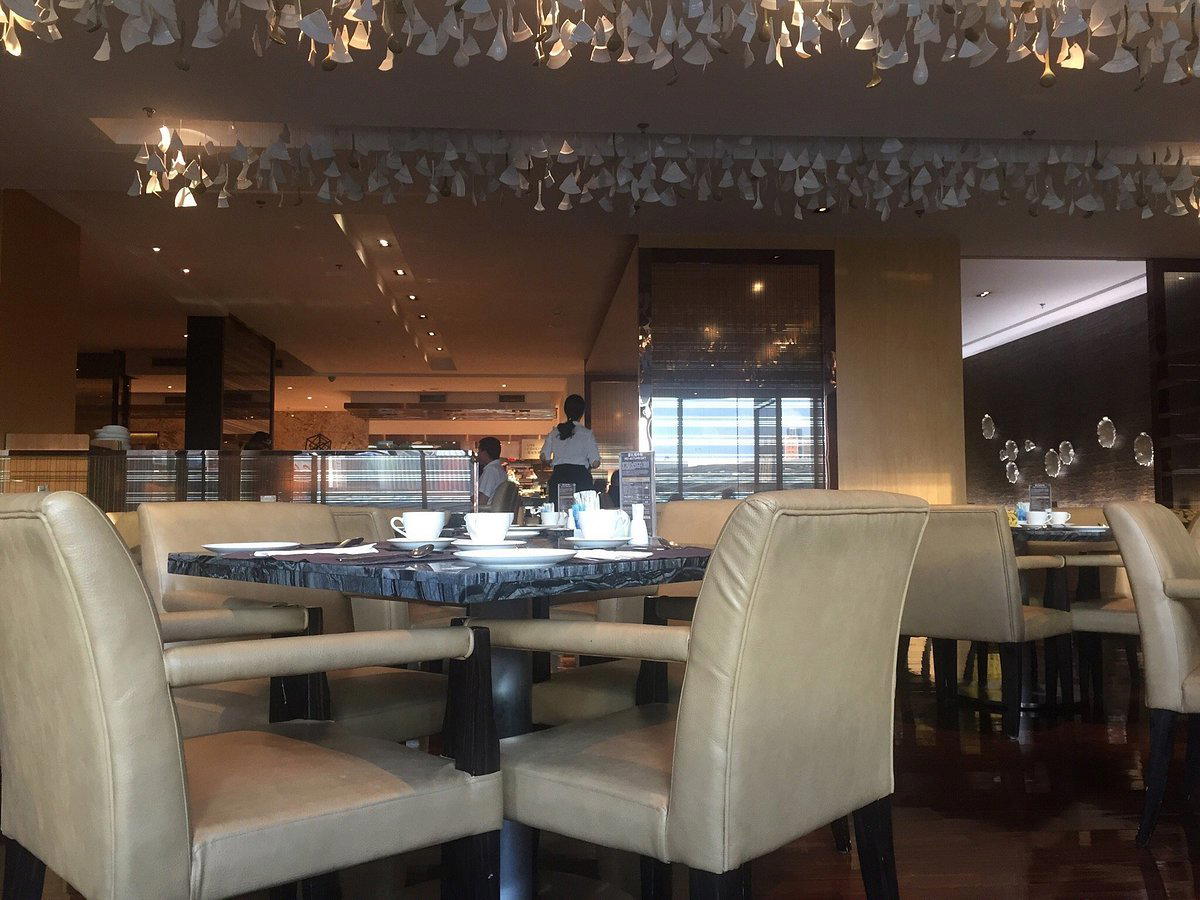
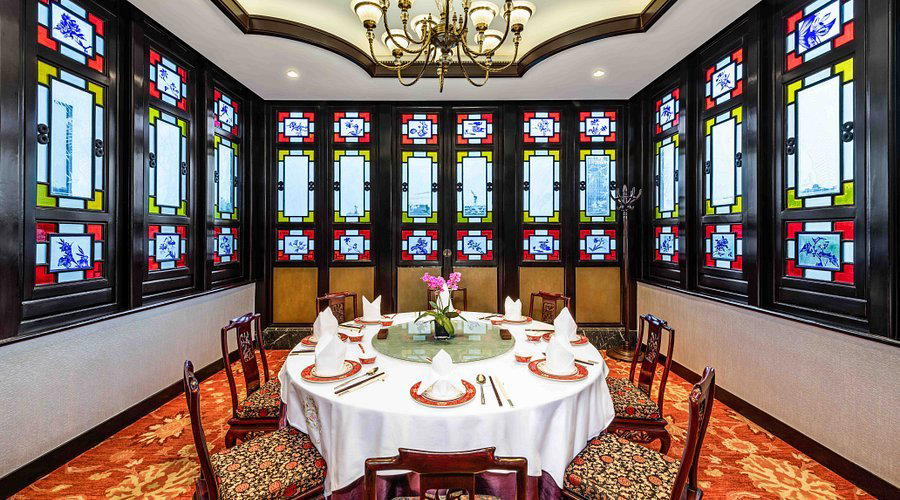
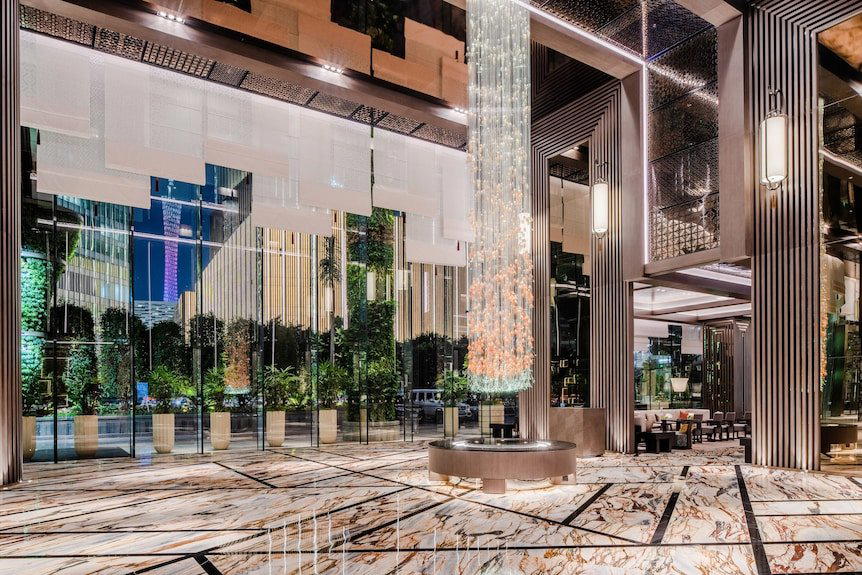
Classic Cantonese style room with lovely river views and a lively scene of shared tables.