Fields of Grace Vineyards pairs Asian Fusion with European Influences with an extensive, sommelier-led wine list, plus a quiet terrace and garden setting for dinner.
Pearl is the En Primeur Club membership app — saves, bookings, and concierge access live there. Same editors, same standards.
- Address
- Put Dobre Luke 5202 1, 21480, Vis, Croatia
- Phone
- +385919505396
- Website
- fieldsofgracevineyards.com
- Directions
- Get directions
 Saves & bookings on Pearl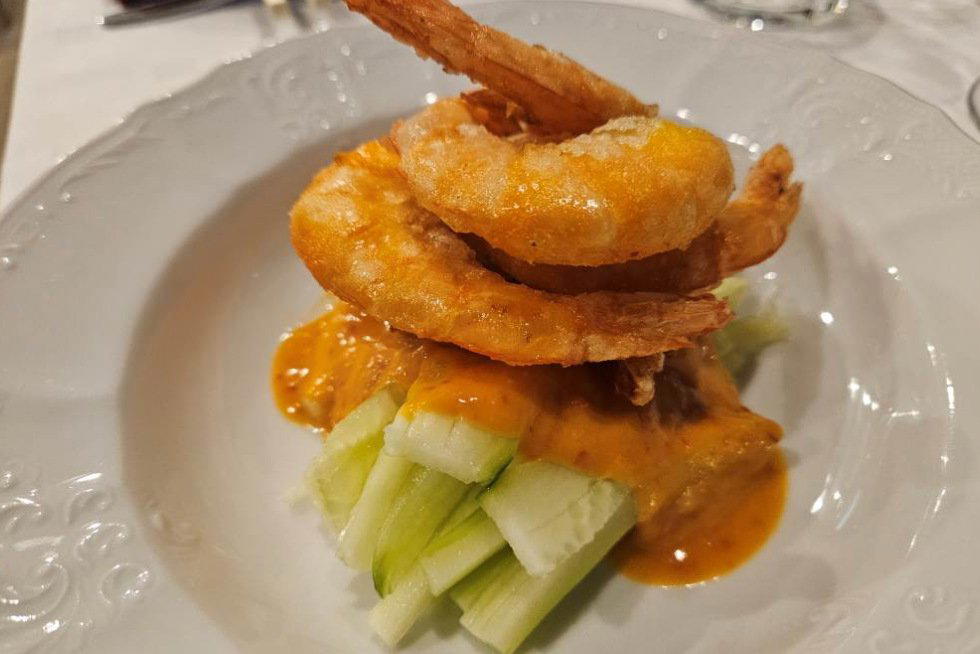
Vis Island and the Quiet Case for Croatian Wine Country
The road to Put Dobre Luke cuts through the interior of Vis in the way that most visitors to this Adriatic island never experience. Those who arrive by ferry from Split tend to stay close to the harbour towns of Vis and Komiža, drawn by the restaurants along the waterfront and the relative ease of staying put. The island's interior, by contrast, is agricultural and unhurried, its terraced plots still producing the grapes and olive oil that sustained Vis through centuries when it was effectively closed to foreign visitors as a Yugoslav military zone. That isolation, which ended only in 1989, is a material fact rather than a romantic aside: it preserved viticultural practices and land use patterns that the more touristed Dalmatian coast had already traded away. Fields of Grace Vineyards sits within that interior geography, at an address on Put Dobre Luke that requires you to have actually decided to go there.
Vis occupies a specific tier in Croatia's emerging fine wine conversation. The island's vineyards grow primarily on steep, stony terrain that limits mechanisation and keeps yields low. The dominant variety is Vugava, a white grape almost exclusive to Vis that produces wines with pronounced mineral character and enough body to stand beside the island's fish-heavy table. It appears rarely on the mainland and almost never on international export lists, which places it in the same category as other recovered indigenous varieties across the Adriatic: genuinely regional, with no mass-market equivalent to anchor expectations.
This context matters when thinking about where a property like Fields of Grace fits into the Croatian wine picture. The country's most celebrated dining addresses, including Agli Amici Rovinj in Rovinj and Pelegrini in Sibenik, draw on regional producers as a mark of seriousness. The vineyards supplying those lists are not interchangeable: soil type, island microclimate, and grape variety each make a distinct argument. Vis producers are making that argument from a position of genuine scarcity, both of land and of global recognition, and that scarcity is not a disadvantage in the current conversation about where interesting European wine actually comes from.
Sourcing Logic: Why the Island Matters
The relationship between what grows on Vis and what ends up on the table is more compressed here than on the mainland. The island has no large distributors, no commodity-scale agriculture, and limited cold-chain infrastructure for importing perishables at volume. It is simply the operating reality of a small Adriatic island with a seasonal population and ferry-dependent supply lines. What the surrounding sea and the island's own plots produce is, largely, what is available.
That operating reality produces a different relationship to sourcing than you find in urban Croatian restaurants. At addresses like Krug in Split or Dubravkin Put in Zagreb, provenance is a decision, a choice made among available options. On Vis, the supply chain itself makes that decision, and the result is a kind of enforced locality that has become, paradoxically, one of the island's selling points for visitors arriving from cities where local sourcing is a premium add-on rather than a structural fact.
The wider Vis dining scene reflects this. Konoba Golub, Konoba Kantun, and Konoba Magić all operate within the same supply constraints, building menus around what the sea provides on a given day and what the island's small agricultural base can supplement. Pojoda and Fort George occupy different positions in the island's dining tier, but the sourcing logic is shared. A vineyard property on the same island operates within that same frame, where the wine and the table are drawing from the same circumscribed geography.
The Vis Context in Croatian Fine Dining
Croatia's restaurant scene has developed considerable range over the past decade. Properties like Boskinac in Novalja on Pag and Alfred Keller in Mali Lošinj demonstrate what a wine-estate or island-resort format can achieve when the cellar and the kitchen are working from the same geographic brief. LD Restaurant in Korčula and Nebo by Deni Srdoč in Rijeka show the range of ambition currently operating along the Croatian coast. Korak in Jastrebarsko and Restaurant 360 in Dubrovnik extend that picture inland and south. The country is not operating in one register, and the comparison set matters when thinking about what a Vis vineyard address is actually competing with or, more accurately, what it is not competing with at all.
Vis vineyard experiences are not in direct competition with the polished tasting-menu format of a place like Le Bernardin in New York City or the communal fire-centred dining of Lazy Bear in San Francisco. They occupy a different tier of intention: wine estate visits where the landscape, the grape variety, and the logistics of reaching the place are part of the experience rather than incidental to it. The effort of getting to the interior of Vis is itself a kind of credential, separating a visit to a working vineyard from the easier, more packaged version of Croatian wine tourism available closer to the ferry dock.
Planning a Visit
Vis is served by regular ferry from Split, with the crossing taking approximately two and a half hours. Seasonal high-speed catamaran services reduce that to around an hour, though they operate on more restricted timetables. The island has no airport. Getting to the interior, including the Put Dobre Luke area, requires either a rental car or a taxi arranged through the ferry-town accommodation sector; public transport on the island is limited. The practical implication is that a visit to Fields of Grace Vineyards requires building time into a Vis stay rather than treating it as a day-trip addition. The broader Vis dining and wine scene provides useful context for structuring several days on the island.
This is consistent with the operating style of small vineyard properties across the Adriatic islands.
Fast Comparison
Comparable venues nearby, for context on price, style, and recognition.
| Venue | Cuisine | Price | Notes |
|---|---|---|---|
| Fields of Grace VineyardsThis venue — the venue you are viewing | Asian Fusion with European Influences | $$$ | Not listed |
| Val | Modern Mediterranean Seafood | $$$ | Vis |
| Corto Magarese | Mediterranean | $$ | Vis |
| Fort George | Mediterranean Seafood in Historic Fortress | $$$ | Island of Vis |
| Pojoda | Traditional Croatian Seafood | $$$ | Kut |
| Roki's-Plisko Polje VIS | Traditional Croatian Peka | $$ | Plisko Polje |
Continue exploring
More in Vis
Restaurants in Vis
Browse all →
Bars in Vis
Browse all →
Hotels in Vis
Browse all →

At a Glance
- Scenic
- Intimate
- Quiet
- Rustic
- Date Night
- Special Occasion
- Celebration
- Wine Cellar
- Terrace
- Standalone
- Extensive Wine List
- Local Sourcing
- Vineyard
- Garden
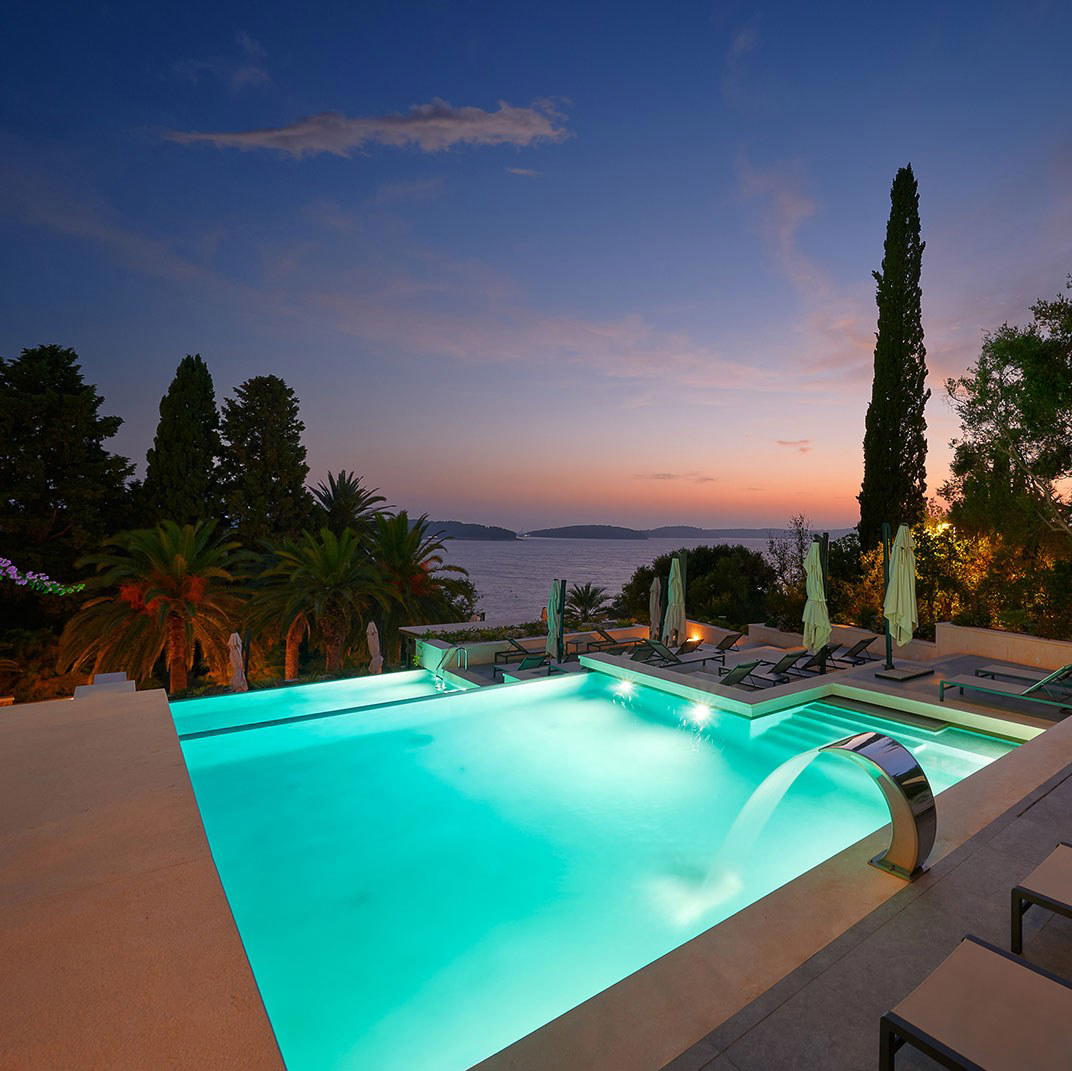
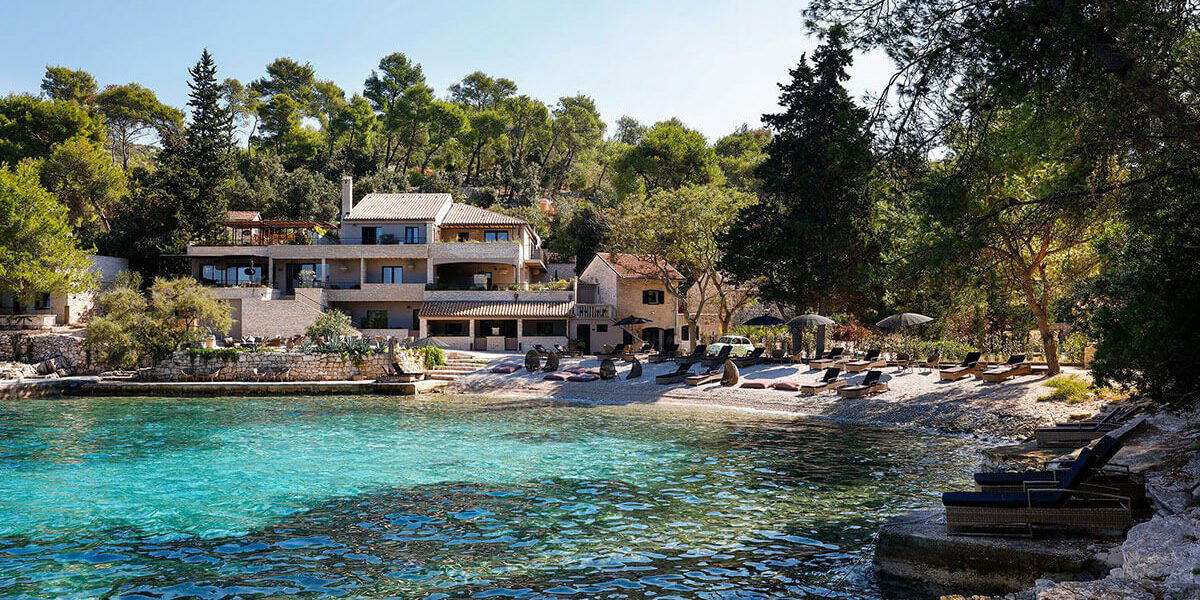
Serene and atmospheric, set in a private working vineyard with Mediterranean gardens, rose bushes and a quiet rural valley setting.