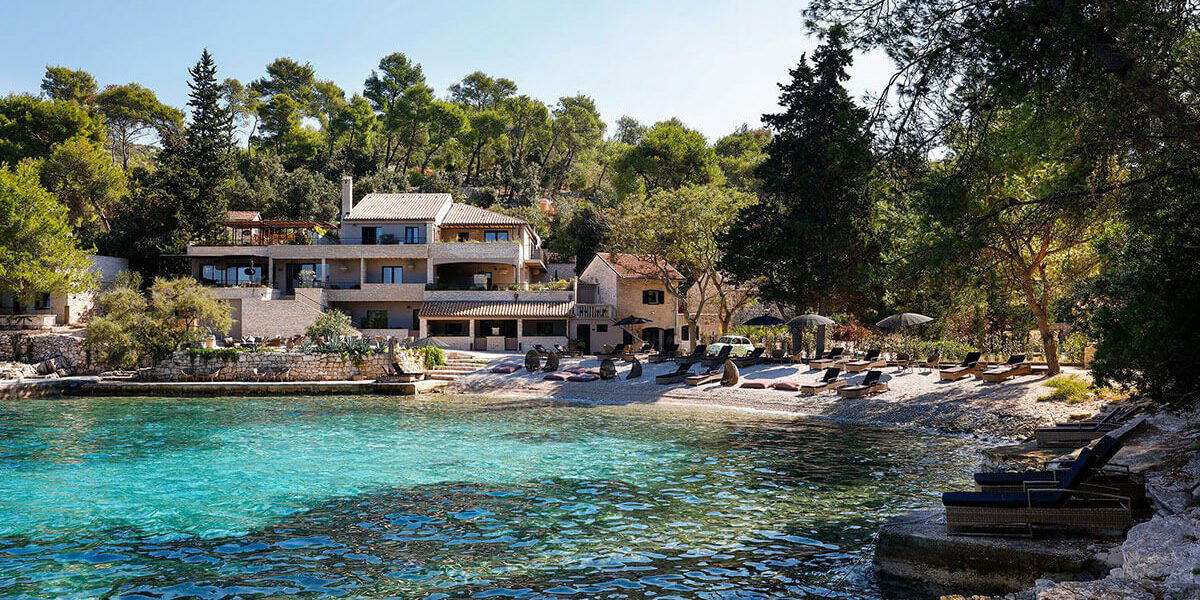
On the Stončica bay road outside Vis town, Konoba Magić sits where the Adriatic fishing tradition and the slow pace of island eating converge. The format is what Dalmatian konoba dining has long promised: fresh catch, local wine, and a meal that is allowed to take its time. For visitors crossing to Vis by catamaran from Split, it represents the island's unhurried approach to the table at its clearest.
Pearl is the En Primeur Club membership app — saves, bookings, and concierge access live there. Same editors, same standards.
- Address
- Stoncica 1, 21480, Vis, Croatia
- Phone
- +385918984859
- Directions
- Get directions
 Saves & bookings on Pearl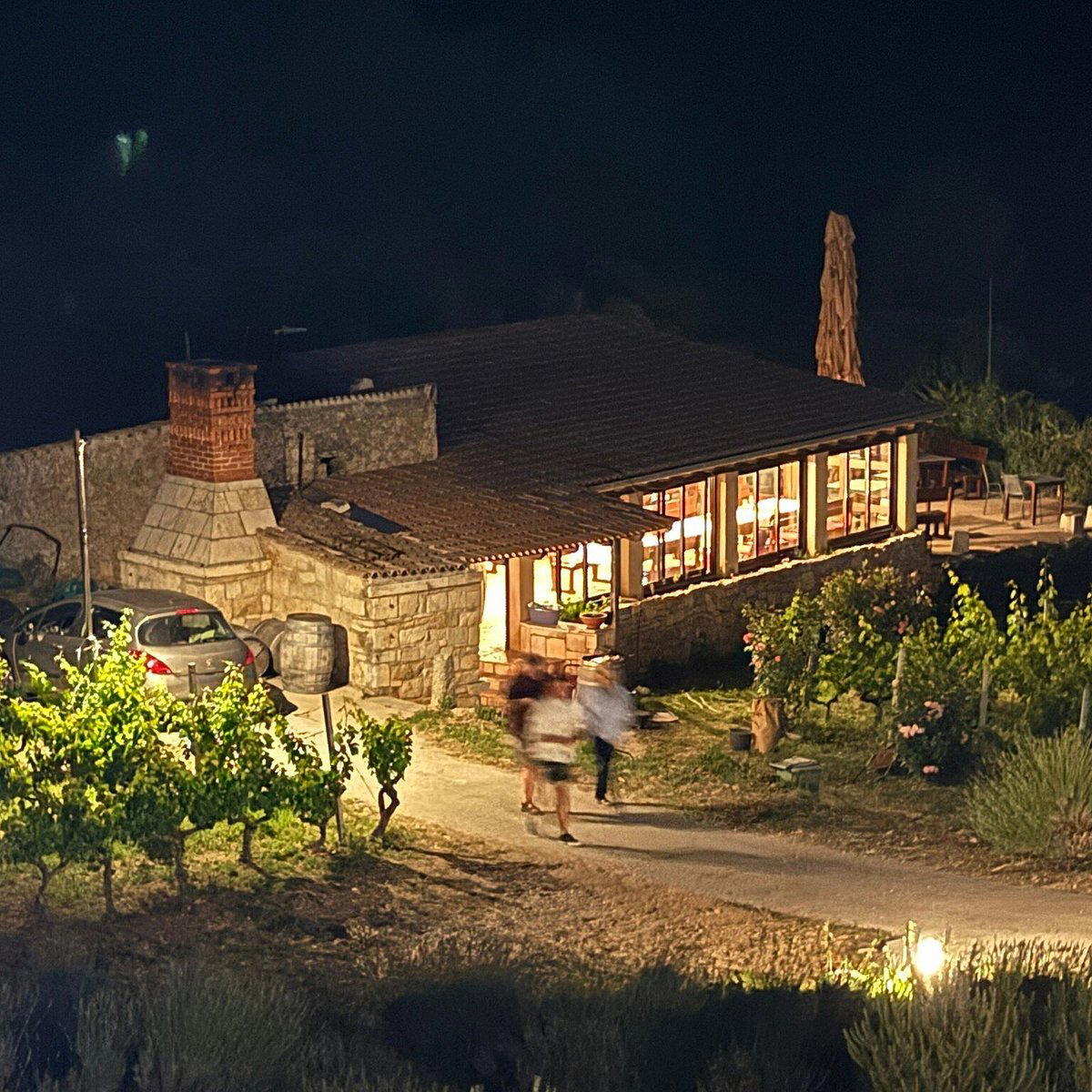
Where the Meal Sets the Pace
Konoba Magić is a restaurant serving Traditional Croatian Peka at Stončica 1, 21480, Vis, Croatia, with a casual dress code and reservations recommended. The cove sits on the northeastern edge of Vis island, away from the ferry crowds of the town centre, and the approach along the coastal road already signals what kind of meal is coming: unhurried, tied to place, built around what arrived from the sea that morning. Konoba Magić occupies this setting at Stončica 1, and the address alone locates it within a particular tradition of Dalmatian coastal eating that rewards the traveller willing to leave the harbour behind.
The konoba format across the Adriatic has always operated on its own clock. There is no tasting-menu countdown, no amuse-bouche theatre, no sommelier choreography. The rhythm is set instead by the pace of the kitchen, the availability of the catch, and the willingness of guests to surrender the schedule. Vis, the isolated of Croatia's major central Dalmatian islands, concentrates this tradition more than most. Because the island spent decades closed to foreign visitors during the Yugoslav military period, its food culture developed with less tourist distortion than Split's hinterland or the more accessible islands of Brač and Hvar. The konobe that endured here did so because locals ate in them, not because tour operators listed them.
The Logic of the Dalmatian Table
To understand how a meal at a place like Konoba Magić is meant to unfold, it helps to understand what the konoba format actually demands of a guest. The word itself simply means tavern or wine cellar in Croatian, but the dining customs attached to it are specific. You do not arrive with a fixed idea of what you will eat. You ask what came in, what the kitchen is moving that evening, which local wine the table should open. The meal then builds outward from those answers rather than from a printed menu fixed weeks in advance.
Grilled fish, simply seasoned, is the anchor of this tradition across the Dalmatian coast. The preparation logic is one of restraint: good olive oil, sea salt, a little blitva (Swiss chard with potato) alongside. The point is the fish itself, not the technique applied to it. On Vis, this approach connects directly to a fishing fleet that still operates out of the island's two main harbours, Vis town and Komiža, and to a wine culture built around indigenous varieties, above all Vugava, the white grape grown almost nowhere else at commercial scale. A konoba meal on Vis without local wine is missing the structural logic of what the tradition is trying to do.
For comparison, the more formally composed restaurants now drawing attention across Croatia, places like Pelegrini in Sibenik, LD Restaurant in Korčula, or Restaurant 360 in Dubrovnik, have moved the country's dining conversation toward tasting menus, regional sourcing narratives, and international press recognition. That trajectory matters and the food is often serious. But it represents one end of a spectrum. The konoba at the other end is not a lesser version of fine dining; it is a different project entirely, one that measures success by freshness and informality rather than by technique and presentation.
Vis on the Plate: Context Within the Island
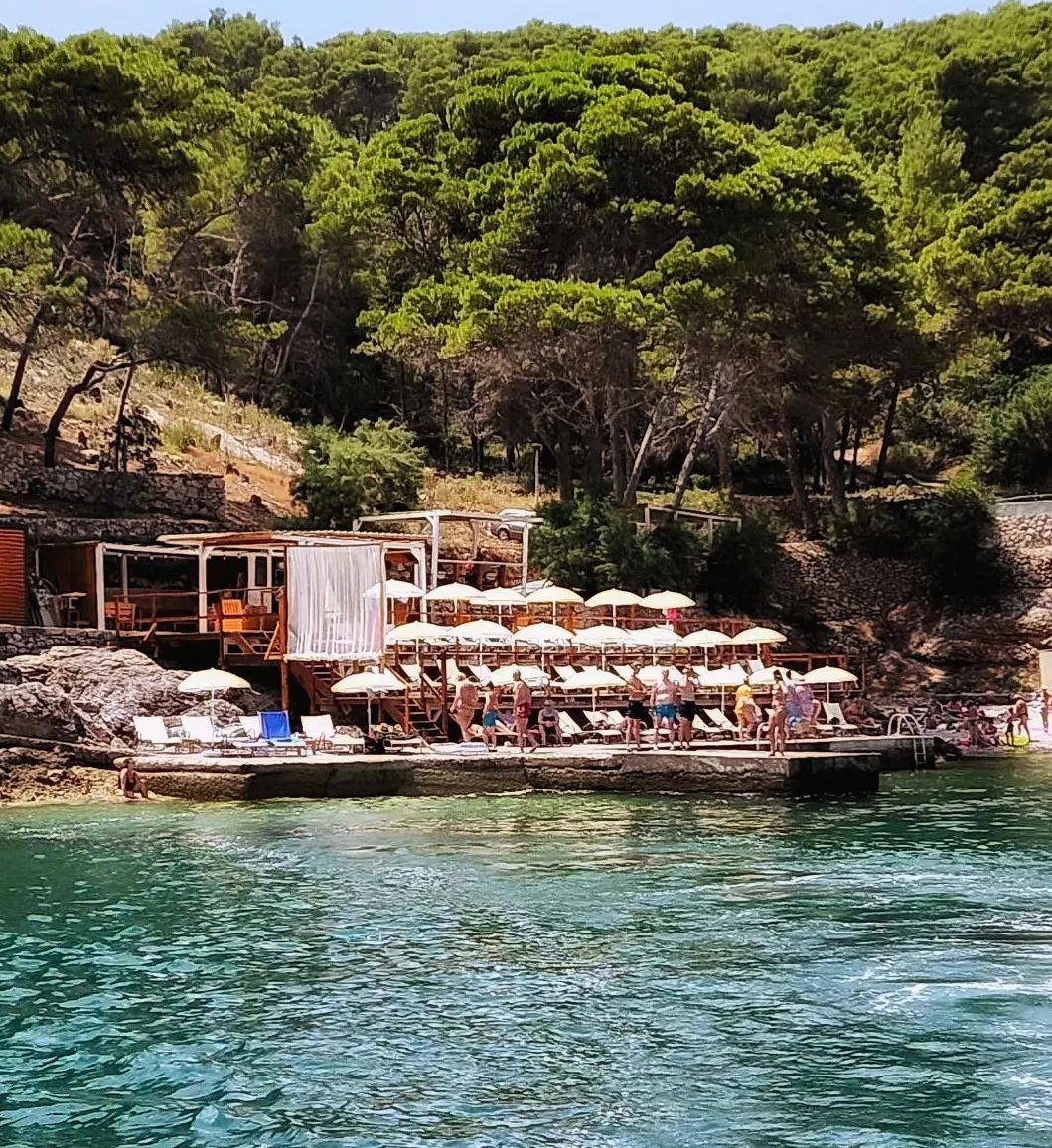
The restaurant sits within a peer group of Vis restaurants that share the same raw-material advantage but differ in setting and register. Pojoda operates closer to Vis town with a longer-established reputation among visitors arriving by ferry. Konoba Golub pulls in a more local crowd. Konoba Kantun and Fort George each offer their own angle on island eating, the latter with a more produced hospitality format. Fields of Grace Vineyards connects the wine production side of the island to its dining culture directly. What sets Stončica bay apart from the town-facing options is the bay's remove: you are not walking between restaurants or catching a water taxi elsewhere after. The meal at the restaurant is the destination for that evening, not a stop within a larger programme.
That dynamic shapes how the food is eaten. Tables tend to linger. The light over the bay changes slowly from late afternoon gold to dusk, and there is no ambient pressure to move on. This is precisely the condition in which Dalmatian fish cookery makes its strongest case: without distraction, with good local wine in the glass, at a pace the kitchen sets rather than the diner.
For visitors calibrating where Vis fits within Croatian dining more broadly, the island operates several registers below the Michelin-adjacent conversation of Nebo by Deni Srdoč in Rijeka or Boskinac in Novalja, and in an entirely different category from mainland destination restaurants like Dubravkin Put in Zagreb or Korak in Jastrebarsko. The island's value proposition is not technique at that level; it is access to notable raw ingredients in a setting that has not yet been fully rationalised for tourism.
Planning the Visit
Vis is reached by catamaran or ferry from Split, with journey times running roughly two hours by ferry and just over an hour on the faster catamaran service. Stončica bay lies outside Vis town and requires either a car, scooter, or taxi to reach; it is not walkable from the ferry port for most visitors. Konoba dining in Croatia generally does not require formal booking weeks ahead in the way a city restaurant might, but calling or arriving early in peak July and August weeks is sensible given that seating in bayside konobe is finite and the supply of fresh catch determines what is actually on offer that day.
Cuisine Context
Comparable venues nearby, for context on price, style, and recognition.
| Venue | Cuisine | Price | Notes |
|---|---|---|---|
| Konoba MagićThis venue — the venue you are viewing | Traditional Croatian Peka | $$ | Not listed |
| Val | Modern Mediterranean Seafood | $$$ | Vis |
| Corto Magarese | Mediterranean | $$ | Vis |
| Konoba Kantun | Traditional Croatian Seafood Grill | $$ | Vis waterfront |
| Roki's-Plisko Polje VIS | Traditional Croatian Peka | $$ | Plisko Polje |
| Fields of Grace Vineyards | Asian Fusion with European Influences | $$$ | Zlopolje |
Continue exploring
More in Vis
Restaurants in Vis
Browse all →


Bars in Vis
Browse all →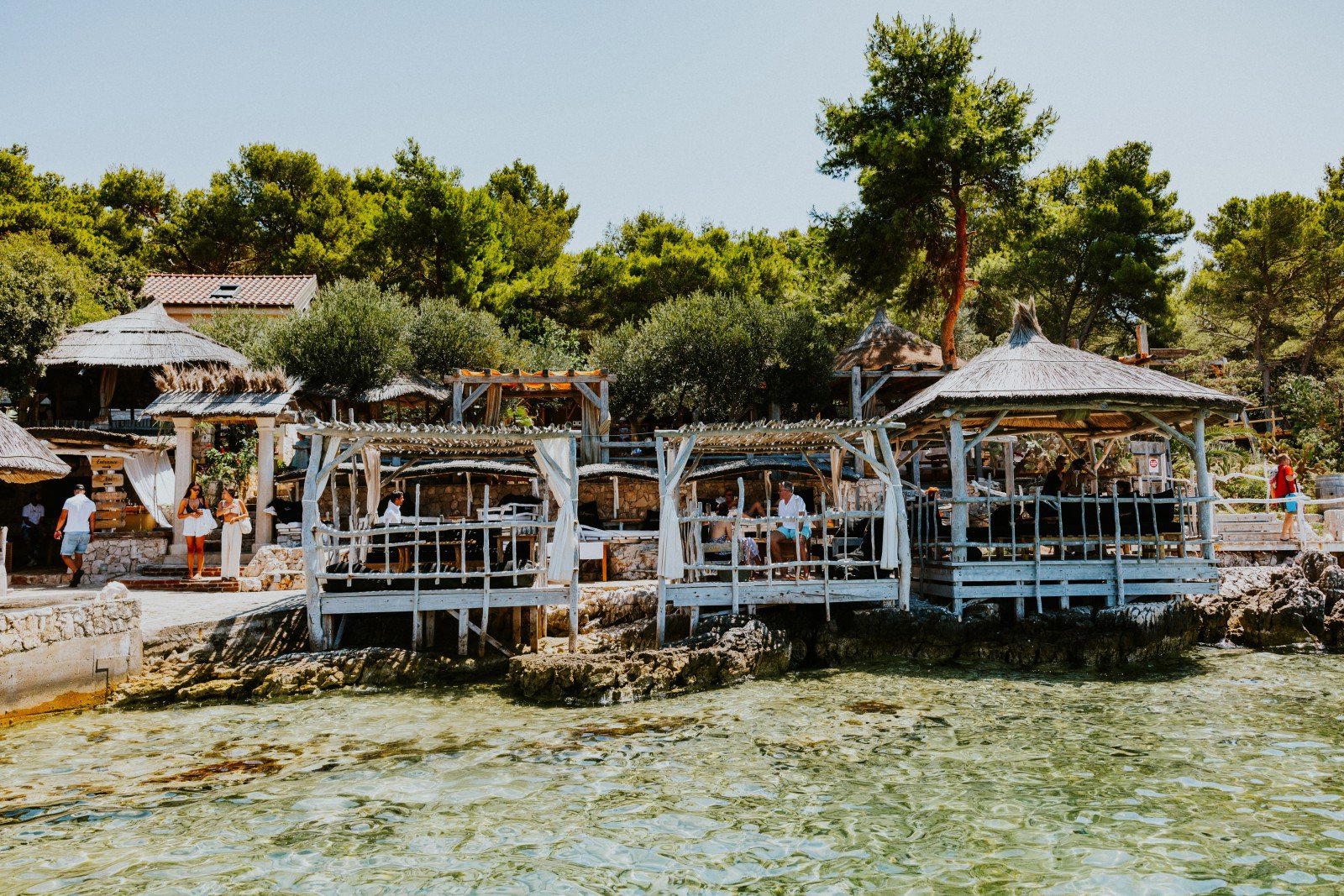
Hotels in Vis
Browse all →


At a Glance
- Rustic
- Cozy
- Scenic
- Special Occasion
- Family
- Local Sourcing
- Vineyard
Rustic and charming with a welcoming family atmosphere amid scenic vineyards.