Hvar
Stari Grad sits on Hvar island's quieter, older side, a counterpoint to the party circuit of Hvar Town. The bar scene here operates at a slower register, shaped by the island's winemaking heritage and the Adriatic rhythms of the old Venetian port. For drinking well in this part of Croatia, understanding the local context matters as much as knowing what to order.
Pearl is the En Primeur Club membership app — saves, bookings, and concierge access live there. Same editors, same standards.
- Address
- Croatia
- Directions
- Get directions
 Saves & bookings on Pearl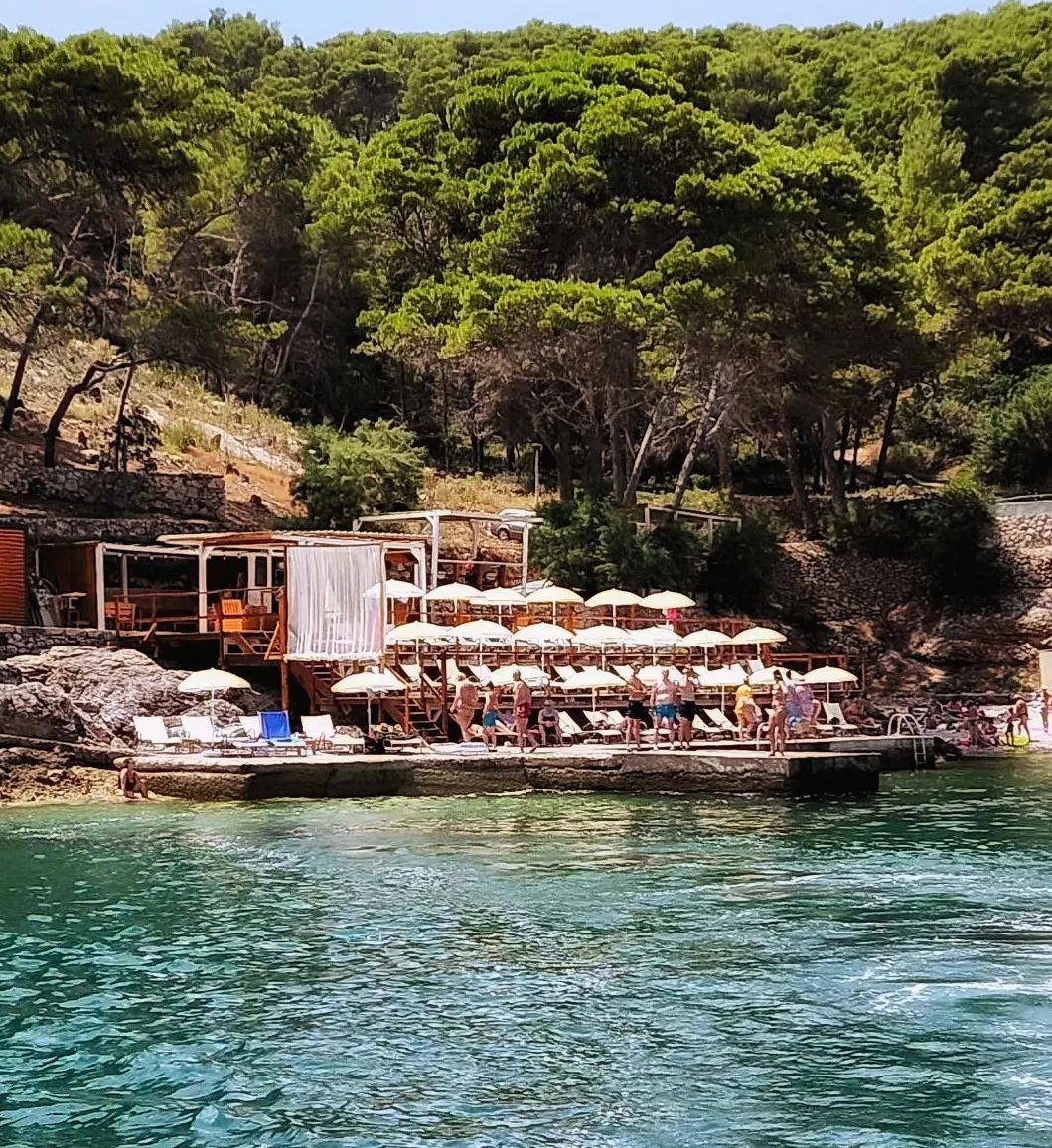
Drinking on the Old Side of Hvar Island
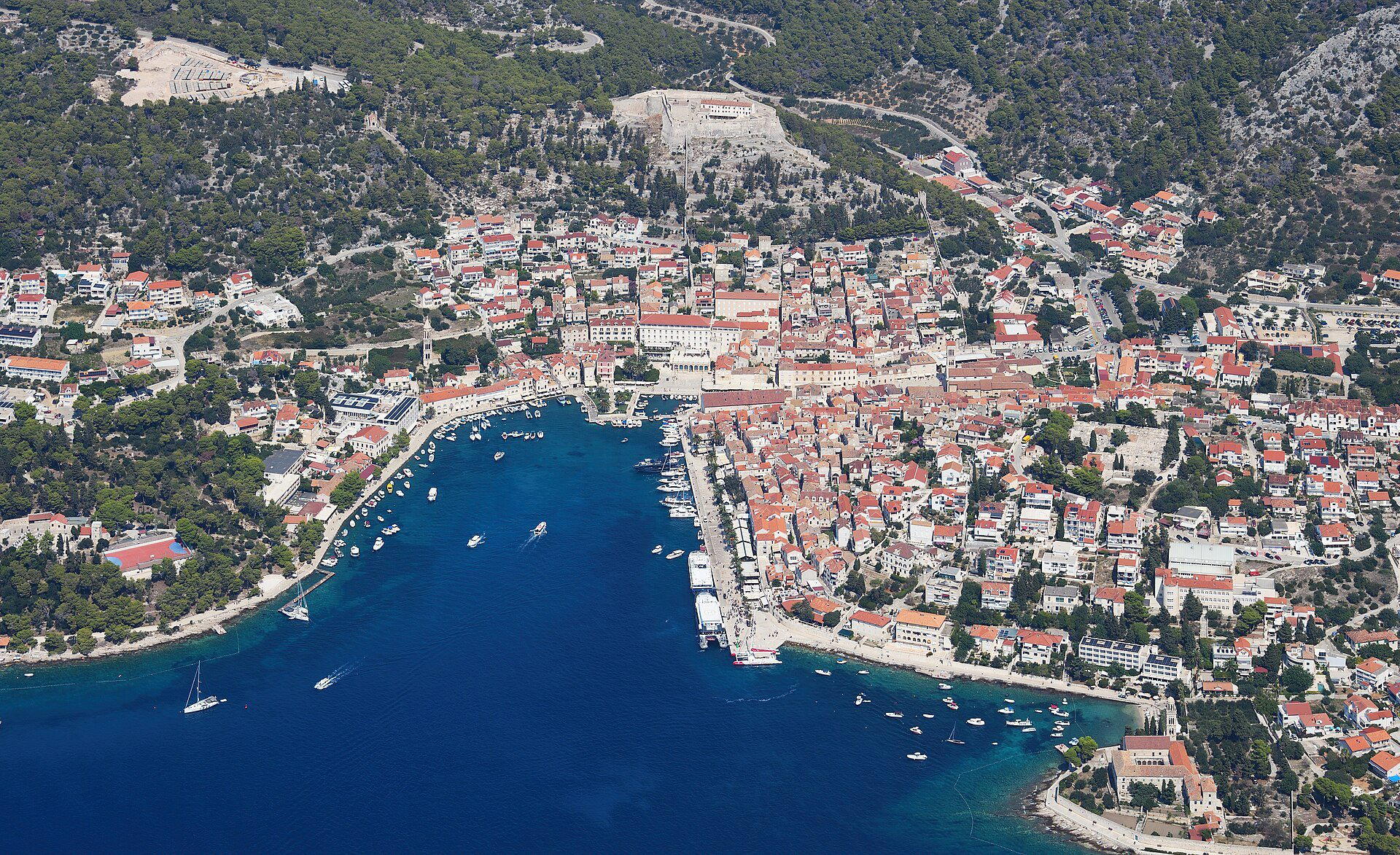
Hvar island splits into two distinct registers. The southern port town draws the superyacht crowd and festival traffic; Stari Grad, the island's original settlement and one of the oldest continuously inhabited towns in Europe, operates on a different clock entirely. Founded by Greek colonists around 385 BC, it faces a long sheltered bay lined with stone houses, fig trees, and the kind of quiet that the other end of the island has largely traded away. The bar culture here reflects that contrast. Where Hvar Town accelerates toward high summer, Stari Grad's drinking scene stays closer to the island's agricultural and winemaking roots.
That context shapes what you're drinking and where. The Stari Grad Plain, a UNESCO World Heritage Site since 2008, is among the stronger-preserved examples of ancient Greek land division in the Mediterranean. Wine has been produced here for roughly 2,400 years. The dominant local grape, Plavac Mali, a genetic descendant of Zinfandel and Primitivo, grows across the island's steep southern slopes and produces wines that tend toward concentrated, tannic, and high-alcohol profiles when left unchecked, though producers willing to harvest earlier are beginning to shift that reputation toward something more precise.
The Cocktail Frame on a Wine Island
Croatia's cocktail programme development has concentrated heavily in Zagreb, Split, and Dubrovnik. If you've spent time at Otto & Frank in Zagreb or tracked the technical ambitions of Torito Bar & Food in Split, the island bar scene, even on Hvar, will feel a generation behind. That isn't a criticism; it's a structural reality of seasonal tourism economies. Bars in places like Stari Grad build their programme around accessibility, local ingredients, and the preferences of a clientele that arrives by ferry and catamaran between June and September, then largely disappears.
What that means practically: expect herb-forward long drinks that lean on local rosemary, sage, and citrus rather than imported technique-driven syrups. Dalmatian spirits, particularly local grape-based brandies, appear more consistently than they do on bar menus in the capital. The Croatian bar scene's broader movement toward fermentation-forward and low-intervention drinks, visible at more developed programmes like Kumiko in Chicago or Jewel of the South in New Orleans, arrives here slowly and selectively.
For comparison within the Adriatic region, Edivo Wine Bar in Drace offers a useful reference point: a wine-first programme shaped by its immediate geography, with minimal cocktail theatre and maximum regional focus. D'VINO Wine Bar in Dubrovnik sits one step further along the development curve, with a more curated selection and a clientele that expects a certain level of list discipline. Stari Grad's bar offering sits between those poles, more relaxed than Dubrovnik, more grounded than the festival venues of Hvar Town.
What to Order, and Why It Matters
On a wine island with a 24-century track record, particularly defensible order is local wine, particularly the reds produced from Plavac Mali grown in the island's steeper, sun-exposed parcels. Bottles from Zlatan Plavac and Ivan Dolac appellations appear regularly on lists across the island. These are wines that reward context: understanding that Hvar's viticulture is essentially hand-labour, given the gradient of the slopes, makes the price-to-effort ratio feel different.
If you're drinking cocktails, herb-inflected spritzes and Aperol-adjacent builds remain the dominant format in seasonal Dalmatian bar culture. The better operators in Stari Grad incorporate local distillates, particularly rakija variants made from figs, honey, or carob, rather than defaulting to standard European spirits. These ingredients connect the drink to place in a way that generic Aperol spritzes don't. At bars where the list includes a house rakija or a locally sourced bitter, that's usually the sharpest editorial choice on the menu.
For reference against international cocktail programmes operating at a higher technical register, Bar Leather Apron in Honolulu, Julep in Houston, and Superbueno in New York City each demonstrate what a fully developed, regionally anchored cocktail programme looks like at its most considered. The gap between those programmes and a seasonal island bar in the Dalmatian interior is significant, but the framing matters: Stari Grad isn't competing in that category. It's operating in a different category, one where provenance, setting, and the pace of a long Adriatic evening carry most of the weight.
The Broader Hvar Island Bar Scene
Stari Grad's quiet register is not the only version of Hvar. The island's bar culture, taken as a whole, runs from the full-season operation visible in venues like Hvar in Lesina to the smaller, more locally-oriented spots in the old town. The Lesina-side operations tend to index toward volume and accessibility; Stari Grad's better bars index toward something more like conviviality, the kind of drinking that goes with grilled fish, late light, and no particular schedule.
Across the Adriatic coast more broadly, Rovinj offers a useful comparison. The bar culture around Ul. Sv. Križa 24 in Rovinj reflects a similar dynamic: a historic waterfront town with a strong seasonal hospitality economy, where the leading drinking experiences are less about technical cocktail programmes and more about well-chosen local producers and settings that reward the slow approach. Stari Grad and Rovinj share that character, even if the specific wines and spirits differ by regional geography.
Planning Your Visit
Stari Grad is accessible by ferry from Split, with multiple daily crossings during the summer season and reduced service outside peak months. The crossing takes approximately two hours, arriving directly into the Stari Grad bay, one of the more satisfying port arrivals on the Dalmatian coast. Most of the town's bars and restaurants concentrate in a short radius around the waterfront and the old town core, making orientation direct. The season runs hard from late June through August, with shoulder months in May and September offering quieter conditions and, for wine-focused visitors, better access to producers who are less occupied with tourist volume. For a fuller picture of where to eat and drink across the area, see our full Stari Grad restaurants guide.
Fast Comparison
Comparable venues nearby, for context on price, style, and recognition.
| Venue | Cuisine | Price | Notes |
|---|---|---|---|
| HvarThis venue — the venue you are viewing | cocktail_bar | $$ | Not listed |
| A-Bay Beach Bar | Mediterranean tapas & cocktails beach bar | $$$ | Maslinica Bay |
Continue exploring
More in Stari Grad
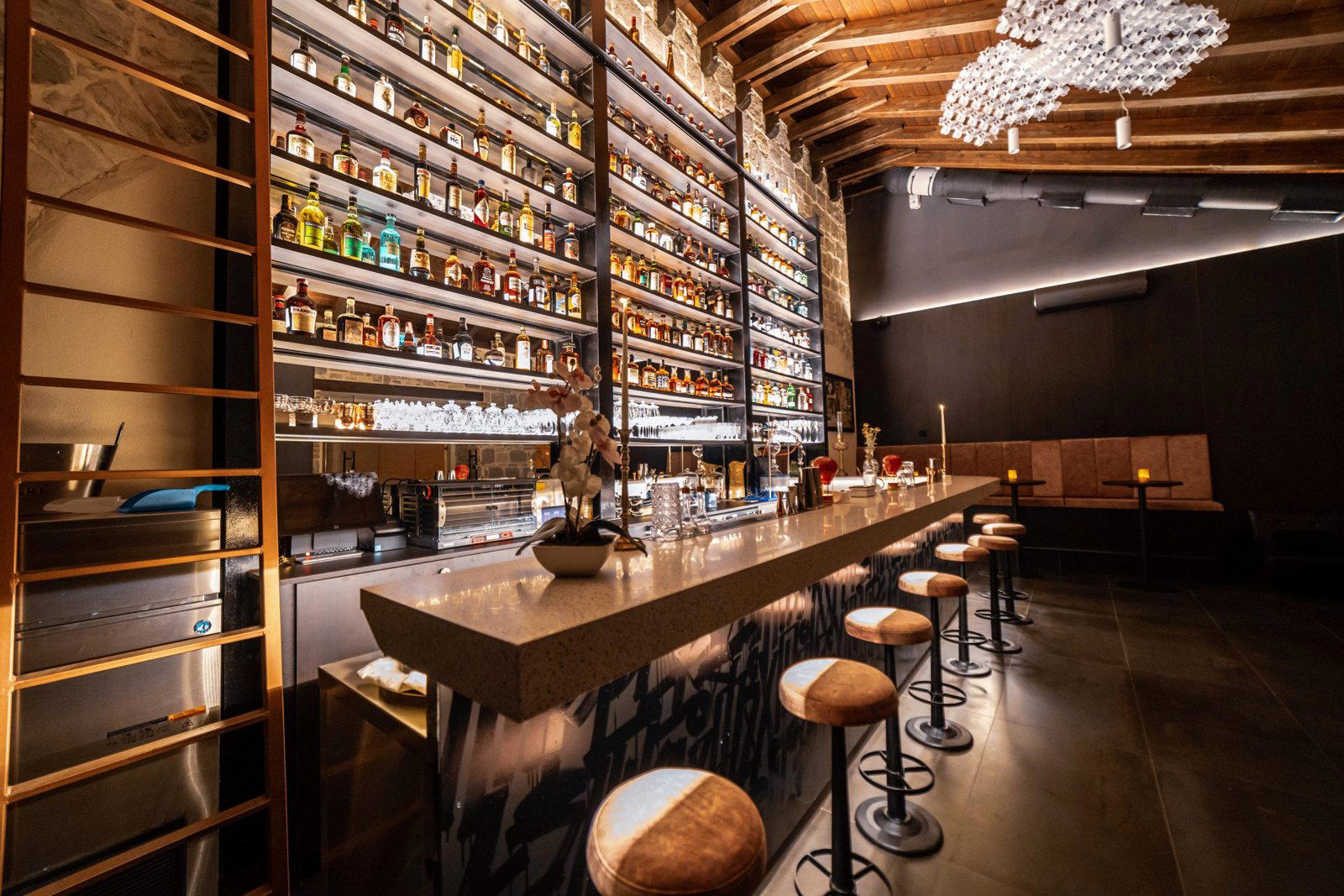
Bars in Stari Grad
Browse all →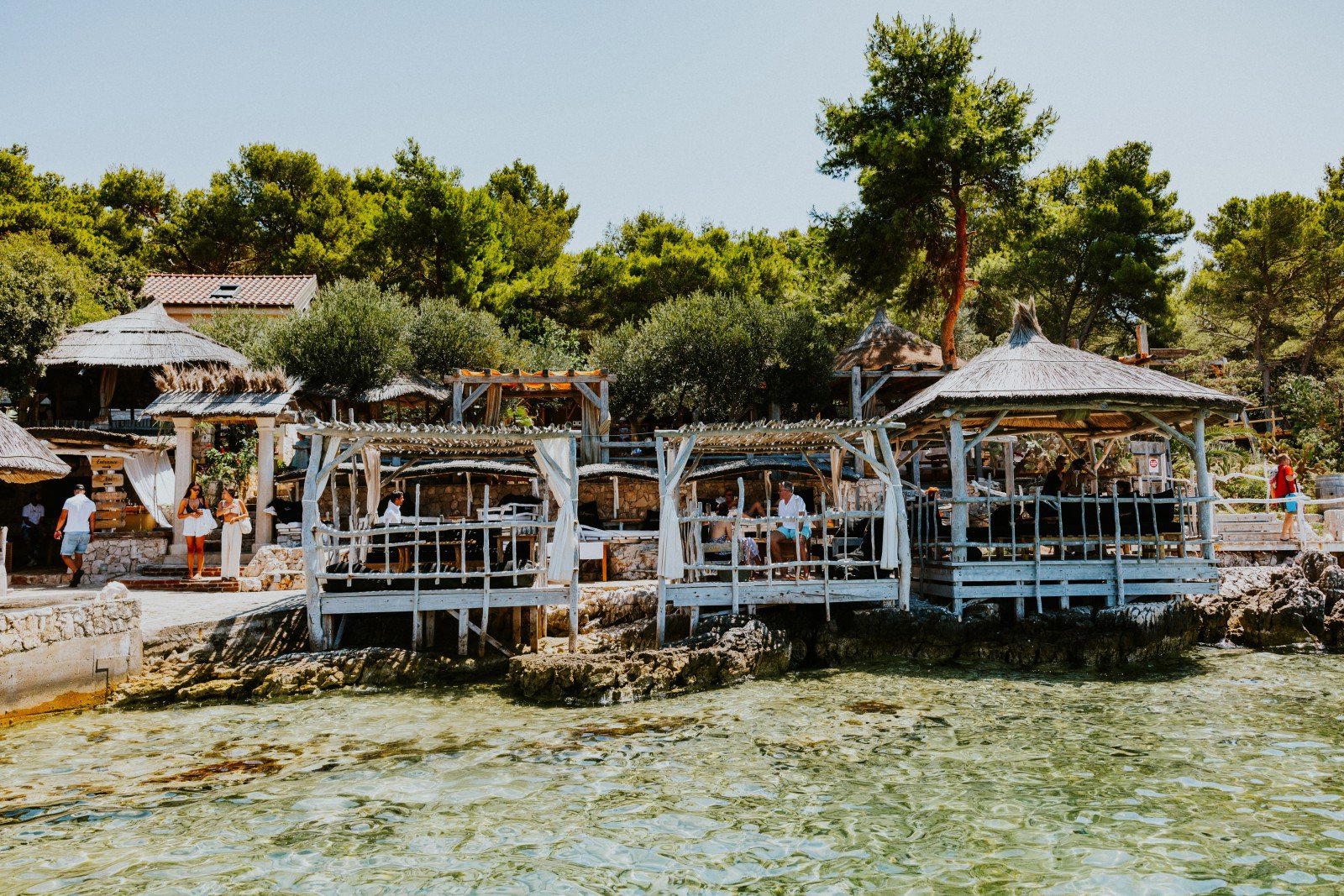
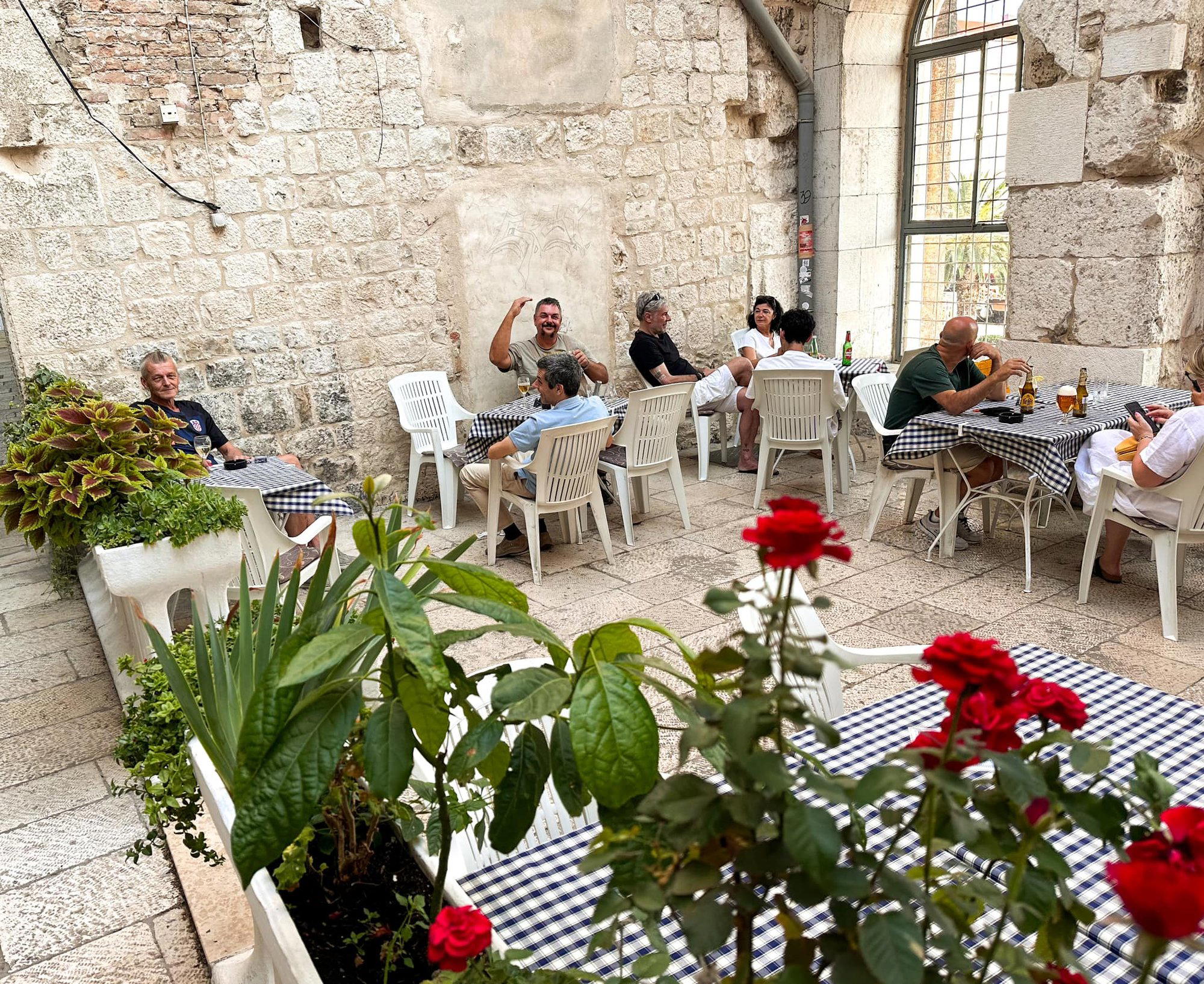
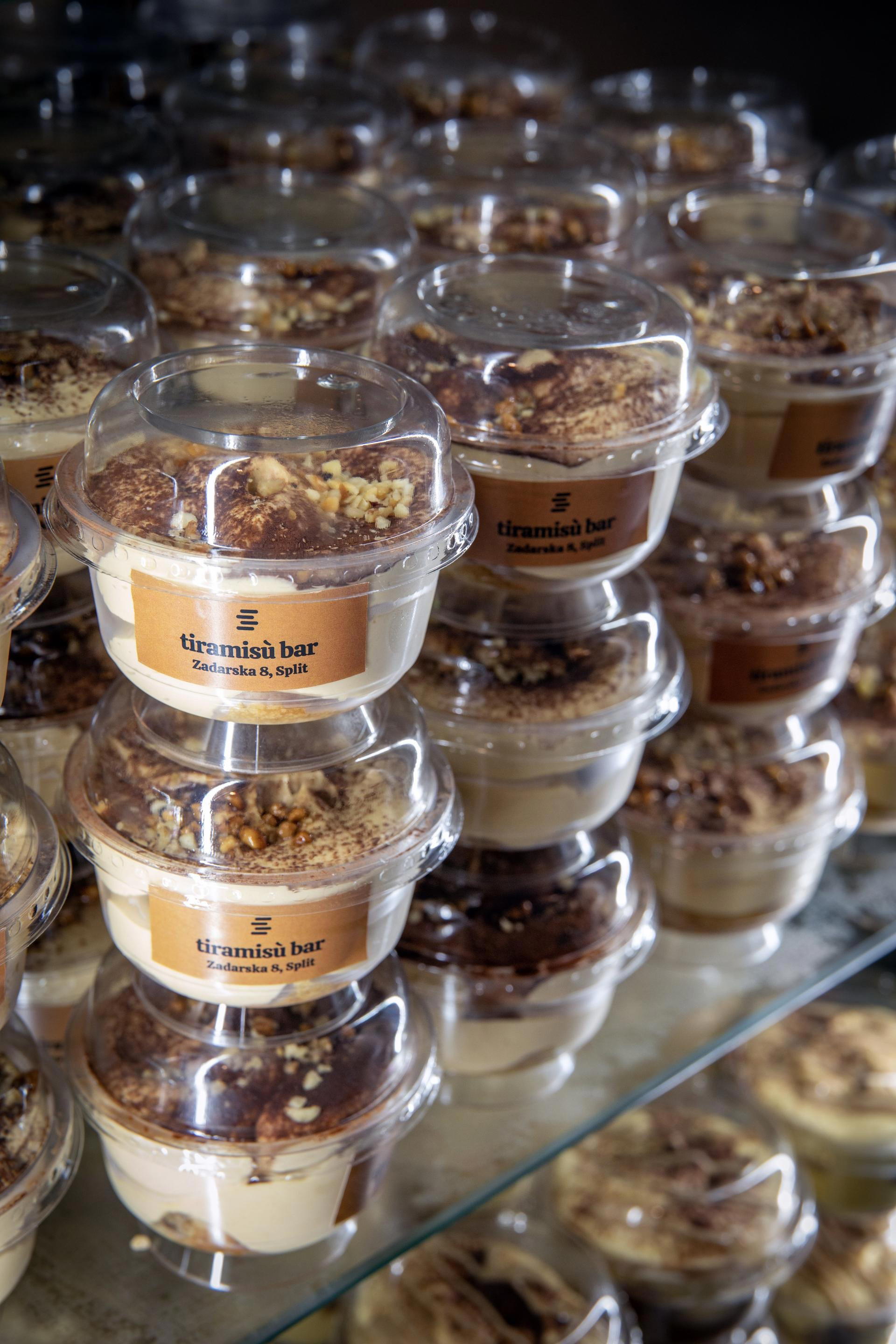
Restaurants in Stari Grad
Browse all →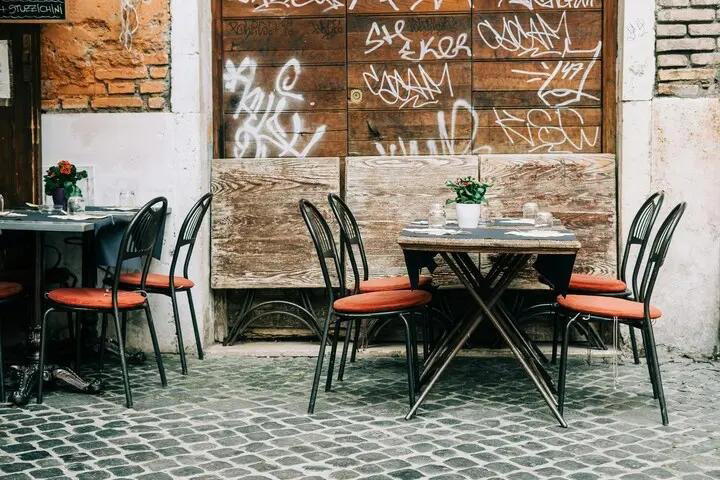
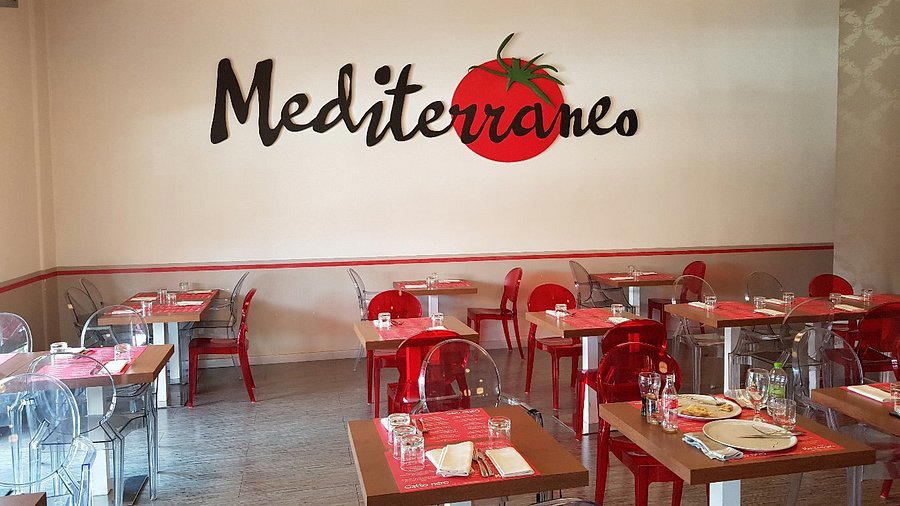
Hotels in Stari Grad
Browse all →

At a Glance
- Scenic
- Cozy
- Intimate
- Date Night
- Casual Hangout
- Waterfront
- Outdoor Terrace
- Seated Bar
- Craft Cocktails
- Waterfront
Current opening hours
- Monday
- 6 PM–2 AM
- Tuesday
- 6 PM–2 AM
- Wednesday
- 6 PM–2 AM
- Thursday
- 6 PM–2 AM
- Friday
- 6 PM–2 AM
- Saturday
- 6 PM–2 AM
- Sunday
- 6 PM–2 AM
Hours can change for holidays and private events. Last verified .
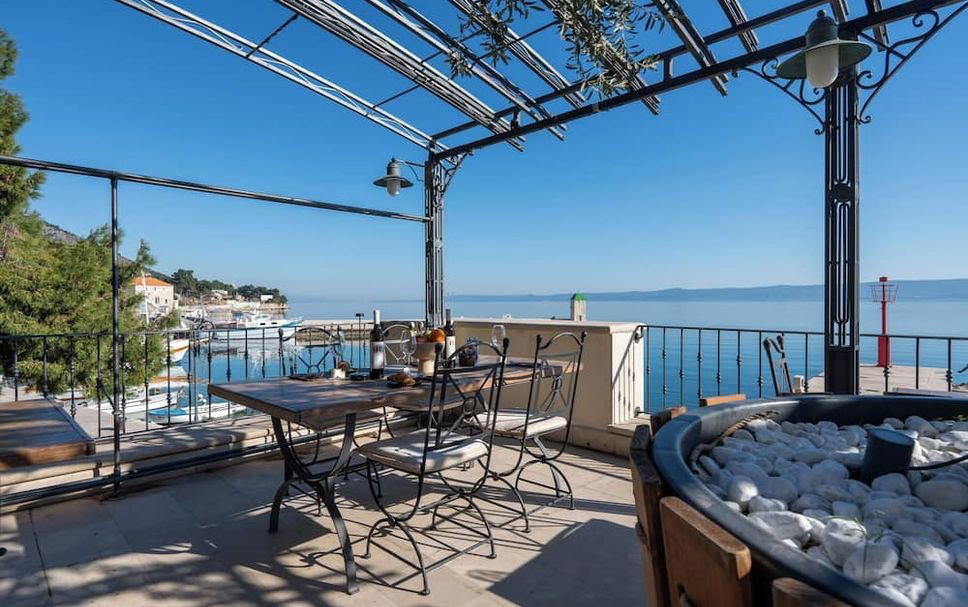
Magical waterfront terrace atmosphere with relaxed evenings, friendly service, and coastal charm.