Pojoda occupies a quiet corner of Vis town, operating within a dining tradition that has kept the island's konoba format largely intact while Croatia's coastal restaurant scene has shifted toward tourism-facing menus. The address alone, a side street in one of the Adriatic's least commercialised towns, signals a kitchen oriented toward the island rather than the ferry queue.
Pearl is the En Primeur Club membership app — saves, bookings, and concierge access live there. Same editors, same standards.
- Address
- Ul. don Cvjetka Marasovića 10, 21480, Vis, Croatia
- Phone
- +38521711575
- Directions
- Get directions
 Saves & bookings on Pearl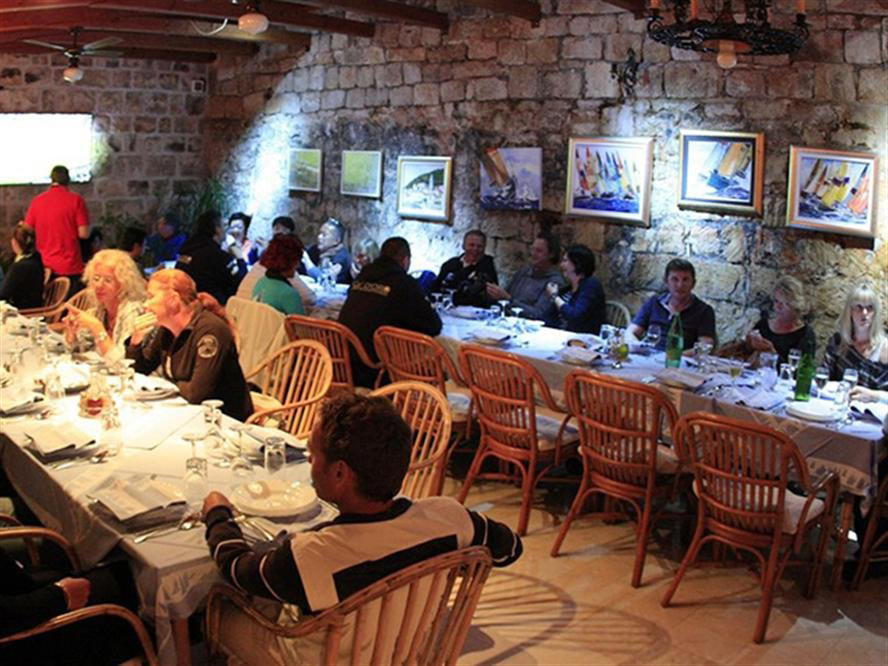
A Street in Vis Town That Still Belongs to the Island
Approaching Ul. don Cvjetka Marasovića on foot from the Vis town waterfront, the scale changes quickly. The main riva, lined with cafés and boats from the daily Split ferry, gives way to narrower lanes where the architecture is older, the pace slower, and the restaurant choices fewer but more rooted. This is where Pojoda sits, at number 10, in a part of Vis town that has not reoriented itself around summer visitor traffic in the way that comparable Dalmatian island towns have. That geography shapes everything about the experience before you have ordered a single dish.
Vis has a specific position in the Adriatic island hierarchy worth understanding. Until 1989, the island was a closed Yugoslav military zone, which compressed four decades of tourist development into the years since. The result is a dining scene that still runs on konoba logic: family-run, locally sourced, resistant to the kind of menu engineering that has reshaped places like Hvar. Pojoda operates within that tradition, at an address that reinforces it, not on the waterfront where the seasonal economics are sharpest, but set back from it, in the quieter residential fabric of the town.
The Konoba Format on an Island That Preserved It
The konoba is the foundational dining format of the Dalmatian coast: a room, often stone-walled, with a kitchen built around local catch, cured meats, and whatever the seasonal garden or nearby vineyard produces. On many islands, that format has been partly hollowed out, the name survives on the signage while the menu drifts toward tourist-facing approximations. On Vis, the format has held with more integrity than almost anywhere else on the Croatian Adriatic, partly because the island's compressed tourism history meant it never built the infrastructure for high-volume seasonal trade.
Pojoda sits within that preserved tradition at an address that carries no particular commercial pressure. The street is residential in character, which means the kitchen is not calibrated to turn tables at ferry arrival times or fill seats from cruise-ship itineraries. Among the konoba-format options in Vis town, which include Konoba Golub, Konoba Kantun, and Konoba Magić, Pojoda's placement in a quieter part of the town adds a layer of remove from the harbour energy that some of its peers share.
Where Pojoda Sits in the Vis Dining Picture
Vis town's dining options span a wider range than the island's scale might suggest. Fort George occupies a converted military fortification above the town and operates at a different pitch, a destination restaurant in a dramatic setting that draws visitors as much for the view as the food. Fields of Grace Vineyards connects the eating experience directly to Vis's wine production, which centres on the indigenous Vugava white and Plavac Mali red. Pojoda's positioning is different from both: a street-level konoba operating without a spectacular setting or a vineyard backdrop, relying instead on the direct logic of the format itself, good ingredients, a room, and cooking that reflects where you are.
That positioning places Pojoda in a comparable set defined less by ambition or scale than by fidelity to a local dining tradition. Within the broader Croatian fine dining conversation, that tradition stands apart from what restaurants like Pelegrini in Sibenik or Restaurant 360 in Dubrovnik are doing. Those kitchens work with Croatian ingredients through a contemporary fine dining lens. The Vis konoba tradition works from the same ingredients through a lens of unmodified local practice, which is a different kind of argument about what Dalmatian food can be.
For context across the wider Croatian Adriatic, comparable fine dining operations have emerged at LD Restaurant in Korčula and Boskinac in Novalja, while the mainland registers its own range from Krug in Split to Dubravkin Put in Zagreb. Internationally credentialled kitchens like Agli Amici Rovinj in Istria and Nebo by Deni Srdoč in Rijeka have pushed Croatian cooking into Michelin territory. Alfred Keller in Mali Lošinj and Korak in Jastrebarsko extend that picture further. Pojoda operates at a distance from all of that, in format and geography both.
Planning a Meal at Pojoda
Vis is reached by ferry from Split, with crossings taking roughly two hours and twenty minutes on the standard service. The island has no airport and limited private berthing, which keeps visitor numbers lower than the Adriatic's more accessible islands. The ferry schedule sets the rhythm of island life, including restaurant trade, and a dinner reservation at a Vis konoba typically means arriving on the island in the late afternoon and settling in rather than rushing between sights. The address at Ul. don Cvjetka Marasovića 10 is a short walk from the town waterfront, though specific walking time is not confirmed. Because reservations are recommended, planning ahead is wise, especially in peak summer weeks.
The Case for Eating Here
The strongest argument for Pojoda is geographic and cultural rather than culinary in any award-validated sense. No Michelin recognition, no 50 Best placement, and no documented critic consensus is recorded for this address. What is documented is the address itself: a konoba-format restaurant on a side street in one of the Adriatic's least commercialised towns, in an island dining tradition that has stayed closer to its original logic than almost anywhere comparable on the Croatian coast. For readers accustomed to benchmarks like Le Bernardin or Atomix, Pojoda represents a different category of reason to visit a restaurant, not technical ambition or critical recognition, but a place and a format that exist on their own terms, in a town that has not yet traded that away.
Compact Comparison
Comparable venues nearby, for context on price, style, and recognition.
| Venue | Cuisine | Price | Notes |
|---|---|---|---|
| PojodaThis venue — the venue you are viewing | Kut, Traditional Croatian Seafood | $$$ | Not listed |
| Konoba Golub | Podselje, Traditional Dalmatian Grill | $$ | Not listed |
| Val | Vis, Modern Mediterranean Seafood | $$$ | Not listed |
| Fields of Grace Vineyards | Not listed | $$$ | Zlopolje, Asian Fusion with European Influences |
| Corto Magarese | Vis, Mediterranean | $$ | Not listed |
| Fort George | Not listed | $$$ | Island of Vis, Mediterranean Seafood in Historic Fortress |
Continue exploring
More in Vis
Restaurants in Vis
Browse all →

Bars in Vis
Browse all →
Hotels in Vis
Browse all →


At a Glance
- Rustic
- Cozy
- Scenic
- Date Night
- Special Occasion
- Garden
- Terrace
- Local Sourcing
- Garden
- Waterfront
Current opening hours
- Monday
- 12–11 PM
- Tuesday
- 12–11 PM
- Wednesday
- 12–11 PM
- Thursday
- 12–11 PM
- Friday
- 12–11 PM
- Saturday
- 12–11 PM
- Sunday
- 12–11 PM
Hours can change for holidays and private events. Last verified .
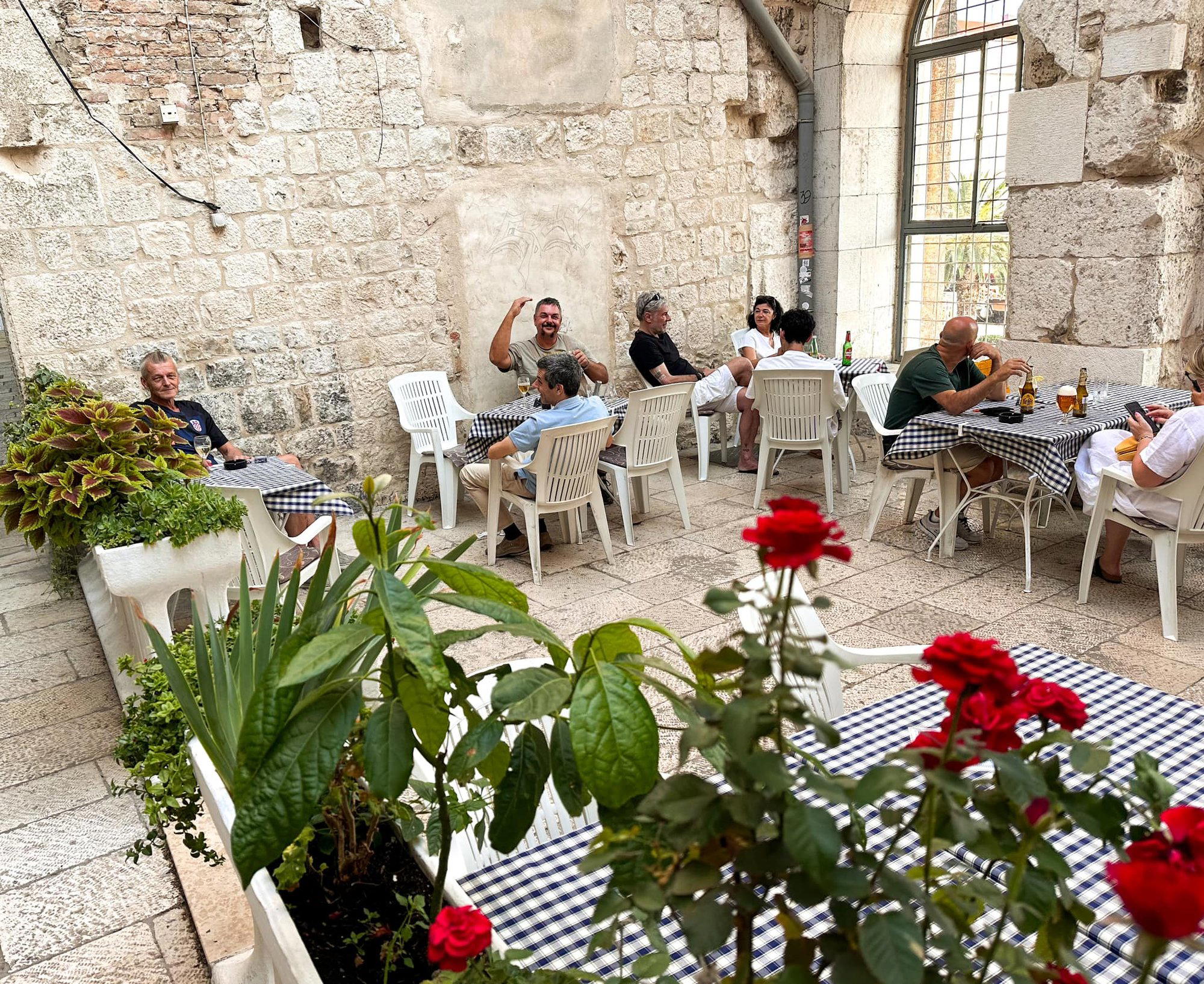
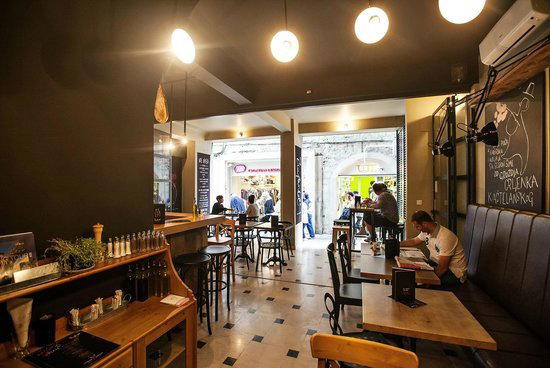
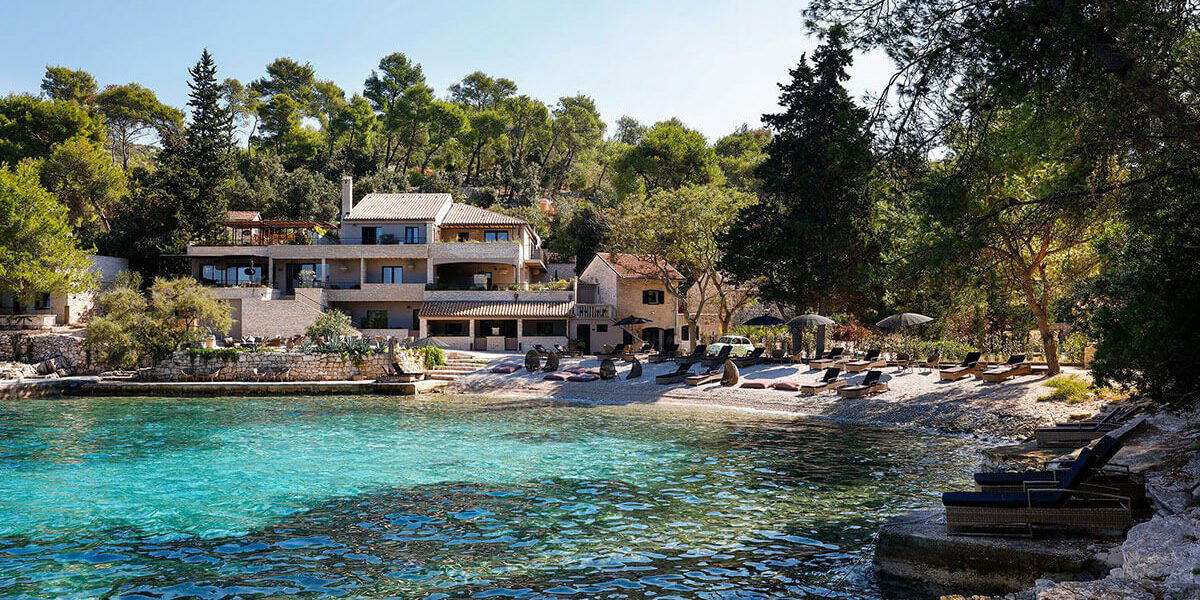
Charming garden setting with shaded outdoor seating by the waterfront, rustic stone interior with wooden furnishings and soft lighting creating a relaxed, authentic Dalmatian atmosphere.