On a quiet street in Split's historic centre, Zinfandel Food & Wine Bistro occupies the kind of space that rewards slow evenings rather than quick meals. The bistro format places wine and food on equal footing, making it a natural reference point in a city where the wine bar and restaurant categories increasingly overlap. It sits on Marulićeva ul. 2, within easy reach of the Diocletian's Palace district.
 Discover on Pearl
Pearl is the En Primeur Club membership app — saves, bookings, and concierge access live there. Same editors, same standards.
- Address
- Marulićeva ul. 2, 21000, Split, Croatia
- Phone
- +385 21 355 135
- Website
- zinfandelfoodandwinebar.com
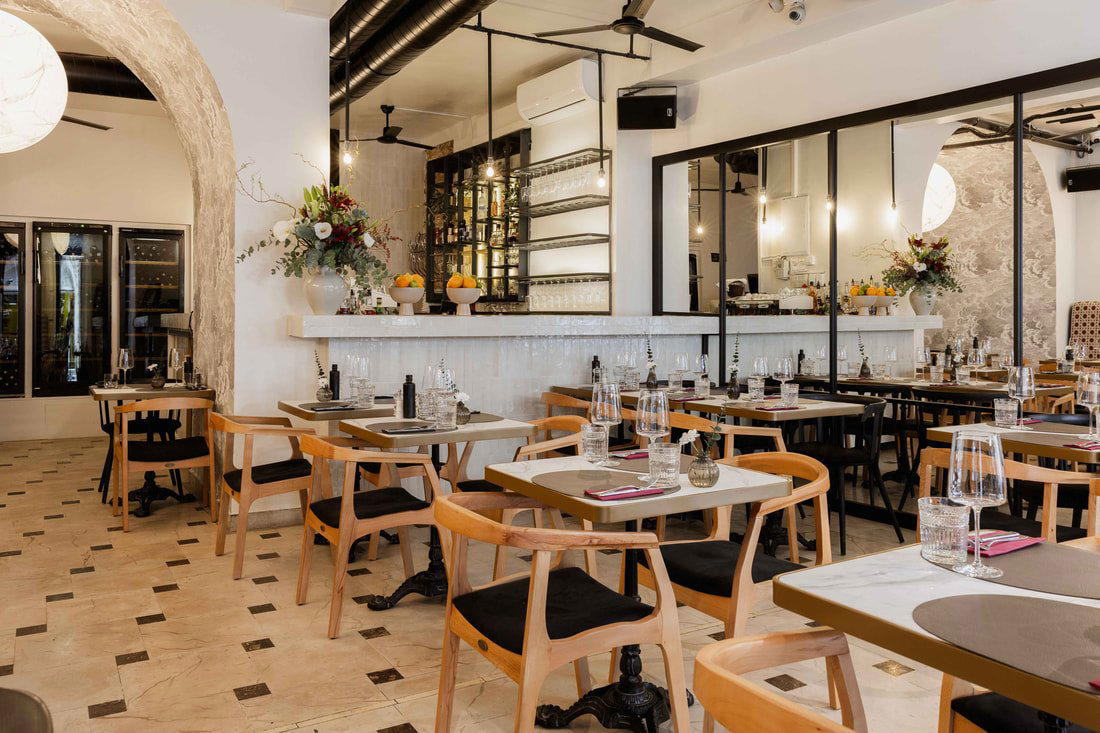
A Bistro Format That Suits the Pace of Split
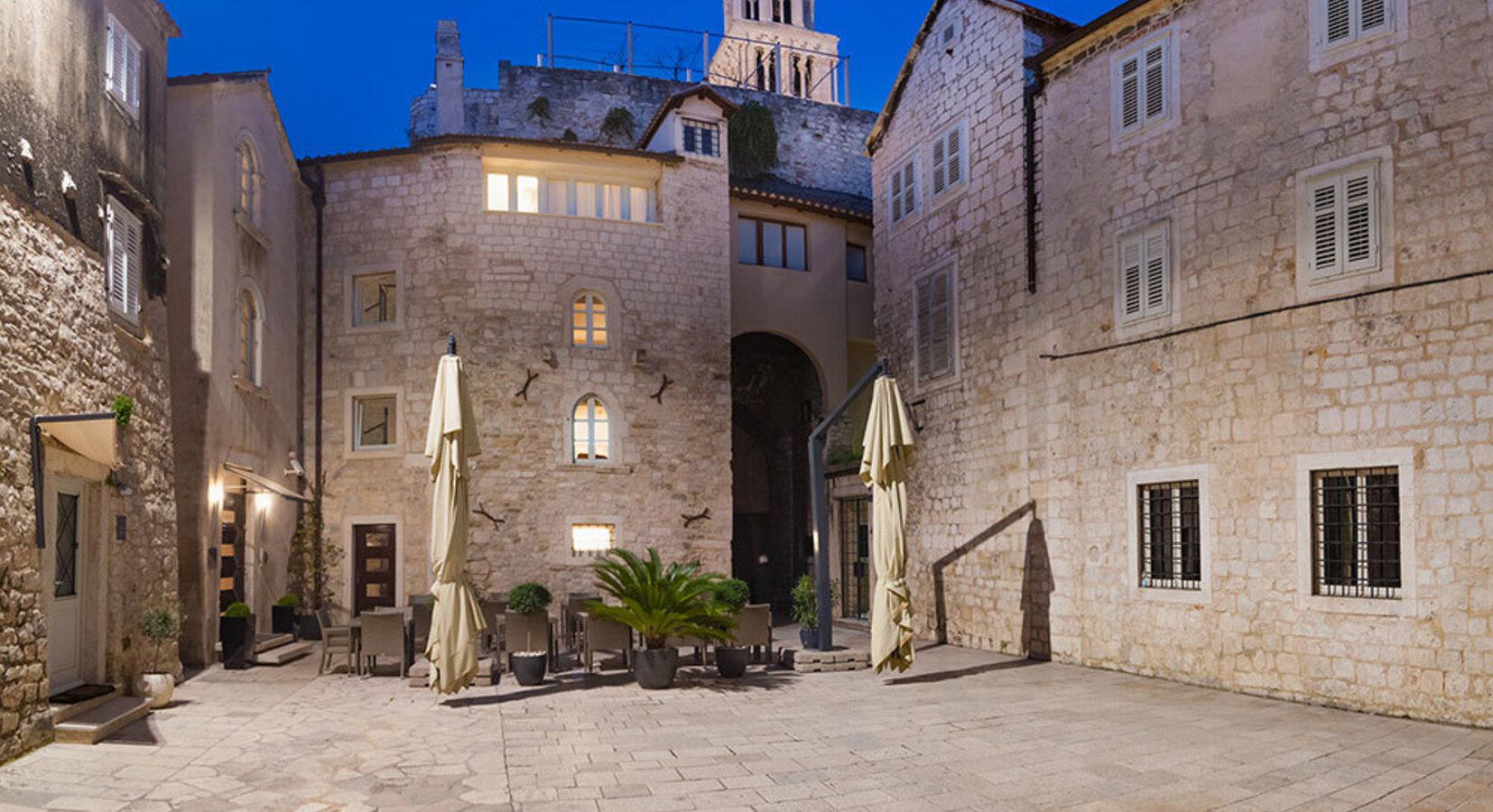
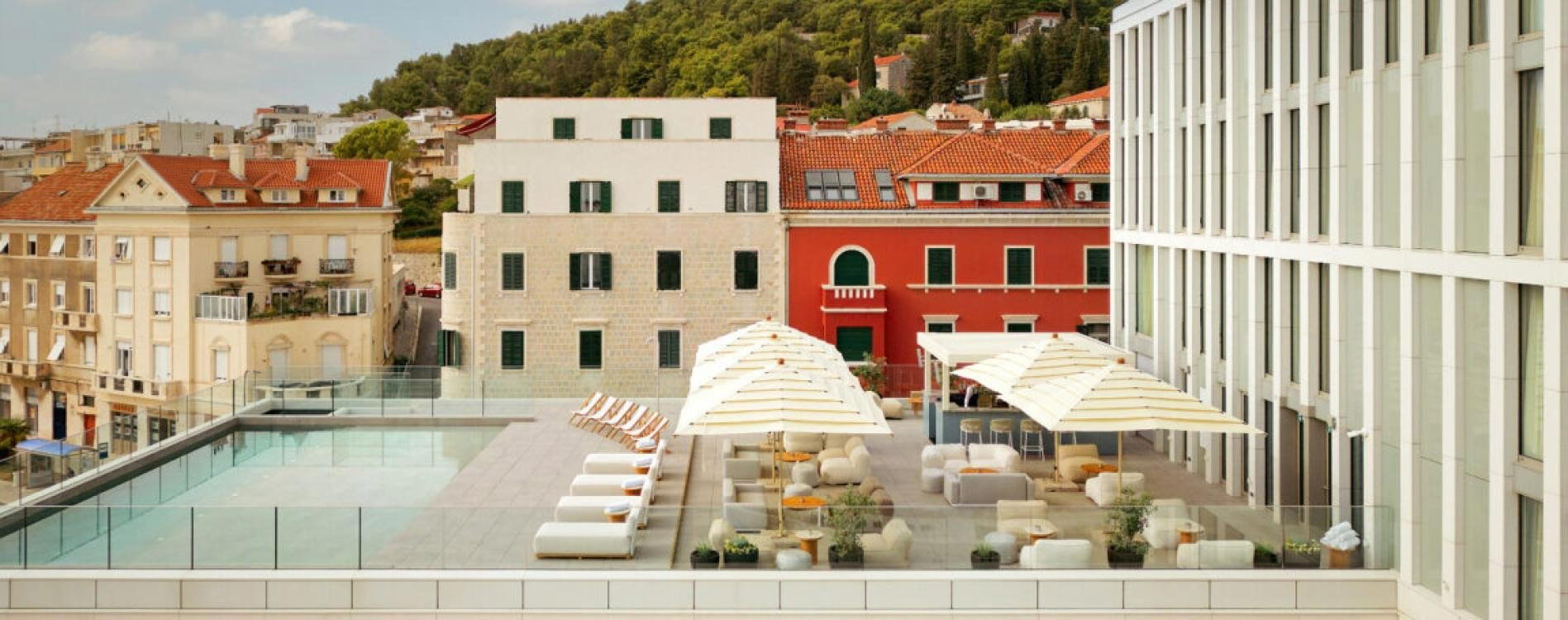
Split's dining scene has developed a recognisable rhythm over the past decade: the waterfront fills with tourists by early evening, while a parallel layer of wine-forward rooms and neighbourhood bistros operates at a different pace entirely, drawing locals and repeat visitors who have graduated past the obvious. Zinfandel Food & Wine Bistro, on Marulićeva ul. 2, belongs to this quieter tier. The address is close enough to the Palace district to be convenient, but removed enough that the foot traffic outside bears no resemblance to the Riva promenade a short walk away.
The bistro format itself carries particular meaning in the Dalmatian context. Where many restaurants in Split's old town lean hard into the stone-and-candle aesthetic, the wine-and-food bistro model implies a different set of priorities: a list that earns its own attention, a menu calibrated to pair rather than merely accompany, and an environment that rewards time spent rather than tables turned. Zinfandel's name signals the approach directly, placing wine in the premise from the first word.
The Physical Environment and What It Communicates
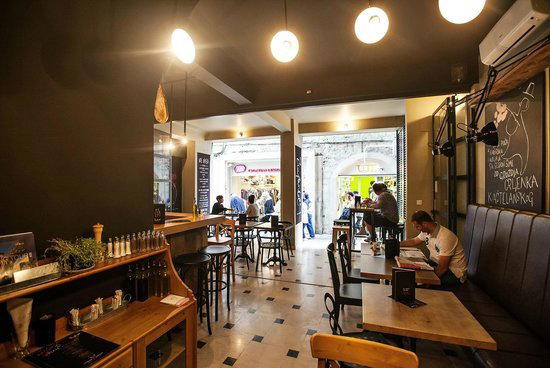
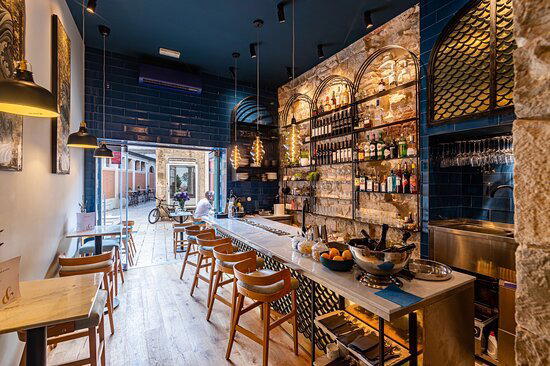
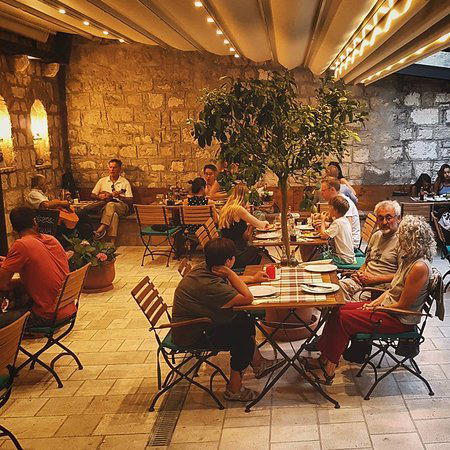
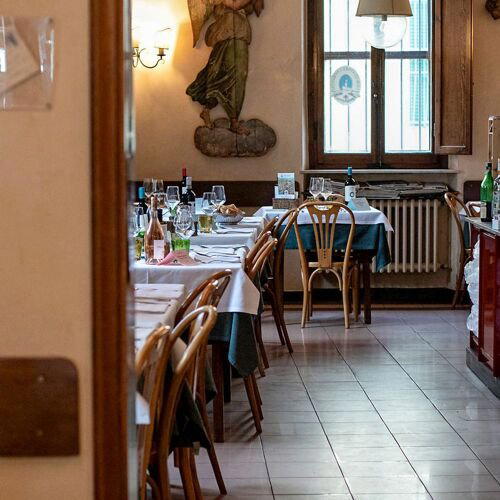
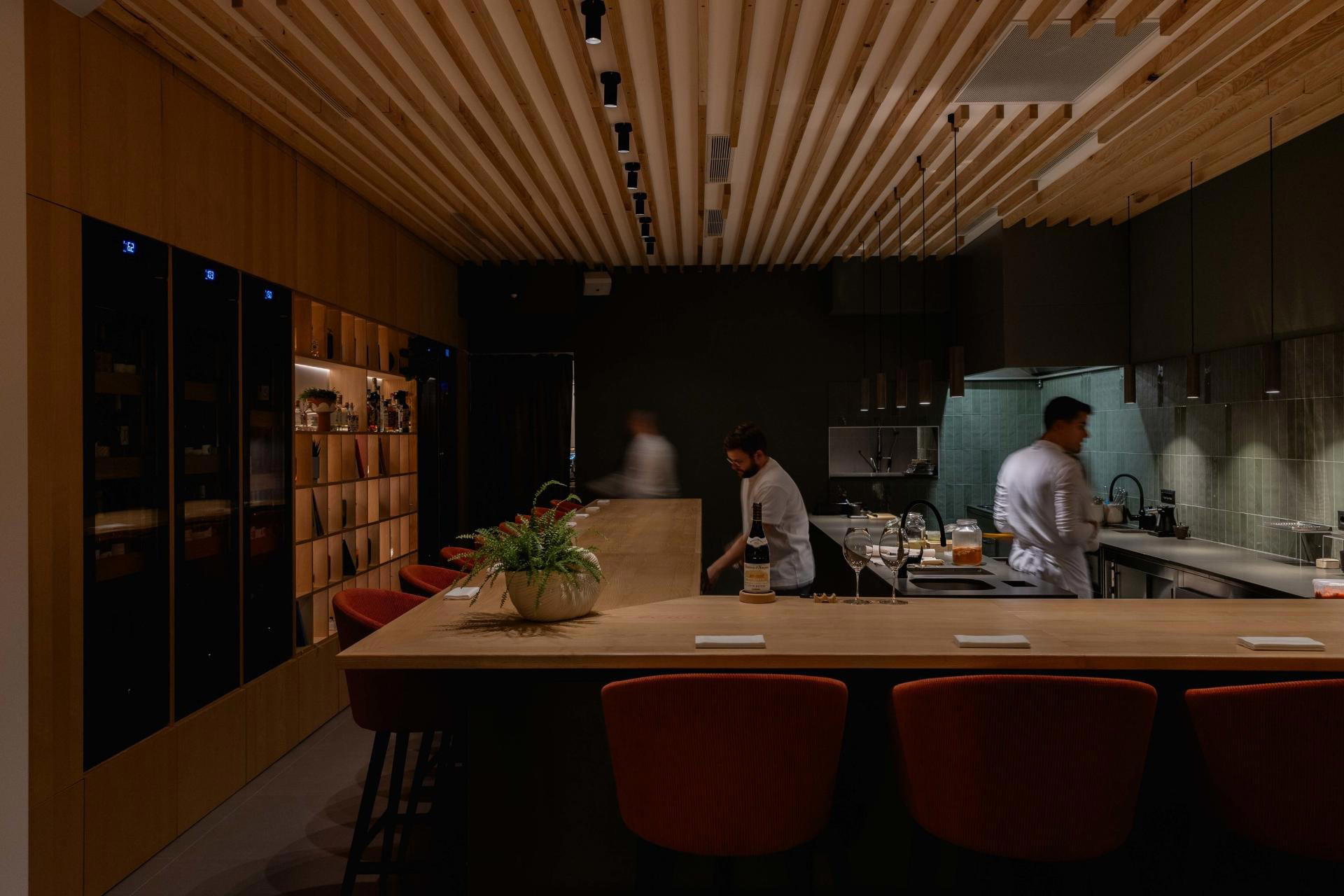
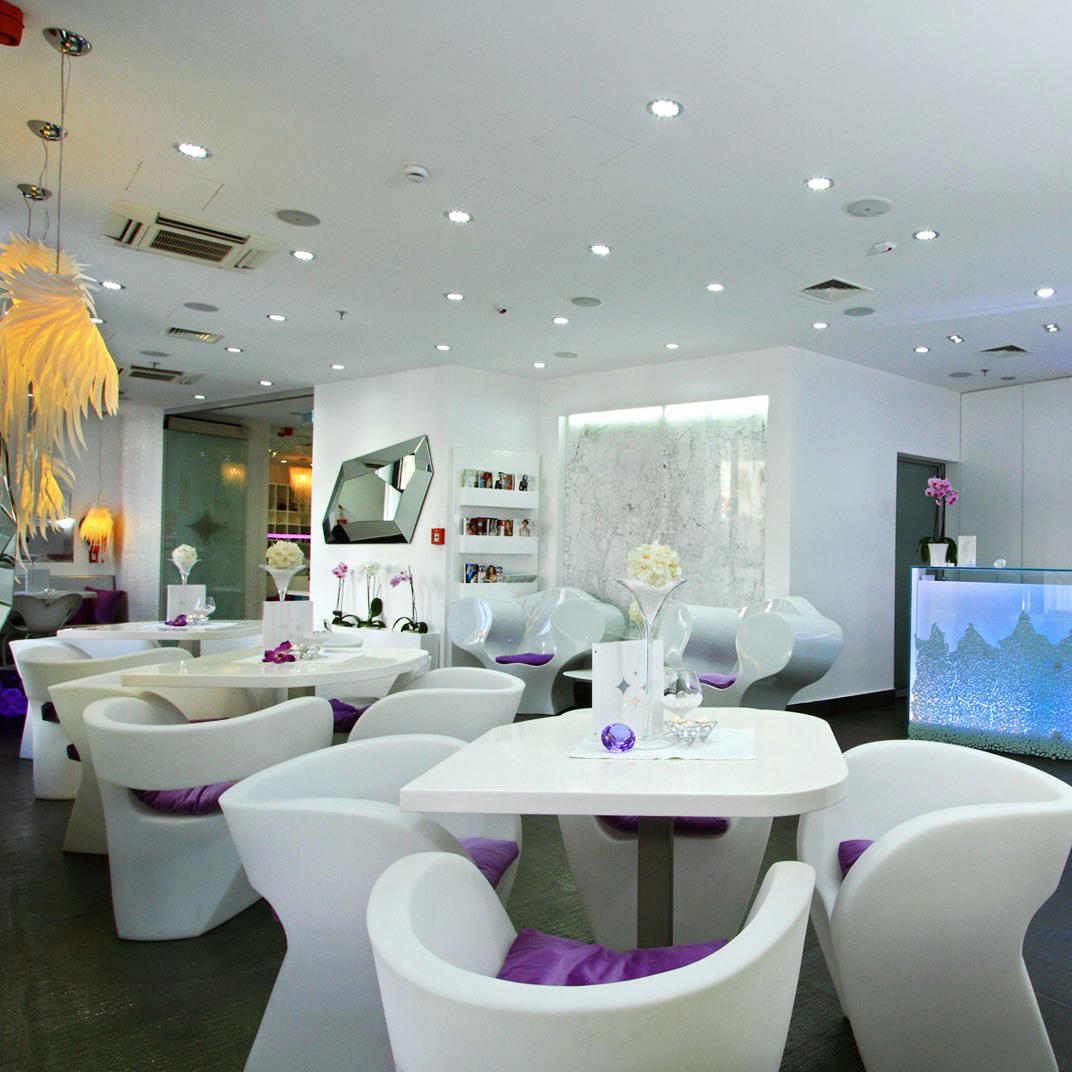
Bistro spaces in Croatia's coastal cities tend to occupy one of two modes: repurposed stone interiors with low ceilings and ambient warmth, or more contemporary formats that trade historic texture for cleaner lines. Either way, the physical scale is typically intimate, and Zinfandel operates in that intimate register. A room this size in a city like Split functions less as a stage and more as a conversation, the gap between tables is small enough that the atmosphere depends entirely on who is in the room and what is in the glass.
Lighting is the critical variable in rooms of this type. The difference between a bistro that works and one that merely exists often comes down to whether the light has been considered independently of the architecture. Bistros that get this right tend toward warm, directed sources rather than ambient overheads, allowing the table to feel like its own contained world. The presence of a serious wine focus reinforces this tendency: wine-led rooms usually resist the bright, transactional lighting of volume-driven restaurants because the format itself demands a slower cadence.
For comparison, Split's wine bar scene includes venues like Torito Bar & Food and Tri Volta, both of which sit in the wine-forward category but with distinct physical formats and different approaches to the food-wine balance. The category has enough depth in Split now that visitors can meaningfully compare rather than simply accept what is available.
Wine-Forward Dining in Dalmatia: The Broader Pattern
Croatia's wine identity has undergone a significant reassessment internationally over the past fifteen years. Dalmatia in particular, with its indigenous varieties and limestone-heavy soils on the islands and hinterland, has attracted serious attention from the kind of wine press that was previously ignoring the region entirely. Plavac Mali from the Pelješac peninsula, Pošip from Korčula, and Grk from Lumbarda now appear on lists in London and New York with increasing regularity. The result, for venues like Zinfandel, is an available inventory that would have been harder to curate even a decade ago: small-production Dalmatian wines, natural and low-intervention producers from Istria, and a broader Adriatic coastal range that gives a wine list genuine regional coherence.
For a sense of how wine bar culture operates further along the coast, Edivo Wine Bar in Drace on the Pelješac peninsula offers a useful point of comparison, operating in a wine-growing context rather than a city setting. In Dubrovnik, D'VINO WINE BAR DUBROVNIK represents the more tourist-pressured end of the Dalmatian wine bar spectrum. The island context produces different formats still: Hvar in Stari Grad and Hvar in Lesina each operate within the specific constraints and opportunities of island hospitality.
Croatia's wine bar format has also been developing inland, with Otto & Frank in Zagreb representing the capital's more urban take on the category. The contrast with Split is instructive: Zagreb's wine culture is more continental in reference, while Split's is shaped by proximity to Dalmatian producers and the seasonal rhythms of the coast.
How This Venue Sits in the Category
The bistro designation, when applied seriously rather than decoratively, implies a specific relationship between food and wine that differs from both a pure restaurant and a pure wine bar. Food is not an afterthought, but neither does it dominate. The menu exists to extend the time spent with the wine, and the wine list exists to make the food worth ordering more of. This balance is harder to achieve than it sounds, and venues that manage it tend to develop a loyal regular clientele that values the format as much as any individual dish or bottle.
In the European context, this kind of bistro culture is well-established in Paris and Lyon, and has taken root with genuine depth in cities like Copenhagen and Lisbon. In Croatia, it is a newer proposition, and venues that commit to the format rather than hedging toward a more conventional restaurant structure are worth tracking. For wine-forward bistro comparisons in other markets, the approach taken by Ul. Sv. Križa 24 in Rovinj on the Istrian coast offers another Croatian data point, in a city with a longer-established fine dining and wine culture than Split.
Planning Your Visit
Zinfandel Food & Wine Bistro is located at Marulićeva ul. 2, 21000 Split, in a part of the city that is walkable from the main Palace entrance and the bus and ferry terminal. The bistro format in this part of Split tends to suit evening visits rather than midday, both because the atmosphere settles differently after dark and because the wine focus is better served when the meal is the event rather than a break between activities. Specific hours, pricing, and booking arrangements are straightforward: the venue is open daily from 12 PM to 12 AM, the price tier is 3, pricing is about USD 50 per person, and reservations are recommended.
Zinfandel operates in a different market and at a different scale, but the category logic is recognisable across all of them.
Cuisine and Credentials
Comparable venues nearby, for context on price, style, and recognition.
| Venue | Cuisine | Price | Awards | Notes |
|---|---|---|---|---|
| Zinfandel Food & Wine BistroThis venue — the venue you are viewing | wine_bar | $$$ | , | |
| Tri Volta | pub | $ | , | Old Town (Diocletian's Palace area) |
| Torito Bar & Food | cocktail_bar | $$ | , | Diocletian's Palace |
| Portofino | Modern Mediterranean Seafood & Grill | $$$ | , | Diocletian's Palace |
| Mazzgoon | Modern Croatian Seafood | $$$ | , | Split Old Town |
| Bajamonti POP | Dalmatian Coastal | $$$ | , | Trg Republike |
At a Glance
- Cozy
- Elegant
- Lively
- Date Night
- Casual Hangout
- Live Music
- Historic Building
- Seated Bar
- Conventional Wine
- Street Scene
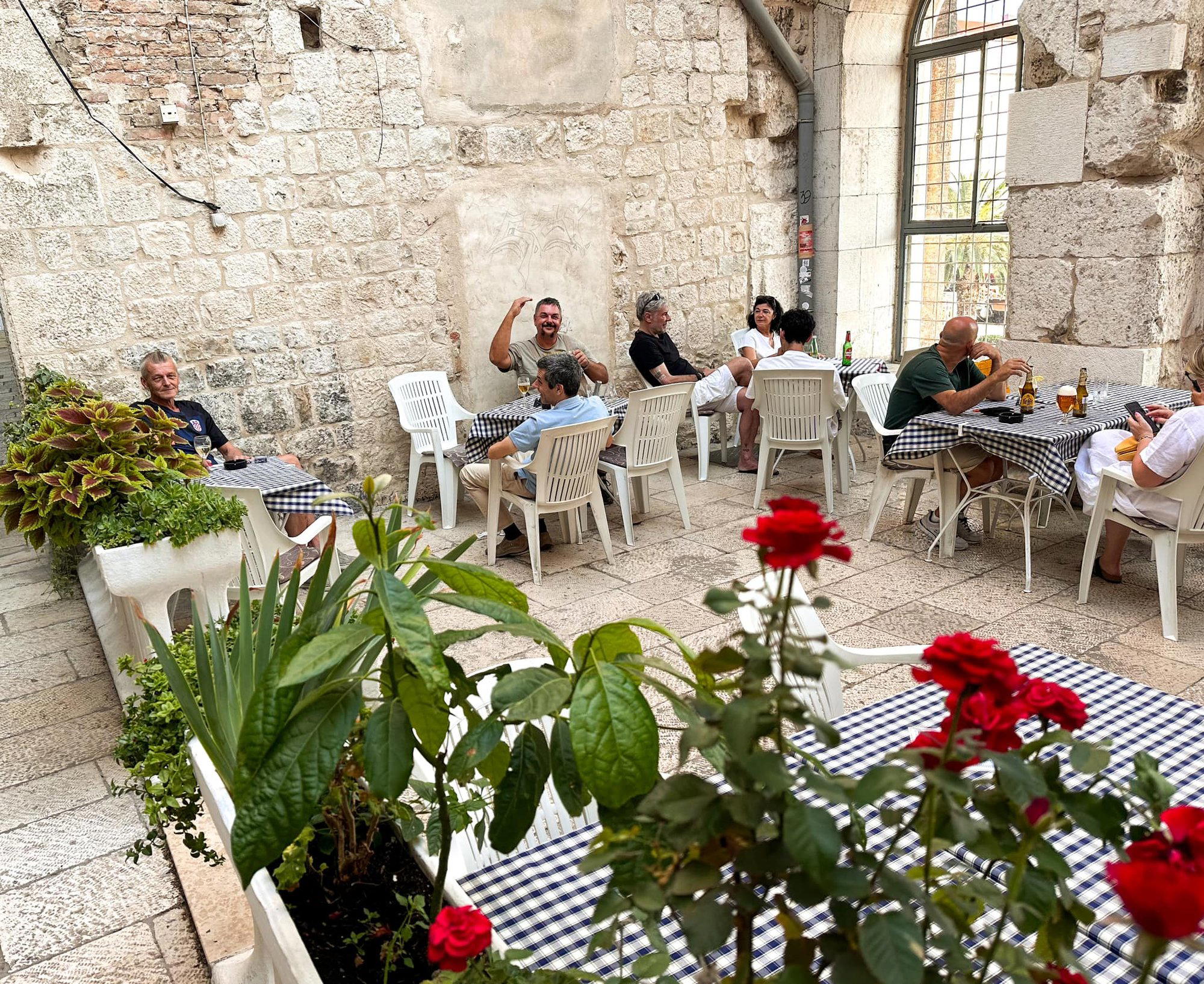
Busy and welcoming atmosphere in a narrow old town street with live music adding vibrancy, cozy indoor seating overlooking cobblestone alleyway.