Konoba Kantun serves Traditional Croatian Seafood Grill beside the waterfront in Vis, with a terrace, extensive wine list, and a leisurely, conversational pace.
Pearl is the En Primeur Club membership app — saves, bookings, and concierge access live there. Same editors, same standards.
- Address
- Obala Sv. Jurja 1, 21480, Vis, Croatia
- Phone
- +385922854818
- Directions
- Get directions
 Saves & bookings on Pearl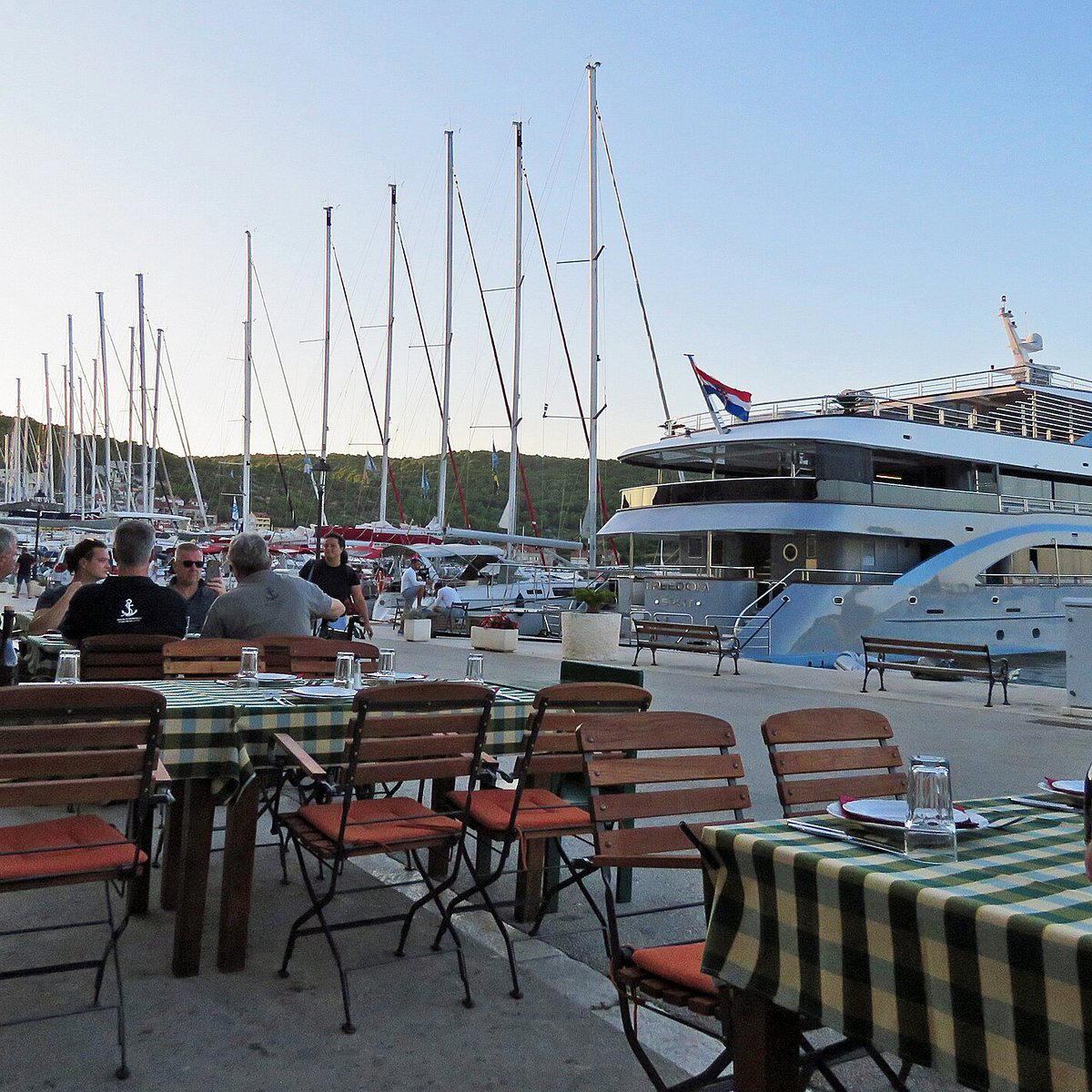
Where the Adriatic Comes to the Table
Konoba Kantun is a restaurant in Vis, Croatia, serving Traditional Croatian Seafood Grill at a casual price point of about $35 per person. The waterfront at Vis Town is quieter than most places in Dalmatia at this scale. The island sits further offshore than Hvar or Brač, which means the ferry crossing filters out a significant portion of the summer crowd, and the quay at Obala Sv. Jurja retains a working character that many Adriatic ports have traded away. Konoba Kantun occupies a position on that waterfront where the distance between boat and kitchen is, in practical terms, minimal. That proximity is not incidental, it shapes what the konoba format can deliver here in ways that the same format cannot easily replicate on more accessible islands.
The konoba tradition across the Dalmatian coast has always been defined by constraint: cook what the sea or the land provides that day, keep the preparation spare, and let the sourcing carry the weight. On Vis, that constraint operates at a sharper edge than elsewhere. The island has no land bridge, limited agricultural land relative to its small population, and a fishing community that has maintained its practices in part because tourism arrived late and in smaller volumes. The result is that a konoba on Vis is sourcing from a genuinely local network rather than from a regional wholesale market. That distinction matters at the plate.
Sourcing in a Closed Loop
Adriatic around Vis is among the cleaner stretches of the central Mediterranean, and the fish populations in the channel between Vis and the open sea retain quality that overfished closer-shore waters cannot match. Konoba cooking on the island has historically centred on species caught by small local boats: dentex, sea bream, octopus, and the sardines that were once the island's primary export when Vis operated among the more significant sardine canneries in the region during the 19th and early 20th centuries. That canning history is part of why the island's fishing identity runs deeper than seasonal tourism.
Preparation methods aligned with this sourcing are deliberately minimal. Peka, the slow-cooking method under a bell-shaped iron lid buried in embers, suits octopus and lamb in equal measure and requires no ingredient intervention beyond olive oil, herbs, and time. Grilling over wood or charcoal is the other dominant technique. Neither method disguises provenance, which is precisely the point. A kitchen sourcing from day-boat catches and local producers has no reason to obscure the ingredient. This is a different logic from the fine-dining register practised at places like Pelegrini in Sibenik or LD Restaurant in Korčula, where technique and creativity carry the editorial weight. The konoba register is about transparency of sourcing, not complexity of execution.
For a comparative frame further along the Croatian coast, Agli Amici Rovinj in Rovinj and Boskinac in Novalja demonstrate how the sourcing-led philosophy can intersect with formal dining structures. On Vis, the approach remains closer to the ground: fewer courses, shorter wine lists oriented around local varieties such as Vugava and Plavac Mali, and a format that prioritises the meal as a local event rather than a destination experience.
The Vis Dining Context
Vis Town has a cluster of konoba and restaurant options that collectively represent a coherent dining identity rather than a fragmented mix. Konoba Golub and Konoba Magić operate within the same sourcing tradition, while Pojoda and Fort George represent a register that sits slightly above the classic konoba format in terms of presentation and price. Fields of Grace Vineyards addresses the wine-estate dimension that the island's indigenous varieties make possible. Together these options create a scene where the decision is less about finding quality and more about choosing the level of formality that suits the evening.
Within that context, Konoba Kantun sits at the waterfront end of the traditional register. The address on Obala Sv. Jurja places it at the edge of the harbour, and the format aligns with what experienced visitors to the Dalmatian konoba circuit will recognise: a relatively short menu, fish and seafood as the primary offer, local wine, and a pace of service that follows the kitchen's sourcing cycle rather than a predetermined tasting structure. This is not a format that suits every diner, but for those who have eaten their way through the Adriatic, from the fish restaurants of Split, such as Krug in Split, to the more formal iterations in Dubrovnik at Restaurant 360 in Dubrovnik, the Vis konoba represents the least mediated version of the tradition.
Planning the Visit
Vis is reached by ferry from Split, with crossings taking approximately 2.5 hours on the standard service. The island's remoteness means accommodation and restaurant capacity are both limited relative to peak demand in July and August, and advance planning is advisable for summer visits. For visitors building a Croatian dining itinerary, reference points such as Dubravkin Put in Zagreb, Nebo by Deni Srdoč in Rijeka, Alfred Keller in Mali Losinj, and Korak in Jastrebarsko provide a national frame against which the Vis konoba experience reads as the coastal, ingredient-led counterpart to inland and more formally structured Croatian cooking.
A Quick Peer Check
Comparable venues nearby, for context on price, style, and recognition.
| Venue | Cuisine | Price | Notes |
|---|---|---|---|
| Konoba KantunThis venue — the venue you are viewing | Traditional Croatian Seafood Grill | $$ | Not listed |
| Pojoda | Traditional Croatian Seafood | $$$ | Kut |
| Val | Modern Mediterranean Seafood | $$$ | Vis |
| Fort George | Mediterranean Seafood in Historic Fortress | $$$ | Island of Vis |
| Corto Magarese | Mediterranean | $$ | Vis |
| Roki's-Plisko Polje VIS | Traditional Croatian Peka | $$ | Plisko Polje |
Continue exploring
More in Vis
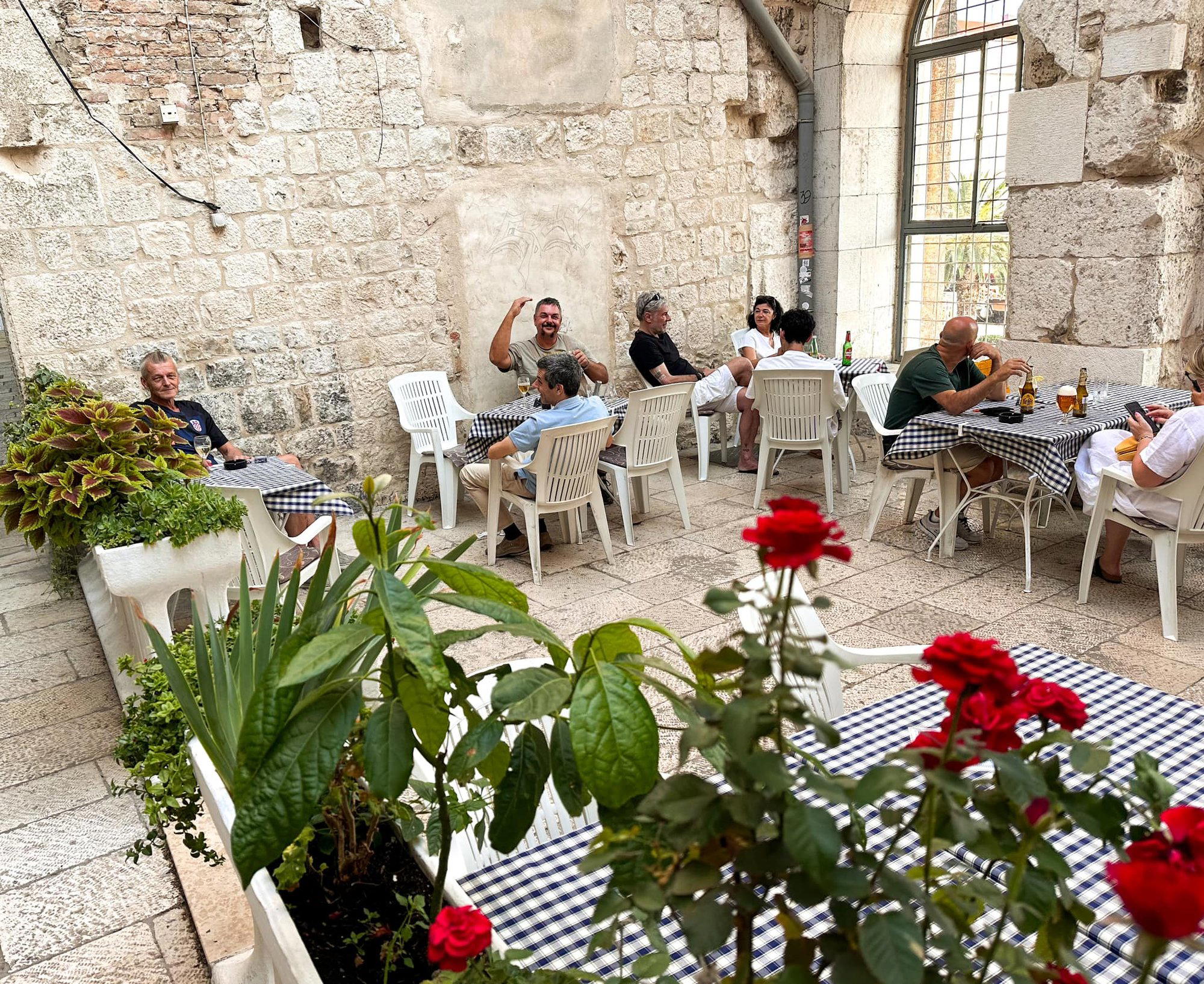
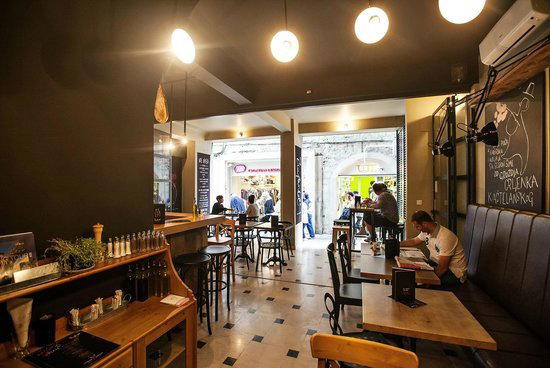
Restaurants in Vis
Browse all →
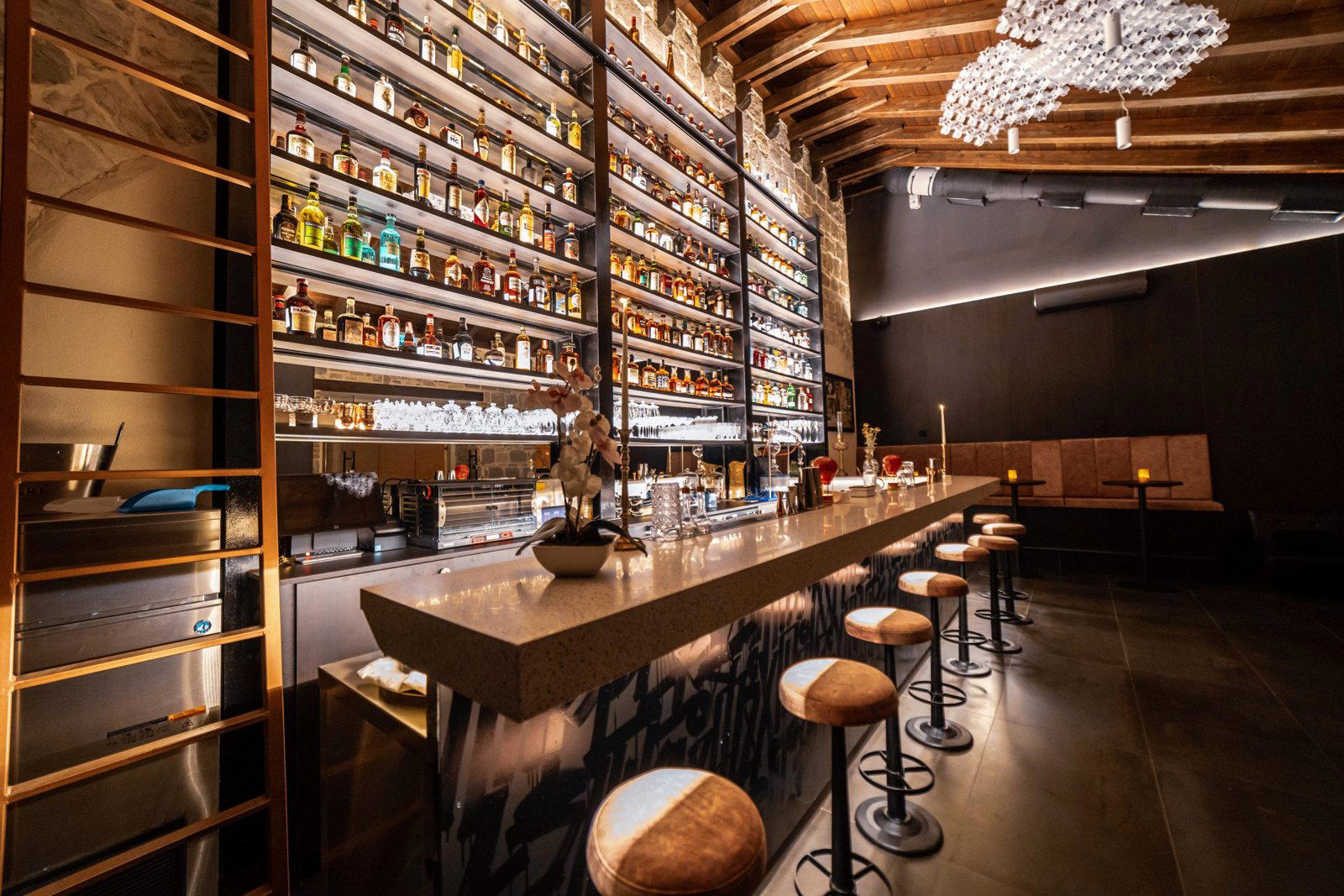
Bars in Vis
Browse all →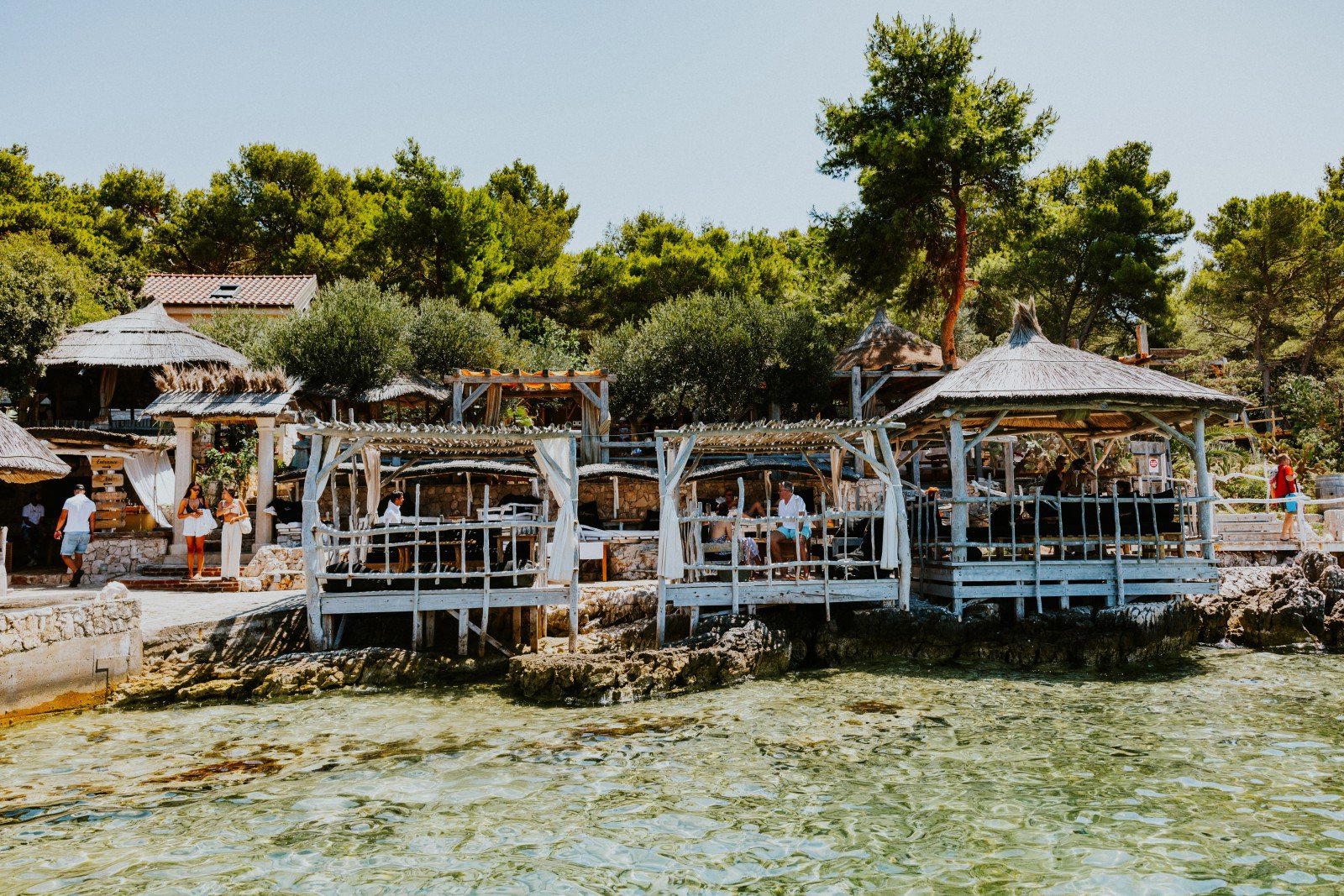
Hotels in Vis
Browse all →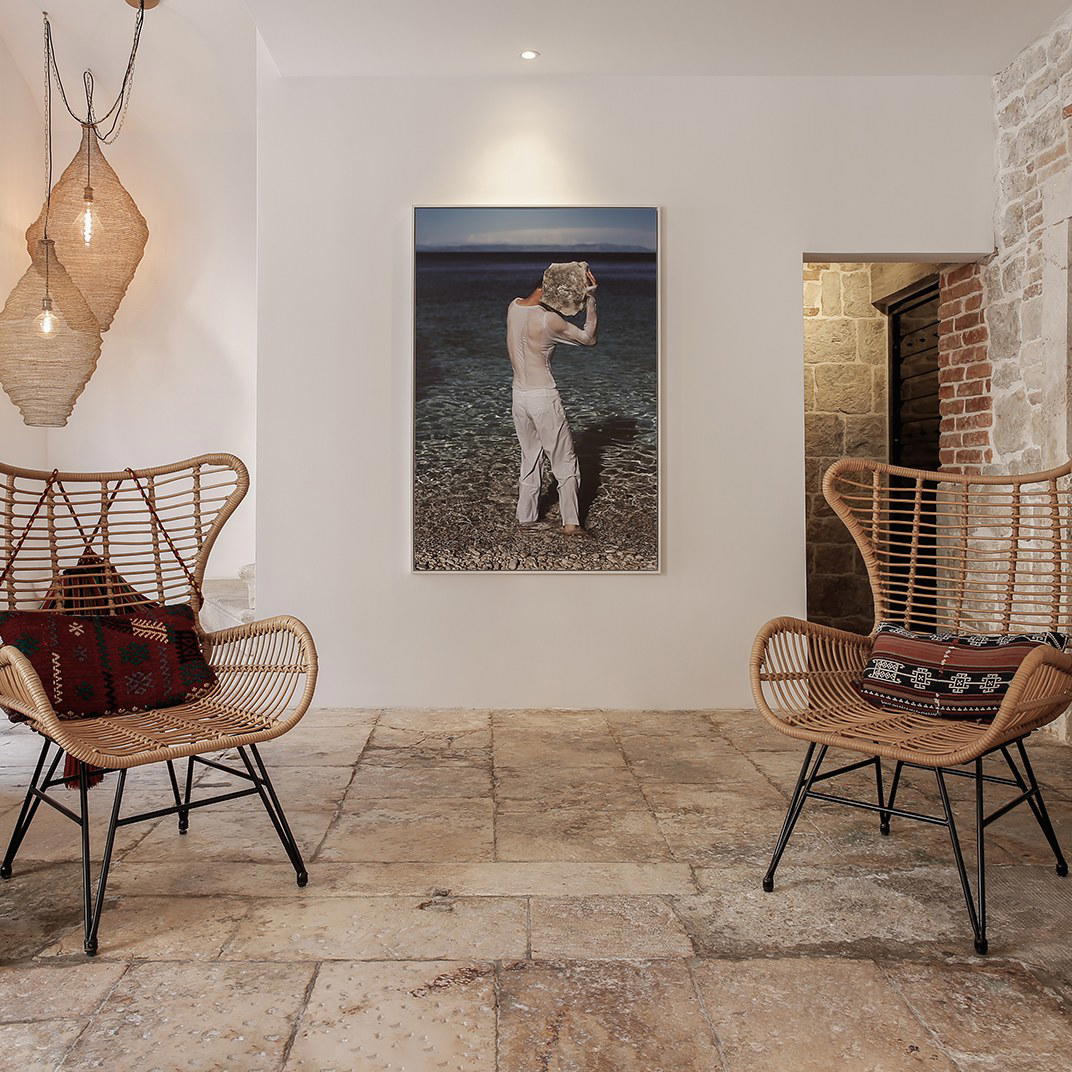

At a Glance
- Rustic
- Cozy
- Scenic
- Date Night
- Family
- Casual Hangout
- Waterfront
- Open Kitchen
- Terrace
- Extensive Wine List
- Local Sourcing
- Waterfront
Current opening hours
- Monday
- 6–11 PM
- Tuesday
- 6–11 PM
- Wednesday
- 6–11 PM
- Thursday
- 6–11 PM
- Friday
- 6–11 PM
- Saturday
- 6–11 PM
- Sunday
- 6–11 PM
Hours can change for holidays and private events. Last verified .
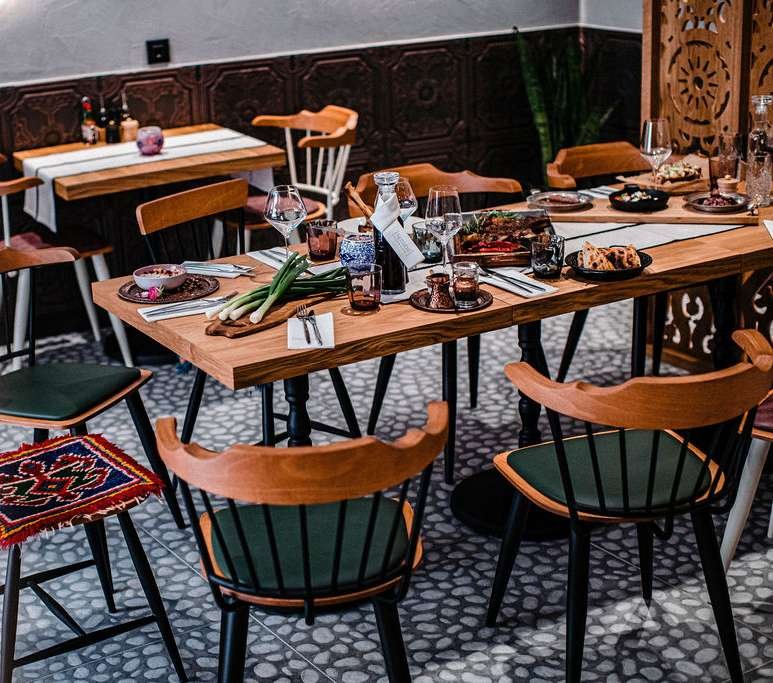
Warm and inviting with checkered tablecloths, open fireplace indoors, seafront outdoor tables, and cozy courtyard garden.