

A two-time Michelin Plate recipient (2024 and 2025), Mediterraneo sits on Braće Bibić street in Hvar Town and draws consistently strong reviews, a 4.8 rating from over 1,100 Google submissions. The kitchen works within Croatian coastal tradition, placing it in the mid-price tier (€€) that defines accessible serious dining on the island. For Hvar, that combination of award recognition and sustained crowd approval is relatively rare.
Pearl is the En Primeur Club membership app — saves, bookings, and concierge access live there. Same editors, same standards.
- Address
- Braće Bibić 15, 21450, Hvar, Croatia
- Phone
- +385 91 949 7808
- Website
- mediterraneohvar.hr
- Directions
- Get directions
 Saves & bookings on Pearl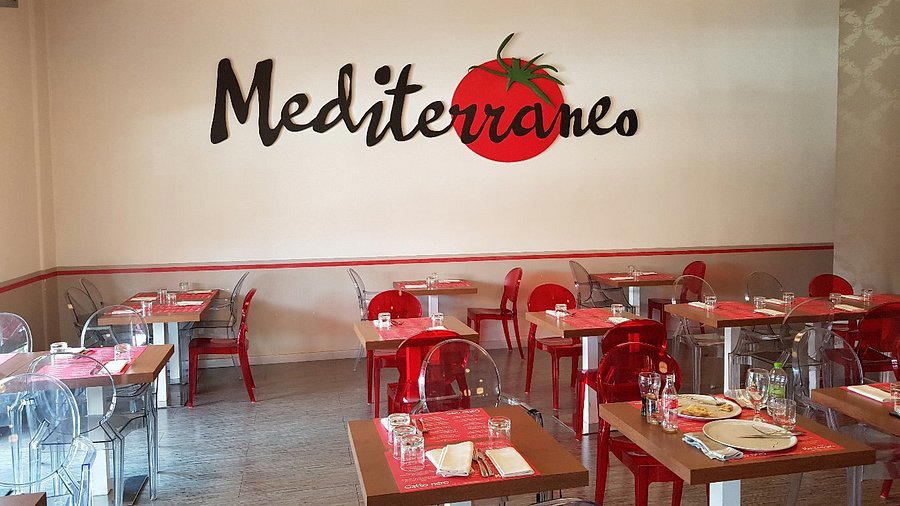
Hvar Town's Dining Register and Where Mediterraneo Sits Within It
The Croatian coast has developed a recognisable dining tier in recent years: restaurants with Michelin recognition that sit below the full-star bracket in price and format, but well above the generic tourist taverna. Hvar Town, one of the Adriatic's most visited islands, now has several addresses in that middle band. Mediterraneo, on Braće Bibić 15, holds two consecutive Michelin Plate awards (2024 and 2025), positioning it within that cohort of kitchens worth noting. The Michelin Plate signals consistent cooking and careful ingredient handling. Across Dalmatia, that is still a meaningful credential.
Its price range (€€) places it closer to the accessible end of award-recognised Croatian dining. For comparison, Dalmatian neighbours like Pelegrini in Sibenik and Restaurant 360 in Dubrovnik operate at the €€€€ level, where tasting menus and fine-dining architecture become the primary frame. Mediterraneo's positioning is different: the expectation is honest, ingredient-led Croatian cooking at a price that doesn't require pre-trip financial planning. That distinction matters on an island where the gap between overpriced mediocrity and serious cooking can be surprisingly large.
The Physical Setting: Stone, Salt Air, and the Grammar of Dalmatian Dining
Hvar Town's old centre organises itself around a cathedral square and a network of narrow stone lanes that run toward the harbour. Most of the serious eating happens within a short walk of the waterfront or tucked into the alleys immediately behind it. Braće Bibić is one of those residential-feeling streets that appears domestic until you notice the tables set outside and the sound of a kitchen in rhythm. The approach to Mediterraneo is characteristically Dalmatian: stone walls, shade, and a quiet that the harbour promenade doesn't offer. Dining on the Adriatic coast has always been an exercise in context as much as cuisine, and Hvar's old town provides that context in concentrated form.
Croatian Coastal Cooking: The Tradition Behind the Plate
Understanding what Mediterraneo represents requires understanding what Croatian coastal cuisine actually is, beneath the shorthand of 'seafood and olive oil'. Dalmatian cooking is one of the more historically layered traditions on the Mediterranean rim, shaped by Venetian administration, Ottoman proximity, and a marine geography that gave fishing communities access to some of the Adriatic's cleanest waters. The foundational techniques are preservation-minded: salting, drying, slow cooking over open flame (the peka, a bell-shaped lid used to braise meat or fish under embers), and a reliance on local olive oil that predates the modern premium-oil market by centuries.
The fish and shellfish traditions of the central Dalmatian islands are particularly specific. Prstaci (date mussels, now protected), various preparations of fresh-caught white fish, octopus salads dressed simply with olive oil and parsley, and brodetto (fish stew with wine and tomato) form the canonical repertoire. Vegetables tend to be treated as supporting architecture rather than protagonists: wild greens, capers from the island's own production, and the particular sweetness of Dalmatian tomatoes in summer. Restaurants that work within this tradition, rather than grafting international fine-dining conventions onto it, produce something more coherent and more honest than those that chase broader European trends. The Michelin Plate at Mediterraneo suggests the kitchen is operating within rather than against that tradition.
Hvar itself produces Plavac Mali grapes, a grape variety related to Zinfandel, from vineyards on the island's south-facing slopes. The wines that result, particularly from the Dingač and Postup appellations on the nearby Pelješac peninsula, are structured, sometimes tannic, and built for food rather than aperitif drinking. Any serious Croatian coastal restaurant keeps a list anchored in Dalmatian and Istrian producers; the pairing logic between local wine and local seafood is one of the more reliable pleasures of eating on this coast.
Mediterraneo in the Broader Croatian Michelin Picture
Michelin's Croatian coverage now spans Zagreb, Istria, Kvarner, and Dalmatia. Agli Amici Rovinj in Istria and Alfred Keller in Mali Lošinj represent the northern Adriatic's contribution to that picture. On the mainland, Dubravkin Put in Zagreb and Boskinac in Novalja extend the map into continental and island registers respectively. Further along the Dalmatian coast, LD Restaurant in Korčula and Krug in Split anchor the mid-Adriatic stretch. Mediterraneo's consecutive Plate awards confirm it as part of this documented network rather than an outlier.
For a restaurant on Hvar to hold that recognition across two consecutive years is notable. The island's dining scene is heavily weighted toward summer-season operators, and maintaining the standards that Michelin inspectors return for requires a discipline that high-volume seasonal trading tends to erode. The volume of responses at that average pushes against statistical noise and suggests genuine, sustained consistency.
Planning a Visit
Mediterraneo is at Braće Bibić 15 in Hvar Town's historic centre, within walking distance of the main square. Given the island's compressed summer season and the restaurant's recognised standing, booking ahead is the practical approach during June through August. At about $60 per person, it sits in the accessible end of award-recognised Dalmatian dining. Visitors arriving by ferry from Split land at Stari Grad on the opposite side of the island (roughly 17 kilometres away), with bus connections to Hvar Town; those arriving by fast catamaran dock directly in Hvar Town harbour, putting the restaurant within a ten-minute walk.
Cost and Credentials
Comparable venues nearby, for context on price, style, and recognition.
| Venue | Cuisine | Price | Awards | Notes |
|---|---|---|---|---|
| MediterraneoThis venue — the venue you are viewing | Croatian | $$$ | Michelin Plate | Not listed |
| San Marco | Hvar Town, Innovative Mediterranean | $$$ | Not listed | Not listed |
| Dalmatino | Hvar town, Dalmatian Steak & Fish House | $$$ | Not listed | Not listed |
| Meneghello | Not listed | $$$ | Not listed | Pakleni Islands, Traditional Croatian Seafood |
| Konoba Maestro | Hvar Town, Traditional Croatian Seafood | $$ | Not listed | Not listed |
| Štajun | Not listed | $$$ | Not listed | Hvar Old Town, Seasonal Mediterranean Seafood |
Recognition history
Dated appearances from independent guides and award organizations, with the underlying list record or original source where available.
Michelin Plate
Michelin
Michelin Plate
Michelin
World Culinary Awards Europe's Best Mediterranean Cuisine Restaurant 2025 #1
World Culinary Awards
Michelin Plate
Michelin
Continue exploring
More in Hvar
Restaurants in Hvar
Browse all →
Bars in Hvar
Browse all →
Hotels in Hvar
Browse all →

At a Glance
- Romantic
- Elegant
- Intimate
- Cozy
- Sophisticated
- Date Night
- Special Occasion
- Celebration
- Terrace
- Courtyard
- Private Dining
- Extensive Wine List
- Local Sourcing
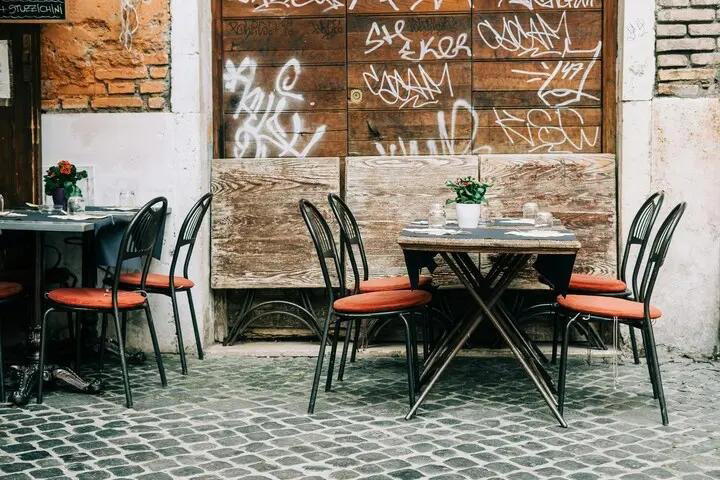
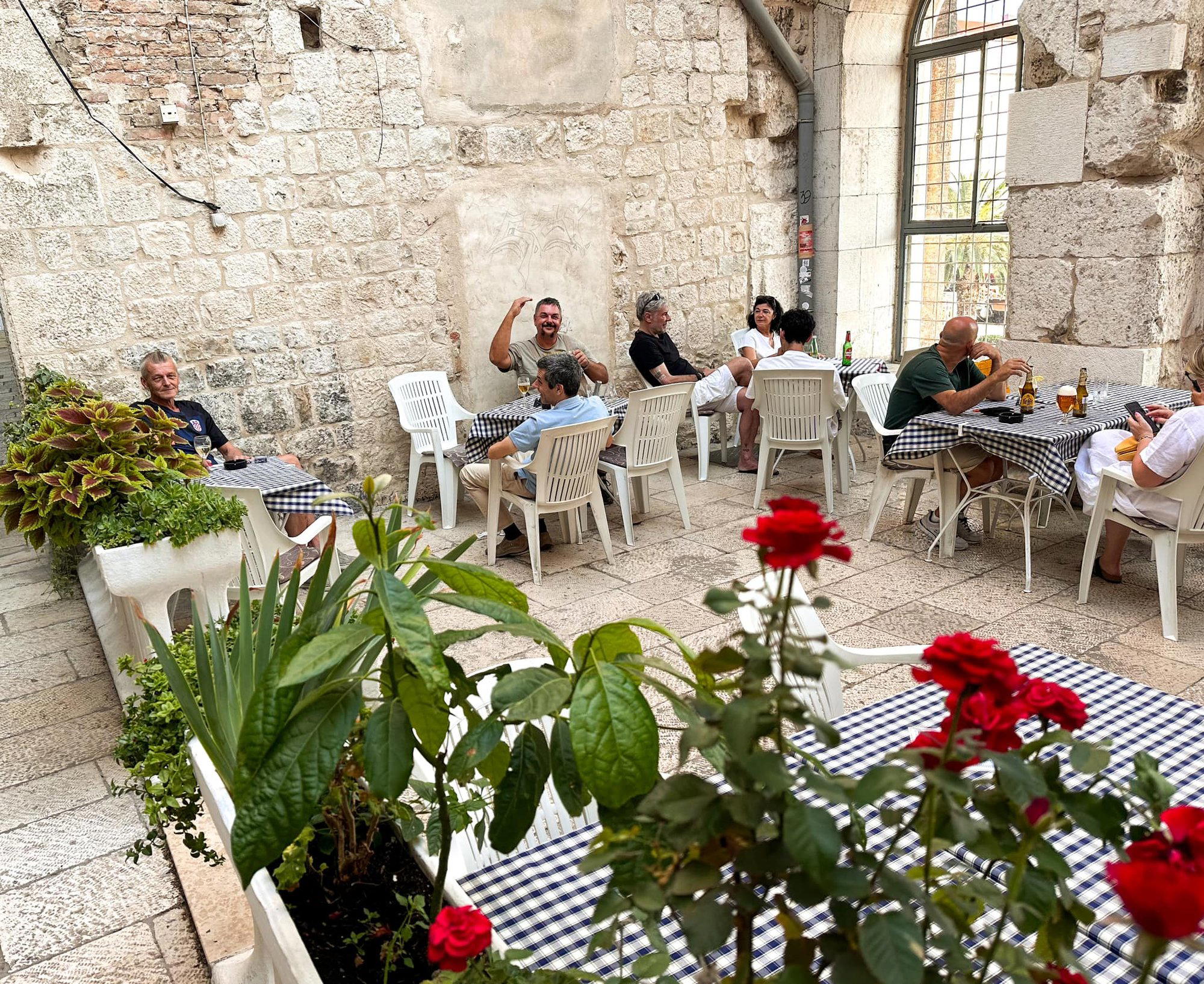
Warm, inviting courtyard with stone walls, flowers, and soft lighting creating a stylish, relaxed, and sophisticated atmosphere.