On the Dalmatian island of Hvar, drinking culture follows the sun: aperitivo hours stretch late, local wine flows freely, and the bar scene sits between laid-back island rhythm and an increasingly sophisticated drinks programme. This Lesina address occupies that particular tension, where the Adriatic setting shapes what ends up in the glass as much as anything behind the counter.
Pearl is the En Primeur Club membership app — saves, bookings, and concierge access live there. Same editors, same standards.
- Address
- Croatia
- Website
- hvar.hr
- Directions
- Get directions
 Saves & bookings on Pearl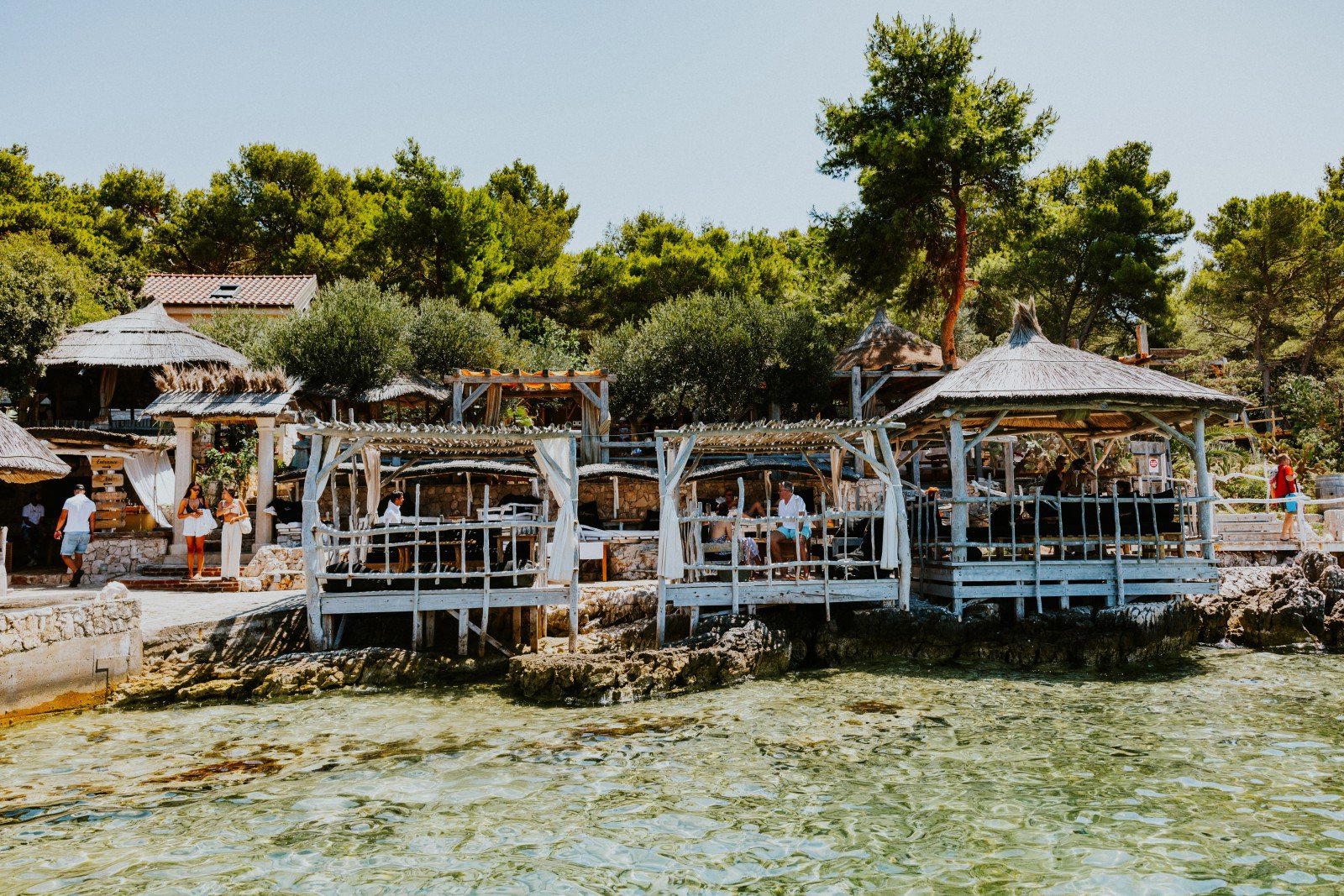
Drinking on Hvar: Where Island Pace Meets an Evolving Bar Culture
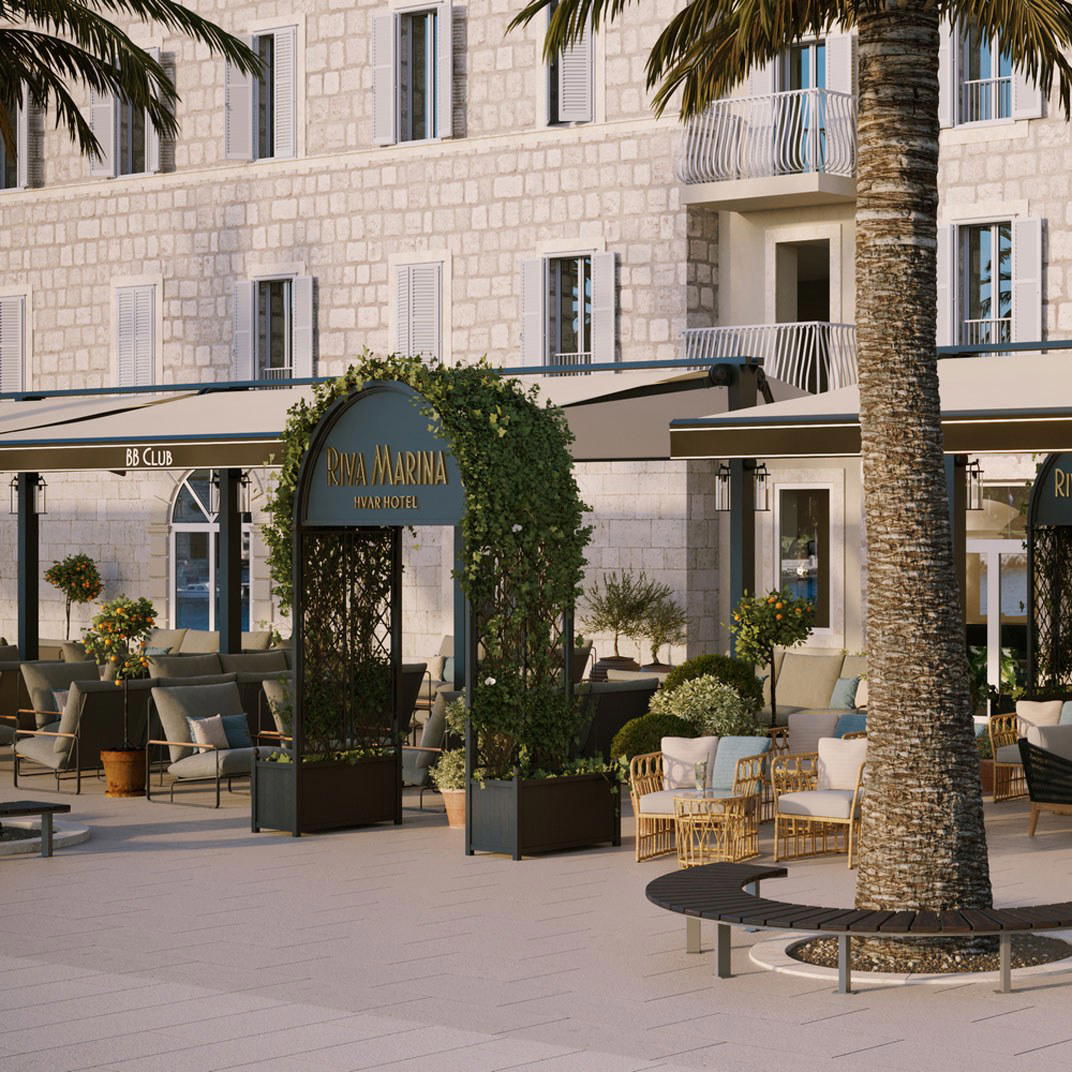
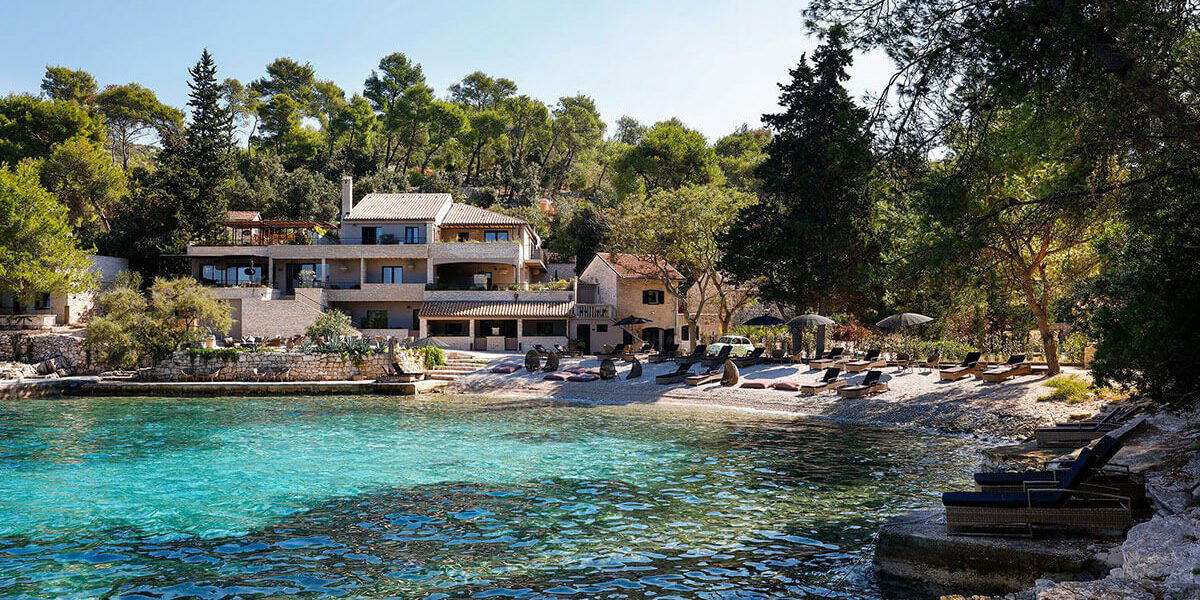
Arriving on Hvar at dusk, the light does something specific to stone. The limestone facades of the old town hold the last of the afternoon gold while the harbour shifts from working port to promenade, and the entire social life of the island seems to pivot outward toward the water. This is the context in which drinking happens here: not as a destination in itself, but as a continuation of the day, shaped by proximity to the sea and the particular pace that Dalmatian summers impose on everything. Hvar is a bar in Croatia, with a casual dress code and a walk-in-friendly policy. Hvar in Lesina sits inside that rhythm, and understanding it requires understanding the island first.
The Dalmatian Bar Scene and Where Hvar Fits
Croatia's bar culture has developed unevenly across its coastline. Dubrovnik operates at one end of the spectrum, with venues like D'VINO WINE BAR DUBROVNIK anchoring a more structured, wine-led programme aimed at a well-travelled international crowd. The Istrian coast has its own register, where addresses such as Ul. Sv. Križa 24 in Rovinj blend local wine identity with a northern European sensibility around technique and seasonal produce. Hvar sits in a different position: more relaxed in format, more dependent on the island's own agricultural and viticultural identity, and significantly more seasonal in its operating logic than either of those reference points.
The island produces Plavac Mali grapes, which yield dense, high-alcohol reds in the hands of producers in the Dingač and Postup appellations to the south, and lighter interpretations along the central plateau. That local viticulture gives the better bar programmes on Hvar a natural anchor: the interesting question is not whether local wine appears on the list, but how it is framed and what it sits alongside. In the Adriatic context, the comparison point is often Edivo Wine Bar in Drace, which has built a programme around Pelješac wines and submarine-aged bottles, a format that uses provenance as a primary editorial lens. Hvar's bar scene has not yet consolidated around a single identity of that kind, but the raw material is there.
The Cocktail Dimension: Technique Arriving Later Than the Sunsets
Croatia's cocktail culture has moved more slowly than its wine identity. Zagreb leads nationally: Otto & Frank represents the kind of technically sophisticated, internationally referenced programme that the capital can now sustain year-round. Split is further along than most of the island ports, with venues like Torito Bar & Food demonstrating that Adriatic towns can hold a genuine cocktail programme beyond basic spritzes and local brandy pours.
On Hvar specifically, the drinks conversation has historically defaulted to wine and beer during the day, with basic mixed drinks in the evening. The shift happening now, across the island's more ambitious venues, involves working local ingredients into cocktail formats rather than importing a ready-made international template wholesale. Dalmatian herbs, island honey, fig distillates, and the island's own rosé wines offer a genuinely differentiated toolkit if a bartender chooses to use them. The more interesting global reference points for this approach come from programmes that have done the same thing with regional specificity: Bar Leather Apron in Honolulu built a technically precise programme around Pacific ingredients; Kumiko in Chicago drew on Japanese structure to frame Midwestern and seasonal inputs. The underlying model is transferable: deep ingredient knowledge, restrained technique, and a programme that can only exist in one place.
What the setting provides is the precondition: an ingredient environment that rewards specificity, and a clientele that, at least during high summer, includes enough internationally experienced drinkers to support something more ambitious than the baseline.
What the American Bar Scene Comparison Reveals
Looking at what has happened in comparable island or coastal resort markets internationally, the trajectory tends to move from volume and speed toward depth and specificity as the visitor profile matures. Jewel of the South in New Orleans demonstrates how a historically rooted drinks culture can be re-articulated through modern technique without losing its local identity. Julep in Houston took Southern whiskey culture and built a programme around it that rewards knowledge without excluding the casually curious. Superbueno in New York City showed that a specific cultural identity, in that case Latin American spirits and formats, could anchor a bar in a saturated market precisely because it committed fully to a point of view.
The lesson for Hvar is not that it should emulate any of these specifically, but that a clear editorial commitment to a local drinks identity tends to create more durable programmes than an attempt to serve every visitor's default expectation. The island's best positioned bars are the ones that understand what Plavac Mali, Grk, and Bogdanuša can do in a glass, and can explain why those varieties matter to someone who arrived expecting a gin and tonic.
Planning a Visit: Timing, Logistics, and What to Expect
Hvar is a seasonal proposition in a way that urban bar destinations are not. The island operates at high capacity from late June through August, when ferries from Split run frequently and the harbour fills with yachts from across the Adriatic. During this window, booking or arriving early matters: the better bars fill quickly in the evening hours and operate without reservations. The shoulder months, May and September, offer a different version of the island: cooler evenings, lower visitor volumes, and bar staff with more time for conversation. For anyone whose interest in the drinks programme runs deeper than a cold beer at sunset, those shoulder months are when the more considered side of Hvar's bar culture is accessible.
The ferry from Split to Hvar town takes roughly one hour on the car ferry (Stari Grad) or about the same via the catamaran service to the town harbour directly, though schedules vary by season and year. Accommodation costs on the island peak sharply in July and August, which reinforces the case for a shoulder-season visit if the primary interest is the food and drinks scene rather than beach capacity.
A Quick Peer Check
Comparable venues nearby, for context on price, style, and recognition.
| Venue | Cuisine | Price | Notes |
|---|---|---|---|
| HvarThis venue — the venue you are viewing | Bar | $$ | Not listed |
| D'VINO WINE BAR DUBROVNIK | wine_bar | $$ | Old Town |
| Tri Volta | pub | $ | Old Town (Diocletian's Palace area) |
| Zinfandel Food & Wine Bistro | wine_bar | $$$ | Old Town |
| Ul. Sv. Križa 24 | cocktail_bar | $$ | Old Town |
Continue exploring
More in Lesina
Bars in Lesina
Browse all →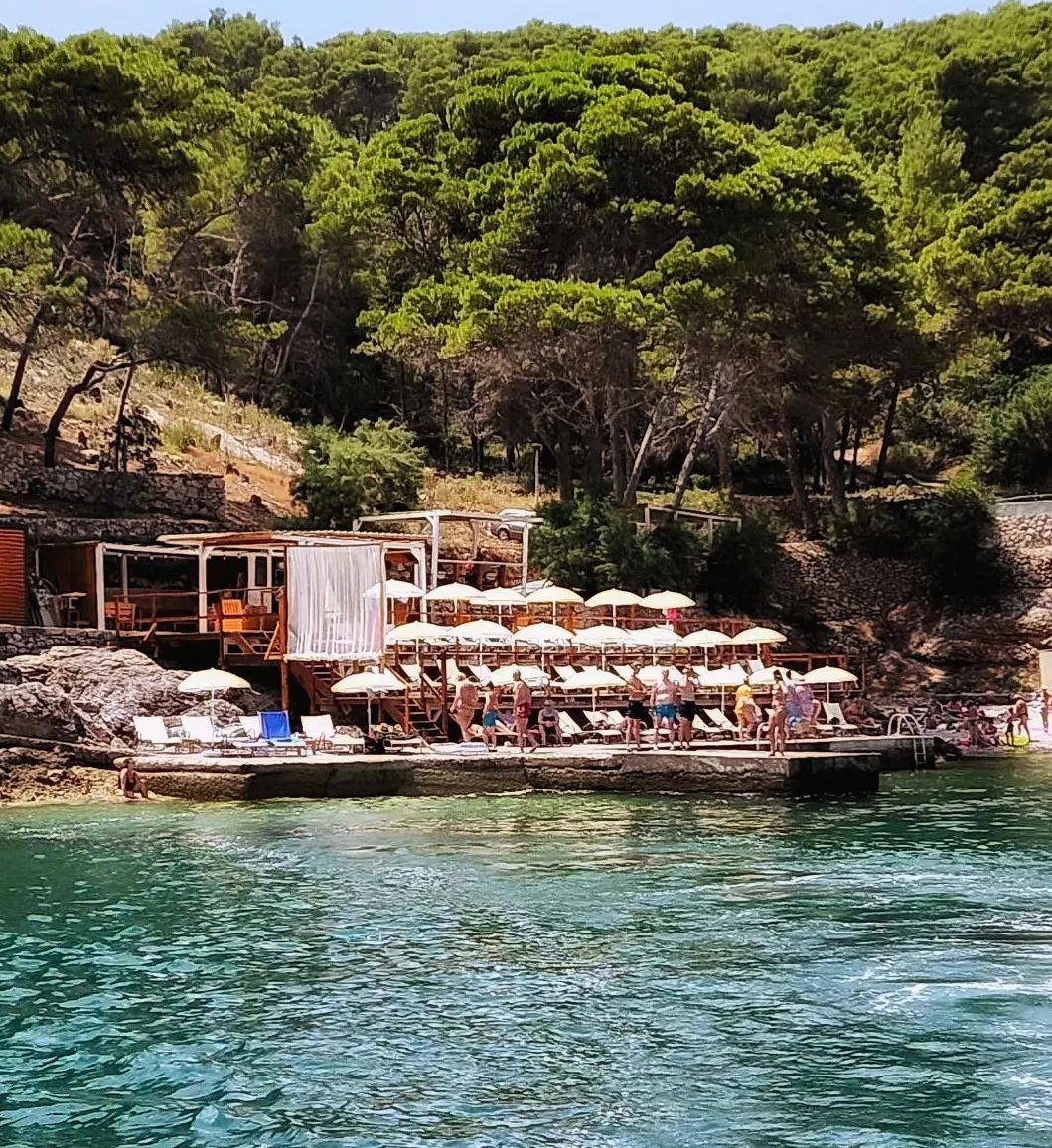
Restaurants in Lesina
Browse all →
Hotels in Lesina
Browse all →

At a Glance
- Lively
- Scenic
- Well Known
- Group Outing
- Casual Hangout
- Late Night
- Standalone
- Waterfront
- Outdoor Terrace
- Seated Bar
- Waterfront
- Street Scene
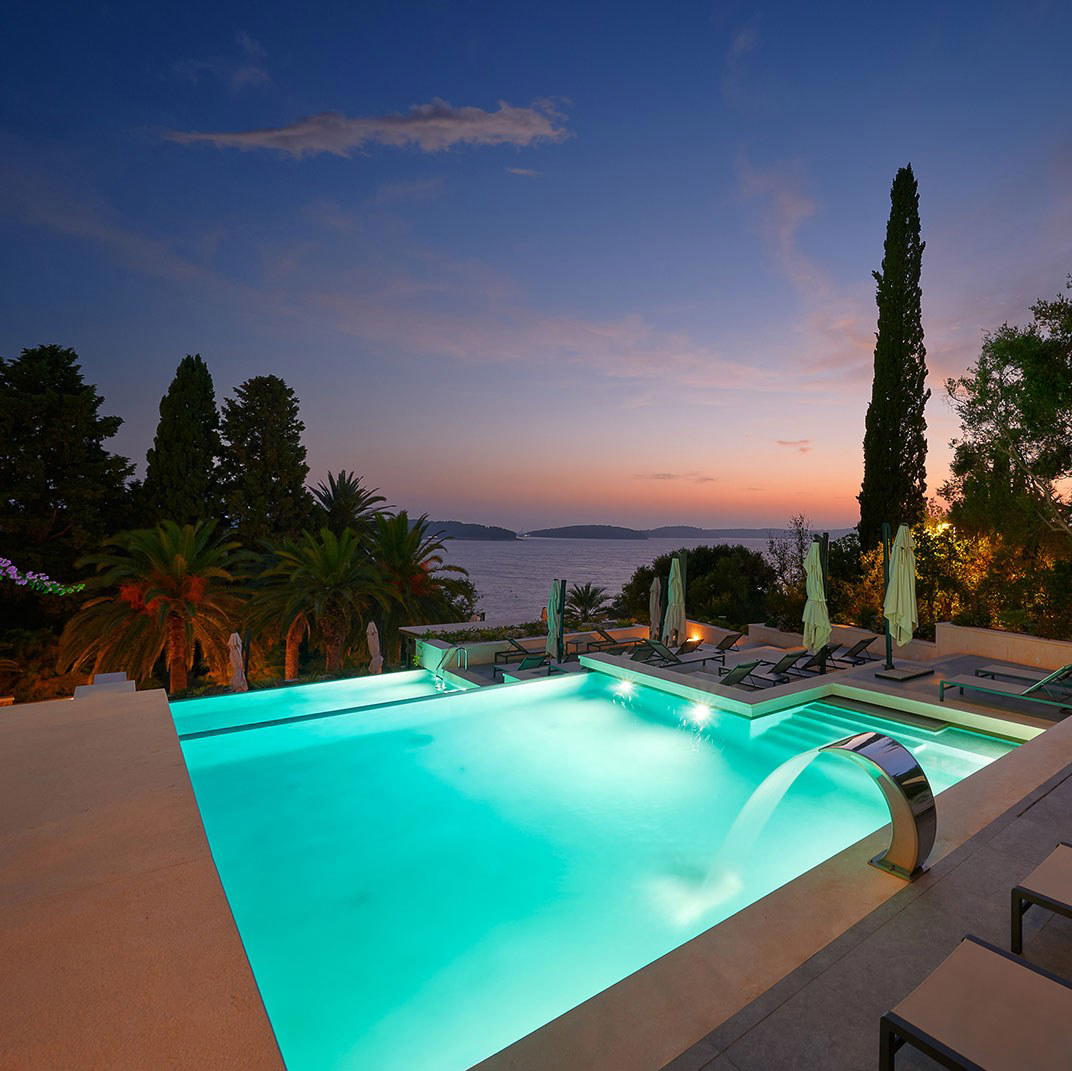
Open-air nightlife setting with a lively, after-dark party atmosphere centered on bars, clubs, and sunset venues.