Tri Volta occupies a stone-walled address at Dosud ul. 9 in Split's Diocletian's Palace district, where the city's bar scene has tilted steadily toward specialist spirits programming and considered curation. The bar sits in a compact, atmospheric space that rewards slow evenings and a serious back bar, placing it in the same conversation as Split's more focused drinking destinations.
Pearl is the En Primeur Club membership app — saves, bookings, and concierge access live there. Same editors, same standards.
- Address
- Dosud ul. 9, 21000, Split, Croatia
- Directions
- Get directions
 Saves & bookings on Pearl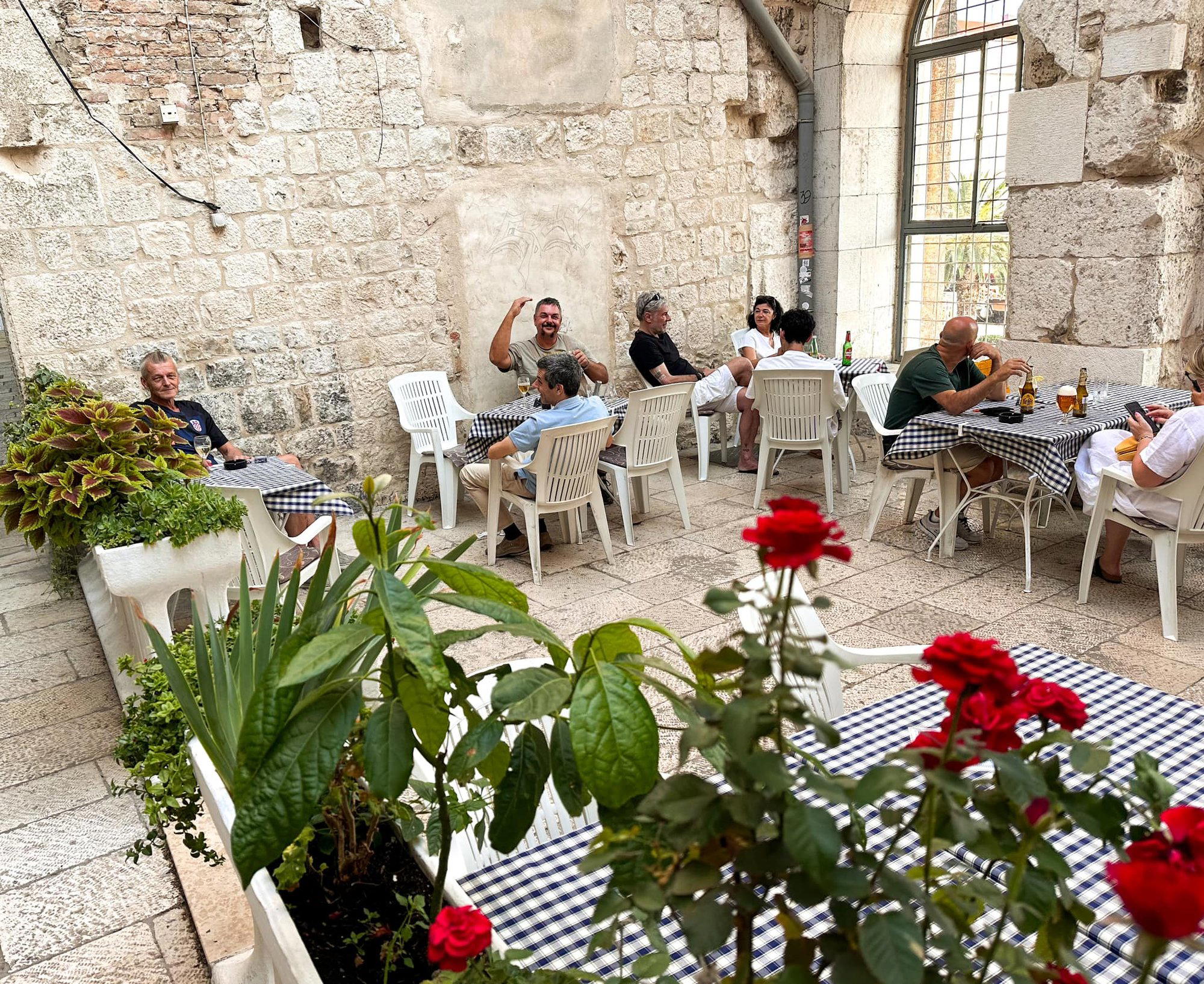
Stone Walls and Serious Pours: Split's Bar Scene Finds Its Footing
Croatia's Dalmatian coast spent the better part of two decades building a reputation on wine tourism and waterfront dining, but Split's drinking culture has been quietly shifting. The city's older bar economy ran on tourist throughput and easy cocktails near the Riva promenade. What's emerged more recently, inside the labyrinthine passages of Diocletian's Palace and the streets radiating from it, is a smaller cluster of bars oriented around product depth rather than footfall. Tri Volta, a casual bar at Dosud ul. 9 in Split, belongs to that more considered tier.
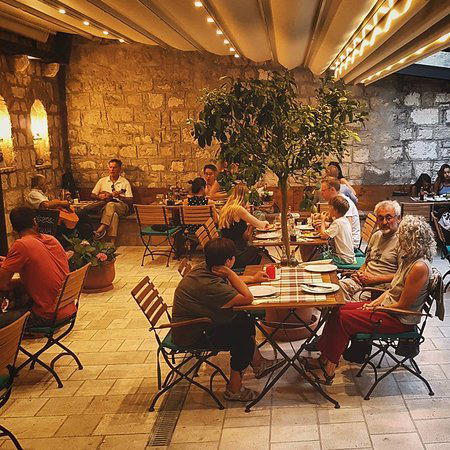
The address itself sets expectations. Dosud is a narrow street threading through the Palace district, and the physical envelope that surrounds most venues in this part of Split, Roman-era stonework, vaulted ceilings, compressed interiors, tends to create a specific kind of atmosphere that neither flattery nor marketing copy can manufacture. You feel the weight of the building before you order a drink. That sensory context, cool stone, low ceilings, the acoustic intimacy of a small room, distinguishes drinking inside the Palace walls from anything on the waterfront esplanade.
The Back Bar as Editorial Argument
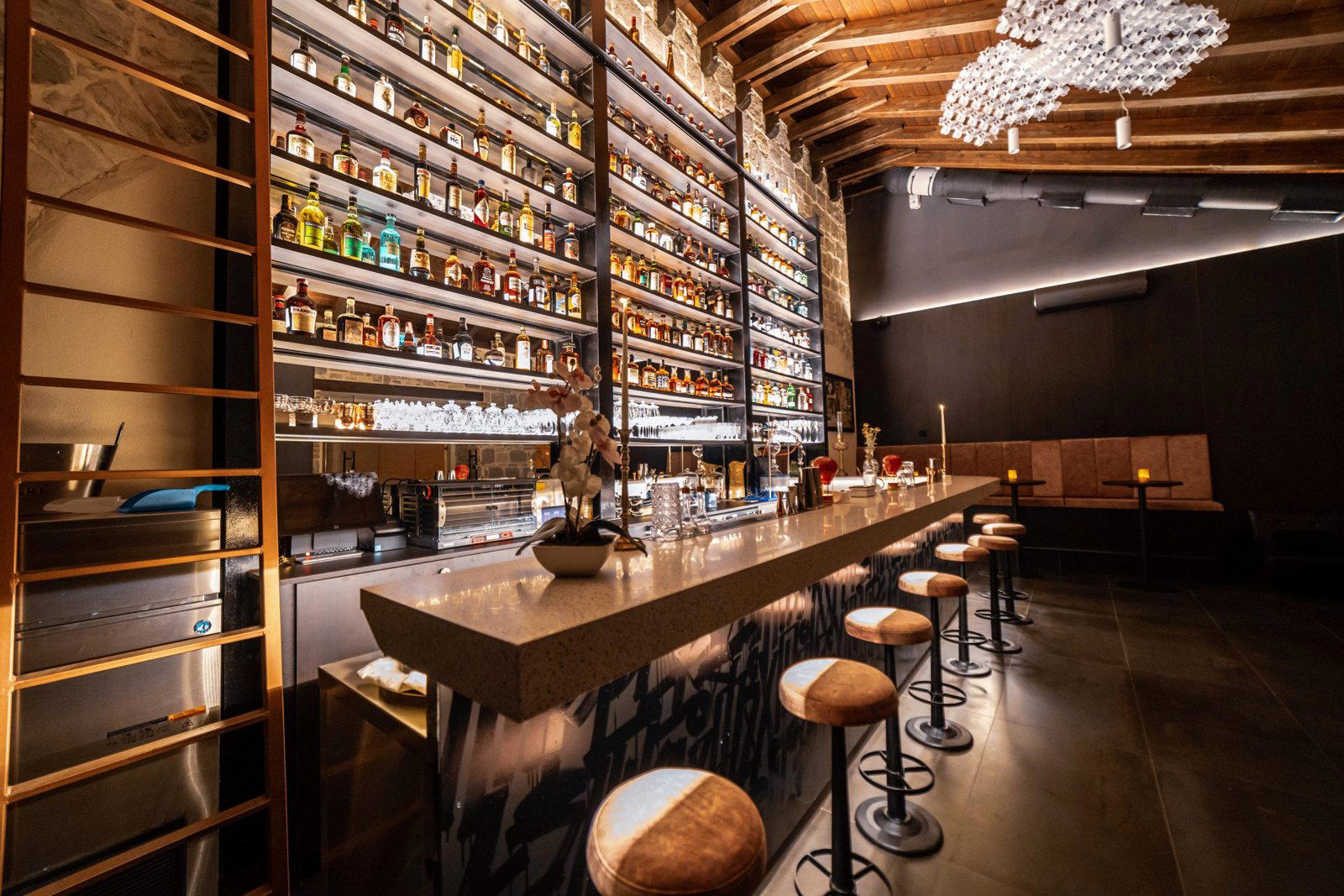
In the current moment for European cocktail bars, the question of how a bar curates its spirits selection has become as revealing as what it actually pours. A well-assembled back bar implies sourcing discipline, a point of view on producers and regions, and enough confidence to omit crowd-pleasing volume brands in favor of bottles that make an argument. The bars in Croatia that are drawing serious attention, from locals who drink deliberately and from visiting drinkers who have already worked through the obvious stops in Dubrovnik or Zagreb, tend to be the ones where the back bar has been built rather than just stocked.
Tri Volta sits within that framework. The bar's position in Split's compact specialist tier puts it in conversation with venues like Torito Bar & Food and Zinfandel Food & Wine Bistro, each of which approaches the city's drinking culture from a slightly different angle, Torito leaning into a food-integrated format, Zinfandel operating at the intersection of domestic wine and bar programming. Tri Volta's address within the Palace district marks it as a venue for deliberate visits rather than spontaneous drift.
What the Croatian Bar Scene Reveals About Regional Spirits
To understand why a venue like Tri Volta registers differently from a standard Dalmatian bar, it helps to understand what Croatian spirits culture actually looks like at its most serious. Rakija, the fruit brandy produced across the western Balkans, occupies a position in Croatian drinking culture roughly analogous to grappa in northern Italy or calvados in Normandy: widely consumed in its most basic form, but capable of considerable range and quality in the hands of small producers working with specific fruit varieties and careful distillation. A bar that takes rakija seriously enough to source across producers and serve it as more than a post-dinner ritual is making an editorial statement about the drink.
Beyond rakija, Croatia's growing class of specialist bars has also been engaging more seriously with international spirits categories, aged rums, mezcals, Japanese whiskies, that have reshaped back bars across Europe over the past decade. The bars doing this most credibly are the ones that resist treating the selection as a flex and instead build it around coherence and depth. For context on how that approach plays out in different Croatian settings, Edivo Wine Bar in Drace demonstrates how the wine side of Dalmatian drink culture has developed its own specialist credibility, while D'VINO WINE BAR DUBROVNIK in Dubrovnik shows how a more established city handles the same premium positioning.
Split in Context: Where Tri Volta Sits Regionally
Croatia's bar geography has never been evenly distributed. Dubrovnik captures a higher-spending international tourist demographic and has priced accordingly. Zagreb has developed the self-sustaining local cocktail culture, with venues like Otto & Frank in Zagreb anchoring a scene that operates largely independently of tourism cycles. The Istrian coast, represented by bars like Ul. Sv. Križa 24 in Rovinj, has its own character, shaped by proximity to Italian wine culture and a more design-conscious visitor base.
Split occupies an interesting middle position. Large enough to sustain a local drinking culture beyond the summer tourist peak, but historically overshadowed by Dubrovnik for international recognition and by Zagreb for local credibility. What's changing is that the Palace district has become a venue for bars that don't depend on seasonal tourist volume to make their case. The bar's location within that district positions it as a year-round proposition rather than a summer-only operation, though the city's peak season between June and September brings a meaningfully different energy to even particularly focused venues in the area.
For those extending their Adriatic itinerary to the islands, Hvar in Stari Grad and Hvar in Lesina represent the next tier of the regional bar circuit, reachable by ferry from Split in under two hours.
Planning a Visit
The bar is located at Dosud ul. 9 in Split's old town, within the Diocletian's Palace district. The bar is walk-in friendly and open daily from 7 AM to 11:50 PM except Sunday, when it is closed. Like many bars in the Palace district, the space is small, and later arrivals on weekend evenings in high season may find it at capacity. The shoulder season months of May and October offer the same atmospheric conditions with considerably less competition for a seat.
For Reference: How This Fits Globally
The kind of specialist spirits bar that bar represents in Split has direct counterparts in markets much further along the same curve. Bar Leather Apron in Honolulu built its reputation on Japanese whisky depth and technical cocktail discipline. Jewel of the South in New Orleans grounds its program in historical American cocktail tradition. Julep in Houston focuses its curation around American whiskey and Southern spirits. In each case, the bar's identity comes from the coherence and depth of its selection rather than its volume or visibility. Split is at an earlier point on that trajectory than New Orleans or Honolulu, but the direction of travel for its better venues is consistent with what those more established bar cities demonstrated a decade ago.
Price Lens
Comparable venues nearby, for context on price, style, and recognition.
| Venue | Price | Notes |
|---|---|---|
| Tri VoltaThis venue — the venue you are viewing | $ | Not listed |
| Torito Bar & Food | $$ | Diocletian's Palace, cocktail_bar |
| Zinfandel Food & Wine Bistro | $$$ | Old Town, wine_bar |
Continue exploring
More in Split
Bars in Split
Browse all →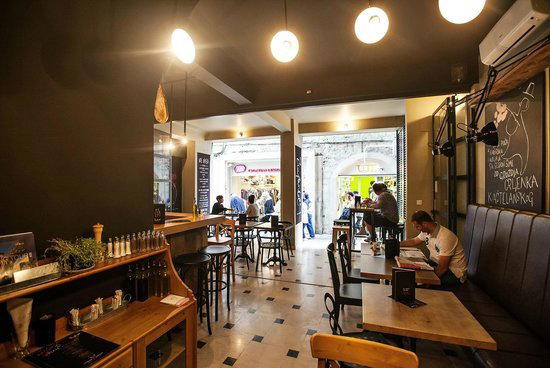
Restaurants in Split
Browse all →
Hotels in Split
Browse all →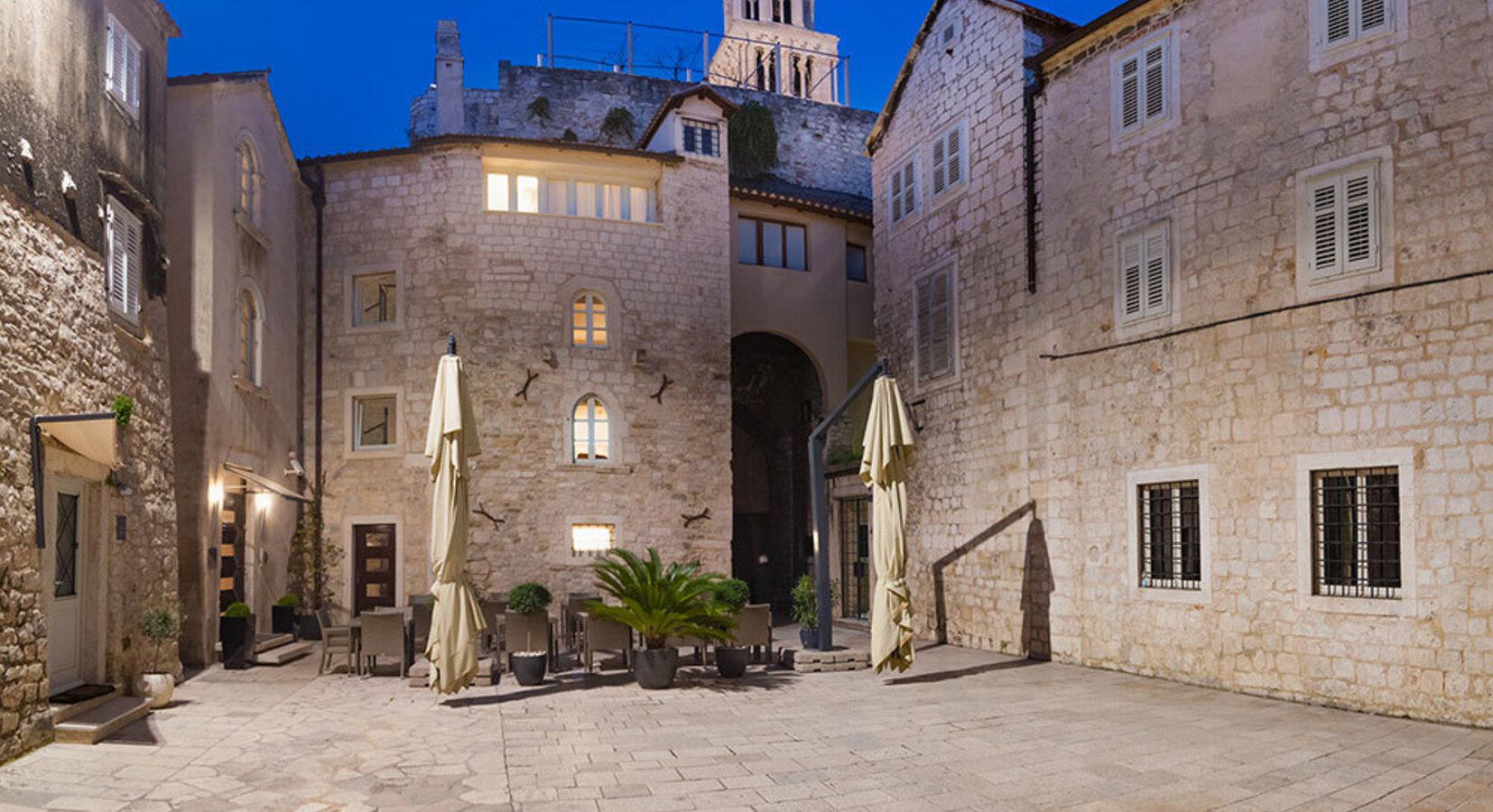

At a Glance
- Rustic
- Lively
- Casual
- Casual Hangout
- Group Outing
- After Work
- Waterfront
- Historic Building
- Live Music
- Terrace
- Outdoor Terrace
- Seated Bar
- Standing Room
- Conventional Wine
- Waterfront
- Street Scene
Current opening hours
- Monday
- 7 AM–11:50 PM
- Tuesday
- 7 AM–11:50 PM
- Wednesday
- 7 AM–11:50 PM
- Thursday
- 7 AM–11:50 PM
- Friday
- 7 AM–11:50 PM
- Saturday
- 7 AM–11:50 PM
- Sunday
- Closed
Hours can change for holidays and private events. Last verified .