
A La Liste-recognised seafood address on Hvar, Laganini Lounge Bar & Fish House positions Mediterranean catch within the Adriatic's most ingredient-focused cooking tradition. Earning 75.5 points in La Liste's 2025 ranking and holding, it represents one of the island's more consistently regarded fish-forward options for visitors who want proximity to the sea on the plate as well as the waterfront.
Pearl is the En Primeur Club membership app — saves, bookings, and concierge access live there. Same editors, same standards.
- Address
- Fish, 23250 ZD, Croatia
- Website
- laliste.com
- Directions
- Get directions
 Saves & bookings on Pearl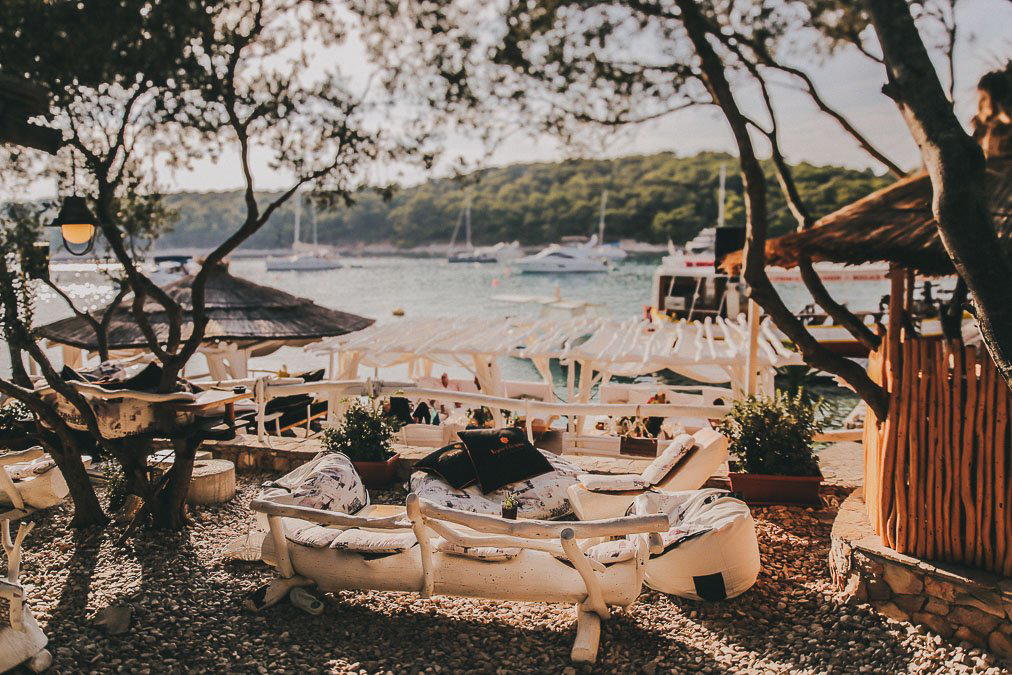
Where the Adriatic Arrives Unannounced
There is a particular quality to Hvar's seafront eating that separates it from comparable Dalmatian ports. The island sits far enough offshore from Split that its supply lines, its pace, and its cooking sensibility all feel distinct from the mainland fish restaurants that line the Riva. At the better addresses here, the catch arrives with the morning boats and disappears from the menu when it runs out, no substitution, no apology. Laganini Lounge Bar & Fish House operates within that tradition, positioning itself as both lounge and fish house in a way that acknowledges the twin registers of Hvar's summer dining culture: the languid afternoon aperitivo and the focused evening meal built around whatever the fishermen brought in.
The venue holds 75.5 points in La Liste's 2025 ranking, a credential that places it inside the same international recognition framework as Pelegrini in Sibenik and Restaurant 360 in Dubrovnik, two of the Dalmatian coast's most discussed dining rooms.
The Olive Oil Question
Croatian Mediterranean cooking is inseparable from olive oil, and nowhere along the coast is that more sharply felt than on the islands. Hvar produces its own oil from groves that have been cultivated since at least the Greek colonial period, the island was known as Pharos in antiquity, and the agricultural infrastructure those early settlers established has never disappeared. The dominant local varieties, oblica and lastovka, produce oils that run toward the grassy, peppery end of the Adriatic spectrum: more assertive than Istrian oils, less fruity than many Italian counterparts.
In a fish house context, olive oil is not a condiment, it is the architecture of the dish. A grilled brancino dressed in locally pressed oil and nothing else is a fundamentally different proposition from the same fish finished with a neutral oil or butter. The leading Dalmatian seafood kitchens understand this, and their oil sourcing reflects it. Prstaci (date mussels, now protected and rarely appearing on menus), prstaci-era preparations for other shellfish, and the classic grilled fish with blitva (Swiss chard and potato) all use oil as a primary flavour carrier rather than a finishing flourish. The Croatian island kitchen at its most focused is, in a meaningful sense, an olive oil kitchen that happens to be built around fish.
The Adriatic Seafood Tier
Croatia's upper tier of seafood restaurants has quietly attracted international attention over the past decade, partly because the Adriatic's relative cleanliness compared to more heavily fished Mediterranean basins produces fish with a cleaner flavour profile, and partly because island kitchens have been less susceptible to the homogenising pressure of high-volume tourism than their counterparts in more accessible markets. Agli Amici Rovinj in Rovinj represents one end of that spectrum, bringing Italian fine-dining rigour to Istrian ingredients. Alfred Keller in Mali Lošinj approaches the same waters from a central European precision standpoint.
Laganini's position as a lounge bar and fish house rather than a formal restaurant suggests a different register: the kind of address where the format is relaxed but the sourcing is not. That combination, approachable atmosphere, serious fish, is increasingly the dominant model on Croatia's premium islands, where visitors arrive with high ingredient expectations but low tolerance for stiff-backed service. a sustained score above 4.3 generally indicates consistent kitchen execution rather than a handful of notable evenings skewing the average.
Comparable fish-focused addresses elsewhere in the Croatian restaurant scene include LD Restaurant in Korčula and Krug in Split. For context on how Croatian seafood addresses compare globally, Le Bernardin in New York City remains the international reference point for technique-led fish cooking, though the register is entirely different, Laganini belongs to a Mediterranean simplicity tradition, not a French brigade one.
Hvar as Dining Context
Hvar town's restaurant density is high relative to its year-round population of a few thousand residents. In summer, the island absorbs several times that number daily, and the quality spread across its restaurants is correspondingly wide. The addresses that hold up under that pressure tend to be those with direct supplier relationships, kitchen discipline around a focused menu, and the confidence not to expand their repertoire beyond what the kitchen can execute reliably.
The island's wine culture reinforces the dining scene: Hvar sits within the Dalmatia wine region, where Plavac Mali, the indigenous red variety, produces wines with the grip and salinity to match the boldest fish preparations. The combination of indigenous grape varieties and island-pressed olive oil means that a meal at a serious Hvar fish house, at its leading, is almost entirely constructed from ingredients produced within swimming distance of where you're sitting.
For visitors planning around Laganini, the broader island infrastructure matters. Other La Liste-recognised Croatian restaurants worth considering as comparisons include Boskinac in Novalja, Nebo by Deni Srdoč in Rijeka, Dubravkin Put in Zagreb, and Korak in Jastrebarsko, which together map the range of how Croatian kitchens are framing themselves for international audiences.
On Hvar itself, Mediterraneo represents another point of reference for the island's Mediterranean-focused dining options, offering a useful comparison for understanding how different addresses interpret the same local ingredient base.
Planning Your Visit
The venue's address places it within Hvar's compact waterfront zone, where most of the island's restaurant activity concentrates in the summer months. Given the La Liste recognition and the volume of reviews suggesting consistent demand, booking ahead for evening sittings during peak season (July and August) is the practical approach, Hvar's restaurant capacity is finite and the island pulls a summer visitor volume that routinely exceeds what the better addresses can accommodate without reservations. The lounge format suggests some flexibility around timing, but for a dinner visit during high season, relying on walk-in availability carries meaningful risk.
Comparable Venues
Comparable venues nearby, for context on price, style, and recognition.
| Venue | Cuisine | Price | Notes |
|---|---|---|---|
| Laganini Lounge Bar & Fish HouseThis venue — the venue you are viewing | Modern Croatian Seafood | $$$$ | Not listed |
| Gariful | Luxury Croatian Seafood | $$$$ | Hvar Town |
| Štajun | Seasonal Mediterranean Seafood | $$$ | Hvar Old Town |
| San Marco | Innovative Mediterranean | $$$ | Hvar Town |
| Meneghello | Traditional Croatian Seafood | $$$ | Pakleni Islands |
| TOTO'S | Fresh Seafood Mediterranean | $$ | Palmižana |
Recognition history
Dated appearances from independent guides and award organizations, with the underlying list record or original source where available.
La Liste Top Restaurants
La Liste
Continue exploring
More in Hvar
Restaurants in Hvar
Browse all →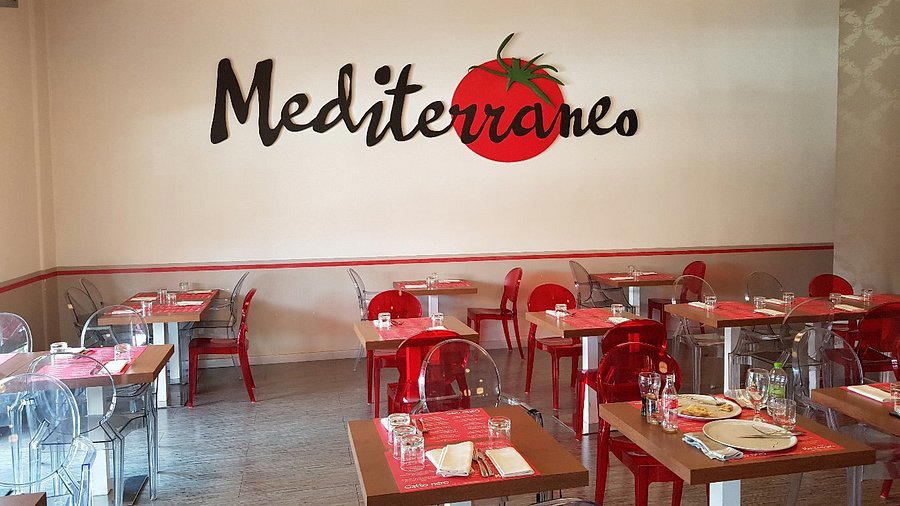
Bars in Hvar
Browse all →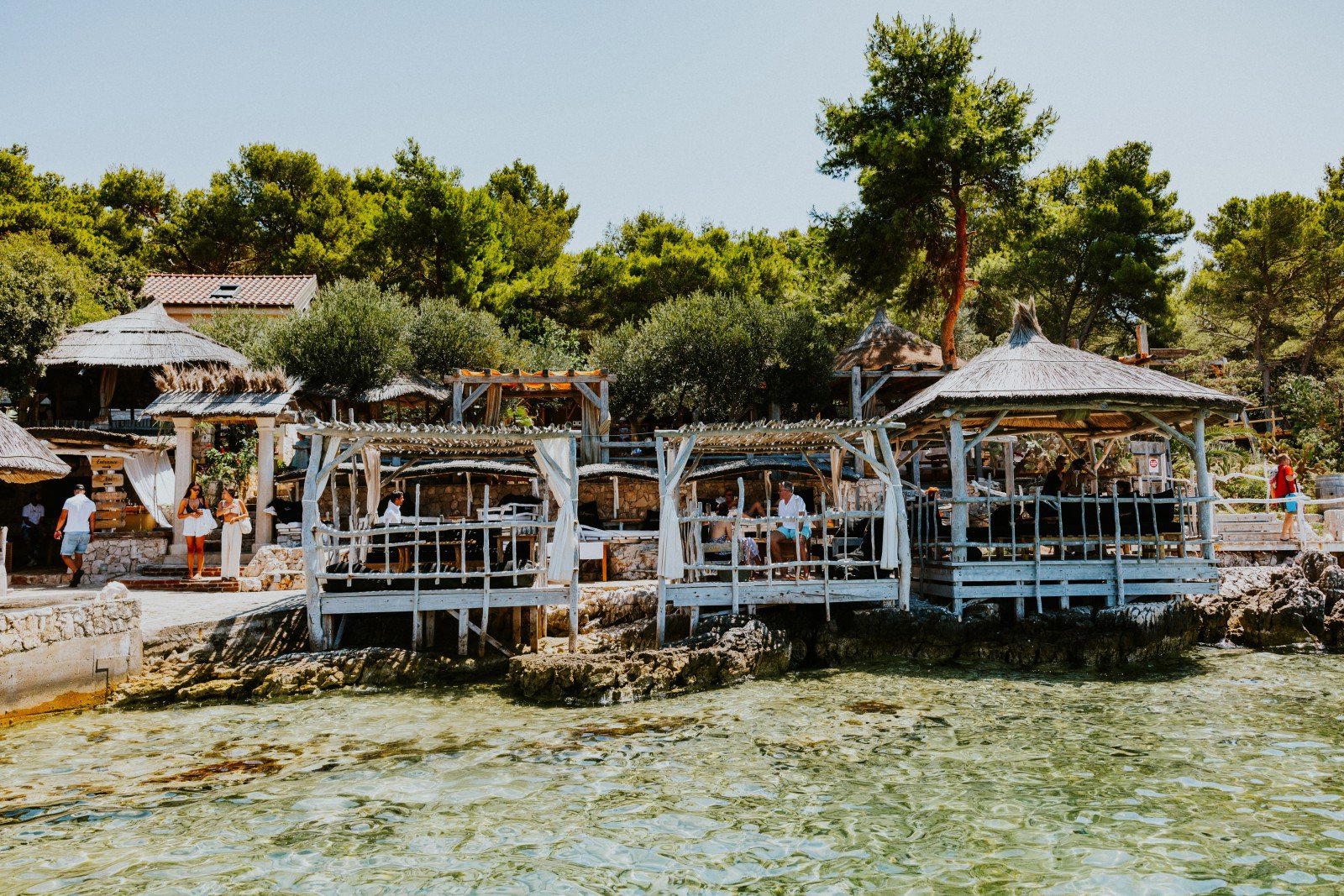
Hotels in Hvar
Browse all →

At a Glance
- Elegant
- Scenic
- Sophisticated
- Intimate
- Lively
- Date Night
- Special Occasion
- Celebration
- Waterfront
- Terrace
- Craft Cocktails
- Local Sourcing
- Waterfront
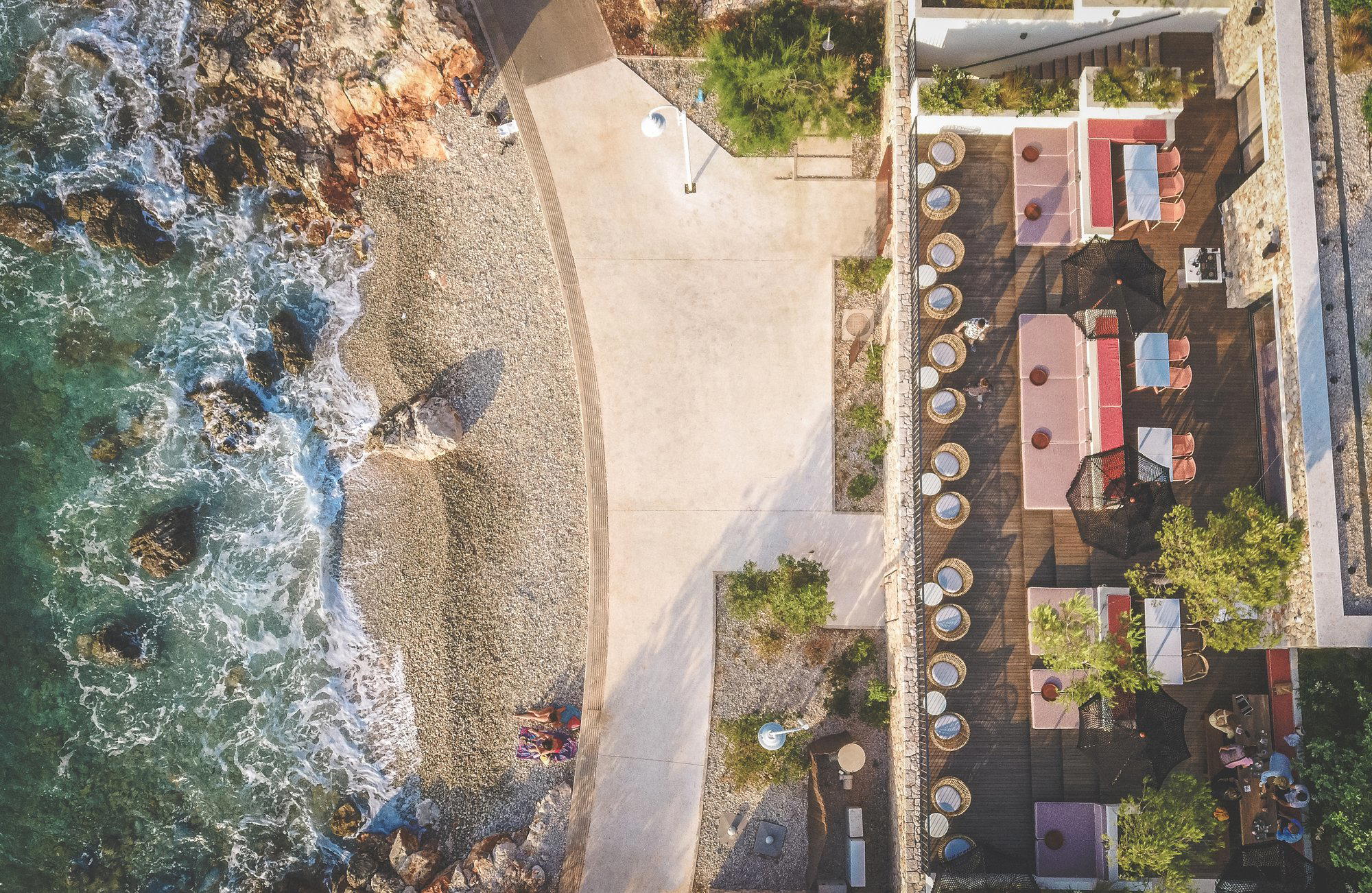
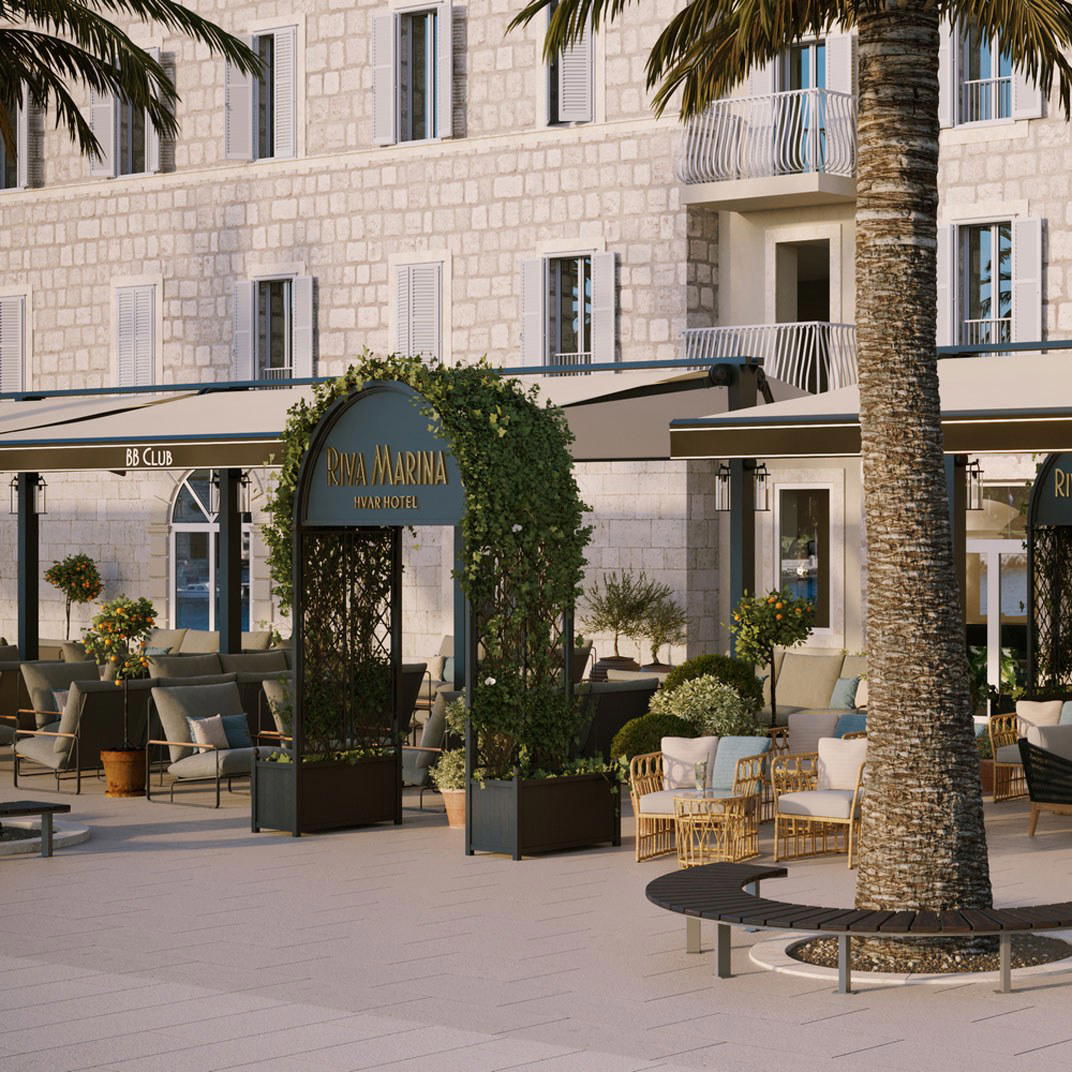
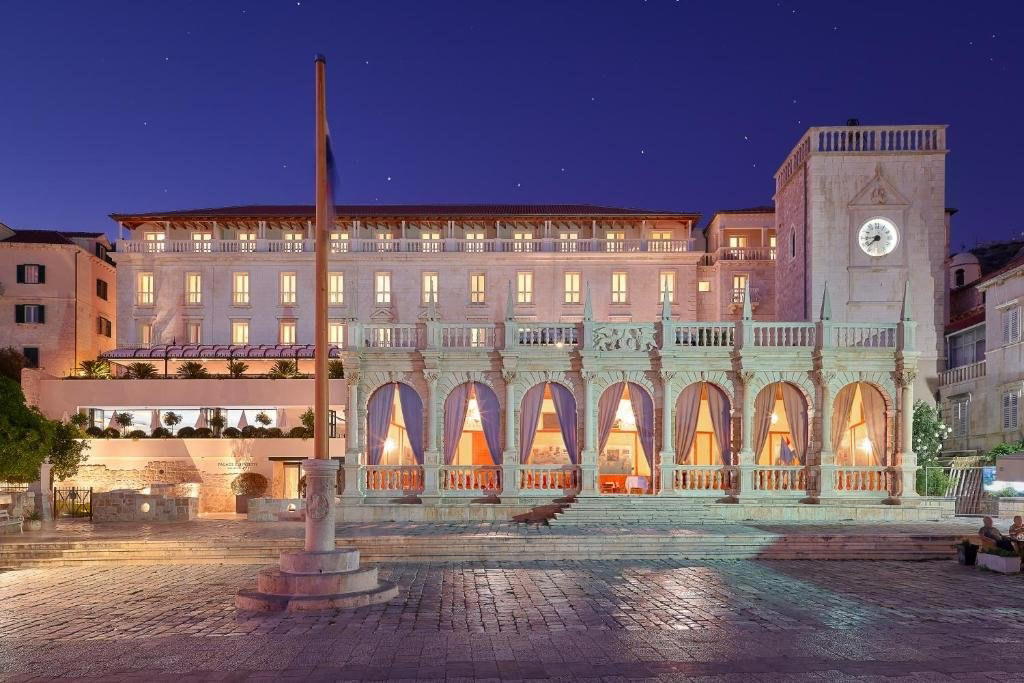
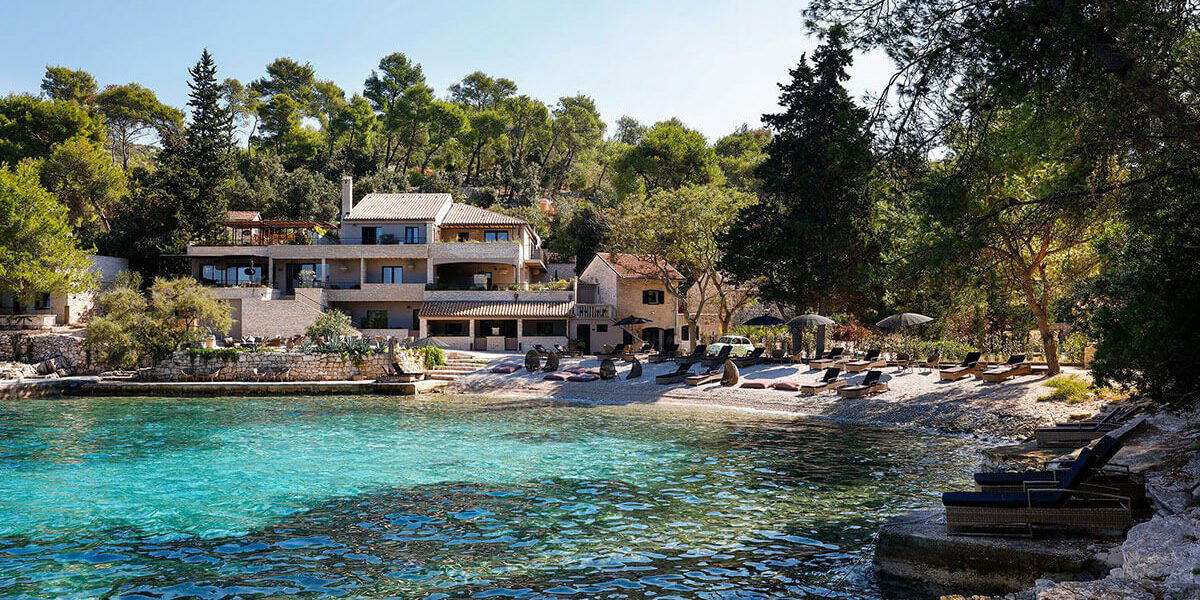
Chic beachside luxury with relaxed yet elegant atmosphere, soothing sea sounds, and lively lounge energy at sunset.