Fort George occupies a commanding position along Vis town's seafront promenade, placing it within one of the Adriatic's most historically layered dining settings. The address alone situates it inside a centuries-old fortification that has watched over the island since the Napoleonic era. For visitors working through Vis's tight constellation of konoba-style restaurants, Fort George offers a distinct register from the inland stone-walled dining rooms that define the island's culinary identity.
Pearl is the En Primeur Club membership app — saves, bookings, and concierge access live there. Same editors, same standards.
- Address
- Šetalište Apolonija Zanelle 19, 21480, Vis, Croatia
- Phone
- +385912656041
- Website
- fortgeorgecroatia.com
- Directions
- Get directions
 Saves & bookings on Pearl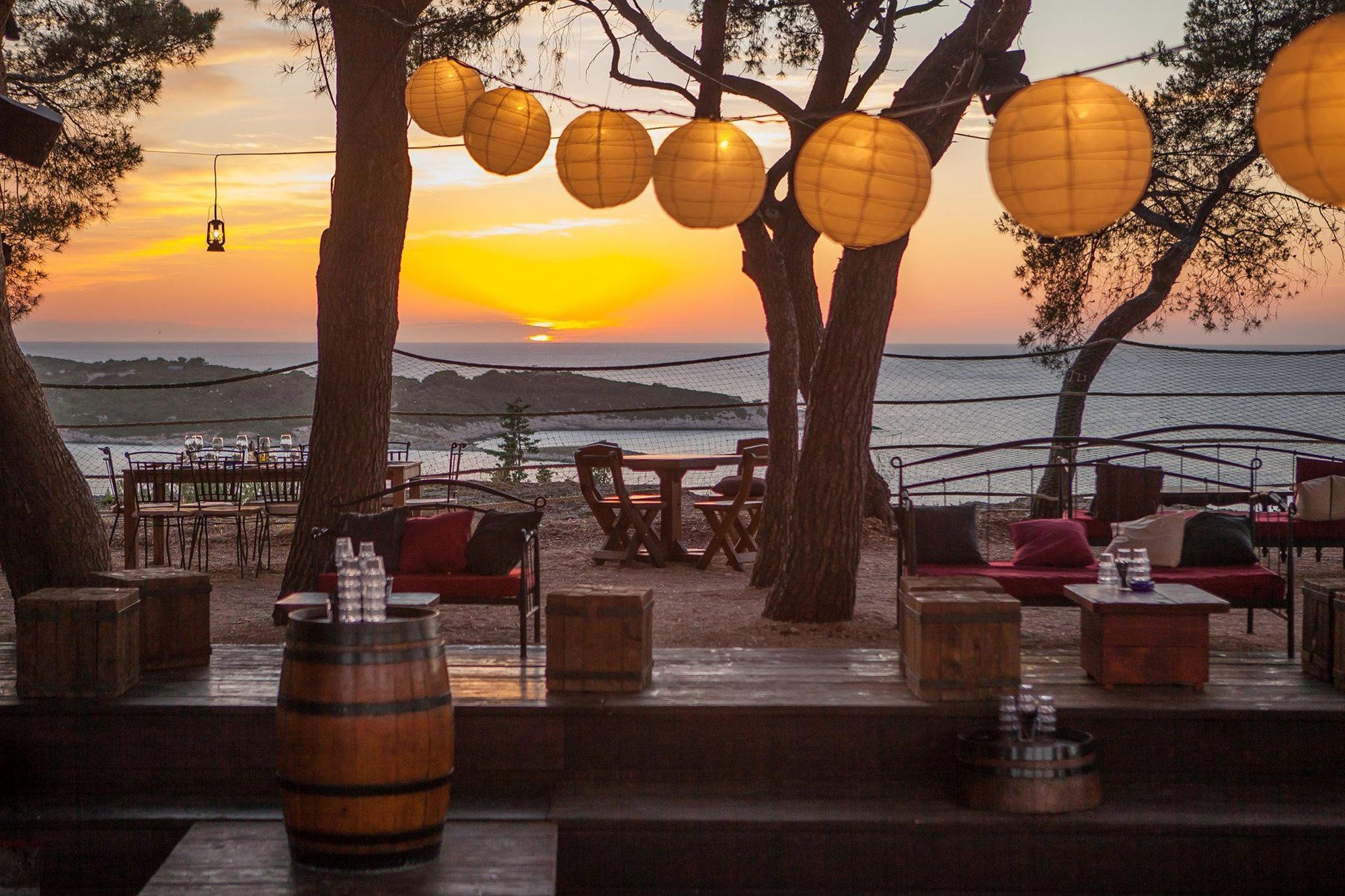
A Fortification That Frames the Table
The Adriatic island of Vis carries a particular kind of remove that shapes everything about how its restaurants operate. Until 1989, the island functioned as a closed Yugoslav military zone, accessible only to the armed forces. That isolation preserved its architecture, its fishing traditions, and a dining culture still largely built around family-run konobe rather than the resort infrastructure that dominates the more accessible Dalmatian islands. Fort George is a restaurant in Vis, Croatia, serving Mediterranean seafood in a historic fortress at Šetalište Apolonija Zanelle 19, with an average spend of about $40 per person.
Approaching along the promenade, the fortification's stone mass is the first thing that orients you. The structure dates to the Napoleonic period, built by British forces in the early nineteenth century during their occupation of the island. Later repurposed through successive eras of Austro-Hungarian and Yugoslav administration, it carries layered military history that most of its evening guests are only partially aware of. That gap between the setting's depth and the typical visitor's knowledge of it is part of the restaurant's appeal.
Vis and the Konoba Tradition It Sits Against
To understand where Fort George fits within Vis's dining scene, it helps to understand what defines that scene more broadly. Vis's restaurant culture clusters around the konoba format: informal, often family-operated rooms where the menu tracks what came off fishing boats that morning, supplemented by island-grown produce and local wines. Konoba Golub, Konoba Kantun, and Konoba Magić all operate within this tradition, as does Pojoda, which has built a longer reputation among visitors arriving by catamaran from Split. Fields of Grace Vineyards represents a different tier again, pairing estate wine with food in a setting shaped by agricultural land rather than the waterfront.
Fort George occupies a position that is physically distinct from all of them. Its setting within a nineteenth-century British fortification gives it a visual register that no konoba in Vis town can approximate. The setting does much of the work here. The venue's address places it at the edge of the promenade near the water, which in high summer means warmth, harbour light, and the particular ambient quality of the Adriatic at dusk.
Croatian Coastal Dining in Its Adriatic Frame
The broader Croatian dining scene has developed considerable range over the past decade. On the mainland and larger islands, venues like Pelegrini in Sibenik and LD Restaurant in Korčula have built profiles that extend well beyond their immediate regions, while Restaurant 360 in Dubrovnik operates at the premium end of tourist-facing fine dining on the southern coast. Further north, Agli Amici Rovinj in Rovinj and Nebo by Deni Srdoč in Rijeka demonstrate how seriously Croatian coastal cooking is now being taken at an international level. Inland, Korak in Jastrebarsko and Dubravkin Put in Zagreb anchor a different kind of Croatian table. Island venues like Boskinac in Novalja and Alfred Keller in Mali Lošinj show how premium positioning on smaller Adriatic islands can work without sacrificing the local grounding that makes island dining worth seeking out.
Vis sits apart from all of this not because it lacks quality but because its late opening to tourism means it has not yet developed the kind of structured restaurant hierarchy that Hvar or Korčula now have. That relative absence of a graduated dining tier is part of what preserves the island's character, and the restaurant operates within that character rather than against it. The setting is the credential here, not a formal program of tasting menus or a listed chef biography.
Planning a Visit: What to Expect Logistically
Vis is reached by ferry or catamaran from Split, with the catamaran taking roughly two hours and the car ferry a little longer. High season runs from June through August, during which the island absorbs a concentrated wave of visitors relative to its small permanent population. The restaurant's promenade location means it is easy to find on foot from the town centre, and the waterfront setting makes it a natural stop during an evening walk along Šetalište Apolonija Zanelle. Visitors crossing over from Split for the day on the catamaran should note that timing the return ferry against dinner reservations anywhere in Vis requires planning, since evening departures have limited frequency. Setting-driven venues elsewhere show how strongly architecture can shape a meal. Vis lacks the formal restaurant infrastructure of those cities, but the restaurant's nineteenth-century military stonework does a version of similar work: it frames the meal before a dish arrives. And on an island with this degree of historical density, that framing matters.
Price and Recognition
Comparable venues nearby, for context on price, style, and recognition.
| Venue | Cuisine | Price | Notes |
|---|---|---|---|
| Fort GeorgeThis venue — the venue you are viewing | Not listed | $$$ | Not listed |
| Corto Magarese | Vis, Mediterranean | $$ | Not listed |
| Konoba Magić | Stončica, Traditional Croatian Peka | $$ | Not listed |
| Roki's-Plisko Polje VIS | Plisko Polje, Traditional Croatian Peka | $$ | Not listed |
| Fields of Grace Vineyards | Not listed | $$$ | Zlopolje, Asian Fusion with European Influences |
| Konoba Kantun | Not listed | $$ | Vis waterfront, Traditional Croatian Seafood Grill |
Continue exploring
More in Vis
Restaurants in Vis
Browse all →
Bars in Vis
Browse all →
Hotels in Vis
Browse all →

At a Glance
- Scenic
- Romantic
- Rustic
- Elegant
- Date Night
- Special Occasion
- Celebration
- Waterfront
- Terrace
- Historic Building
- Waterfront
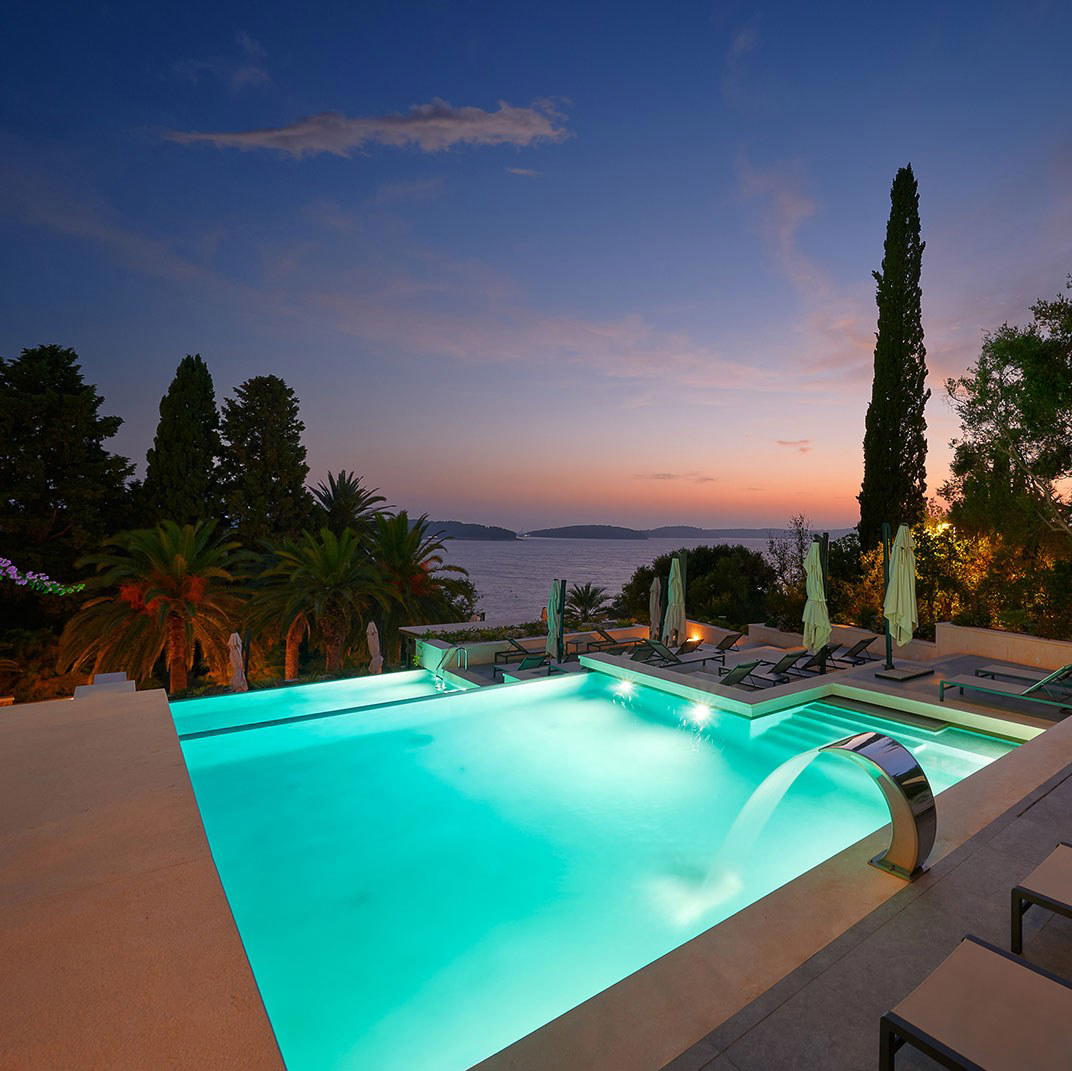
Far-reaching terrace overlooking the sea with sunset views, romantic and magical atmosphere in a restored fortress.