Konoba Golub sits in the rural interior of Vis island, at Podselje 12, away from the harbour crowds that define most Dalmatian dining. The format follows the konoba tradition: a short, seasonal menu anchored to what the surrounding land and nearby sea produce. For visitors willing to make the drive inland, it represents a different register of the island's food culture.
Pearl is the En Primeur Club membership app — saves, bookings, and concierge access live there. Same editors, same standards.
- Address
- Podselje 12, 21480, Vis, Croatia
- Phone
- +385921537757
- Website
- konobagolub.com
- Directions
- Get directions
 Saves & bookings on Pearl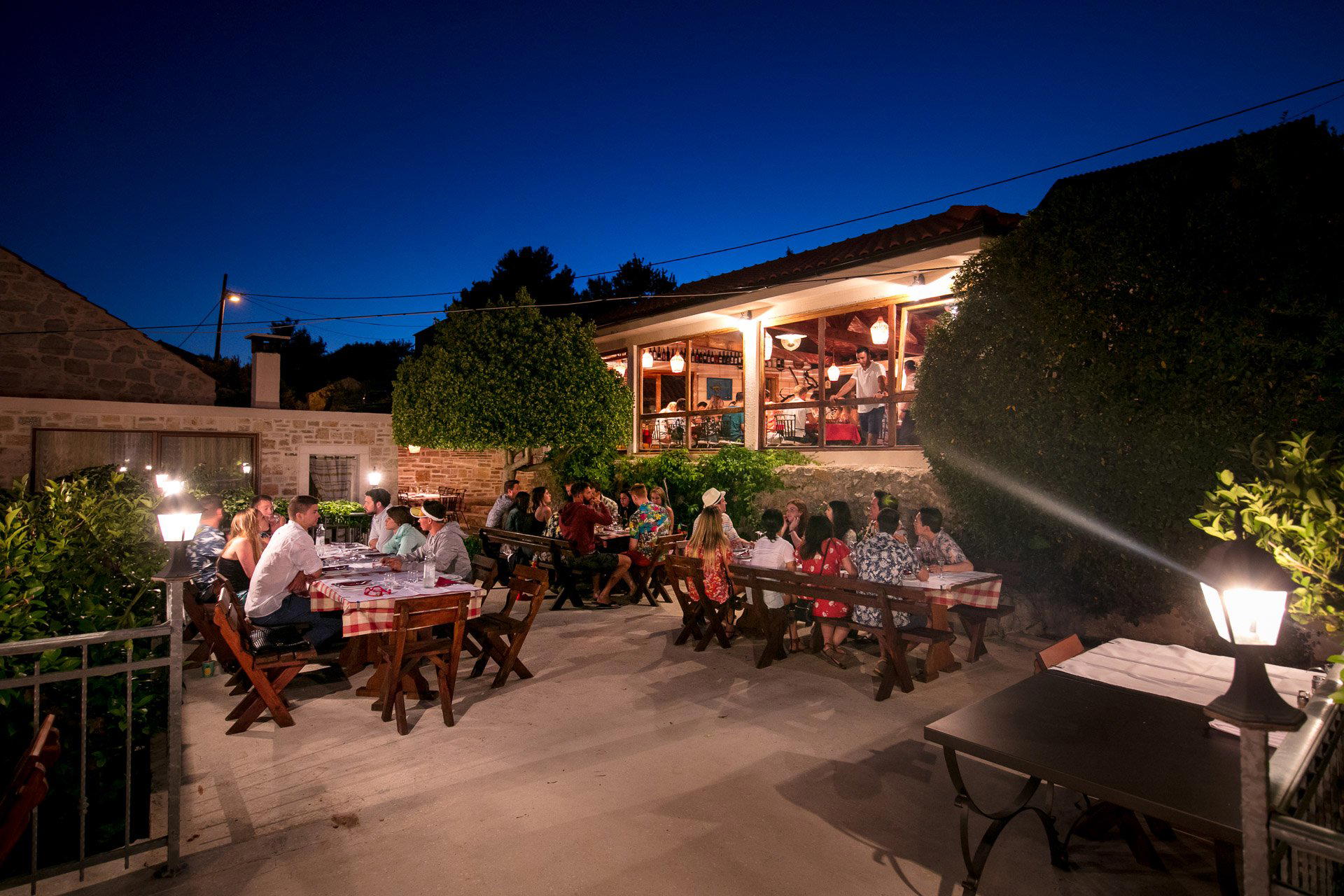
The Inland Turn: Konoba Dining Away from the Harbour
Most visitors to Vis eat where the boats are. The waterfront tables of Vis town and Komiža fill quickly through summer, and the logic is understandable: the ferry arrives, the harbour is immediate, the menus are readable. But the island's interior tells a different story about Dalmatian food. At Podselje 12, Konoba Golub sits in the rural hinterland, in the kind of settlement that requires a deliberate decision to reach. That decision is the first signal that what follows will differ from the standard harbourside sequence of grilled fish and house white.
The konoba format, which Golub belongs to, is one of the older institutional forms in Croatian coastal and island dining. The word itself describes a working tavern, historically attached to a household or small farm, where production and hospitality occupied the same building or yard. What distinguishes the inland konoba from its coastal counterpart is its orientation: land before sea, the garden and the hillside before the catch. Dishes tend to be heavier in structure, relying on slow-cooked preparations, cured meats, and vegetables grown in proximity to the table. The fish, when present, often arrives preserved or dried rather than freshly landed.
This is the culinary tradition that Konoba Golub operates within, and understanding that tradition is more useful than treating the address as a simple restaurant recommendation.
Menu Architecture: What the Format Reveals
The konoba menu, in its classical form, is not a document of abundance. It is a short list constrained by season, proximity, and the labour available to a small kitchen. That constraint is the point. Where a restaurant menu signals ambition through length and technique, a traditional konoba menu signals authority through restriction. The cook offers what is ready, what is local, and what the day's supply allows. A longer menu at a konoba is often a sign of compromise; brevity is confidence.
At Konoba Golub, the address in the island interior places it within a supply logic that differs from the fish-forward menus of places like Pojoda or the harbour-adjacent kitchens of Fort George. Inland operations on Vis draw from the island's sheep, its kitchen gardens, and its cured-meat tradition. The peka, a slow-cooking method under an iron bell buried in embers, appears at many island konobase and typically requires advance notice, since the preparation takes several hours. Lamb and veal cooked this way are common anchors of the interior menu. Golub sits within the tradition where these preparations are standard.
The short menu structure also carries implications for how the kitchen approaches wine. Inland Vis has a long association with Vugava, a white grape indigenous to the island, and with Plavac Mali on the red side. A konoba in this setting typically offers a small selection tilted toward local production rather than a broad regional list. For visitors more accustomed to the wine-forward presentation seen at Croatia's more formal tables, such as Boskinac in Novalja or Pelegrini in Šibenik, the Golub list, in keeping with the format, is likely functional rather than curatorial.
Vis Island in the Wider Croatian Dining Picture
Vis occupies a particular position in Croatian island dining. Its relative distance from the mainland (it sits further out than Brač or Hvar, and lacks a direct car ferry from Split during much of the year) has historically limited tourist volume and, by extension, preserved a version of local food culture that more accessible islands have partially lost. The dining options on Vis span a meaningful range: Konoba Kantun and Konoba Magić represent the harbour-adjacent end of the spectrum, while Fields of Grace Vineyards occupies a wine-estate position. Golub, at Podselje in the interior, belongs to a smaller category: the working rural konoba that has not repositioned itself for tourist traffic.
That positioning matters when comparing Vis to the broader Adriatic dining circuit. Croatia's more celebrated kitchens, from Agli Amici Rovinj in Rovinj to LD Restaurant in Korčula to Restaurant 360 in Dubrovnik, operate in an internationally legible fine-dining register. The konoba, by contrast, operates in a local register that requires the visitor to adjust expectations: no tasting menu, no wine pairings, no amuse-bouche. What it offers instead is a direct line to how the island has always fed itself, which is a different and more durable kind of value. Similar structural honesty can be found at Korak in Jastrebarsko, where the emphasis falls on regional produce over presentational finesse, or at Dubravkin Put in Zagreb, which sustains a long-form Croatian table tradition in a continental setting.
Planning the Visit
Reaching Podselje from Vis town requires either a rental car or a taxi, since the inland settlements are not served by the island's limited public transport. The drive from Vis town takes roughly ten minutes, though the roads through the interior are narrow. Visitors should contact the konoba directly in advance, both to confirm availability and to request any preparations that require lead time.
For visitors building a broader Croatian itinerary, the inland konoba on Vis sits at one end of a long spectrum. At the other end you will find contemporary kitchens such as Nebo by Deni Srdoč in Rijeka, Alfred Keller in Mali Lošinj, or Krug in Split. For those whose travel extends further, the seafood discipline at Le Bernardin in New York City or the precision tasting format at Atomix in New York City represent what the other end of the global hospitality register looks like. The restaurant is not competing in that conversation, and does not need to be.
Reputation First
Comparable venues nearby, for context on price, style, and recognition.
| Venue | Cuisine | Price | Notes |
|---|---|---|---|
| Konoba GolubThis venue — the venue you are viewing | Traditional Dalmatian Grill | $$ | Not listed |
| Konoba Magić | Traditional Croatian Peka | $$ | Stončica |
| Corto Magarese | Mediterranean | $$ | Vis |
| Fort George | Mediterranean Seafood in Historic Fortress | $$$ | Island of Vis |
| Fields of Grace Vineyards | Asian Fusion with European Influences | $$$ | Zlopolje |
| Roki's-Plisko Polje VIS | Traditional Croatian Peka | $$ | Plisko Polje |
Continue exploring
More in Vis
Restaurants in Vis
Browse all →

Bars in Vis
Browse all →
Hotels in Vis
Browse all →

At a Glance
- Rustic
- Scenic
- Cozy
- Group Dining
- Casual Hangout
- Open Kitchen
- Terrace
- Garden
- Beer Program
- Farm To Table
- Local Sourcing
- Garden
- Vineyard
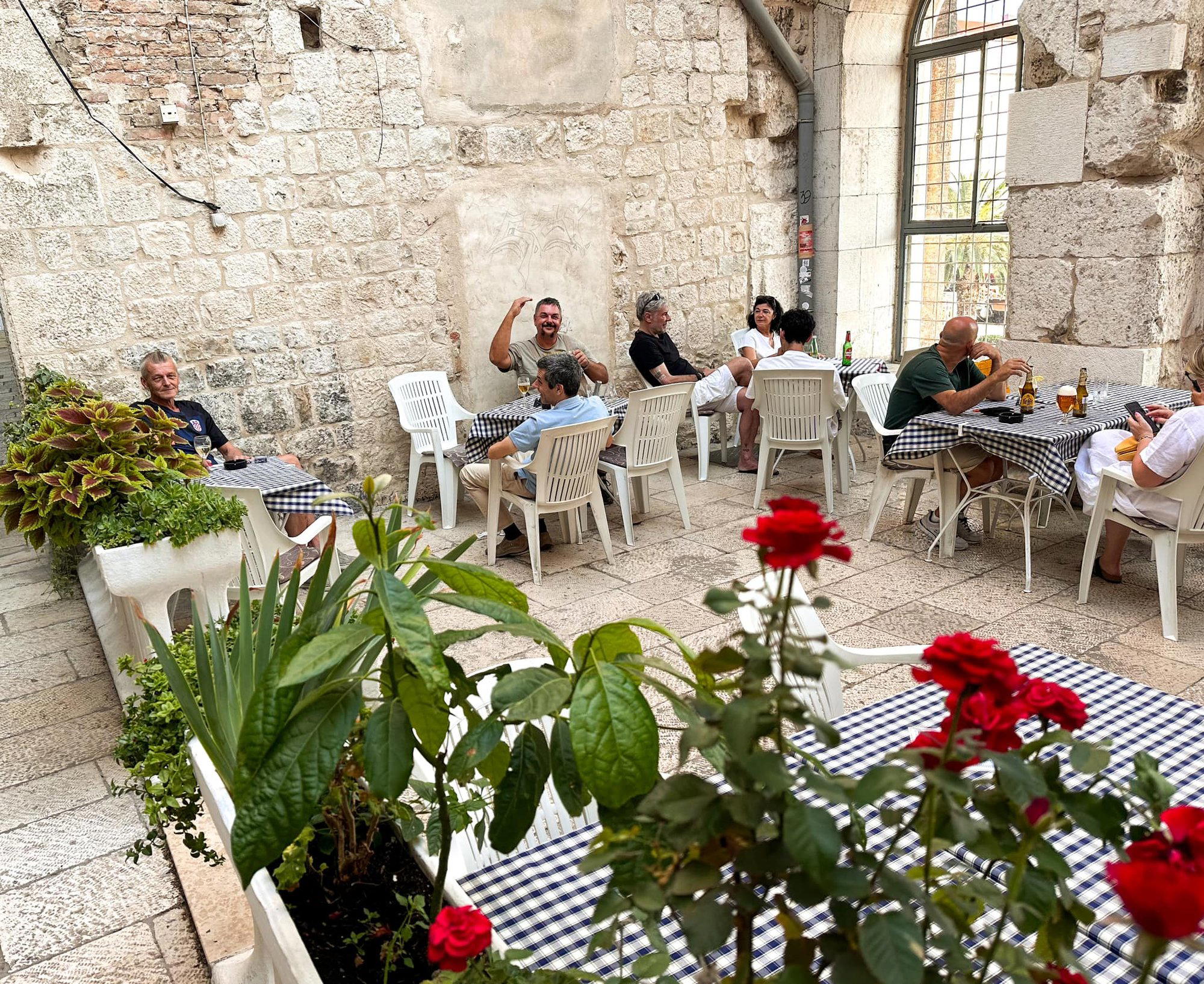
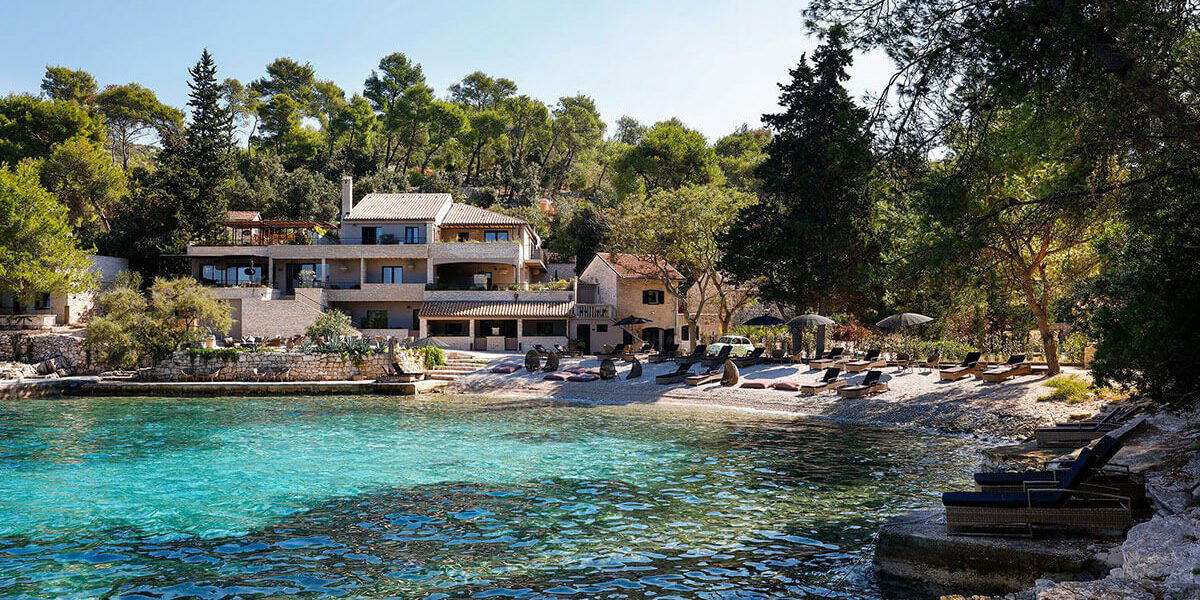
Simple and rustic with open-air patio seating under terracotta roof decorated with wine harvesting equipment; intimate countryside setting surrounded by farmland and fragrant pines.