
1 Michelin Star
Our verdict
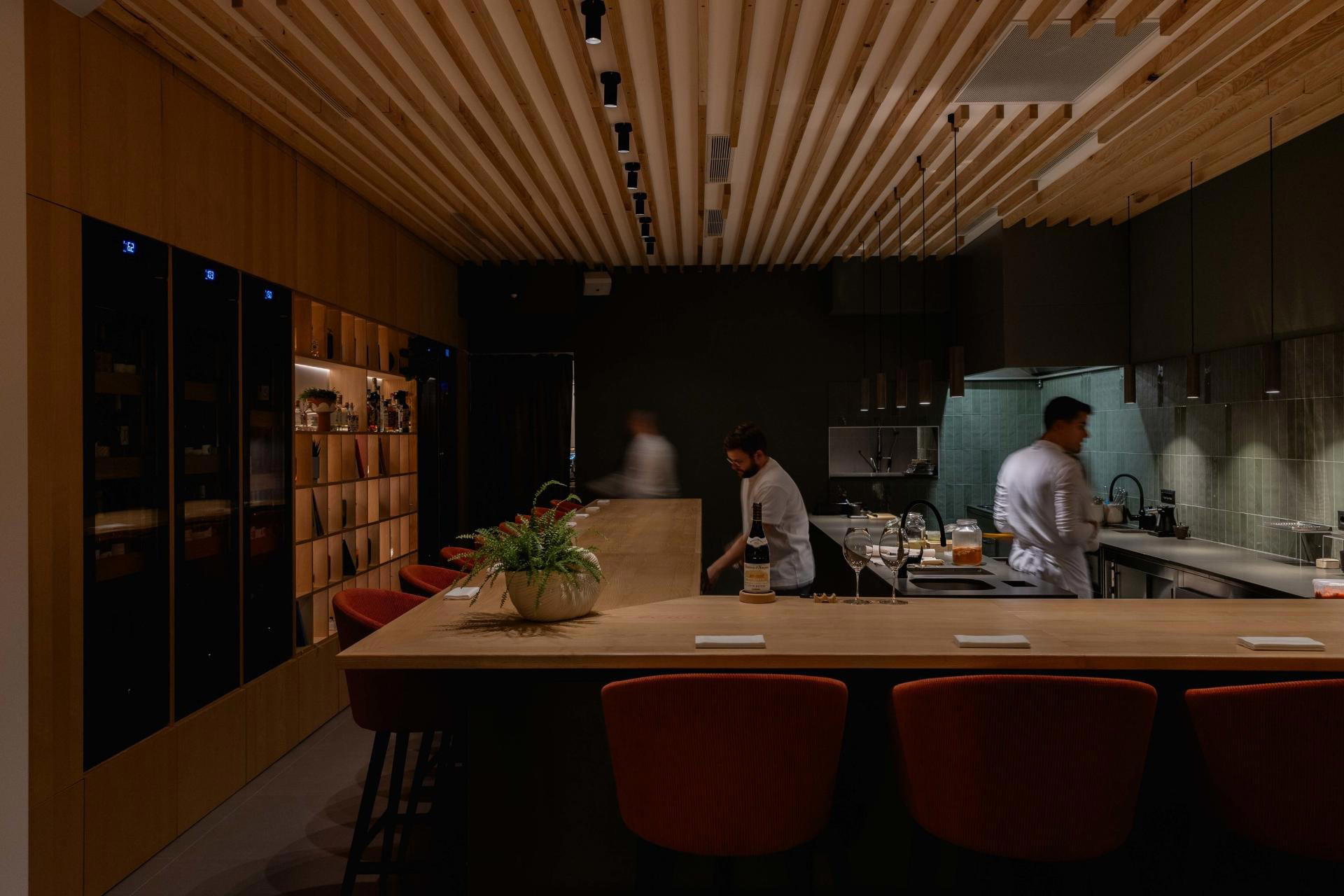
Krug earned Split's first Michelin star in 2025, placing it at the top of the city's fine dining tier along the Trumbićeva obala waterfront. Chef Rodjarin steers a Mediterranean menu that draws directly on the Adriatic's fish and shellfish traditions.

Pearl is the En Primeur Club membership app, where members save venues, book tables and use the concierge.
The Adriatic Table, Refined
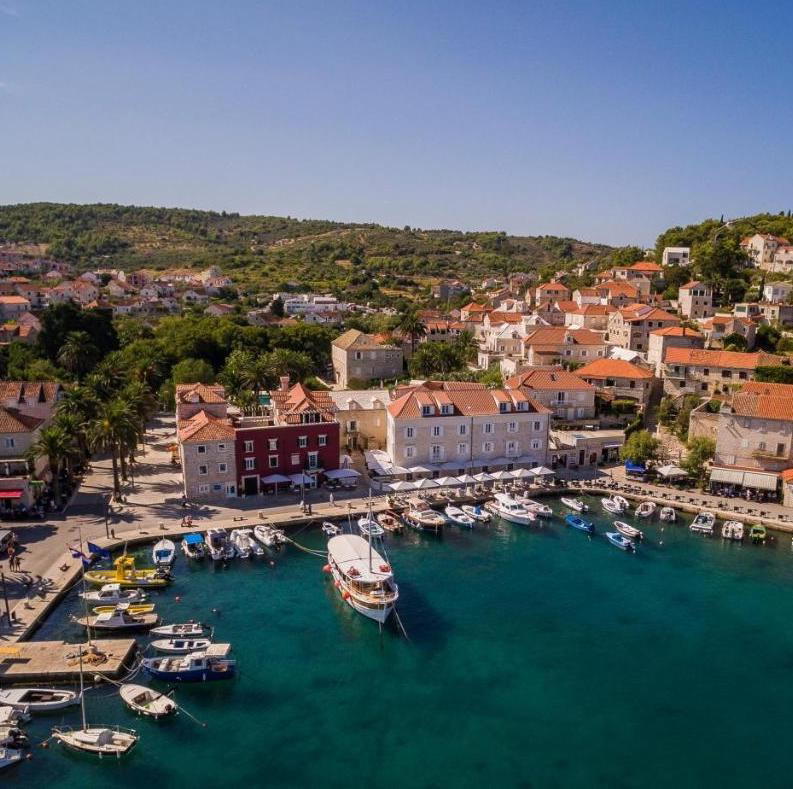
Split's waterfront promenade, the Riva, has always been a place where the sea announces itself before the food does. Along Trumbićeva obala, the smell of salt air and the proximity of working fishing boats provide a context that no interior design can manufacture. Restaurants on or near this stretch have historically traded on the view as much as the plate, which makes the arrival of a Michelin-starred address here something worth examining. When the 2025 Michelin Guide awarded Krug a star, it marked Split's entry into the tier of Croatian coastal dining that had previously been concentrated further up the Adriatic, in Istria and the Kvarner islands.
Croatia's Michelin geography tells a specific story. Addresses like Agli Amici Rovinj in Rovinj and Alfred Keller in Mali Lošinj have carried the flag for the northern coast, while the inland tradition is represented by Dubravkin Put in Zagreb and Korak in Jastrebarsko. Dalmatia as a whole has tended to produce celebrated konobas and strong regional cooking rather than fine-dining recognition. Krug's 2025 star shifts that balance and places Split on a map that now includes the Dalmatian south alongside recognised destinations in the north. For context, LD Restaurant in Korčula and Boskinac in Novalja represent other points in Croatia's awarded tier, each rooted in their specific geography. Krug's positioning at Trumbićeva obala 17 anchors it in a city rather than an island or a small coastal town, which changes the competitive logic and the audience.
The Seafood Tradition That Frames the Menu
Mediterranean cooking, at its most serious level, is largely a conversation between technique and proximity to water. The Adriatic is a relatively shallow, nutrient-rich sea with a fishing culture that runs through Dalmatia's social and economic history. Seasonal variation matters here: dentex, sea bass, and grouper behave differently across the calendar, and the shellfish harvest from local beds shifts with water temperature. At the level of cuisine that earns Michelin recognition, these rhythms become the menu's architecture. The guide tends to reward kitchens that understand their ingredients' origins and reflect that understanding in the plate, and Adriatic kitchens have a specific advantage: the supply chain between sea and kitchen is short in a way that, say, a landlocked European capital cannot replicate.
Chef Rodjarin works within this tradition at Krug. The Mediterranean cuisine classification covers a wide range of approaches, from simple grilling over wood to technically intricate preparations, but the Michelin standard implies a level of deliberateness and execution that positions Krug clearly above the city's mid-range seafood offer. At the €€€ price point, it shares a tier with K.užina and ZOI in Split, and sits above the €€ positioning of BÒME. Within the city's fine dining bracket, the Michelin star separates Krug from its price peers in a way that the market will notice: a single star in the 2025 guide is a credential that carries weight with both international visitors and the Croatian dining public.
Dalmatia's Broader Fine Dining Moment
The timing of Krug's recognition reflects a wider shift in how premium Mediterranean cooking is being evaluated globally. The Michelin Guide has expanded its coverage of coastal European destinations in recent years, and the scrutiny it brings tends to accelerate a local market's self-assessment. Restaurants that were previously the default choice for visitors spending freely are now competing against addresses that have been benchmarked against international standards. For Dalmatia, this is relatively new pressure. Split itself has grown significantly as a travel destination, with direct flights from across Europe creating a year-round visitor base that, a decade ago, was concentrated in July and August. That broadening of the season has given kitchens like Krug a more consistent demand curve to work with, reducing the coastal feast-or-famine calendar that historically made serious investment in staff and sourcing difficult to sustain.
For reference points beyond Croatia, the Mediterranean fine dining conversation includes addresses like La Brezza in Ascona and Arnaud Donckele & Maxime Frédéric at Louis Vuitton in Saint-Tropez, both of which operate within the same broad cuisine classification but at different price and recognition levels. What they share with Krug is an approach to Mediterranean ingredients that goes beyond regional cooking's comfort zone and into something more considered. The presence of a Croatian address in that conversation is a recent development.
Split's Dining Tier, Mapped
Understanding where Krug sits requires knowing the city's dining structure with some precision. Split has a wide base of konoba-style cooking, where grilled fish, peka (slow-cooked meat and vegetables under a bell), and local wines define the offer. One tier up, restaurants like Dvor provide waterfront dining with more formal service. At the €€€ level, Kadena offers an international menu and represents the cosmopolitan end of Split's premium dining. Krug operates in this upper bracket but with a Michelin credential that currently none of its direct price-tier peers in the city holds.
That distinction matters practically. Visitors planning a trip around a specific dining experience will treat the Michelin signal as a pre-qualifier and book Krug as the anchor of their itinerary, building the rest of a Split visit around it. For those arriving without a reservation, the practical advice is to book well in advance, particularly between May and October when Split's visitor numbers are at their peak and competition for tables at recognised addresses is at its highest. The address at Trumbićeva obala 17 places the restaurant within walking distance of Diocletian's Palace, making it accessible from most of the city's central accommodation without requiring transport.
The broader dining ecosystem around Krug is worth mapping for visitors spending more than a single evening in Split. For a wider survey of what the city's restaurant scene covers across price points and styles, our full Split restaurants guide provides the context. Those planning a longer Dalmatian itinerary may also find value in our Split hotels guide, bars guide, wineries guide, and experiences guide, each of which maps the city's offer in the same editorial register.
Planning a Visit
Krug sits at the €€€ price tier, which in Split's market represents a meaningful premium over the city's mid-range. Visitors should expect a spend in line with other Michelin-starred coastal Croatian addresses rather than the broader Mediterranean waterfront average. The Michelin star, awarded in 2025, is a recent credential, and the kitchen is working in the window where it is likely to be operating at the level that earned the recognition. Booking ahead is the only reliable approach; the combination of a new star, a high-profile waterfront address, and a compressed peak season creates demand that outpaces walk-in capacity.
Frequently asked questions
What price level is Krug?
Pricing at Krug is listed as €€€.
Comparable Options
| Venue | Cuisine | Price | Awards | Notes |
|---|---|---|---|---|
| KrugThis venue (the venue you are viewing) | Modern Dalmatian Fine Dining | Not listed | 1 Michelin Star | Not listed |
| BÒME | Modern Mediterranean | $30–50 | Michelin Plate | Mediterranean Cuisine |
| Kadena | Modern Mediterranean Seafood | $50–100 | Michelin Plate | International |
| Konoba Fetivi | Traditional Dalmatian Seafood | $30–50 | Michelin Plate | Traditional Cuisine |
| PiNKU fish & wine | Modern Croatian Seafood | $50–100 | Michelin Plate | Seafood |
| Šug | Modern Dalmatian | $30–50 | Michelin Plate | Regional Cuisine |
Recognition history
Dated appearances from independent guides and award organizations, with the underlying list record or original source where available.
Michelin 1 Star
Michelin
Full recognition history (2 entries)
Michelin 1 Star
Michelin
Continue exploring
More in Split
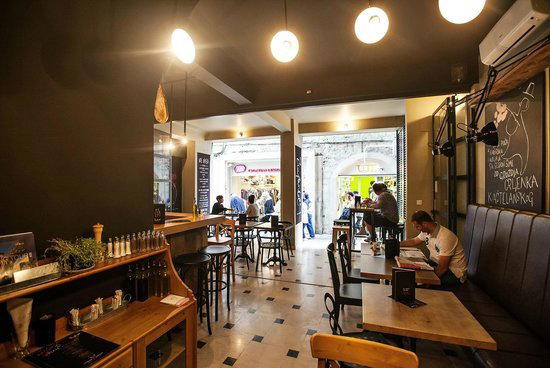
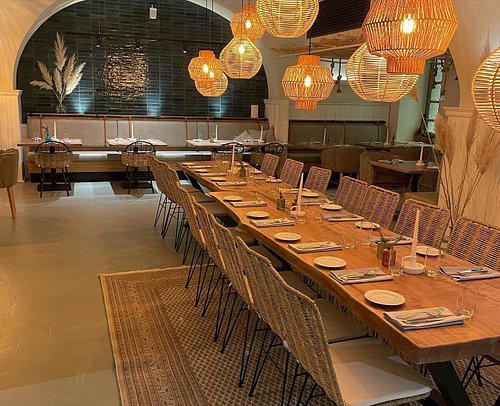
Restaurants in Split
All restaurants in Split →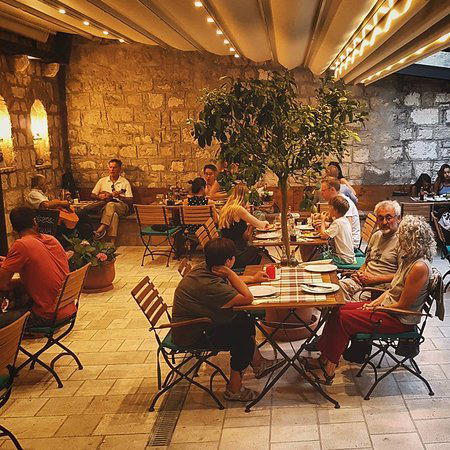
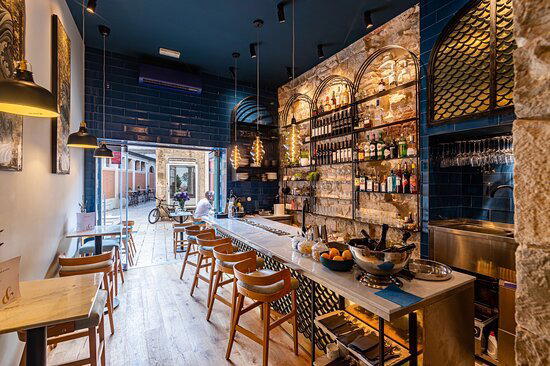
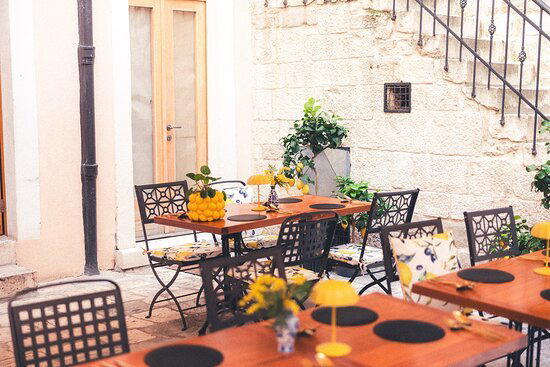
Bars in Split
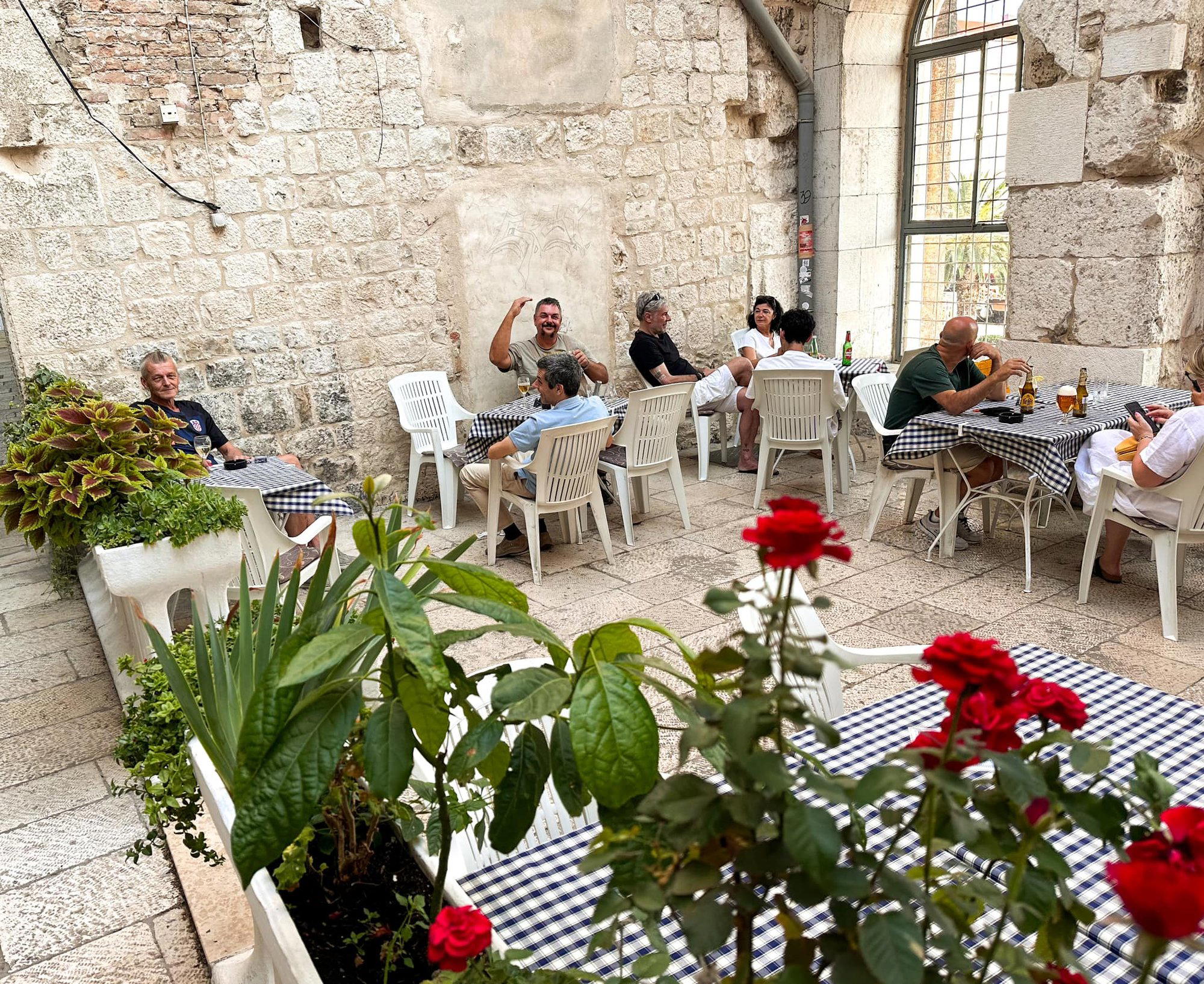
All bars in Split →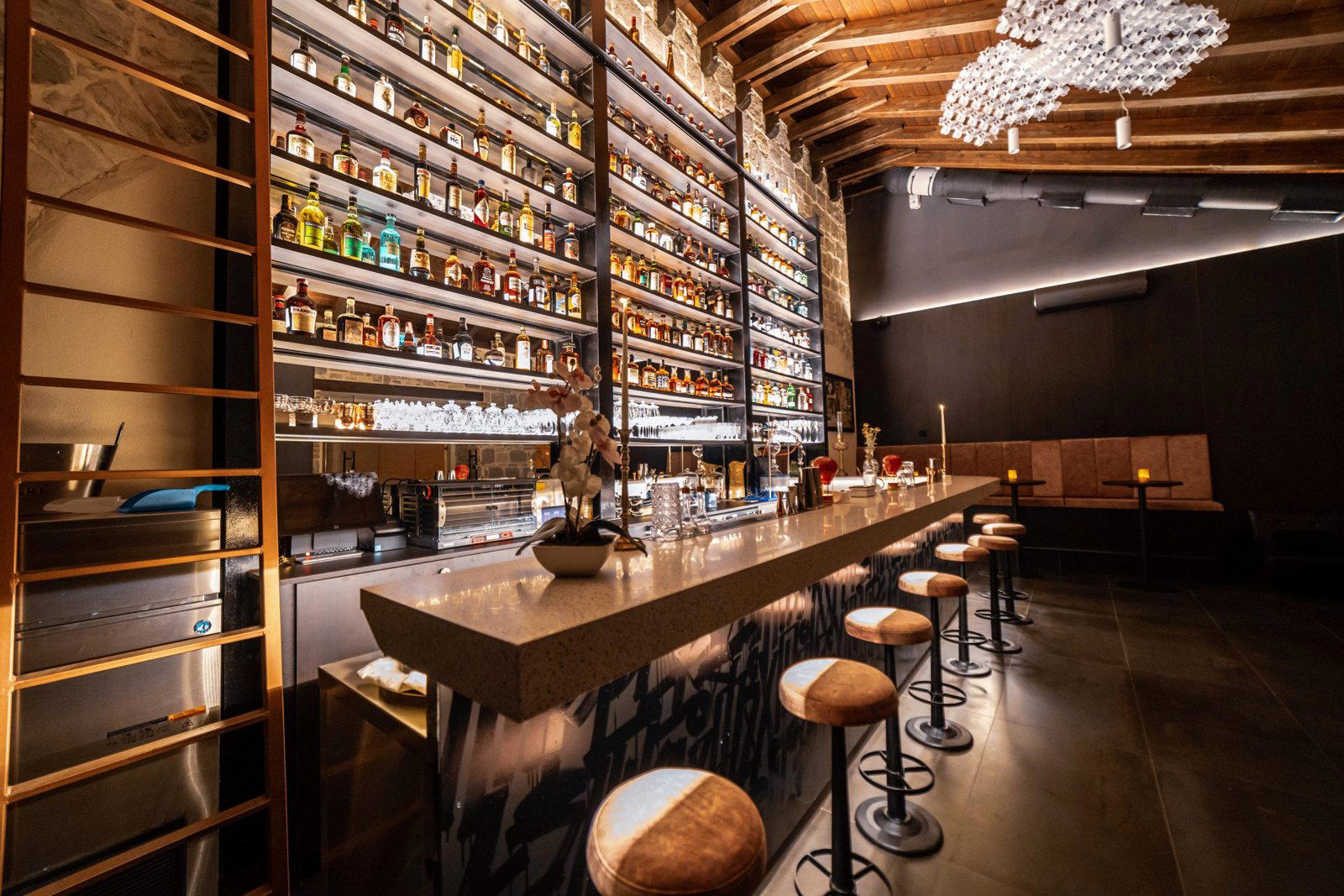

Details
- Intimate
- Elegant
- Sophisticated
- Modern
- Date Night
- Special Occasion
- Chefs Counter
- Open Kitchen
- Extensive Wine List
- Local Sourcing
- Farm To Table
- Organic
- Waterfront
- Street Scene
- Tasting Menu
- Wine
Current opening hours
- Monday
- Closed
- Tuesday
- 6 PM–1 AM
- Wednesday
- 6 PM–1 AM
- Thursday
- 6 PM–1 AM
- Friday
- 6 PM–1 AM
- Saturday
- 6 PM–1 AM
- Sunday
- Closed
Hours can change for holidays and private events. Hours as of .
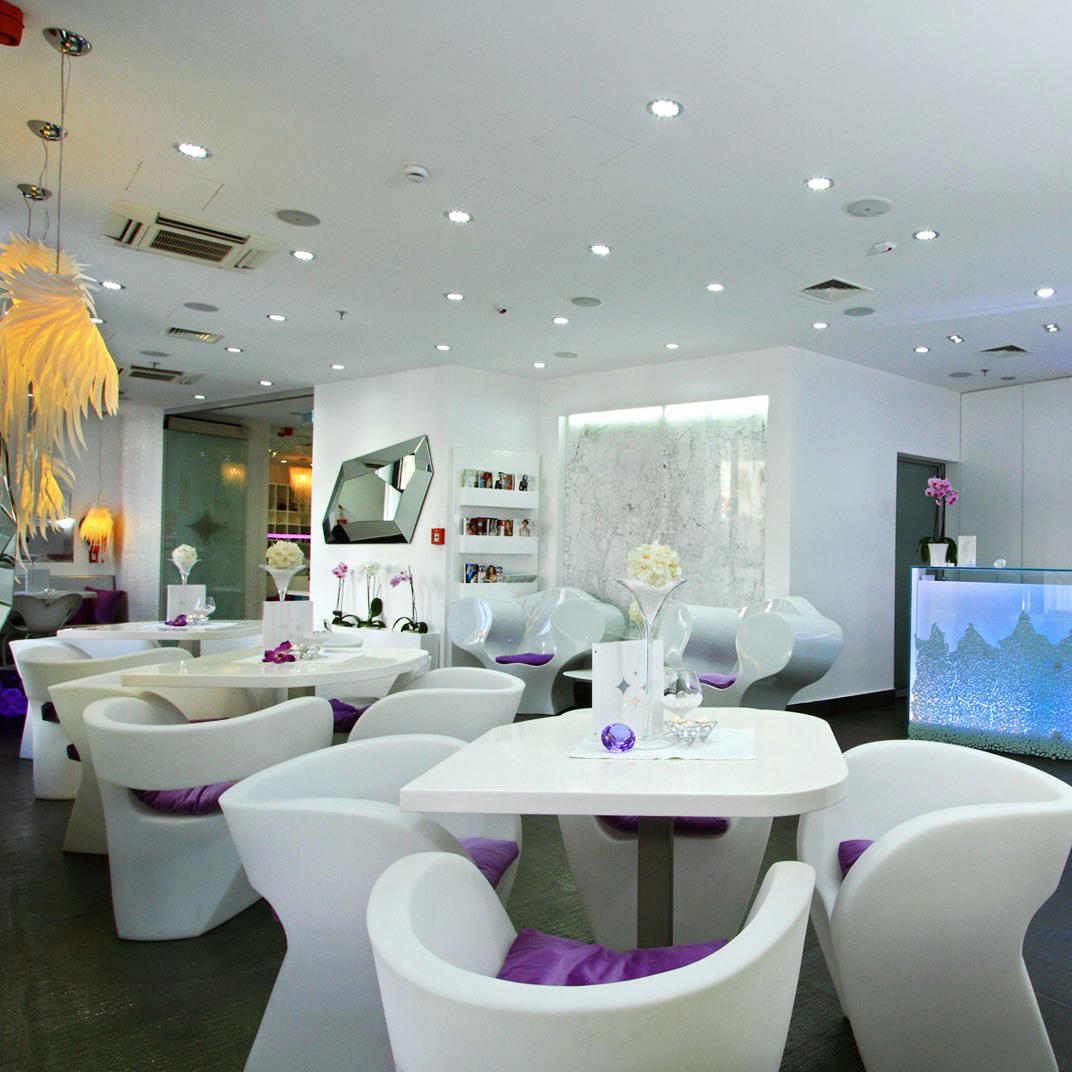
Cozy and welcoming intimate atmosphere centered around the open kitchen with attentive, warm service.