
Inbosuko Jingumae sits in Tokyo’s high-price Italian bracket, where the meal is judged less by regional mimicry than by pacing, restraint, and ingredient logic. Its 2025 Tabelog Italian Tokyo 100 selection, 3.99 score, and eight-seat scale place it in the small-format end of Jingumae dining, closer to counter-led tasting culture than casual trattoria territory.
Pearl is the En Primeur Club membership app — saves, bookings, and concierge access live there. Same editors, same standards.
- Address
- 東京都渋谷区神宮前2-18-19 theFolks SHOP①
- Website
- tabelog.com
 Saves & bookings on Pearl
Jingumae changes register quickly: fashion traffic around Harajuku gives way to quieter backstreets, low-rise buildings, and small dining rooms where Tokyo’s serious restaurants often hide in plain sight. In that setting, Italian cooking has become one of the city’s more elastic luxury formats. It can mean regional pasta orthodoxy, Japanese seafood folded into Italian technique, or a long-form tasting sequence built with the discipline diners usually associate with sushi counters and kaiseki rooms.
Inbosuko Jingumae belongs to that last category. The useful way to read it is not as a trattoria with higher prices, but as part of Tokyo’s compact, chef-led Italian tier, where the evening’s value depends on progression: how the meal opens, how starch and sauce are timed, how richer courses are spaced, and whether the finish feels intentional rather than decorative. The Tabelog Italian Tokyo 100 selection for 2025 gives it a public trust signal inside a crowded city category, while the 3.99 score places it in a band where small differences in pacing and ingredient judgment matter.
A small-room Italian format built around progression
Tokyo’s luxury Italian scene has moved well beyond the imported-restaurant template. At the upper end, the cooking often borrows the grammar of Japanese tasting menus: compact courses, seasonal produce, careful sequencing, and a room scaled for concentration rather than volume. That matters at Inbosuko Jingumae because the price bracket sets an expectation of a composed evening, not simply expensive ingredients arranged across familiar Italian categories.
The tasting-progression lens is the right one here. In a city where diners can choose between kappo counters, omakase sushi, French tasting menus, and high-touch yakiniku on the same night, Italian restaurants at this level have to justify their place by structure. Pasta is rarely just a middle course; it becomes a hinge between lighter opening moves and deeper, slower cooking later in the meal. The stronger Tokyo Italian rooms understand that rhythm. They do not need to imitate kaiseki, but they compete with it for attention span and precision.
The local comparison set helps clarify the point. EMILIA occupies a more accessible Italian price tier, while nearby names such as Jingumae Higuchi and Bepocah show how varied the area’s serious dining can be across Japanese and Peruvian formats. Inbosuko Jingumae operates in a narrower, higher-spend lane, where the appeal is the tension between Italian reference points and Tokyo’s appetite for controlled, intimate dining formats.
Jingumae's dining map rewards specificity
Jingumae is not a single-note restaurant district. It sits between the youth-driven energy of Harajuku, the design-shop calm around Sendagaya, and the Omotesando orbit of polished rooms and appointment-driven retail. The result is a neighbourhood where a soba stop, a curry specialist, a small Japanese dining room, and a serious Italian counter can sit within the same walking radius without feeling contradictory.
That mix is useful for travellers because it prevents the area from becoming a single-purpose dining destination. Handmade buckwheat Matsunaga and MOKUBAZA point to the neighbourhood’s lower-spend, high-specificity side; Jingumae Higuchi and Bepocah show how international and Japanese formats coexist without collapsing into generic cosmopolitan dining. Against that field, the restaurant reads as the special-occasion end of the map: small scale, high price, and recognition from a domestic dining platform that Tokyo diners take seriously.
The restaurant opened in 2022, which also matters. Tokyo’s Italian canon has older institutions, but the post-pandemic generation has had to earn attention in a tougher reservation culture and a more price-sensitive market. A 2025 Tabelog 100 selection signals that the room has entered the conversation quickly, but the practical decision remains personal: this is a dinner for diners who care about sequence, concentration, and the way Italian technique is adapted to Tokyo expectations.
Where to place it in a Tokyo itinerary
For travellers building a Tokyo restaurant week, this is not the slot for casual flexibility. It belongs beside other tightly structured meals, not between shopping stops and late drinks. The better plan is to give the evening space, then use the surrounding neighbourhood before or after: Harajuku for street-level contrast, Omotesando for design and retail, or a quieter walk toward Sendagaya when the area thins out.
The city’s wider dining range also argues for contrast. A trip built only around high-spend counters can become repetitive, especially in Tokyo, where precision appears at every price level. Pairing a dinner here with lower-key meals elsewhere gives the Italian progression more definition. For broader planning, start with Our full Tokyo restaurants guide, then cross-check drinking and hotel geography through Our full Tokyo bars guide and Our full Tokyo hotels guide. Travellers building a larger Japan route can also compare the city’s restaurant density with entries such as [ki:] in Kyoto, .cafe in Osaka.know in Kumamoto, and [Curry Senmon Ten] Maruyama Kyoju. in Sapporo.
Within Tokyo, the useful counterweight is breadth:. 鮪と炭火焼き うお炭 秋葉原店, 12/10 Shinjuku ten, 124. KAGURAZAKA (Yakitori), 2D Cafe, and 3 Chome no Curry Ya San show how far the city stretches across format and price. For non-restaurant days, keep Our full Tokyo experiences guide and Our full Tokyo wineries guide in the planning stack. Longer itineraries can widen the frame with -Grilled beef Sukiyaki- KAMAKURA TANUKIAN 鎌倉 たぬき庵 in Kamakura, (Shoku) Vietnam in Kawasaki, or overseas Japanese-adjacent stops such as Jōdo Saké Bar in Los Angeles and Onigiri Time in Pasadena.
The Minimal Set
Comparable venues side-by-side for orientation.
| Venue | Cuisine | Price | Notes |
|---|---|---|---|
| Inbosuko JingumaeThis venue — the venue you are viewing | Not listed | $$$$ | Not listed |
| Kusabira | Not listed | $$$$ | Minato, Creative Vegetable-Focused Italian |
| チョコ | Bunkyō, Modern Italian Fine Dining | $$$$ | Not listed |
| Bvlgari Il Ristorante - Luca Fantin | Not listed | $$$$ | Chūō, Modern Italian with Japanese Ingredients |
| リストランテ ダ・ニーノ | Minato, Authentic Sicilian | $$$$ | Not listed |
| エリオ・ロカンダ・イタリアーナ | Not listed | $$$ | Chiyoda, Authentic Southern Italian Trattoria |
Recognition history
Dated appearances from independent guides and award organizations, with the underlying list record or original source where available.
Tabelog 100 #50 · No. 50
Tabelog · Tabelog 100 - Italian - TOKYO - 2025













At a Glance
- Intimate
- Elegant
- Date Night
- Special Occasion
- Celebration
- Business Dinner
- Private Event
- Chefs Counter
- Standalone
- Design Destination
- Extensive Wine List
- Local Sourcing
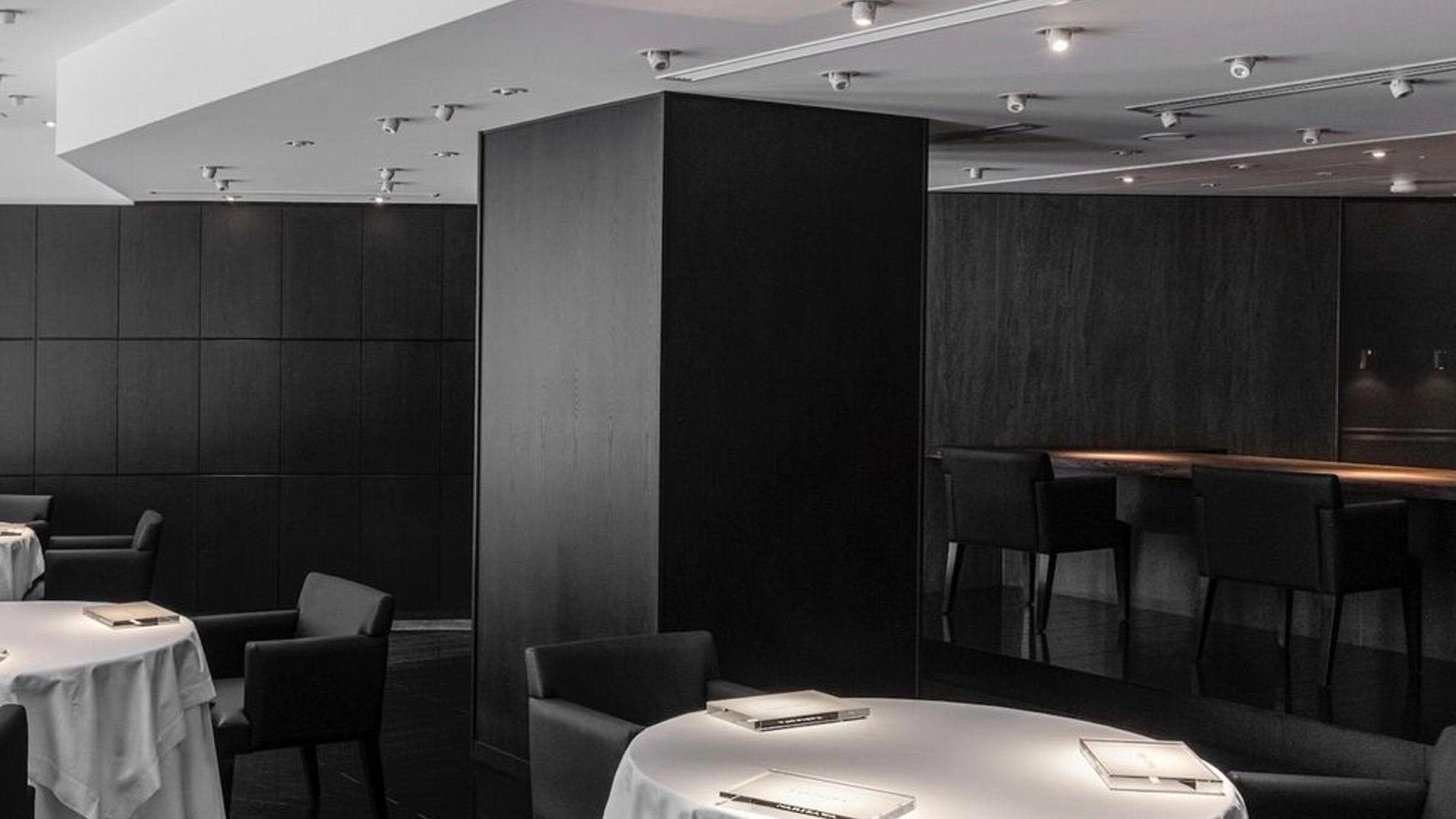
An intimate, non‑smoking 8-seat room that feels like a hidden Harajuku counter, with a calm, refined atmosphere focused on the interaction between chef and guests rather than décor or views.