
In Sumiyoshi, between Hakata Station, Canal City, and Kushida Shrine, Shokudo Nizakana Shonen sits in Fukuoka’s everyday fish-diner lane rather than its tasting-menu circuit. Its Tabelog 100 Diner selections in 2024 and 2026, modest pricing, counter-and-table format, and fish-focused Japanese cooking make it a sharp local counterpoint to Fukuoka’s higher-spend restaurant addresses.
Pearl is the En Primeur Club membership app — saves, bookings, and concierge access live there. Same editors, same standards.
- Address
- 福岡県福岡市博多区住吉2-6-32 リファレンス住吉 1-A
- Phone
- +81922913337
- Website
- nizakanasyounen.com
 Saves & bookings on Pearl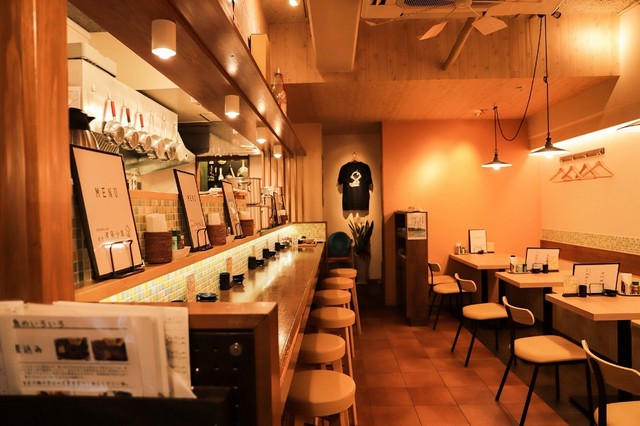
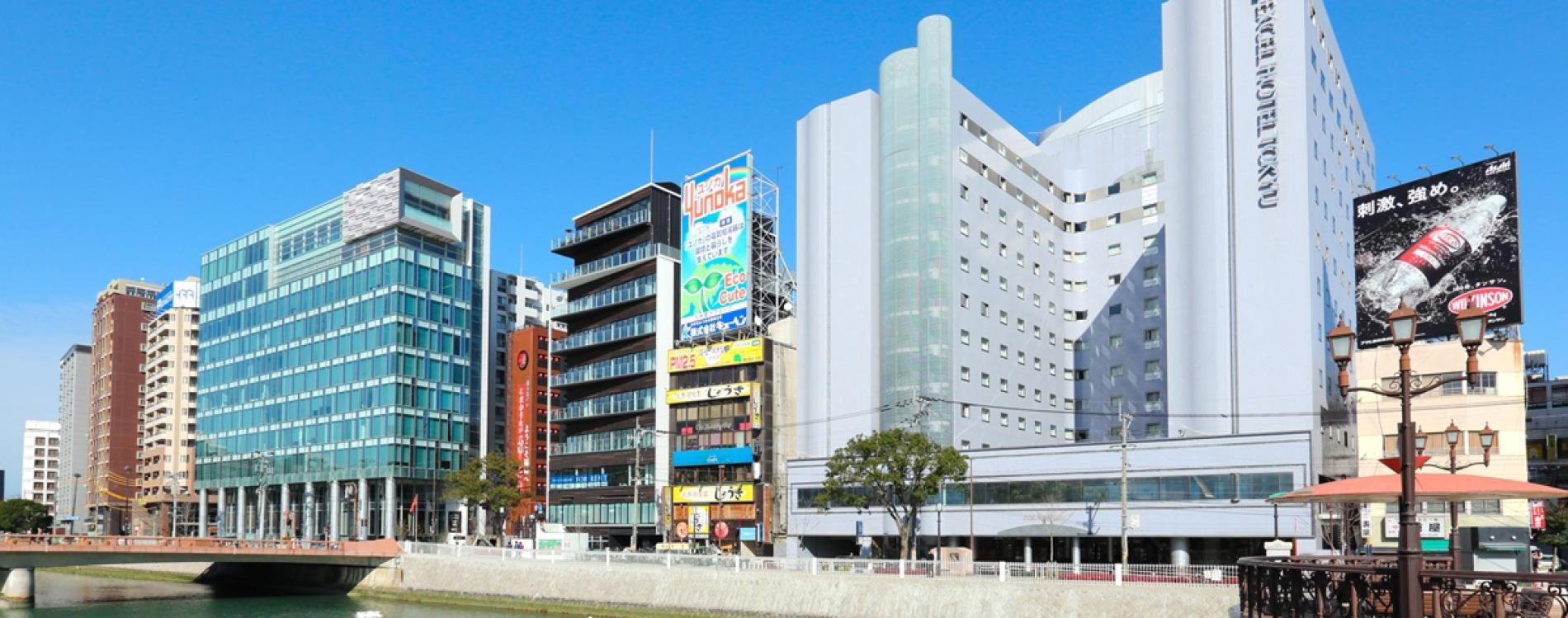
Sumiyoshi is not the polished face Fukuoka shows first. Around Kushida Shrine and the road to Hakata Station, the mood is practical: buses, office workers, shrine traffic, Canal City shoppers, and small restaurants built for repeat local use, not ceremony. That setting matters. Fukuoka dining can swing from yatai nostalgia to high-budget counters, but daily meal culture often lives in shokudo rooms where fish, rice, soup, and sake matter more than performance.
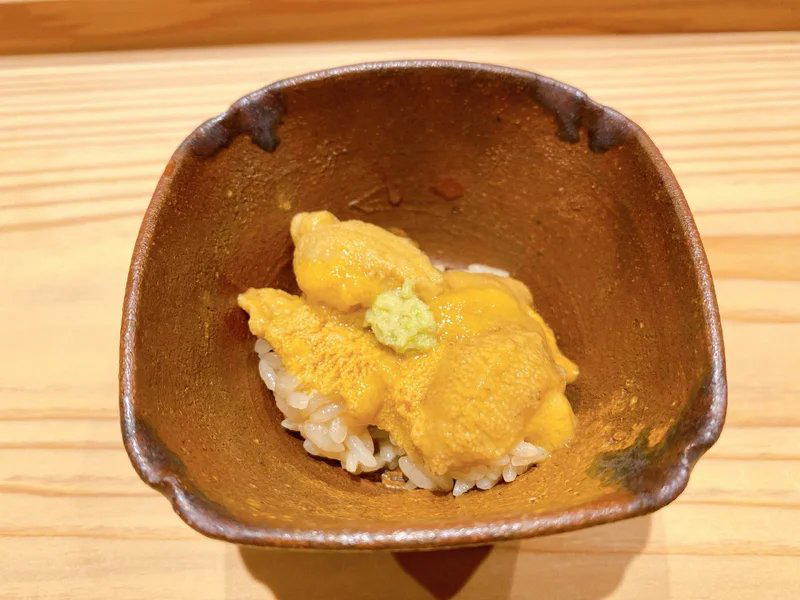
Shokudo Nizakana Shonen belongs to that register. The name points directly to simmered fish, and its public category mix, cafeteria, seafood, and Japanese cuisine, places it closer to a neighbourhood meal room than an izakaya built around late-night drinking. Its selection for Tabelog 100 Diner in 2024 and again in 2026 gives the address a national signal in a category that usually gets less international attention than sushi, ramen, or kaiseki. This is Fukuoka fish cooking as daily infrastructure, not luxury theatre.
Sumiyoshi fish cooking in a city that often gets reduced to ramen
Fukuoka’s global shorthand is too narrow. Tonkotsu ramen and yatai stalls dominate outside perception, while seafood access, Kyushu vegetables, shochu, and casual Japanese set-meal culture do much of the work for residents. A fish-focused shokudo sits in that quieter lane. The appeal is not rarity for its own sake, but how an ordinary format carries serious cooking when sourcing and seasoning are disciplined.
The competitive comparison is instructive. Fukuoka has restaurants such as Nishimura in a far higher spend bracket, while French-leaning names such as Goh and GohGan speak to the city’s contemporary destination-dining side. Sagano, as an izakaya reference point, occupies another social rhythm. Shokudo Nizakana Shonen reads against those peers by refusing tasting-menu escalation. It belongs to a smaller but culturally important group: places where price, format, and neighbourhood utility remain part of the pleasure.
For travellers building a Fukuoka food map, that distinction matters. A meal here can sit alongside broader local research in Our full Fukuoka restaurants guide, then be balanced with a hotel base from Our full Fukuoka hotels guide and evening planning through Our full Fukuoka bars guide. The point is not to replace Fukuoka’s famous categories, but to correct the itinerary: the city’s fish-diner tradition deserves a slot beside ramen, yakitori, and late drinking.
A compact room built for solo meals, families, and repeat custom
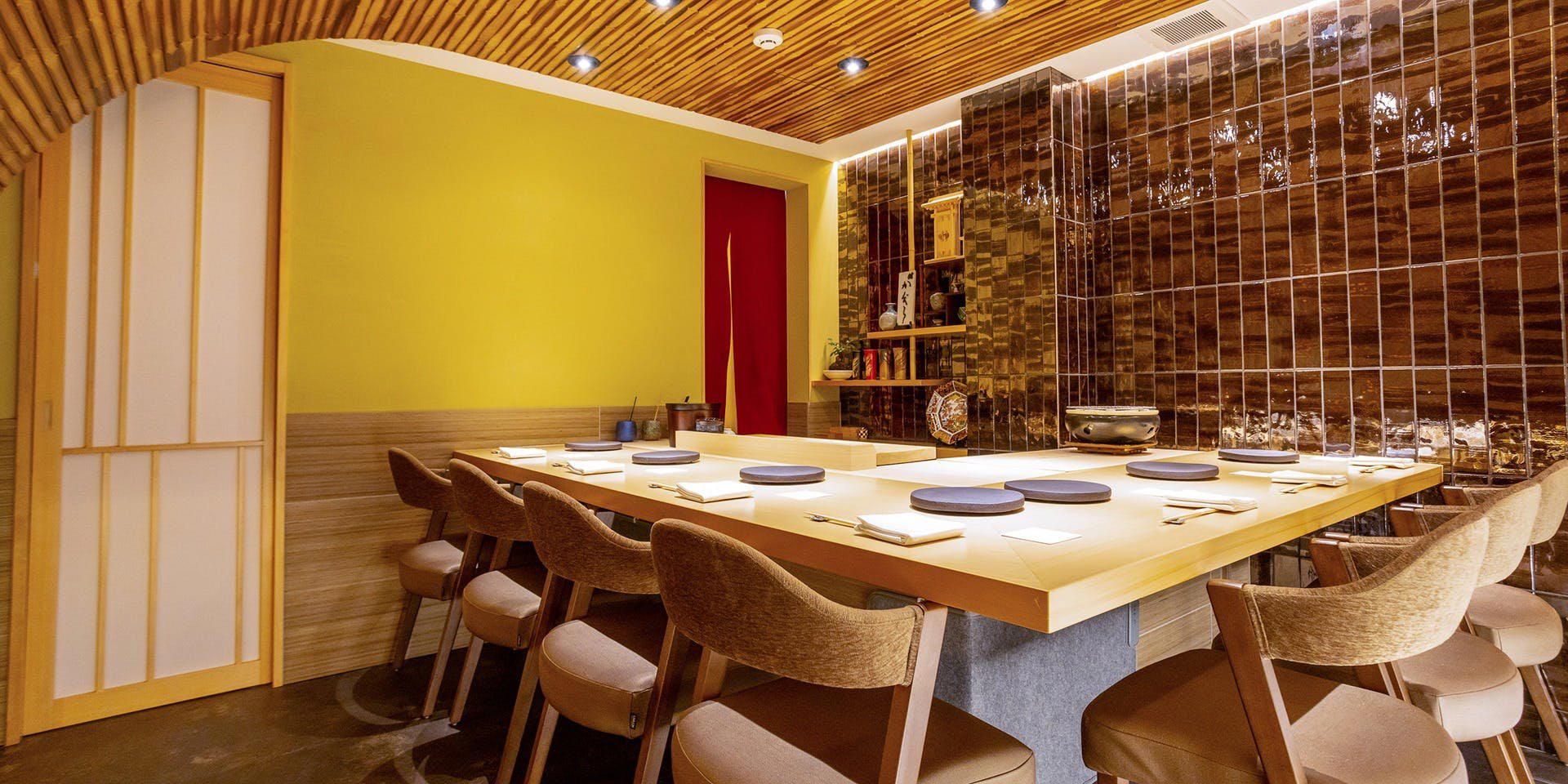
The format is small but not precious: 21 seats, split between 7 counter seats and 14 table seats. That mix signals the intended audience. Counter dining suits solo meals, while tables, children’s chairs, tableware, and stroller access widen the room beyond the narrow adult counter model common in higher-end Japanese dining. Non-smoking status and wheelchair accessibility add more practicality.
The price band reinforces the point. Dinner sits at JPY 1,000 to JPY 1,999, with lunch below JPY 999. In Japan’s urban dining hierarchy, that is far from luxury-reservation anxiety and close to the democratic strength of the shokudo: food that fits a working day, family outing, or solo stop between stations. The drinks list, sake, shochu, and wine, gives the fish cooking range without turning the room into a bar-led proposition.
Recognition changes planning, even when the format stays casual. Reservations are unavailable, and national diner-list attention raises demand without changing access mechanics. Treat it as a queue-and-timing meal, not a fixed anchor for a tight schedule. The listed service pattern covers lunch and dinner daily, with last orders before each close and irregular closing days, so a flexible window is safer than one narrow gap.
The location helps. The address in Hakata-ku’s Sumiyoshi area is within walking reach of Hakata Station, Canal City, Sumiyoshi Shrine, and Kushida Shrine station. There is no parking, less a drawback than a clue: approach it as part of a central Fukuoka day on foot or by public transport. Take-out is available, but the stronger editorial case is the room itself, where the counter-and-table split shows local shokudo culture in practice.
How to place it in a wider Fukuoka itinerary
Shokudo Nizakana Shonen works as the grounded meal in a Fukuoka plan that might otherwise tilt toward specialist counters and nightlife. For nearby restaurant contrasts, Aji Furai Shokudo Kaba keeps the seafood conversation casual, while Aji no Katsueda and Aji Dokoro Taro Gen Sougyou ten offer different reads on Fukuoka’s everyday restaurant culture. For a non-Japanese pivot, 106 South Indian Fukuoka tenjin ten and Afterglow show how the city’s casual dining map has widened beyond local seafood and noodles.
The broader lesson travels beyond Fukuoka. Japan’s lower-priced dining categories often contain serious specialist cooking that overseas visitors miss when chasing only starred counters or reservation-only rooms. That pattern appears elsewhere too, from [Curry Senmon Ten] Maruyama Kyoju. in Sapporo to (Shoku) Vietnam in Kawasaki.know in Kumamoto.cafe in Osaka. 鮪と炭火焼き うお炭 秋葉原店 in Tokyo, and -Grilled beef Sukiyaki- KAMAKURA TANUKIAN 鎌倉 たぬき庵 in Kamakura. The same logic frames Japanese food abroad, where Jōdo Saké Bar in Los Angeles and Onigiri Time in Pasadena show how tight formats can carry a clear idea without luxury signalling.
The verdict is practical and cultural at once. This is not the address for a grand Fukuoka splurge, which is exactly why it belongs on a sharper itinerary. Its Tabelog 100 Diner recognition, fish focus, modest price band, and Sumiyoshi location make it a useful corrective to the city’s tourist shorthand. Add wider context from Our full Fukuoka wineries guide and Our full Fukuoka experiences guide, then let this meal do what good shokudo cooking does: anchor the city in daily appetite rather than spectacle.
A Lean Comparison
Comparable venues for orientation by cuisine and category.
| Venue | Cuisine | Price | Notes |
|---|---|---|---|
| Shokudo Nizakana ShonenThis venue — the venue you are viewing | Hakata, Japanese Seafood Set Meals | $$ | Not listed |
| Nakasu Yatai Kibun | Hakata, Japanese Izakaya | $$ | Not listed |
| Jidoriya Amon | Not listed | $$ | Hakata, Charcoal-grilled chicken izakaya & hot pot |
| Jidori Shokudo Magaribuchi ten | Sawara, Japanese Jidori Chicken BBQ | $$ | Not listed |
| Shokuji to Sake Dokoro Makoto | Not listed | $$ | Chūō, Casual Japanese izakaya and set meals |
| Gen pu kan Chiyo ten | Not listed | $$ | Hakata, Japanese Yakiniku (BBQ) |
Recognition history
Dated appearances from independent guides and award organizations, with the underlying list record or original source where available.
Tabelog 100 #17 · No. 17
Tabelog · Tabelog 100 - Diner - 2026
At a Glance
- Cozy
- Quiet
- Classic
- Solo
- Family
- Casual Hangout
- Standalone
A casual, home-style Japanese set-meal restaurant with a fish-focused, everyday lunch spot feel rather than a formal dining atmosphere.