
Tsukune Seisakusho belongs to Fukuoka’s serious izakaya tier: chicken-focused cooking, sake-bar habits, and a room built for counter seats, tatami seating, and private rooms rather than anonymous drinking. Its Tabelog 100 Izakaya WEST selections in 2022, 2024, and 2025 give it a clear signal in a city where casual formats often carry demanding technique.
Pearl is the En Primeur Club membership app — saves, bookings, and concierge access live there. Same editors, same standards.
- Address
- 福岡県福岡市早良区藤崎1-14-5 大産藤崎コーポ 1F
- Phone
- +81928335666
- Website
- tabelog.com
 Saves & bookings on Pearl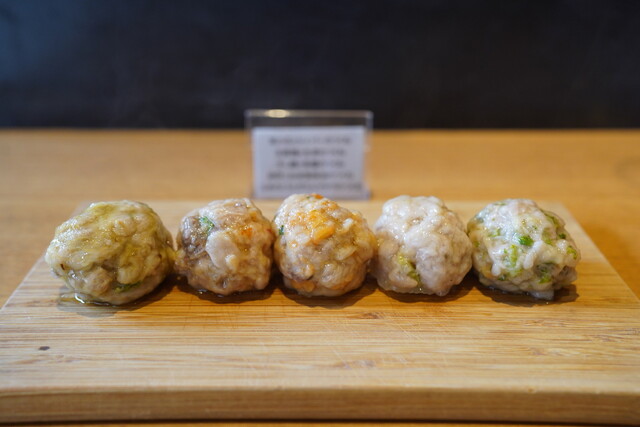
Fujisaki is not postcard Fukuoka dining. The mood is residential, closer to local routine than station-side spectacle, and that matters for izakaya culture. In this part of Sawara-ku, the appeal is not a grand entrance or chef mythology but the controlled rhythm of a Japanese tavern where chicken dishes, sake, shochu, and wine shape the evening.
Tsukune Seisakusho fits that reading. Its name points to tsukune, minced chicken at the junction of yakitori discipline and izakaya flexibility, though the broader category is more useful: Japanese-style tavern, chicken dishes, and sake bar. Fukuoka’s dining reputation is often reduced to ramen, motsunabe, and late-night yatai, yet many of its stronger everyday meals sit in venues with no need for visual drama.
Chicken-led izakaya cooking in a city better known for noodles and street stalls
The Fukuoka izakaya scene rewards specificity. A generalist tavern can work, but a chicken-led room with sake-bar instincts occupies a sharper lane. The format draws from yakitori culture without becoming skewer-house shorthand: the point is progression, drinking tempo, and dishes that carry meal and conversation. It is a marker for serious casual dining in Japan: technical enough to expose weak execution, relaxed enough to avoid tasting-menu stiffness.
Recognition separates stronger addresses from the blur. Tsukune Seisakusho was selected for Tabelog 100 Izakaya WEST in 2025, with prior selections in 2024 and 2022, and carries a Tabelog score of 3.78. These are not Michelin-style stars, but in Japan’s user-heavy dining culture they are useful signals, especially for izakaya, where consistency, repeat local custom, and category fit matter more than ceremony. Its opening date, August 8, 2015, adds weight: a decade of operation matters where small-format dining depends on neighborhood confidence.
The price band places it in a specific Fukuoka bracket. Dinner is JPY 4,000 to JPY 4,999, while lunch is JPY 3,000 to JPY 3,999: above the cheapest everyday taverns, below more formal counter dining. Locally, Rojiura Sakaba Gompoji occupies a similar dinner band, Yakitori Benkei Nishijin ten and Shokudo Shiotosake sit lower at JPY 3,000 to JPY 3,999, and Teppanyaki Hiyori moves higher at dinner, JPY 6,000 to JPY 7,999. This is a mid-range serious izakaya decision, not a splurge-counter decision.
For a wider read on how this category sits inside the city, Our full Fukuoka restaurants guide is the natural starting point. The same city supports South Indian cooking at 106 South Indian Fukuoka tenjin ten, spice-led dining at Afterglow, local Japanese meals at Aji Dokoro Taro Gen Sougyou ten, fried fish focus at Aji Furai Shokudo Kaba, and long-running local comfort at Aji no Katsueda. Fukuoka’s strength is this range: specialized, often modest rooms doing one category with conviction.
The room reads as tavern, sake bar, and neighborhood dining room
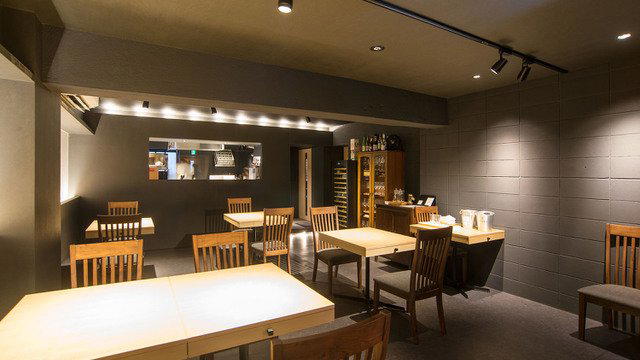
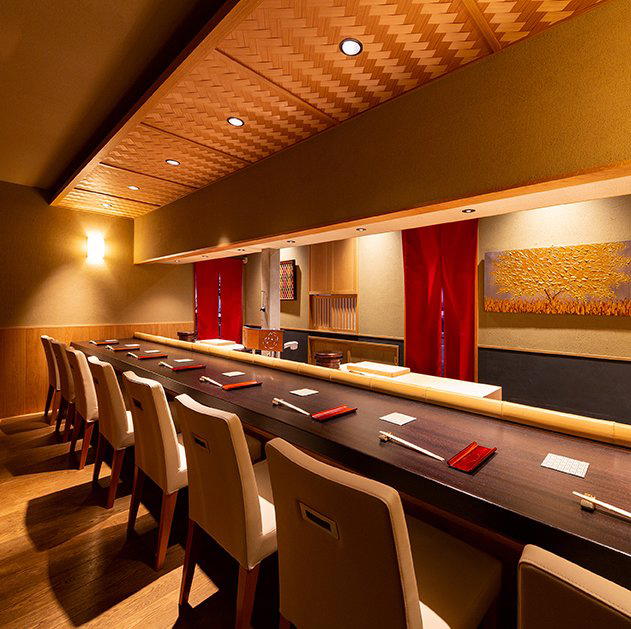
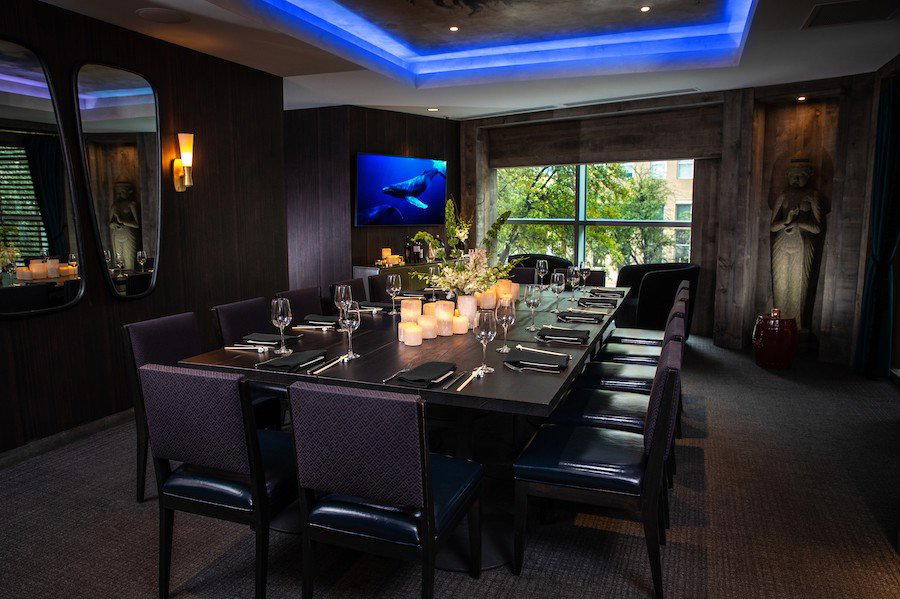
The setup says much: counter seating, tatami room, private rooms, non-smoking interior, and a smoking area outside. The balance is distinctly Japanese. Counter seats keep cooking close and suit solo diners or pairs; tatami seating softens the evening into a longer social meal; private rooms work for families and small groups. The family-friendly note matters, resisting the misreading of serious izakaya as adult-only drinking space. The atmosphere may skew polished, but children are welcome.
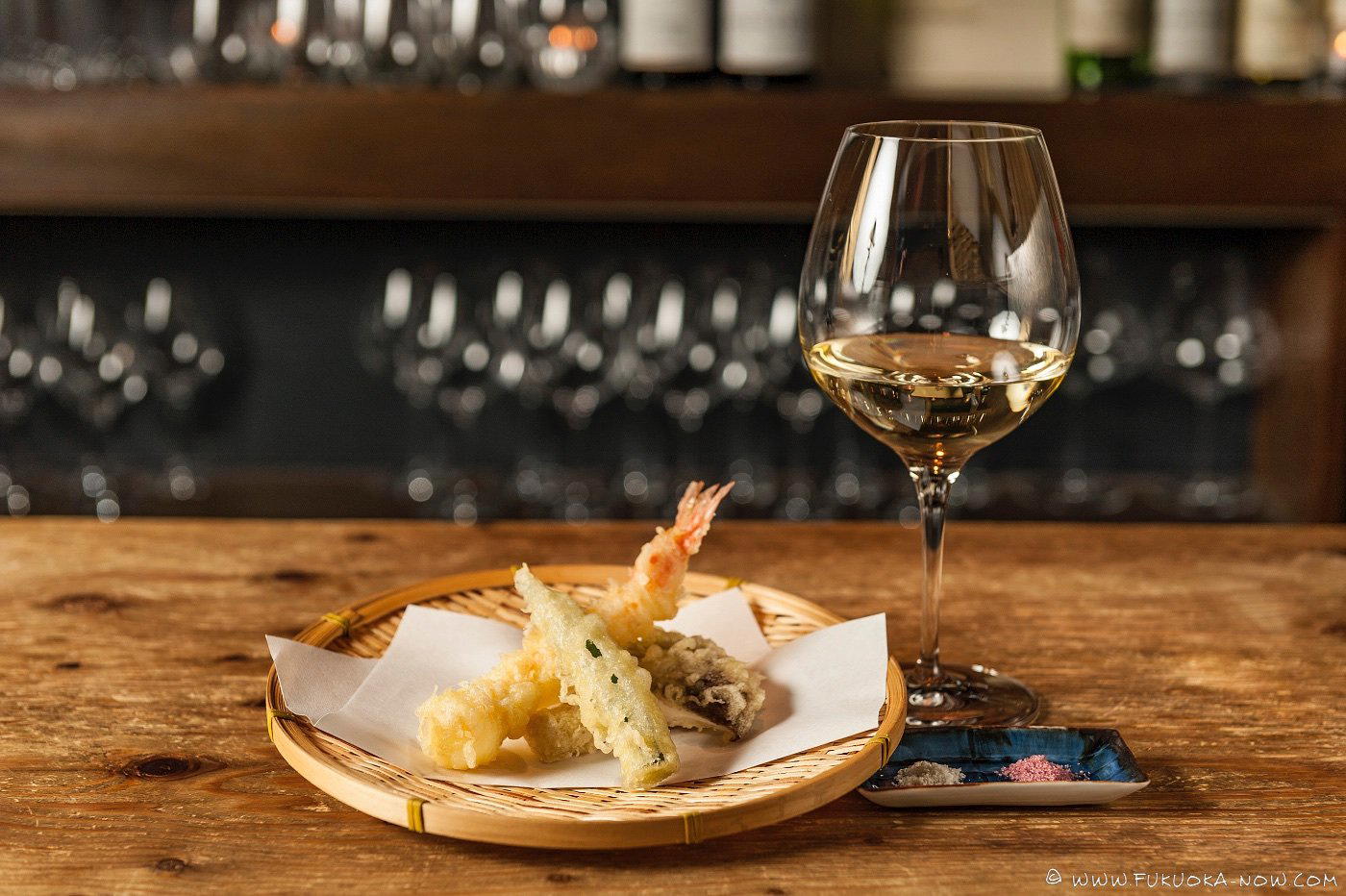
The drinks profile is equally telling. Sake, shochu, and wine are listed, with particular attention to sake and wine. That is a modern izakaya signal. Traditional tavern drinking in Japan has long included beer, shochu, and sake, but wine changes the pacing of chicken dishes and broadens the meal beyond pub logic. Fukuoka’s contemporary casual dining is adept at this hybridity: Japanese format, local habits, and wine not treated as an afterthought.
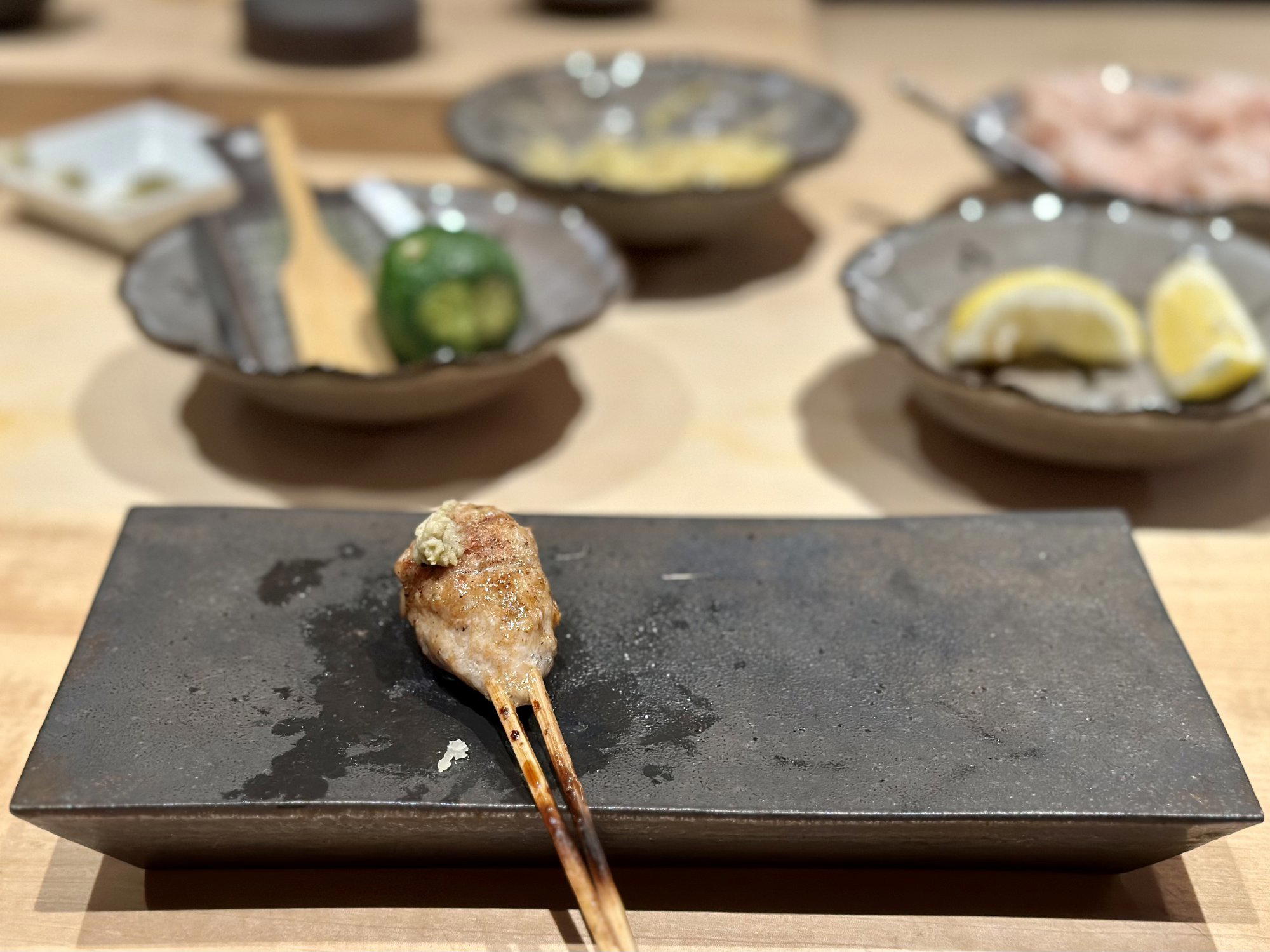
Sensory appeal is structural rather than decorative. Expect proximity: counter sightlines, low seating in tatami areas, and the social hum of a tavern built for friends and families as much as dedicated drinkers. Without verified dish-by-dish detail, the smarter read is the category. Chicken dishes and tsukune reward heat control, seasoning restraint, and texture; sake-bar framing rewards pacing. A good night in this genre is measured by how naturally food and drinks keep handing the table forward.
Travelers mapping a Fukuoka stay can pair this neighborhood dining lens with Our full Fukuoka hotels guide, then look at after-dinner options through Our full Fukuoka bars guide. The city’s broader travel context is worth scanning through Our full Fukuoka experiences guide, while Our full Fukuoka wineries guide helps readers tracking wine culture beyond the restaurant table.
How to read it against Japan's casual-dining map
Japan’s casual dining categories can be deceptively precise. An izakaya is not simply a bar with food; a sake bar is not simply a restaurant with nihonshu; a chicken specialist is not interchangeable with a yakitori chain. Tsukune Seisakusho sits where those definitions overlap. That is why its recognition carries weight: Tabelog’s izakaya category rewards places that satisfy tavern expectations while giving diners enough focus to justify a planned meal.
For travelers building a Japan itinerary, the comparison extends beyond Fukuoka. A beef-focused meal such as -Grilled beef Sukiyaki- KAMAKURA TANUKIAN 鎌倉 たぬき庵 in Kamakura sits in a different tradition; charcoal seafood at. 鮪と炭火焼き うお炭 秋葉原店 in Tokyo frames drinking food around tuna and fire;.cafe in Osaka and.know in Kumamoto show how casual formats shift by city. Outside Japan, the sake-bar thread continues at Jōdo Saké Bar in Los Angeles, while Japanese comfort formats travel differently at Onigiri Time in Pasadena. Even outliers such as (Shoku) Vietnam in Kawasaki and [Curry Senmon Ten] Maruyama Kyoju. in Sapporo clarify the point: Japan’s casual dining is strongest when a narrow format becomes a complete meal.
The verdict is practical but not merely logistical. This is a strong choice for diners who want Fukuoka beyond ramen shorthand and want an izakaya with category recognition, chicken focus, and a drinks program including sake, shochu, and wine. It is less suited to travelers chasing a chef biography or high-ceremony tasting menu. The appeal is quieter and more durable: a neighborhood tavern format treated seriously enough to earn repeat national-category attention.
Comparison Snapshot
Comparable venues in the metro at similar price points.
| Venue | Cuisine | Price | Awards | Notes |
|---|---|---|---|---|
| Tsukune SeisakushoThis venue — the venue you are viewing | Tsukune-focused Japanese Izakaya | $$ | , | |
| Hakata Daruma (博多だるま) | Traditional Hakata Tonkotsu Ramen | $$ | , | Chuo (Watanabedori) / Hakata |
| æç åç¿ | Japanese Coffee House | , | , | Chūō |
| Hountei | Hakata bite-sized gyoza & izakaya dishes | $$ | , | Hakata |
| Tori Noya | Miyazaki-style charcoal-grilled chicken izakaya | $$ | , | Chūō |
| 奈良屋町 青 | Japanese Izakaya | , | , | Hakata |
At a Glance
- Cozy
- Lively
- Hidden Gem
- Trendy
- Casual Hangout
- After Work
- Group Dining
- Family
- Date Night
- Standalone
- Private Dining
- Sake Program
- Extensive Wine List
- Beer Program
- Local Sourcing
Cozy, stylish izakaya set in a quiet residential neighborhood, with counter and tatami seating, a slightly upscale feel but relaxed and friendly enough for families and regulars to linger over sake and small plates.