
Momoshiki places Nara’s sukiyaki tradition in a polished, accessible setting near the city’s main sightseeing flow. Its Tabelog 100 Hot Pot 2024 selection, Yamato Beef focus, private-room range, and broad multilingual support make it a useful reference point for travelers comparing Nara’s local beef culture with the city’s soba, Italian, café, and casual dining options.
Pearl is the En Primeur Club membership app — saves, bookings, and concierge access live there. Same editors, same standards.
- Address
- Japan, 〒630-8215 Nara, Higashimuki Nakamachi, 5−1 浅川ハーベストビル 2F
- Phone
- +81 742-26-1008
- Website
- fujin-nara.com
 Saves & bookings on Pearl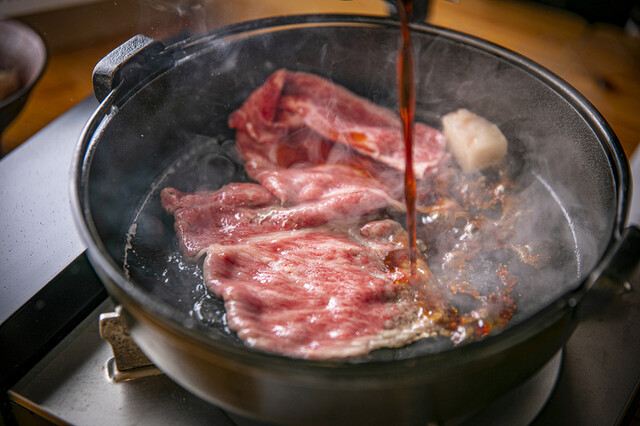
Arriving in central Nara for dinner often means leaving temple precincts and shopping arcades for rooms suited to groups, families, and travelers who want local ingredients without ceremony that dominates the evening. Sukiyaki fits that rhythm: communal, beef-led, and legible even for visitors who do not speak Japanese fluently. At Momoshiki, the format centers Yamato Beef and Nara-grown ingredients rather than the chef-driven tasting-menu grammar common in larger Japanese cities.
That matters in Nara. The city’s dining identity is not a smaller Kyoto or Osaka; it is shaped by day-trip traffic, temple tourism, regional produce, and restaurants serving both local occasions and out-of-town guests. A sukiyaki table absorbs those demands better than a narrow counter: structured, but open to conversation, children, business guests, and multi-generational parties. Its selection for Tabelog 100 Hot Pot 2024 places it in a national conversation about sukiyaki and shabu-shabu, not only a local tourist circuit.
Yamato Beef gives Nara's hot-pot tradition a local anchor
Sukiyaki carries a specific cultural charge in Japan: beef cooked at the table, sweet soy seasoning, and a pace that encourages shared attention over individual plating. In Nara, the reference point is Yamato Beef, a regional wagyu brand that gives the meal place. Momoshiki uses that anchor to make Nara’s beef culture the point, with sukiyaki, izakaya, and nabe categories under one roof.
The broader pattern is worth reading closely. In many Japanese tourist cities, regional food splits between formal dining that requires planning and language confidence, and casual shops built for quick turnover. Sukiyaki occupies a flexible middle tier. It has enough ritual to feel specific to Japan, and enough familiarity for mixed groups. That durability helps visitors seeking a regional meal after a day of walking, without committing to a long tasting menu or a counter where every cue is implicit.
Within Nara, Momoshiki differs from nearby genres. Soba Kiri Momoyo Zuki speaks to the city’s quieter noodle tradition, RISTORANTE Borgo KONISHI brings Italian dining into the local mix, and SAKURA BURGER reflects the casual international lane around visitor foot traffic. Sukiyaki sits elsewhere: more occasion-minded than a burger or café stop, less formal than a dégustation, and more regionally explicit than a neutral izakaya meal. For readers mapping the city by dining mood, that middle ground is useful.
A room built for shared meals, not hushed counter theatre
The strongest signal is format. An 80-seat restaurant with sunken kotatsu seating and private rooms changes the evening on offer. Japan’s premium dining coverage often privileges small counters, chef proximity, and reservation scarcity, but Nara needs restaurants that handle family meals, celebrations, and business entertaining without flattening food into generic convenience. Private rooms range from smaller table rooms to horigotatsu rooms for larger groups, making the experience closer to a planned gathering than an improvised stop.
That capacity explains why service details matter. Multilingual menus, English and Chinese language support, photo menus, and digital menus are not cosmetic in a city with many international visitors. They reduce friction around a dish that can involve table-side sequence, sauces, and unfamiliar cuts. For travelers, the benefit is confidence: the table can focus on the beef and shared pot instead of decoding each step by guesswork.
The beverage framing follows. Sake, shochu, and wine appear together, with particular attention to sake. The combination places the meal in a Japanese drinking context without a narrow pairing script. Hot pot is generous by design, and the drinking program reads as supportive rather than performative: useful when one guest wants nihonshu, another prefers wine, and the table is not turning dinner into a technical seminar.
For a wider Nara itinerary, position this after temple hours rather than before them. The city’s restaurants do not all serve the same function. 37+1 - Sanjuhachi, A VOTRE SANTE (French), Ajinokaze Nishimura (Japanese), Ajinotabibito Roman (Japanese), and akordu (Spanish, Innovative) point to other ways the city handles precision, local produce, and imported technique. Sukiyaki belongs to the strand where regional identity is carried through product and format, not avant-garde vocabulary.
How to place it in a Nara dining plan
The key editorial question is not whether Momoshiki is a trophy booking, but whether sukiyaki is the right lens for a Nara meal. For visitors who have eaten kaiseki in Kyoto, sushi in Tokyo, or kappo in Osaka, Nara’s beef-and-hot-pot lane offers another kind of regional clarity. The Tabelog 100 Hot Pot 2024 selection gives national recognition within a defined category, while the family-friendly setup and private-room options suit travelers with more than two diners.
There is also a timing advantage in a city where many visitors leave after late afternoon. Staying for dinner changes the read of Nara: crowds thin, streets around the station regain local scale, and shared hot pot fits the shift from sightseeing to evening. The central position near Kintetsu Nara places it in that natural transition, but the better reason is culinary: sukiyaki translates Nara’s beef culture into a format carrying both occasion and ease.
Readers building a broader itinerary should treat this as one node in a fuller city map. For dining comparisons, use Our full Nara restaurants guide; for the rest of the trip, keep Our full Nara hotels guide, Our full Nara bars guide, Our full Nara wineries guide, and Our full Nara experiences guide close. Travelers comparing sukiyaki beyond Nara can also look at -Grilled beef Sukiyaki- KAMAKURA TANUKIAN 鎌倉 たぬき庵 in Kamakura, while broader Japan and overseas casual references include. 鮪と炭火焼き うお炭 秋葉原店 in Tokyo.cafe in Osaka.know in Kumamoto, (Shoku) Vietnam in Kawasaki, [Curry Senmon Ten] Maruyama Kyoju. in Sapporo, Jōdo Saké Bar in Los Angeles, and Onigiri Time in Pasadena.
Budget Reality Check
Nearby venues at a similar price tier for orientation.
| Venue | Cuisine | Price | Notes |
|---|---|---|---|
| MomoshikiThis venue — the venue you are viewing | Nara, Japanese Sukiyaki & Beef Mabushi | $$$ | Not listed |
| 滴翠 | Not listed | $$$ | Takabatake, Nara, Health-Focused Japanese Kaiseki |
| Housekibaco (Jewelry Box) | Naramachi, Nara Kakigori Specialty | $$ | Not listed |
| 味の旅人浪漫 | Nara, Seasonal Japanese Kaiseki | $$$ | Not listed |
| kuruminoki Ichijou ten | Not listed | $$ | Nara, Seasonal Japanese cafe with obanzai lunch and cakes |
| Dandan | Nara, Authentic Izumo Soba | $$ | Not listed |
Recognition history
Dated appearances from independent guides and award organizations, with the underlying list record or original source where available.
Tabelog 100 #25 · No. 25
Tabelog · Tabelog 100 - Hot Pot - 2024
Continue exploring
More in Nara
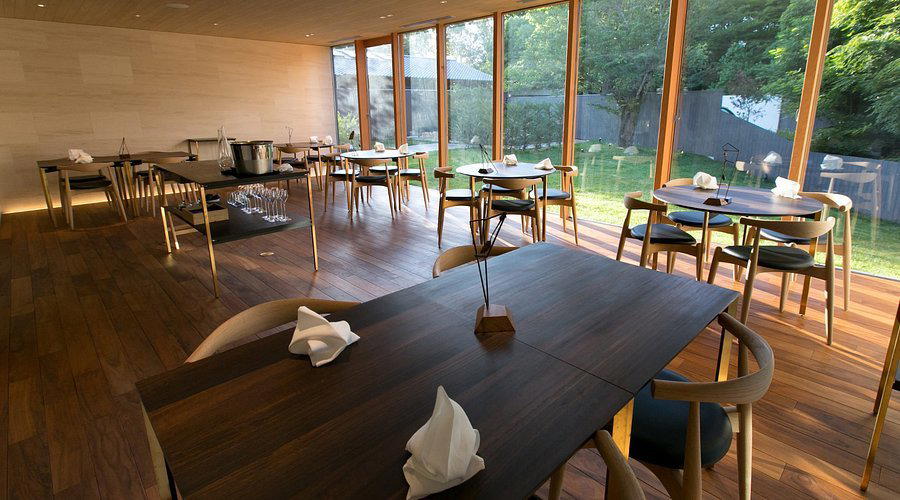




Bars in Nara
Browse all →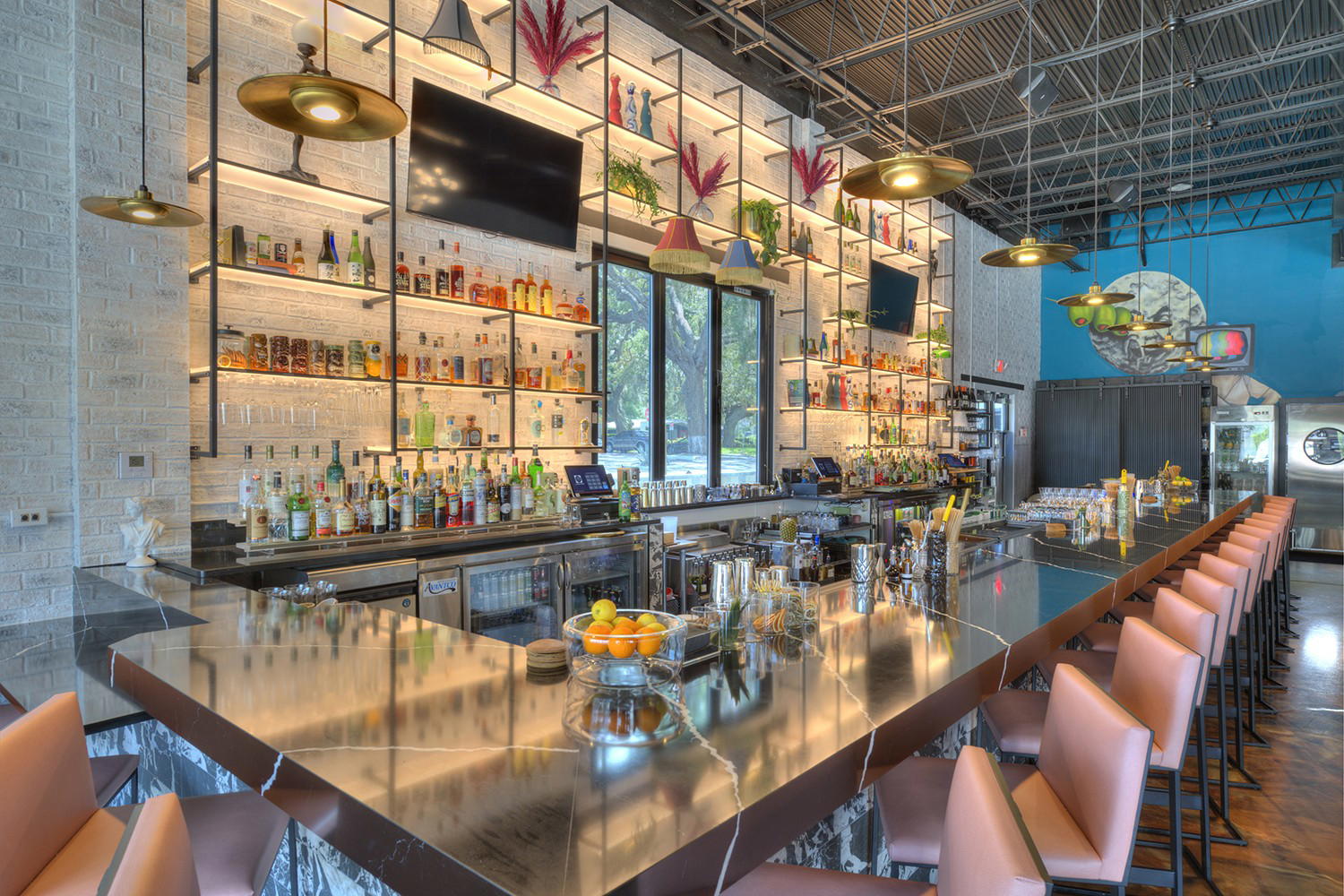
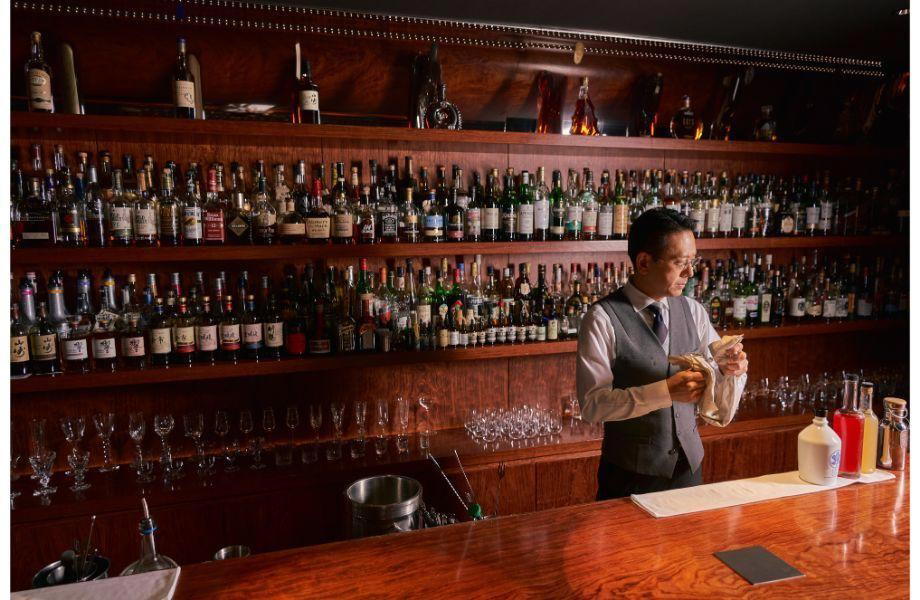


Hotels in Nara
Browse all →



Wineries in Nara
Browse all →
At a Glance
- Sophisticated
- Cozy
- Intimate
- Classic
- Date Night
- Group Dining
- Business Dinner
- Celebration
- Private Event
- Private Dining
- Standalone
- Sake Program
- Beer Program
- Local Sourcing
Current opening hours
- Monday
- 11 AM–10 PM
- Tuesday
- 11 AM–10 PM
- Wednesday
- 11 AM–10 PM
- Thursday
- 11 AM–10 PM
- Friday
- 11 AM–10 PM
- Saturday
- 11 AM–10 PM
- Sunday
- 11 AM–10 PM
Hours can change for holidays and private events. Last verified .
A polished, relaxed Japanese dining room with a private, intimate feel and a focus on a calm, celebratory meal.