
Dim Sum Library in Admiralty sits in a different register from Hong Kong's traditional yum cha houses, applying a more considered, modern approach to the form. Ranked #147 on Opinionated About Dining's Casual Asia list for 2025 and holding,000 reviews, it represents the city's appetite for dim sum that moves beyond the trolley-cart past without abandoning the canon.
Pearl is the En Primeur Club membership app — saves, bookings, and concierge access live there. Same editors, same standards.
- Address
- Shop 124, Queensway, Admiralty, Hong Kong
- Phone
- +852 3643 0088
- Website
- dimsumlibrary.com.hk
- Directions
- Get directions
 Saves & bookings on Pearl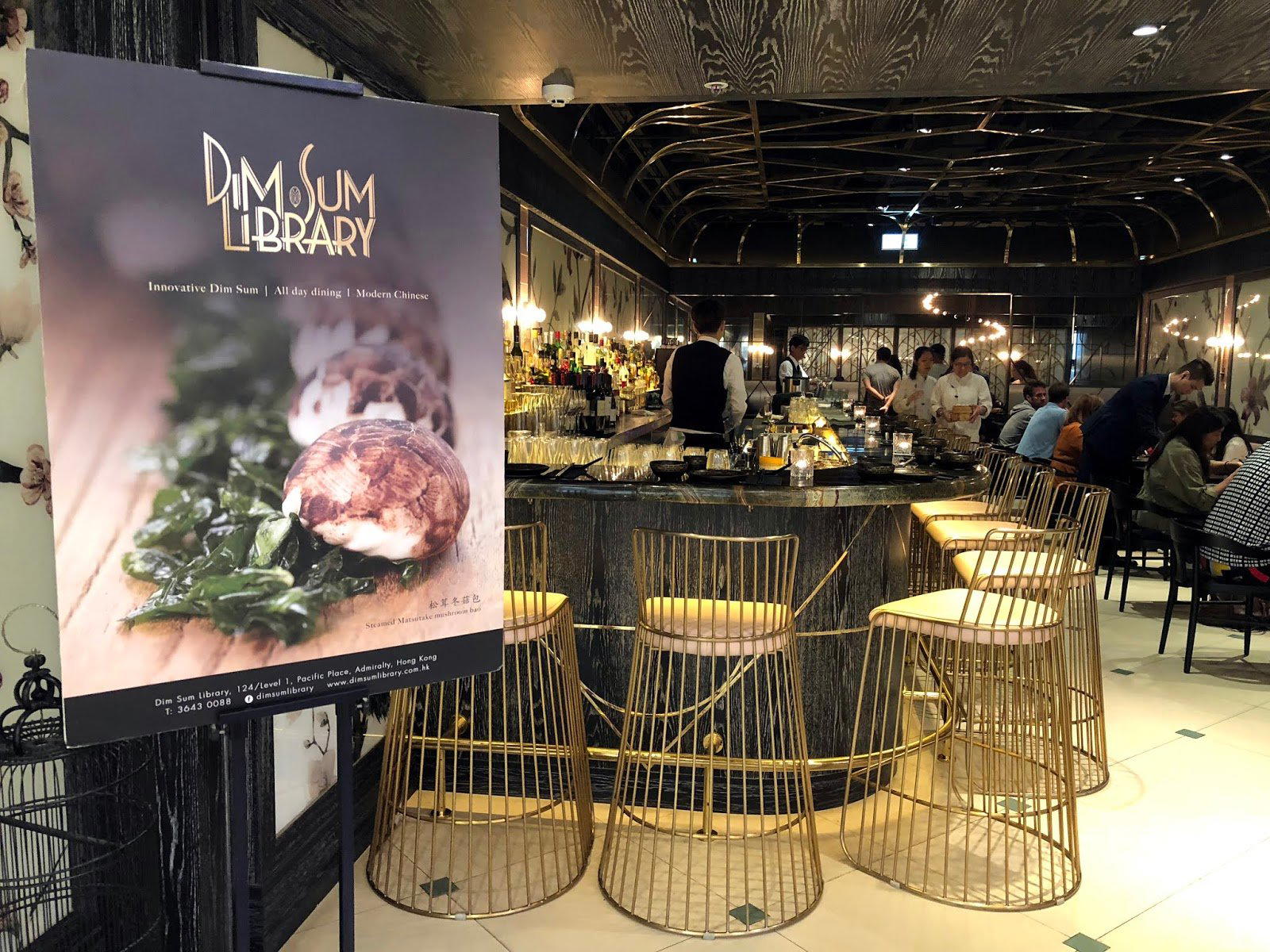
Admiralty's Approach to the Dim Sum Counter
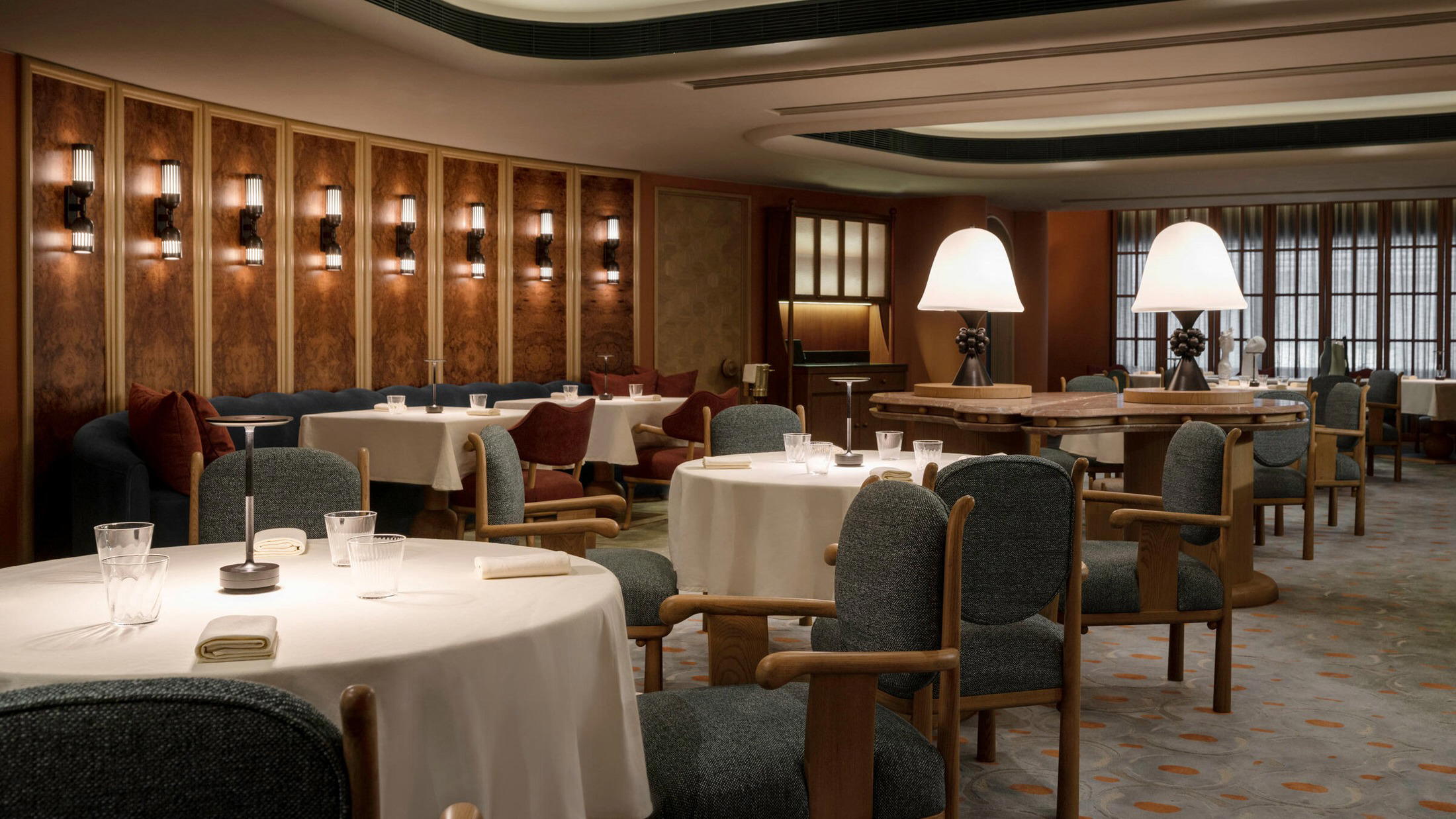
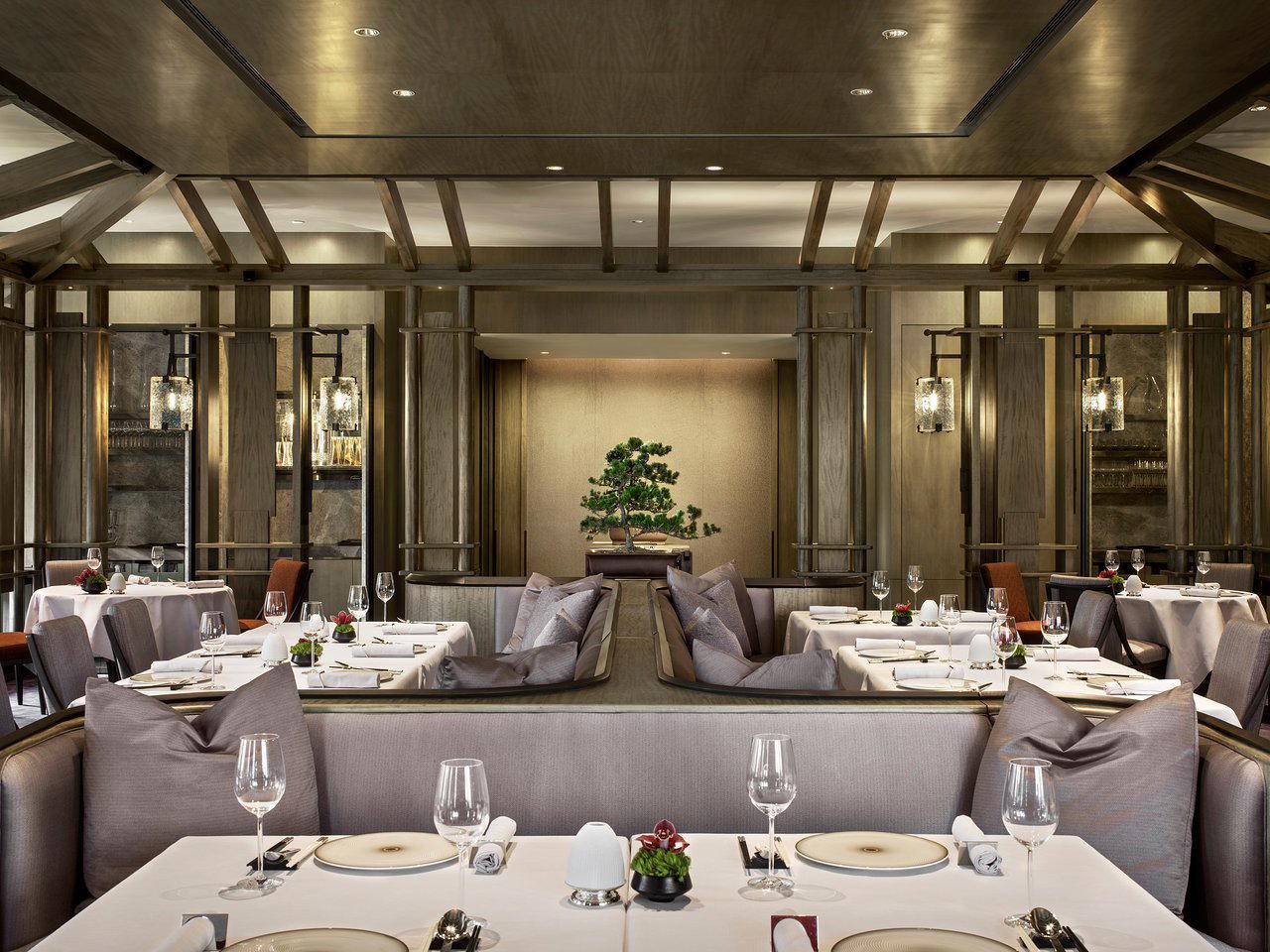
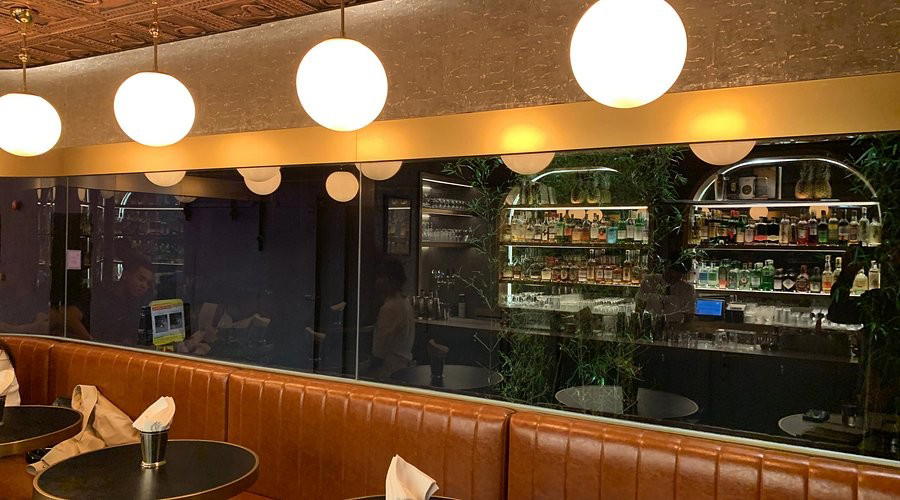
Queensway, the commercial artery running through Admiralty, is not where most visitors expect to find a dim sum room worth a detour. The address, Shop 124 in the Pacific Place complex, places Dim Sum Library inside one of Hong Kong's most polished retail and dining environments. The room is composed rather than frenetic, with a finish that reads closer to a contemporary hotel dining room than the high-volume, steam-trolley houses that defined the category for decades.
Hong Kong dim sum has always occupied a broad spectrum. At one end sit the institutional houses in Jordan and Sheung Wan, where the ritual of yum cha, tea, noise, crowds, and carts rattling between tightly packed tables, remains essentially unchanged from the mid-twentieth century. At the other end, a smaller tier of modern rooms has emerged over the past fifteen years, applying the precision and presentation vocabulary of fine dining to a form that historically valued generosity and pace over refinement. Dim Sum Library belongs to that second cohort, and the Pacific Place location anchors it firmly in the Admiralty business and hotel district, where the audience skews toward professionals, hotel guests, and visitors who want something more considered than a 7am breakfast queue in Sham Shui Po.
The Evolution of the Form
The shift Dim Sum Library represents did not happen overnight. Hong Kong's modern dim sum movement gained momentum in the early 2010s, driven by a premium placed on refinement and consistency over volume. Venues began treating the har gow and siu mai not as assembly-line items but as objects of technique, measuring skin thickness in millimetres, sourcing specific shrimp grades, thinking about temperature and timing in ways that the trolley format made impossible. The restaurant entered this environment and has refined its position through iteration, adjusting its format and market positioning over time to sit in what is now a recognisable mid-to-premium tier: more technically ambitious than the traditional teahouses, but accessible enough to serve a midweek lunch crowd without the ceremony of a Michelin tasting room.
That positioning is confirmed by its 2025 ranking on the Opinionated About Dining Casual Asia list at #147, a credentialing system that explicitly targets dining experiences outside the white-tablecloth tier. The OAD Casual Asia placement places the restaurant in a competitive set that includes recognisable names across the region. For a dim sum room in a shopping mall in Admiralty, that recognition reflects genuine consistency over time rather than novelty.
What the Google Record Tells You
At that sample size, ratings tend to stabilise around a honest mean rather than being skewed by a handful of enthusiastic early adopters. The 4.1 figure reflects a room that delivers reliably without inspiring uniform rapture, which is an accurate description of where premium casual dim sum sits in Hong Kong's dining hierarchy. It is not competing with Amber or 8½ Otto e Mezzo Bombana for transcendence; it is competing against other mid-premium dim sum rooms for consistency, technique, and environment. On those terms, the rating holds.
The volume of reviews also confirms that this is not a low-traffic specialist. Nearly 1,000 opinions suggest a room that sees real footfall across both the lunch and dinner windows, with Saturday and Sunday mornings, when the venue opens at 10:30 am rather than the weekday 11:30 am, drawing the heavier weekend yum cha crowd. That earlier Saturday and Sunday opening is a practical signal: the kitchen is calibrated for a breakfast dim sum service, which remains the highest-stakes format in the category.
Sitting Within the Hong Kong Dim Sum Spectrum
Understanding where the restaurant sits requires a brief map of the competition. The accessible end of Hong Kong dim sum is represented by venues like Tim Ho Wan in Sham Shui Po, which built its reputation on extraordinary value and a short, focused menu. The more playful, Instagram-friendly tier is occupied by rooms like Yum Cha, where creative dim sum presentations attract a younger, more social crowd. Lulu Baobao represents another modern interpretation, leaning into a different set of influences. The restaurant occupies a quieter middle ground, more refined than the value houses, less theatrical than the creative-format venues, which gives it a distinct audience without necessarily generating the same level of street-level buzz.
The dim sum tradition extends well beyond Hong Kong, and the regional variations are instructive. Hongtu Hall in Guangzhou represents the Cantonese source tradition, while venues like Wu You Xian in Shanghai and Da Hu Chun on Middle Sichuan Road show how the form adapts across different Chinese culinary contexts. Further afield, Bao Teck Tea House in George Town, Chuan Mu Yuan in Taipei, Hang Zhou Xiao Long Bao in Da'an, Dim Tao in Busan, and Goobok Mandu in Seoul all demonstrate how dumpling and small-plate traditions have migrated and mutated across East and Southeast Asia. Against that regional spread, Hong Kong remains the category's most competitive single market, which makes a sustained OAD Casual ranking here more meaningful than the same placement in a less contested city.
Planning a Visit
The restaurant operates seven days a week, with weekday service running from 11:30 am to 10 pm and weekend service starting an hour earlier at 10:30 am. The Admiralty location is well-served by the MTR, Admiralty station connects directly to Pacific Place, making access from Central, Wan Chai, or Causeway Bay direct. The dinner window is an option that many traditional dim sum houses do not offer, and the 10 pm closing time across the full week gives the restaurant a flexibility that suits the Admiralty business crowd better than most of its category peers.
- Black Truffle Shrimp Dumplings
- Wagyu Beef Crisps
- Dandan Soup Dumplings
- Lobster Bao
- Iberico Pork Fried Rice
- Oolong Creme Brulee
Compact Comparison
Comparable venues nearby, for context on price, style, and recognition.
| Venue | Cuisine | Price | Notes |
|---|---|---|---|
| Dim Sum LibraryThis venue — the venue you are viewing | Central, Modern Cantonese Dim Sum | $$$ | Not listed |
| Lee Lo Mei | Central, Modern Cantonese Fusion | $$$ | Not listed |
| The Royal Garden Chinese Restaurant | Yau Tsim Mong South, Authentic Cantonese | $$$ | Not listed |
| Under Bridge Spicy Crab | Not listed | $$$ | Wan Chai, Cantonese Typhoon Shelter Seafood |
| Big JJ Seafood Hotpot | Not listed | $$$ | Central, Hong Kong-style seafood hotpot & wine bar |
| Ming Court | Not listed | $$$$ | Wan Chai, Authentic Cantonese Fine Dining |
Recognition history
Dated appearances from independent guides and award organizations, with the underlying list record or original source where available.
Opinionated About Dining Casual in Asia Highly Recommended
Opinionated About Dining
Opinionated About Dining Casual in Asia Ranked #147
Opinionated About Dining
Continue exploring
More in Hong Kong
Restaurants in Hong Kong
Browse all →
Bars in Hong Kong
Browse all →
At a Glance
- Modern
- Elegant
- Trendy
- Sophisticated
- Business Dinner
- Group Dining
- Celebration
- Special Occasion
- Date Night
- Open Kitchen
- Design Destination
- Craft Cocktails
Current opening hours
- Monday
- 11:30 AM–10 PM
- Tuesday
- 11:30 AM–10 PM
- Wednesday
- 11:30 AM–10 PM
- Thursday
- 11:30 AM–10 PM
- Friday
- 11:30 AM–10 PM
- Saturday
- 10:30 AM–10 PM
- Sunday
- 10:30 AM–10 PM
Hours can change for holidays and private events. Last verified .
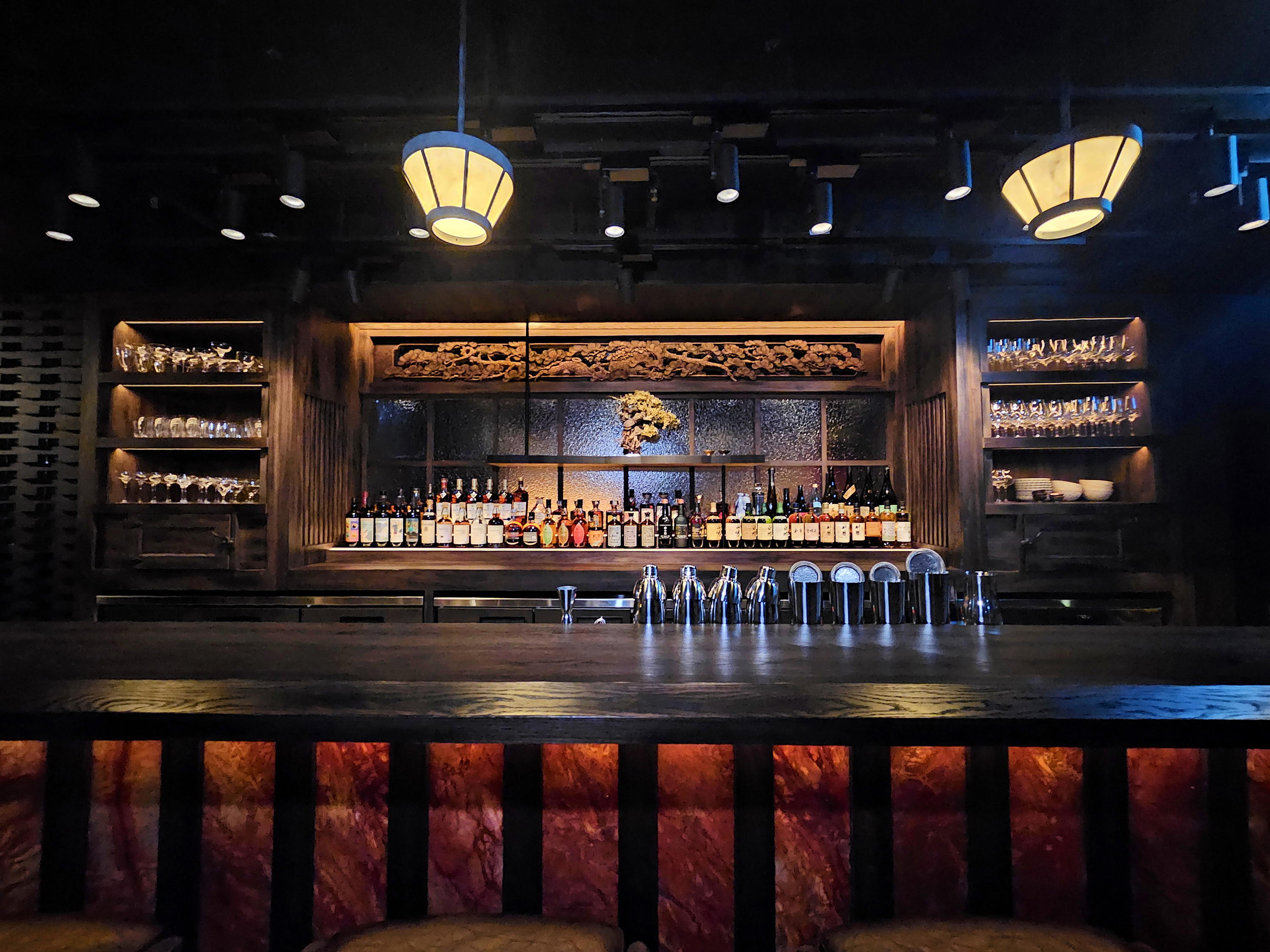
Moody, intimate interior with speakeasy vibes; elegant Oriental design with Shanghai twist; dim lighting without windows; sophisticated and refined atmosphere with a long counter displaying fresh dishes.