Goobok Mandu

Goobok Mandu brings dim sum to Yongsan District at a price point that sits well below Seoul's starred dining tier, with back-to-back Michelin Bib Gourmand recognition in 2024 and 2025 confirming its standing among the city's most consistent value-focused kitchens. For dim sum in Seoul, it occupies a specific and well-earned position.
Pearl is the En Primeur Club membership app — saves, bookings, and concierge access live there. Same editors, same standards.
- Address
- 7 Duteopbawi-ro, Yongsan District, Seoul, South Korea
- Phone
- +82 2-797-8656
- Website
- goobokmandoo.modoo.at
- Directions
- Get directions
 Saves & bookings on Pearl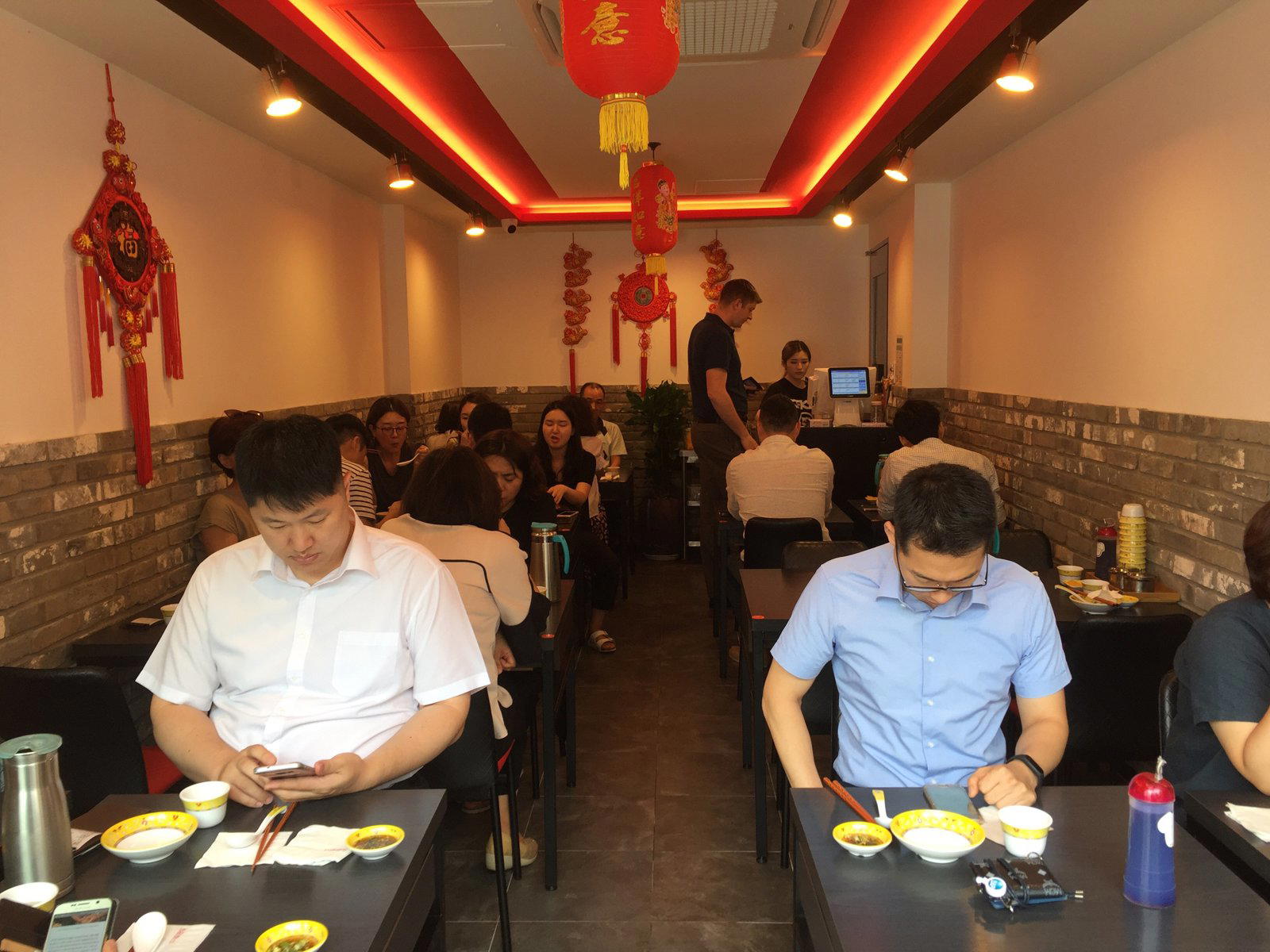
A Yongsan Counter Worth Tracking
Goobok Mandu is a restaurant in Seoul's Yongsan District serving Traditional Chinese Dumplings, with Michelin Bib Gourmand recognition in 2024 and 2025. Duteopbawi-ro is not the address most visitors reach for first. Yongsan District is more often associated with the electronics markets near the station or the sprawling riverside parks further south, and yet pockets of the neighbourhood carry a quieter, more residential dining energy than the headline corridors of Itaewon or Gangnam. Goobok Mandu sits at number 7 on that street, a small-format venue in a part of the city where dim sum is not the default cuisine and where the Michelin Bib Gourmand sticker on the door arrives, for some visitors, as a genuine surprise.
Dim sum in Seoul occupies an interesting structural position. The city's Cantonese and Chinese-adjacent dining tier has grown considerably in the past decade, but it still sits in a different register from Seoul's dominant fine-dining categories: the contemporary Korean rooms, the tasting-menu format venues, and the precision-led counter restaurants that tend to attract the starred recognition. Bib Gourmand placement is not a consolation bracket; it is Michelin's explicit signal that a kitchen delivers meaningful quality at a price point that does not require a credit card strategy. At the ₩ price tier, Goobok Mandu is accessible in a way that most awarded Seoul restaurants are not.
The Arc of a Dim Sum Sitting
Dim sum as a format is inherently progressive. Unlike the à la carte logic of many Seoul restaurants, or the fixed-sequence tasting menus that define venues like Mingles or alla prima, the dim sum sitting has its own internal rhythm: lighter, steamed parcels tend to lead, giving way to baked or fried formats, then to heartier dumplings and rice dishes. The meal builds textural complexity across its arc rather than through a kitchen's choreographed progression, and the diner's own sequencing choices shape the experience.
That format distinction matters particularly in Seoul, where the dominant tasting-menu culture can make multi-course eating feel like a passive experience. A dim sum sitting at a venue like Goobok Mandu is active in a different way: the table negotiates its own order of events. That volume reflects sustained, repeat traffic rather than a single wave of post-award visitors, which in a city as food-literate as Seoul is the more meaningful signal.
For context on what dim sum looks like at different price points and formats across East and Southeast Asia, the contrast between the restaurant's neighbourhood accessibility and the more formal environment at, say, Hongtu Hall in Guangzhou or the older tearoom tradition at Bao Teck Tea House in George Town illustrates how wide the category actually runs. Seoul's version skews toward the casual end of that spectrum, which suits the neighbourhood.
Where This Sits in Seoul's Value Tier
Seoul's awarded dining scene is heavily weighted toward the upper price brackets. The Michelin one-star and above contingent, venues like Gaon, Kwonsooksoo, or Kwon Sook Soo in Gangnam-gu, operates in the ₩₩₩₩ tier, which positions them as occasion dining or destination restaurant choices rather than neighbourhood options. Bib Gourmand venues occupy the gap between street food and formal dining, and in a city where that gap is genuinely wide, they play a structural role in the awarded tier that is easy to underestimate.
Back-to-back Bib Gourmand recognition in 2024 and 2025 confirms the restaurant's consistency rather than novelty. A single-year inclusion can reflect a strong season or a reviewer's first visit; consecutive recognition indicates the kitchen has maintained its standard across two annual assessment cycles. That consistency at the ₩ price point, in a category that is not natively Korean, is a meaningful credential.
Chef Theodor W. Rupprecht is an unusual name in a Seoul dim sum kitchen, and it functions here as a data point about the international culinary circulation that has shaped Seoul's restaurant scene over the past fifteen years rather than as a biographical subject. Seoul has attracted and retained chefs from circuits that once defaulted to Tokyo, Hong Kong, or Singapore, and the city's lower-tier awarded venues increasingly reflect that diversity of training backgrounds.
Getting There and Planning Your Visit
The Duteopbawi-ro address places the restaurant in the quieter residential and mixed-use section of Yongsan, reachable from Noksapyeong or Itaewon stations on Line 6, both within a short walk. The surrounding streets are less tourist-facing than Itaewon's main strip, which means the venue draws primarily from a local and repeat-visit customer base rather than from passing foot traffic.
Given the Bib Gourmand profile and the volume of reviews, demand is consistent enough that arriving without a plan, particularly at weekend lunch when dim sum attendance typically peaks in Seoul, carries a real risk of a long wait or no seat. Visitors combining the restaurant with broader Yongsan or Itaewon explorations should treat it as an anchor point around which to plan timing rather than a spontaneous addition to the day.
For those building a broader Seoul itinerary around awarded dining at different price points, pairing a restaurant lunch with an evening at a mid-tier starred venue covers the range efficiently. For Korean dining at more comparable price points and formats in other parts of the country, Mori in Busan and Baegyangsa Temple in Jangseong-gun offer regional contrasts worth noting. Seoul's broader hospitality infrastructure, including experiences and wineries, rounds out the picture for longer stays.
For a different take on the dim sum format within Asia, Tim Ho Wan's Seoul outpost and Wu You Xian in Shanghai offer useful reference points on how the Cantonese dim sum tradition travels and adapts across different city contexts.
What People Recommend at Goobok Mandu
What do people recommend at Goobok Mandu?
What the Michelin Bib Gourmand recognitions for 2024 and 2025 confirm is that the kitchen is operating at a level Michelin inspectors regard as delivering strong quality for the price tier.
Peers in This Market
Comparable venues nearby, for context on price, style, and recognition.
| Venue | Cuisine | Price | Notes |
|---|---|---|---|
| Goobok ManduThis venue — the venue you are viewing | Traditional Chinese Dumplings | $ | Not listed |
| Jin Jin | Traditional Chinese | $$ | Seongsan-dong |
| Yurimmyeon | Traditional Korean Buckwheat Noodles | $ | Sajik-dong |
| Niroumianguan | Authentic Chinese Beef Noodle Soup | $$ | 가회동 |
| Yukjeon Hoekwan | Traditional Korean Bassak Bulgogi | $$ | 노고산동 |
| ALT.a | Vegan Korean-Chinese Fusion | $$ | 이태원동 |
Recognition history
Dated appearances from independent guides and award organizations, with the underlying list record or original source where available.
Michelin Plate
Michelin
Michelin Bib Gourmand
Michelin
Michelin Bib Gourmand
Michelin
Continue exploring
More in Seoul
Restaurants in Seoul
Browse all →

At a Glance
- Cozy
- Intimate
- Casual Hangout
- Solo
- Group Dining
- Open Kitchen
Current opening hours
- Monday
- 11 AM–11 PM
- Tuesday
- 11 AM–11 PM
- Wednesday
- 11 AM–11 PM
- Thursday
- 11 AM–11 PM
- Friday
- 11 AM–11 PM
- Saturday
- 11 AM–11 PM
- Sunday
- 11 AM–11 PM
Hours can change for holidays and private events. Last verified .
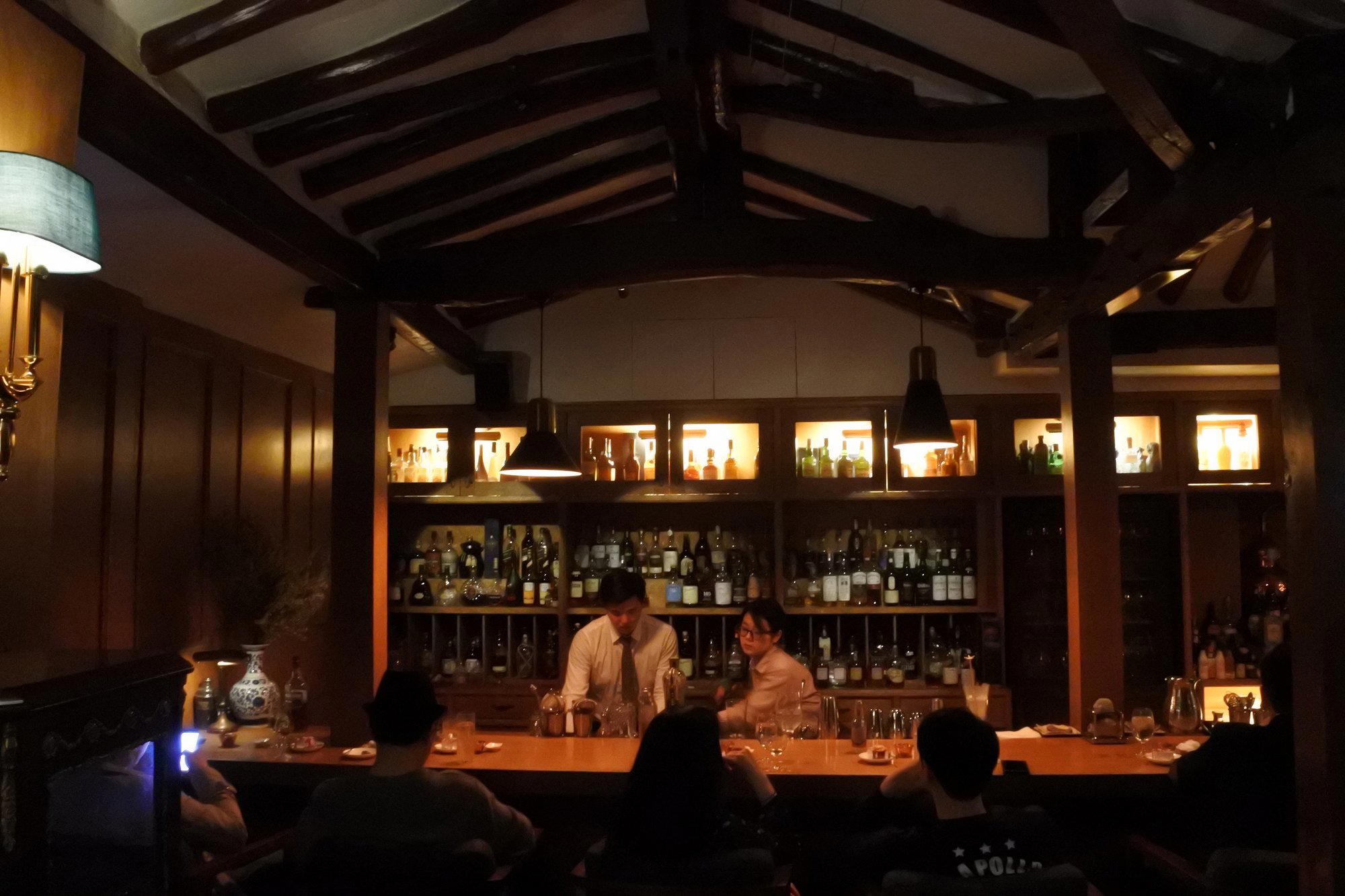
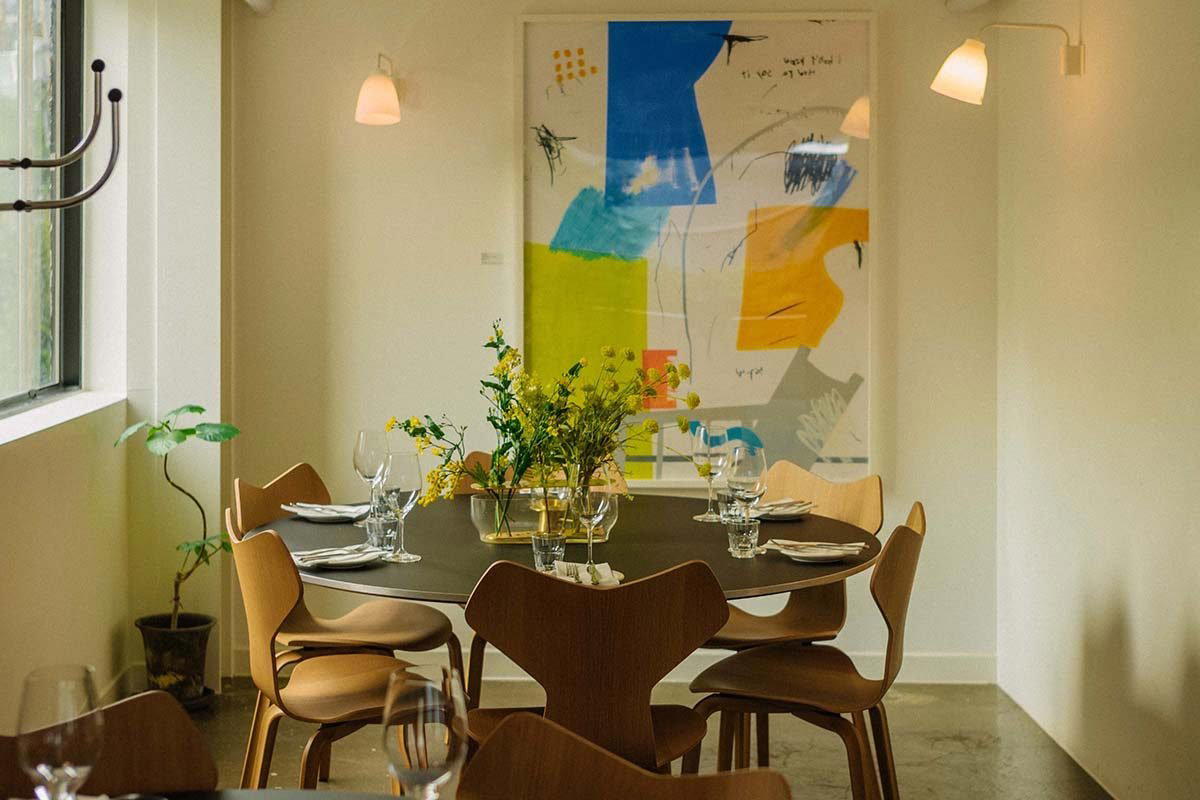
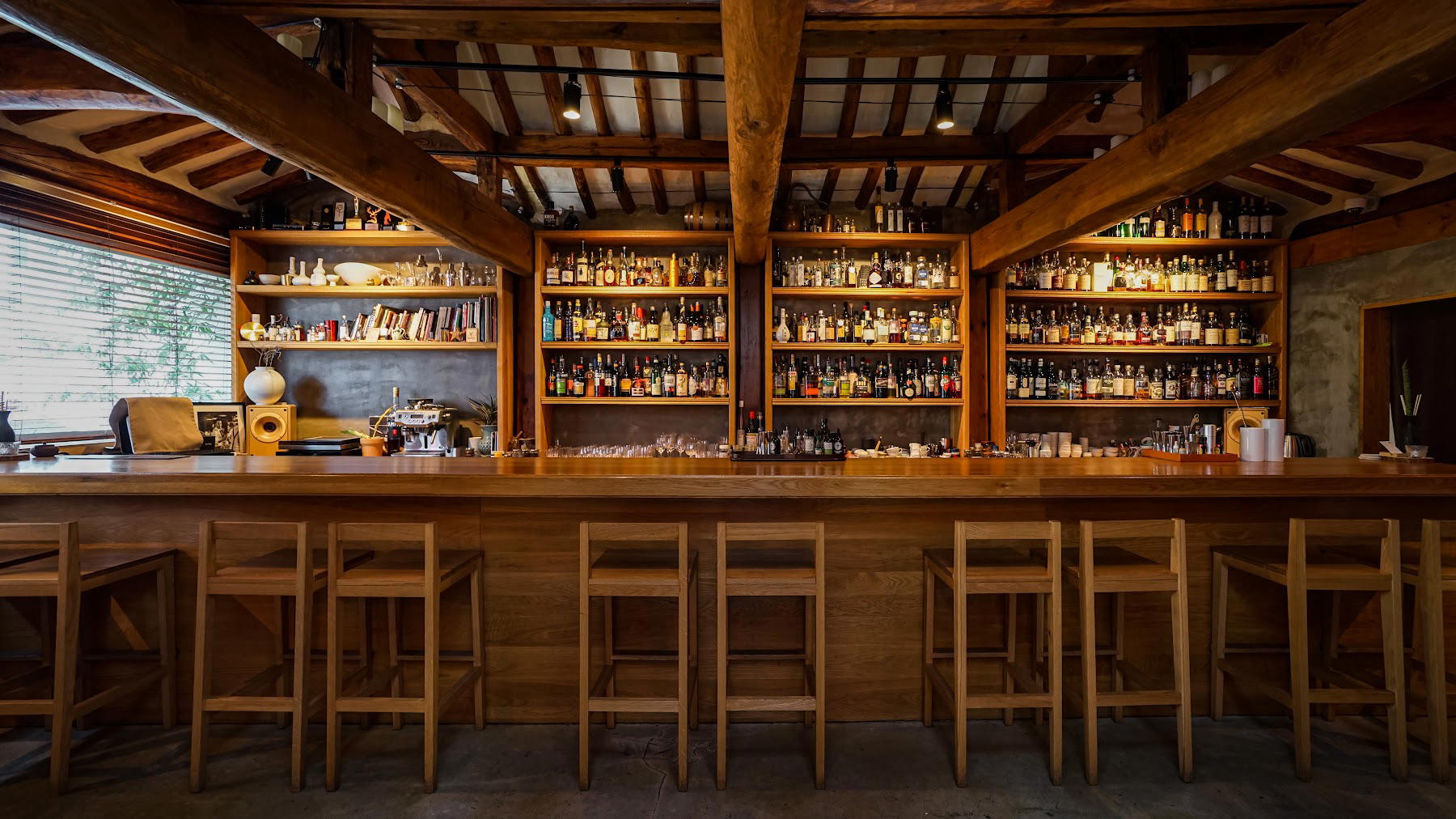
Simple, humble setting with minimal decor; small intimate space with 7-8 tables creating a casual, unpretentious atmosphere where diners focus on freshly steamed dumplings.