
Ranked #80 on Opinionated About Dining's Casual Asia list in 2024, Yum Cha occupies the second floor of Nan Fung Place in Central, serving dim sum across split lunch and dinner sittings every day of the week. It positions itself in the mid-to-upper tier of Hong Kong's Cantonese casual dining circuit, where technical execution and recognisable formats matter as much as setting.
Pearl is the En Primeur Club membership app — saves, bookings, and concierge access live there. Same editors, same standards.
- Address
- 2/F, Nan Fung Place Nan Fung Tower, 173 Des Voeux Rd Central, Central, Hong Kong
- Phone
- +852 3541 9710
- Directions
- Get directions
 Saves & bookings on Pearl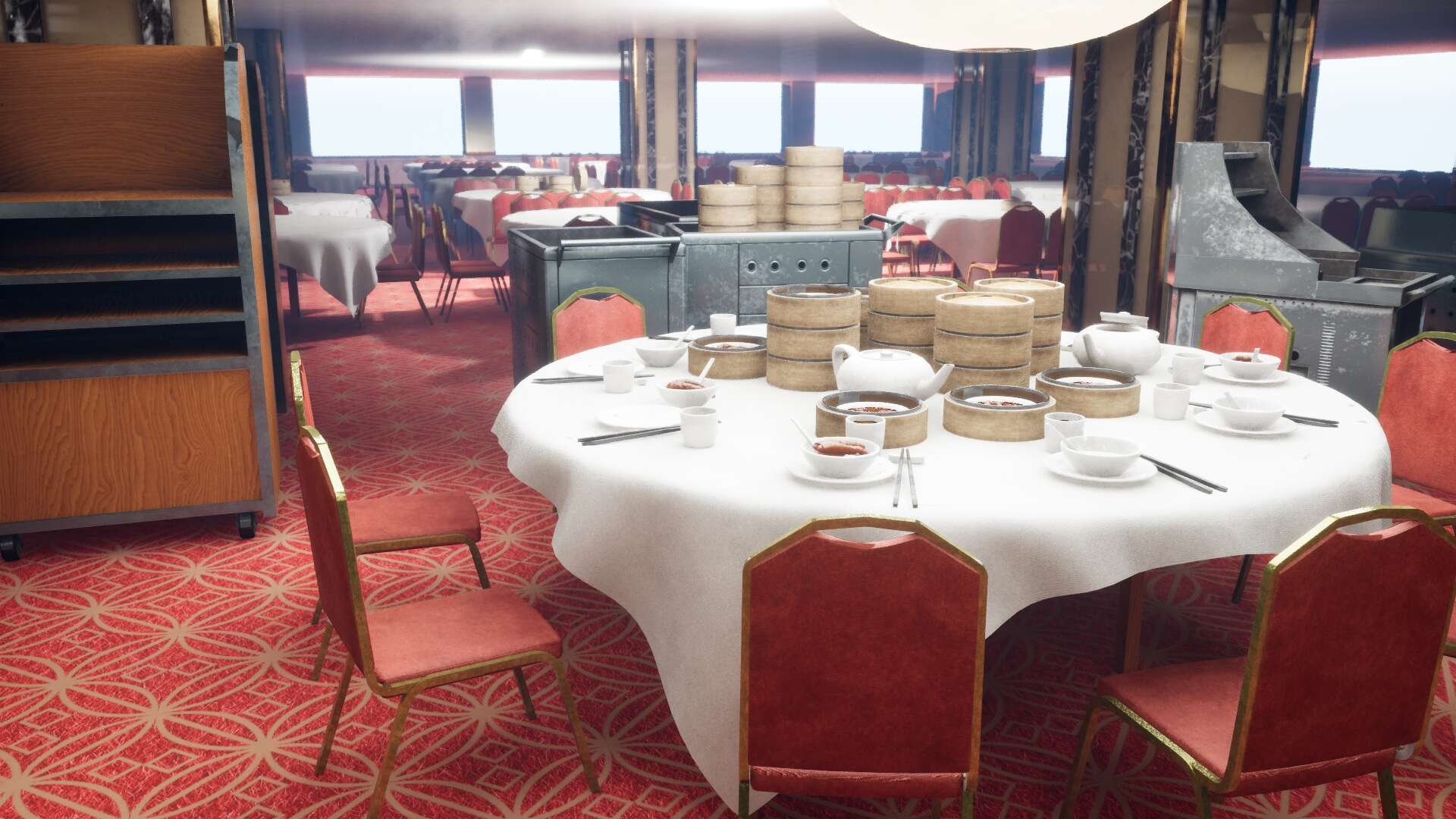
Central's Dim Sum Circuit and Where Yum Cha Sits Within It
Hong Kong's relationship with dim sum is not simply culinary habit; it is the organisational principle of a city's social mornings and midday hours. The yum cha tradition, meaning literally "drink tea," structures how families, colleagues, and business contacts negotiate time together across generations. In Central, that tradition operates under particular pressure: the district's concentration of office towers and high-rent retail means dim sum venues here must hold their own against a dense field of Cantonese institutions, hotel dining rooms, and fast-moving casual chains competing for the same lunch window. Yum Cha, on the second floor of Nan Fung Place at 173 Des Voeux Road Central, occupies a specific position in that field. Ranked #80 on Opinionated About Dining's Casual in Asia list for 2024, it sits in the recognised tier of the city's casual Cantonese circuit, competing on consistency and execution rather than spectacle.
Cantonese Dim Sum as a Distinct Culinary Register
To understand what the restaurant is doing, it helps to understand what Cantonese dim sum is and is not. Dim sum belongs firmly to the Cantonese culinary tradition of Guangdong province, distinct from the flour-wrapped dumplings of Shanghai's xiaolongbao culture, the spiced street snacks of Chengdu, or the rice-heavy tasting formats of Fujianese banquet cooking. The Cantonese approach prioritises lightness, restraint in seasoning, and textural precision: the skin of a har gow should be translucent, pliable but not gummy, thin enough to reveal the prawn filling without tearing on the bamboo. Char siu bao carries a specific balance between the sweetness of the barbecue pork and the yielding softness of its bun, baked or steamed depending on the house and the context. The dipping sauces, soy, chilli oil, XO, are condiments to a platform, not the platform itself. This discipline is what separates a serious dim sum kitchen from a volume operation, and it is within that framework that venues like Yum Cha are assessed by regulars and critics alike. For a broader view of how Hong Kong's Cantonese casual scene plays out across the city, see our full Hong Kong restaurants guide.
The Format and the Room
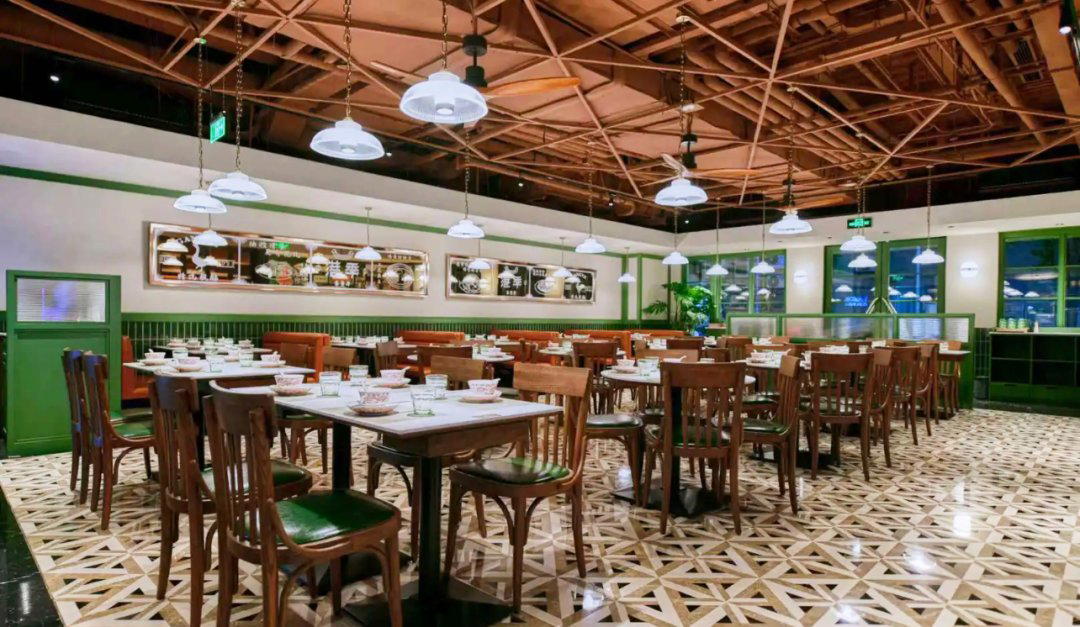
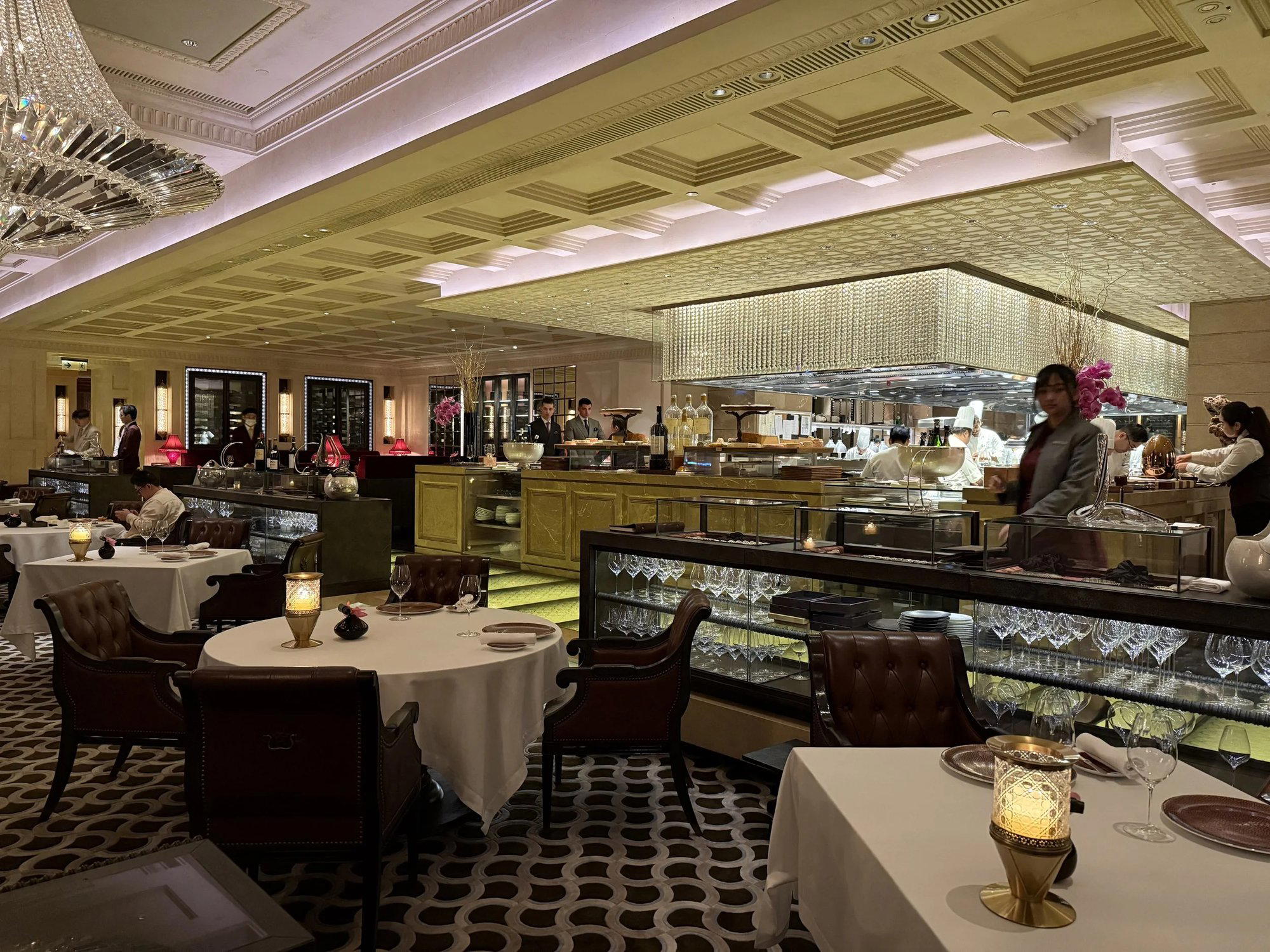
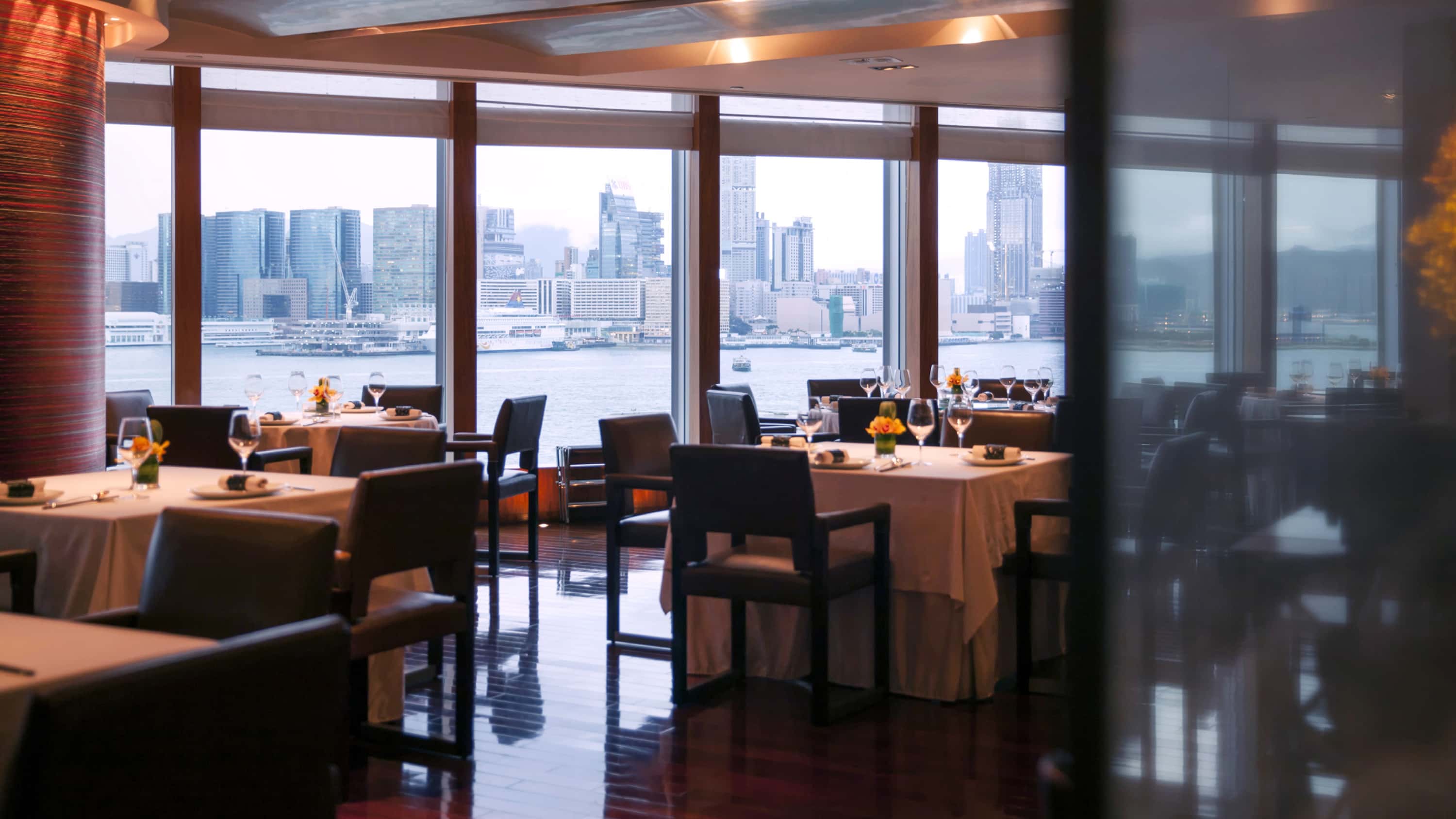
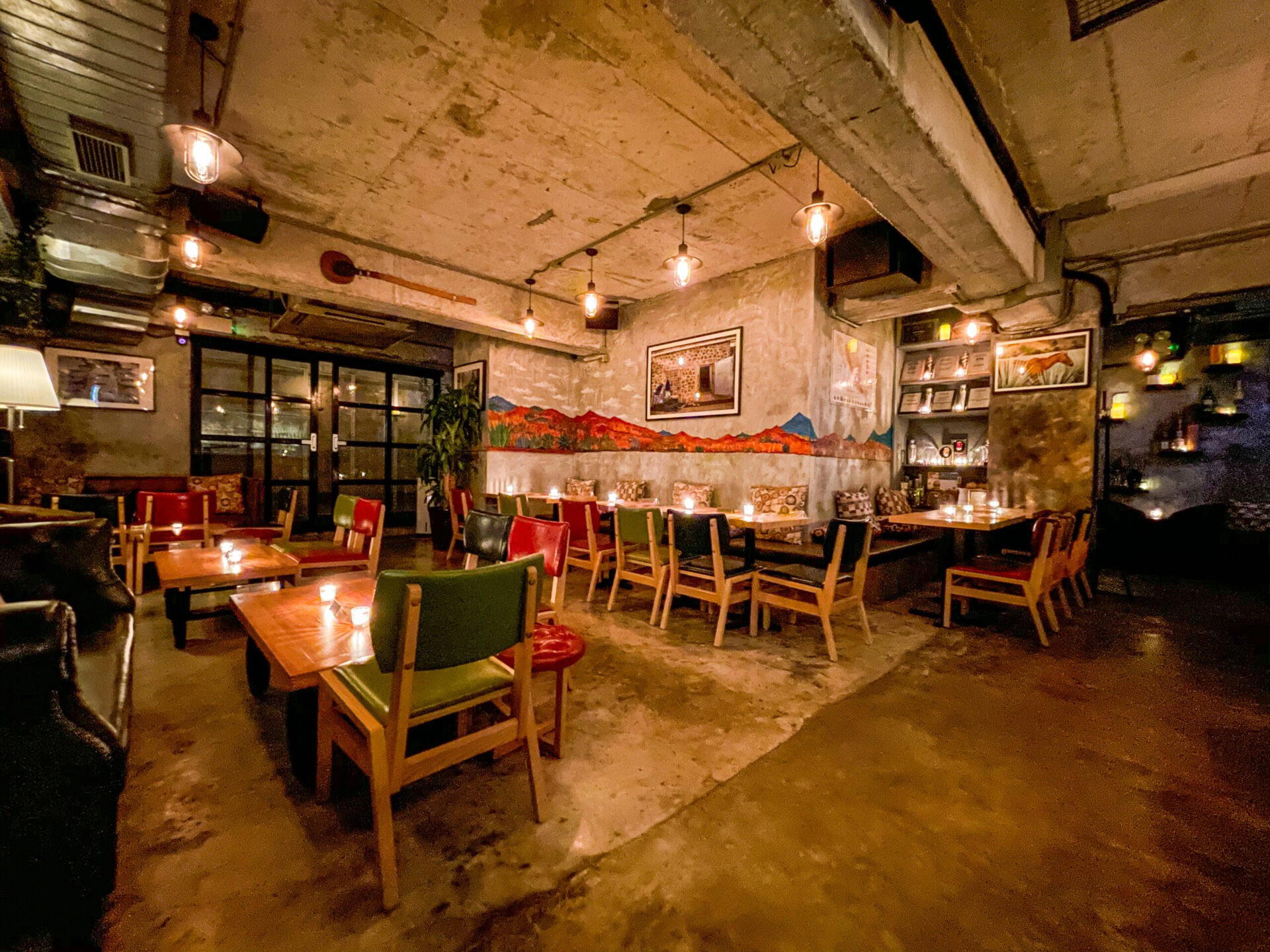
Nan Fung Place is a mixed commercial and retail development in the heart of Central, with the kind of daytime foot traffic that makes second-floor dining a practical rather than aspirational location. Approaching from Des Voeux Road, the building sits within easy reach of the financial district, and the lunch hour fills the room accordingly. The split-session format, lunch service running 11:30am to 3pm and dinner from 5:30pm to 10pm, seven days a week, mirrors the standard structure of the city's established dim sum houses, where the lunch sitting carries the greater weight of tradition and the dinner session represents a secondary, quieter register. This is the operational rhythm of serious Cantonese casual dining in Hong Kong: not an all-day canteen, but a disciplined two-sitting model that concentrates the kitchen's attention and signals how the venue positions itself in the market.
The restaurant sits in the same evaluative framework as recognised casual institutions across the region. For comparison with the wider dim sum circuit beyond Hong Kong, venues such as Hongtu Hall in Guangzhou, where the Cantonese origin tradition operates in its home province context, and Wu You Xian in Shanghai, where Cantonese dim sum competes on transplanted ground. Domestically, the Hong Kong circuit includes operations like Tim Ho Wan in Sham Shui Po, which anchors the accessible end of the recognised dim sum tier, and Dim Sum Library, which operates with a more contemporary presentation strategy. The restaurant's two consecutive OAD rankings suggest a stable level of execution over time.
How Yum Cha Compares Within Central's Dining Mix
Central is Hong Kong's most internationally legible dining district, home to multi-starred European kitchens, hotel fine dining, and a competitive mid-market of modern Asian restaurants. The comparison venues at the upper end of the district's range, including 8 1/2 Otto e Mezzo Bombana and Amber, operate in an entirely different register: long tasting menus, formal service, and price points that reflect a city of sustained fine dining investment. The restaurant's placement on the OAD Casual list signals that it competes within a different comparable set altogether, one where the criteria are accessibility, replicability across sittings, and fidelity to the Cantonese casual format.
For those tracing the dim sum tradition across Asian cities, the regional picture is broader than Hong Kong alone. Bao Teck Tea House in George Town represents the Straits Chinese adaptation of the Cantonese format; Chuan Mu Yuan in Taipei and Hang Zhou Xiao Long Bao in Da'an sit at the crossover between Cantonese and Shanghainese dumpling traditions. Further afield, Dim Tao in Busan and Goobok Mandu in Seoul illustrate how the broader dim sum format has migrated into Korean dining culture, while Da Hu Chun on Middle Sichuan Road in Shanghai shows what happens when Shanghainese sheng jian bao logic occupies the same cultural space as Cantonese the restaurant. Back in Hong Kong, Lulu Baobao represents a newer, more playful angle on the city's dim sum output.
Planning Your Visit
The restaurant operates both lunch and dinner sittings across the full week, which is notable for a serious Cantonese casual kitchen, many of the city's more traditional dim sum houses close between sittings or operate dinner as a secondary consideration. The Central location on Des Voeux Road puts it within a short walk of the MTR and the city's main financial and retail spine, making it practical for both midweek business lunches and weekend the restaurant sessions.
Category Peers
Comparable venues nearby, for context on price, style, and recognition.
| Venue | Cuisine | Price | Awards | Notes |
|---|---|---|---|---|
| Yum ChaThis venue — the venue you are viewing | Modern Cantonese Dim Sum | $$ | Not listed | Not listed |
| Lai's Kitchen | Cantonese Dai Pai Dong | $$ | Michelin Plate | Wan Chai |
| Sun Kwai Heung BBQ | Hong Kong-style Cantonese BBQ | $$ | Not listed | Chai Wan |
| Hong Zhou Restaurant | Authentic Hangzhou Chinese | $$ | Not listed | Wan Chai |
| Grand Majestic Sichuan | Modern Sichuan | $$$ | Not listed | Central |
| Kamcentre Roast Goose | Traditional Cantonese Roast Goose | $$$ | Not listed | Wan Chai |
Recognition history
Dated appearances from independent guides and award organizations, with the underlying list record or original source where available.
Opinionated About Dining Casual in Asia Ranked #138
Opinionated About Dining
Opinionated About Dining Casual in Asia Ranked #80
Opinionated About Dining
Opinionated About Dining Casual in Asia Ranked #87
Opinionated About Dining
Continue exploring
More in Hong Kong
More from Chef Various
Browse all →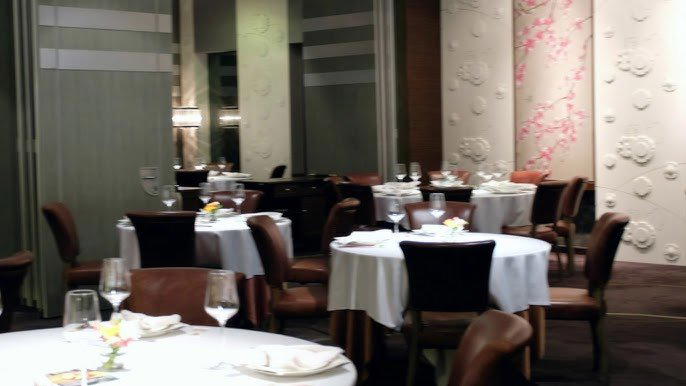
Restaurants in Hong Kong
Browse all →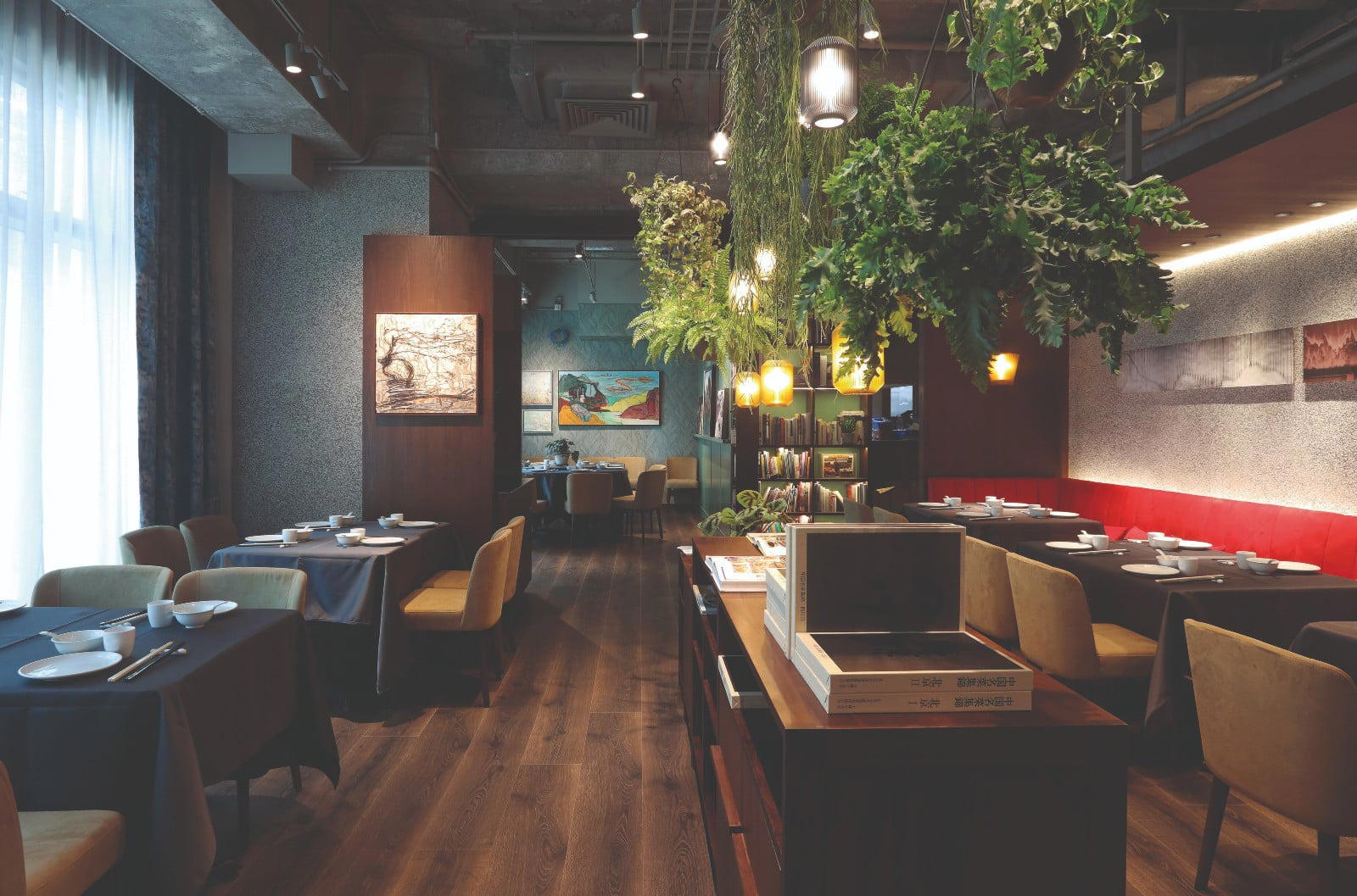
At a Glance
- Whimsical
- Trendy
- Modern
- Lively
- Family
- Group Dining
- Casual Hangout
- Open Kitchen
- Sake Program
- Street Scene
Current opening hours
- Monday
- 11:30 AM–3 PM, 5:30–10 PM
- Tuesday
- 11:30 AM–3 PM, 5:30–10 PM
- Wednesday
- 11:30 AM–3 PM, 5:30–10 PM
- Thursday
- 11:30 AM–3 PM, 5:30–10 PM
- Friday
- 11:30 AM–3 PM, 5:30–10 PM
- Saturday
- 11:30 AM–3:30 PM, 5:30–10 PM
- Sunday
- 11:30 AM–3:30 PM, 5:30–10 PM
Hours can change for holidays and private events. Last verified .
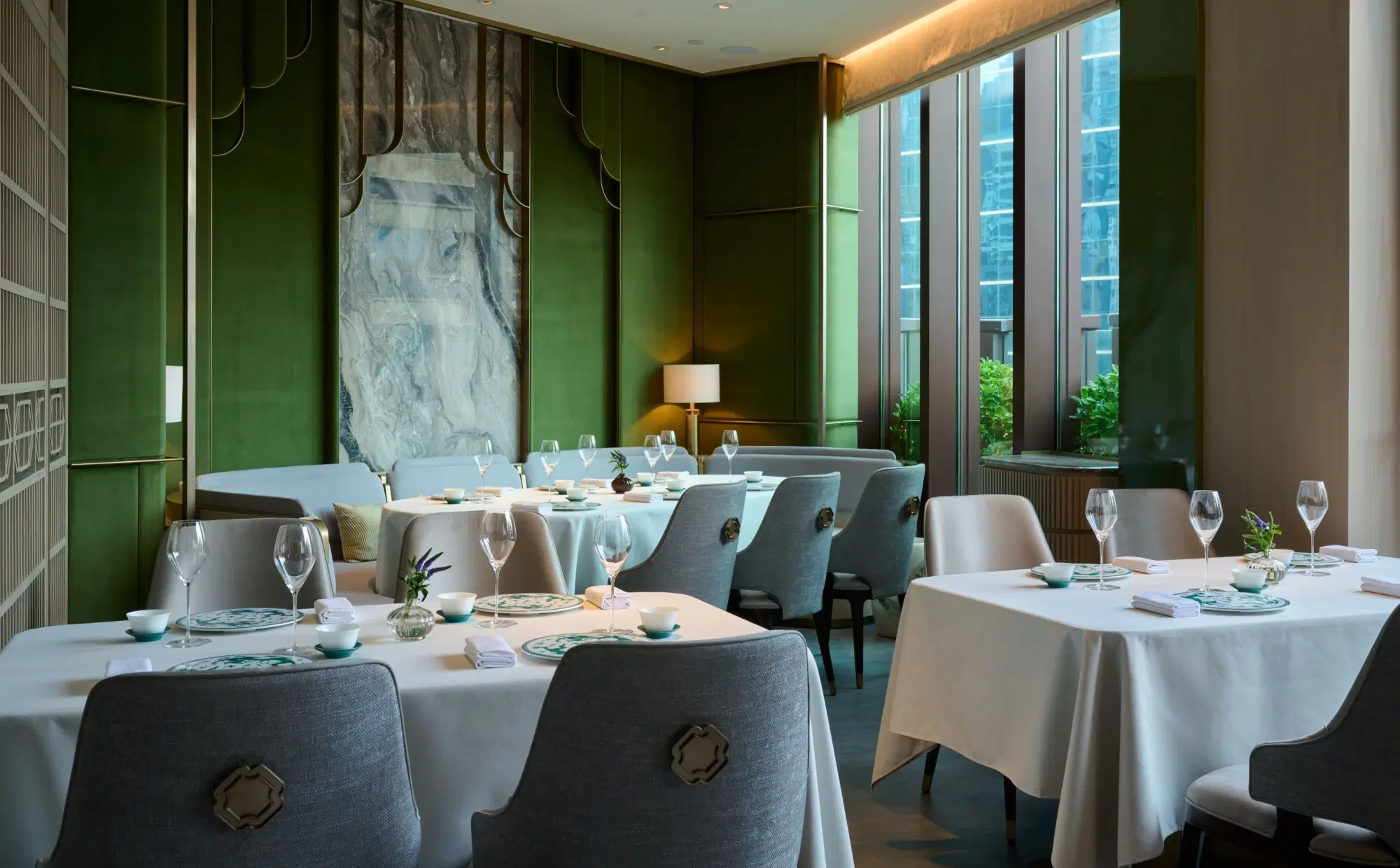
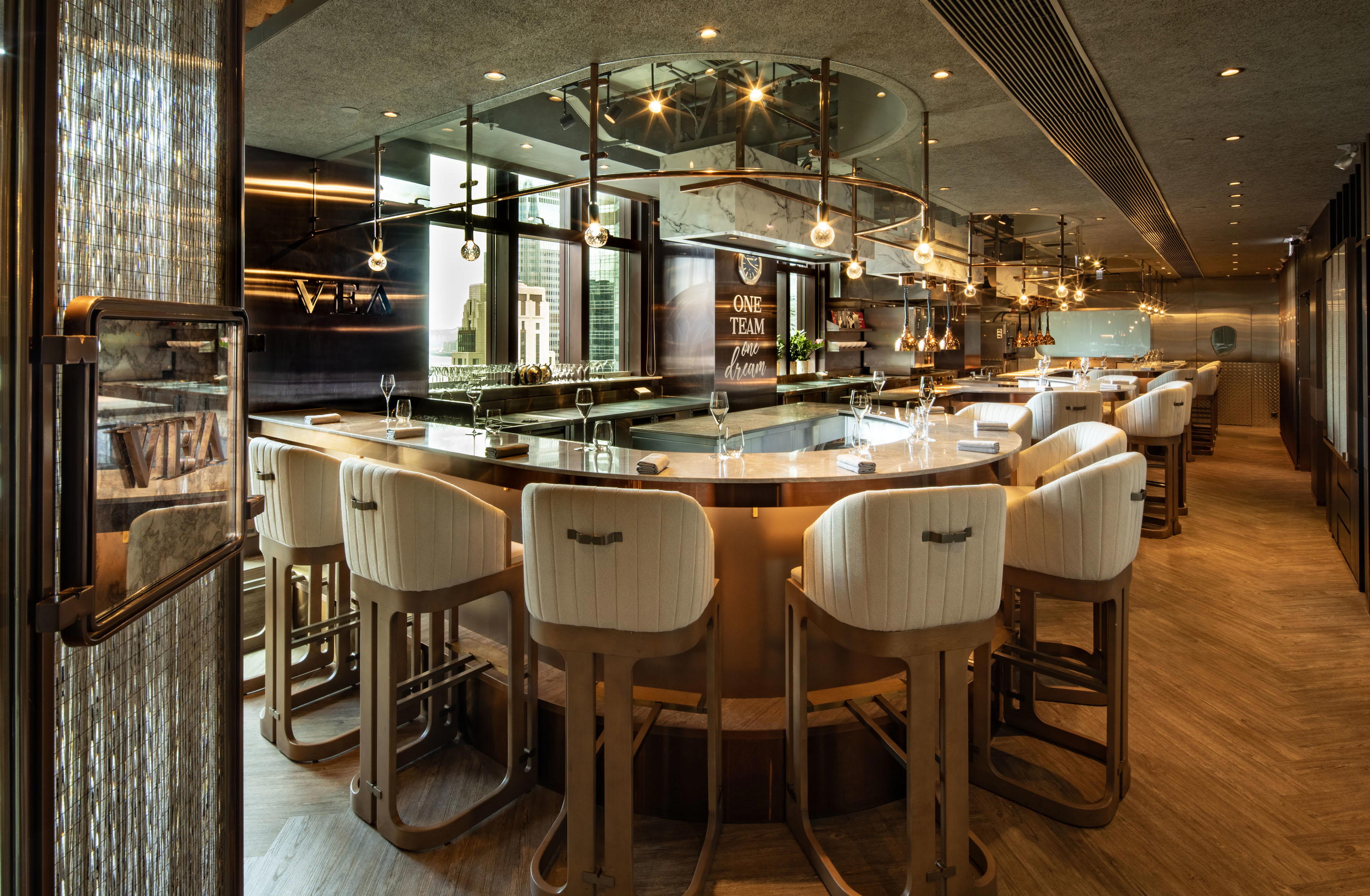
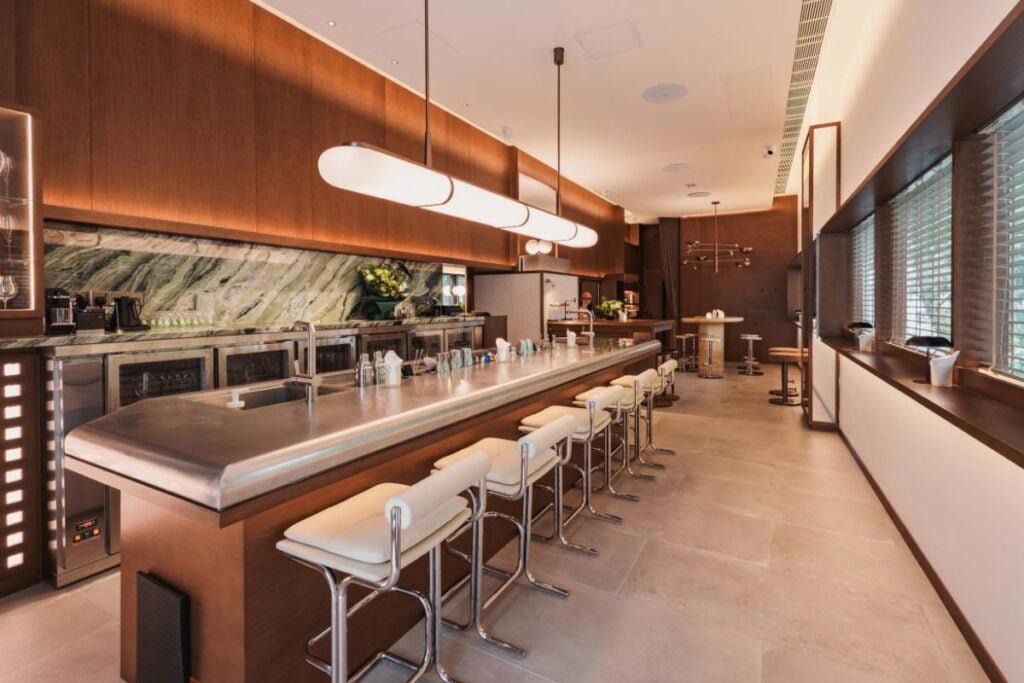
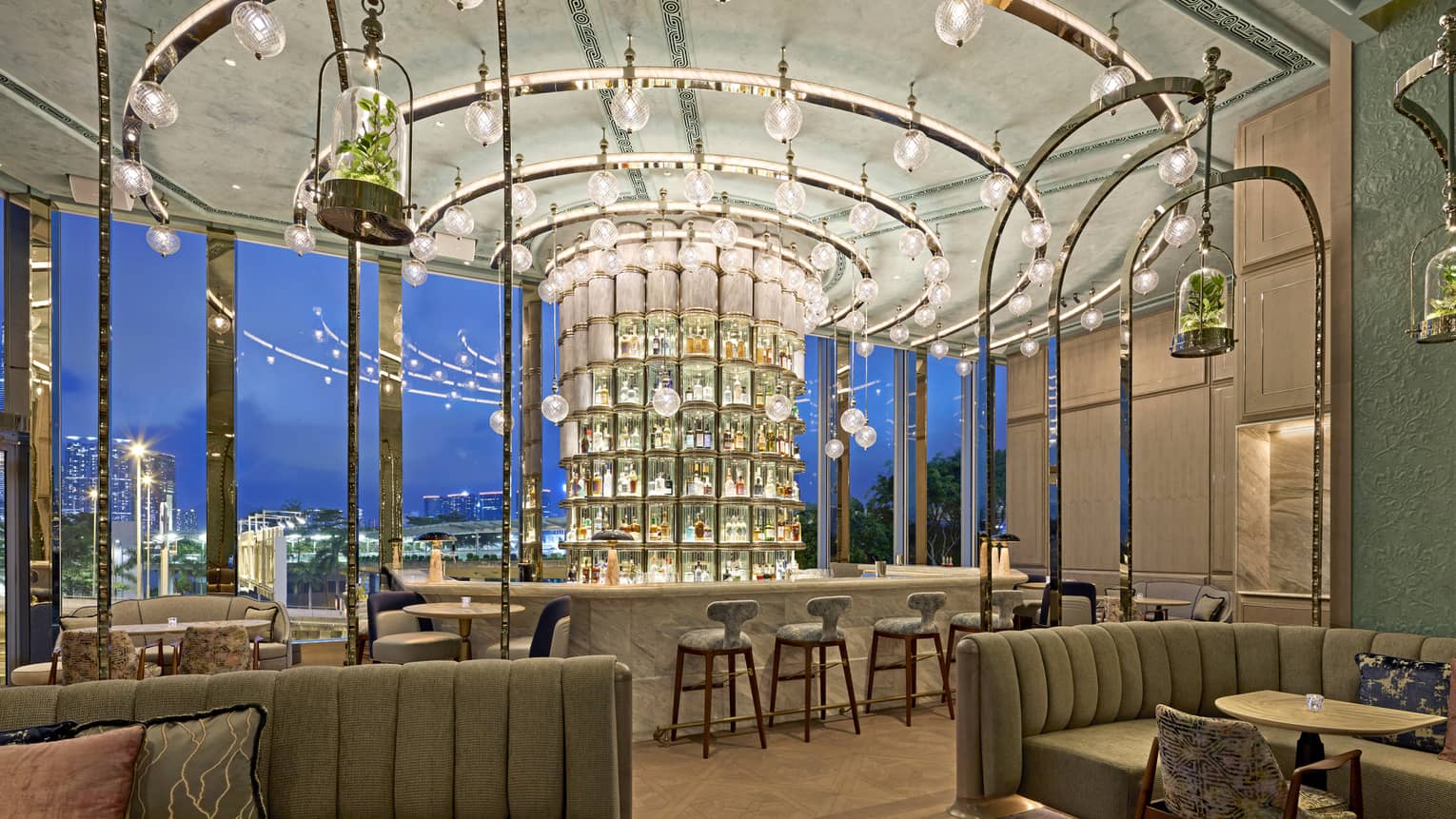
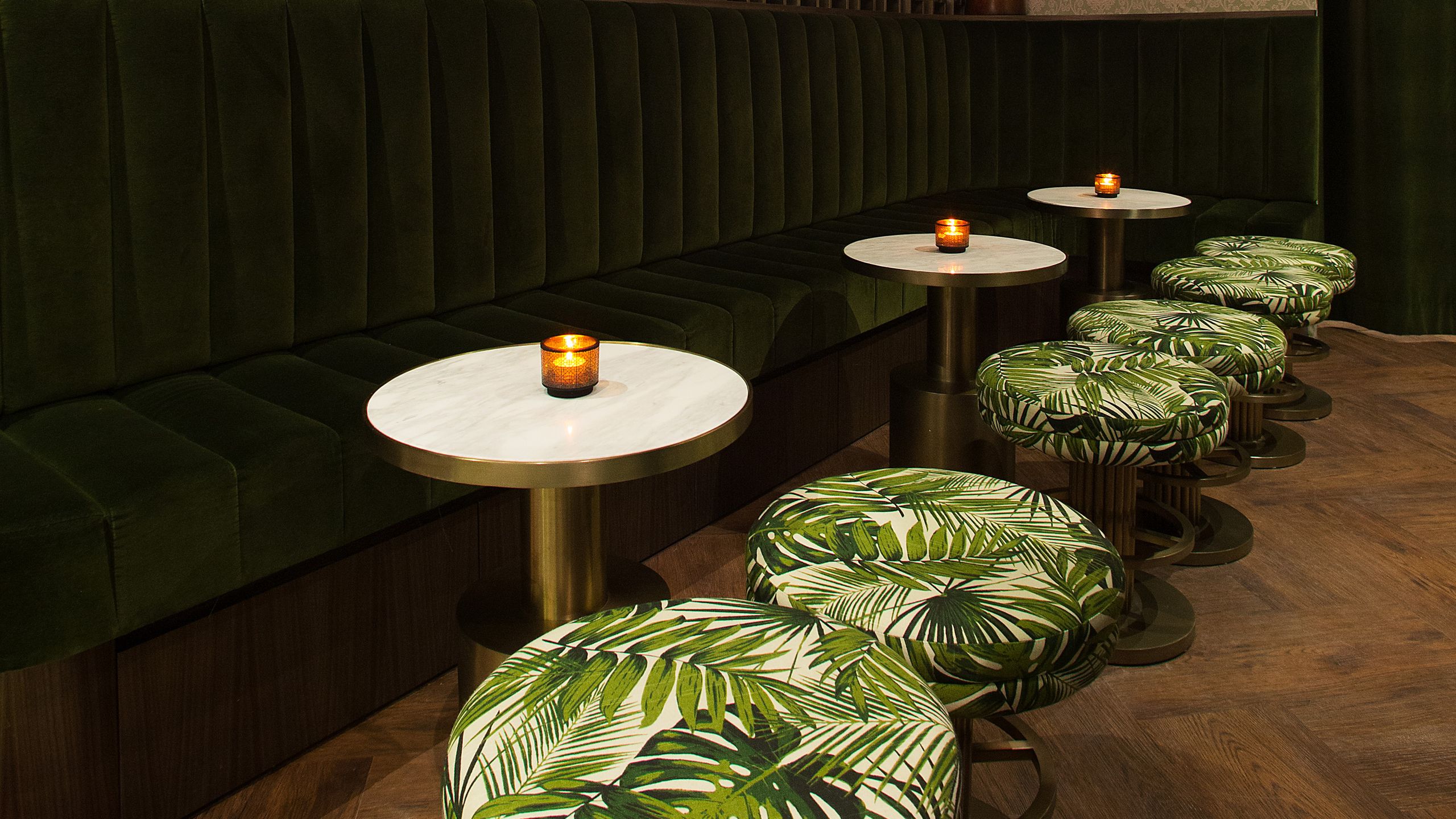
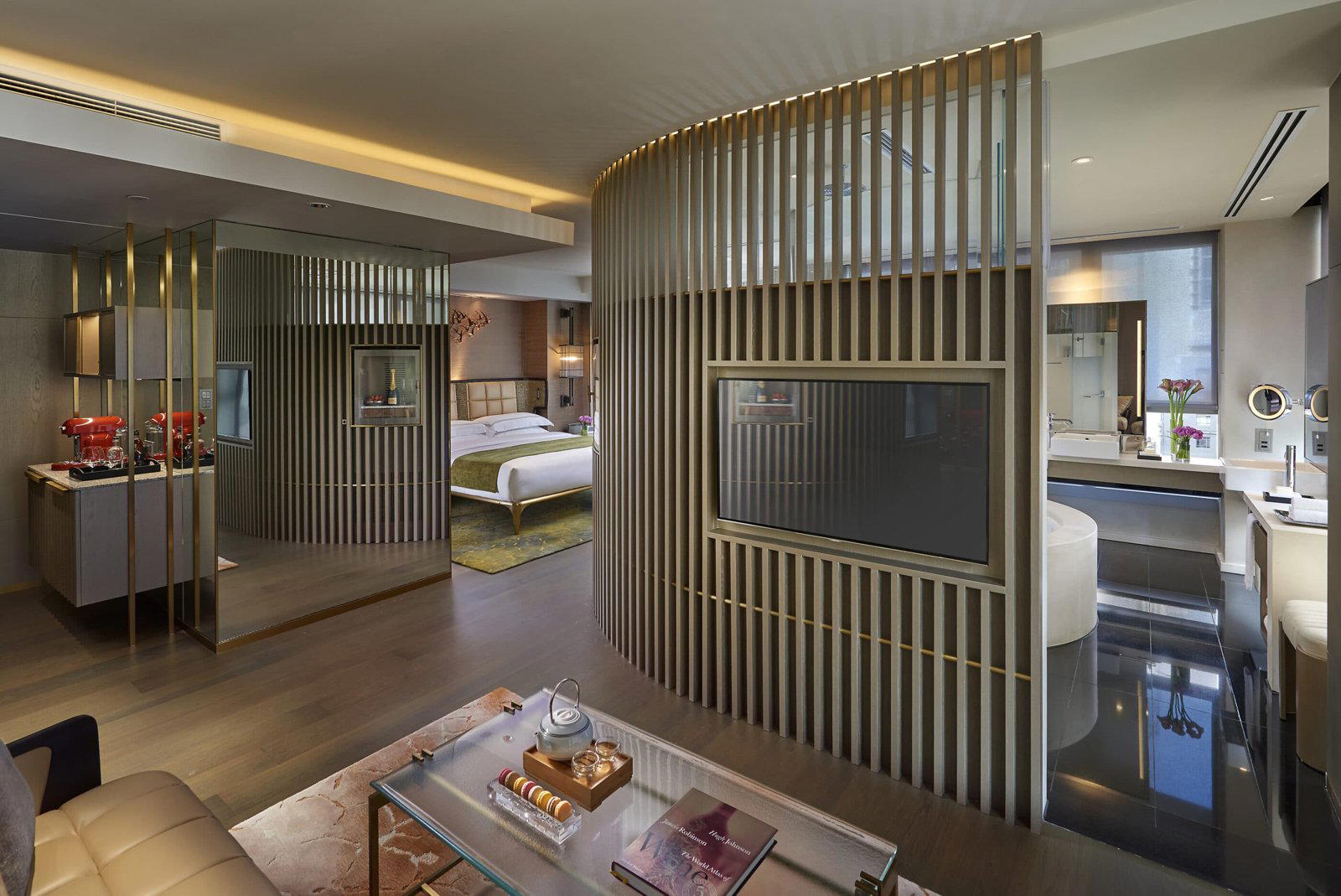
Modern, airy decor with cozy, comfortable seating, street views from the second floor, and a fun, family-friendly atmosphere.