

SCMP 100 Top Tables Restaurants
Our verdict
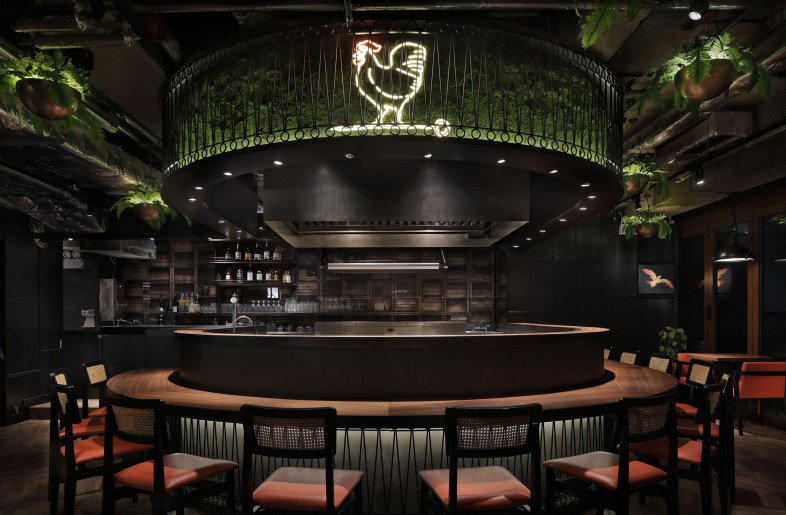
On the ninth floor of H Code in Central, Birdie has built a credible case for yakitori as a serious dining format in Hong Kong. Ranked #262 in Opinionated About Dining's Top Restaurants in Asia in 2024, the restaurant draws a loyal midday crowd and a different, more deliberate dinner audience, two services that operate on distinct terms despite sharing the same grill.

Pearl is the En Primeur Club membership app, where members save venues, book tables and use the concierge.
The menu
What to order
- Chicken wing
- Tsukune
- Chicken liver
- Pancetta mozzarella roll
Smoke, Skewers, and the Ninth Floor: Yakitori's Place in Central
Central Hong Kong is a district that eats in binaries: expense-account French rooms with Michelin pedigrees, or fast counters churning through lunch crowds. Yakitori occupies an awkward middle ground in that equation. The format is Japanese in origin, charcoal-grilled chicken, skewered and served in precise sequence, but it carries none of the theatre of kaiseki, none of the ceremony of omakase sushi. What it offers instead is concentration: a single protein, a single heat source, a kitchen's attention focused on variables that most diners never consider. In Central's context, that restraint reads as a genuine editorial statement.
Birdie, on the ninth floor of H Code on Pottinger Street, sits inside that specific niche. It shares a competitive tier with Toritama and Yakitori Torisho, the small set of Hong Kong addresses treating yakitori with the same seriousness that Osaka and Tokyo counters have for decades. In those cities, the format has its own canon: venues like Ichimatsu in Osaka, Torisaki in Kyoto, and Tokyo specialists such as Yakitori Omino, Aramaki, and Aria di Takubo operate within long-established traditions of charcoal management and skewer discipline. Birdie's trajectory on Opinionated About Dining's regional ranking, Highly Recommended in 2023, #262 in 2024, #293 in 2025, places it within that reference frame, even if Hong Kong's yakitori scene is still building its own critical mass.
Lunch vs. Dinner: The Same Grill, Two Different Rooms
Yakitori's format lends itself to two distinct experiences depending on when you arrive, and Birdie makes that divide legible. The midday service, running Monday through Saturday from 12:00 to 2:30 pm, draws a professional crowd for whom the grill offers a focused, time-efficient lunch without sacrificing quality. Smoke, char, and a small number of precise skewers make for a meal that has a clear beginning and end, something the open-ended sharing formats popular in Central cannot always claim.
The evening service shifts the register. From 6:00 to 11:00 pm, the room has space to breathe at a different pace. In yakitori's traditional format, dinner tends to be the service where sequence matters more, where the kitchen moves through cuts deliberately, from lighter, leaner pieces toward richer, fattier ones, and where sake or whisky pairings fill the intervals. The 11:00 pm closing time gives the evening room to extend in a way that's rare for this category in Hong Kong's Central core.
The restaurant is closed on Sundays, which tracks with a kitchen running on focused supply chains for quality-dependent proteins. For visitors building a weekend itinerary, that detail warrants attention when planning around Birdie specifically.
Opinionated About Dining operates as one of the more analytically rigorous dining guides covering Asia, drawing on a large pool of industry-adjacent voters rather than a small anonymous inspector corps. A placement in the Top 300 across an entire continent puts Birdie in specific company. For context, Central alone contains addresses like Amber and 8 1/2 Otto e Mezzo Bombana, both carrying three Michelin stars and competing in a different price and format tier entirely. Birdie's OAD positioning is notable precisely because it achieves it in a more accessible register.
The movement in ranking between 2023 and 2025 tells its own story. A Highly Recommended citation in 2023 followed by a numbered position at #262 in 2024 represents the kind of upward recognition that reflects genuine consistency, not novelty. The slight adjustment to #293 in 2025 is less a regression than a reflection of how competitive the regional list has become as more addresses across Southeast Asia and Greater China enter consideration. Within Hong Kong's yakitori-specific peer group, the ranking puts Birdie alongside Kicho as one of the addresses the OAD community has taken seriously enough to track across consecutive years.
For comparison, the yakitori tradition in Japan produces a wider and deeper field. Osaka venues like Torisho Ishii and Yakitori Torisen, and Tokyo counters like 124. Kagurazaka, operate within a much larger critical ecosystem. That Birdie registers at all in the same regional framework reflects the format's growing legitimacy in Hong Kong.
The Format's Demands on Both Sides of the Counter
Yakitori at this level asks more of the diner than it might appear. The charcoal-grilled chicken format rewards patience and sequence. Cuts that seem simple, thigh, skin, neck, heart, each carry distinct textural and fat profiles, and the order in which a kitchen presents them is part of the editorial argument the meal makes. Diners accustomed to the pace and ceremony of Hong Kong's French or Japanese fine dining rooms will find yakitori's register quieter, its pleasures more incremental. That is not a weakness; it is the format's specific proposition.
For a format this specific, one that requires some prior understanding to fully appreciate, a moderately sized review pool with a high average score suggests a self-selecting audience that knows what it came for. The restaurant is not chasing broad accessibility; it is operating within a defined register.
Finding Birdie and Planning Your Visit
H Code on Pottinger Street is a mixed-use building in Central that houses several food and beverage operations across its floors. The ninth floor location removes Birdie from street-level foot traffic, which suits the format: you arrive with intention rather than on impulse. Pottinger Street itself connects the Mid-Levels escalator corridor to the lower Central grid, putting the building within a short walk of the MTR and the Central waterfront.
The split-service schedule, lunch from noon, dinner from 6:00 pm, means Birdie does not operate as an all-day venue, and the Sunday closure tightens the available window for visitors. Booking is advisable, particularly for evening, where the format's slower pace and the building's limited-footprint setting both constrain walk-in availability.
For those building a wider Hong Kong itinerary, the full picture is available in our Hong Kong restaurants guide, alongside resources covering hotels, bars, wineries, and experiences across the city.
Frequently asked questions
Is Birdie open every day?
Hours at Birdie: Hours: Monday 12–2:30 pm, 6–11 pm Tuesday 12–2:30 pm, 6–11 pm Wednesday 12–2:30 pm, 6–11 pm Thursday 12–2:30 pm, 6–11 pm Friday 12–2:30 pm, 6–11 pm Saturday 12–2:30 pm, 6–11 pm Sunday Closed.
Has Birdie won any awards?
Birdie has received recognition including: Opinionated About Dining Top Restaurants in Asia Ranked #293 (2025); Opinionated About Dining Top Restaurants in Asia Ranked #262 (2024); Opinionated About Dining Top Restaurants in Asia Highly Recommended (2023).
What should I eat at Birdie?
Yakitori at this level typically moves through a structured sequence of cuts, progressing from leaner pieces toward richer, more intensely flavoured ones. The kitchen's selection drives the order, so the format rewards following the progression rather than customising it. Birdie's OAD recognition across three consecutive years points to a kitchen operating with consistency across that sequence.
What's Birdie's location?
Birdie is located at Hong Kong, Central, Pottinger St, 45號H code, LOBlock 9/F, Hong Kong.
Who's behind the kitchen at Birdie?
The chef associated with Birdie is Hong Kong.
What is Birdie known for?
Birdie is one of a small number of Hong Kong restaurants treating yakitori, charcoal-grilled chicken skewers, as a primary, serious format rather than a casual side offering. That positioning has earned consecutive rankings in Opinionated About Dining's Top Restaurants in Asia list: #262 in 2024 and #293 in 2025, following a Highly Recommended citation in 2023. The counter operates from the ninth floor of H Code on Pottinger Street in Central, running lunch and dinner service six days a week.
Where It Fits
| Venue | Cuisine | Price | Awards | Notes |
|---|---|---|---|---|
| BirdieThis venue (the venue you are viewing) | Japanese Yakitori | $50–100 | SCMP 100 Top Tables Restaurants | Not listed |
| 8 1/2 Otto e Mezzo Bombana (Hong Kong) | 3 Michelin-Star Italian Fine Dining | $200–300 | 3 Michelin Stars · World's 50 Best #94 | Italian |
| Ta Vie | Modern French-Japanese Fine Dining | $300–500 | 3 Michelin Stars · World's 50 Best #68 | Japanese - French, Innovative |
| Caprice | Contemporary French Fine Dining | $200–300 | 3 Michelin Stars · World's 50 Best #35 | French, French Contemporary |
| Feuille | Modern Vegetable-Forward French | $200–300 | 1 Michelin Star · World's 50 Best #93 | French Contemporary |
| Neighborhood | Modern French with Asian Influences | $50–100 | 1 Michelin Star · World's 50 Best #24 | International, European Contemporary |
Recognition history
Dated appearances from independent guides and award organizations, with the underlying list record or original source where available.
Opinionated About Dining Top Restaurants in Asia Recommended
Opinionated About Dining
SCMP 100 Top Tables Restaurants
SCMP 100 Top Tables
Full recognition history (5 entries)
Opinionated About Dining Top Restaurants in Asia Ranked #293
Opinionated About Dining
Opinionated About Dining Top Restaurants in Asia Ranked #262
Opinionated About Dining
Opinionated About Dining Top Restaurants in Asia Highly Recommended
Opinionated About Dining
Continue exploring
More in Hong Kong
Restaurants in Hong Kong
All restaurants in Hong Kong →
Bars in Hong Kong
All bars in Hong Kong →
Hotels in Hong Kong
All hotels in Hong Kong →
Wineries in Hong Kong
All wineries in Hong Kong →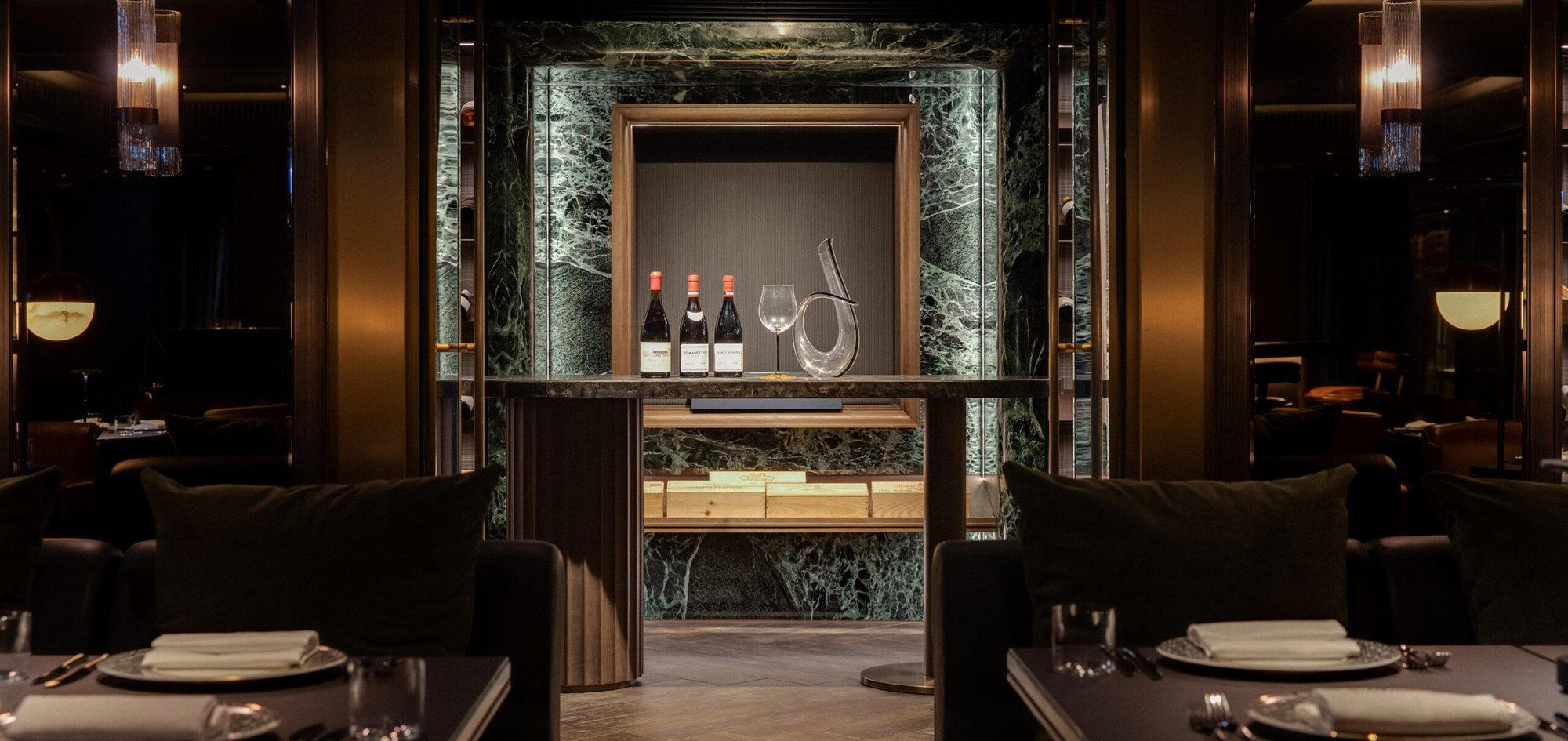
Details
- Lively
- Trendy
- Intimate
- Date Night
- Group Dining
- After Work
- Open Kitchen
- A La Carte
- Small Plates
Current opening hours
- Monday
- 12–2:30 PM, 6–11 PM
- Tuesday
- 12–2:30 PM, 6–11 PM
- Wednesday
- 12–2:30 PM, 6–11 PM
- Thursday
- 12–2:30 PM, 6–11 PM
- Friday
- 12–2:30 PM, 6–11 PM
- Saturday
- 12–2:30 PM, 6–11 PM
- Sunday
- 12–2:30 PM, 6–10 PM
Hours can change for holidays and private events. Hours as of .
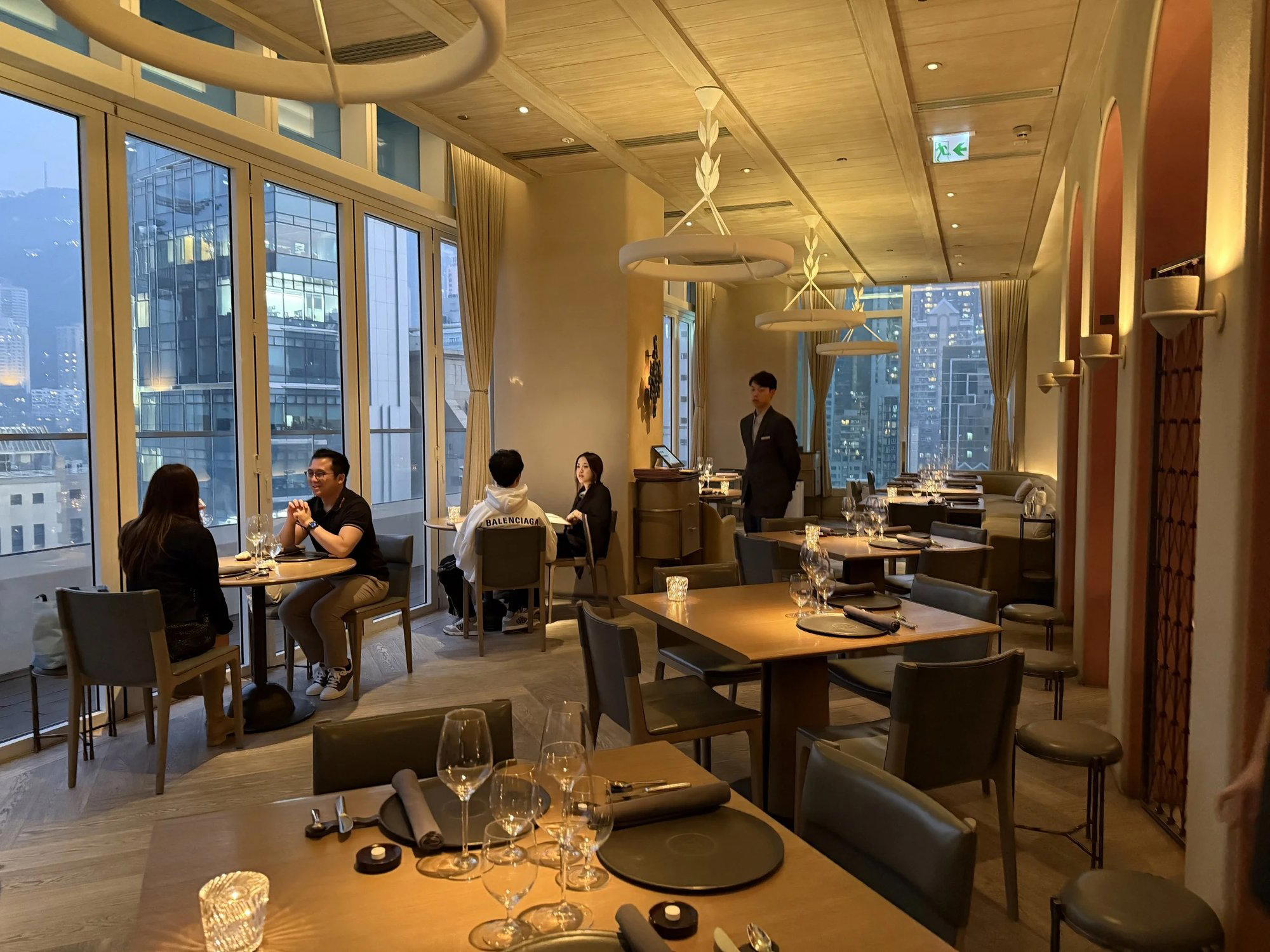
Lively atmosphere with good decor, comfortable seating encircling the open grill kitchen, and excellent ventilation despite the grilling.