
Da Hu Chun on Middle Sichuan Road has carried consecutive Michelin Bib Gourmand recognition in 2024 and 2025, placing it among Shanghai's most consistent addresses for traditional dim sum at single-digit price points. The Huangpu location puts it deep in the old city fabric, a short walk from the Bund, where its cooking sits at the intersection of local technique and long-standing Shanghainese breakfast culture.
Pearl is the En Primeur Club membership app — saves, bookings, and concierge access live there. Same editors, same standards.
- Address
- 156 Sichuan Rd (M), Waitan, Huangpu, Shanghai, China, 200002
- Phone
- +86 21 6323 1018
- Directions
- Get directions
 Saves & bookings on Pearl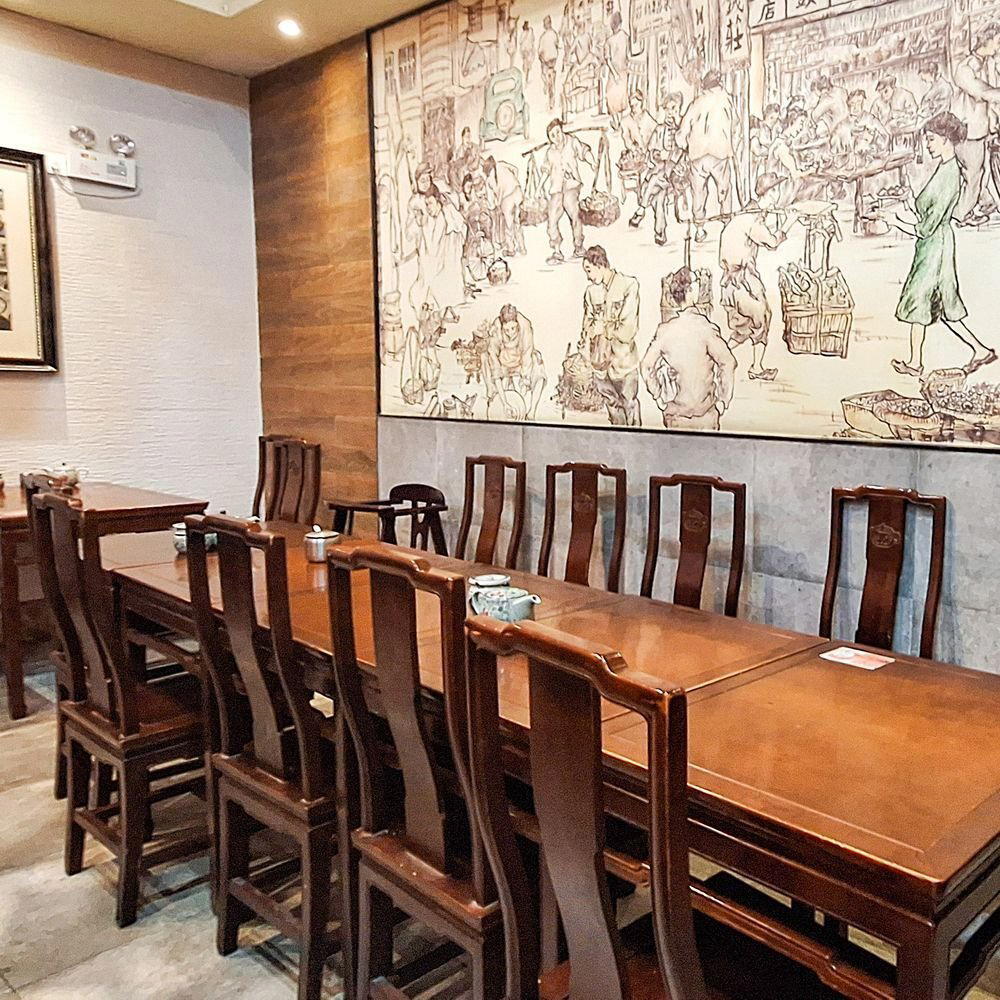
Where Waitan Mornings Begin
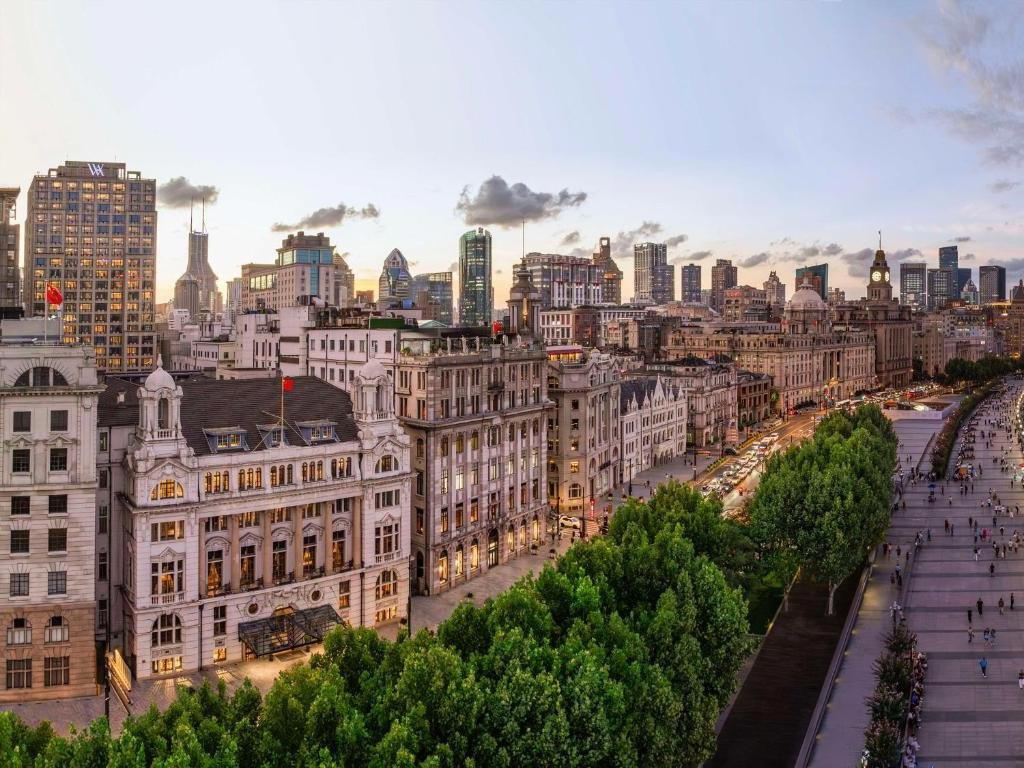
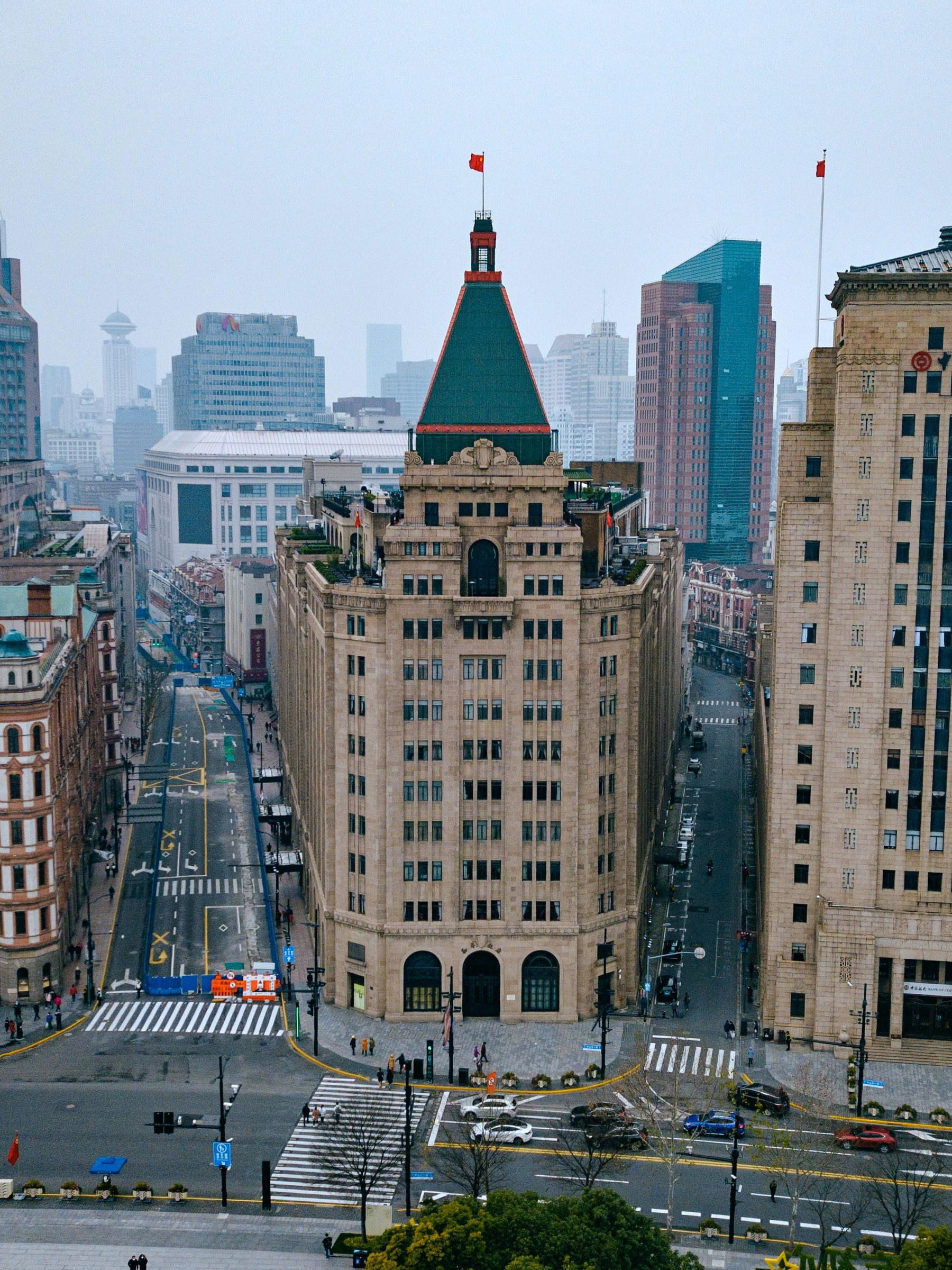
Step onto Middle Sichuan Road in the early hours and the rhythm is older than most of the buildings around it. The Huangpu district retains a streetscape character that Shanghai's newer commercial zones have largely overwritten: low storefronts, commuter foot traffic, the smell of steam from kitchens that opened before the city's finance crowd was awake. Da Hu Chun sits inside that grain, at 156 Sichuan Rd (M), a few minutes from the Bund's riverside promenade. The approach tells you something useful before you order anything: this is not a restaurant designed for tourists walking east toward the waterfront, but a working neighbourhood address that tourists have since found.
The Bib Gourmand Question, Answered
Michelin's Bib Gourmand designation operates on a specific premise: cooking of recognisable quality at prices that do not require justification. In a Shanghai context, where tasting menus at starred addresses can push well past ¥2,000 per person, the ¥ price tier is a different proposition entirely. Da Hu Chun earned the Bib Gourmand in both 2024 and 2025, back-to-back recognitions that are harder to accumulate than a single-year mention, because they require consistency across kitchen seasons and inspection cycles. That sustained track record positions this address alongside a small group of Shanghai dim sum and snack-culture venues where value and craft coexist at the lower end of the price spectrum.
For context on the broader Shanghai Michelin landscape, addresses like Wu You Xian and Hong Yu Fang occupy their own positions in the city's recognised dining tier, while 102 House (Cantonese) represents the higher-spend Cantonese end. Da Hu Chun operates at a completely different price register, which is part of what makes its repeated recognition editorially significant.
Shanghainese Dim Sum and What Separates It from Cantonese Tradition
The dominant vocabulary for dim sum in most international markets is Cantonese: har gow, siu mai, cheung fun, pulled from a trolley or ticked on a paper card in a large dining room. Shanghainese dim sum runs on a distinct set of references. The tradition centres on filled dough preparations whose construction technique demands precision at small scale: the correct ratio of wrapper thickness to filling, the management of internal moisture, the geometry of the fold. These are craft markers that take years to stabilise in a kitchen and which degrade quickly under high volume or inconsistent supply chains.
The contrast with more elaborately staged dim sum formats elsewhere in Greater China is worth noting. Hongtu Hall in Guangzhou and Bao Teck Tea House in George Town each operate within distinct regional traditions. Shanghai's version of the form draws from Jiangnan culinary culture, where subtlety in seasoning and precision in dough work are the primary signals of quality rather than ingredient opulence.
Local Technique, Long History
Da Hu Chun was established in 1875. That timeline matters because it frames the kitchen's reference points: the techniques practiced here developed through a period when Shanghai cuisine was consolidating its own identity, drawing on Jiangnan traditions and the influx of cooking styles from surrounding provinces. The intersection of local products and codified method is not a recent repositioning; it is the original operating premise.
The address on Middle Sichuan Road places the restaurant in Waitan, close to the Bund. The Huangpu district is one of the older commercial cores of the city, and eating here situates the meal inside a longer Shanghai narrative than most new-format restaurants can claim.
Dim Sum at This Price Point Across Greater China
One way to understand what Da Hu Chun represents is to map it against other Michelin-recognised dim sum addresses across the region. Nanxiang Steamed Bun on Yuyuan Road and Qiao Ai Lai Lai Xiao Long in Huangpu operate in a comparable Shanghai tier, each representing the city's dough-and-filling tradition at accessible price points. Further afield, addresses like Chef Tam's Seasons in Macau and Imperial Treasure Fine Chinese Cuisine in Guangzhou occupy different budget tiers entirely, where the cooking is equally recognised but the spend is categorically higher.
The comparison clarifies the value proposition: Michelin recognition at the ¥ tier is not a consolation category. It is a separate editorial argument about where craft survives at scale and low margin. In cities like Shanghai, Guangzhou, and Chengdu, that argument is made most consistently by addresses rooted in a specific local tradition rather than those adapting international formats. Xin Rong Ji in Chengdu, Dai Yuet Heen in Nanjing, and Ru Yuan in Hangzhou each illustrate how regional Chinese cooking holds its own within Michelin's framework when technique and local sourcing remain the primary orientation.
Planning a Visit
The address at 156 Sichuan Rd (M) places Da Hu Chun within walking distance of the Bund promenade and the surrounding Huangpu commercial grid. Mornings draw the heaviest local foot traffic at dim sum addresses of this type, and queues at peak breakfast hours are common at well-recognised Shanghai snack institutions with low spend-per-head. Arriving outside standard breakfast or lunch rush periods generally reduces wait time. The ¥ price tier means the meal cost is low relative to almost any other Michelin-recognised address in Shanghai, which contributes to the volume dynamic.
Da Hu Chun is walk-in friendly.2 across 28 reviews. For those building a broader Shanghai itinerary, Xin Rong Ji on Xinyuan South Road in Beijing offers a point of comparison for how northern-style cooking handles analogous craft questions.
Similar Picks
Comparable venues nearby, for context on price, style, and recognition.
| Venue | Cuisine | Price | Notes |
|---|---|---|---|
| Da Hu Chun (Middle Sichuan Road)This venue — the venue you are viewing | Traditional Shanghainese Shengjianbao | $$ | Not listed |
| Cong's Kitchen | Traditional Shanghainese | $$ | Yangpu Qu |
| Yu Ge Zhanjiang (Jingan) | Zhanjiang Cantonese | $$ | Dabazi |
| Chic 1699 | Authentic Fujian Cuisine | $$ | Huangpu |
| Chun | Authentic Shanghainese Home-Style Cooking | $$ | Da Pu Qiao |
| Lu Bo Lang | Traditional Shanghainese Dim Sum | $$ | Lan Ni Du |
Recognition history
Dated appearances from independent guides and award organizations, with the underlying list record or original source where available.
Michelin Bib Gourmand
Michelin
Michelin Bib Gourmand
Michelin

At a Glance
- Classic
- Well Known
- Cozy
- Casual Hangout
- Solo
- Historic Building
Current opening hours
- Monday
- 10 AM–9:30 PM
- Tuesday
- 10 AM–9:30 PM
- Wednesday
- 10 AM–9:30 PM
- Thursday
- 10 AM–9:30 PM
- Friday
- 10 AM–9:30 PM
- Saturday
- 10 AM–9:30 PM
- Sunday
- 10 AM–9:30 PM
Hours can change for holidays and private events. Last verified .
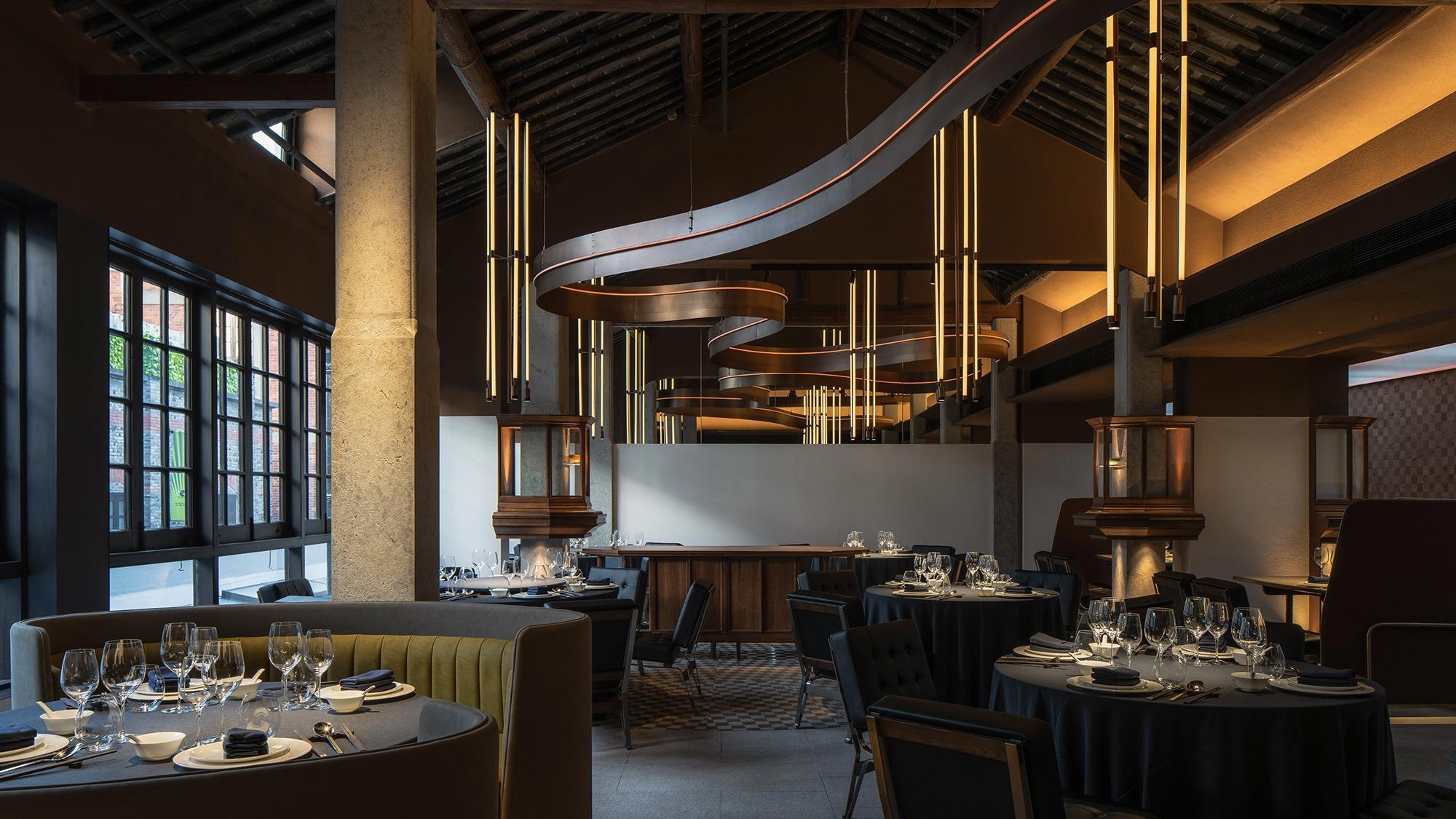
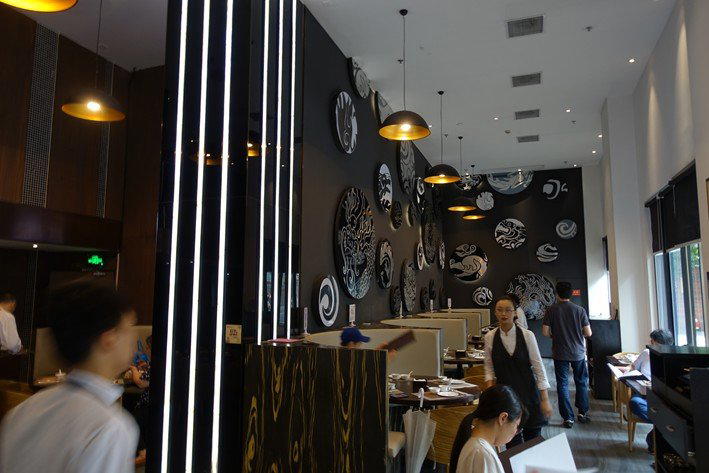
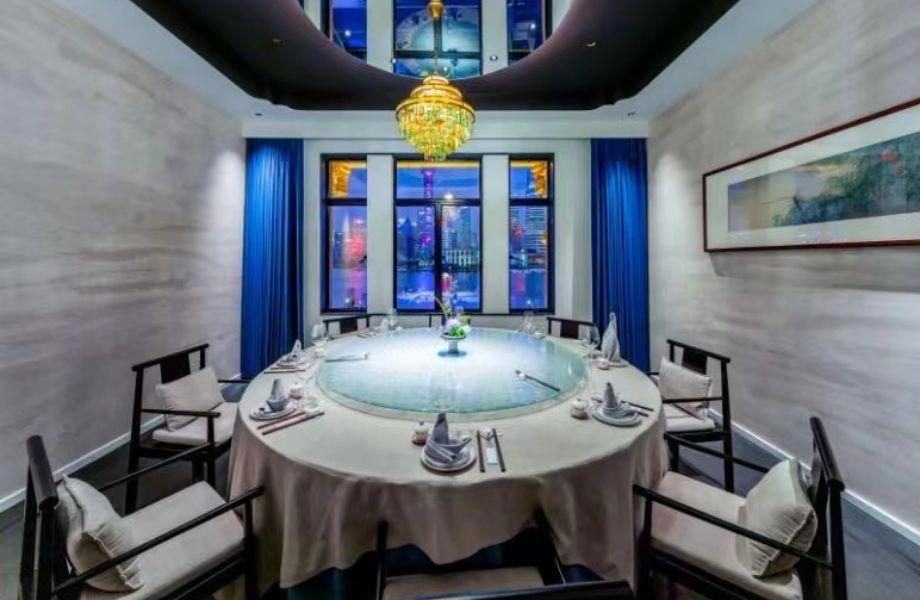
Simple, no-frills local shop with a calm, purposeful atmosphere focused on authentic street food preparation.