

Housed inside Tai Kwun's historic police headquarters compound on Hollywood Road, The Chinese Library holds a Black Pearl 1 Diamond (2025) and an Opinionated About Dining Top Restaurants in Asia ranking. The kitchen works across Chinese regional traditions in a setting that layers colonial-era architecture with contemporary dining. Open for lunch and late dinner daily, with extended weekend brunch hours.
Pearl is the En Primeur Club membership app — saves, bookings, and concierge access live there. Same editors, same standards.
- Address
- Block 01, Tai Kwun, Police Headquarters, 10 Hollywood Rd, Central, Hong Kong
- Phone
- +852 2848 3088
- Website
- chineselibrary.com.hk
- Directions
- Get directions
 Saves & bookings on Pearl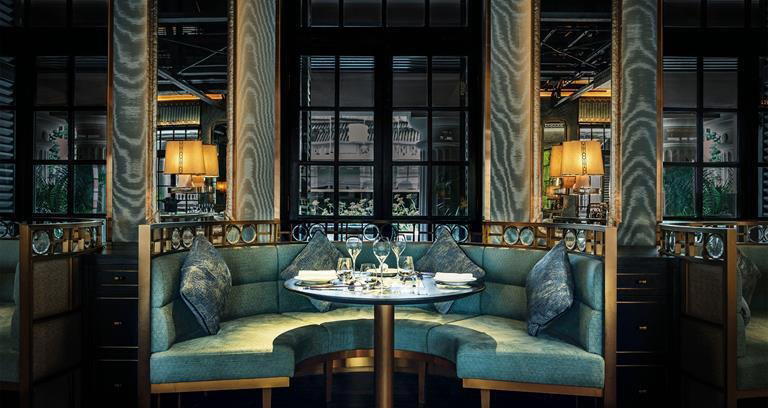
A Dining Room Inside Hong Kong's Past
Hollywood Road's upper stretch through Central has long carried a dual identity: antique dealers and heritage facades on one side, a steady churn of restaurants and bars on the other. The opening of Tai Kwun in 2018 sharpened that duality considerably. The former Central Police Station compound, a Grade 1 historic site covering roughly 13,600 square metres of colonial-era stone and brick, was converted into a cultural and dining destination that immediately complicated the neighbourhood's dining hierarchy. Within that compound, The Chinese Library occupies a position shaped as much by its architectural address as by what arrives at the table.
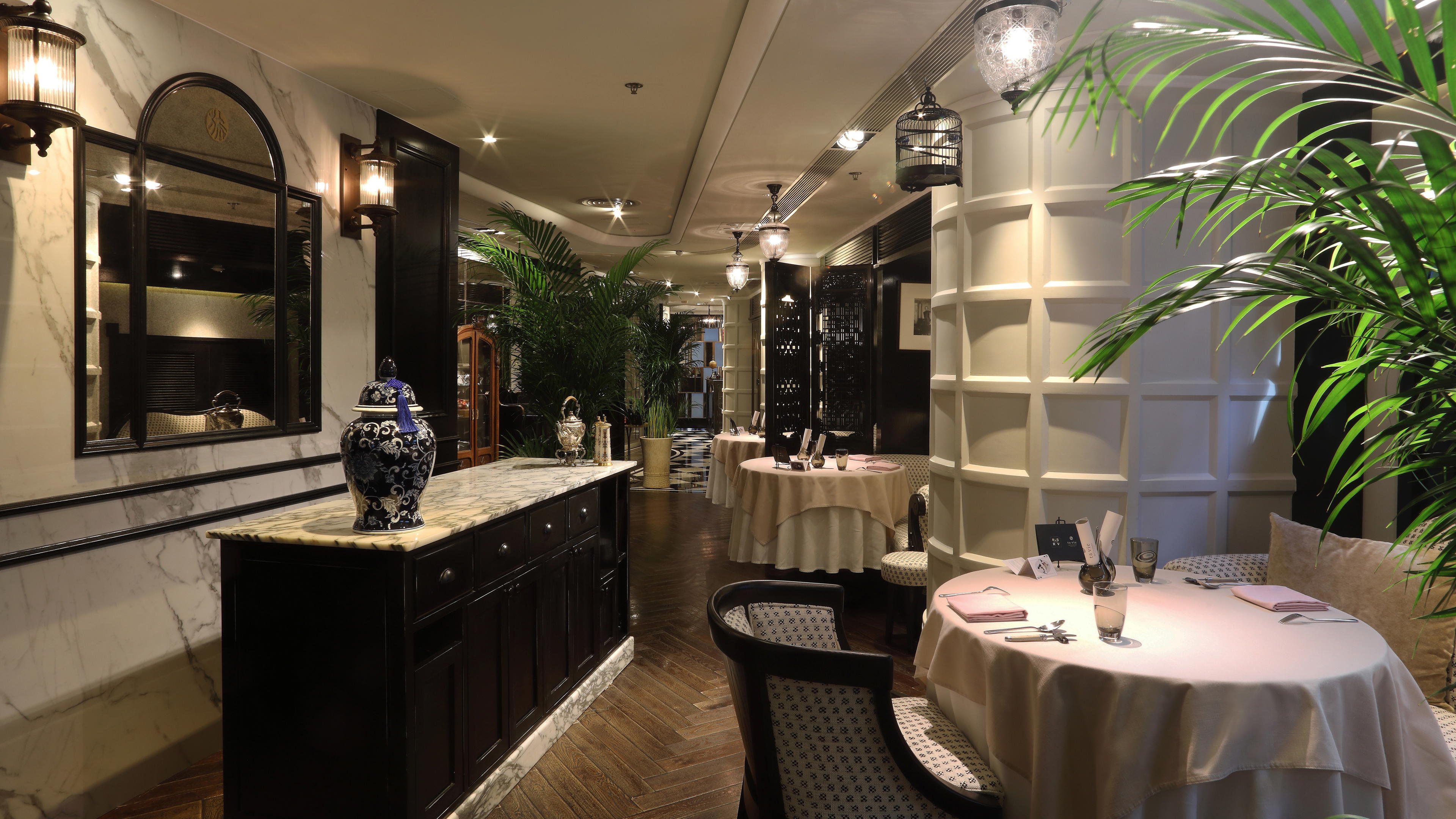
The physical approach matters here in a way it doesn't at most restaurants. Tai Kwun's compound is entered through gates that have stood since the 1860s, and the transition from the noise of Hollywood Road to the relative quiet of the courtyard is abrupt and deliberate. The Chinese Library sits inside Block 01, the former police headquarters building itself, where the architecture does significant work before any menu is consulted. In a city where Chinese fine dining more often occupies glass towers or hotel podiums, a setting rooted in preserved colonial masonry reads as a considered counterpoint.
Where The Chinese Library Sits in Hong Kong's Chinese Dining Tier
Hong Kong's Chinese restaurant market is among the more competitive in the world, and its upper tier has become increasingly stratified over the past decade. The segment that attracted international attention through Michelin recognition in the 2010s has since split between establishments chasing new award cycles and those consolidating around a more editorially legible identity. The Chinese Library sits in the latter group, building recognition through Opinionated About Dining and Black Pearl rather than the Michelin framework that dominates local conversation.
Its OAD Leading Restaurants in Asia ranking at #369 (2025), combined with a Black Pearl 1 Diamond in the same year, positions it inside a mid-tier of recognised Chinese restaurants that prioritise food credibility over spectacle. The Black Pearl Guide, operated by Meituan, applies a different methodology from Michelin, with particular weight given to ingredient sourcing and regional culinary integrity. Holding both an OAD ranking and a Black Pearl diamond simultaneously is a signal of cross-platform credibility rather than dominance in any single system.
Peer restaurants in Hong Kong's Chinese tier include the historically significant Peking Garden, which has operated since the 1970s and represents an earlier generation of refined Chinese dining in the city, and China Tang, which occupies a Shanghai-inflected position with different clientele and price architecture. Hoi King Heen and WING Restaurant operate at distinct points on the same spectrum, with WING holding two Michelin stars and representing a higher investment threshold. The restaurant occupies the space between institutional legacy and emerging critical recognition.
The Evolution: From Novelty Address to Sustained Recognition
When Tai Kwun opened, most of the food and beverage conversation centred on the compound itself, the architecture, the heritage narrative, the unusual proposition of dining inside a functioning cultural institution. Restaurants inside heritage conversions frequently benefit from that novelty lift and then face the harder question of whether the food programme can sustain interest once the setting becomes familiar to the local market.
The restaurant's trajectory suggests the food has carried its weight. The 2023 OAD recommendation preceded the 2025 ranking and diamond, which indicates upward movement rather than a static position. That arc, from recommended to ranked, from a single recognition tier to dual-platform credibility, is the kind of sustained development that separates a restaurant embedded in its setting from one merely decorating it. The comparison holds against other ambitious Chinese openings in Hong Kong that attracted early attention and then failed to convert it into lasting critical standing.
This evolution matters against the broader context of Tai Kwun's dining offer, which has itself matured since 2018. The Sports Club within the same compound takes a different approach to the heritage setting, and the two restaurants now anchor opposite ends of the compound's food offer. The restaurant's position as the more formally recognised of the two is a function of sustained programme discipline rather than the initial advantage of an unusual address.
Chinese Fine Dining Beyond Hong Kong
The restaurant sits within a broader global conversation about how Chinese regional cooking is being presented in fine dining contexts. In Asia, that conversation runs from Hong Kong outward through Japan, where restaurants like Chugoku Hanten Fureika and Chugoku Hanten Kohakukyu (Amber Palace) in Tokyo, Chi-Fu in Osaka, Chugokusai Naramachi Kuko in Nara, and VELROSIER in Kyoto apply Japanese service precision to Chinese culinary frameworks. Further afield, Mister Jiu's in San Francisco and Restaurant Tim Raue in Berlin represent how Chinese flavour logic has been absorbed into Western fine dining contexts, and Haobin in Seoul demonstrates the category's momentum in Korea. Against that international spread, the restaurant's position in Hong Kong, the city that has one demanding audience for Chinese cooking, gives its recognition a different weight.
Planning Your Visit
The restaurant runs two services daily across the week, with a split that rewards knowing the compound's rhythms. Hours: Monday through Friday, lunch runs 12 to 3 pm and dinner 6 pm–midnight; Saturday and Sunday, brunch extends to 11 am–3:30 pm with dinner continuing from 6 pm–midnight. The weekend brunch window is the more relaxed entry point for those arriving from outside the neighbourhood, as the Hollywood Road tram and bus connections from Central make the approach direct on a slower schedule. Getting there: The Tai Kwun compound entrance is on Hollywood Road, Central; the nearest MTR is Central (Exit D2), approximately a ten-minute walk uphill, or accessible by Central–Mid-Levels Escalator, which deposits visitors close to the compound entrance. Reservations: Booking is advisable for both lunch and dinner, particularly for weekend brunch, given the compound's draw as a cultural venue brings foot traffic that doesn't necessarily translate into seated dining but does create ambient competition for tables.3 across 434 reviews.
What to Eat at The Chinese Library
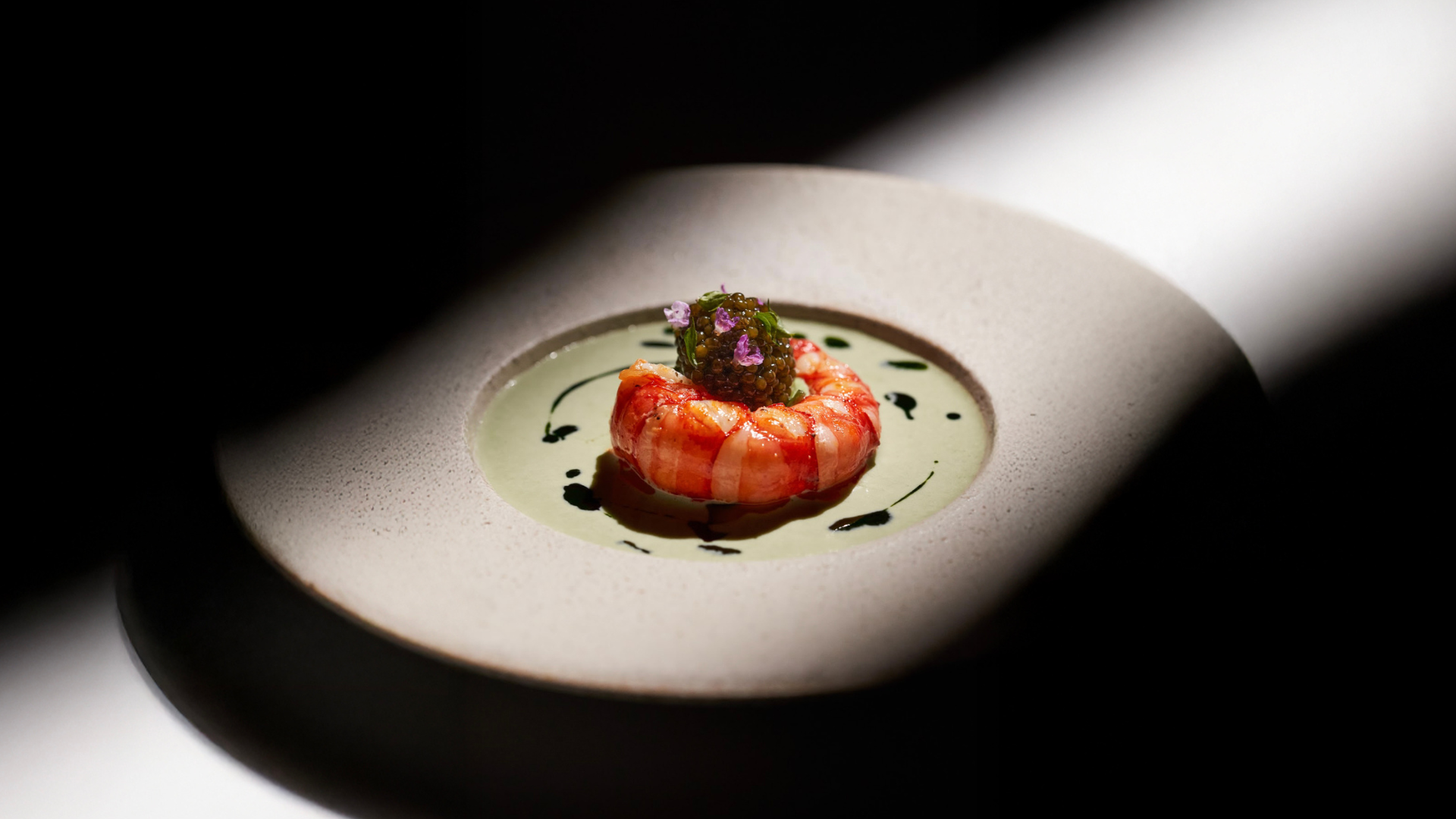
The restaurant's kitchen works within Chinese regional traditions rather than a single-province framework, which positions it differently from Hong Kong's more specialised Cantonese or Peking-focused houses. The OAD and Black Pearl recognition systems both weight ingredient integrity and cooking discipline over presentation novelty, and the restaurant's performance across both suggests the menu prioritises that kind of structural fidelity. Its Black Pearl 1 Diamond (2025) and OAD Leading Restaurants in Asia ranking (#369, 2025) provide the clearest external signal of where the kitchen's output sits relative to its peers.
Booking and Cost Snapshot
Comparable venues nearby, for context on price, style, and recognition.
| Venue | Cuisine | Price | Awards | Notes |
|---|---|---|---|---|
| The Chinese LibraryThis venue — the venue you are viewing | Chinese | $$$$ | Not listed | Not listed |
| Ah Yat Harbour View | Not listed | $$$$ | Not listed | Yau Tsim Mong South, Traditional Cantonese with Abalone Specialties |
| Stellar House | Wan Chai, Traditional Shunde Cantonese | $$$$ | Not listed | Not listed |
| The Grand Buffet (Hong Kong) | Not listed | $$$$ | Not listed | Wan Chai, International Buffet with Cantonese Dim Sum & Seafood |
| Hong Kong Cuisine | Wan Chai, Cantonese | $$$$ | Michelin Plate | Not listed |
| Kamcentre Roast Goose | Not listed | $$$ | Not listed | Wan Chai, Traditional Cantonese Roast Goose |
Recognition history
Dated appearances from independent guides and award organizations, with the underlying list record or original source where available.
Black Pearl 1 Diamond
Black Pearl
Opinionated About Dining Top Restaurants in Asia Recommended
Opinionated About Dining
Black Pearl 1 Diamond
Black Pearl
Opinionated About Dining Top Restaurants in Asia Ranked #369
Opinionated About Dining
Opinionated About Dining Top Restaurants in Asia Recommended
Opinionated About Dining
Continue exploring
More in Hong Kong
Restaurants in Hong Kong
Browse all →
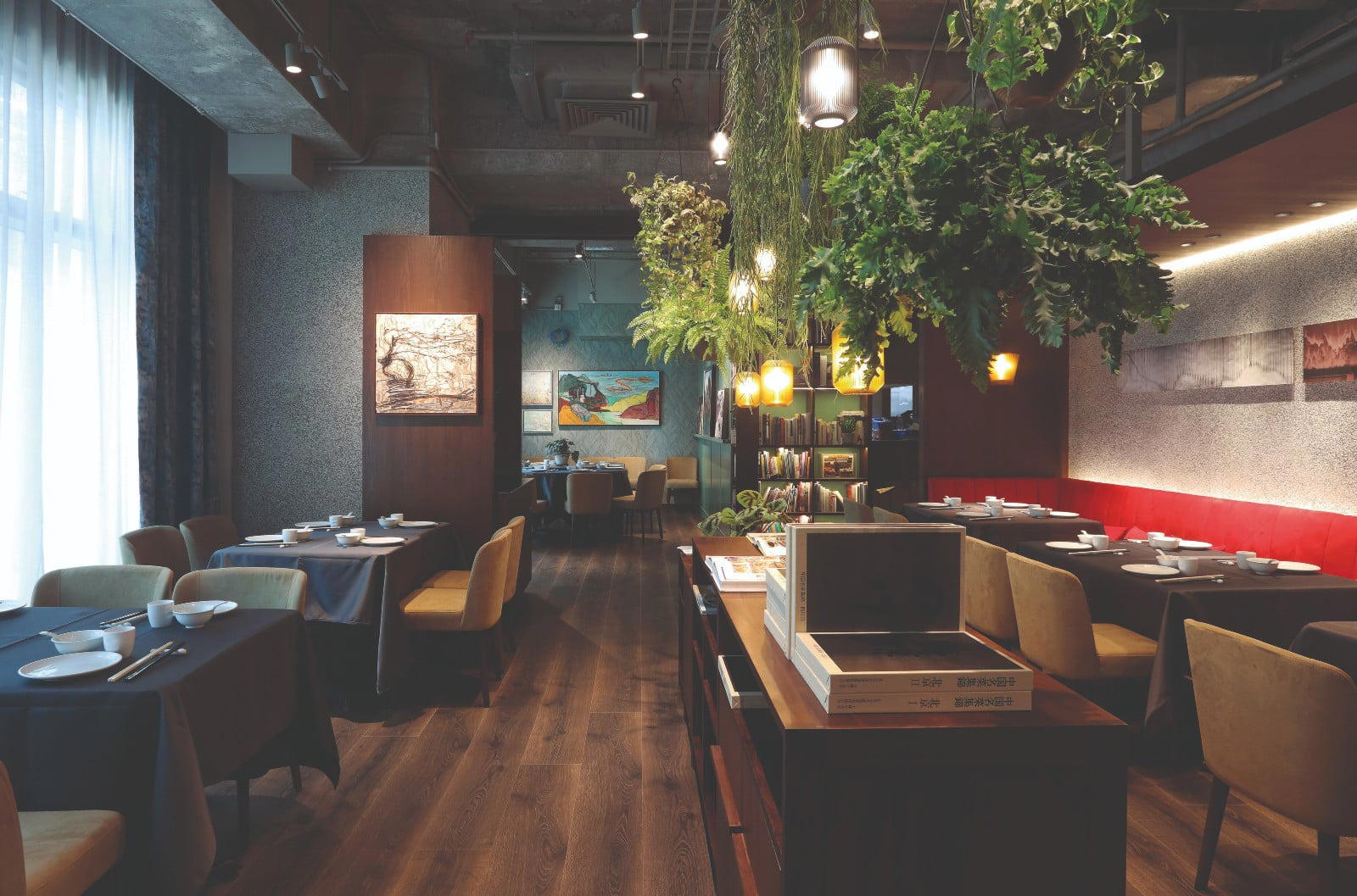
Bars in Hong Kong
Browse all →
At a Glance
- Elegant
- Sophisticated
- Ornate
- Modern
- Intimate
- Date Night
- Business Dinner
- Special Occasion
- Celebration
- Hotel Restaurant
- Historic Building
- Terrace
- Extensive Wine List
- Street Scene
Current opening hours
- Monday
- 12–3 PM, 6 PM–12 AM
- Tuesday
- 12–3 PM, 6 PM–12 AM
- Wednesday
- 12–3 PM, 6 PM–12 AM
- Thursday
- 12–3 PM, 6 PM–12 AM
- Friday
- 12–3 PM, 6 PM–12 AM
- Saturday
- 11 AM–3:30 PM, 6 PM–12 AM
- Sunday
- 11 AM–3:30 PM, 6 PM–12 AM
Hours can change for holidays and private events. Last verified .
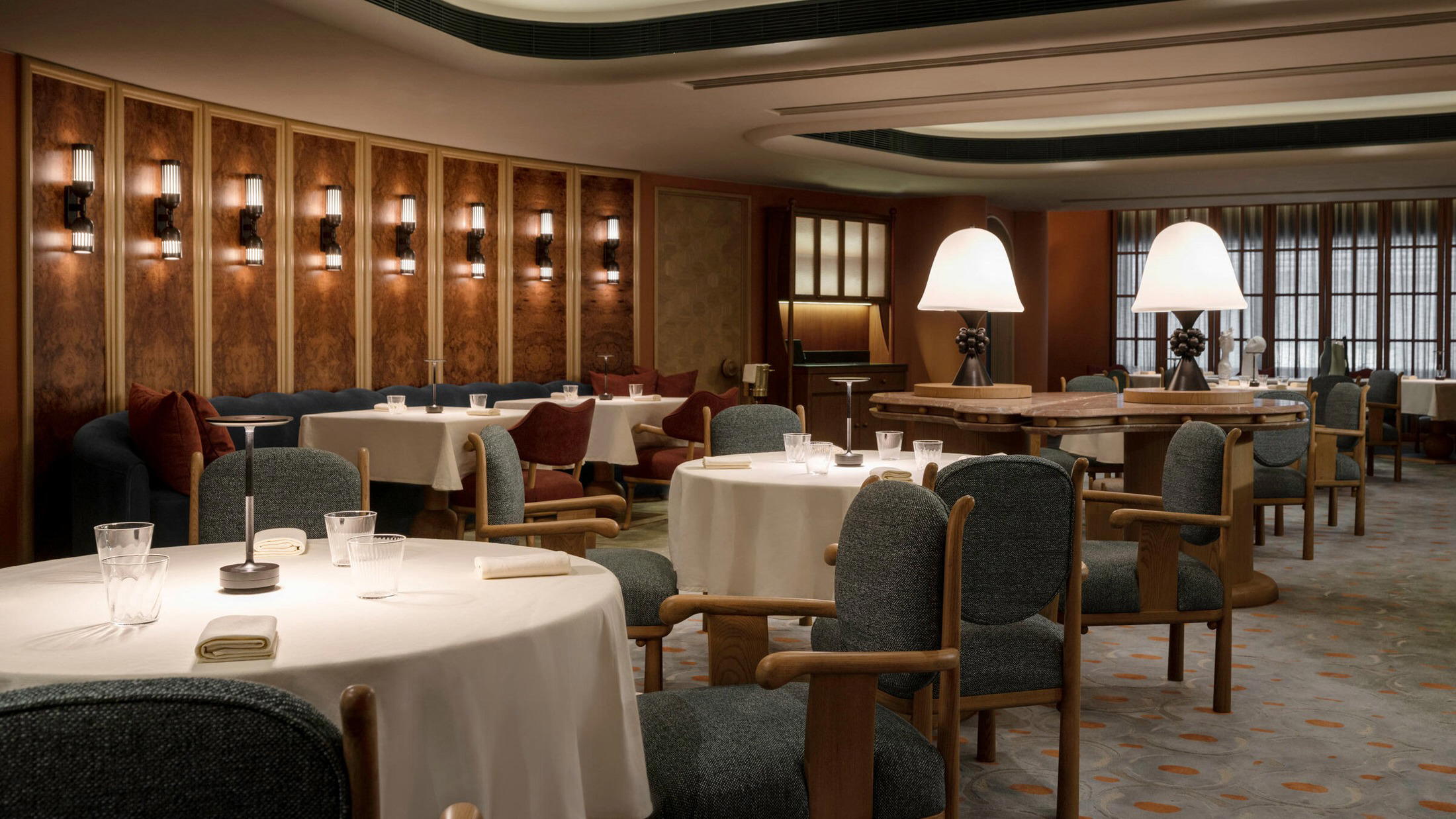
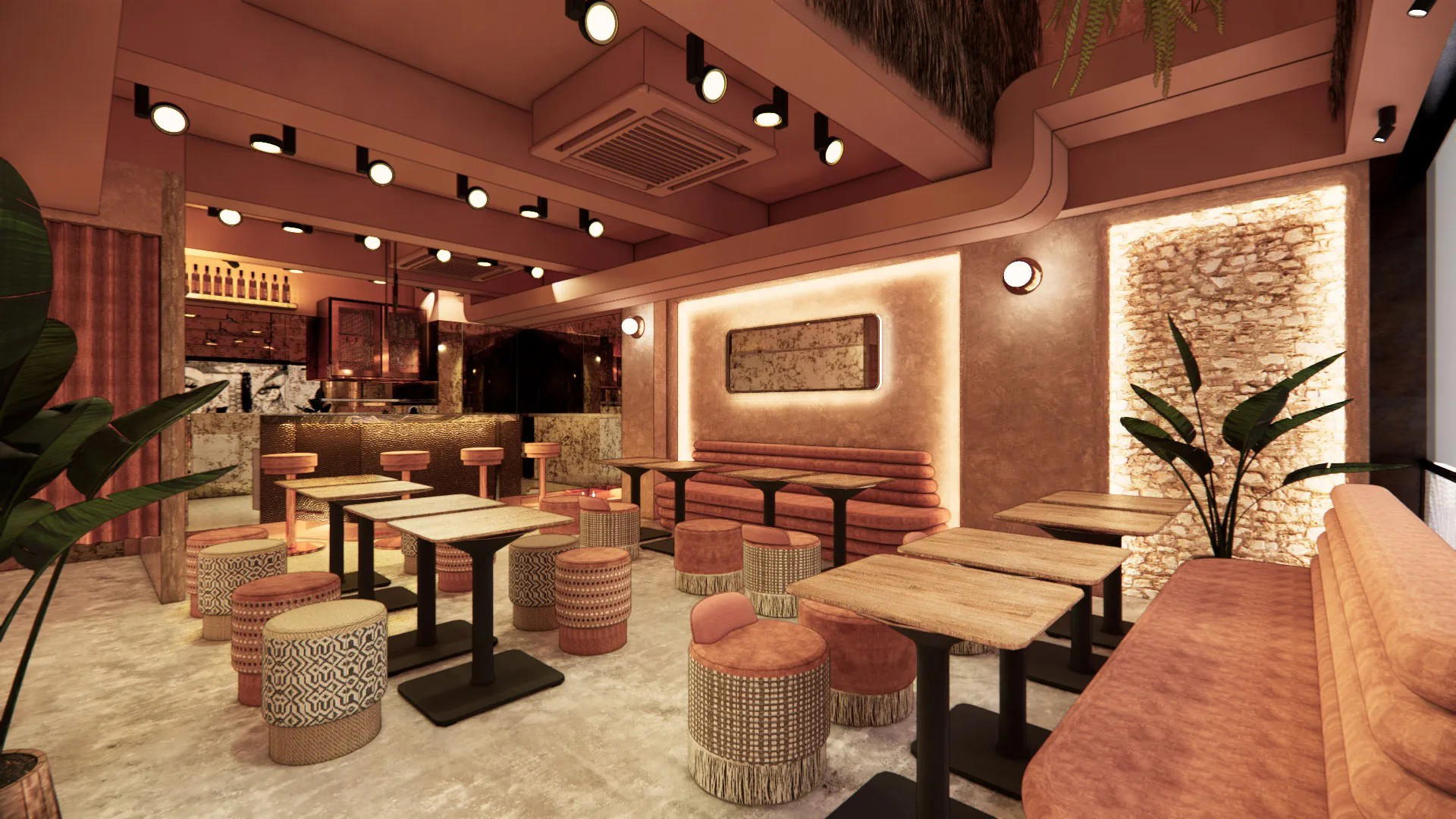
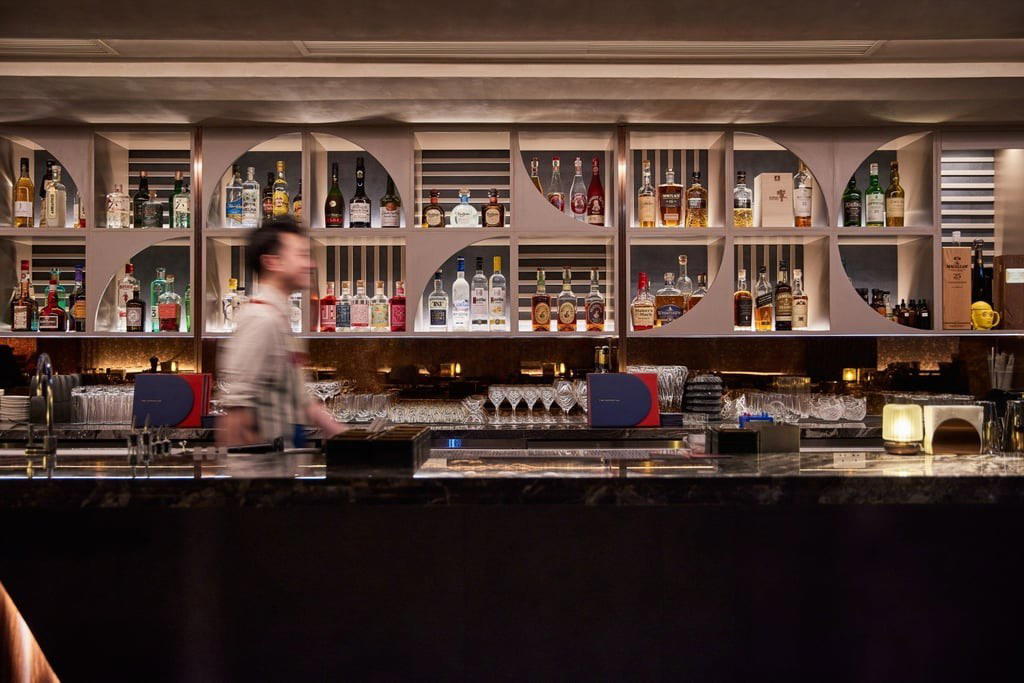
Subdued sophisticated lighting with beautifully spaced tables, velvet booths, and marble accents creating an elegant, Gatsbyesque atmosphere.