


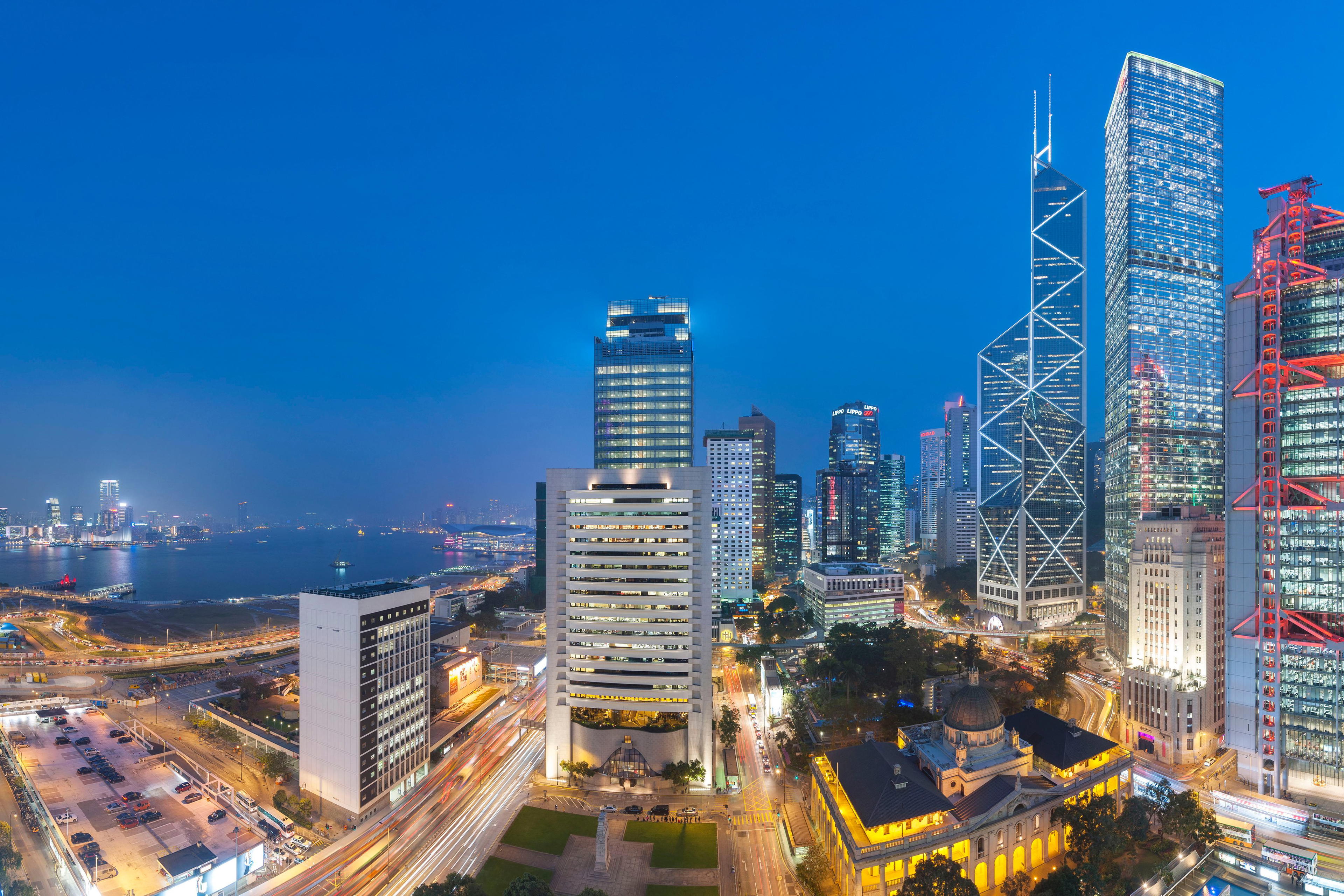
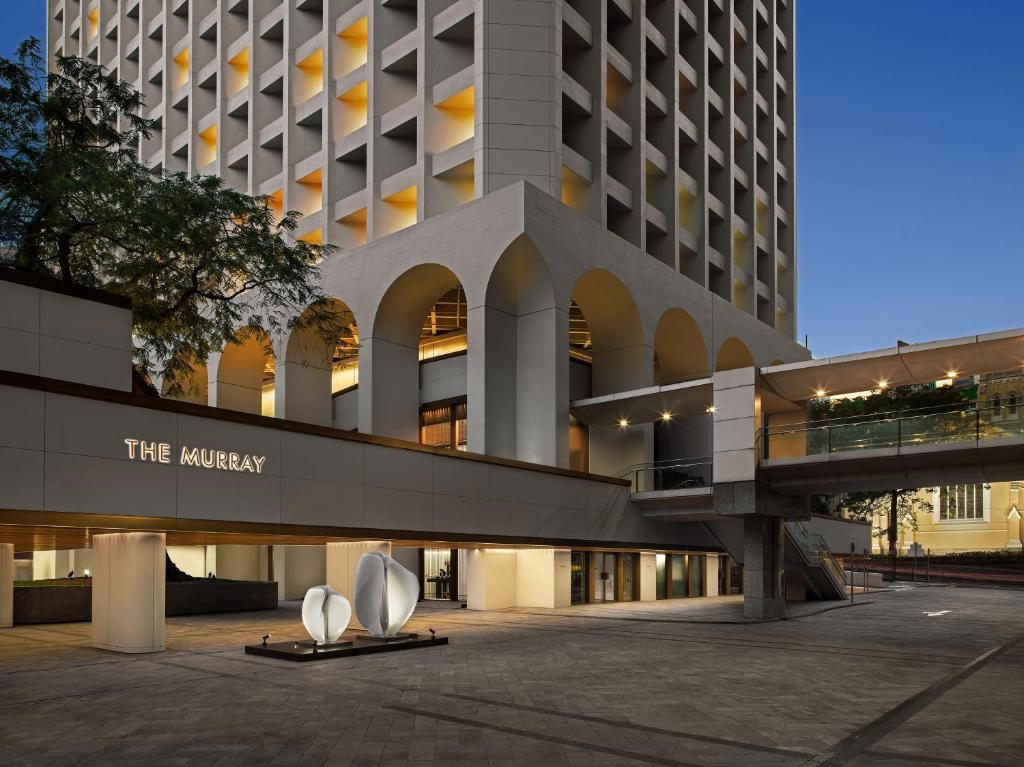
An eight-seat kappo counter on the seventh floor of the Landmark Mandarin Oriental, Kappo Rin holds a Michelin star and a 2025 ranking of #321 in Opinionated About Dining's Asia list. The 10-course seasonal menu draws ingredients flown in from Japan daily, spanning sashimi, broths, soba, and wagyu, with chef Masanori Hayashi preparing each course inches from the counter. A sister restaurant to Sushi Shikon, it occupies a more accessible but no less rigorous tier of Hong Kong's Japanese dining scene.
Pearl is the En Primeur Club membership app — saves, bookings, and concierge access live there. Same editors, same standards.
- Address
- 7/F, The Landmark Mandarin Oriental 15, Queen's Road Central, Central, Hong Kong
- Phone
- +852 2643 6811
- Website
- kappo-rin.com
- Directions
- Get directions
 Saves & bookings on Pearl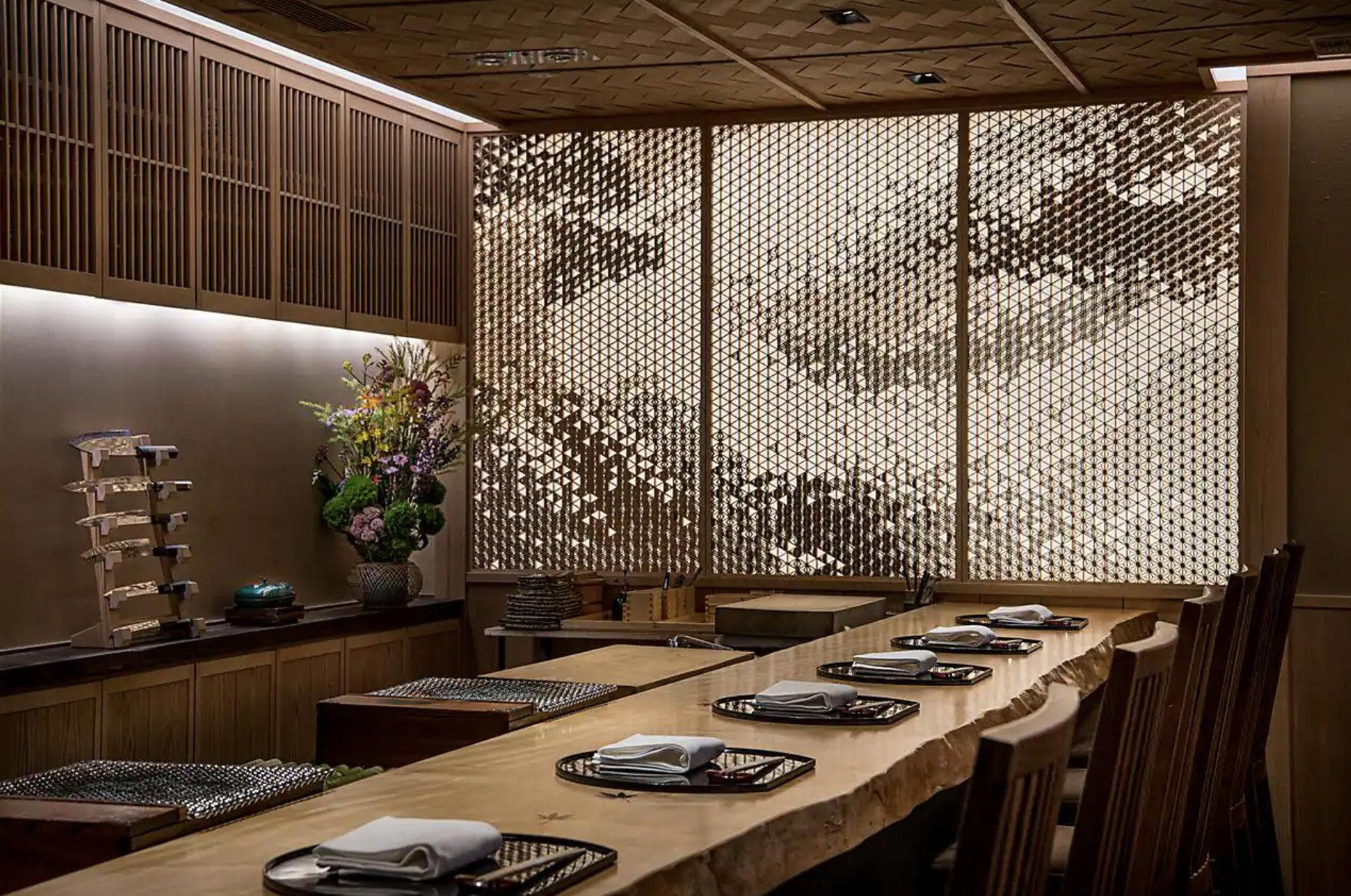
A Counter Where the Kitchen Is the Show
Eight seats. A single continuous counter. The chefs are positioned close enough that you can hear the brush stroke of soy sauce on sashimi. Kappo-style dining has always been defined by proximity, the format built around a physical and conversational closeness between cook and diner that no tasting-room service model quite replicates. At Kappo Rin, that proximity is the architecture of the entire meal. The restaurant is in Central, Hong Kong, and holds one Michelin star.
The format differs structurally from omakase sushi. Where a sushi counter focuses tightly on rice, fish, and a chef's precision within a narrow canon, kappo (from the Japanese words for "cut" and "cook") ranges freely across technique: sashimi, simmered and smoked preparations, deep-fried courses, broths, noodles. It is a broader canvas, which places more demands on both the kitchen and the diner's attention. The reward is variety that traces the full width of Japanese culinary tradition inside a single sitting.
The Performance at the Counter
One useful way to understand Kappo Rin is the theatre of preparation. The team works inches from the eight counter seats, and the meal is as much observed as it is eaten. Each course is prepared in view: the layering of a broth, the placement of chrysanthemum petals on snow crab, the careful painting of soy sauce onto a piece of red snapper sashimi. These are not gestures for effect. They are the actual production of food in a format where the kitchen wall has been removed.
This counter-side cooking tradition connects Kappo Rin to a specific lineage in Japanese dining. Kappo restaurants in Kyoto and Osaka have long positioned themselves between the formality of kaiseki and the casual directness of izakaya fare, with the counter interaction as a defining feature. Hong Kong has imported the format with care, and the restaurant operates at the upper end of that transplantation. Questions are welcomed. The team adjusts detail depending on diner interest, explaining technique or stepping back when conversation is preferred. That calibration is itself a skill, and it shapes how the meal feels from start to finish.
For comparison, kappo-format restaurants operating at comparable levels in Japan, from Azabu Kadowaki and Kagurazaka Ishikawa in Tokyo to Isshisoden Nakamura in Kyoto and Kashiwaya Osaka Senriyama in Osaka, tend to share this structure: a small counter, seasonal menu, and live preparation. The restaurant holds its own in that comparable set, with a Michelin star (2024) and a ranking of #321 in the 2025 Opinionated About Dining Asia list (up from #337 in 2024) to substantiate that claim.
Seasonal Menu, Daily Ingredients
The 10-course menu changes with the season, and ingredients are flown in from Japan each morning. That supply chain is not a marketing detail; it is the operational logic underpinning why a course of snow crab with bonito soup or steamed egg custard with codfish milt can taste as immediate as it does at the source. The menu is set rather than à la carte, which is standard for the format, and it sequences deliberately: the meal is designed to move through different textures and techniques rather than build toward a single centrepiece course.
Previous iterations of the menu have included black-truffle-topped wagyu, rockfish with mochi rice, baby snow crab with caviar and vinegar jelly, and deep-fried tilefish alongside smoked eel. That range across protein, temperature, and technique is characteristic of kappo at its most considered. The broths, noted for their complexity and preparation time, serve as throughlines rather than intermissions. A selection of more than 50 sake varieties is available, with a sommelier available to guide pairings course by course.
Because the menu rotates seasonally, repeat visits are designed into the experience. The same meal, in a different quarter, will feature different ingredients, different preparations, and a meaningfully different arc. This is one structural advantage the kappo format holds over fixed tasting menus.
Where Kappo Rin Sits in Hong Kong's Japanese Scene
Hong Kong's premium Japanese dining scene is among the more concentrated outside Japan itself. Central alone holds multiple high-level Japanese counters across sushi, kappo, and kaiseki formats, operating at the $$$$ price tier and pulling from a clientele that moves between Hong Kong and Japan regularly enough to make direct comparisons. In that context, the restaurant occupies a specific position: it is the sister restaurant to Sushi Shikon, one of Hong Kong's most-awarded sushi destinations, and shares a conceptual lineage with the Sushi Yoshitake group in Tokyo.
That positioning places the restaurant in a competitive tier alongside restaurants like Ryota Kappou Modern and Zuicho, while the sake program and counter format draw comparisons to Godenya, one of Hong Kong's more specialist Japanese beverage-driven counters. Nagamoto and Hanabi represent adjacent options in Hong Kong's broader Japanese dining tier. For readers tracking the kappo format across borders, Myojaku in Tokyo and Gion Matayoshi in Kyoto offer useful reference points, as does Ginza Fukuju for sake-forward Japanese dining at a comparable level. Hayato in Los Angeles represents one of the few kappo-format counters operating at this tier outside Asia.
Within Central's broader hotel dining corridor, the $$$$ tier is populated by French and Italian flagships: 8 1/2 Otto e Mezzo Bombana, Caprice, and Ta Vie among them. The restaurant operates at the same price level but in a format where counter position, seasonal timing, and the quality of live interaction carry most of the value. Those are not competing considerations; they are different reasons to spend the same amount of money, and knowing the distinction matters for booking decisions.
The restaurant remains open during this period.
Nearby-ish Comparables
Comparable venues nearby, for context on price, style, and recognition.
| Venue | Cuisine | Price | Notes |
|---|---|---|---|
| Kappo RinThis venue — the venue you are viewing | Modern Japanese Kappo Omakase | $$$$ | Not listed |
| Godenya | Seasonal Japanese Kappo with Sake Pairing | $$$$ | Central |
| Sushi Wadatsumi | Edomae-style Omakase | $$$$ | Yau Tsim Mong South |
| Sun Tung Lok | Traditional High-End Cantonese | $$$$ | Yau Tsim Mong South |
| Zuicho | Kappo Omakase | $$$$ | Central |
| Roganic | Modern British Farm-to-Table | $$$$ | Wan Chai |
Recognition history
Dated appearances from independent guides and award organizations, with the underlying list record or original source where available.
Forbes 4-Star
Forbes
Michelin 1 Star
Michelin
Opinionated About Dining Top Restaurants in Asia Recommended
Opinionated About Dining
Forbes 4-Star
Forbes
Michelin 1 Star
Michelin
Opinionated About Dining Top Restaurants in Asia Ranked #321
Opinionated About Dining
Michelin 1 Star
Michelin
Opinionated About Dining Top Restaurants in Asia Ranked #337
Opinionated About Dining
Continue exploring
More in Hong Kong
More from Chef Hong Kong
Browse all →
Restaurants in Hong Kong
Browse all →
Bars in Hong Kong
Browse all →
At a Glance
- Sophisticated
- Intimate
- Elegant
- Modern
- Special Occasion
- Date Night
- Chefs Counter
- Open Kitchen
- Sake Program
Current opening hours
- Monday
- 12:30–2 PM, 6–10:30 PM
- Tuesday
- 12:30–2 PM, 6–10:30 PM
- Wednesday
- 12:30–2 PM, 6–10:30 PM
- Thursday
- 12:30–2 PM, 6–10:30 PM
- Friday
- 12:30–2 PM, 6–10:30 PM
- Saturday
- 12:30–2 PM, 6–10:30 PM
- Sunday
- Closed
Hours can change for holidays and private events. Last verified .
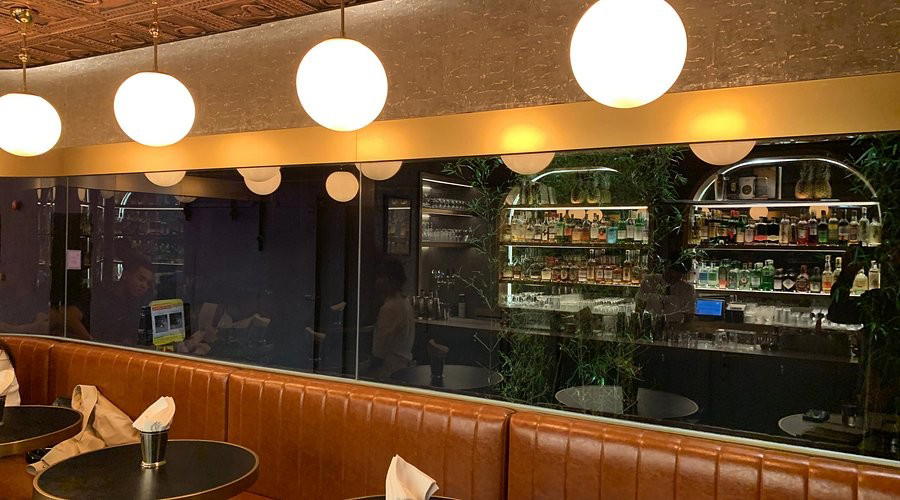
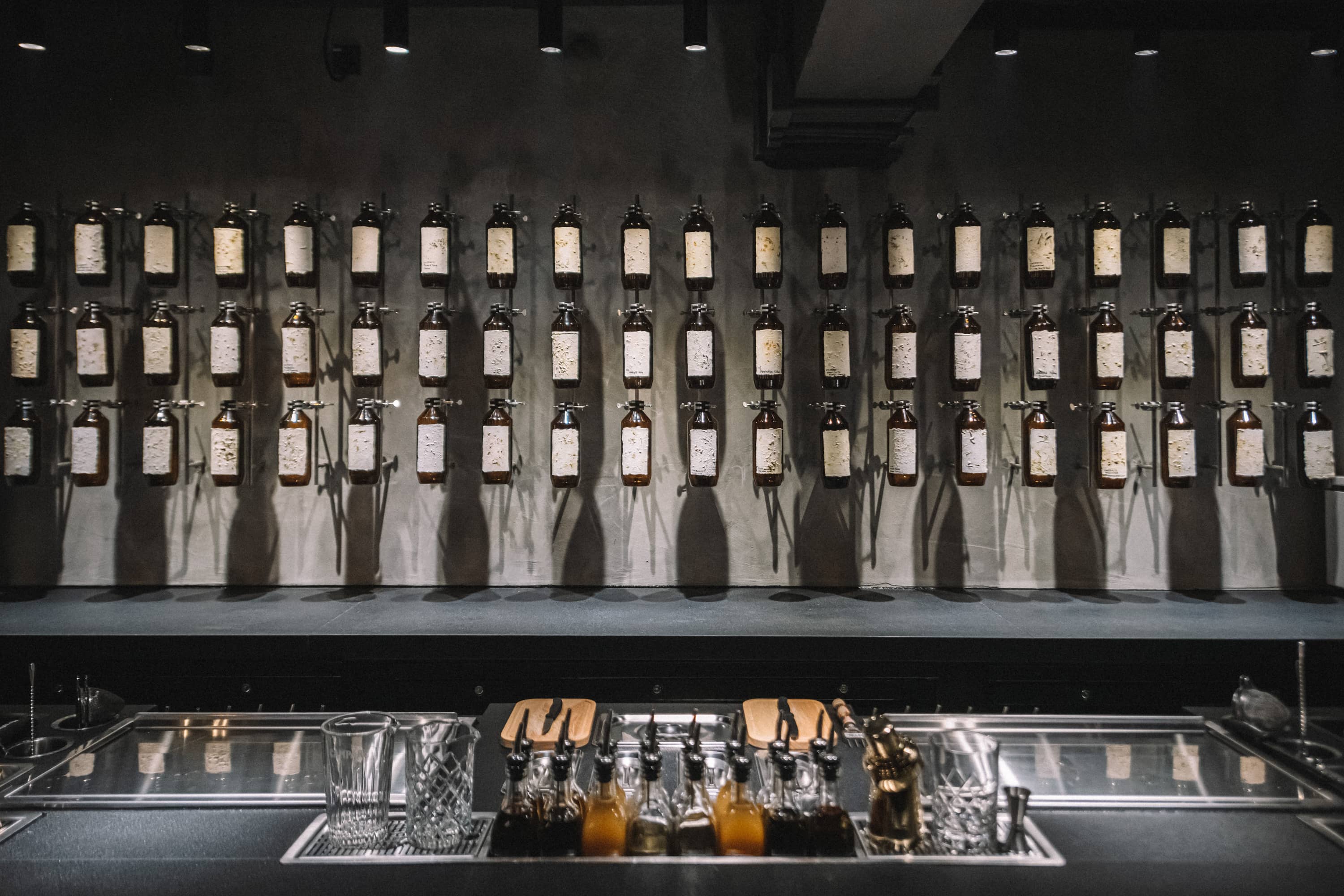
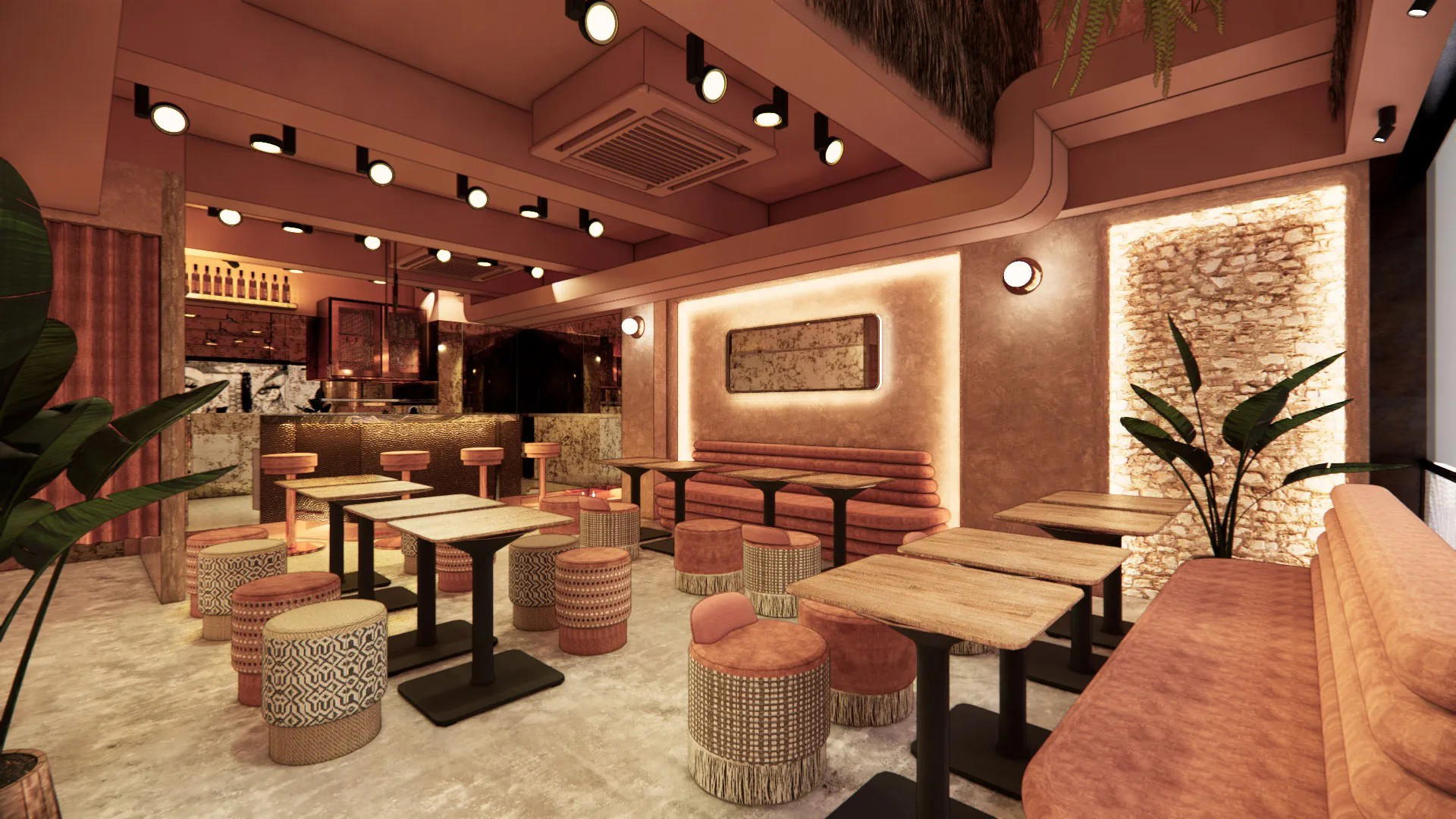
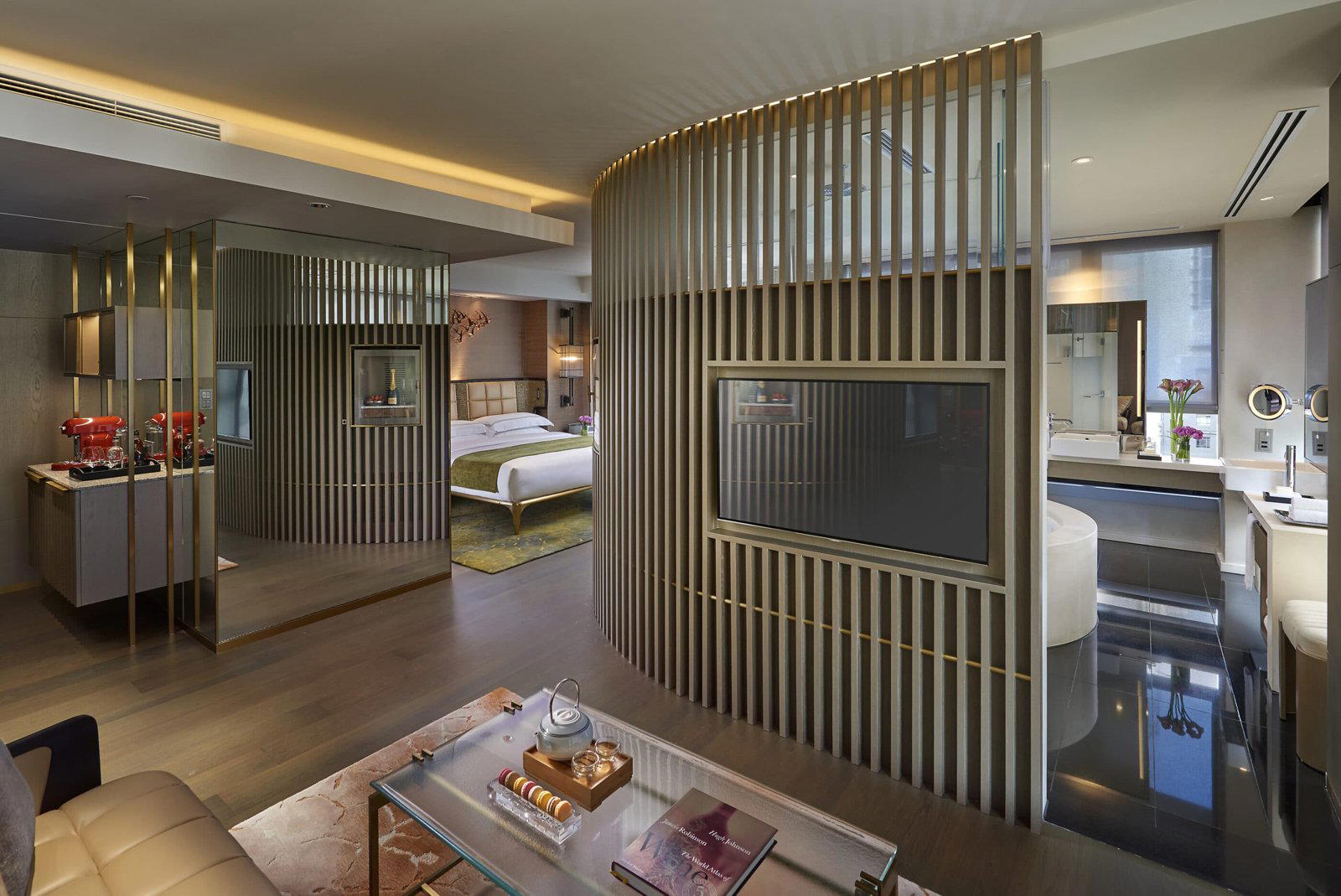
Nature-inspired with hinoki wood counter, bamboo ceilings, earthen walls, and soft lighting creating a calm, sensorial atmosphere.