



On Hong Kong's Hollywood Road, Neighborhood operates at the intersection of casual format and serious recognition: a Michelin one-star with a 2025 Asia's 50 Best ranking of #21. Chef David Lai's rotating tapas menu leans seafood-heavy, with large sharing platters requiring advance orders. The $$ price point places it well below the city's formal fine-dining tier while competing on the same regional lists.
Pearl is the En Primeur Club membership app — saves, bookings, and concierge access live there. Same editors, same standards.
- Address
- 61 Hollywood Rd, Central, Hong Kong
- Phone
- +852 2617 0891
- Website
- inline.app
- Directions
- Get directions
 Saves & bookings on Pearl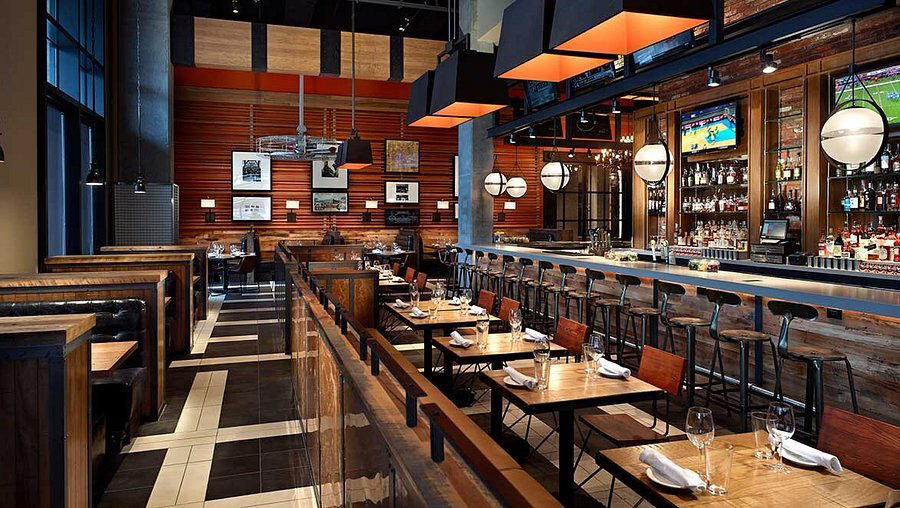
Hollywood Road at Night, Alley Entrance Included
Central's Hollywood Road runs a particular kind of gauntlet after dark: gallery fronts shuttered, antique shops locked, the occasional tourist navigating by phone. The restaurants that thrive here tend to do so not on foot traffic but on reputation, with guests arriving specifically rather than stumbling in. Neighborhood is a one-star restaurant in Central, Hong Kong, at 61 Hollywood Road, with Modern French with Asian Influences cooking and a 2025 World's 50 Best ranking of #21. There is no formal door sequence, no hushed entry ritual. The room is described consistently as casual and bustling, the kind of space where the noise level confirms the kitchen is working hard.
Where This Fits in Hong Kong's Dining Tier Structure
Hong Kong operates among the more stratified restaurant markets in Asia. At the leading sit the multi-star formal rooms: Caprice, Amber, and 8 1/2 Otto e Mezzo Bombana anchor a tier where the format is tasting menu or a la carte with tableside ceremony and pricing to match. Below that sits a contested middle ground where the $$$-range contemporary rooms like Feuille position themselves. Then there is the $$ tier, which in most cities means casual neighbourhood cooking and little critical attention. In Hong Kong that equation breaks down repeatedly. Neighborhood, priced at $$, holds a Michelin one star and ranked #21 on the World's 50 Best Asia's Leading Restaurants list in 2025. The consistency of those placements across four consecutive years signals institutional recognition rather than a one-cycle anomaly.
The peer comparison is useful framing for what Neighborhood is doing. Ta Vie and Forum operate at different price points and with different culinary identities, but they share the same competitive ranking environment. What separates Neighborhood from the upper-tier rooms is format philosophy rather than kitchen seriousness.
The Format and Menu Logic
The menu structure at Neighborhood follows a tapas rotation of around 20 items, skewed heavily toward seafood, alongside large sharing platters that require pre-ordering. The rotation format means the menu shifts with availability and season, which in a seafood-heavy program is less an affectation than a practical necessity. Daily seafood specials represent the live edge of that rotation.
Among the anchoring dishes, the salt-baked chicken rice with giblets and morels and the Hokkaido kinki paella appear as signature sharing platters. Both require advance ordering, a logistical detail worth noting before arrival: walking in and expecting to order off the full menu without prior arrangement means missing the dishes that have driven critical attention. The paella format, applied to a Japanese rockfish with relatively high market value, sits within a broader European-Asian synthesis that defines the restaurant's culinary identity. Chef David Lai leads the kitchen, and the restaurant's style is Modern French with Asian Influences.
The smoked fish in spices, available periodically as a seafood special, has drawn specific attention in critical coverage. As with all rotating specials, its appearance on any given evening is not guaranteed, which is part of the point: the rotation creates scarcity signals that a fixed menu cannot replicate.
The Wine Program in a Tapas-Format Room
Pairing a wine program to a rotating 20-item tapas format presents a specific set of challenges that differ substantially from what the formal tasting-menu rooms handle. At Amber or Caprice, a sommelier can anticipate dish sequences and build pairing progressions across six to ten courses. In a tapas format at a $$ price point, the wine list needs to work across a wide flavour range simultaneously: briny seafood specials, umami-heavy paella, herb-crusted poultry, rotating preparations with spice profiles that shift by season.
The structural solution most serious tapas-format rooms reach for is versatility over depth: a list that prioritises wines with enough acidity and texture to move across multiple dish registers rather than specialising in any single region or varietal. The $$ pricing also implies that the list works across accessible and mid-range bottles. What matters for the guest is that the wine program has to earn its place inside a meal structure where every table is likely ordering five to eight dishes in no particular progression. That is a different sommelier discipline than the one practiced at the rooms that dominate Hong Kong's formal fine-dining tier.
For reference, rooms like Le Bernardin in New York City or Aponiente in El Puerto de Santa María build their wine programs around the logic of seafood-first menus at the formal end of the market. Neighborhood operates with the same seafood orientation but at a different format register, closer to the casual-but-serious mode that has proven durable across multiple cities. The comparison set also includes places like Lazy Bear in San Francisco and Atomix in New York City, where critical recognition and casual or mid-format presentation coexist without apparent contradiction. Hong Kong has its own version of that pattern, and Neighborhood is among its cleaner examples.
The Alley, the Hours, and the Practical Reality
Neighborhood is open Tuesday through Saturday from 6 PM to 11:30 PM, with Monday service also running 6 PM to 11:30 PM. Sunday is closed. The dinner-only format and the six-night week are consistent with a kitchen operating at careful capacity rather than maximising covers. The 11:30 PM close allows for late seating by Hong Kong standards.
A bustling alley location, a rotating menu without fixed anchors for every visit, and a format that rewards advance planning over spontaneous ordering can all read as friction to a general audience while constituting virtues for the guest who has done the preparation. Pre-ordering the large platters is not optional if those dishes are the reason for the visit.
For international reference points in the contemporary European mode, Alléno Paris au Pavillon Ledoyen, Alain Ducasse at Louis XV in Monte Carlo, Arzak in San Sebastián, and Emeril's in New Orleans each represent different points on the spectrum of where European contemporary technique has traveled and settled.
Planning Your Visit
Address: 61 Hollywood Rd, Central, Hong Kong. Hours: Monday to Saturday, 6 PM to 11:30 PM; Sunday closed. Budget: $$ pricing tier. Reservations are recommended. Dress: smart casual.
A Minimal comparable set
Comparable venues nearby, for context on price, style, and recognition.
| Venue | Cuisine | Price | Notes |
|---|---|---|---|
| NeighborhoodThis venue — the venue you are viewing | International, European Contemporary | $$$ | Not listed |
| T'ang Court | Not listed | $$$$ | Yau Tsim Mong South, Three Michelin-Star Cantonese |
| Andō | Central, Japanese-Argentinian Fusion | $$$$ | Not listed |
| Mono | Not listed | $$$$ | Central, Modern Latin American Fine Dining |
| Estro | Central, Modern Neapolitan Italian | $$$$ | Not listed |
| WING Restaurant | Central, Modern Chinese Fine Dining | $$$$ | Not listed |
Recognition history
Dated appearances from independent guides and award organizations, with the underlying list record or original source where available.
Michelin 1 Star
Michelin
Opinionated About Dining Top Restaurants in Asia Ranked #33
Opinionated About Dining
World's 50 Best Asia's Best Restaurants #24
World's 50 Best
Michelin 1 Star
Michelin
Opinionated About Dining Top Restaurants in Asia Ranked #28
Opinionated About Dining
The Best Chef One Knife
The Best Chef
World's 50 Best Asia's Best Restaurants #21
World's 50 Best
Michelin 1 Star
Michelin
Opinionated About Dining Top Restaurants in Asia Ranked #31
Opinionated About Dining
Opinionated About Dining Top Restaurants in Asia Ranked #30
Opinionated About Dining
World's 50 Best Best Restaurants #92
World's 50 Best
Continue exploring
More in Hong Kong
Restaurants in Hong Kong
Browse all →
Bars in Hong Kong
Browse all →


At a Glance
- Cozy
- Intimate
- Trendy
- Date Night
- Special Occasion
- Group Dining
- Corkage Allowed
Current opening hours
- Monday
- 6–11:30 PM
- Tuesday
- 6–11:30 PM
- Wednesday
- 6–11:30 PM
- Thursday
- 6–11:30 PM
- Friday
- 6–11:30 PM
- Saturday
- 6–11:30 PM
- Sunday
- Closed
Hours can change for holidays and private events. Last verified .
Casual and bustling with simple, clean lines in a tucked-away alley setting, creating an intimate and cozy atmosphere.