

Shanghai's xiaolongbao counters are contested territory, but Wu You Xian has carved a specific niche: crab, in over 20 configurations, from pure crabmeat to roe-heavy, tomalley-rich, and premium seafood combinations featuring abalone and sea cucumber. A Michelin star since 2024, the shop relocated to larger city-centre premises yet still draws queues. The assorted steamer is the standard entry point for first-timers.
Pearl is the En Primeur Club membership app — saves, bookings, and concierge access live there. Same editors, same standards.
- Address
- 494H+7MV, Xin Dong Lu, 莘庄 Min Hang Qu, Shang Hai Shi, China, 201199
- Phone
- +86 158 0072 2498
- Directions
- Get directions
 Saves & bookings on Pearl
A Queue Worth Reading
The line outside Wu You Xian tells you something about how Shanghai eats. In a city where xiaolongbao shops occupy almost every neighbourhood, from tourist-dense Yu Garden to the outer residential districts, the crowds here are not casual. They are repeat visitors who have already decided what they want before they arrive. That specificity of purpose is the clearest signal that this is not a general dumpling house. It is a crab xiaolongbao operation with Michelin recognition and a menu depth that regular customers have spent considerable time mapping.
Among Shanghai's xiaolongbao specialists, the crab-forward approach places Wu You Xian in a smaller competitive tier. Most mid-range xiaolongbao shops offer crab roe as a seasonal addition to a pork-dominant menu. Here, the inversion is complete: crab is the architecture, and over 20 distinct varieties are built around it. That range, covering crabmeat alone, roe alone, tomalley alone, and combinations of all three, gives regulars genuine reasons to return rather than a single signature to exhaust on the first visit. The shop's 2024 Michelin one-star recognition formalises what the queues had already established.
The Crab Logic
Shanghai's relationship with hairy crab is one of the more ritualised eating traditions in Chinese cuisine. Every autumn, Yangcheng Lake crab commands premium prices and dedicated restaurant menus across the city. The xiaolongbao format, with its sealed soup pocket and thin skin, translates crab into something portable and immediate, collapsing the ceremony of a whole crab into a single bite.
Wu You Xian extends that logic across a spectrum that rewards careful selection. The distinction between crabmeat and roe fillings is meaningful: crabmeat delivers a cleaner, sweeter flavour, while roe adds density and a characteristic brininess. Tomalley, the crab's hepatopancreas, is one assertive option, with an almost mineral richness that divides opinion but draws its own loyal following. Combination buns sit at the intersection of all three, and for visitors who have not yet developed strong preferences, the assorted steamer option the venue explicitly recommends for first-timers is the sensible starting point. Each variety arrives with a dedicated dipping condiment, which signals that the kitchen treats the sauce as part of the dish rather than an afterthought.
The premium seafood tier, incorporating abalone and sea cucumber, sits above the crab-only range in both price and occasion. These buns attract a different subset of the regular clientele, the ones who treat this as a destination rather than a neighbourhood stop, and their popularity suggests the kitchen handles luxury ingredients with enough confidence to justify the premium within a ¥¥ price structure that remains accessible by Shanghai standards.
What Regulars Actually Order
The editorial angle here belongs to the returning visitor rather than the newcomer. First-timers follow the assorted option. Regulars do not. The pattern that emerges from a crab-specialist menu of this depth is that committed customers develop a personal hierarchy: a base order of their preferred crab combination, a secondary order from the premium seafood tier when the occasion warrants, and occasionally something from the periphery to stay current with any additions to the menu.
Translucent skin that the venue's own description emphasises is a technical marker worth noting. Xiaolongbao skins sit on a spectrum from thick and starchy to nearly sheer, and the latter requires both a more refined dough and a faster, more controlled cook. A skin that tears before it reaches the table is a failure of execution; one that holds through picking up but releases cleanly on the first bite is the standard regulars measure against. The soup pocket within each bun concentrates the crab flavour further, and getting through the meal without losing it to the steamer basket requires a technique that most regular visitors have long since internalised.
Within Shanghai's broader xiaolongbao scene, the comparison points are instructive. Nanxiang Steamed Bun (Yuyuan Road) is the historical reference point, operating near Yu Garden with a heritage claim that shapes its clientele and tourist draw. Qiao Ai Lai Lai Xiao Long (Huangpu) occupies a different neighbourhood position. Wu You Xian's differentiation is not primarily about heritage or location but about crab concentration and menu range, a specialist strategy that the Michelin committee evidently found persuasive.
For those whose Shanghai eating extends beyond dumpling formats, Da Hu Chun (Middle Sichuan Road) and Hong Yu Fang represent adjacent Shanghai traditions worth understanding alongside the xiaolongbao canon. For Cantonese dim sum in a more formal register, 102 House (Cantonese) operates at a different price tier and format. The wider dim sum tradition across the region has its own reference points: Hongtu Hall in Guangzhou and Bao Teck Tea House in George Town each reflect how the format has developed in different cultural contexts. Across broader Chinese fine dining, venues like Xin Rong Ji in Beijing, Ru Yuan in Hangzhou, Xin Rong Ji in Chengdu, Chef Tam's Seasons in Macau, Imperial Treasure Fine Chinese Cuisine in Guangzhou, and Dai Yuet Heen in Nanjing represent the formal end of the spectrum that restaurant is not trying to occupy.
The Relocation and What It Signals
The move to larger city-centre premises is a meaningful data point. Xiaolongbao shops that relocate to bigger spaces and maintain queues are not simply scaling a popular product. They are managing a demand problem while preserving the operational conditions that generated the original reputation. The fact that queues persist after the expansion suggests the relocation did not dilute the draw, which is not a guaranteed outcome. Some shops that move to more accessible locations see their regulars replaced by tourists; the restaurant's continued pull indicates the core clientele followed.
At ¥¥ pricing, the venue sits in a range that keeps it accessible to the same mix of neighbourhood regulars and deliberate destination visitors that presumably filled the original premises. This is not the pricing of a restaurant trying to reposition upmarket on the back of Michelin recognition. It is the pricing of a shop that understands its value is tied to the format staying honest.
Know Before You Go
- Address: Xin Dong Lu, Minhang District, Shanghai 201199
- Cuisine: Dim Sum, Crab Xiaolongbao specialist
- Price range: ¥¥
- Recognition: Michelin 1 Star (2024)
- Menu range: Over 20 crab xiaolongbao varieties; premium buns with abalone and sea cucumber also available
- First-timer entry point: Assorted steamer with multiple varieties
- Queues: Expected; plan accordingly, particularly during peak hairy crab season in autumn
- Booking: Recommended
- More Shanghai options: Our full Shanghai restaurants guide | Hotels | Bars | Experiences | Wineries
The Essentials
Comparable venues nearby, for context on price, style, and recognition.
| Venue | Cuisine | Price | Notes |
|---|---|---|---|
| Wu You XianThis venue — the venue you are viewing | Dim Sum | $$$ | Not listed |
| Da Dong (Xuhui) | Not listed | $$$ | Hongkou, Traditional Peking Duck & Chinese Fine Dining |
| Lao Zheng Xing | Huangpu, Traditional Shanghainese | $$ | Not listed |
| Moose (Pudong) | Yang Jia Du, Refined Huaiyang Cuisine | $$$ | Not listed |
| Seventh Son | Lan Ni Du, Traditional Cantonese Dim Sum | $$$$ | Not listed |
| Canton Table | Lan Ni Du, Modern Cantonese | $$$ | Not listed |
Recognition history
Dated appearances from independent guides and award organizations, with the underlying list record or original source where available.
Opinionated About Dining Top Restaurants in Asia Recommended
Opinionated About Dining
Michelin 1 Star
Michelin
Michelin 1 Star
Michelin

At a Glance
- Cozy
- Elegant
- Special Occasion
- Family
- Open Kitchen
- Local Sourcing
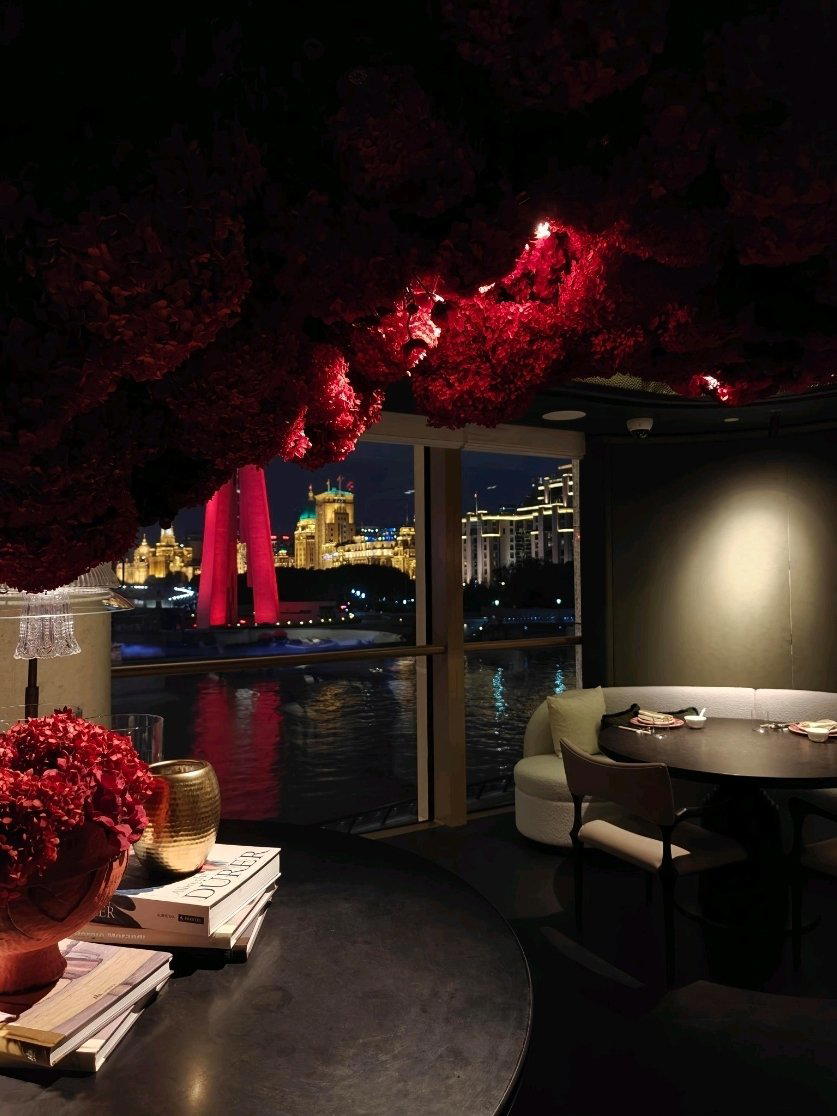
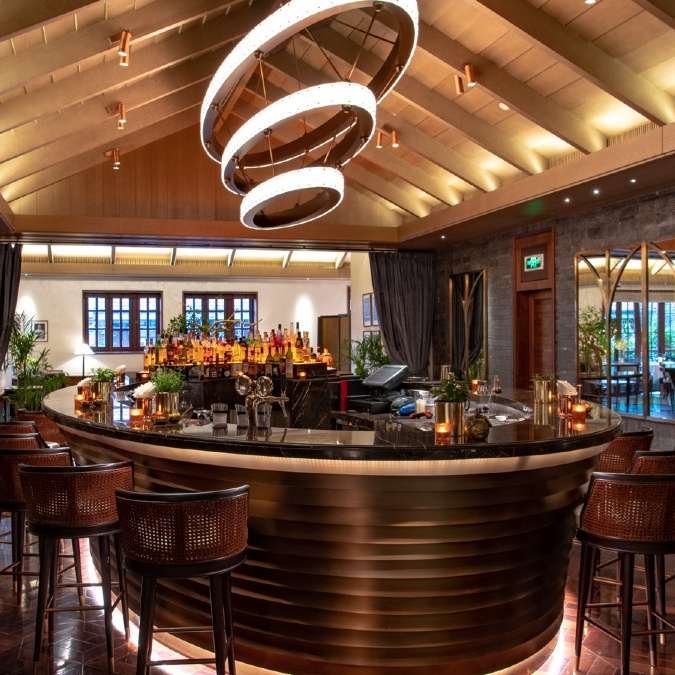
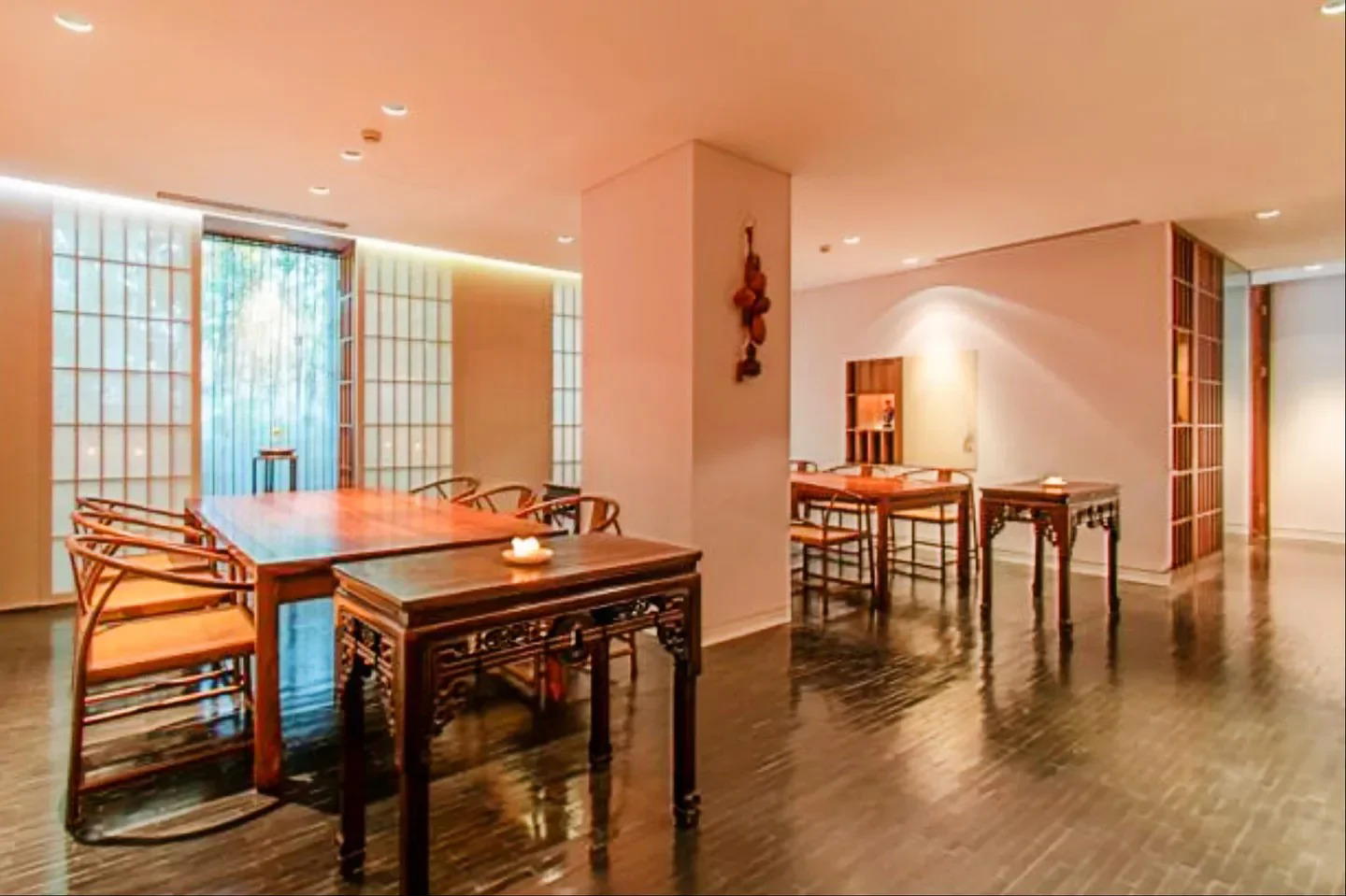
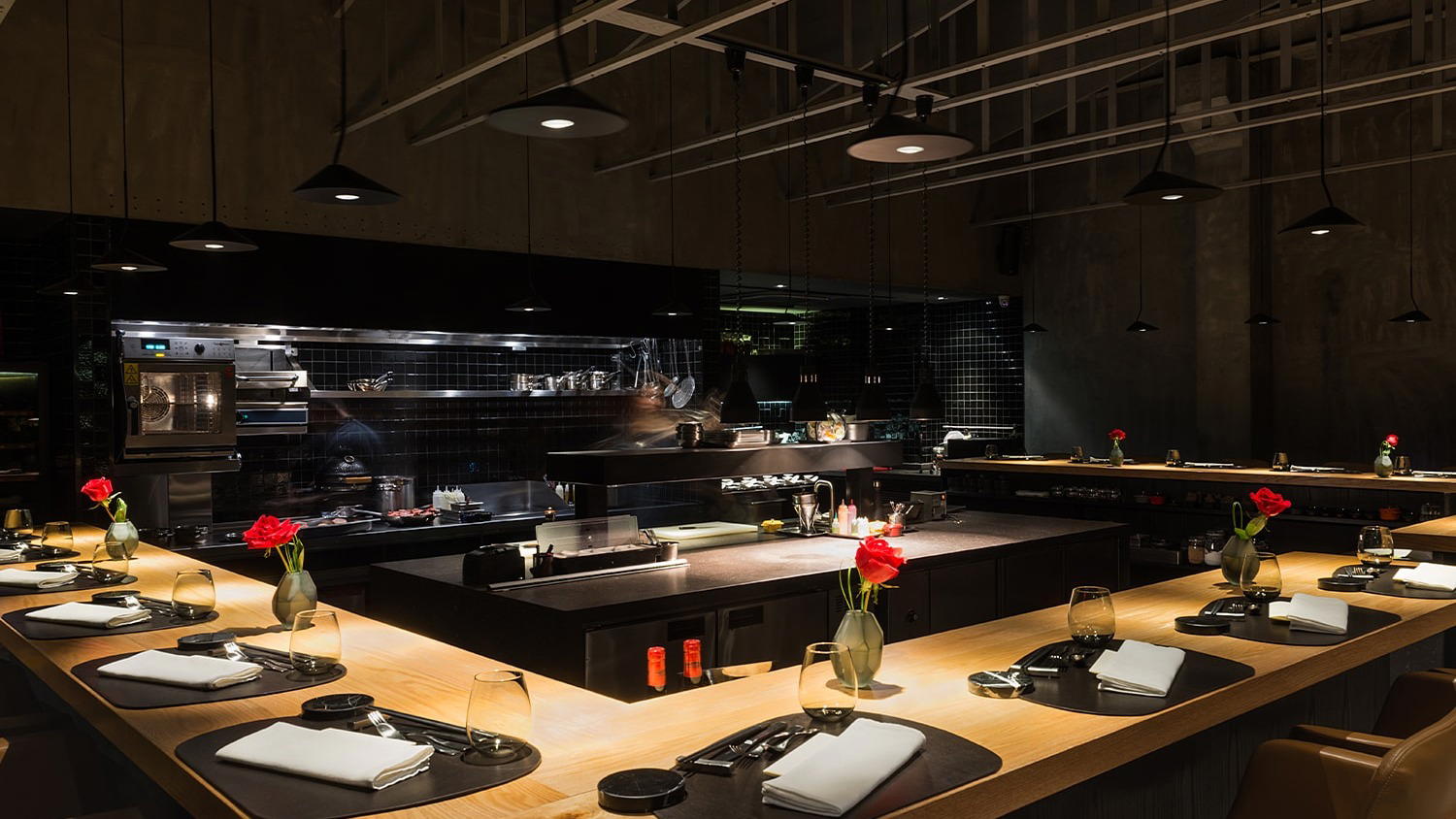
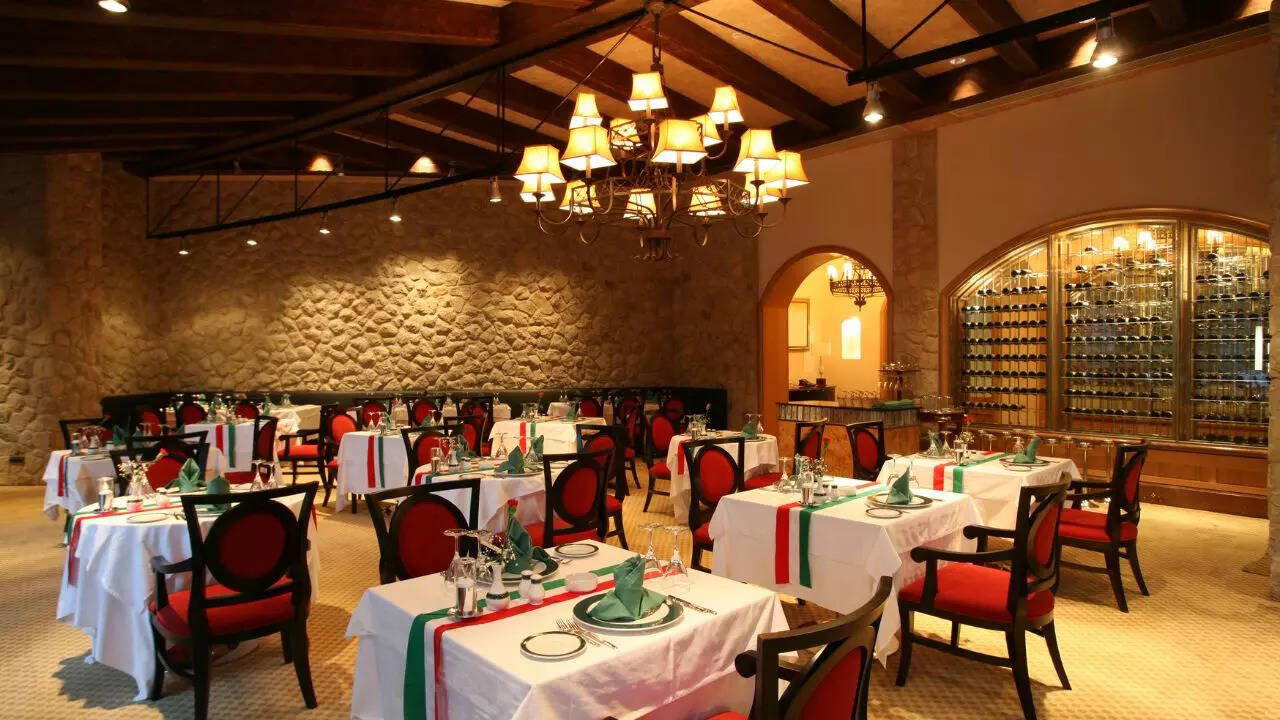
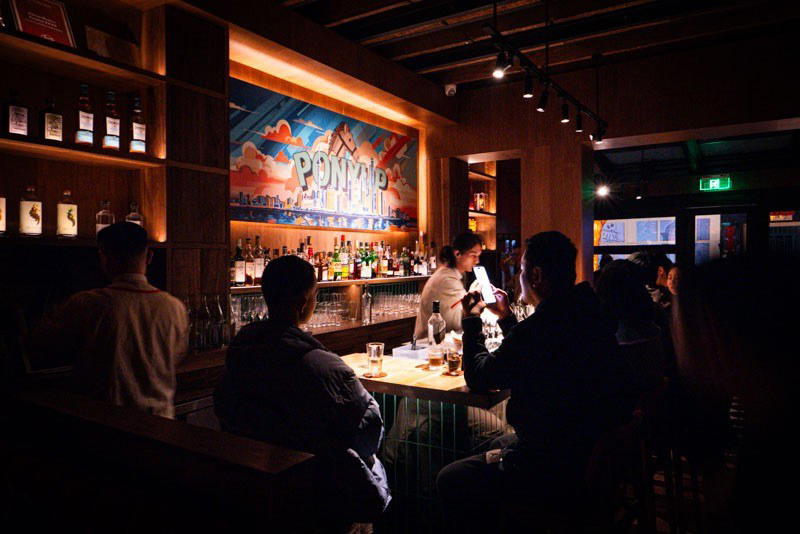
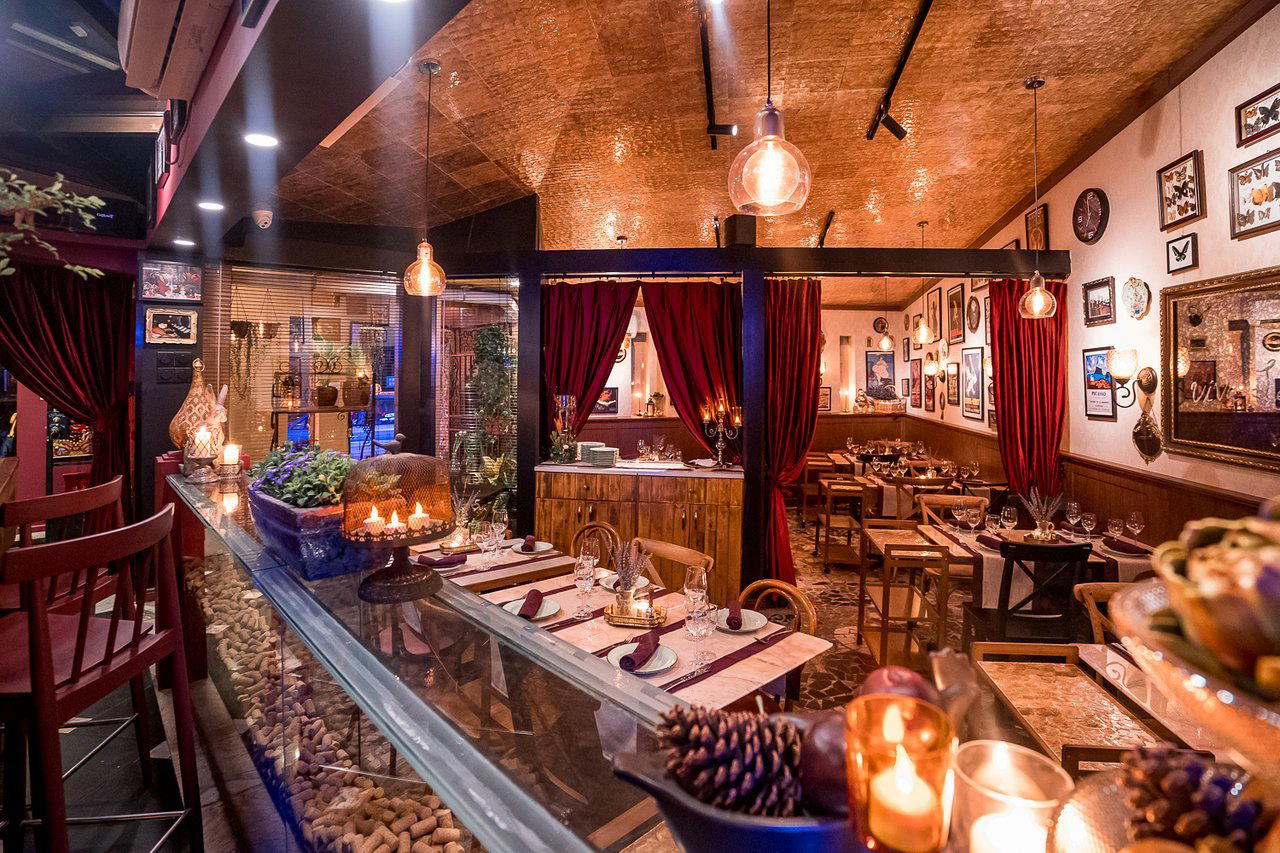
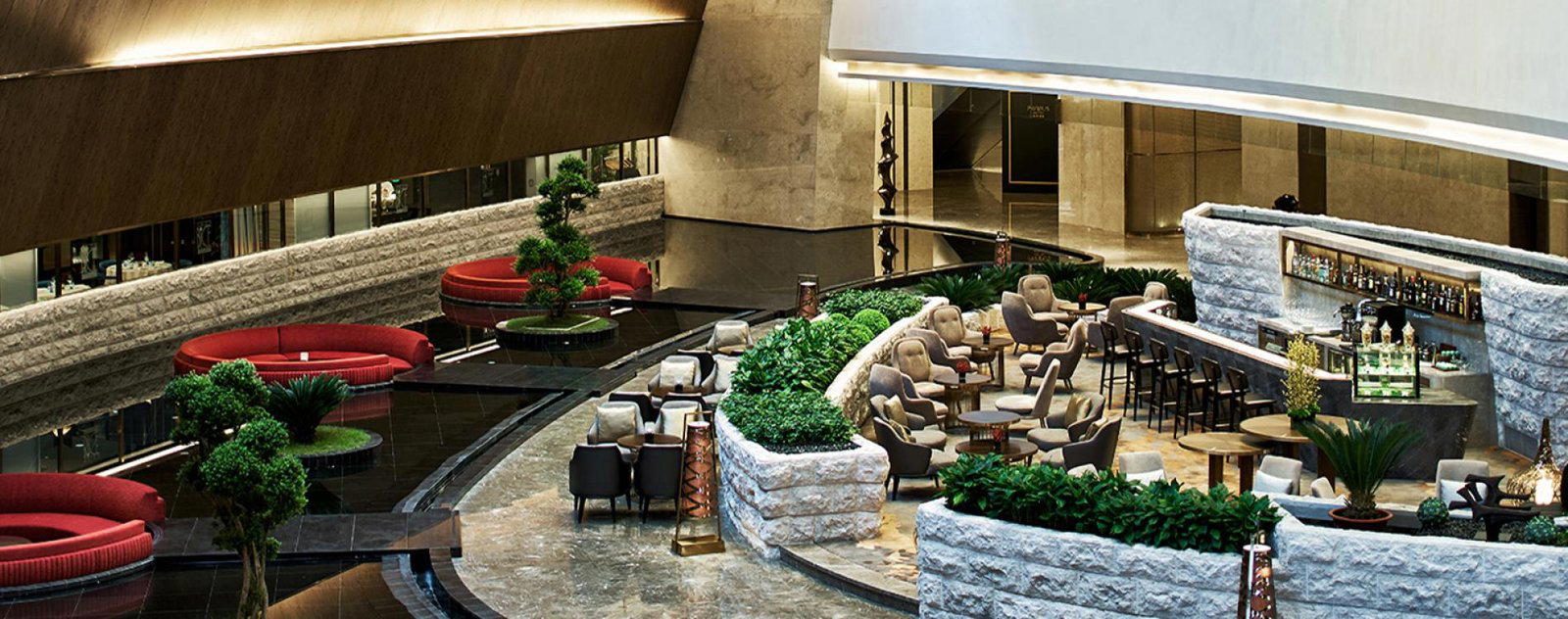
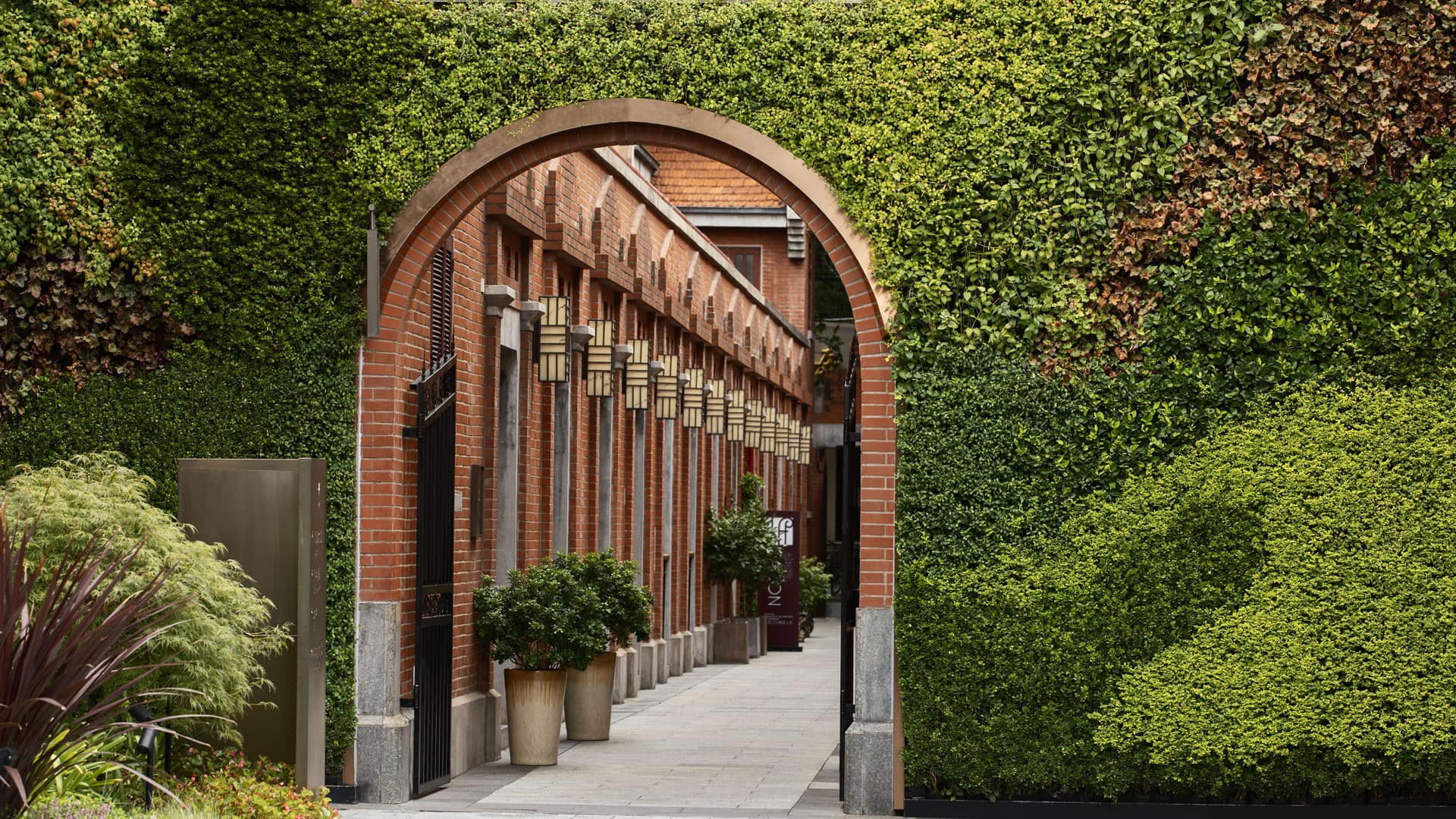
Warm and hospitable atmosphere with meticulous attention to detail in a street-side setting, treating guests like family.