
A Michelin-starred dim sum house in Guangzhou's Panyu District, Hongtu Hall has held one Michelin star in both 2024 and 2025 at a mid-range price point that sits well below the city's Cantonese fine-dining tier. The address places it outside the central business district, drawing guests who make the deliberate trip south for yum cha at a recognised standard.
Pearl is the En Primeur Club membership app — saves, bookings, and concierge access live there. Same editors, same standards.
- Address
- China, Guangdong Province, Guangzhou, Panyu District, 捷进东路市桥镇黄编食街 邮政编码: 511403
- Phone
- +86 20 8487 6124
- Directions
- Get directions
 Saves & bookings on Pearl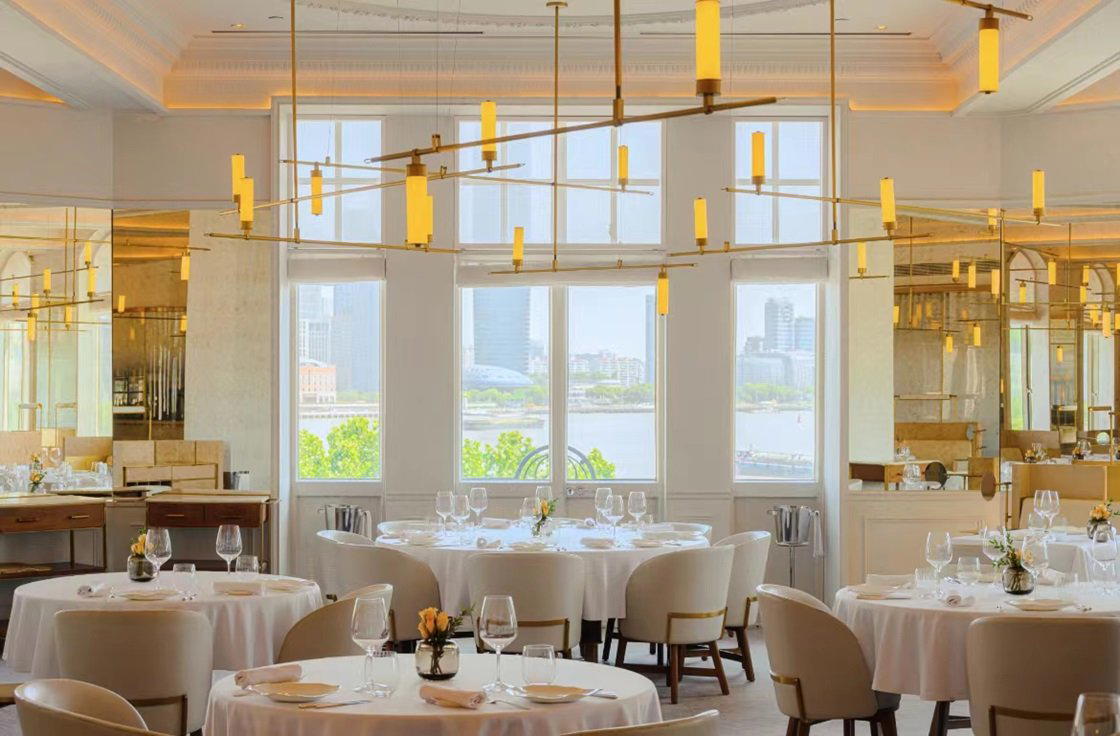
Dim Sum at the Periphery: Why Panyu Has Michelin's Attention
Guangzhou's Michelin map concentrates most of its starred addresses inside the central districts, Tianhe, Yuexiu, and Haizhu absorb the bulk of recognised Cantonese and contemporary fine dining. Panyu District sits south of the Pearl River, a different pace and a different price register. When a dim sum house in Panyu earns Michelin stars in 2024 and 2025, it signals something worth examining: that the inspectors are finding quality outside the expected postcode, and that the city's yum cha tradition runs deeper than the hotel dining rooms and high-spend Cantonese houses that dominate most visitors' itineraries.
Hongtu Hall occupies that outlier position. It sits on Jiejin East Road in Shiqiao Town's Huangpian Food Street, a commercial strip whose name announces its purpose plainly. The address is not designed to impress on approach. What it offers instead is a version of dim sum culture that remains embedded in neighbourhood life rather than repositioned for expense-account dining, and it does so while holding a star that its more central, more expensive peers must also defend.
The Dim Sum Format and What Michelin Recognition Means Here
Dim sum as a category occupies a distinct tier within Guangzhou's broader Cantonese tradition. Yum cha, the practice of drinking tea while sharing small plates of har gau, siu mai, char siu bao, cheung fun, and a rotation of steamed, baked, and fried preparations, is among the oldest continuous restaurant formats in southern China. Guangzhou is its origin city and still its most argued-over venue. The question of which house executes the classics with greater precision, the skin thickness on the dumpling, the fat ratio in the pork filling, the temperature discipline on the custard bun, remains genuinely contested among the people who eat here regularly.
Michelin's Guangzhou guide has awarded stars to dim sum specialists with increasing consistency since the guide launched in the city. A one-star at the ¥¥ price range is a specific statement: the inspectors are recognising craft and consistency, not ceremony or cellar. Hongtu Hall's consecutive stars place it in a peer group that includes some of Guangzhou's longest-established yum cha institutions, competing on the quality of the food rather than the depth of the service infrastructure. For context, the starred Cantonese houses in central Guangzhou, such as Imperial Treasure Fine Chinese Cuisine at ¥¥¥ with two Michelin stars, or Jiang by Chef Fei operating at a comparable premium tier, price against a different expectation set entirely.
Freshness as the Organising Principle
The leading dim sum houses in Guangzhou share a commitment to ingredient immediacy that shapes the entire operation. Seafood tanks are a standard fixture in this format, and the live selection theatre they create is not incidental, it is the editorial statement of the kitchen. A prawn that goes from tank to steamer to table within minutes produces a har gau with a snap in the filling that refrigerated product cannot replicate. The same logic applies to the fish and shellfish that move through a traditional Cantonese dim sum spread: when the sourcing is visible and the turnover is high, the food is different in kind, not just degree.
Shiqiao Town's Huangpian Food Street is the kind of address where this operational model makes sense. The surrounding neighbourhood generates consistent daily traffic rather than the weekend-heavy pattern of destination restaurants in tourism corridors. That rhythm sustains the supply chain, tanks stay active, deliveries stay frequent, and the kitchen does not need to manage slow inventory. It is one structural reason why recognised dim sum quality can exist at this price point in this location, while comparable quality in a central hotel setting would carry a significant premium for the real estate alone.
The live seafood selection model also shifts the pricing dynamic in a way that rewards attentive ordering. Market-weight pricing on whole fish and shellfish means the final bill can vary considerably depending on what comes out of the tank, a pattern familiar to anyone who has eaten at serious seafood-led Cantonese houses across the Pearl River Delta. At ¥¥, Hongtu Hall sits within reach for a broader range of guests than the city's upper-tier Cantonese restaurants, but the live selection component means that disciplined ordering and awareness of market prices on the day remain relevant.
Positioning Within Guangzhou's Starred Circuit
Guangzhou's Michelin constellation covers a wider range of formats and price points than most international visitors expect. The guide includes addresses spanning contemporary Chinese, Cantonese fine dining, and specialist regional formats. The modern European and innovative-format restaurants, including Taian Table at ¥¥¥¥ and Chōwa at ¥¥¥, represent a different segment of the city's dining ambition. Hongtu Hall belongs to the traditional-format end of that spectrum, where the evaluation criteria centre on the execution of established technique rather than innovation or concept.
Within the dim sum category specifically, comparisons extend across the region. Wu You Xian in Shanghai and Bao Teck Tea House in George Town represent how Cantonese-origin dim sum formats translate in other cities, each adapting to local supply chains and customer expectations. Guangzhou remains the reference point for the tradition, and a Michelin star here carries the weight of that context: the inspectors are evaluating against the city that invented the format.
For visitors building a broader Guangzhou restaurant programme alongside the restaurant, BingSheng Mansion on Xiancun Road offers a different register of Cantonese cooking at a similar starred tier. Those extending the trip across the region will find useful comparison in Chef Tam's Seasons in Macau and Ru Yuan in Hangzhou, while Xin Rong Ji in Beijing and Xin Rong Ji in Chengdu show how premium Chinese dining formats travel. Dai Yuet Heen in Nanjing and 102 House in Shanghai round out a picture of how Cantonese and Chinese fine-dining traditions are developing across mainland cities.
Planning a Visit
Panyu District is accessible from central Guangzhou by metro, Line 3 serves Shiqiao, placing the food street within reach of the city's rail network without requiring a taxi for the full journey. The address is a working neighbourhood strip rather than a destination complex, so arrival by public transport is direct for those already familiar with the system.
Given that restaurant has held its Michelin star across two consecutive guides, demand from both local diners and visiting food travellers has likely tightened booking windows beyond walk-in availability, particularly for weekend yum cha sessions. Arriving with a reservation rather than relying on queue turnover is the sensible approach, especially for groups. Arriving with a reservation rather than relying on queue turnover is the sensible approach, especially for groups.
The ¥¥ price positioning means that even with live seafood selections added to a standard dim sum spread, the per-head spend will sit well below the ¥¥¥ and ¥¥¥¥ addresses in Guangzhou's central starred circuit.
Cost Snapshot
Comparable venues nearby, for context on price, style, and recognition.
| Venue | Cuisine | Price | Awards | Notes |
|---|---|---|---|---|
| Hongtu HallThis venue — the venue you are viewing | Dim Sum | $$$ | Michelin 1 Star | Not listed |
| BingSheng Private Kitchen (Tianhe East Road) | Not listed | $$$ | Michelin 1 Star | Guangzhoushi, Michelin-Starred Cantonese Private Kitchen |
| Suyab Courtyard・Pickmoon Gourmet | Guangzhoushi, Refined Chao Zhou | $$$$ | Michelin 1 Star | Not listed |
| Jade River | Guangzhoushi, Michelin-Starred Cantonese | $$$$ | Michelin 1 Star | Not listed |
| Wisca (Haizhu) | Not listed | $$ | Michelin 1 Star | Guangzhoushi, Traditional Cantonese Claypot & Dim Sum |
| Lei Garden (Yuexiu) | Guangzhoushi, Traditional Cantonese | $$$ | Michelin 1 Star | Not listed |
Recognition history
Dated appearances from independent guides and award organizations, with the underlying list record or original source where available.
Michelin 1 Star
Michelin
Michelin 1 Star
Michelin
Continue exploring
More in Guangzhou
Restaurants in Guangzhou
Browse all →
Bars in Guangzhou
Browse all →
At a Glance
- Elegant
- Sophisticated
- Classic
- Special Occasion
- Brunch
- Historic Building
- Hotel Restaurant
- Sake Program
- Waterfront
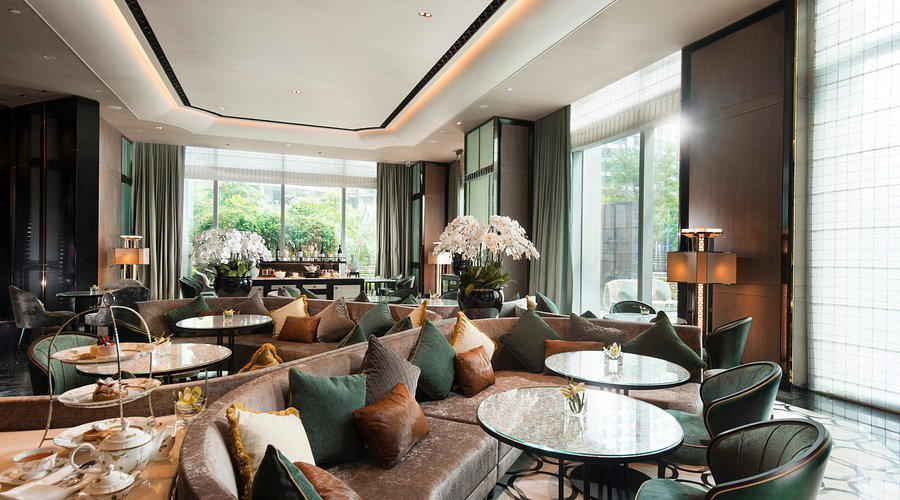
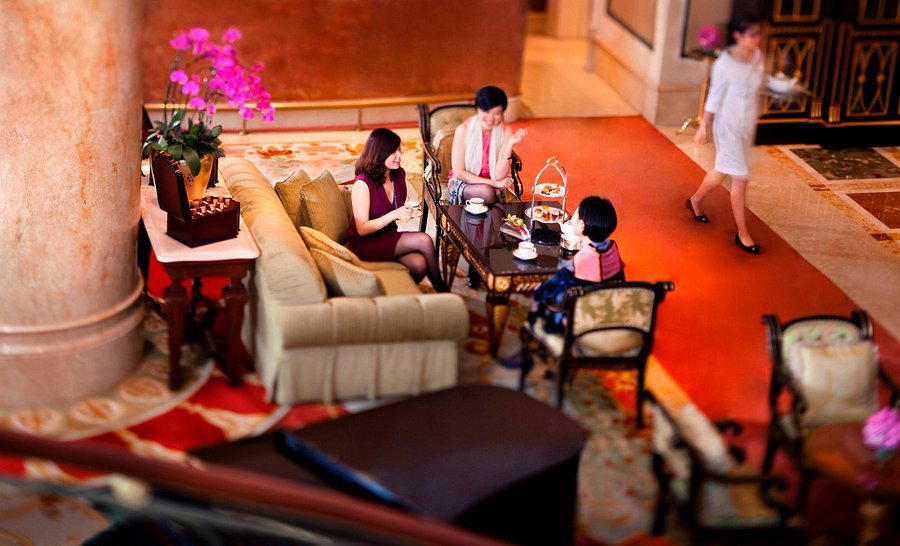
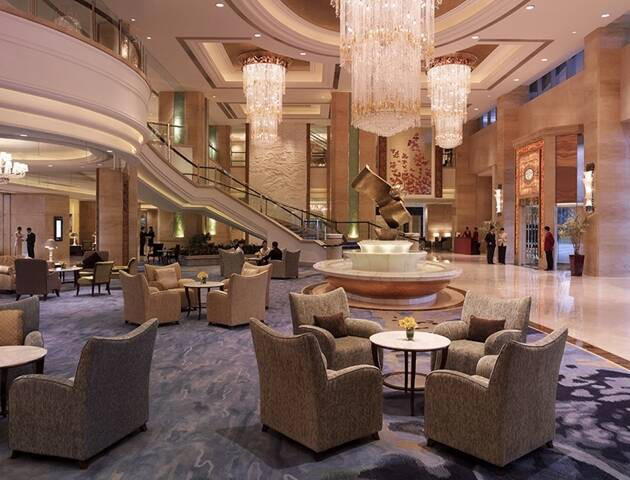
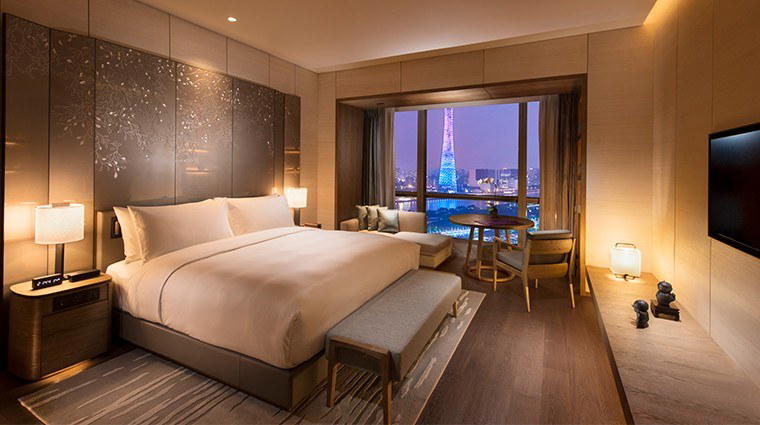
Elegant atmosphere blending luxury and cultural authenticity with dramatic murals, floor-to-ceiling river views, and traditional tableside tea service.