On Karl-Liebknecht-Strasse in the heart of Mitte, Gaumenfreund occupies a stretch of Berlin where serious neighbourhood dining sits alongside the city's major tourist corridors. The address places it in direct conversation with a wider Berlin dining scene that has spent the past decade building one of Germany's most contested fine-dining markets, from Michelin-decorated counters to creative European tables with strong local followings.
Pearl is the En Primeur Club membership app — saves, bookings, and concierge access live there. Same editors, same standards.
- Address
- Karl-Liebknecht-Str. 32, 10178 Berlin, Germany
- Phone
- +493030104110
- Website
- h-hotels.com
- Directions
- Get directions
 Saves & bookings on Pearl
Where Mitte Meets the Table
Karl-Liebknecht-Strasse runs through the geographical centre of Berlin, threading between the TV Tower and the Spree, past the kind of addresses that have watched the city reinvent itself several times over. The street is not a dining destination in the way that, say, Kreuzberg's canal-side strips are, which means restaurants here earn their regulars through word of mouth rather than foot traffic alone. Gaumenfreund, at number 32, occupies that position: a Mitte address with enough central gravity to draw from across the city, but without the guaranteed walk-in volume of the tourist-heavy zones nearby.
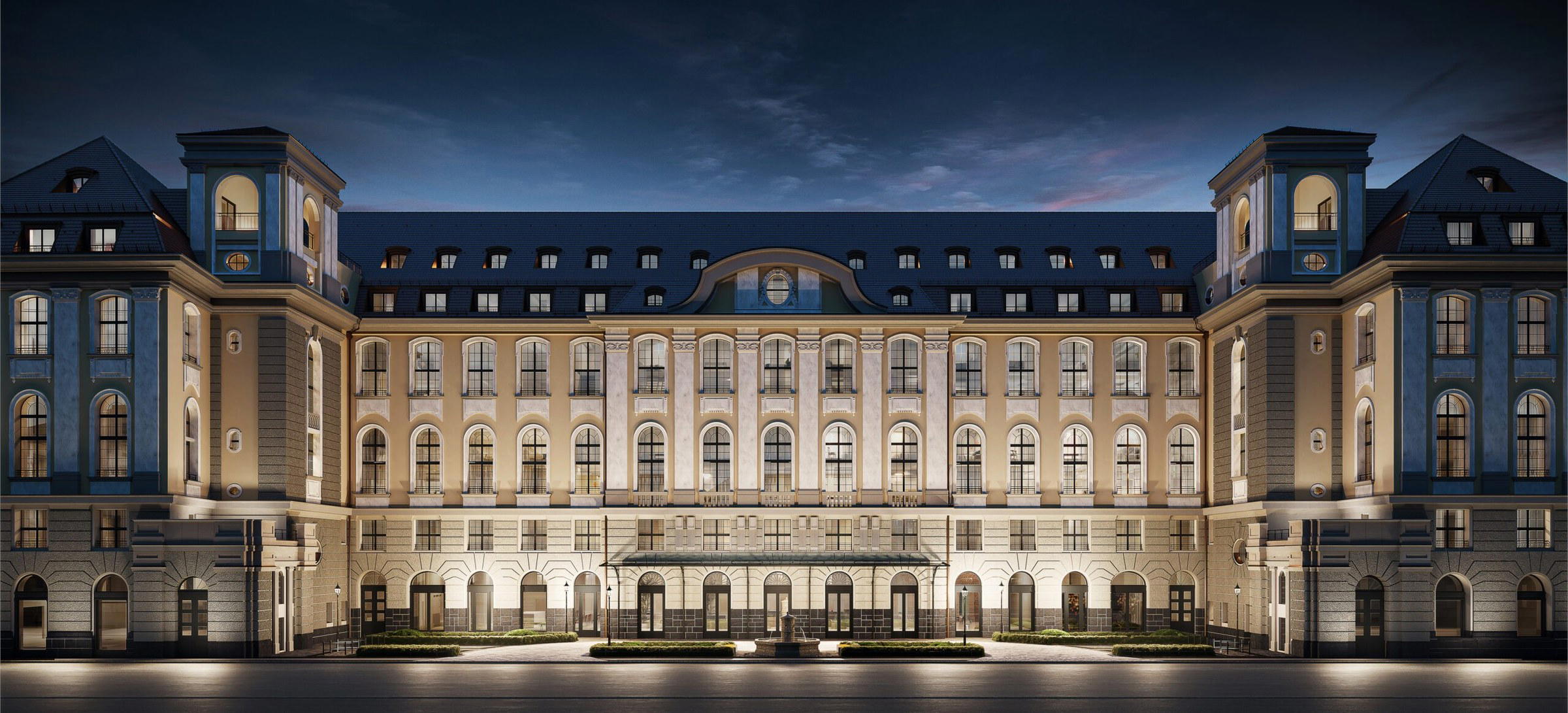
This part of Berlin has a particular atmospheric quality that differs from the capital's more celebrated dining districts. The surrounding blocks carry the layered architectural texture of a city rebuilt in phases, socialist-era facades alongside post-reunification glass and the occasional older remnant. Approaching from the U-Bahn at Alexanderplatz, the scale of the avenue registers before the individual addresses do. Restaurants that work here tend to offer something that pulls diners past the more obvious options closer to the tourist infrastructure: a distinct kitchen perspective, a room with some character, or a price-to-quality position that makes the detour feel earned.
Berlin's Dining Context in 2024
To understand where a Mitte neighbourhood restaurant sits, it helps to understand how Berlin's dining tier has organised itself. The city now carries a cohort of Michelin-decorated tables that have moved into a clearly defined upper bracket: Rutz holds two stars and runs a serious natural wine programme alongside its modern European kitchen; Nobelhart & Schmutzig operates a strict hyper-regional format with one star and a fixed counter format; FACIL delivers contemporary European cooking from its courtyard setting in the Potsdamer Platz Mandala Hotel; Restaurant Tim Raue anchors the creative Asian-inflected end of the city's two-star tier; and CODA Dessert Dining has carved out a genuinely distinct niche with its dessert-led tasting format.
Below that decorated tier, Berlin has a dense mid-market of ambitious neighbourhood restaurants with strong local followings but no formal awards infrastructure. This is the segment most European capital cities struggle to cultivate, and the one that defines everyday dining quality more than the Michelin tier does. It is where Gaumenfreund operates, in a market where the competition for regular custom is intense and kitchen consistency matters as much as concept.
Tables like Schwarzwaldstube in Baiersbronn, Vendôme in Bergisch Gladbach, and Victor's Fine Dining by Christian Bau in Perl represent the country's destination fine-dining tier, often in smaller cities or resort settings where the kitchen is the primary reason to visit. Berlin's advantage is density and variety: a serious diner can move across multiple categories and price points across a single visit. Gaumenfreund's Mitte address makes it a practical anchor within that itinerary, close to the central hotel corridor while remaining a genuine local restaurant rather than a hotel dining room.
The Sensory Register of a Neighbourhood Table
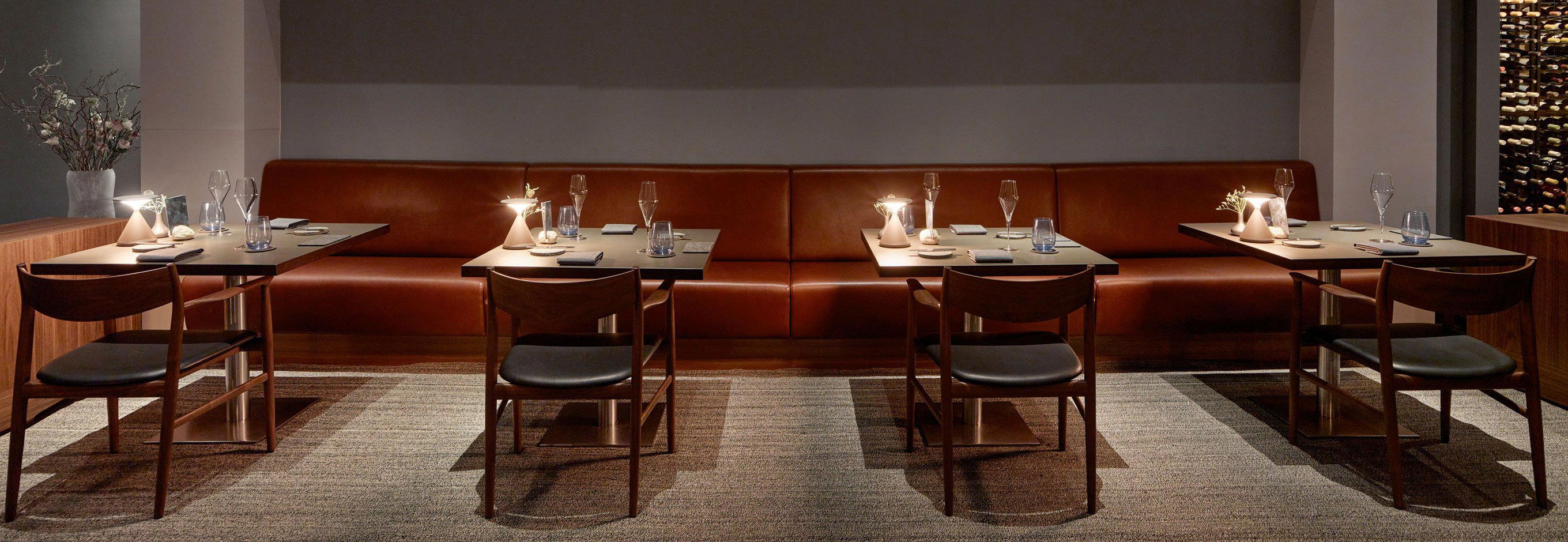
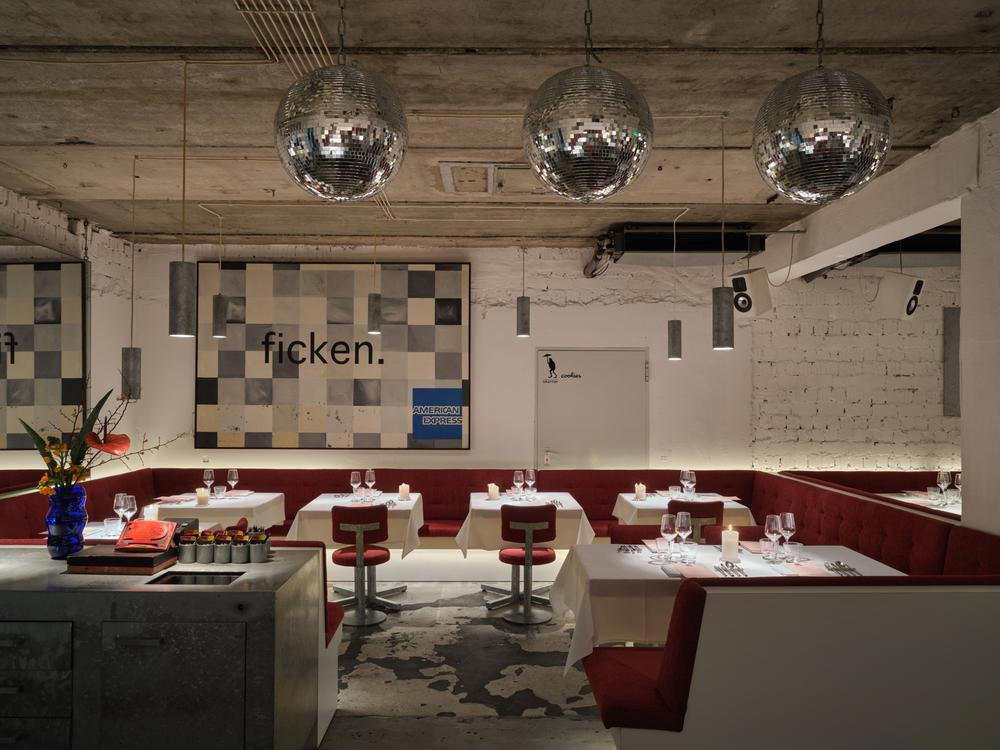
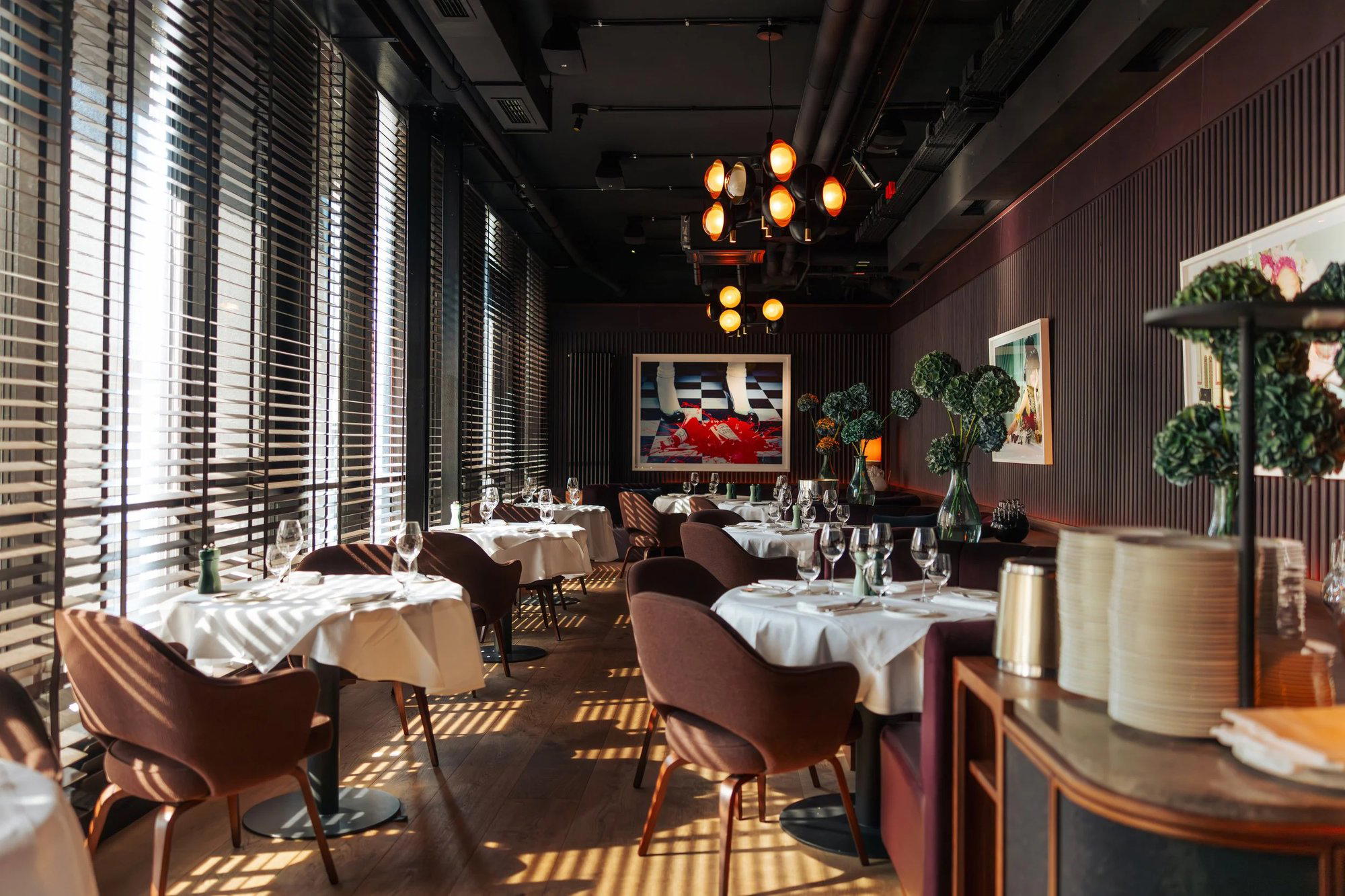
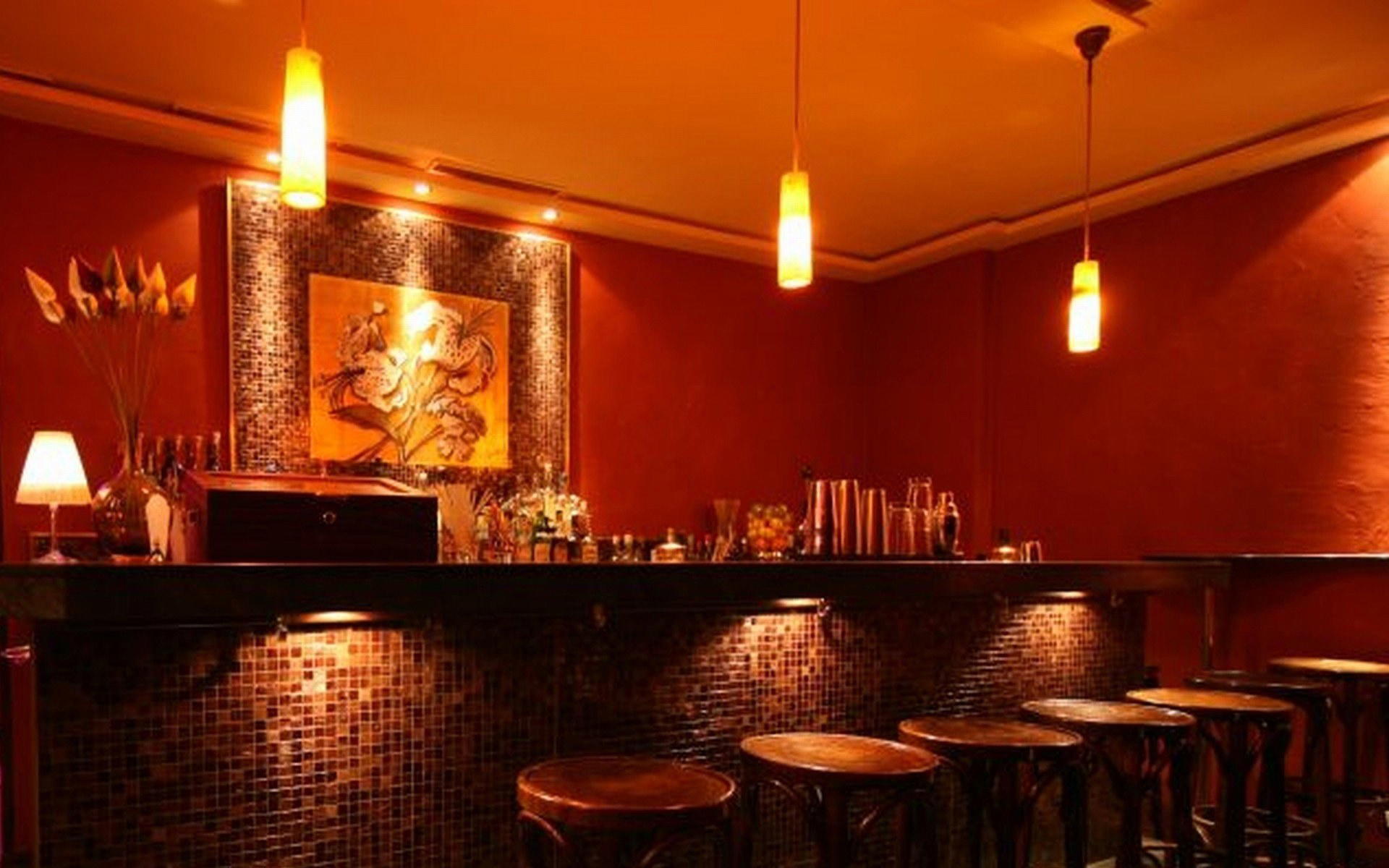
Berlin's better neighbourhood restaurants share a particular atmospheric grammar that differs from the formal decorated houses. Rooms tend toward the unfussy: exposed brick or plaster, moderate noise levels, lighting calibrated for conversation rather than Instagram. The experience is organised around the food and the table, not around spectacle or ceremony. This is a city that remains suspicious of excessive formality, and restaurants that overcalibrate on presentation often find the local market unreceptive.
What works in this context is a clear kitchen identity communicated through the plate: ingredients handled with evident skill, flavour combinations that have a point of view without requiring explanation, and a pace that allows the room to function as a room rather than a stage set. The sensory experience of eating in this tier of Berlin dining is quieter than the decorated houses but often more direct. You are closer to the kitchen's actual decisions, with less of the tasting-menu apparatus between the cook's choices and your experience of them.
Comparable atmospheres can be found at tables operating in the same register internationally. Lazy Bear in San Francisco operates a communal format with a different aesthetic but a similar philosophy of directness; Le Bernardin in New York City sits at the formal end of the spectrum, offering a useful point of contrast. Within Germany, JAN in Munich, ES:SENZ in Grassau, and Schanz in Piesport each demonstrate how regional German cooking can be expressed at different levels of formality and ambition.
Planning Your Visit
Gaumenfreund's central Mitte address is accessible from the S-Bahn and U-Bahn network via Alexanderplatz, one of Berlin's main interchange stations. The surrounding area is walkable from the major hotel clusters on Unter den Linden and around the government district. For travellers building a broader German dining itinerary, Restaurant Haerlin in Hamburg, Waldhotel Sonnora in Dreis, Aqua in Wolfsburg, and Bagatelle in Trier provide regional anchors worth considering alongside a Berlin stay.
| Venue | Location | Tier | Format |
|---|---|---|---|
| Gaumenfreund | Mitte, Berlin | Neighbourhood | À la carte |
| Rutz | Mitte, Berlin | 2-Star Michelin | Tasting menu |
| Nobelhart & Schmutzig | Kreuzberg, Berlin | 1-Star Michelin | Fixed counter |
| FACIL | Tiergarten, Berlin | 2-Star Michelin | Tasting menu |
| CODA Dessert Dining | Neukölln, Berlin | 2-Star Michelin | Dessert tasting |
Reputation Context
Comparable venues nearby, for context on price, style, and recognition.
| Venue | Cuisine | Price | Notes |
|---|---|---|---|
| GaumenfreundThis venue — the venue you are viewing | International with German influences | $$ | Not listed |
| Fischer & Lustig | Traditional German Fish & Meat | $$ | Mitte |
| Restaurant Hackescher Hof | Modern German Regional | $$ | Mitte |
| Mirabelle | Traditional German | $$ | Pankow |
| Café Liebig | Classic German Bistro | $$ | Grünau |
| Biermeisterei | German Brewery BBQ & Grill | $$ | Mitte |
At a Glance
- Elegant
- Cozy
- Business Dinner
- Casual Hangout
- Hotel Restaurant
Current opening hours
- Monday
- 6–10:30 AM, 12–10 PM
- Tuesday
- 6–10:30 AM, 12–10 PM
- Wednesday
- 6–10:30 AM, 12–10 PM
- Thursday
- 6–10:30 AM, 12–10 PM
- Friday
- 6–10:30 AM, 12–10 PM
- Saturday
- 6–11 AM, 12–10 PM
- Sunday
- 6–11 AM, 12–10 PM
Hours can change for holidays and private events. Last verified .
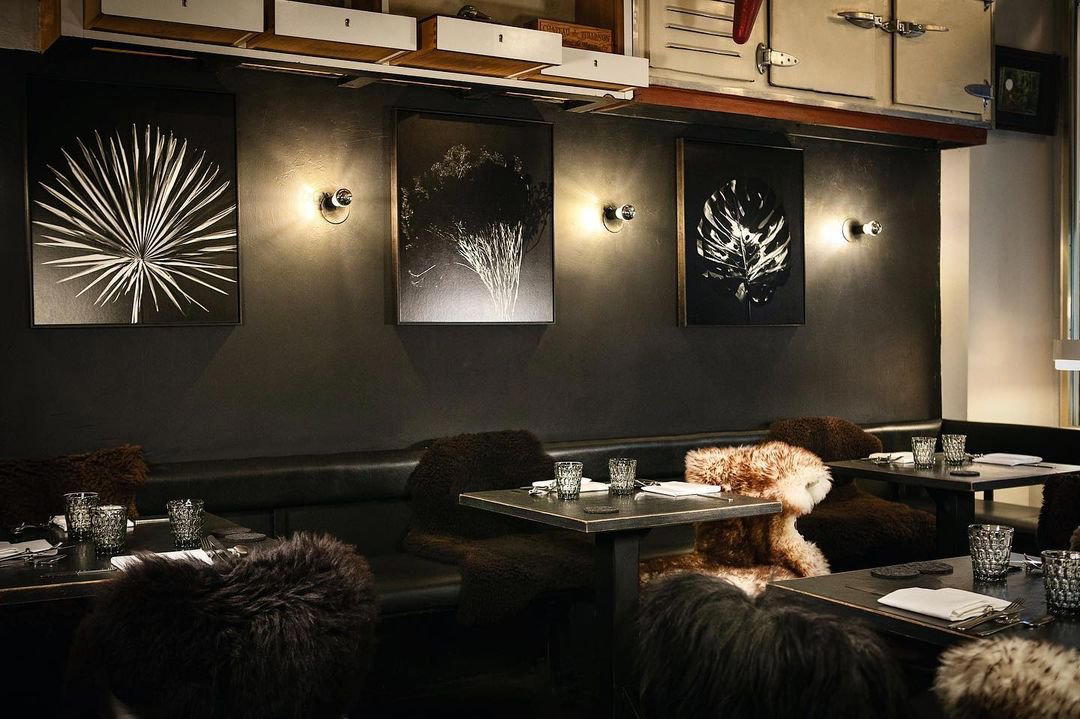
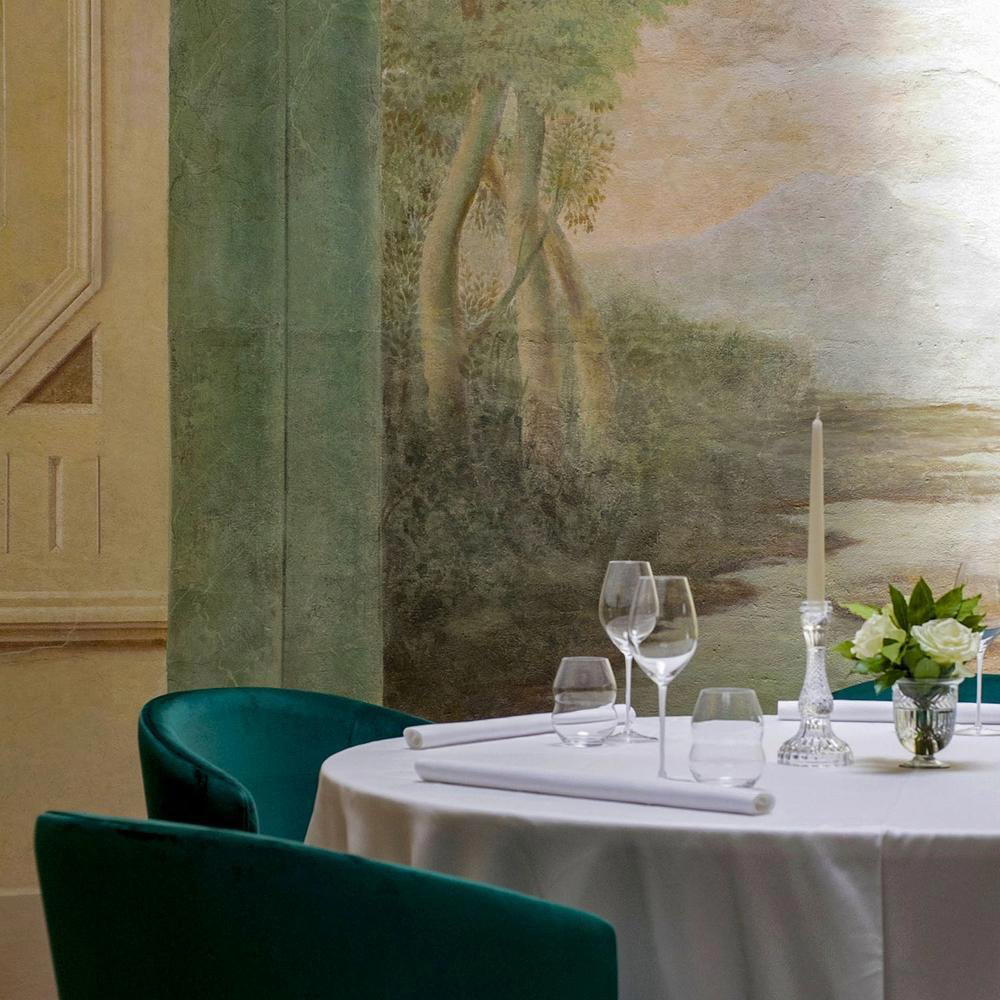
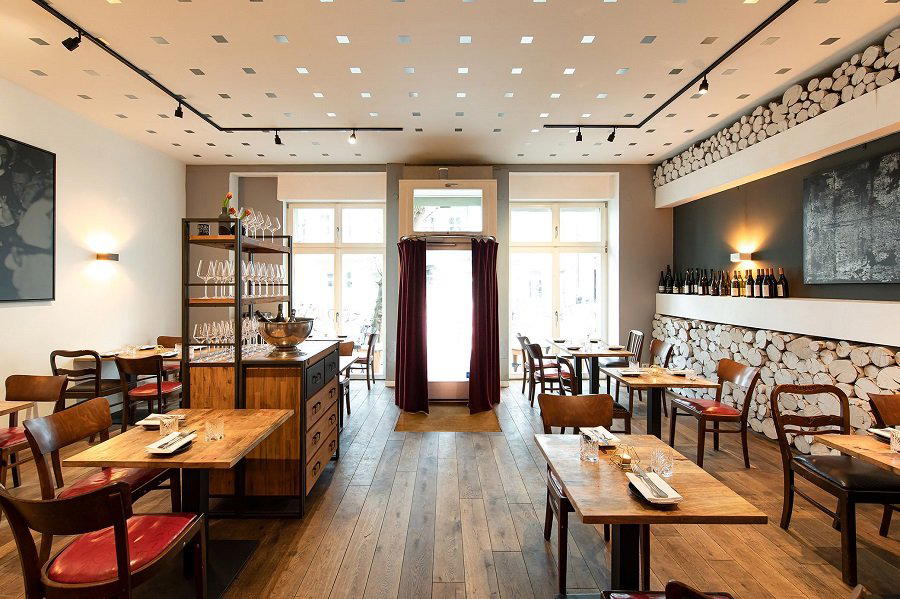
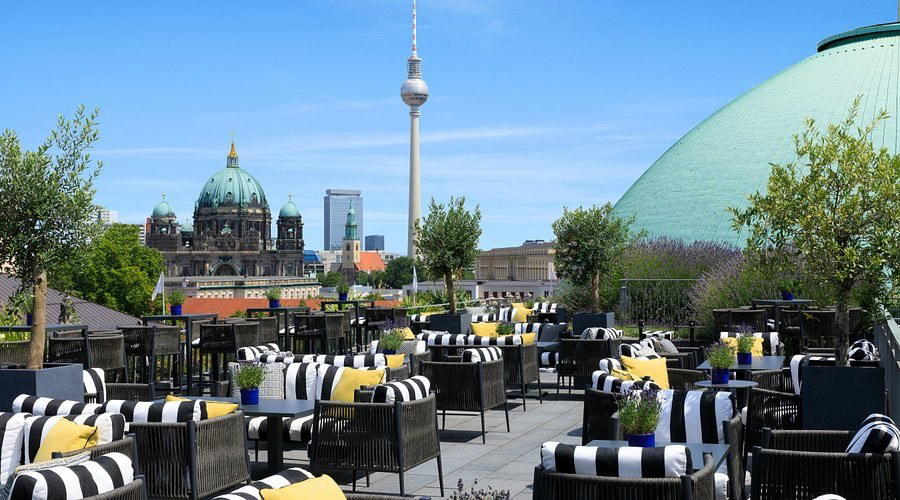
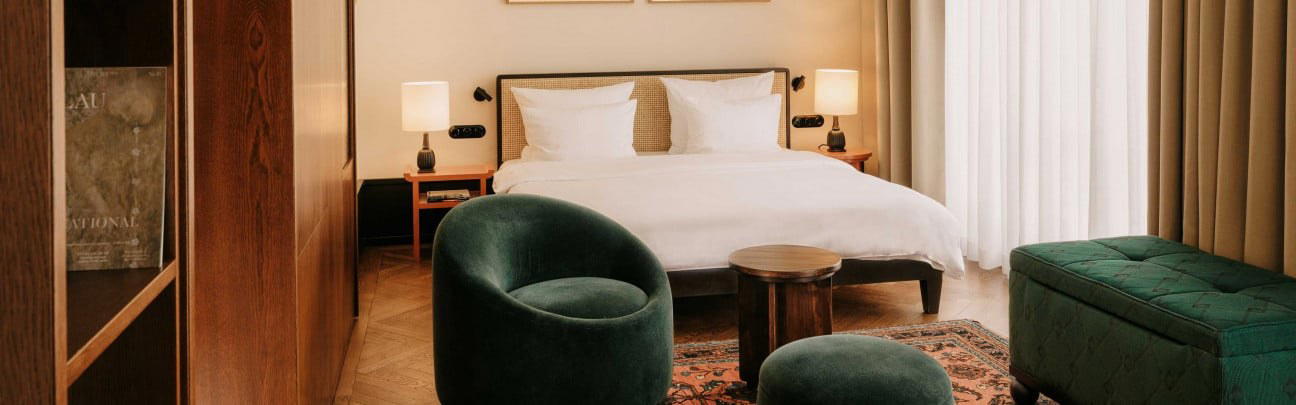
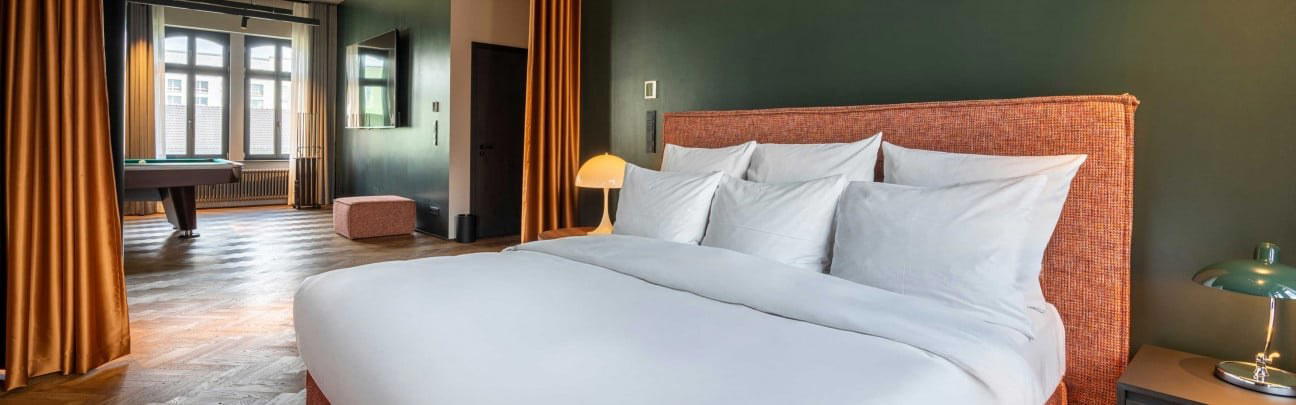
Hochwertig und edel, dabei aber trotzdem gemütlich mit elegant and relaxed atmosphere.