On Grolmanstraße in Charlottenburg, Diener Tattersall is one of Berlin's most enduring Gaststätten, a traditional German tavern format that predates the city's post-reunification dining reinvention by decades. The room has housed artists, boxers, and journalists since the postwar era, making it a working document of Berlin's cultural memory rather than a curated recreation of it.
Pearl is the En Primeur Club membership app — saves, bookings, and concierge access live there. Same editors, same standards.
- Address
- Grolmanstraße 47, 10623 Berlin, Germany
- Phone
- +4949308815329
- Website
- diener-berlin.de
- Directions
- Get directions
 Saves & bookings on Pearl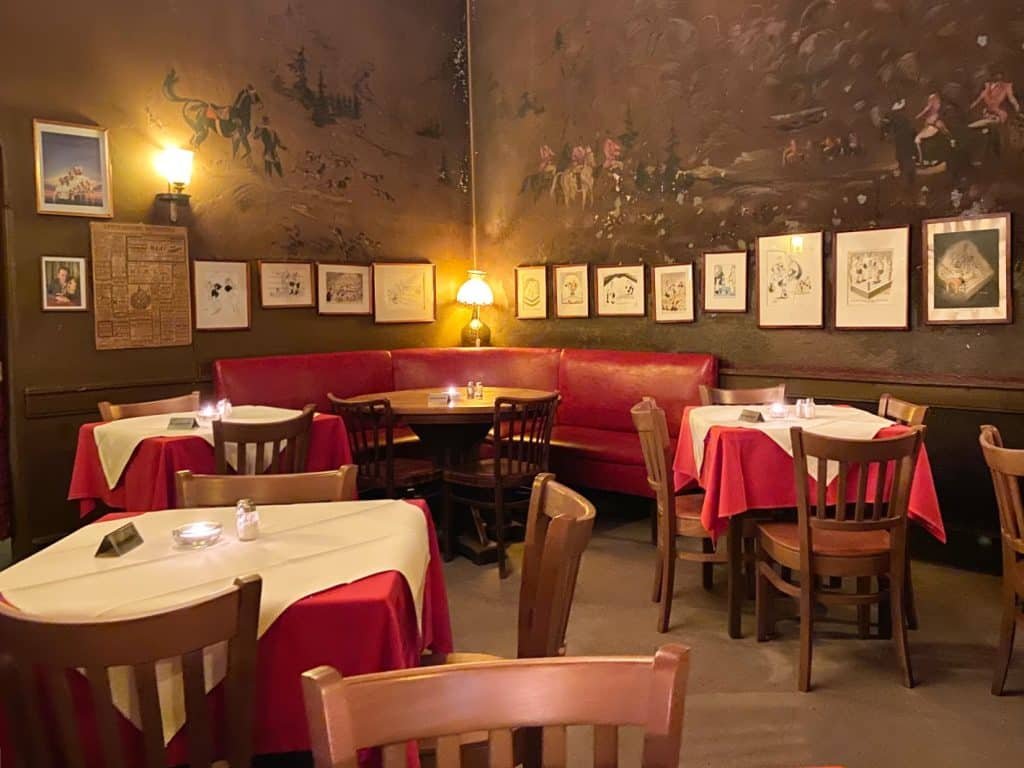
A Room That Predates the Reinvention
Charlottenburg's dining identity has shifted considerably since reunification, with international money and hotel-group restaurants concentrating along the Kurfürstendamm corridor. Grolmanstraße sits just off that axis, and Diener Tattersall occupies a position that has little to do with the contemporary fine-dining conversation happening at places like Rutz or FACIL. Where those restaurants represent Berlin's ambitions toward European gastronomic recognition, Diener represents something older and more specific to the city: the Kneipe-adjacent Gaststätte format, a hybrid of pub, tavern, and informal restaurant that sustained Berlin's working and creative classes through most of the twentieth century.
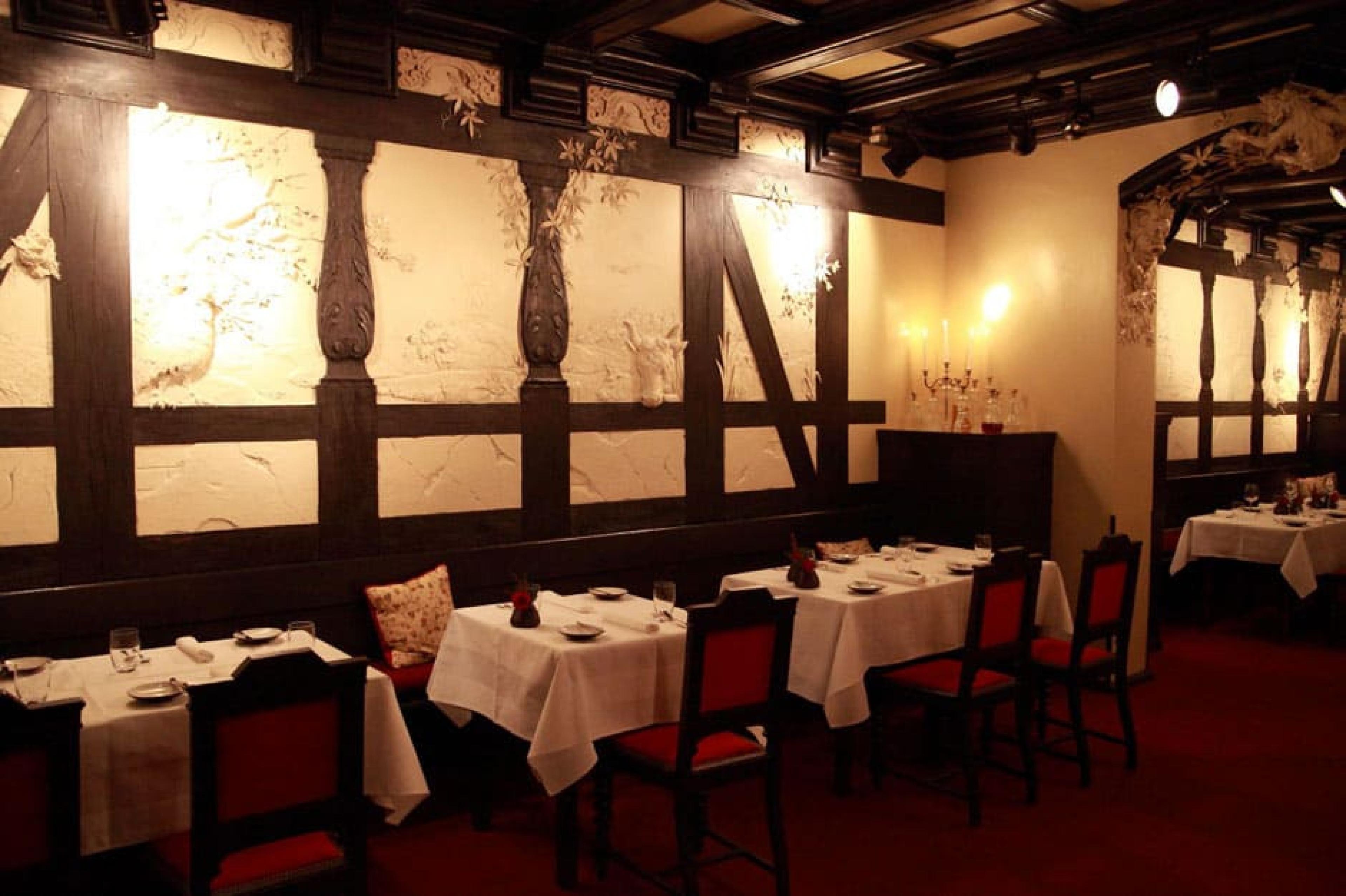
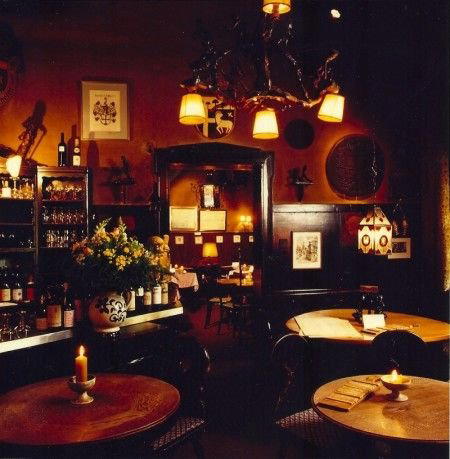
The building itself carries that history visibly. Dark wood panelling, photographs covering the walls, and a bar designed for standing as much as sitting, these are not decorative choices installed to evoke a bygone era. They are the original conditions. That distinction matters in a city where several operators have opened ostensibly traditional venues that replicate the visual grammar of the old Gaststätten without the institutional continuity behind them.
The Gaststätte Tradition in Context
To understand Diener Tattersall, it helps to understand what a Berlin Gaststätte historically was and what distinguished it from its southern German or Austrian equivalents. Unlike the Bavarian Wirtshaus, which tends toward communal table formats and regional beer culture, the Berlin Gaststätte developed in a more urban, compressed register. These were neighbourhood anchors that served food without ceremony, kept late hours, and attracted a socially mixed clientele that included manual workers, artists, and intellectuals who happened to live in the same postal district.
That format is rarer than it was. Berlin's bar and restaurant scene has stratified sharply over the past two decades, with the premium tier now represented by internationally trained chefs operating at the level of Nobelhart & Schmutzig or Restaurant Tim Raue, and the casual tier increasingly dominated by international cuisine formats. The traditional German Gaststätte occupies a middle ground that has contracted significantly, which is part of what makes a long-running example worth attention as a cultural artefact, independent of whether it would compete on any conventional fine-dining metric.
Diener Tattersall's specific history places it within the artistic and journalistic milieu of West Berlin's postwar decades. The venue became associated with the city's boxing culture and also attracted writers, painters, and film figures who made Charlottenburg their neighbourhood before Mitte and Prenzlauer Berg became the default creative addresses after 1990. The walls function as a record of that period: photographs of regulars, signed portraits, and ephemera accumulated over decades rather than curated for effect.
What the Room Tells You About Berlin
There is a broader point about Berlin hospitality that restaurant illustrates more clearly than most newer venues. The city's self-image has long involved a certain resistance to the purely transactional or the ostentatiously designed. Particularly celebrated recent additions to Berlin's restaurant scene, CODA Dessert Dining being a notable example, succeed partly because they carry genuine conceptual weight rather than relying on surface-level styling. Diener arrives at a similar sense of authenticity from the opposite direction: not through innovation, but through continuity.
That continuity is less common in Berlin than in cities with older, more stable hospitality markets. Munich's dining culture, which includes venues at the level of JAN, rests on a more unbroken tradition of formal dining. Hamburg's hospitality scene, anchored by institutions like Restaurant Haerlin, operates within a commercial-port city that retained its bourgeois dining culture through the mid-twentieth century. Berlin was physically divided, economically compressed, and culturally experimental in ways that disrupted most of those continuities. Places that survived are, by that fact alone, different from places that opened to recreate what was lost.
Positioning Within the Berlin Scene
The restaurant does not position itself against the Berlin restaurants and should not be evaluated as a competitor to them. The relevant comparison is the small group of long-running Berlin Gaststätten and Kneipen that have maintained their original function without pivoting toward cocktail programming, small-plates formats, or chef-driven rebranding. That set is materially smaller than it was in 1980, and each surviving member occupies a different neighbourhood niche.
For visitors whose Berlin itinerary already includes a meal at a technically ambitious restaurant, Diener offers a counterpoint that requires no trade-off in seriousness. German tavern food at its functional core, solid beer, and a room that operates as a primary source on a particular slice of Berlin's cultural history are not consolation prizes. They are a different category of experience, and one that becomes harder to find as the city's hospitality economy continues to optimise toward the international visitor market.
Travellers looking to map the full range of German restaurant culture can extend that context further afield: the three-Michelin-star dining represented by Schwarzwaldstube in Baiersbronn, Aqua in Wolfsburg, or Vendôme in Bergisch Gladbach defines one pole of that spectrum. The restaurant sits at the other, not as its inferior but as its structural opposite. Both ends require serious attention to understand what German food culture actually contains.
Planning Your Visit
The restaurant is located at Grolmanstraße 47, 10623 Berlin, in the Charlottenburg district, within walking distance of the Savignyplatz S-Bahn station. The restaurant is open Monday through Saturday from 6 PM to 2 AM and closed on Sunday. Reservations are recommended, and the price level is about $25 per person. For venues where contact details are confirmed, we link them; where they are not, current information is leading verified through local listings or on-site inquiry.
| Venue | Format | Price Tier | Booking Approach |
|---|---|---|---|
| The restaurant | Traditional Gaststätte | Not confirmed | Not confirmed |
| Rutz | Modern European | €€€€ | Advance reservation required |
| Nobelhart & Schmutzig | Modern German | €€€€ | Advance reservation required |
| FACIL | Contemporary European | €€€€ | Advance reservation required |
| CODA Dessert Dining | Creative / Dessert-led | €€€€ | Advance reservation required |
Price and Positioning
Comparable venues nearby, for context on price, style, and recognition.
| Venue | Cuisine | Price | Notes |
|---|---|---|---|
| Diener TattersallThis venue — the venue you are viewing | Not listed | $$ | Not listed |
| Försters | Not listed | $$ | Prenzlauer Berg, Vegan German Home Cooking |
| Brauhaus Spandau | Spandau, Traditional German Brewery | $$ | Not listed |
| Schnitzelei Mitte | Mitte, Modern German Schnitzel | $$ | Not listed |
| Café Liebig | Grünau, Classic German Bistro | $$ | Not listed |
| Luna D'Oro | Mitte, Modern Traditional German | $$ | Not listed |
Continue exploring
More in Berlin
Restaurants in Berlin
Browse all →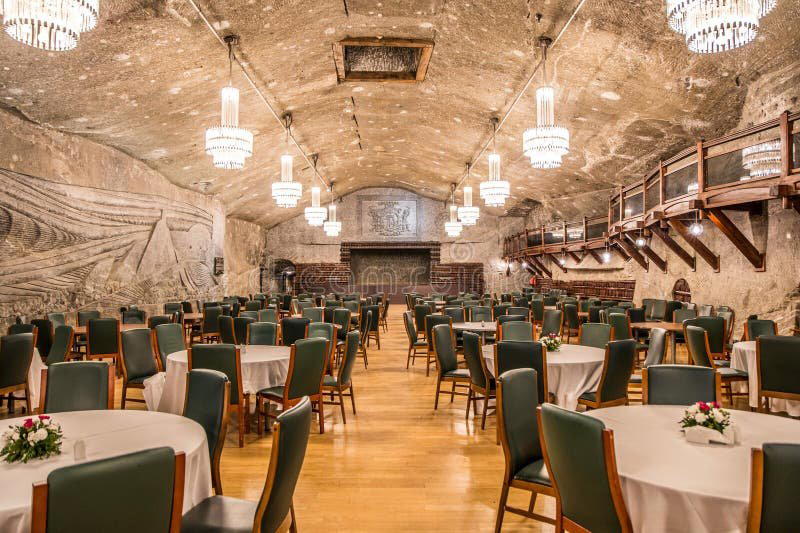
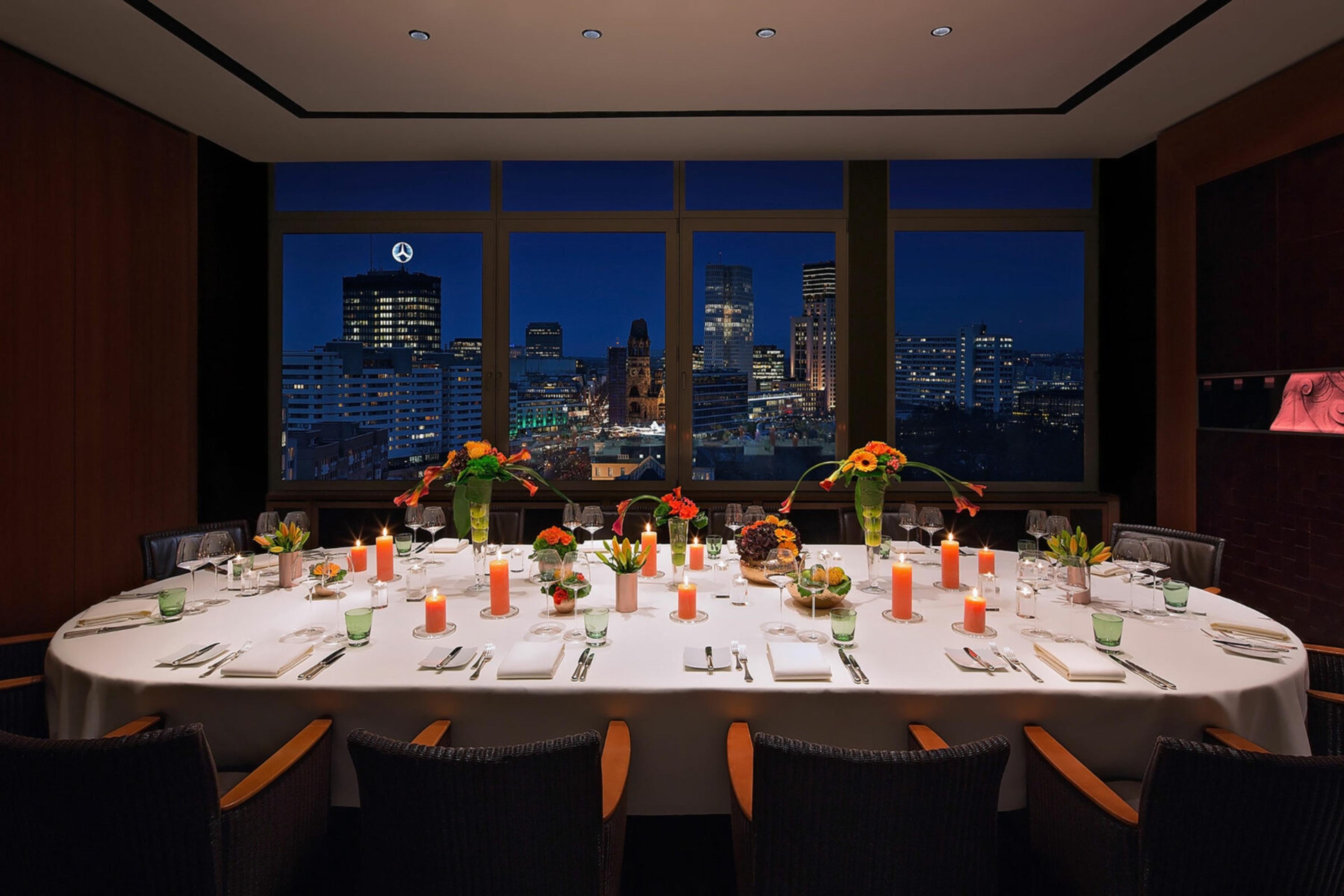
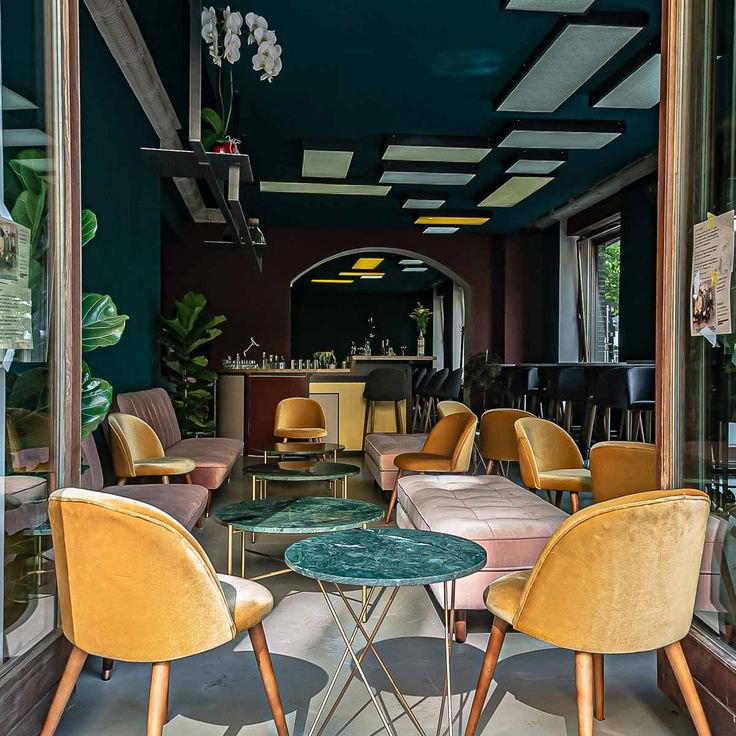
Bars in Berlin
Browse all →
Hotels in Berlin
Browse all →

At a Glance
- Classic
- Cozy
- Rustic
- Well Known
- Casual Hangout
- After Work
- Historic Building
- Beer Program
Current opening hours
- Monday
- 6 PM–2 AM
- Tuesday
- 6 PM–2 AM
- Wednesday
- 6 PM–2 AM
- Thursday
- 6 PM–2 AM
- Friday
- 6 PM–2 AM
- Saturday
- 6 PM–2 AM
- Sunday
- Closed
Hours can change for holidays and private events. Last verified .
Old-school, nostalgic ambiance evoking a time machine with cozy, unpretentious pub atmosphere and leafy Charlottenburg charm.