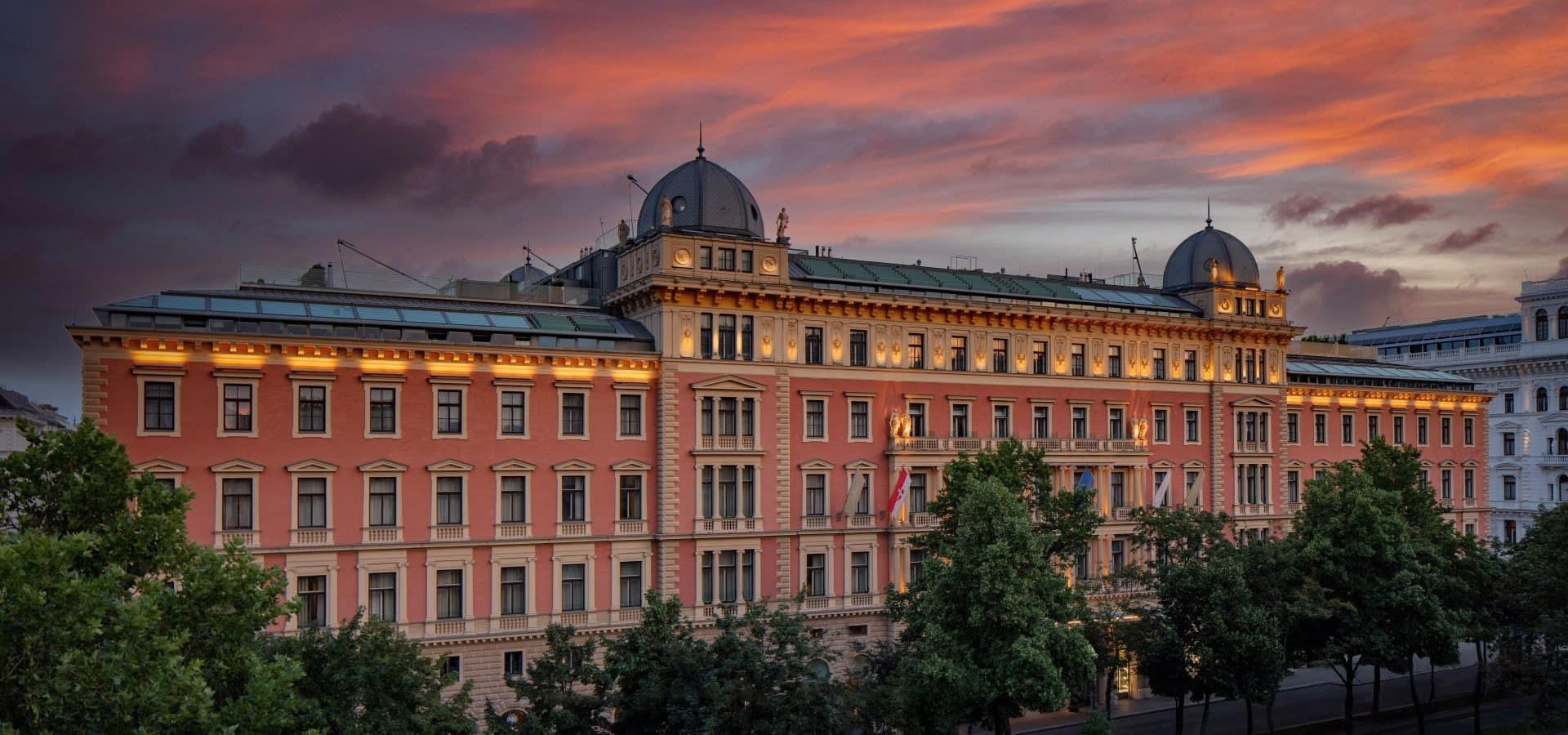
On the Schottenring, where Vienna's grand Ringstrasse architecture sets a particular register for what happens inside, Daihachi occupies a position that the city's fine-dining scene has increasingly made room for: a deliberate, course-by-course format that asks the room to slow down and pay attention. It sits in a different tier from the Austrian creative establishment but draws from the same appetite for structured, precise eating.
Pearl is the En Primeur Club membership app — saves, bookings, and concierge access live there. Same editors, same standards.
- Address
- Schottenring 26, 1010 Wien, Austria
- Phone
- +434313179981
- Website
- daihachisushi.at
- Directions
- Get directions
 Saves & bookings on Pearl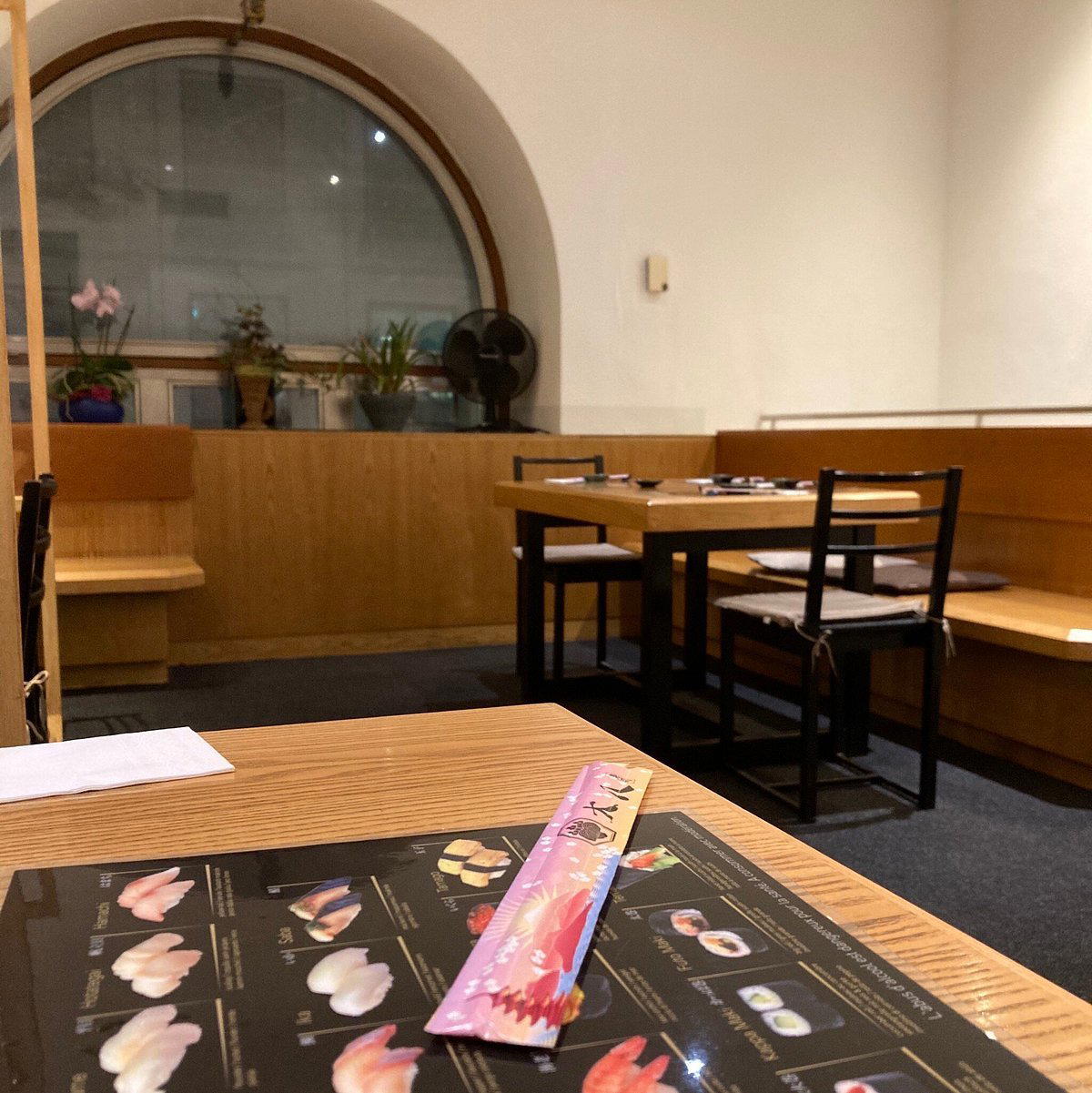
The Schottenring Address and What It Signals
Vienna's First District carries weight that most European capitals can only approximate. The stretch along the Ringstrasse, and specifically the Schottenring end of it, has historically housed institutions, embassies, and the kind of commercial addresses that assume permanence. A restaurant operating from Schottenring 26 is not making a casual location choice. It is inserting itself into a civic conversation about what this city values and who gets to eat well within it.
That context matters when thinking about Daihachi, because the broader Viennese fine-dining scene is one of the more structurally coherent in Central Europe. The city has a defined upper bracket, occupied by names like Steirereck im Stadtpark and Amador, and a second tier of technically serious kitchens including Konstantin Filippou and Mraz & Sohn, where the emphasis on craft and sourcing competes with anything in the bracket above. Daihachi enters this conversation from an address that announces intent before a single course arrives.
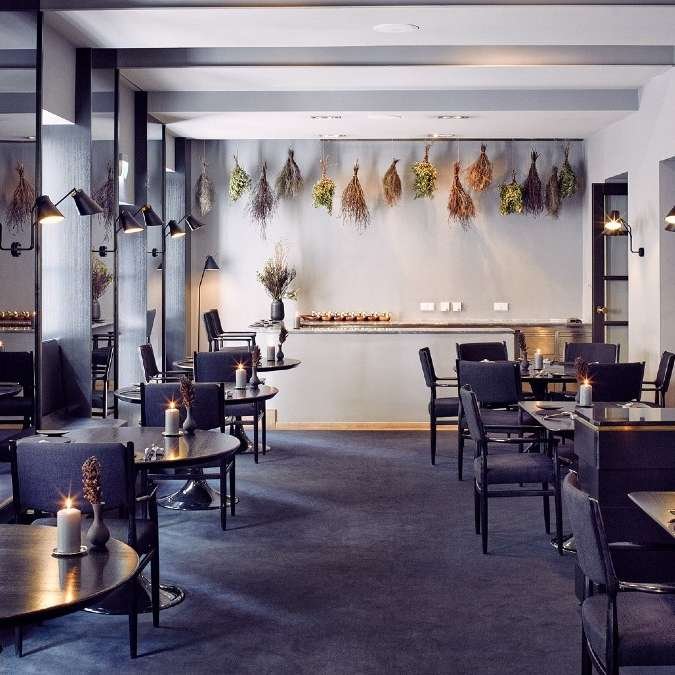
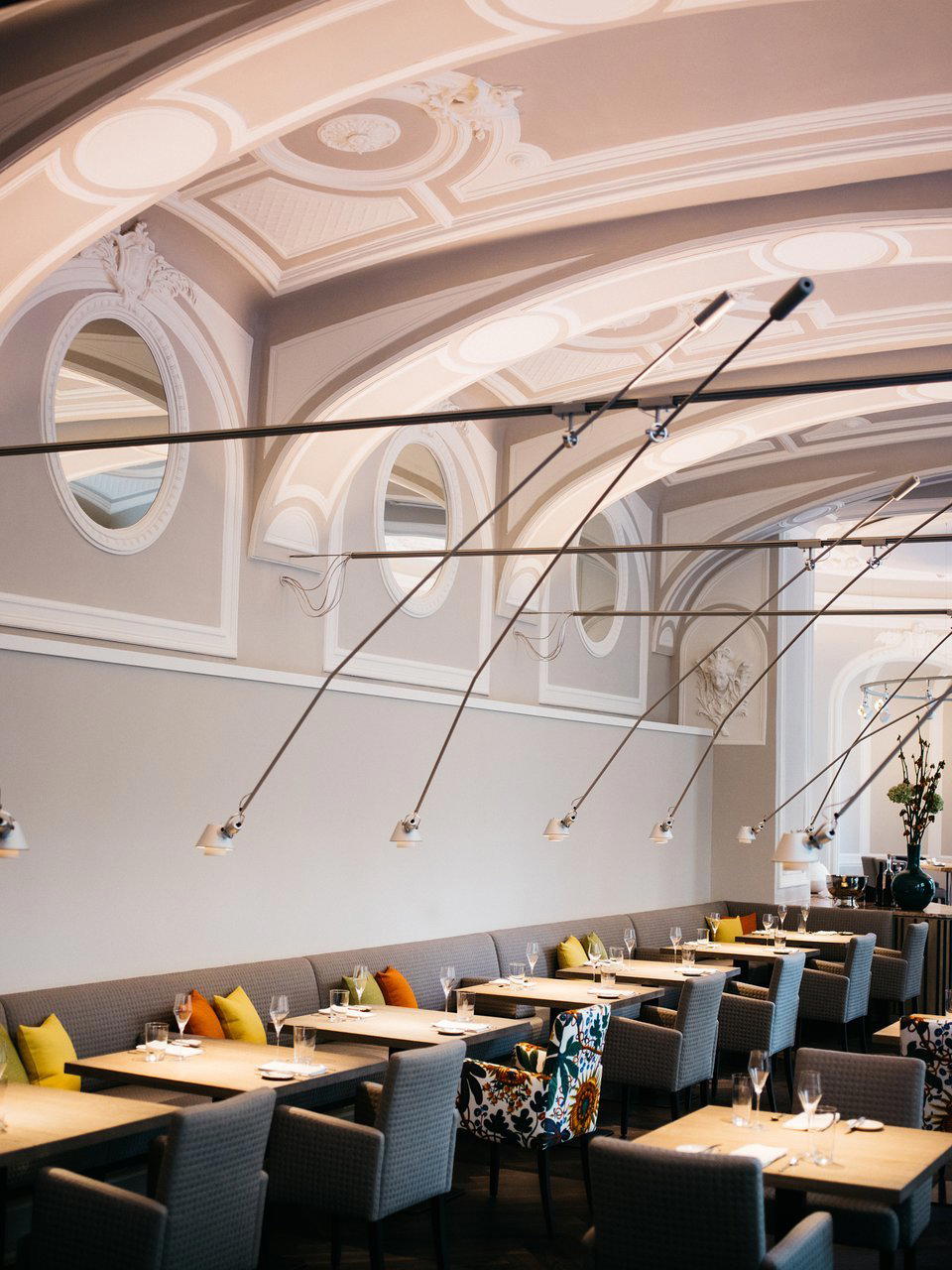
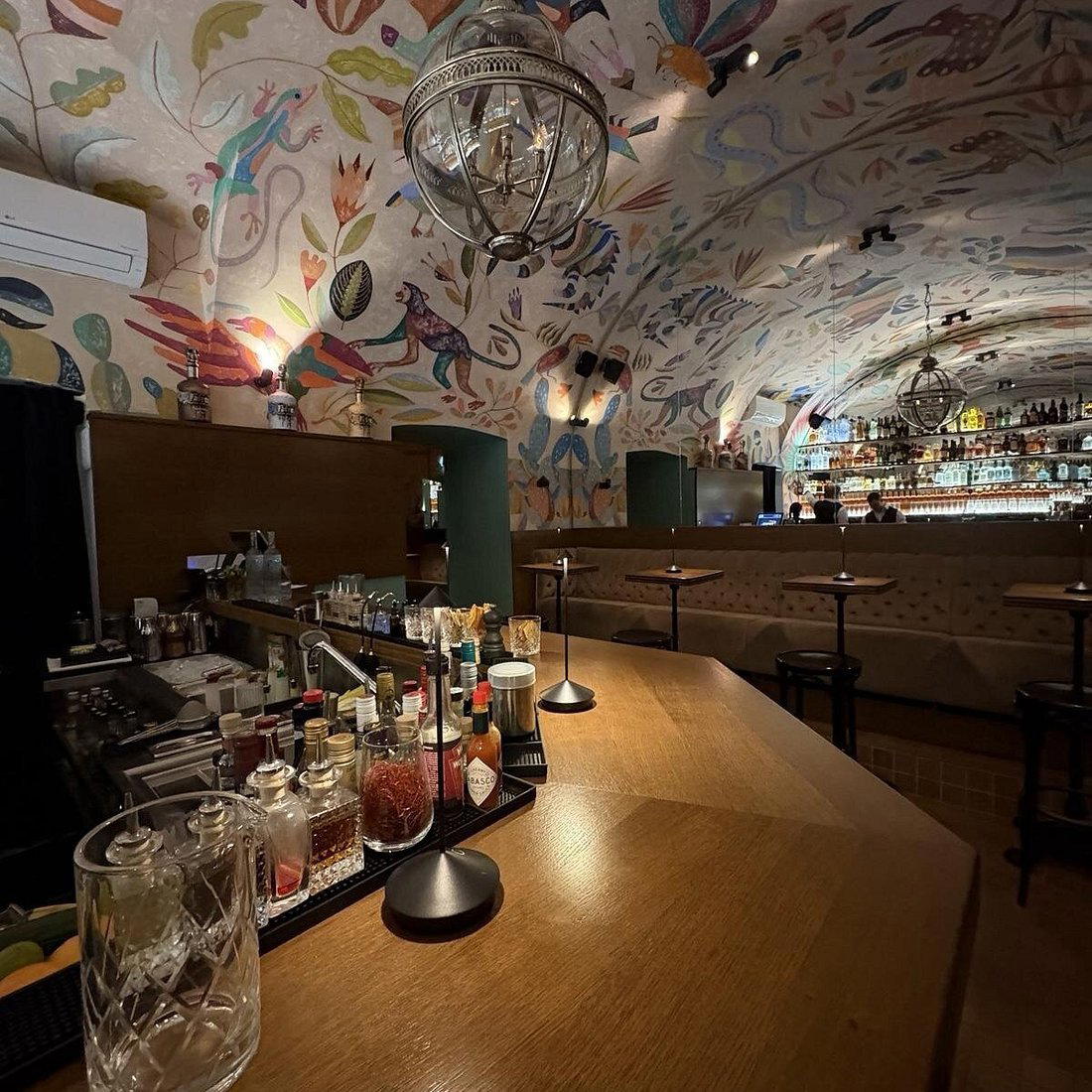
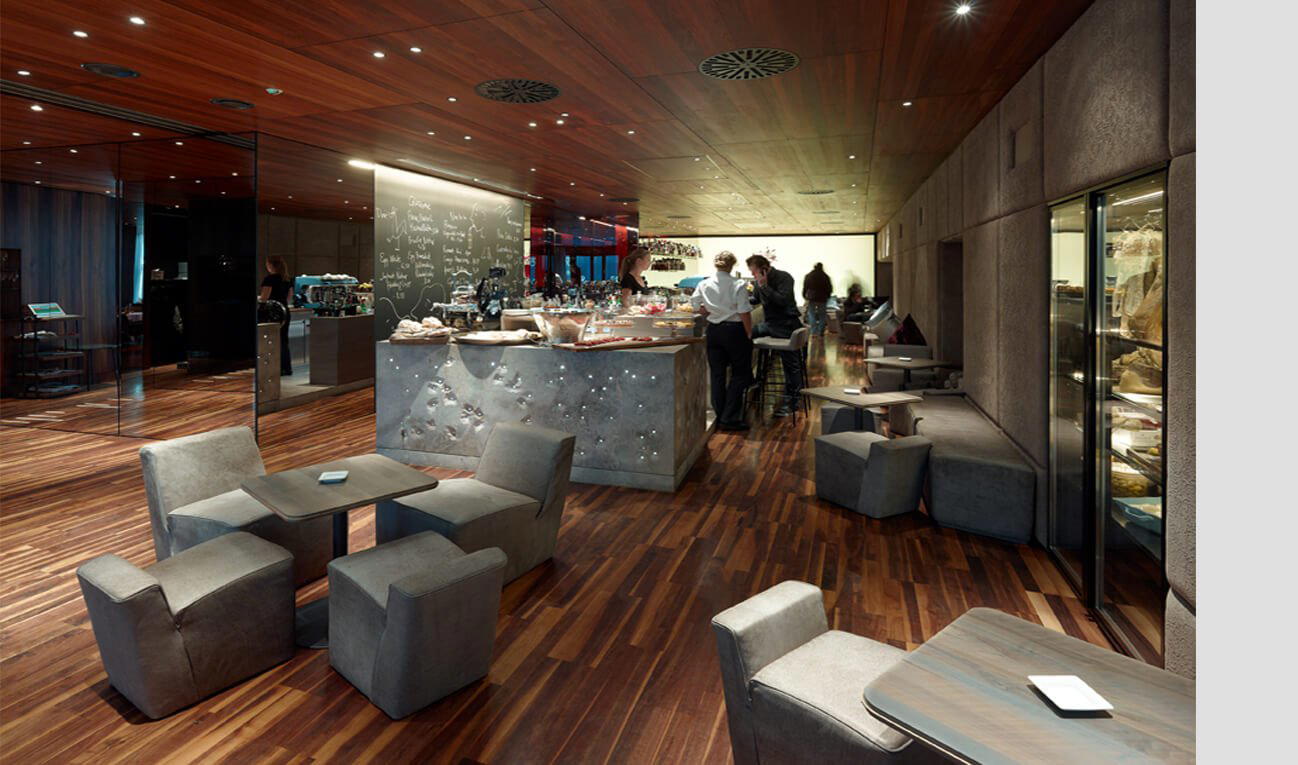
The Atmosphere Before the Food
The physical approach to a meal on the Ringstrasse corridor tends to involve scale: wide pavements, tall facades, the sense that the city was built for occasions rather than convenience. That architectural register shapes expectation in a way that smaller, neighbourhood dining rooms do not. Arriving at Schottenring 26, you are already in a frame of mind that expects the meal to match the address.
Vienna has a long tradition of the formal dining room as civic ritual, distinct from the Viennese coffee house, which prizes lingering, and the Heuriger, which prizes informality. The fine-dining room in this city sits between those poles: structured, but not stiff; attentive, but not theatrical. Daihachi occupies that register, where the room's character is defined less by spectacle than by a disciplined approach to sequencing and pace.
How the Meal Moves: Progression as the Central Argument
One useful lens for understanding a restaurant operating in this tier is not individual dishes but arc. Multi-course formats in Vienna's upper bracket are not simply about accumulating flavour: they are arguments made in sequence, where each course shifts the register of what came before. Strong examples among them, at houses like Doubek or across Austria at destinations including Döllerer in Golling an der Salzach, treat the tasting menu as a compositional form rather than a sales format.
Internationally, the same logic applies at different scales: Le Bernardin in New York City has maintained a decades-long argument about how seafood should move through a meal, while Lazy Bear in San Francisco applies a community-table format to what is structurally a tasting progression. The format itself, course following course, each one repositioning the palate, is a language, and Daihachi's address and positioning suggest it is speaking that language rather than operating in a more casual, à la carte register.
What that means in practice is that the meal at this tier asks for time and attention. The rhythm of service, the spacing between courses, the transition from lighter to heavier preparations and back again: these are decisions that define the experience as much as any single ingredient. In Vienna's competitive fine-dining environment, where kitchens like Mraz & Sohn have built reputations on exactly this kind of disciplined sequencing, the tasting progression is the primary editorial statement a kitchen makes about itself.
Daihachi in the Austrian Fine-Dining Map
To understand where Daihachi sits, it helps to map the broader Austrian scene. Vienna is the gravitational centre, but serious cooking is distributed across the country in ways that reward travel: Obauer in Werfen, Landhaus Bacher in Mautern an der Donau, and Taubenkobel in Schützen am Gebirge each represent distinct regional approaches to the question of what Austrian fine dining means at the highest level. Alpine kitchens add further texture: Gourmetrestaurant Tannenhof in Sankt Anton am Arlberg, Stüva in Ischgl, and Schwarzer Adler in Hall in Tirol operate with a seasonal discipline shaped by altitude and proximity to specific producers. Further afield, Kräuterreich by Vitus Winkler in Sankt Veit im Pongau, Ois in Neufelden, and Restaurant 141 by Joachim Jaud in Mieming add to the picture of a national scene where ambition is not confined to the capital.
Within Vienna itself, the First District concentration of serious restaurants reflects the city's model: most of its culinary ambition clusters around its historic centre and its immediate ring. Daihachi, on the Schottenring, is inside that concentration. The comparable set it competes with includes restaurants operating at the €€€€ tier, where the Vienna restaurant scene is at its most internationally legible.
Planning Your Visit
Specific booking methods, hours, and pricing for Daihachi are not currently confirmed in public sources. As with most First District fine-dining rooms, reservations made well in advance are the standard operating assumption, particularly for weekend sittings and the earlier weeks of each season. The table below positions Daihachi against its closest Vienna comparable set on the logistics that matter most to planning.
| Venue | District | Price Tier | Format |
|---|---|---|---|
| Daihachi | 1st (Schottenring) | Not confirmed | Not confirmed |
| Steirereck im Stadtpark | 3rd (Stadtpark) | €€€€ | Creative tasting |
| Konstantin Filippou | 1st | €€€€ | Modern European tasting |
| Mraz & Sohn | 20th | €€€€ | Modern Austrian, creative |
| Amador | 1st | €€€€ | Creative tasting |
The Short List
Comparable venues nearby, for context on price, style, and recognition.
| Venue | Cuisine | Price | Notes |
|---|---|---|---|
| DaihachiThis venue — the venue you are viewing | Not listed | $$ | Not listed |
| o.m.k 1020 | Not listed | $$ | Praterstern Wien Nord, Modern Japanese Deli |
| Kojiro Sushi | Wieden, Authentic Japanese Sushi | $$ | Not listed |
| Mari's Metcha Matcha | Not listed | $$ | Hofburg, Authentic Japanese Tapas & Matcha Café |
| Mari's Metcha Market | Neubau, Authentic Japanese Street Food | $$ | Not listed |
| Ramen Makotoya Landstraße | Wien-Mitte, Japanese Ramen | $$ | Not listed |

At a Glance
- Classic
- Intimate
- Date Night
- Special Occasion
- Open Kitchen
- Sake Program
Current opening hours
- Monday
- 12–2 PM, 6–10 PM
- Tuesday
- 12–2 PM, 6–10 PM
- Wednesday
- 12–2 PM, 6–10 PM
- Thursday
- 12–2 PM, 6–10 PM
- Friday
- 12–2 PM, 6–10 PM
- Saturday
- Closed
- Sunday
- Closed
Hours can change for holidays and private events. Last verified .
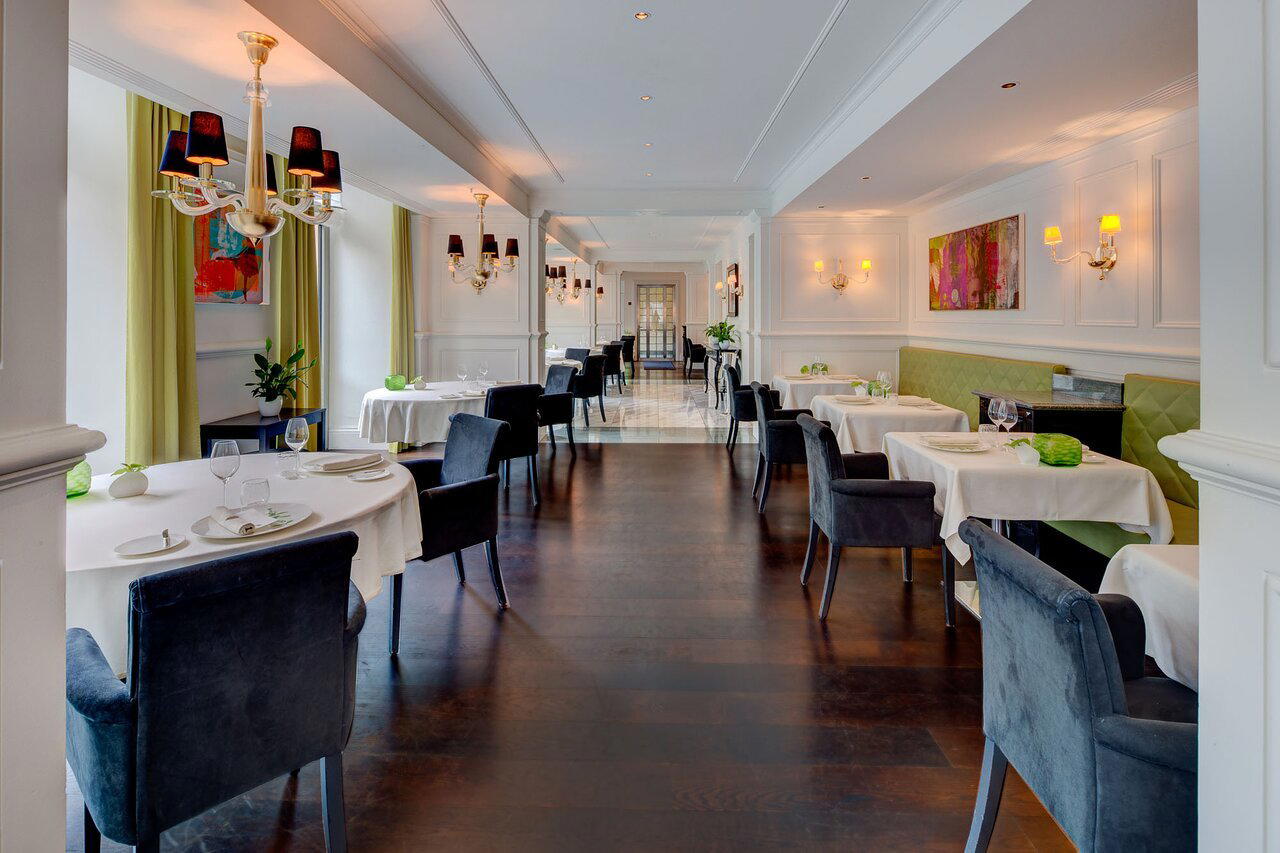
Spartan and austere setting focused on the sushi experience, with a cozy upstairs dining area and counter seating downstairs for interacting with the chef.