Mari's Metcha Market focuses on authentic Japanese street food, with onigiri, ramen, and bento box alongside an open kitchen and conversational pacing.
Pearl is the En Primeur Club membership app — saves, bookings, and concierge access live there. Same editors, same standards.
- Address
- Kaiserstraße 6, 1070 Wien, Austria
- Phone
- +436763904827
- Website
- marismetcha.at
- Directions
- Get directions
 Saves & bookings on Pearl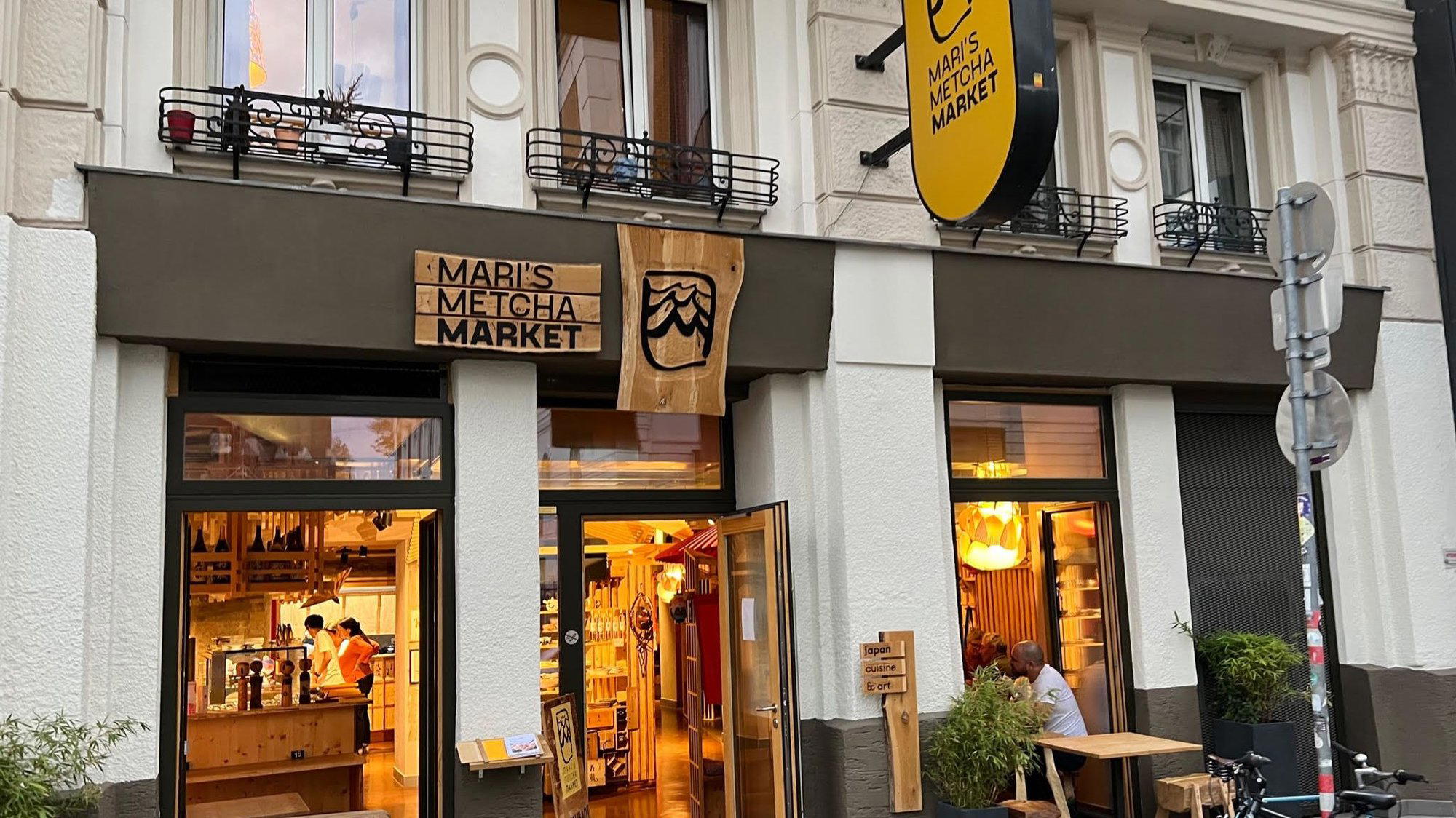
Kaiserstraße and the Seventh District's Market Culture
Vienna's seventh district, Neubau, has long operated as the city's counterweight to the grandeur of the first. Where the Innere Stadt deals in imperial monumentalism, Neubau trades in smaller-scale commerce, independent retail, and a resident population that tends to prefer neighbourhood specificity over tourist-facing spectacle. Kaiserstraße, running through the heart of that district, has historically been a working street rather than a destination one, lined with the kind of traders and vendors that serve local life rather than perform it. It is into this context that Mari's Metcha Market sits at number six, a market-format venue whose character is shaped as much by the street it occupies as by what it sells.
The market format itself carries particular weight in Vienna. The city's relationship with covered and open-air markets runs deep, from the Naschmarkt's produce stalls to the specialist vendors of the Rochusmarkt. A market in Vienna is not a novelty concept; it is a legible civic form with understood conventions around browsing, direct purchase, and producer access. A venue that draws on that tradition in Neubau operates within a neighbourhood already disposed toward independent commerce and away from the consolidated, chain-dominated retail of more central addresses.
What the Address Signals
Kaiserstraße 6 places Mari's Metcha Market at the western edge of Neubau, within walking distance of the Westbahnhof transport hub and the retail density of Mariahilfer Straße. That adjacency matters. Mariahilfer Straße is Vienna's highest-footfall shopping street, but its character is largely mass-market. The streets running parallel and perpendicular to it, including Kaiserstraße, attract a different kind of commercial energy: shoppers who have made a deliberate turn away from the main artery. Arriving at a venue on Kaiserstraße is, in a small but meaningful way, an act of preference rather than convenience.
In European cities with strong independent food and drink cultures, the blocks just off the dominant retail corridor often host particularly durable specialist traders. Vienna follows that pattern, and Neubau is one of its clearest examples. The seventh district has accumulated a concentration of tea specialists, zero-waste grocers, natural wine shops, and produce-focused cafes over the past decade, building a neighbourhood identity that makes a market-format venue with specialist focus feel coherent rather than incongruous. For venues in the Austrian fine-dining tier, from Steirereck im Stadtpark and Mraz and Sohn at the creative end to Konstantin Filippou and Amador in the modern European register, the supplier ecosystem that neighbourhood traders like this help sustain is part of what keeps the city's culinary output credible.
The Matcha Market Format in a European Context
Specialist matcha retail and hospitality has expanded significantly across European cities in the past several years, moving from Japanese grocery imports to purpose-built venues that foreground ceremony, grade differentiation, and preparation method. The category now splits broadly between fast-casual matcha bars oriented toward takeaway volume and more deliberate retail or market formats where product knowledge and sourcing transparency are the primary offer. A venue named and structured as a market positions itself toward the latter, where the transaction includes some degree of education or curation alongside the purchase itself.
Vienna is a reasonable city for that positioning. The Austrian capital has a sophisticated cafe culture built around slow consumption and a historical familiarity with hot-drink ritual. Viennese coffee house culture, with its emphasis on time spent rather than throughput, creates a population accustomed to treating a drink as an occasion. A matcha market operating in that city can draw on those established habits of mind even while offering a categorically different product. The comparison is not equivalence but cultural compatibility: the ritual logic of the Viennese Kaffeehaus finds a partial analogue in the Japanese tea ceremony tradition that underlies good matcha practice.
Across Austria more broadly, the dining and hospitality scene has developed significant depth in recent years. Beyond Vienna, venues including Ikarus in Salzburg, Döllerer in Golling an der Salzach, Obauer in Werfen, and Landhaus Bacher in Mautern an der Donau represent a country increasingly confident in its culinary range. Tirol contributes further with Gourmetrestaurant Tannenhof in Sankt Anton am Arlberg, Griggeler Stuba in Lech, and Schwarzer Adler in Hall in Tirol, while smaller operators such as Ois in Neufelden, Kräuterreich by Vitus Winkler in Sankt Veit im Pongau, and Restaurant 141 by Joachim Jaud in Mieming demonstrate that quality is not concentrated exclusively in the capital. Within Vienna itself, Doubek represents the kind of neighbourhood-anchored operation that shares a civic logic with a market-format venue like this one.
Planning a Visit
Mari's Metcha Market is located at Kaiserstraße 6 in Vienna's seventh district. The address places it sensibly between Mariahilfer Straße and the quieter residential streets of Neubau, making it a natural addition to a day that might also include the neighbourhood's independent bookshops, wine bars, and specialty grocers. Given the market format, browsing time should be factored in alongside any purchase or consumption; this is not a space oriented toward speed. Current hours are Monday to Sunday, 12 PM to 10 PM.
For international reference points in the specialist and fine-dining categories, Le Bernardin in New York City and Atomix in New York City represent the kind of precise, category-defining operation that a specialist format aspires to at the highest level of execution.
Side-by-Side Snapshot
Comparable venues nearby, for context on price, style, and recognition.
| Venue | Cuisine | Price | Notes |
|---|---|---|---|
| Mari's Metcha MarketThis venue — the venue you are viewing | Authentic Japanese Street Food | $$ | Not listed |
| Ebi Mini | Japanese Sushi & Ramen | $$ | Hofburg |
| o.m.k 1020 | Modern Japanese Deli | $$ | Praterstern Wien Nord |
| Little Koya | Japanese Sushi & Noodles | $$ | Inner City |
| Mari's Metcha Matcha | Authentic Japanese Tapas & Matcha Café | $$ | Hofburg |
| Karma Ramen | Authentic Japanese Ramen | $$ | Mariahilf |
Continue exploring
More in Vienna
Restaurants in Vienna
Browse all →![[aend] restaurant in Vienna](https://cdn.enprimeurclub.com/storage/v1/object/public/images/locations/recsVyRkMfzCxPmp0/hero2.jpg?width=3840&quality=75)
Bars in Vienna
Browse all →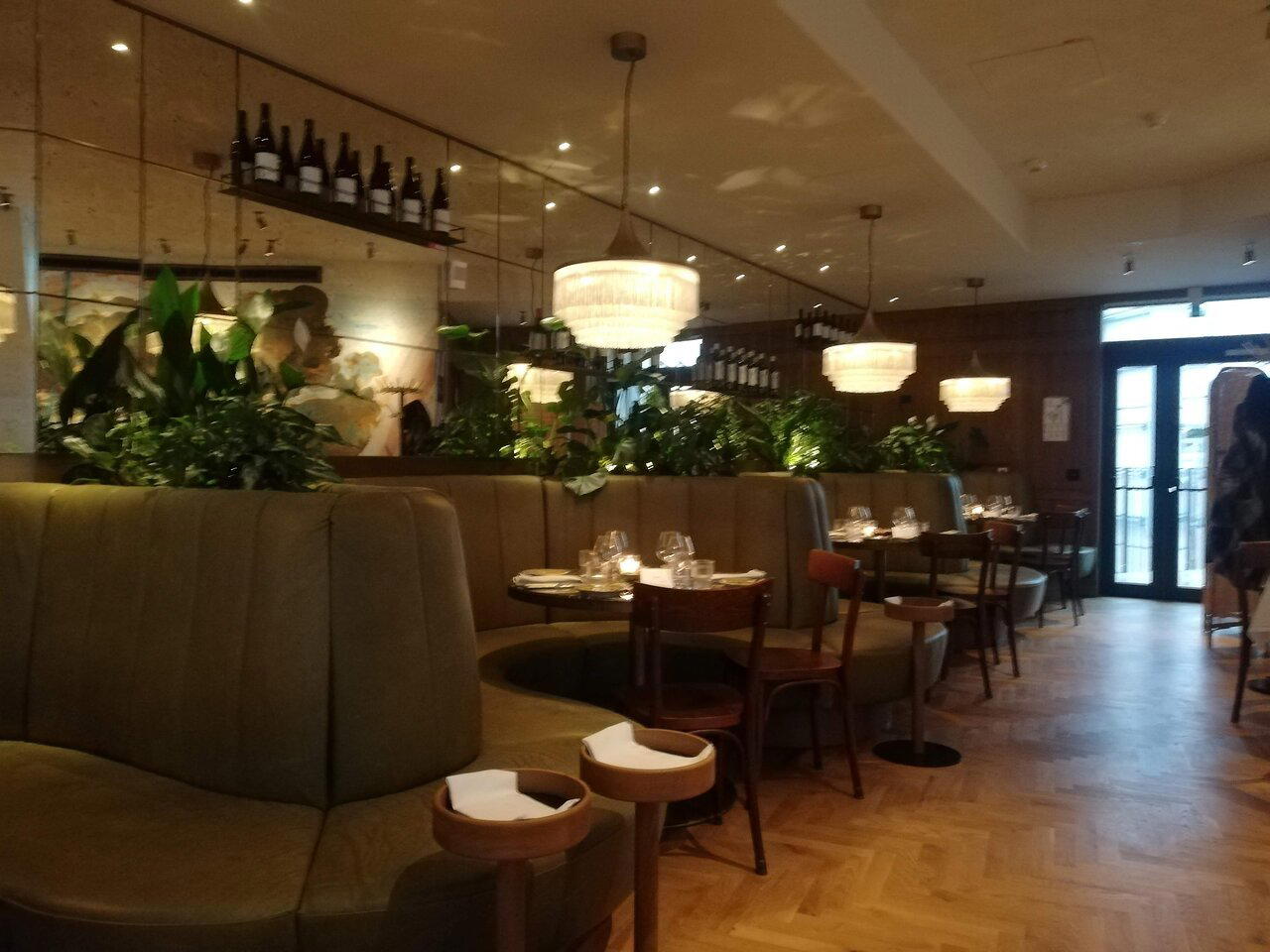

Hotels in Vienna
Browse all →
At a Glance
- Cozy
- Intimate
- Modern
- Casual Hangout
- Open Kitchen
Current opening hours
- Monday
- 12–10 PM
- Tuesday
- 12–10 PM
- Wednesday
- 12–10 PM
- Thursday
- 12–10 PM
- Friday
- 12–10 PM
- Saturday
- 12–10 PM
- Sunday
- 12–10 PM
Hours can change for holidays and private events. Last verified .
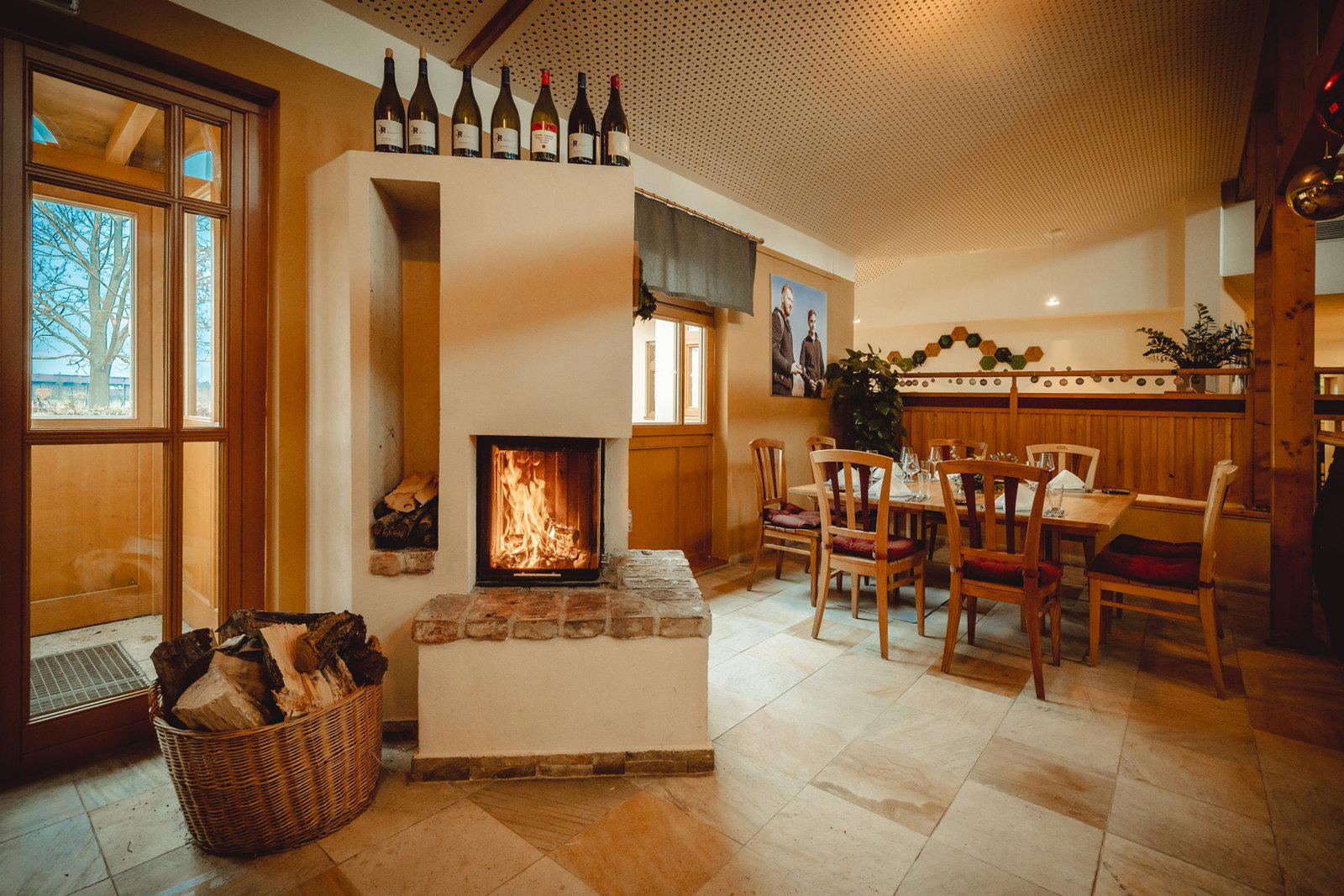
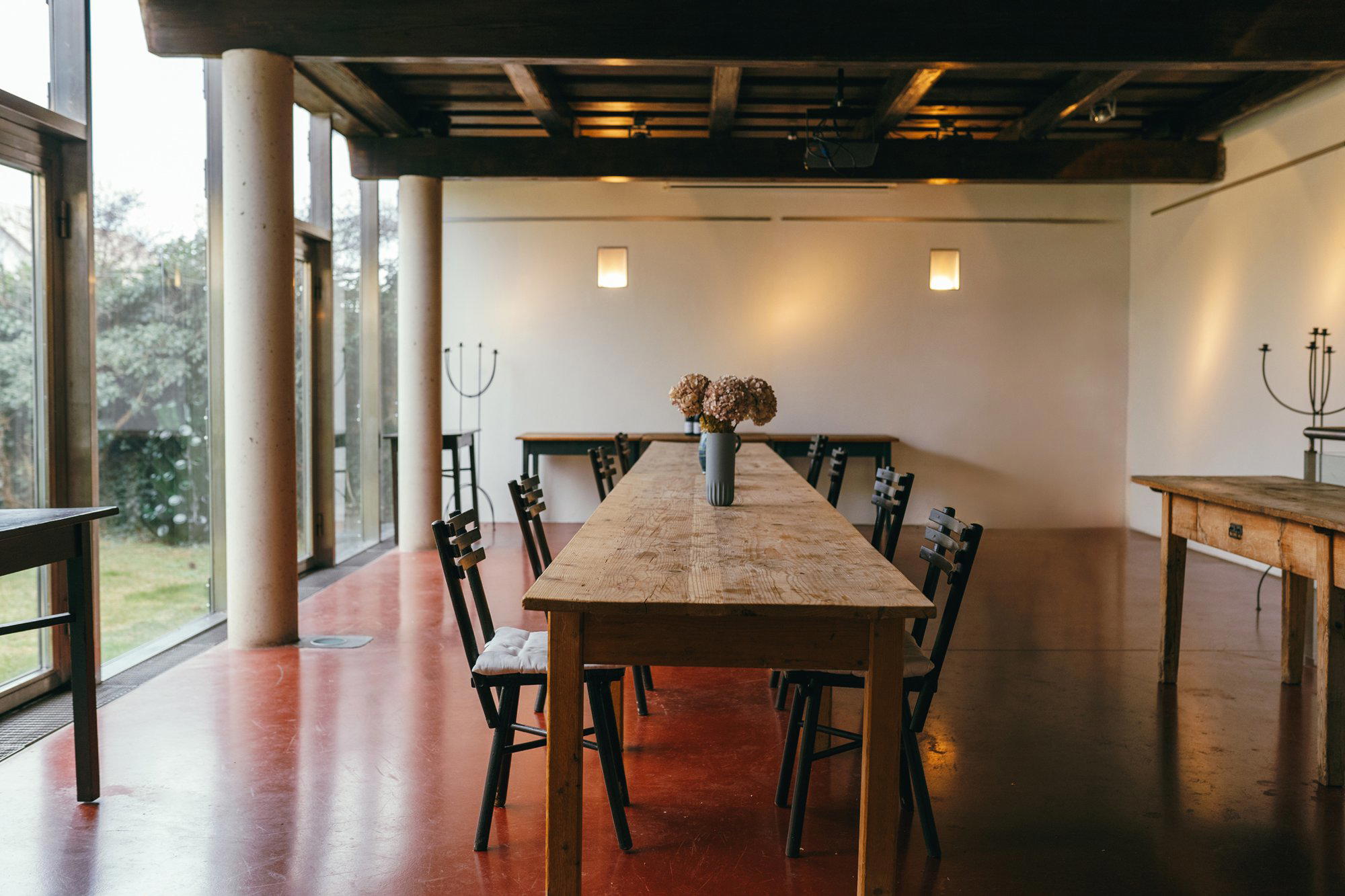
Cozy and quaint with lots of wood decor, authentic Japanese ceramics, and intimate seating that feels like being in Japan.