On Neustiftgasse in Vienna's seventh district, Mari's Metcha Matcha occupies a neighbourhood corner where matcha culture meets Central European café tradition. The address sits within walking distance of the MuseumsQuartier, in a district that has become a reliable indicator of where Vienna's independent food scene moves before the rest of the city catches up. Practical details remain sparse, making a preliminary visit or social channel check worthwhile before planning around it.
Pearl is the En Primeur Club membership app — saves, bookings, and concierge access live there. Same editors, same standards.
- Address
- Neustiftgasse 7, 1070 Wien, Austria
- Phone
- +434315222115
- Website
- marismetcha.at
- Directions
- Get directions
 Saves & bookings on Pearl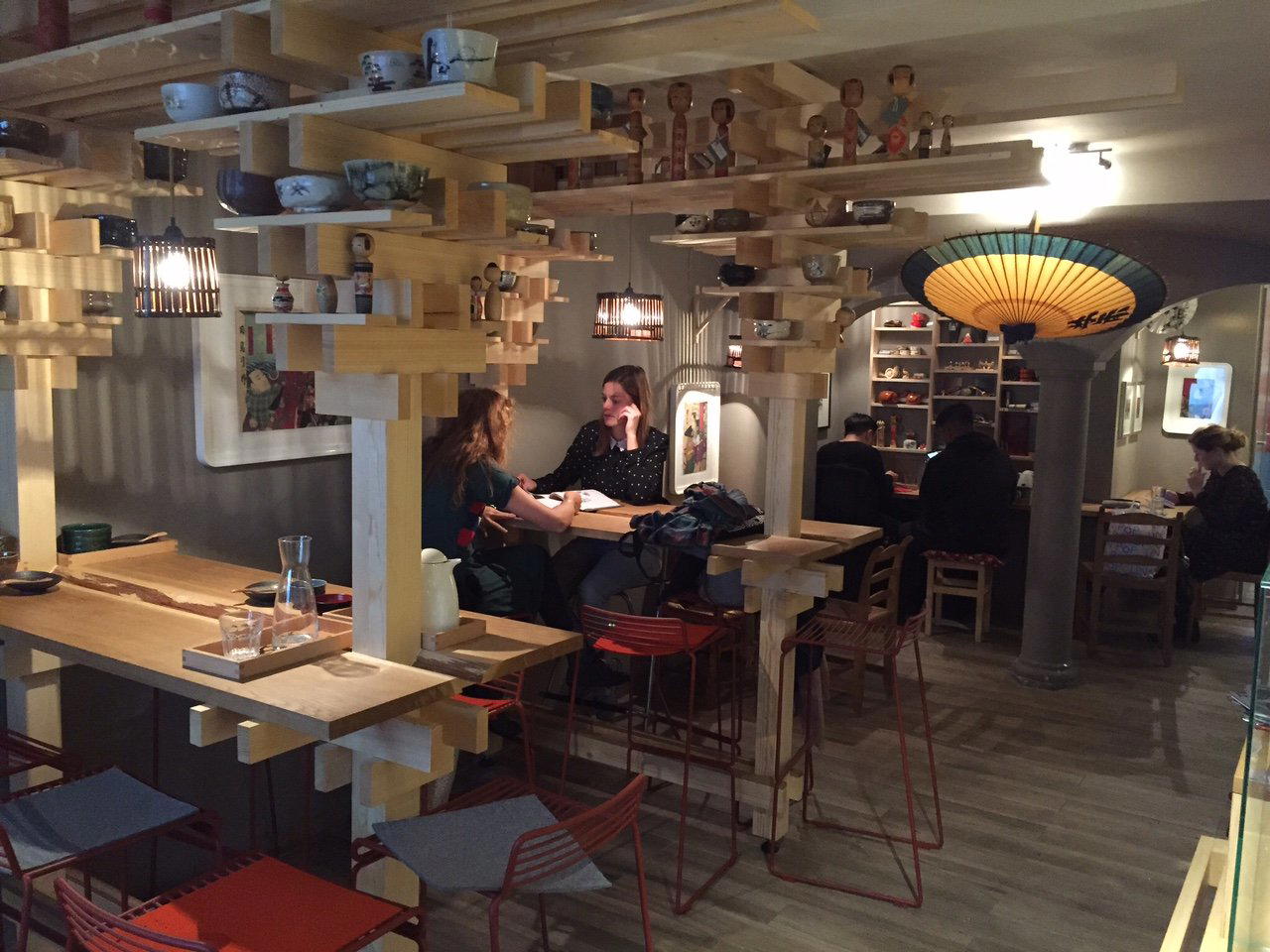
Neustiftgasse and the Seventh District's Independent Food Logic
Vienna's seventh district, the Neubau, operates on a different rhythm from the first. Where the Innere Stadt trades on institutional weight, Neubau draws its identity from smaller, owner-operated formats: concept cafés, specialty roasters, and genre-crossing kitchens that tend to arrive without press releases and build their following through word of mouth. Neustiftgasse 7 sits in this fabric, a few minutes on foot from the MuseumsQuartier's western edge, in a block that has absorbed successive waves of independent retail and hospitality without losing the residential texture that makes the area work.
The name itself signals a deliberate positioning. Matcha, in European cities over the past decade, has split into two recognisable categories: the chain café format that treats it as a flavour variant on an espresso-bar template, and the smaller specialist operation that builds an entire identity around sourcing grade, preparation method, and the cultural context behind the leaf. The second category tends to produce more interesting spaces, and the name here points firmly in that direction.
How the Progression Reads
In specialist matcha formats, the logic of a visit often unfolds in sequence rather than all at once. The first decision point is the grade and provenance of the matcha itself: ceremonial versus culinary, single-origin versus blended, the preparation temperature and water quality all shape what arrives in the bowl or cup before anything else is considered. This is the equivalent of a wine list's opening chapter, establishing the register for everything that follows.
The second layer is what the kitchen or counter builds around that base. Across European cities where matcha-centred concepts have taken hold, particularly considered operations pair the bitter, vegetal depth of high-grade matcha with ingredients that create contrast without overriding it: dairy from local producers, fermented elements, pastry work calibrated to low sweetness. The tasting progression at a specialist like this tends to move from the purest expression of the ingredient toward preparations that demonstrate its range. A straight ceremonial bowl, whisked to a fine foam, makes the clearest argument for why the sourcing matters. What comes after, whether a latte variant, a paired pastry, or a dessert format, shows whether the kitchen has thought about the arc.
That sequencing logic is what separates a specialty matcha address from a café that simply carries matcha as one option among many. In cities like Vienna, where the café tradition is well-established and protective of its own conventions, a specialist format earns its place by demonstrating that the focus adds depth rather than novelty. The Viennese coffeehouse model has always rewarded operations that take their core product seriously; the matcha specialist is, in structural terms, making the same argument as a third-wave espresso bar, just with a different ingredient at the centre.
Where This Sits in Vienna's Current Scene
Vienna's restaurant and café scene in the mid-2020s is running two tracks in parallel. At the formal end, the city's Michelin-acknowledged addresses, places like Steirereck im Stadtpark, Amador, Konstantin Filippou, and Mraz & Sohn, operate in the €€€€ tier with tasting menus and the full apparatus of fine dining. The other track is the independent, concept-led format that prices accessibly and wins its following through specificity rather than ceremony. Doubek represents one version of that logic; Mari's Metcha Matcha, from what the address and positioning suggest, represents another.
Across Austria more broadly, particularly celebrated kitchens tend to operate outside the capital. Döllerer in Golling an der Salzach, Ikarus in Salzburg, Obauer in Werfen, and Landhaus Bacher in Mautern an der Donau draw visitors from across the country and beyond. In the Alpine tier, Griggeler Stuba in Lech, Gourmetrestaurant Tannenhof in Sankt Anton am Arlberg, Schwarzer Adler in Hall in Tirol, and Restaurant 141 by Joachim Jaud in Mieming carry the regional fine-dining standard. Kräuterreich by Vitus Winkler in Sankt Veit im Pongau and Ois in Neufelden show how far the country's ingredient-led cooking extends beyond the obvious centres. None of these are direct comparators to a Neubau matcha café, but they establish that Austria's food culture rewards specificity of focus at every price point.
The global reference point for what a matcha-centred tasting progression can achieve at the serious end sits further afield. Operations like Atomix in New York City, which treats Korean culinary culture as the architecture for a full fine-dining sequence, show what happens when a single cultural tradition is given enough space and rigour to develop across multiple courses. The matcha specialist at café scale is making a structurally similar argument, simply at a different price tier and with a narrower canvas.
Planning a Visit
Mari's Metcha Matcha is at Neustiftgasse 7, 1070 Wien, Austria, and is open daily from 12 to 10 PM. The Neubau is well-served by U-Bahn lines U3 (Neubaugasse) and U2 (MuseumsQuartier), placing the address within easy reach of the central districts without requiring a taxi.
Comparison: Matcha-Centred and Specialist Café Formats in Vienna
| Format | Price Tier | Booking Required | Neighbourhood |
|---|---|---|---|
| Mari's Metcha Matcha | Not published | Unknown, check direct | Neubau (7th) |
| Chain matcha café | €–€€ | Walk-in | Multiple districts |
| Third-wave specialty roaster | €–€€ | Walk-in | Neubau, Alsergrund |
| Fine-dining tasting menu (e.g. Steirereck) | €€€€ | Weeks to months ahead | Stadtpark (3rd) |
- onigiri
- ramen
- udon
- bento boxes
- matcha desserts
- natto
Standing Among Peers
Comparable venues nearby, for context on price, style, and recognition.
| Venue | Cuisine | Price | Notes |
|---|---|---|---|
| Mari's Metcha MatchaThis venue — the venue you are viewing | Authentic Japanese Tapas & Matcha Café | $$ | Not listed |
| IKO | Modern Japanese Sushi & Asian Fusion | $$ | Stephansdom |
| Asahimoto | Authentic Japanese Sushi & Ramen | $$ | Kaiserebersdorf |
| Nikkai | Japanese Fusion | $$ | Inner City |
| Mari's Metcha Market | Authentic Japanese Street Food | $$ | Neubau |
| Shokudo Kuishimbo | Authentic Japanese Izakaya | $$ | Mariahilf |
At a Glance
- Cozy
- Modern
- Intimate
- Casual Hangout
- Solo
- Standalone
- Sake Program
Current opening hours
- Monday
- 12–10 PM
- Tuesday
- 12–10 PM
- Wednesday
- 12–10 PM
- Thursday
- 12–10 PM
- Friday
- 12–10 PM
- Saturday
- 12–10 PM
- Sunday
- 12–10 PM
Hours can change for holidays and private events. Last verified .
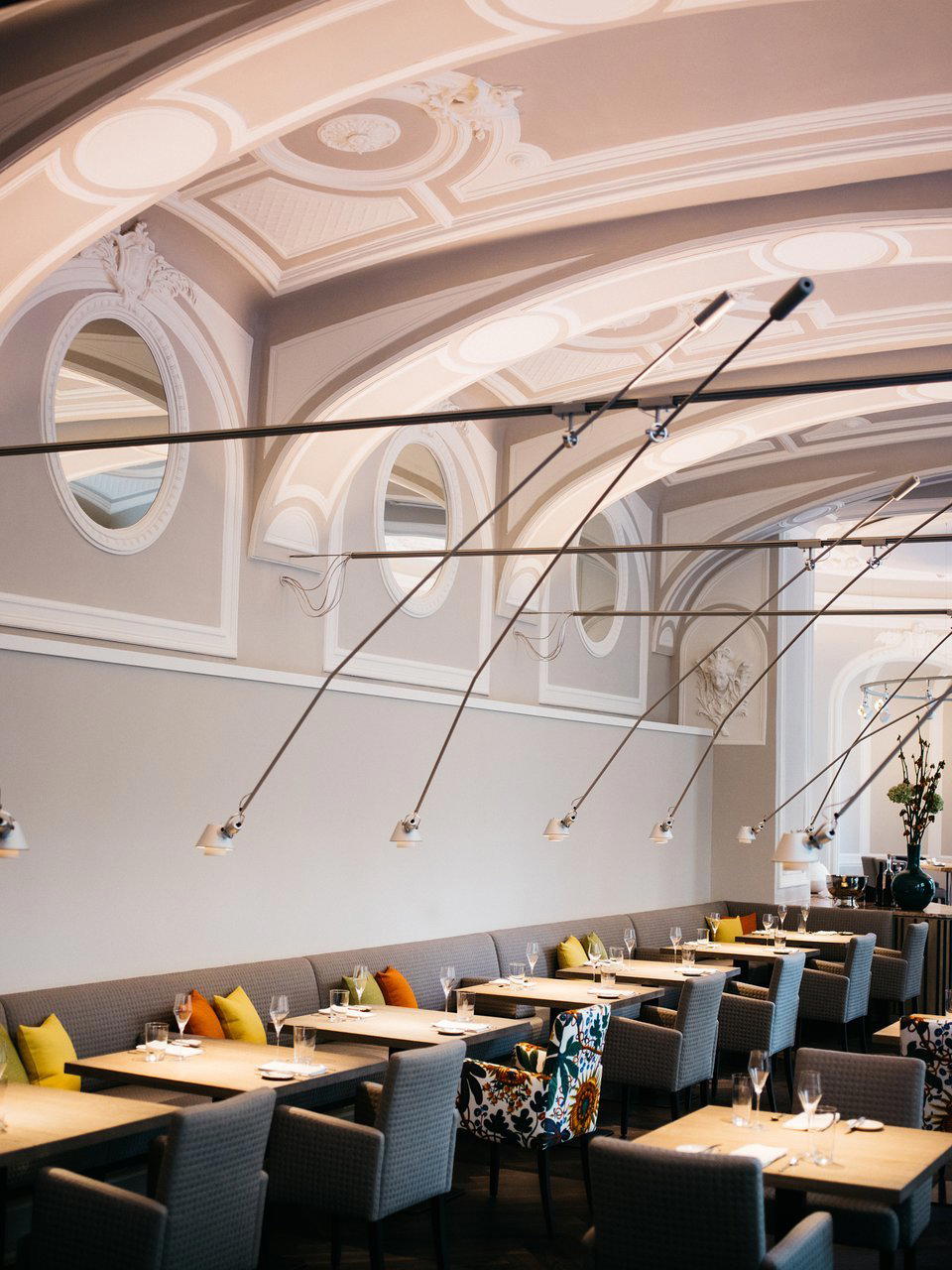
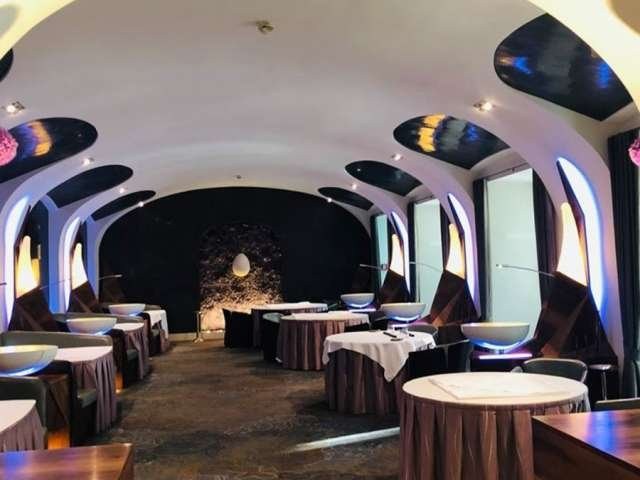
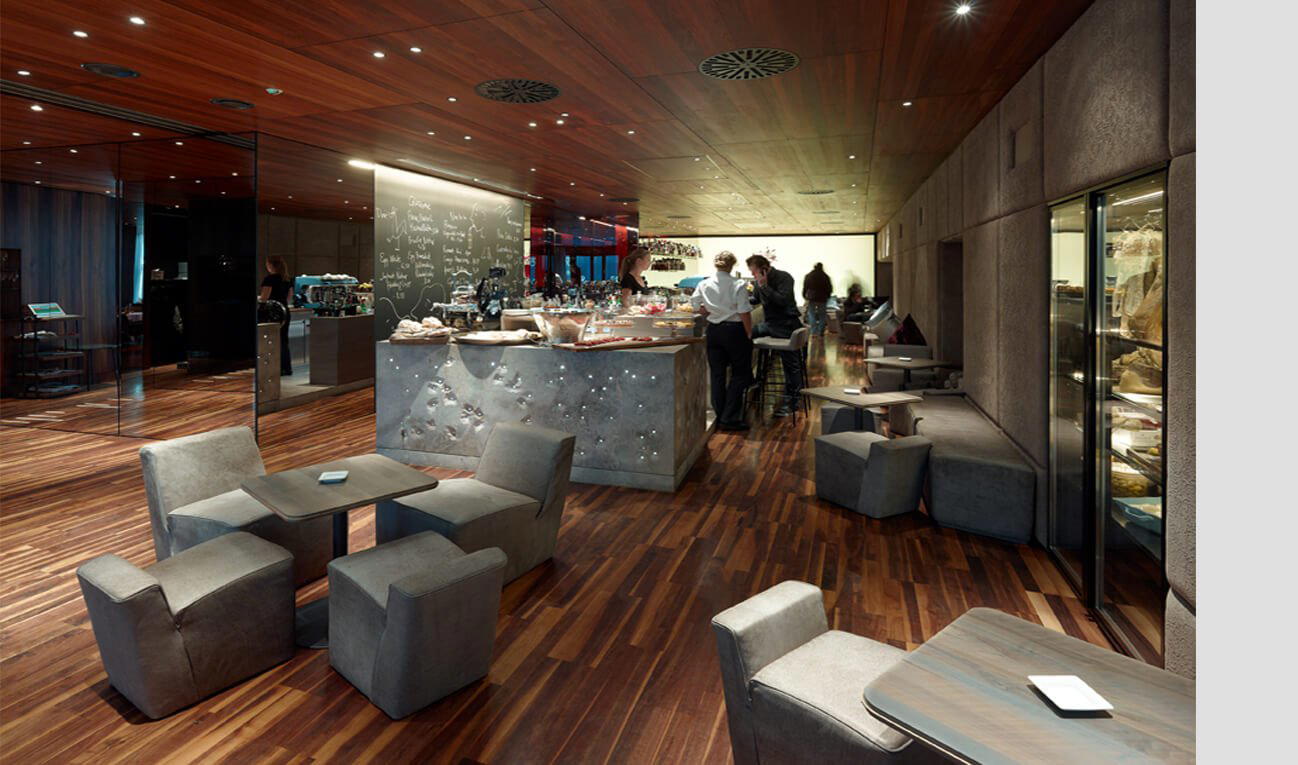
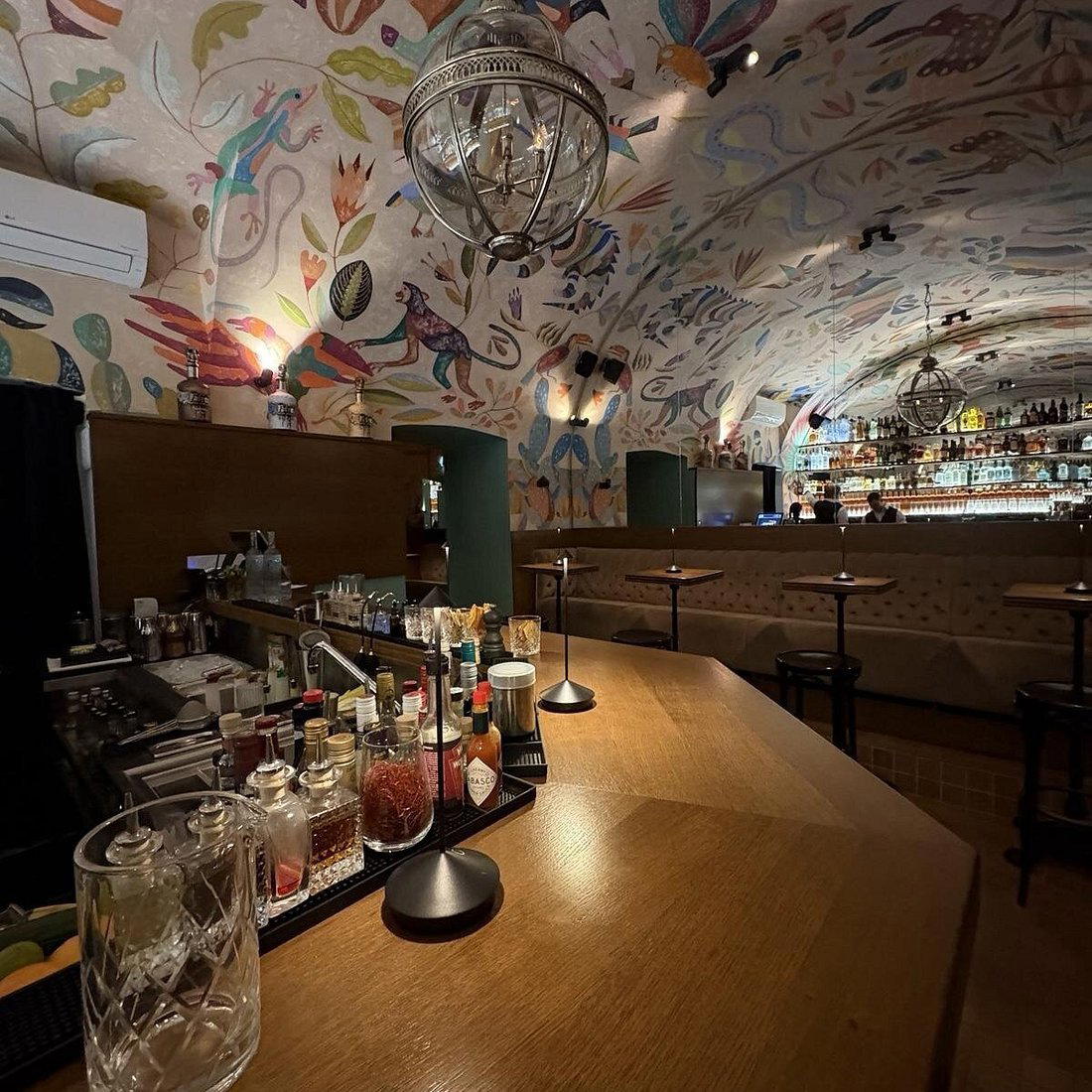
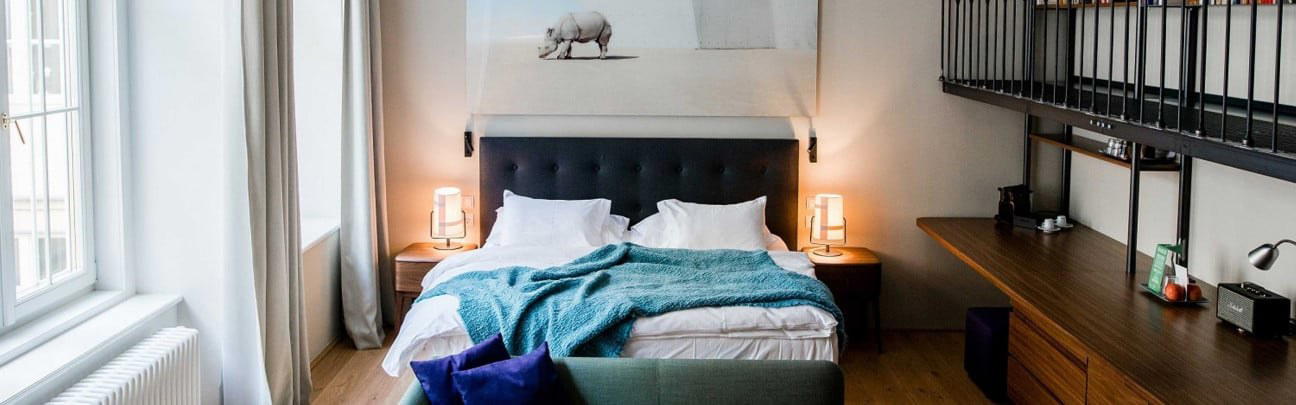
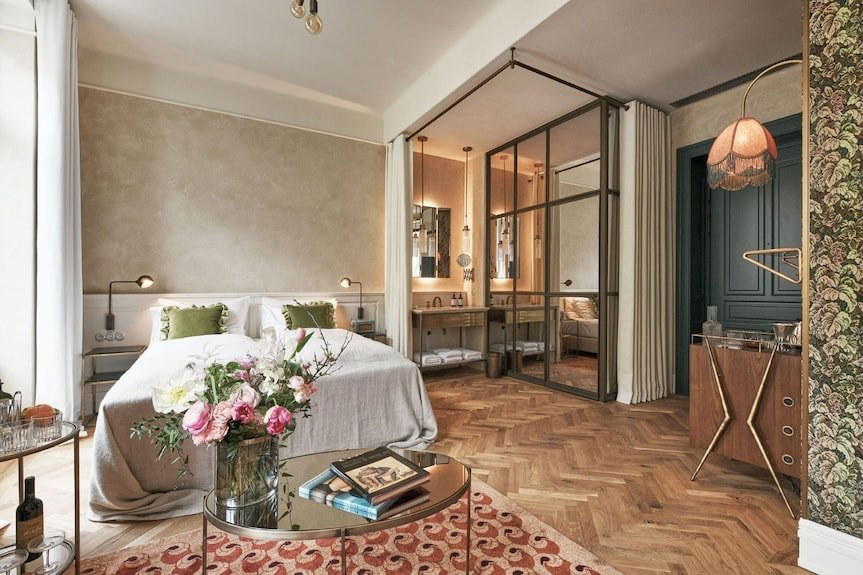
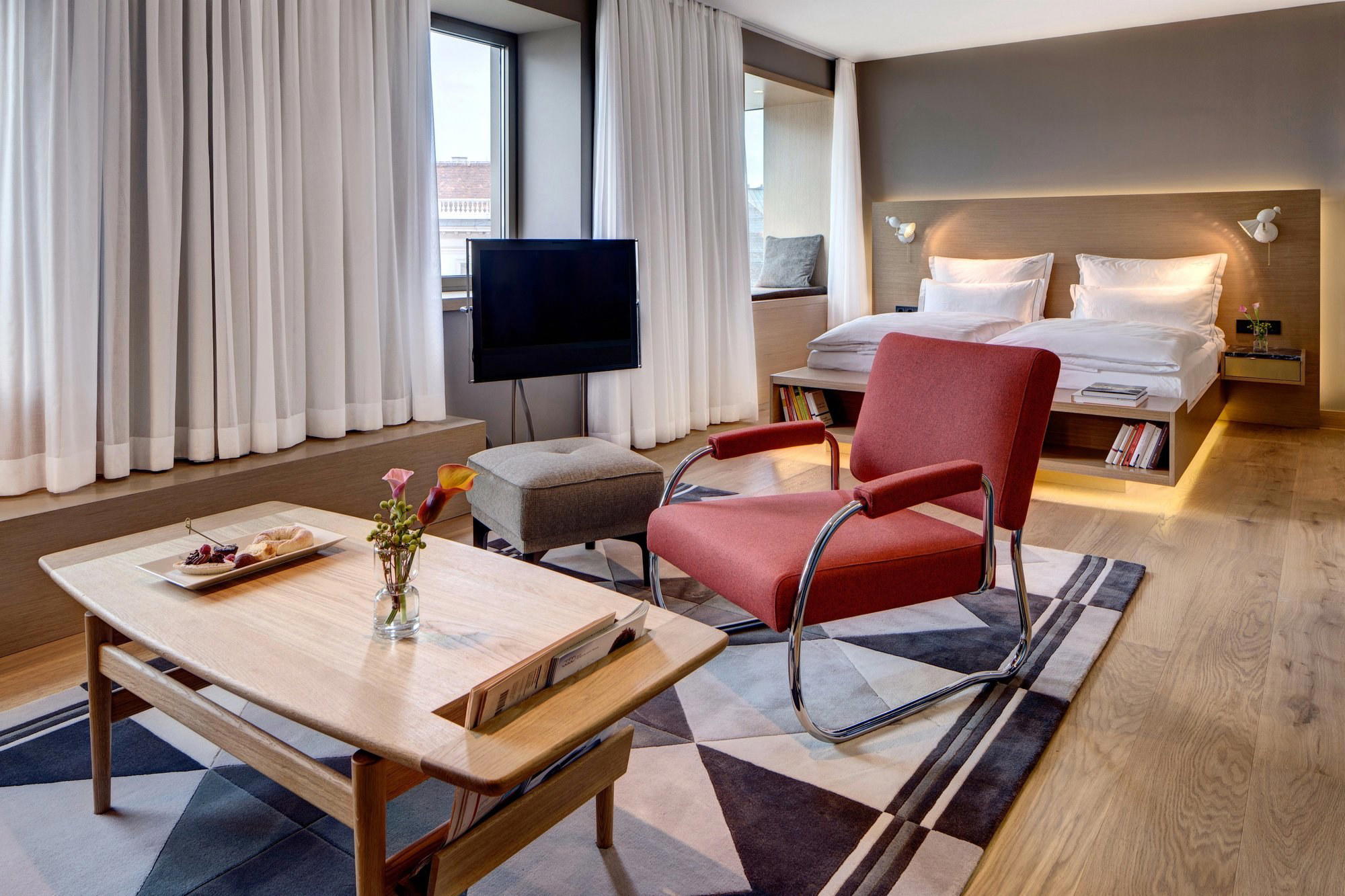
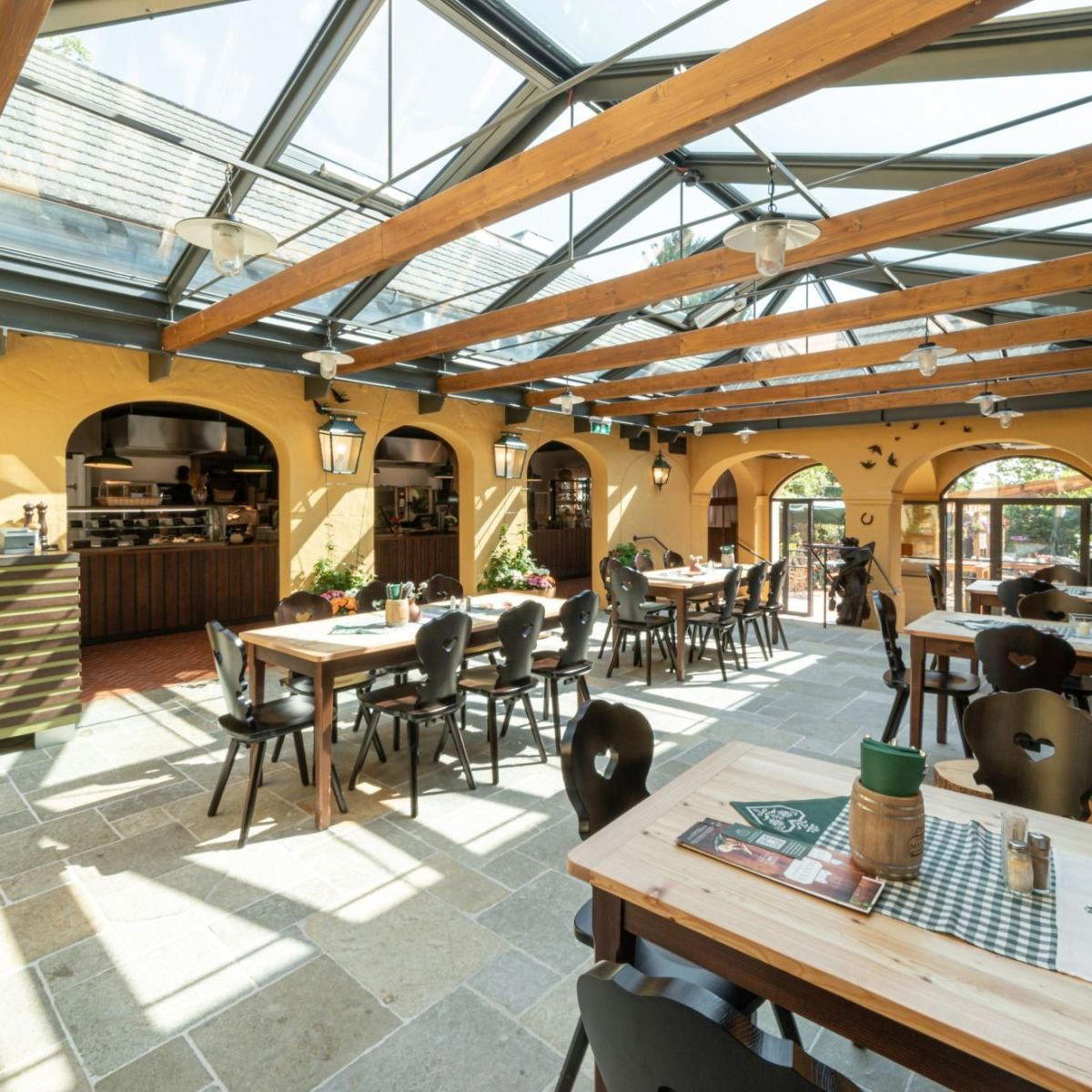
Warmly decorated with lots of wood and modern Japanese design elements; intimate and welcoming atmosphere that makes guests feel at home upon entry.