Vienna's Japanese dining scene has grown well beyond token ramen shops, and Kojiro Sushi on Rechte Wienzeile sits in the more considered tier of that shift. Located in the 4th district, it draws a neighbourhood crowd alongside visitors navigating the city's expanding range of Japanese formats. For those weighing where sushi fits into a Vienna itinerary, it merits attention on its own block rather than as an afterthought.
Pearl is the En Primeur Club membership app — saves, bookings, and concierge access live there. Same editors, same standards.
- Address
- Rechte Wienzeile 9, 1040 Wien, Austria
- Phone
- +434315866233
- Website
- facebook.com
- Directions
- Get directions
 Saves & bookings on Pearl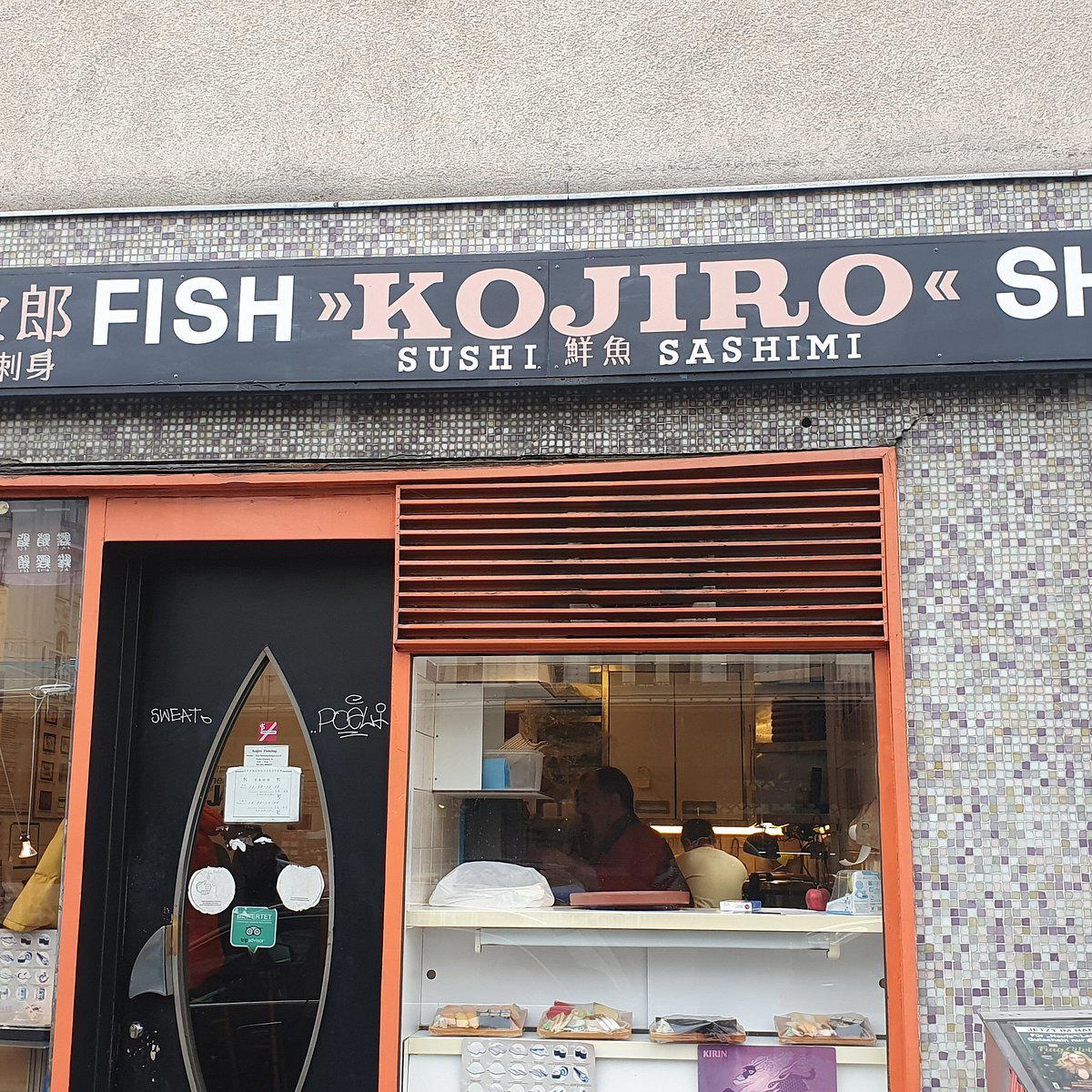
Sushi in Vienna: A Format Finding Its Footing
Japanese cuisine arrived in Vienna later than in London or Paris, and for years it occupied a narrow band of the city's dining spectrum: businessmen's lunch sets, mid-range conveyor belts, and the occasional izakaya tucked near the Gürtel. What has changed in the past decade is the emergence of a more deliberate tier, one where the rice temperature, the sourcing of fish, and the construction of a drinks program are treated with the same seriousness that Vienna's Austrian fine-dining rooms have long applied to their cellars. Kojiro Sushi is a casual Japanese sushi restaurant at Rechte Wienzeile 9, 1040 Wien, Austria, serving authentic Japanese sushi at about $20 per person. It sits within that evolving conversation.
The address places it on one of the long arterial roads that run from the Ring toward the outer districts, a stretch that mixes residential blocks and neighbourhood restaurants. That positioning is not accidental for this category. Particularly considered Japanese restaurants in Central European capitals tend to operate in exactly this register: neither destination-district flagships nor anonymous takeaway operations, but mid-neighbourhood rooms where regulars form the core and word-of-mouth does more work than marketing.
What the Drinks Program Signals About a Sushi Room
In the context of Vienna's dining culture, the wine list at any serious Japanese restaurant carries particular interpretive weight. This is a city where wine literacy runs deep, where even mid-priced Austrian restaurants are expected to offer a coherent cellar, and where the sommelier's role is understood as editorial rather than merely transactional. A sushi counter that meets that expectation signals something about the room's overall ambition.
The pairing tradition at Japanese restaurants in Central Europe has shifted meaningfully over the past fifteen years. Early adopters leaned on champagne as a default, a reliable but unimaginative solution. The more considered approach that has emerged in cities like Vienna and Munich involves Austrian white wines, particularly from the Wachau and Kamptal, where high-acid Grüner Veltliner and Riesling from producers like Knoll or Hirtzberger offer a textural counterpoint to raw fish without overwhelming delicate preparations. Sake programs, once tokenistic, have also matured, with some Central European Japanese rooms now carrying junmai daiginjo labels and aged koshu alongside their wine selection.
For a room on Rechte Wienzeile to compete credibly against Vienna's established fine-dining set, which includes the likes of Steirereck im Stadtpark and Konstantin Filippou, the drinks offering needs to do real work. The benchmark is not simply variety but coherence: a list that demonstrates genuine curation rather than box-checking.
The 4th District Context
The Wieden district, where Rechte Wienzeile runs, has developed a distinct character over the past decade. The Naschmarkt runs parallel along the same road, giving the neighbourhood a daily rhythm built around produce markets, international food stalls, and the restaurants that cluster around them. It is a practical location for a Japanese kitchen: proximity to the market means access to fresh product, and the foot traffic from the market draws an audience that is already attuned to ingredients and provenance.
Vienna's broader restaurant geography rewards knowing which districts carry which dining registers. The 1st district handles grand-café culture and international hotel dining. The 7th and 8th lean toward natural wine bars and nose-to-tail cooking. The 4th sits in a middle register, serious enough for a destination dinner but without the formality overhead of the inner Ring. For a sushi operation, that positioning allows a room to set its own terms without competing directly against ceremony-heavy omakase counters.
For comparison, Vienna's most-decorated creative kitchens, including Amador and Mraz & Sohn, have built their reputations inside a city-wide conversation about what modern Austrian cooking means. Japanese restaurants in Vienna operate in a parallel register, contributing to a different conversation about how Japanese formats translate outside Japan, and whether the sourcing networks and technique standards required to do that well are achievable in a Central European context.
How Japanese Sushi Rooms in Vienna Are Benchmarked
When food-literate visitors assess a sushi room in a non-Japanese city, the operative questions are consistent: is the rice seasoned with precision and served at temperature, is the fish sourced through a credible supply chain (typically via Japan's Toyosu market through European distributors, or through high-quality European aquaculture), and does the pacing of service reflect an understanding of how Japanese meal formats actually work. These are standards that have driven improvement across European Japanese dining in cities like Copenhagen, Amsterdam, and Vienna itself.
The benchmark set internationally by rooms like Le Bernardin in New York City for fish-focused precision, or the Korean-influenced contemporary formats at Atomix in New York City, illustrates what rigorous Asian-cuisine operations look like when transplanted into Western fine-dining markets. Vienna is a smaller market, but the expectations among its regular restaurant-going audience are not correspondingly lower.
Austria's wider fine-dining circuit, extending to rooms like Ikarus in Salzburg, Obauer in Werfen, and Landhaus Bacher in Mautern an der Donau, demonstrates that serious cooking infrastructure exists well outside the capital. The question for Vienna's Japanese tier is whether it can operate with equivalent seriousness within a cuisine tradition that demands specific ingredients, technique lineages, and front-of-house fluency that differs substantially from the European fine-dining model. Rooms like Doubek show that Vienna can sustain focused, format-specific operations with genuine craft. Whether Kojiro Sushi belongs in that conversation depends on the consistency of its execution.
Planning Your Visit
Know Before You Go
- Address: Rechte Wienzeile 9, 1040 Wien, Austria
- District: Wieden (4th district), near the Naschmarkt
- Phone: check current contact details before visiting
- Reservations: walk-in friendly
- Getting there: U4 Kettenbrückengasse station is within walking distance
- Price tier: about $20 per person
- For the full Vienna dining picture: See our full Vienna restaurants guide
What It’s Closest To
Comparable venues nearby, for context on price, style, and recognition.
| Venue | Cuisine | Price | Notes |
|---|---|---|---|
| Kojiro SushiThis venue — the venue you are viewing | Authentic Japanese Sushi | $$ | Not listed |
| Teka Sushi | Traditional Japanese Sushi | $$ | Doebling |
| Nikkai | Japanese Fusion | $$ | Inner City |
| Shokudo Kuishimbo | Authentic Japanese Izakaya | $$ | Mariahilf |
| Mari's Metcha Market | Authentic Japanese Street Food | $$ | Neubau |
| Taeko Ramen | Authentic Japanese Ramen | $$ | Praterstern Wien Nord |
Continue exploring
More in Vienna
Restaurants in Vienna
Browse all →
Bars in Vienna
Browse all →
Hotels in Vienna
Browse all →

At a Glance
- Cozy
- Intimate
- Solo
- Casual Hangout
- Sake Program
Current opening hours
- Monday
- 11 AM–6:30 PM
- Tuesday
- 11 AM–6:30 PM
- Wednesday
- 11 AM–6:30 PM
- Thursday
- 11 AM–6:30 PM
- Friday
- 11 AM–6:30 PM
- Saturday
- 10 AM–2 PM
- Sunday
- Closed
Hours can change for holidays and private events. Last verified .
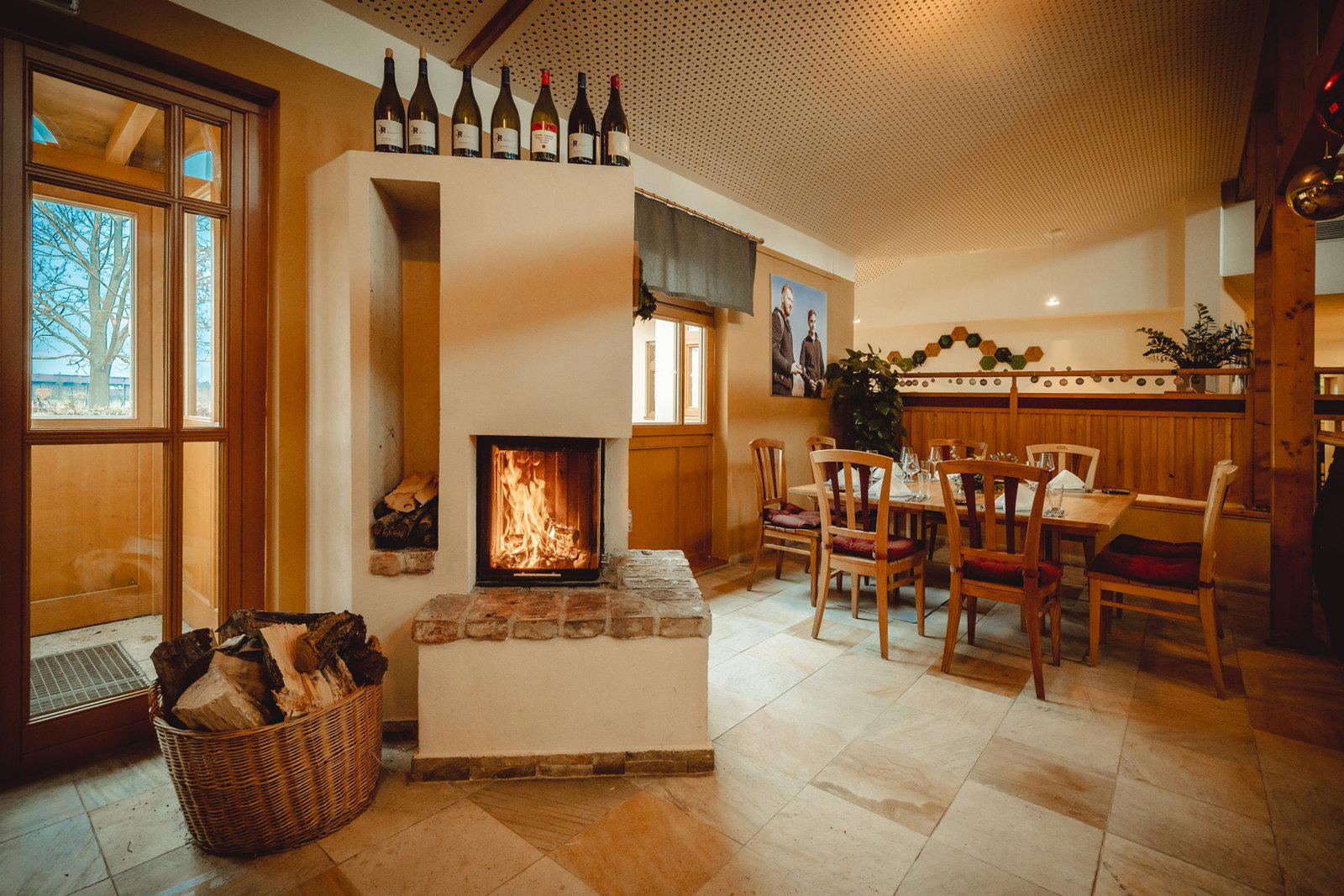
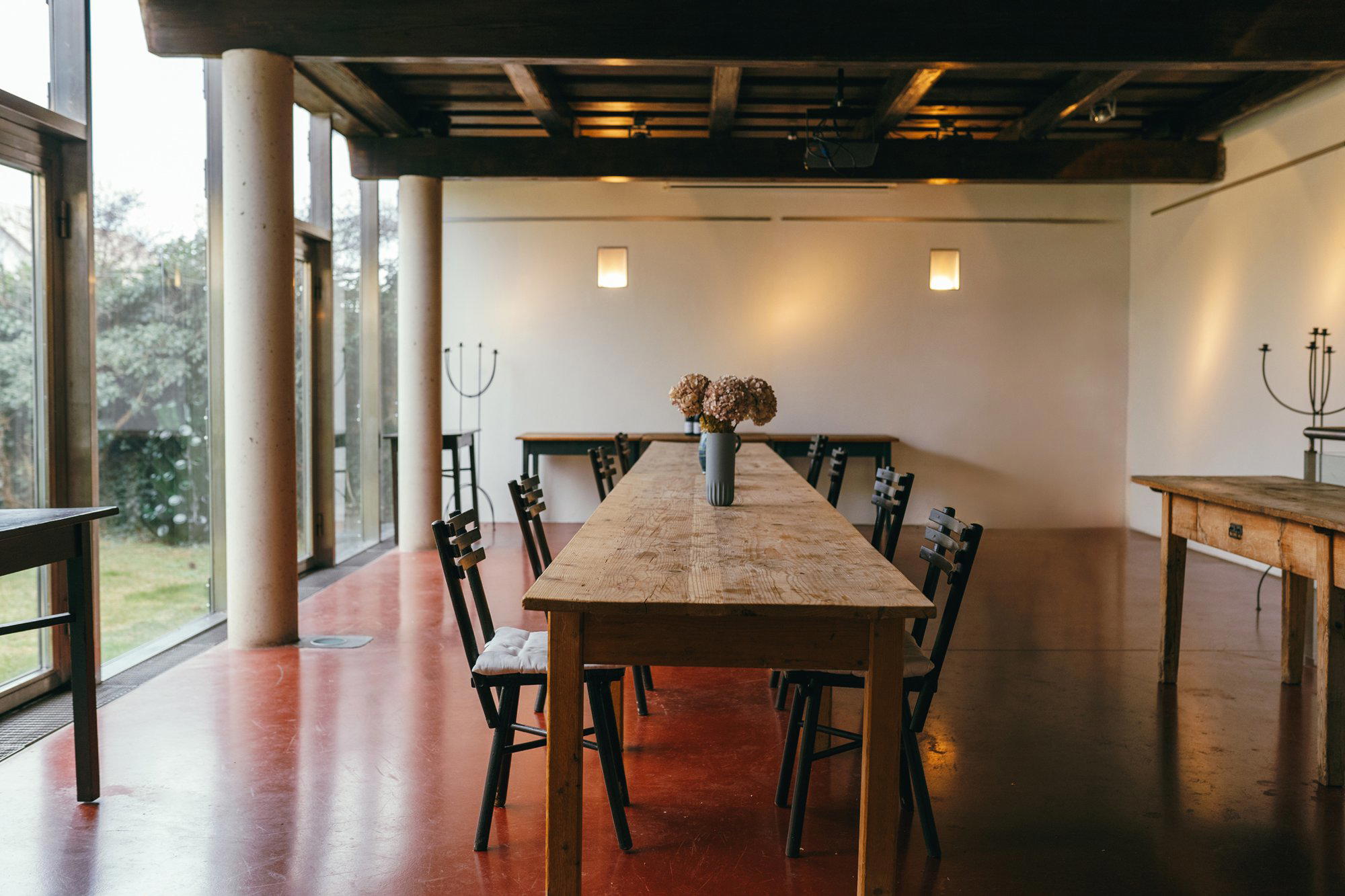
Simple, unpretentious dive-like interior with a cozy, friendly sushi bar atmosphere.