o.m.k 1020 serves Modern Japanese Deli at Praterstraße 16 in Vienna, with spicy salmon roll, pork bun, and donburi for lunch or dinner.
Pearl is the En Primeur Club membership app — saves, bookings, and concierge access live there. Same editors, same standards.
- Address
- Praterstraße 16, 1020 Wien, Austria
- Phone
- +434312123648
- Website
- o-m-k.com
- Directions
- Get directions
 Saves & bookings on Pearl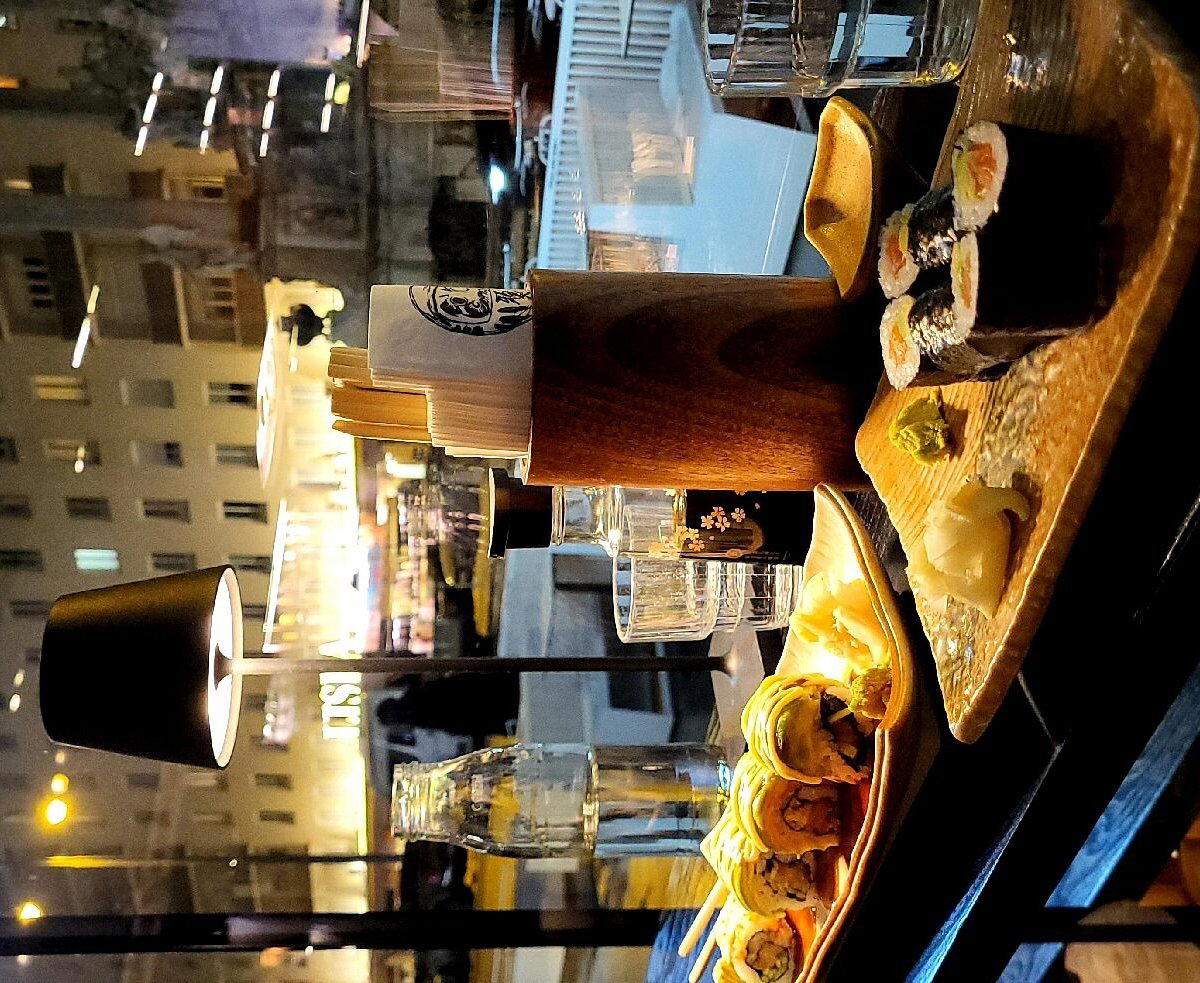
Praterstraße and the Shape of Vienna's Neighbourhood Restaurant Scene
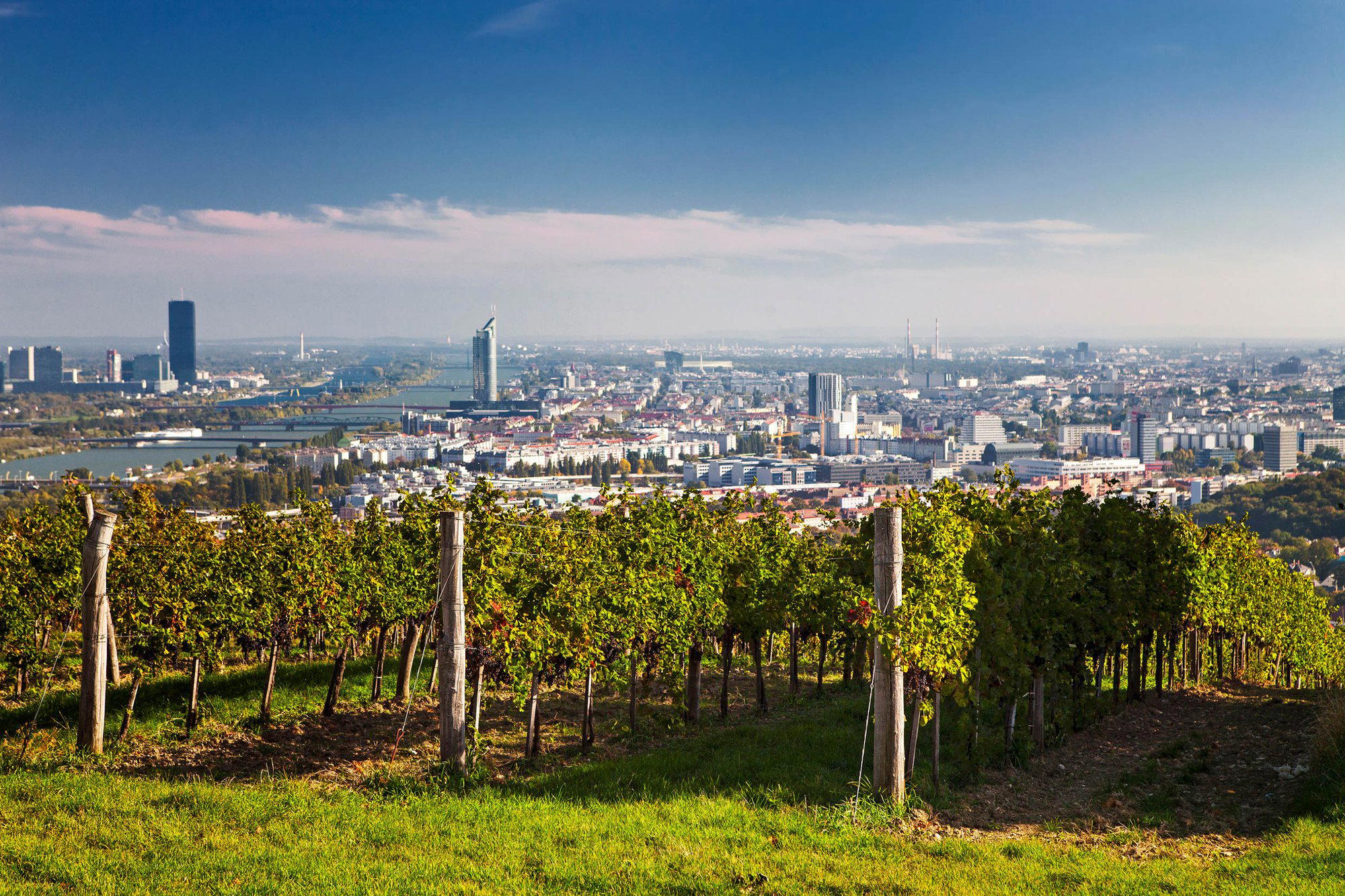
Vienna's dining map has long been read through its first district: the grand Ringstraße institutions, the hotel restaurants with starched linen and carving trolleys, the Beisln that trade on a century of Schmäh. The second district, Leopoldstadt, has occupied a different position in that story. Historically a working-class and Jewish quarter, it spent much of the late twentieth century underrepresented in the city's serious dining conversation. That has shifted meaningfully over the past decade, as a younger generation of operators moved into Praterstraße and the streets around the Augarten, drawn by lower rents and a neighbourhood character that rewards originality over ceremony. o.m.k 1020, a Modern Japanese Deli at Praterstraße 16 in Vienna, sits inside that shift.
The address detail matters here. The 1020 postal code in the venue's name is not incidental branding. It is a deliberate signal: this is a neighbourhood restaurant, rooted in a specific Vienna district, and it positions itself against the anonymous city-centre dining circuit rather than competing for the same customer as Steirereck im Stadtpark or Amador. That distinction shapes everything about how the room functions and who it draws.
The Leopoldstadt Dining Shift: From Peripheral to Present
To understand where o.m.k 1020 sits, it helps to understand what Leopoldstadt's restaurant scene has been through. For years, serious Viennese diners largely crossed the Donaukanal for the Prater itself, for the Würstelstand, or for the occasional exception. The district's transformation into a credible dining address accelerated post-2015, tracking a broader European pattern in which inner-city neighbourhoods with surviving pre-war building stock and mixed demographics became attractive to independent restaurant operators. In Vienna, that pattern repeated itself here as it had in Neubau and Margareten before it.
What distinguishes the Leopoldstadt wave from earlier Viennese neighbourhood dining movements is an emphasis on identity specificity. Restaurants that have found an audience in this part of the city tend to lean into their location rather than away from it. The neighbourhood operates as a credential rather than a compromise. o.m.k 1020's naming convention belongs to that logic.
Across Austria more broadly, the restaurant scene has been in sustained evolution. Kitchens like Mraz and Sohn have pushed creative Austrian cooking toward international reference points. Konstantin Filippou has articulated a modern European vocabulary from a Vienna base. Outside the capital, places like Ikarus in Salzburg and Döllerer in Golling an der Salzach have developed serious regional identities. The momentum has not been confined to traditional Austrian fine-dining formats. Smaller, sharper, neighbourhood-anchored restaurants have grown into a recognisable tier of their own.
Evolution as Format: What the Venue's Name Suggests
The editorial angle for the restaurant is, in part, one of reinvention and positioning over time. The venue's format, address, and naming logic suggest a restaurant that has thought carefully about what it wants to be and where it wants to sit in the Vienna dining hierarchy. That kind of deliberate self-placement is more common in cities like London, Copenhagen, or New York, where neighbourhood identity and pricing signals are used precisely to communicate comparable set. In Vienna, it remains a less common move, which gives venues that make it clearly a degree of differentiation by default.
Comparable signals of deliberate positioning appear at restaurants elsewhere in the Austrian culinary scene. Ois in Neufelden operates with a similar commitment to geographic specificity. Landhaus Bacher in Mautern an der Donau has spent decades making the case that serious cooking does not require a capital city postcode. The logic is consistent: naming and location can function as part of the editorial statement a restaurant makes about itself.
Vienna's Neighbourhood Tier in International Context
Internationally, the neighbourhood restaurant as a premium format has been well established for more than a decade. In New York, the conversation has shifted away from destination dining in isolation toward the question of which neighbourhood a kitchen belongs to: downtown or uptown, what block, what building. Restaurants like Atomix operate in a Midtown context while Le Bernardin anchors a different part of that geography entirely. The specificity of address has become part of the brand.
Vienna is catching up with that logic in its own way, and the 1020 district is currently one of the more interesting places to watch that process unfold. The Praterstraße corridor, running from the Donaukanal toward the Praterstern, contains a growing concentration of independent operators who are building restaurants with neighbourhood roots rather than destination aspirations. That is not a ceiling; it is a different and, for many diners, more appealing kind of ambition.
For reference across the Austrian spectrum, serious kitchens in resort and rural contexts such as Griggeler Stuba in Lech, Gourmetrestaurant Tannenhof in Sankt Anton am Arlberg, and Schwarzer Adler in Hall in Tirol have built their own versions of place-specific identity. The difference in Vienna is density: the neighbourhood dynamic plays out at closer quarters, and the competition for a defined local audience is more immediate. Also worth tracking within the Austrian scene are Obauer in Werfen, Kräuterreich by Vitus Winkler in Sankt Veit im Pongau, and Restaurant 141 by Joachim Jaud in Mieming, each of which demonstrates a different version of the same argument: that serious Austrian hospitality is not a function of postcode alone.
Planning Your Visit
The restaurant is located at Praterstraße 16 in Vienna's second district, reachable by U-Bahn via Nestroyplatz on the U1 line, which puts the restaurant roughly five minutes from the city centre. For current opening hours, use the venue's published schedule. Given the venue's walk-in-friendly policy, visiting without advance booking is practical, particularly on weekdays. Dress code is casual, and the price tier is moderate.
Pricing, Compared
Comparable venues nearby, for context on price, style, and recognition.
| Venue | Cuisine | Price |
|---|---|---|
| o.m.k 1020This venue — the venue you are viewing | Not listed | $$ |
| Ichi go Ichi e | Landstrasse, Japanese Ramen Bar | $$ |
| Shokudo Kuishimbo | Mariahilf, Authentic Japanese Izakaya | $$ |
| Shoyu Ramen | Staatsoper, Authentic Japanese Ramen | $$ |
| Kojiro Sushi | Wieden, Authentic Japanese Sushi | $$ |
| Ebi Mini | Hofburg, Japanese Sushi & Ramen | $$ |
At a Glance
- Cozy
- Modern
- Trendy
- Casual Hangout
- Open Kitchen
Current opening hours
- Monday
- 11 AM–9:30 PM
- Tuesday
- 11 AM–9:30 PM
- Wednesday
- 11 AM–9:30 PM
- Thursday
- 11 AM–9:30 PM
- Friday
- 11 AM–9:30 PM
- Saturday
- 11 AM–9:30 PM
- Sunday
- Closed
Hours can change for holidays and private events. Last verified .
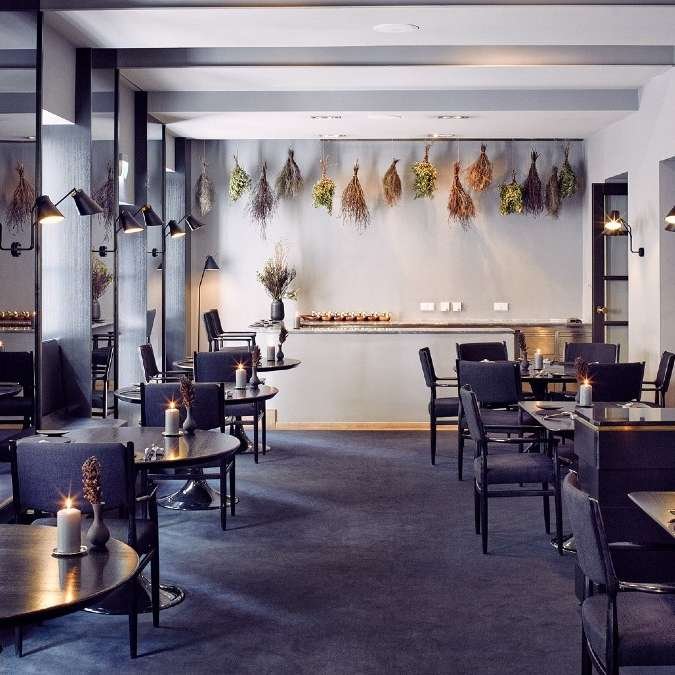
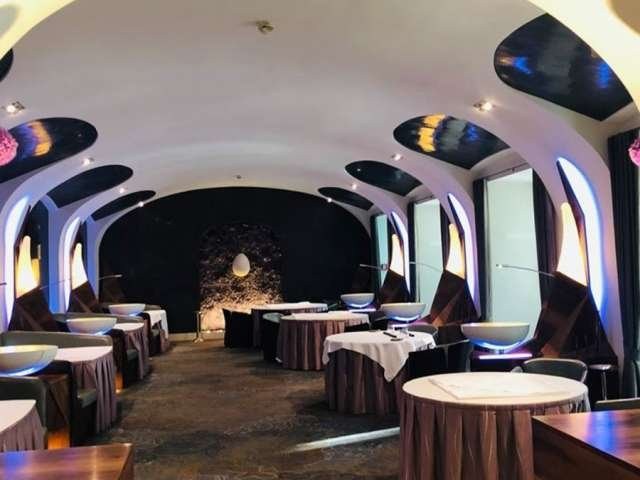
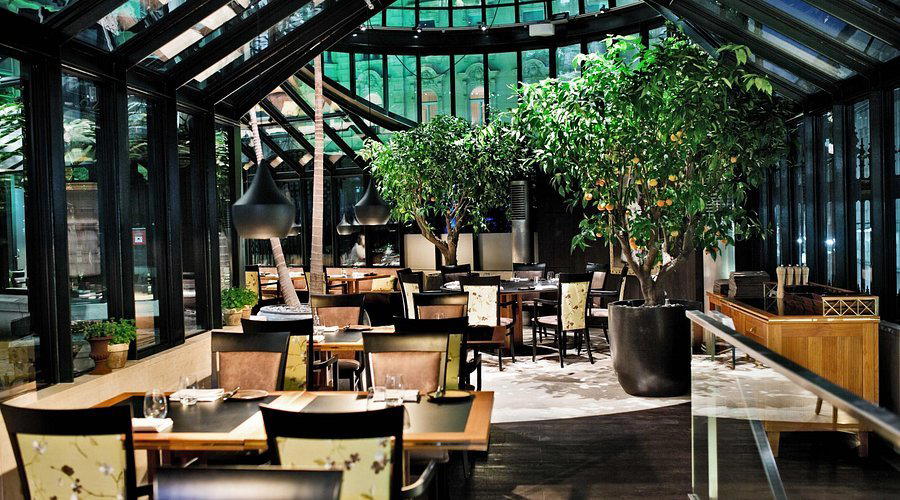
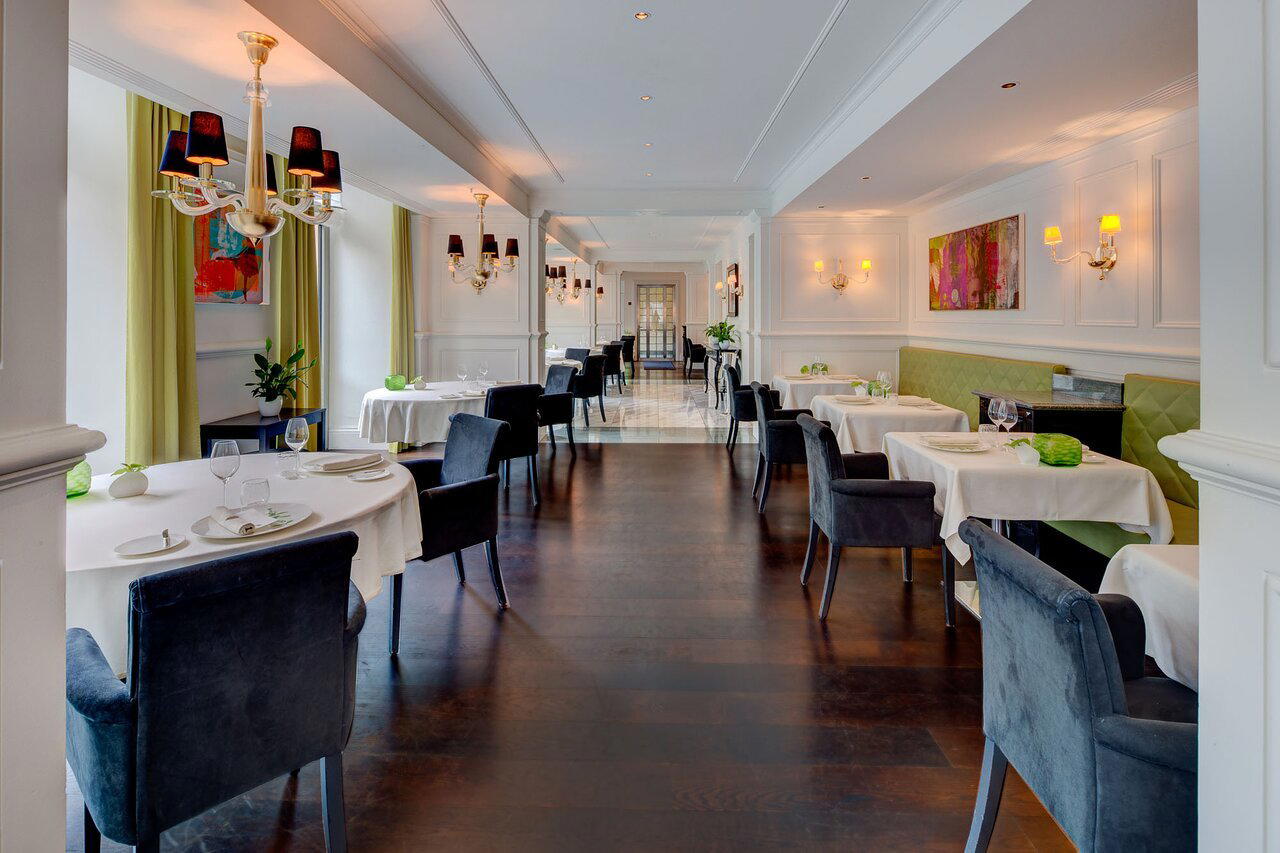
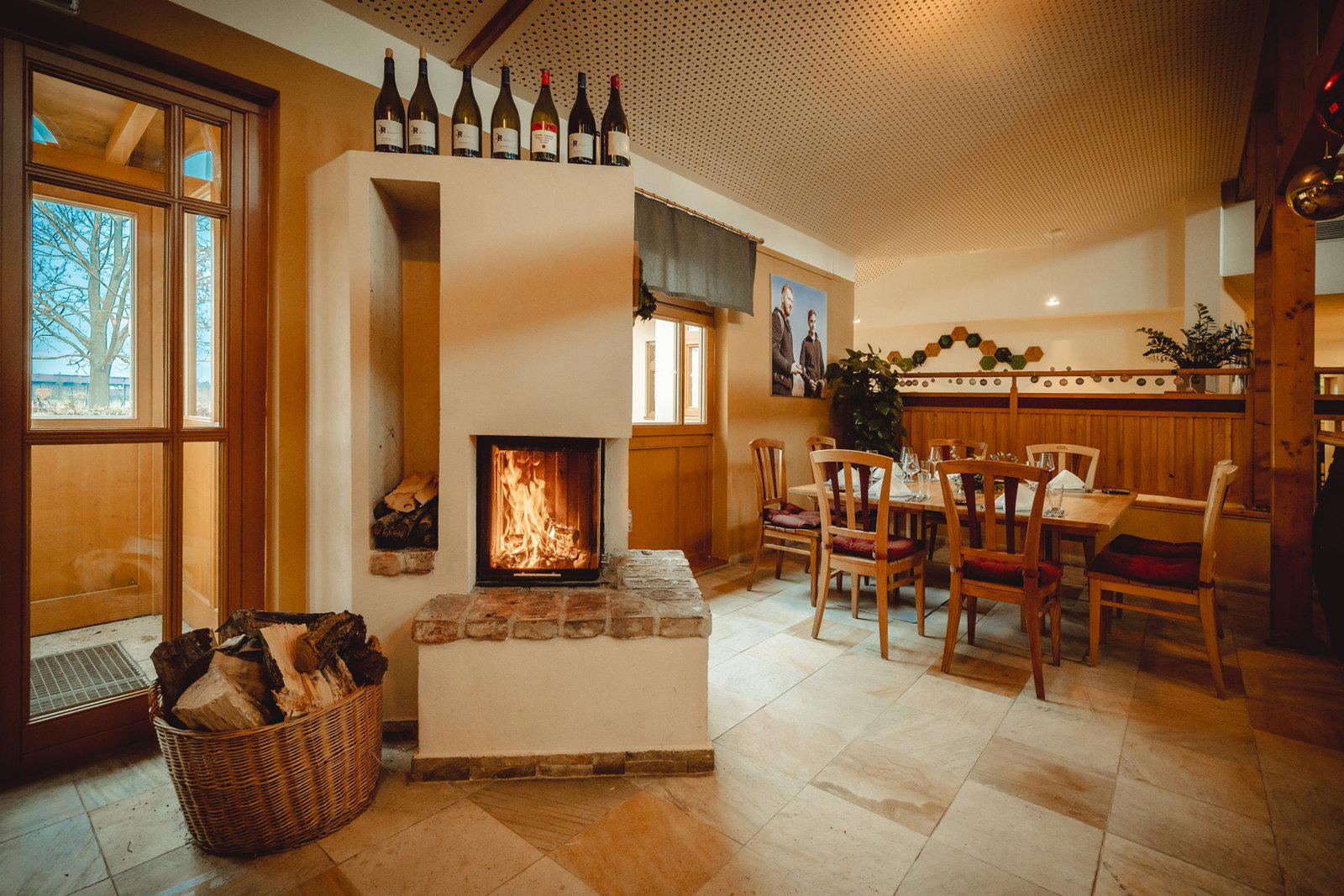
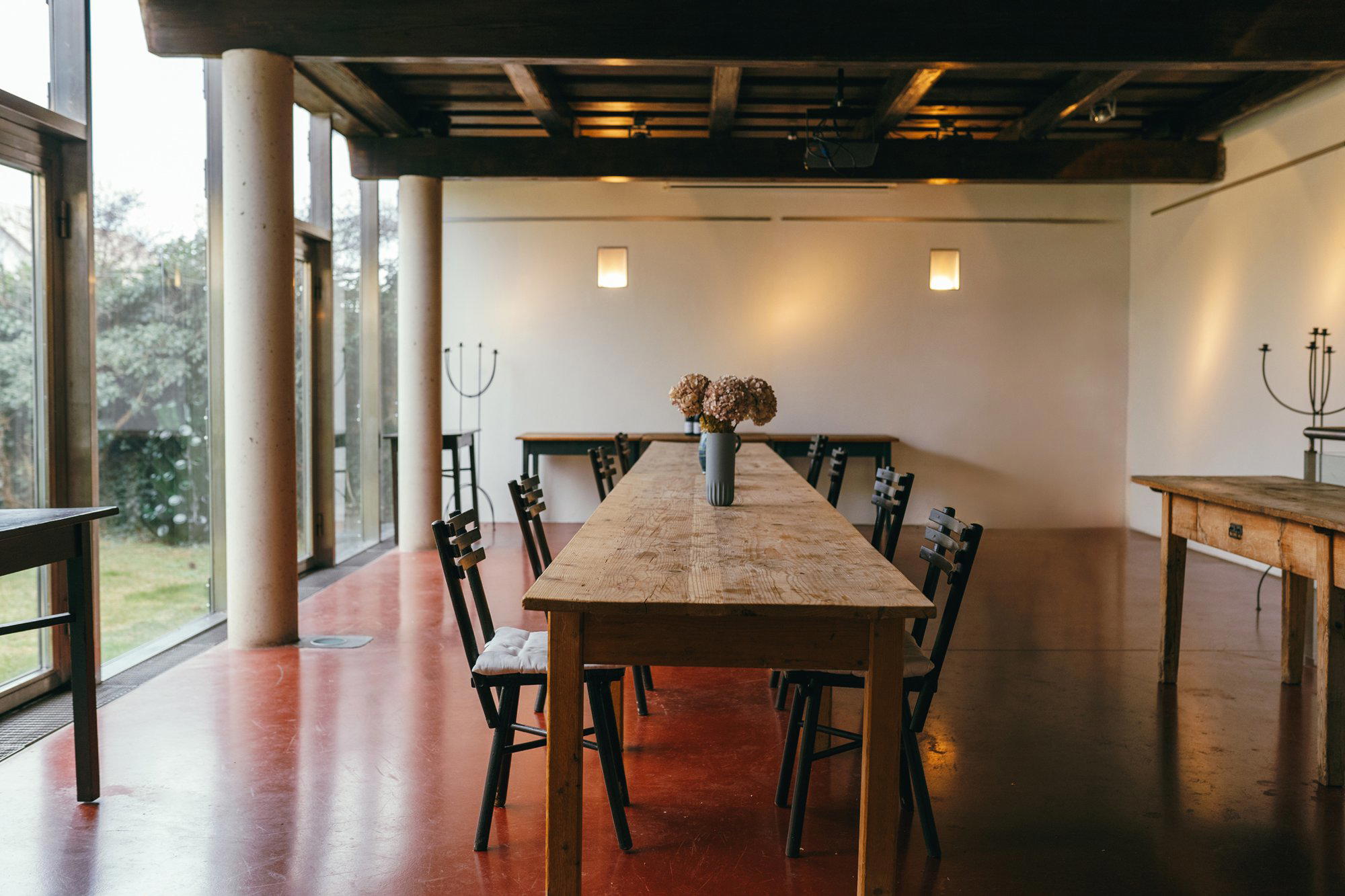
Cozy and welcoming with a stylish, dimly lit atmosphere.