Our verdict
In Toyama's Kibamachi district, Cuisine Française La Chance represents the strain of regional French dining that takes Hokuriku's seafood and mountain produce as its primary argument. The kitchen works within a European framework while drawing on one of Japan's most generously stocked local larders. Booking ahead is advisable for a city where serious Western-influenced restaurants occupy a small, competitive tier.

Pearl is the En Primeur Club membership app — saves, bookings, and concierge access live there. Same editors, same standards.
- Address
- 16-1 Kibamachi, Toyama, 930-0806, Japan
- Phone
- +81764451200
- Hours
- Mon 11 AM–8 PMTue–Wed ClosedThu–Fri 11 AM–8 PMSat–Sun 9 AM–9 PM
- Website
- ikk-wed.jp
- Directions
- Get directions
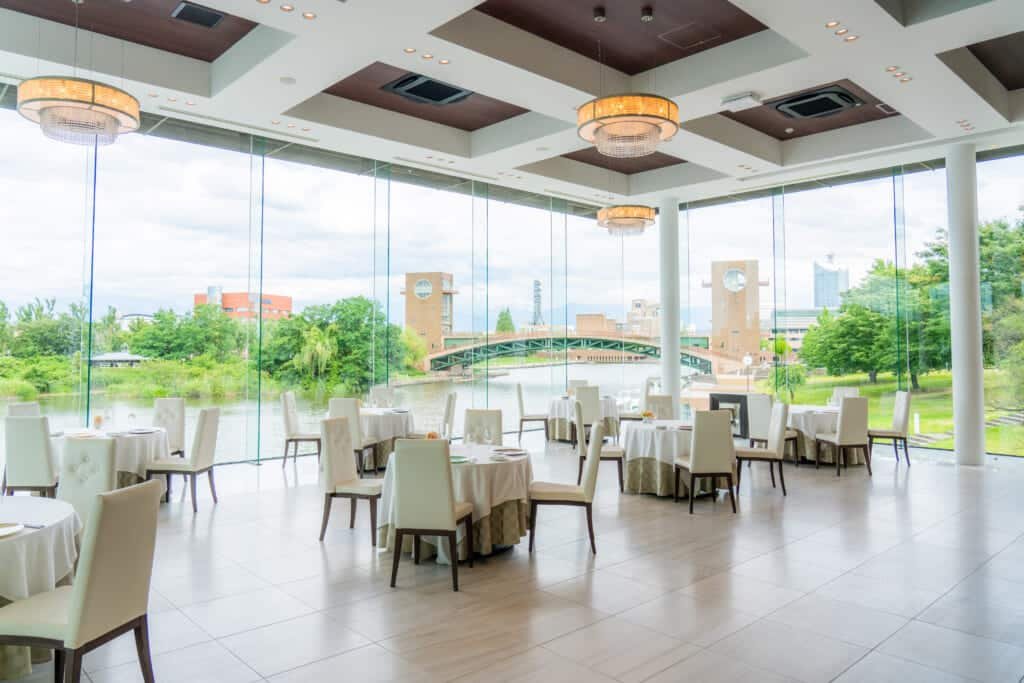
French Dining in a City Built on Exceptional Ingredients
Toyama occupies an unusual position in Japan's dining conversation. The city sits at the edge of Toyama Bay, which delivers some of the country's most sought-after seafood, including white shrimp, firefly squid, and yellowtail, while the Tateyama mountain range pushes game, wild vegetables, and mountain water into the regional pantry. That combination has historically supported a strong kaiseki tradition, visible in venues like Hagiwara and Ebitei Bekkan, but it has also given Western-trained kitchens an unusually strong foundation to work from. The question for any French restaurant in a secondary Japanese city is whether the European framework adds something to those ingredients or simply reframes them for a different audience.
Cuisine Française La Chance, at 16-1 Kibamachi in central Toyama, operates within that tension. The address places it in an established commercial district rather than the tourist circuit, which tends to signal a local clientele with regular dining habits and expectations built over return visits. That dynamic shapes the room differently than a destination restaurant drawing first-time visitors. Regulars notice when a dish changes; they notice when service coordination falters; they notice when the wine list shifts. It is, in some respects, a harder audience to satisfy than one arriving on occasion.
The Architecture of a Collaborative Dining Room
The editorial angle on serious French restaurants in provincial Japanese cities is rarely about the chef alone. In a city like Toyama, where the French dining tier is small and the pool of trained front-of-house professionals is narrower than in Tokyo or Osaka, the coordination between kitchen, sommelier, and dining room staff carries disproportionate weight. At venues of this type, it is the front-of-house team that determines whether a tasting format feels guided or merely sequential, and whether the wine pairing conversation adds information or simply adds cost.
This matters because the French dining tradition that took root in Japan across the 1980s and 1990s was always as much about service theatre as it was about cooking technique. The formal cadence of a French meal, announced courses, composed plate presentations, tableside sommelier interaction, arrived in Japan and was absorbed with considerable seriousness. In cities outside the major metropolitan centres, that tradition persists in a more concentrated form: fewer rooms maintain it, but those that do tend to hold it with precision. La Chance operates in that context. For comparison, consider what French fine dining looks like when it reaches a certain level of integration with local sourcing: HAJIME in Osaka represents one version of that synthesis at the highest recognition tier, and akordu in Nara another, each shaped by the particular character of its city's produce and dining culture.
The name itself, La Chance, carries a French informality that sits in mild contrast to the formality the genre typically implies. That gap, between the lightness of the name and the seriousness of the cooking tradition it operates within, suggests a room that may hold its formality with some ease rather than rigidity. In Japanese regional French dining, that calibration tends to be the mark of a kitchen and front-of-house team that have worked together across enough service cycles to trust each other's timing.
Placing La Chance in Toyama's Western Dining Tier
Toyama's Western-influenced restaurant tier is genuinely small. Italian representation exists, with Himawari Shokudo 2 occupying the JPY 20,000 to JPY 29,999 bracket in that category. French rooms at a serious level are fewer still. Nationally, the reference points for French cooking embedded in a Japanese regional context include Goh in Fukuoka and, at the kaiseki-French intersection, Gion Sasaki in Kyoto. These are not direct comparisons to La Chance, but they illustrate the range of ways that European training and Japanese ingredient sourcing can be reconciled at a serious level.
Within Toyama specifically, the dining scene rewards some navigation. Japanese options across price points include Boteyan and Daimon, while the broader Hokuriku region extends to venues like 一本杉 川嶋 in Nanao. For a full orientation to the city's dining options, our full Toyama restaurants guide maps the current landscape across cuisines and price tiers.
Beyond the region, the framework for understanding what a well-run French room achieves in Japan is perhaps leading illustrated by looking at two international reference points. Le Bernardin in New York City shows what happens when French technique is disciplined around a single dominant ingredient category. Atomix in New York City demonstrates how Korean fine dining has reframed the tasting menu format for a Western audience, a useful counterpoint when thinking about how national culinary traditions interact with European service structures. Both are relevant context for understanding what La Chance is attempting in a city where its French framework is, by definition, a selective import.
Planning a Visit
La Chance is located at 16-1 Kibamachi, Toyama, a central district accessible from Toyama Station. Given the scale of the French dining tier in Toyama and the likelihood that this restaurant draws a consistent local clientele, reservations are advisable, particularly for weekend evenings. The venue's name and category suggest a sit-down dining format rather than casual counter service. For broader regional context, the Hokuriku Shinkansen has materially improved Toyama's accessibility from Tokyo, making it a realistic dining destination for visitors combining a meal with a longer regional itinerary that might include venues like 湖畔荘 in Takashima or 羽根屋 in Nishikawa Machi.
Frequently asked questions
Does キュイジーヌフランセーズ ラ・シャンス work for a family meal?
La Chance is a French dining restaurant in Toyama's central Kibamachi district, which suggests a more composed dining environment than a casual family restaurant. Families with older children comfortable in a structured French dining setting will likely find it appropriate; it is less suited to young children or informal group meals. Confirming the venue's policy on group bookings directly before visiting is advisable.
Is キュイジーヌフランセーズ ラ・シャンス formal or casual?
The name — Cuisine Française — signals a classical French orientation, which in a Japanese provincial city like Toyama typically corresponds to a dress code somewhere between smart and semi-formal. Erring toward neat, presentable attire is the practical approach.
How does dining at La Chance compare to other French restaurants in Toyama Prefecture?
Toyama's French dining tier is narrow enough that La Chance in Kibamachi operates with few direct French-cuisine peers in the prefecture. The city's Western restaurant scene skews toward Italian, with venues like Himawari Shokudo 2 covering the mid-to-upper price band in that category. A dedicated cuisine française address in central Toyama is therefore a specific rather than common proposition, and the venue draws from one of Japan's most productive seafood bays as its primary local ingredient base.
What's the must-try dish at キュイジーヌフランセーズ ラ・シャンス?
What is well-documented is that Toyama Bay produces some of Japan's most highly regarded seafood — including firefly squid, white shrimp, and yellowtail — and French restaurants in the city draw heavily on that supply. Any fish or seafood course on the menu at a given visit is worth prioritising for that reason.
Where is キュイジーヌフランセーズ ラ・シャンス located?
キュイジーヌフランセーズ ラ・シャンス is located at 16-1 Kibamachi, Toyama, 930-0806, Japan, Toyama.
Is キュイジーヌフランセーズ ラ・シャンス reservation-only?
Across Toyama's small Western fine-dining tier, walk-in availability at French restaurants is limited and unreliable, particularly on weekends. Contacting the restaurant in advance is the practical standard for any visit to a venue of this type in the city.
What has キュイジーヌフランセーズ ラ・シャンス built its reputation on?
La Chance occupies a narrow tier within Toyama's dining scene: serious French cuisine in a city that is better known as a seafood source than a restaurant destination. Its position in the Kibamachi district — central and accessible from Toyama Station — and its classical French format place it among a very small number of Western fine-dining venues in the prefecture. In a city where Italian restaurants like Himawari Shokudo 2 represent the main Western competition, a dedicated French kitchen holds a distinct position by format alone.
Cost and Credentials
Comparable venues nearby, for context on price, style, and recognition.
| Venue | Cuisine | Price | Awards | Notes |
|---|---|---|---|---|
| キュイジーヌフランセーズ ラ・シャンスThis venue — the venue you are viewing | French Brasserie with Toyama Seasonal Ingredients | $50–100 | Not listed | Not listed |
| ル・ポワソニエ | Classic Toyama French | $50–100 | Not listed | 大手モール, Classic Toyama French |
| Patisserie Girafe | Not listed | $10–20 | Tabelog 100 #31 | Traditional French-style patisserie and chocolate shop |
| 美乃鮨 | Toyama Omakase Sushi | $50–100 | Not listed | central Toyama, Toyama Omakase Sushi |
| Cave Yunoki | One-group-per-day French fine dining in a historic Toyama warehouse | $150–200 | Tabelog 100 #100 | Higashi Iwase, One-group-per-day French fine dining in a historic Toyama warehouse |
| KAWAZ | French with Toyama Ingredients | $100–150 | Not listed | Sogawa, French with Toyama Ingredients |
Continue exploring
More in Toyama
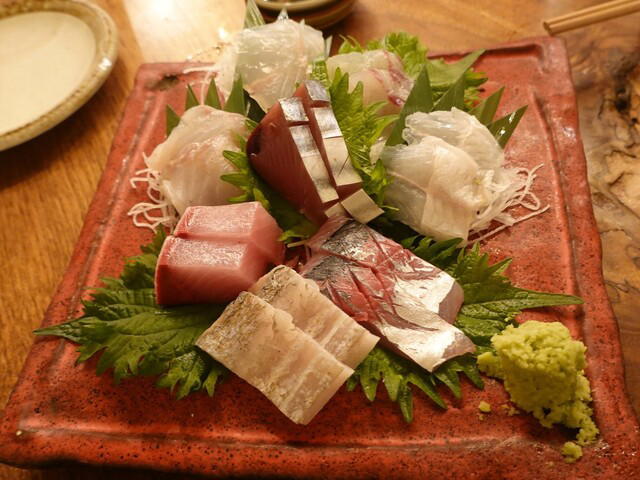
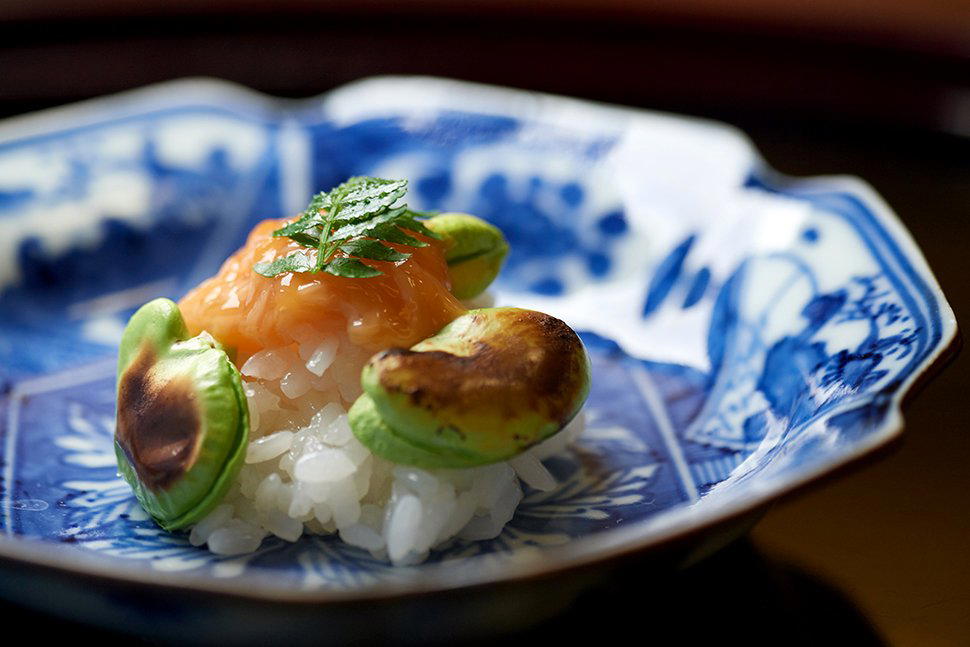
Restaurants in Toyama
Browse all →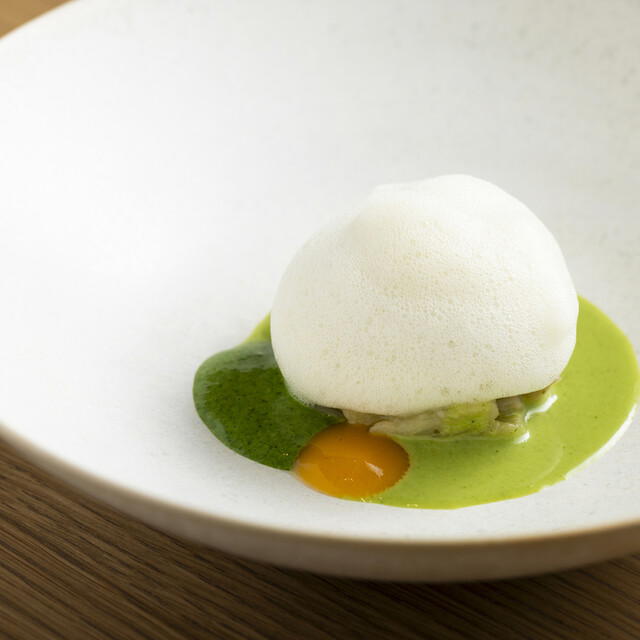
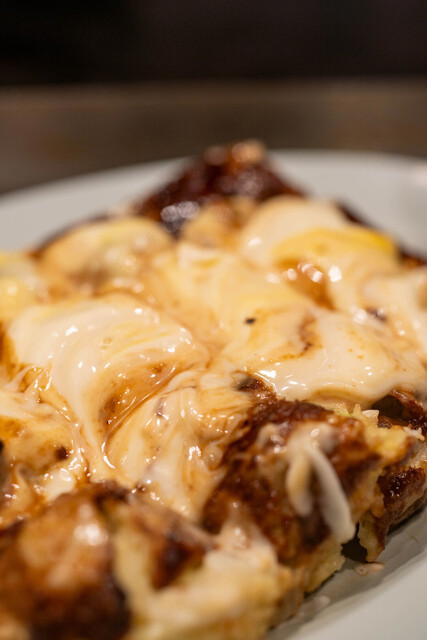
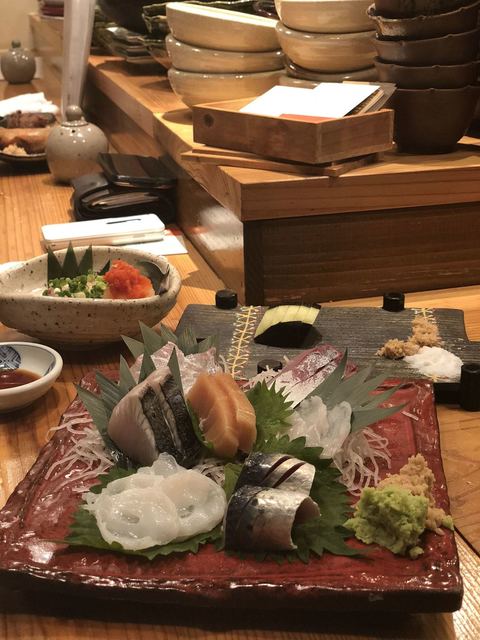
Hotels in Toyama
Browse all →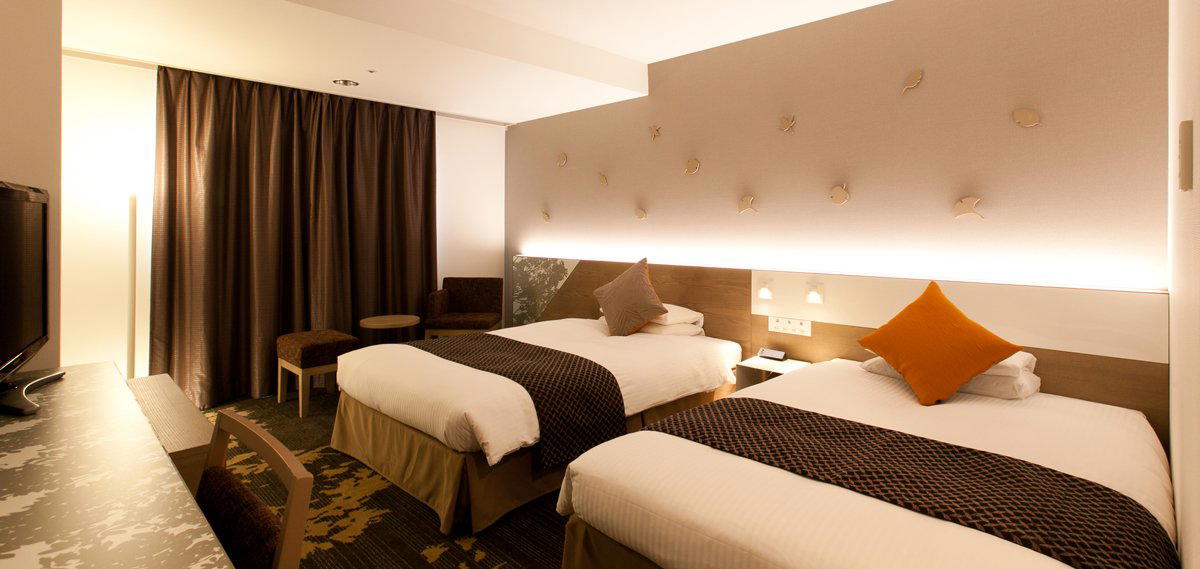
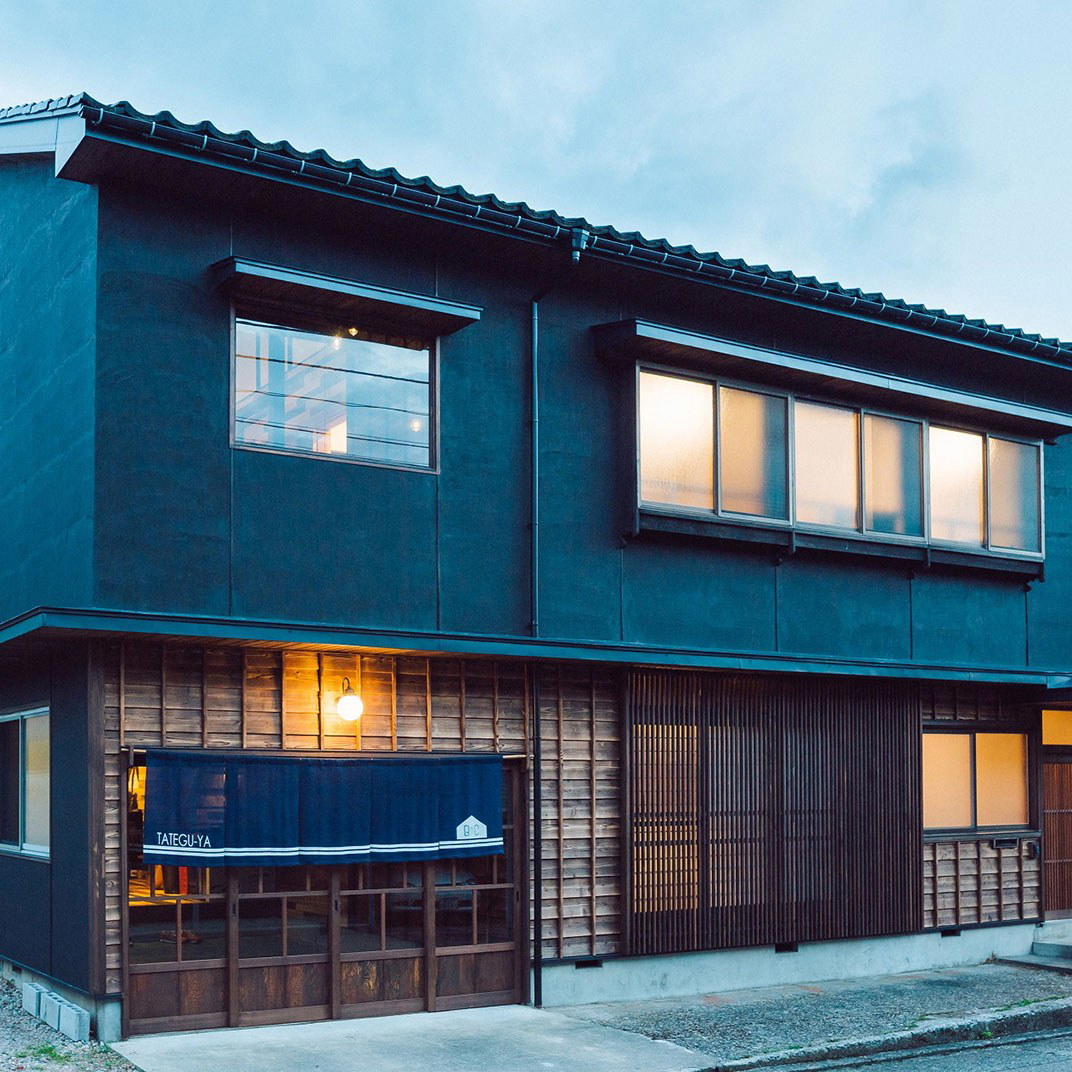
Wineries in Toyama
Browse all →
Details
- Elegant
- Scenic
- Sophisticated
- Date Night
- Special Occasion
- Waterfront
- Open Kitchen
- Sake Program
- Local Sourcing
- Waterfront
- A La Carte
Current opening hours
- Monday
- 11 AM–8 PM
- Tuesday
- Closed
- Wednesday
- Closed
- Thursday
- 11 AM–8 PM
- Friday
- 11 AM–8 PM
- Saturday
- 9 AM–9 PM
- Sunday
- 9 AM–9 PM
Hours can change for holidays and private events. Last verified .
Open and airy atmosphere with dramatic waterfront views through large glass windows, creating an elegant and uplifting dining experience.