Our verdict
Located in Toyama's Marunouchi district, 羽乃鮨 occupies the kind of address that signals intent: a city centre placement in a prefecture known across Japan for the quality of its seafood. Toyama Bay's cold, deep waters produce some of the country's most prized catch, and a sushi counter in this city carries those raw-material advantages as a baseline expectation, not a selling point.

Pearl is the En Primeur Club membership app — saves, bookings, and concierge access live there. Same editors, same standards.
- Address
- 2 Chome-3-4 Marunouchi, Toyama, 930-0085, Japan
- Phone
- +81764223034
- Hours
- Mon ClosedTue–Sat 11:30 AM–2 PM, 5:30–8:30 PMSun Closed
- Website
- instagram.com
- Directions
- Get directions
Toyama doesn't announce itself the way Kyoto or Tokyo do. The city sits at the base of the Tateyama mountain range, opening onto a bay that runs 1,000 metres deep in places — unusual geography that drives cold, nutrient-rich currents upward and produces shellfish and fish of a quality that Japan's coastal dining culture has long recognised. A sushi counter operating in this environment is not merely drawing on local ingredients as a marketing position; it is working within one of the country's most materially advantaged seafood traditions.
Marunouchi, the central business district where 羽乃鮨 is addressed at 2 Chome-3-4, is the kind of location that sushi counters in Japan's regional capitals tend to favour: accessible, professional in character, without the noise of a tourist corridor. The dining ritual at this tier of Japanese sushi is shaped by that quietness. You arrive at a counter, not a dining room. The format is intimate by design.
The Counter as Theatre
The omakase format that defines serious sushi counters across Japan is, at its core, a transfer of authorship. The diner does not order; they attend. This is a different relationship to a meal than most Western restaurant formats encourage, and it is one that Toyama's sushi culture takes seriously. The chef sequences the meal, calibrates portion size to the pace of the sitting, and makes decisions about temperature, aging, and cutting technique that the guest experiences but does not direct.
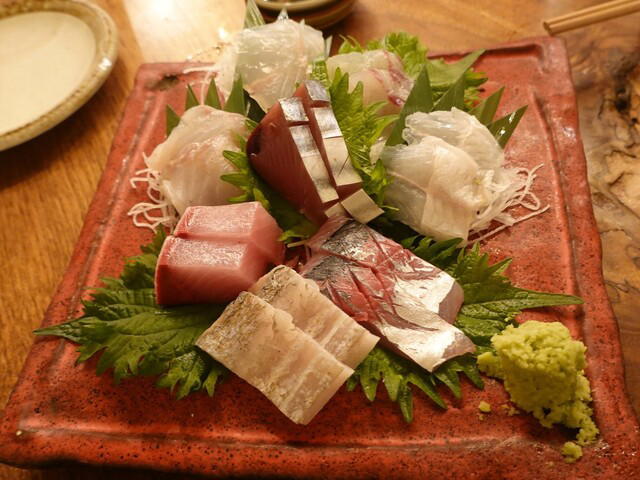
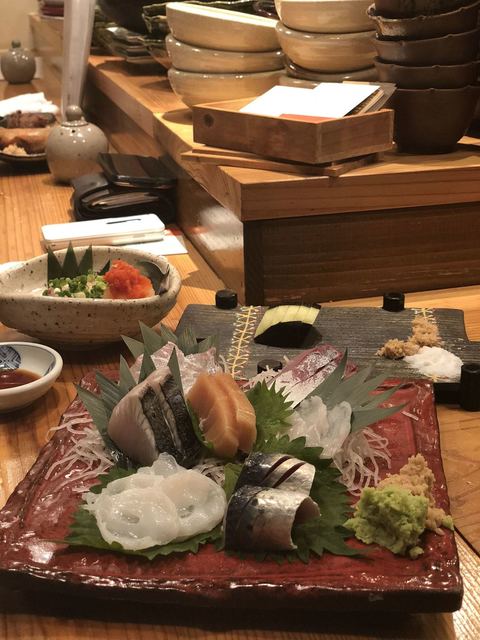
This dynamic places a premium on restraint from the diner as much as from the kitchen. The ritual has a rhythm: a piece is placed, you eat it within moments, you observe. The conversation, if there is one, tends to follow the fish — what prefecture the buri came from, how long the squid was rested, whether the season has shifted the flavour of the white shrimp. In Toyama, where shiro-ebi (white shrimp, found almost nowhere else in Japan) and hotaru-ika (firefly squid, harvested from March to June in the bay) are seasonal reference points for any serious counter, that conversation has a local specificity that distinguishes it from sushi counters in cities without direct access to these ingredients.
For context on how Japan's regional fine dining counters compare to their metropolitan peers, Harutaka in Tokyo and Gion Sasaki in Kyoto represent the kind of benchmark that serious regional counters measure themselves against, while HAJIME in Osaka shows how the kaiseki-adjacent format can evolve in Japan's second cities. Toyama's own scene, documented in our full Toyama restaurants guide, operates within this broader regional network.
What the Toyama Bay Advantage Means in Practice
Japan's premium sushi counters are often discussed through the lens of the chef's lineage or the restaurant's award history. The Toyama case is, in some ways, more materially grounded: the bay itself is the credential. Shiro-ebi are harvested almost exclusively from Toyama Bay, giving local counters access to an ingredient that sushi restaurants in Tokyo or Osaka must source by transport, with corresponding freshness trade-offs. Buri (yellowtail), particularly the winter variety called kanbu-ri, reaches peak fat content in Toyama's cold December and January waters and is traded across Japan precisely because of that provenance.
Hotaru-ika, arriving in volume from late March through May, shifts the counter's seasonal focus entirely. These small squid, eaten whole, are a distinctly regional expression, the kind of ingredient that makes a Toyama counter in spring a different experience from the same counter in winter, even if the format and the space remain unchanged. For travellers who follow seasonal ingredient calendars, this is the kind of detail that determines when to visit rather than whether to visit.
Among Toyama's broader dining options, restaurants like Hagiwara, Boteyan, Daimon, Ebi-tei Bekkan, and Ebitei Bekkan represent the range of formats through which the city's seafood-led cuisine finds expression. A sushi counter sits within a specific tier of that range: higher in formality than a casual kaisendon bowl shop, more restrained in format than an izakaya with a long fish menu.
How This Counter Sits Within Japan's Regional Dining Pattern
Across Japan, the pattern at fine dining counters in regional cities follows a recognisable arc: locally sourced primary ingredients, a format borrowed from the metropolitan omakase tradition, and pricing that typically runs below comparable Tokyo venues while delivering ingredient quality that can match or exceed it. Counters in cities like Kanazawa, Niigata, and Toyama have built reputations on precisely this basis over the past decade, as food-focused travellers have recognised that distance from central Tokyo does not imply a step down in quality.
For comparison, Goh in Fukuoka, akordu in Nara, and Abon in Ashiya each demonstrate how Japan's non-metropolitan fine dining counters have developed distinct identities tied to their local ingredient environments. Further afield, affetto akita in Akita, Aji Arai in Oita, Ajidocoro in Yubari District, and Akakichi in Imabari reflect the same regional logic across different prefectures. Internationally, the precision and discipline of the omakase format finds a structural parallel in the tasting menu tradition at restaurants like Le Bernardin in New York City and the collaborative dining format at Lazy Bear in San Francisco, both of which similarly ask the diner to surrender menu control in exchange for a sequenced experience.
Planning a Visit
Toyama is accessible from Tokyo via the Hokuriku Shinkansen, with journey times from Tokyo Station running around two hours, a connection that has increased visitor numbers to the region since the line's extension through to Kanazawa and Tsuruga. The Marunouchi address places 羽乃鮨 within walking distance of Toyama Station, which simplifies logistics for travellers arriving by rail.
For a counter at this level in a regional Japanese city, advance planning is advisable. Counters of this type in Japan's secondary cities frequently operate with small seat counts and may require reservations made weeks ahead, particularly during peak seasonal windows. The hotaru-ika season from late March through May and the winter kanbu-ri period from December through February represent the highest-demand periods at Toyama seafood counters generally. Contact via the venue directly, or through a hotel concierge service if language is a barrier, is the standard approach for booking.
Frequently asked questions
Where exactly is ç¾ä¹é®¨?
ç¾ä¹é®¨ is located at 2 Chome-3-4 Marunouchi, Toyama, 930-0085, Japan, Toyama.
What's the must-try dish at 羽乃鮨?
At a Toyama omakase counter, the answer is determined by the chef's daily selection, not the diner's preference — that is the format's premise. Toyama Bay is nationally recognised for white shrimp (shiro ebi) and firefly squid (hotaru ika), and any counter operating at this address in Marunouchi would be expected to feature the bay's seasonal catch as a centrepiece. The specific pieces rotate with the season and the morning's haul, so the question is better framed as: what is Toyama Bay producing when you visit.
How far ahead should I plan for ç¾ä¹é®¨?
Reservations are recommended for ç¾ä¹é®¨ in Toyama. Confirm current policy via the venue's official channels.
How far ahead should I plan for 羽乃鮨?
Serious omakase counters in Japanese regional cities — particularly those drawing visitors arriving via the Hokuriku Shinkansen from Tokyo — tend to seat limited covers and fill weeks in advance. Planning two to four months out is a reasonable baseline for travel from Tokyo or Osaka.
What It’s Closest To
| Venue | Cuisine | Price | Awards | Notes |
|---|---|---|---|---|
| ç¾ä¹é®¨This venue — the venue you are viewing | Toyama Omakase Sushi | $50–100 | Not listed | Not listed |
| Oryori Fujii | Toyama Kaiseki | $200–300 | Tabelog Silver #23 | Kaiseki |
| Daimon | Edomae-Style Omakase Sushi | $200–300 | Tabelog Bronze #54 | Not listed |
| Himawari Shokudo 2 | Modern Italian with Toyama Ingredients | $100–150 | Tabelog Bronze #113 | Italian, JPY 20,000 - JPY 29,999 |
| Ebitei Bekkan | Kaiseki | $150–200 | Not listed | Not listed |
Continue exploring
More in Toyama
Restaurants in Toyama
Browse all →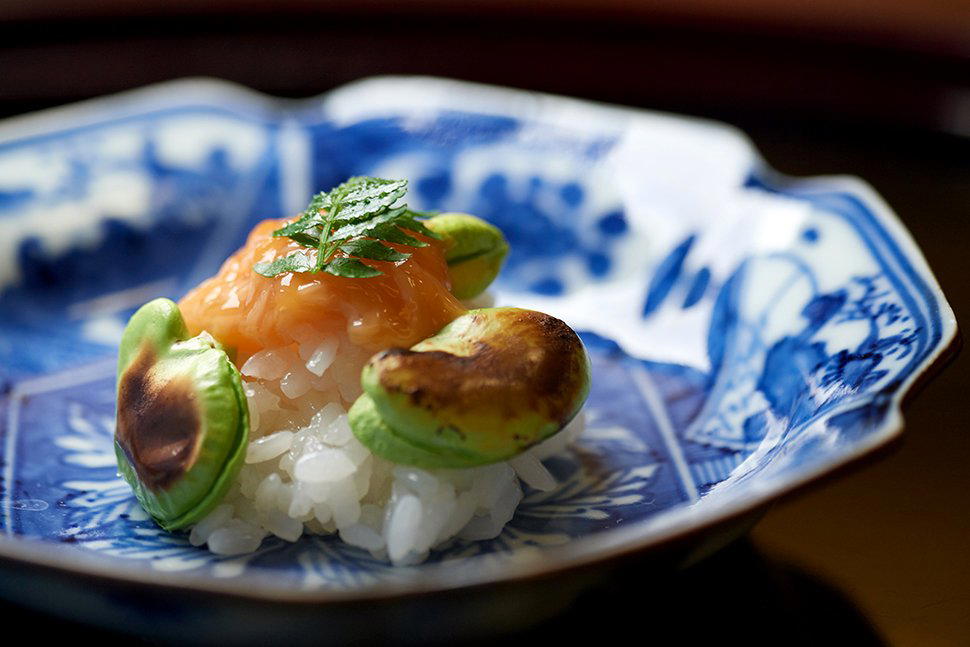
Hotels in Toyama
Browse all →
Wineries in Toyama
Browse all →
Details
- Elegant
- Date Night
- Special Occasion
- Chefs Counter
- Sake Program
- Local Sourcing
- Sustainable Seafood
- Omakase
- Counter Dining
- Sake
Current opening hours
- Monday
- Closed
- Tuesday
- 11:30 AM–2 PM, 5:30–8:30 PM
- Wednesday
- 11:30 AM–2 PM, 5:30–8:30 PM
- Thursday
- 11:30 AM–2 PM, 5:30–8:30 PM
- Friday
- 11:30 AM–2 PM, 5:30–8:30 PM
- Saturday
- 11:30 AM–2 PM, 5:30–8:30 PM
- Sunday
- Closed
Hours can change for holidays and private events. Last verified .
Energetic counter seating with lively chef interaction in a standing sushi format.