Our verdict
KAWAZ occupies a quietly considered address in Sogawa, one of Toyama's established dining corridors, where the city's access to exceptional Sea of Japan seafood and mountain-sourced ingredients shapes what ends up on the plate. The restaurant draws visitors making a deliberate stop on a journey through Hokuriku's less-travelled dining circuit, positioning itself among the handful of addresses in this prefecture worth planning around.

Pearl is the En Primeur Club membership app — saves, bookings, and concierge access live there. Same editors, same standards.
- Address
- 4 Chome-5-13 Sogawa, Toyama, 930-0083, Japan
- Phone
- +81764922926
- Hours
- Mon–Tue 6–11 PMWed ClosedThu–Sun 6–11 PM
- Website
- kawaz.biz
- Directions
- Get directions
- Booking
- Book on TableCheck
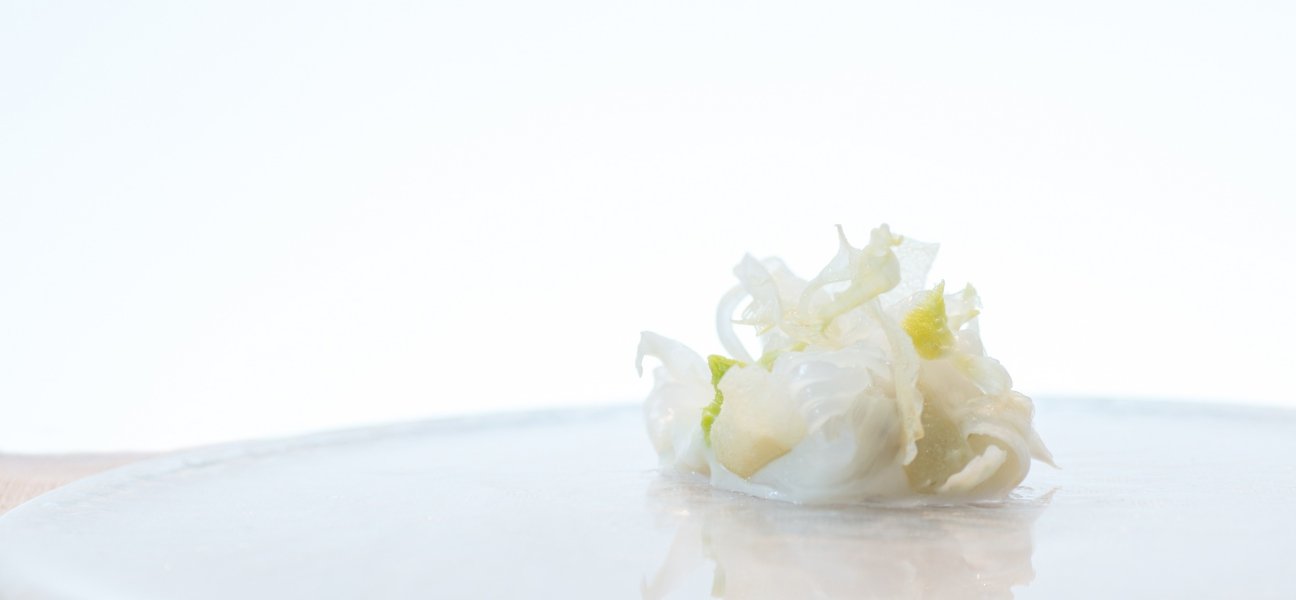
Sogawa and the Shape of Toyama Dining
Toyama has spent the better part of a decade earning a reputation among Japan's more attentive food travellers, and the logic is direct once you look at the geography. The prefecture sits where the Northern Alps drain into Toyama Bay, producing one of the country's most concentrated seafood ecosystems — firefly squid, white shrimp, yellowtail, and Buri among them — while mountain proximity delivers mountain vegetables, game, and a seasonal rhythm that keeps menus genuinely calibrated to what's available. That convergence, rare even by Japanese standards, is the condition that serious kitchens in this city are built around.
The Sogawa district, where KAWAZ occupies its address at 4 Chome-5-13, is part of a corridor that has developed incrementally rather than dramatically. It lacks the concentrated media attention of Kanazawa, forty minutes to the west, which has long functioned as the Hokuriku region's dining headline. Our full Toyama restaurants guide maps that broader scene, but the density of considered addresses in and around Sogawa suggests a dining pocket worth treating as a destination on its own terms.
What the Menu Architecture Implies
In Japanese regional dining, how a restaurant structures its offering often signals its ambitions more clearly than any single dish. The spectrum runs from informal izakaya formats built around seasonal small plates to multi-course kaiseki sequences where pacing, ceramic selection, and ingredient sourcing are as deliberate as the cooking itself. Toyama's most closely watched kitchens have tended toward the latter end of that spectrum, reflecting the prefecture's access to premium raw material and a dining culture, reinforced by proximity to Kanazawa's established kaiseki tradition, that takes ingredient provenance seriously.
KAWAZ, based on its Sogawa location and the broader context of what has developed in this part of the city, sits within the category of addressed restaurants rather than casual drop-in venues. The implication in each case is that the menu reflects a set of choices: about what to source, what to exclude, and what the sequence of a meal should communicate about place.
At the regional level, Toyama's dining ambitions sit in interesting company. Kitchens like Gion Sasaki in Kyoto or HAJIME in Osaka have pushed Japanese cuisine into internationally recognized territory. Toyama's restaurants, including those in the Sogawa corridor, operate closer to the locally rooted end of that continuum, which in this prefecture means menus that are unusually dependent on what comes in from the bay and down from the mountains on a given week.
The Toyama Seafood Condition
Understanding what Toyama's bay provides is necessary context for reading any serious menu in this city. Toyama Bay is one of the deepest bays in Japan, with cold-water upwelling that creates conditions for a diversity of species uncommon elsewhere on the Sea of Japan coast. White shrimp (shiro ebi) are harvested almost exclusively here. Firefly squid (hotaru-ika) arrive in spring in volumes that make Toyama the primary source for the national market. Buri (yellowtail) taken in winter from these waters are considered among the country's highest quality by the fishing industry's own grading standards.
This is the material condition that regional kitchens build their menus around, and it shapes what a meal in Toyama can deliver in a way that menus in inland cities simply cannot replicate. Restaurants elsewhere in Japan source Toyama ingredients as premium additions; kitchens in Toyama have first access to the full range as a matter of geography. That advantage feeds directly into how the leading menus here are sequenced: the bay's output tends to anchor courses, while mountain ingredients provide contrast, textural variation, and the kind of seasonal punctuation that makes a multi-course meal feel calibrated rather than assembled.
Other Toyama addresses have made this dynamic visible in their programming. Boteyan and Daimon both reflect the city's engagement with its own ingredient base, while Himawari Shokudo 2 has approached the same local produce through an Italian framework at a price point in the JPY 20,000–29,999 range, a contrast that illustrates how diverse the culinary approaches to Toyama's raw material have become.
Placing KAWAZ in the Hokuriku Context
For visitors approaching Toyama as part of a broader Hokuriku itinerary, the reference points help calibrate expectations. Kanazawa's kaiseki culture, particularly the Kenroku-en corridor, has received significant international documentation and carries well-established price and booking conventions. Toyama operates at a slight remove from that, which historically meant less international scrutiny but also less friction around reservations and less premium placed on the spectacle of dining-as-tourism.
That dynamic has been shifting. The Hokuriku Shinkansen extension, which reached Tsuruga in 2024, materially changed Toyama's accessibility from the Kansai region and brought the city into sharper focus as a stop rather than a detour. Restaurants across the city have been adjusting to increased visitor interest without having fully absorbed the Kanazawa-style tourist infrastructure. The practical consequence for a restaurant like KAWAZ is that the window for relatively friction-free access may be narrowing. Comparable regional venues in neighboring prefectures, 一本木 佐川制 in Nanao and 湖畔荘 in Takashima, have faced similar dynamics as Hokuriku visibility has increased.
For those building a Japan dining itinerary that extends beyond the standard Tokyo-Kyoto-Osaka circuit, Toyama offers a genuinely different register. Harutaka in Tokyo, Atomix in New York City, and Goh in Fukuoka each represent their respective scenes at high resolution; Toyama's restaurants represent something different, a regional specificity that hasn't yet been fully absorbed into the global dining conversation, which is precisely what makes it worth the detour now.
Planning Around KAWAZ
For a city like Toyama, where the most considered restaurants operate with limited covers and strong local repeat business, planning at least several weeks ahead is standard practice, particularly for autumn and winter visits when the bay's most prized species are in season. The Sogawa address is accessible from Toyama Station, which sits on the Hokuriku Shinkansen line connecting to Tokyo in approximately two hours and to Kanazawa in under thirty minutes.
Frequently asked questions
Where is KAWAZ in Toyama?
KAWAZ is located at 4 Chome-5-13 Sogawa, Toyama, 930-0083, Japan, Toyama.
Is KAWAZ accessible from Toyama Station for visitors on a Hokuriku Shinkansen itinerary?
The Sogawa address, 4 Chome-5-13, sits within central Toyama, which is served directly by the Hokuriku Shinkansen from Tokyo in approximately two hours and ten minutes, or from Kanazawa in around twenty minutes. For travellers building a Hokuriku route through Kanazawa and Toyama, KAWAZ sits logistically between the two cities' dining cultures without requiring a secondary transfer or significant detour.
What dish is KAWAZ famous for?
That said, any serious kitchen operating at this address in Toyama's Sogawa district has immediate access to Toyama Bay's most distinctive produce: shiroebi (white shrimp), hotaru ika (firefly squid), and buri (yellowtail) that migrate through one of Japan's deepest bays. These ingredients define the city's culinary identity and tend to anchor the menus of considered local restaurants.
How far ahead should I plan for KAWAZ?
For a restaurant in Toyama's Sogawa dining corridor, a minimum of two to four weeks' advance planning is prudent. If your visit coincides with peak seasons for Toyama Bay seafood, particularly the firefly squid window from March through May, competition for reservations across the city's better restaurants increases and longer lead times are advisable.
What makes KAWAZ worth seeking out?
The case for KAWAZ is inseparable from the case for Toyama itself as a dining destination: a city with direct Shinkansen access from Tokyo, a bay that supplies some of Japan's most geographically specific seafood, and a restaurant culture that remains less saturated with international food tourism than Kanazawa or Kyoto. The Sogawa address, at 4 Chome-5-13, places it within a district that has drawn attentive Japanese food travellers well before foreign audiences caught up.
Can KAWAZ handle vegetarian requests?
Vegetarian accommodation at Japanese regional restaurants depends heavily on menu format and requires direct confirmation with the venue. If KAWAZ's structure leans toward seafood-led or kaiseki-adjacent courses, as is common in Toyama, full vegetarian substitution may be constrained rather than impossible. This is a conversation worth having before booking rather than on arrival.
Reputation Context
Comparable venues nearby, for context on price, style, and recognition.
| Venue | Cuisine | Price | Awards | Notes |
|---|---|---|---|---|
| KAWAZThis venue — the venue you are viewing | French with Toyama Ingredients | $100–150 | Not listed | Not listed |
| キュイジーヌフランセーズ ラ・シャンス | French Brasserie with Toyama Seasonal Ingredients | $50–100 | Not listed | Kibamachi |
| SOTO | High-End Omakase Sushi | $150–200 | Tabelog 100 #9 | Izumicho |
| Cave Yunoki | One-group-per-day French fine dining in a historic Toyama warehouse | $150–200 | Tabelog 100 #100 | Higashi Iwase |
| Himawari Shokudo 2 | Modern Italian with Toyama Ingredients | $100–150 | Tabelog Bronze #113 | Jintsu Honmachi |
| Sushi Namba | Traditional Sushi Omakase | $30–50 | Tabelog 100 #80 | Kumonmyo |
Continue exploring
More in Toyama
Restaurants in Toyama
Browse all →
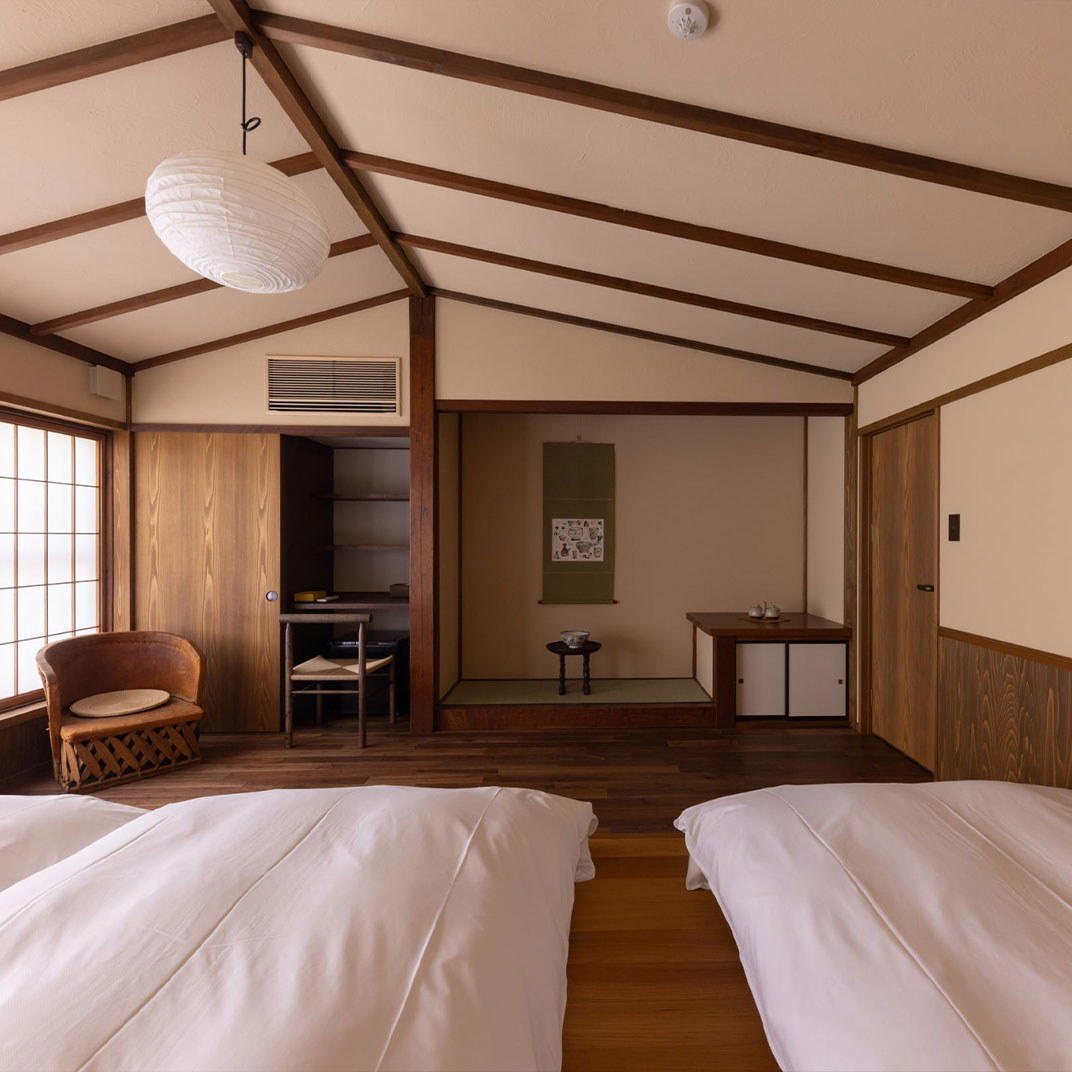
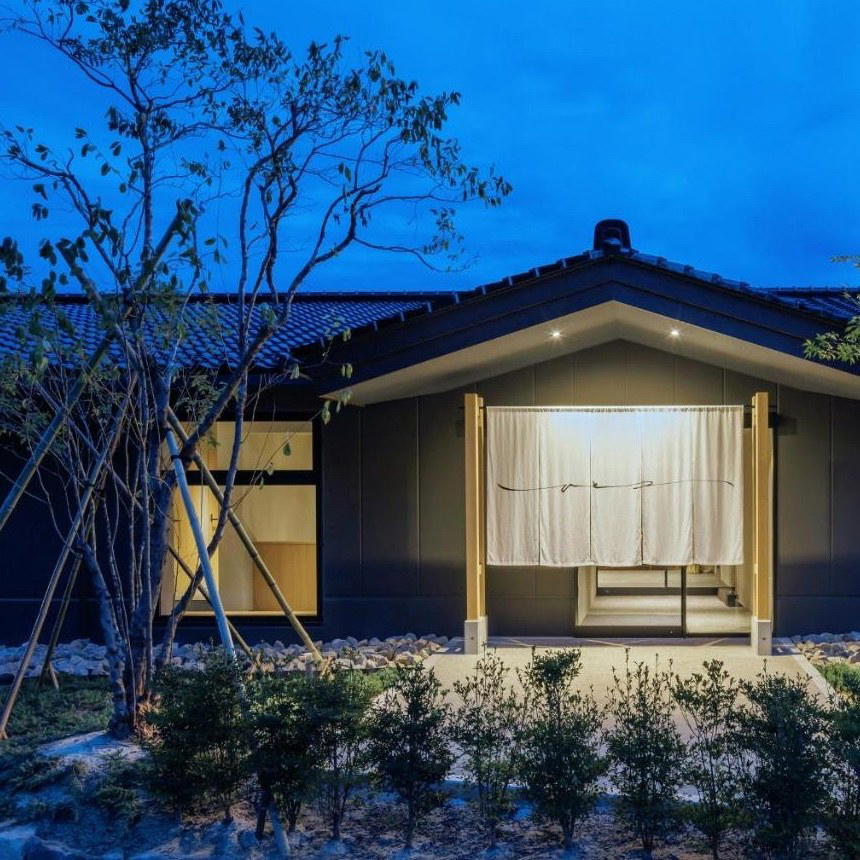
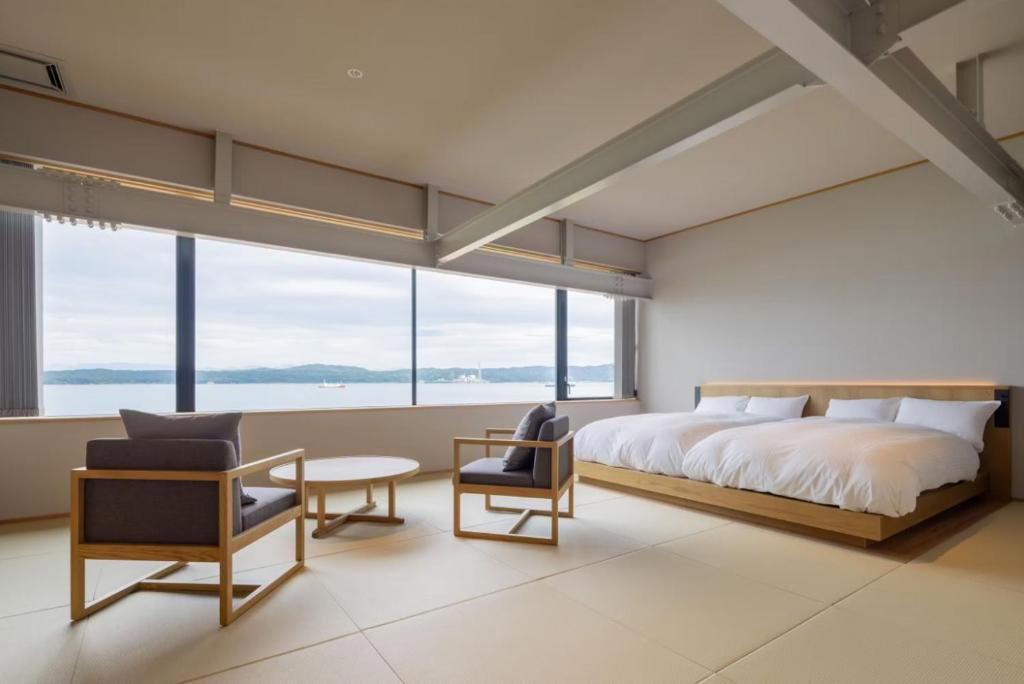
Hotels in Toyama
Browse all →
Wineries in Toyama
Browse all →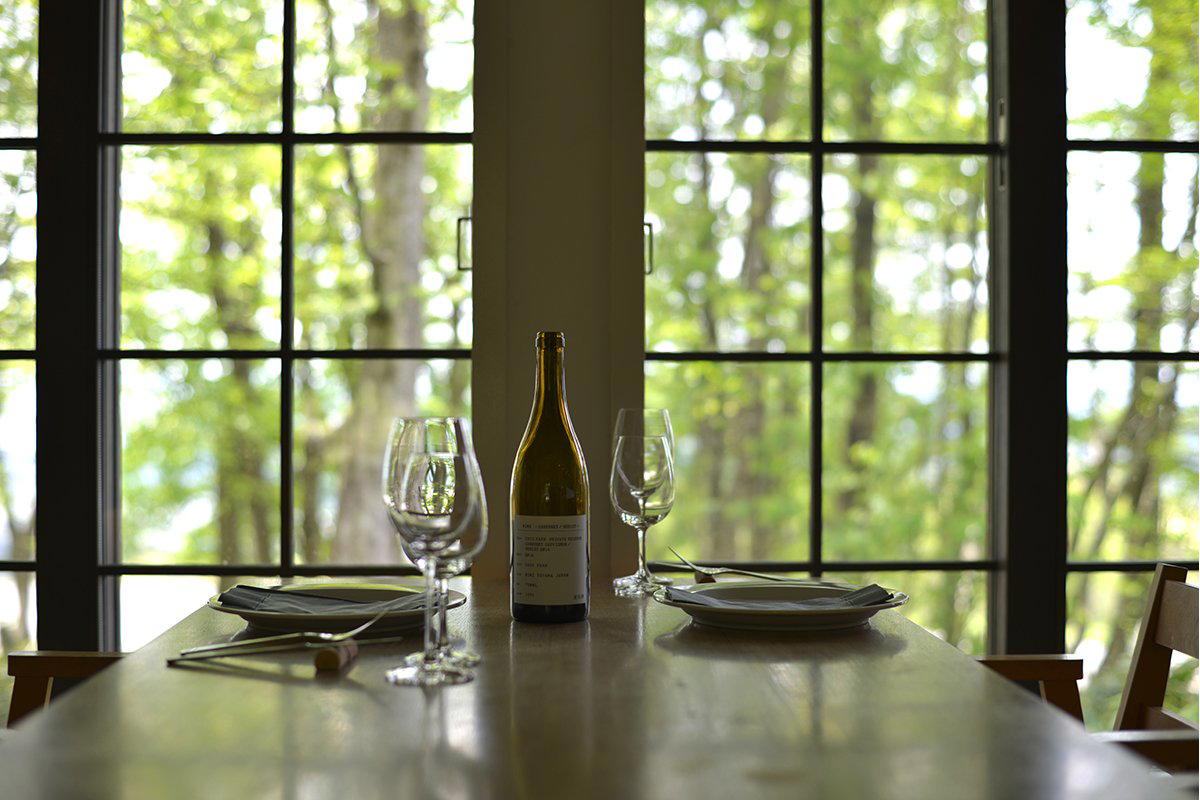
Details
- Elegant
- Sophisticated
- Modern
- Date Night
- Special Occasion
- Local Sourcing
Current opening hours
- Monday
- 6–11 PM
- Tuesday
- 6–11 PM
- Wednesday
- Closed
- Thursday
- 6–11 PM
- Friday
- 6–11 PM
- Saturday
- 6–11 PM
- Sunday
- 6–11 PM
Hours can change for holidays and private events. Last verified .
Stylish and sophisticated atmosphere with counter seating.