
Tabelog Bronze #54
Our verdict
Sushi Daimon sits in Uozu, a small port city on Toyama Bay whose waters supply some of Japan's most prized seafood. A Tabelog Bronze winner every year from 2017 through 2026, and selected for the Tabelog Sushi WEST Top 100 in 2021, 2022, and 2025, it applies Edo-style sushi technique to ingredients the rest of Japan has to ship in: white shrimp, nodoguro, and amadai drawn from the bay it overlooks.

Pearl is the En Primeur Club membership app — saves, bookings, and concierge access live there. Same editors, same standards.
- Address
- Itabashi City, Tokyo 175-0085, Japan
- Phone
- 0765-32-5868
- Website
- tabelog.com
- Directions
- Get directions
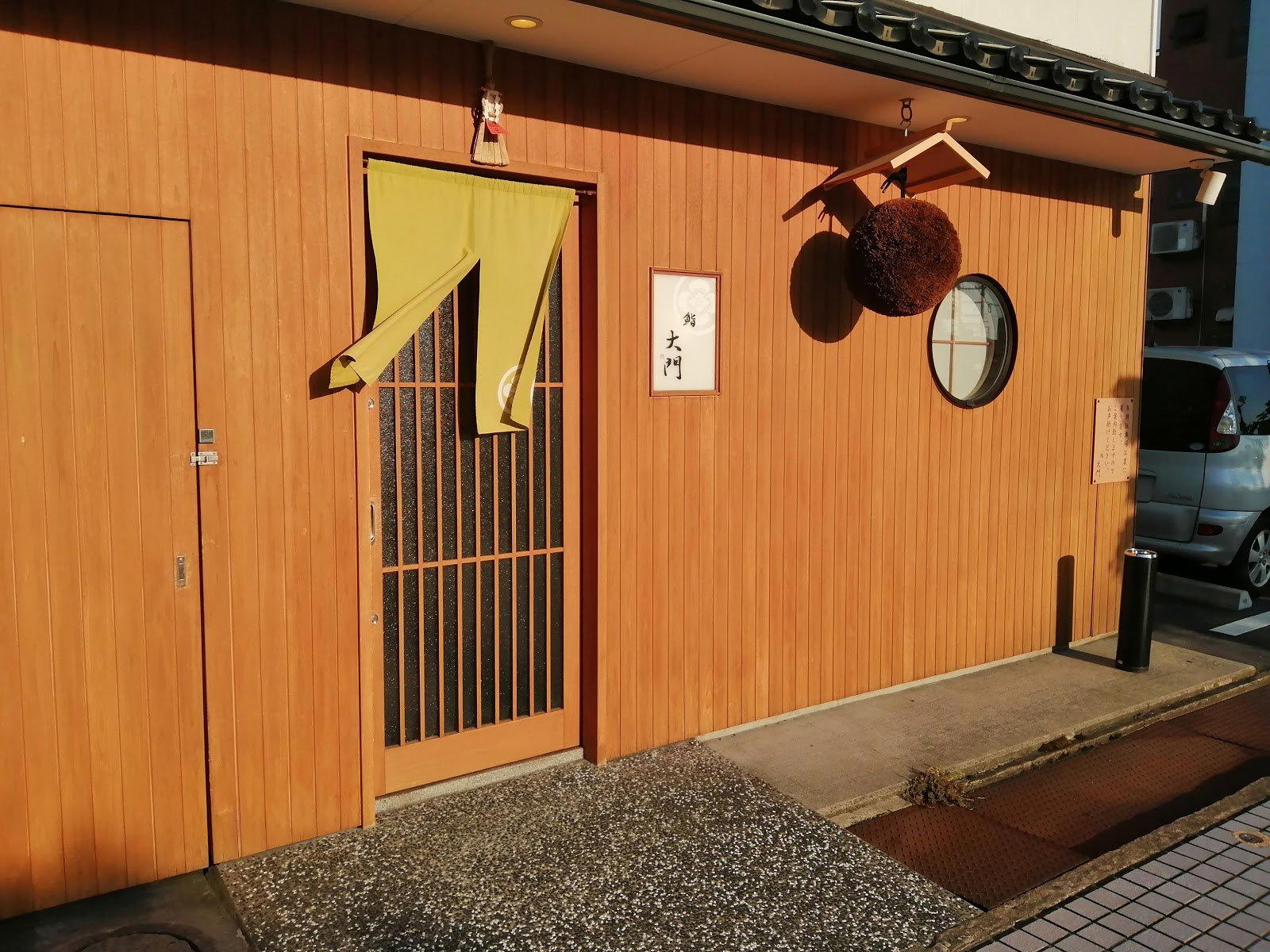
Sushi Daimon, operating out of Uozu, the port city at the bay's eastern edge, sits at the centre of that ingredient argument. Uozu is 87 metres from Uozu Station, placing it in a compact, working-port setting rather than a polished urban dining district. The approach matters: this is a counter that draws its authority from proximity to the source, not from a prestigious postcode. Applying those methods to Toyama Bay's catch is not a gimmick; it is a serious technical proposition, one that requires recalibrating each step to the different fat content, texture, and moisture levels of Sea of Japan fish.
The Tabelog listing describes the kitchen as "particular about fish," which in Japanese restaurant culture is a meaningful signal rather than a marketing phrase. It implies sourcing relationships, handling protocols, and a degree of involvement in the supply chain that goes beyond ordering from a wholesaler. At counters with this designation in regional Japan, it typically means direct relationships with specific fishermen or the local fish market, with the kitchen selecting individual specimens rather than accepting whatever arrives. For a counter working with shiro ebi, nodoguro, and amadai, that level of selection matters: these are fish whose quality degrades faster than their shelf life suggests, and the gap between a well-chosen specimen and a carelessly sourced one is visible on the plate.
The Award Record in Context
Tabelog's award structure gives a useful frame for understanding where Sushi Daimon sits in Japan's broader sushi hierarchy. The platform's Bronze tier, awarded annually since 2018 and running continuously through 2026 at this counter, represents the cohort of restaurants scoring consistently above 3.8 on a scale where reaching 4.0 is genuinely difficult given the review volume required. Sushi Daimon's current score of 4.04, with an average spend based on reviews running between JPY 20,000 and JPY 29,999, places it in a bracket where the competition is almost entirely urban. The Tabelog Sushi WEST Top 100 selection in 2021, 2022, and 2025 is a separate designation covering the entire western Japan region, which includes Osaka, Kyoto, and Nagoya, cities with far higher concentrations of high-scoring sushi counters.
That regional context matters more than the award label itself. For a 15-seat counter in a port city of roughly 40,000 people to hold a position among western Japan's top 100 sushi restaurants over multiple years is a statement about the ingredient quality available locally and about how seriously the kitchen uses it.enprimeurclub.enprimeurclub.com/restaurants/gion-sasaki-kyoto-restaurant), or the omakase counters of Osaka, including HAJIME in Osaka. The fact that Sushi Daimon competes in that regional listing without the population density those cities provide says something about the depth of its ingredient sourcing. Internationally, the level of dedication to fish-forward tasting menus at this price tier finds its closest equivalents at places like Le Bernardin in New York City or Atomix in New York City, where the sourcing argument is central to the restaurant's identity.
Where It Fits in Toyama's Dining Scene
Toyama's serious dining scene is small but coherent. Oryori Fujii represents the kaiseki strand, working with local produce across a full seasonal format. L'évo takes an innovative approach to the same regional ingredient base, placing it in a different conceptual register. Himawari Shokudo 2 operates in Italian at a slightly higher price tier on average. [Ebi-tei Bekkan]() and Ebitei Bekkan round out the options for serious dining in the prefecture.
Sushi Daimon occupies a specific niche within that scene: the only counter in Toyama to hold continuous Tabelog Bronze recognition across nine consecutive award cycles and to appear in the Sushi WEST Top 100 list. It is not the only good sushi in the prefecture, but it is the one that has accumulated the most sustained external recognition in the category. For anyone planning a serious dining itinerary in the region, it is the natural anchor for the sushi portion, in the same way that Goh in Fukuoka or akordu in Nara function as anchors in their respective cities, and 1000 in Yokohama does for the Kanagawa area.
Planning Your Visit
Sushi Daimon operates Tuesday through Sunday, opening at 17:00 and closing at 22:00, with Mondays closed. At 15 seats across counter and table positions, availability is limited. Online reservations run through Pocket Concierge, accessible 24 hours a day, which means the booking window is open at any time but the seats themselves will fill well in advance, particularly for counter positions. The listed dinner price range runs from JPY 15,000 to JPY 19,999, though review-based spending averages suggest JPY 20,000 to JPY 29,999 is a more accurate expectation once drinks are included. The counter accepts major credit cards (VISA, Mastercard, JCB, AMEX, Diners) and QR-code payments via PayPay, though electronic money is not accepted. Parking is available on site. The restaurant is non-smoking throughout. The occasion data flags solo dining and groups of friends as the formats it suits, which aligns with counter-style sushi where individual attention is part of the format. The space can be taken for private use. For more options across the city's dining, drinking, and accommodation scene, see [our full Toyama restaurants guide](), [our full Toyama hotels guide](), [our full Toyama bars guide](), [our full Toyama wineries guide](), and our full Toyama experiences guide.
Frequently asked questions
Has Daimon won any awards?
Daimon has received recognition including: {"Year":"2026","Award Source":"Tabelog","Award Type":"The Tabelog Award","Award Group":"bronze","Award Group Rank":"54","Restaurant Name":"Sushi Daimon","Score":"4.04","Budget":"Dinner: JPY 15,000 - JPY 19,999; Lunch: -","Budget Dinner":"JP….
Where exactly is Daimon?
Daimon is located at Itabashi City, Tokyo 175-0085, Japan, Toyama.
What are the opening hours for Daimon?
Hours at Daimon: Tue, Wed, Thu, Fri, Sat, Sun 17:00 - 22:00.
What do critics highlight about Daimon?
Daimon is best approached by focusing on the core concept and signature offerings.
Do they accommodate allergies at Daimon?
Dietary accommodations can vary. Flag restrictions in advance via the venue's official channels.
What's the signature dish at Sushi Daimon?
Tabelog's own listing calls out three ingredients that define the counter: white shrimp (shiro ebi), nodoguro (blackthroat seaperch), and amadai (tilefish), all sourced from Toyama Bay. These are not incidental menu items but the structural argument of the omakase, applied through Edo-mae technique. Few sushi counters outside the region have consistent access to all three at this quality level.
A Quick Peer Check
Comparable venues nearby, for context on price, style, and recognition.
| Venue | Cuisine | Price | Awards | Notes |
|---|---|---|---|---|
| DaimonThis venue — the venue you are viewing | Edomae-Style Omakase Sushi | $200–300 | Tabelog Bronze #54 | Not listed |
| 鮨し人 | Edomae Sushi Omakase | $150–200 | Not listed | Nishinakanomachi |
| Takano | Kansai-Style Tempura | $100–150 | Not listed | Shimizu-machi |
| SOTO | High-End Omakase Sushi | $150–200 | Tabelog 100 #9 | Izumicho |
| GEJO | Sushi Omakase | $150–200 | Tabelog 100 #74 | Higashiiwasemachi |
| Hagiwara | Toyama Omakase | $50–100 | Not listed | Ote Mall |
Recognition history
Dated appearances from independent guides and award organizations, with the underlying list record or original source where available.
Tabelog Bronze #54
Tabelog
Full recognition history (3 entries)
Tabelog 100 #63 · No. 63
Tabelog · Tabelog 100 - Sushi - WEST - 2025
Tabelog Bronze
Tabelog








Details
- Sophisticated
- Elegant
- Intimate
- Classic
- Special Occasion
- Date Night
- Chefs Counter
- Open Kitchen
- Sake Program
- Local Sourcing
- Sustainable Seafood
- Omakase
- Counter Dining
- Sake
- Shochu
- Wine
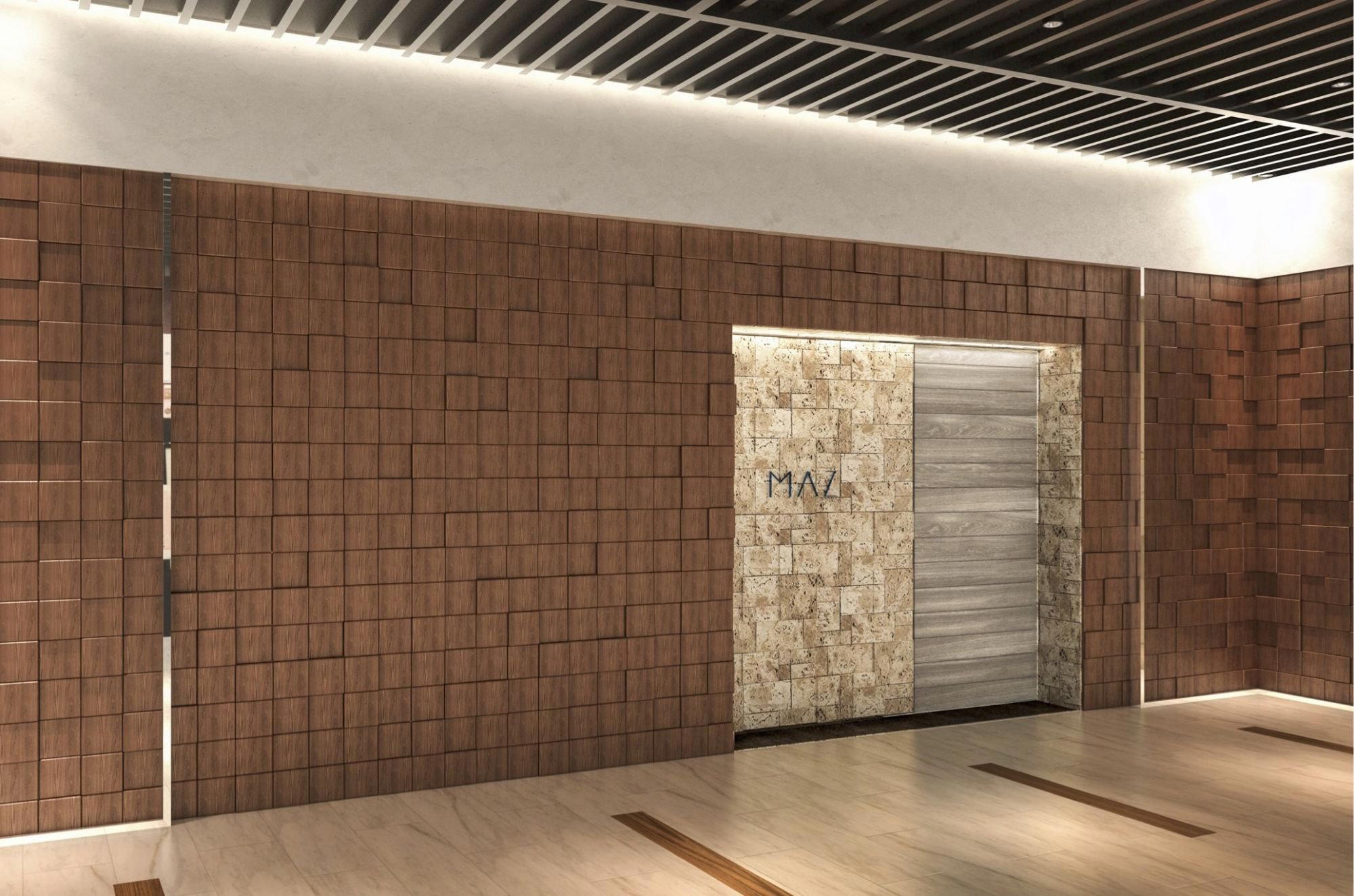
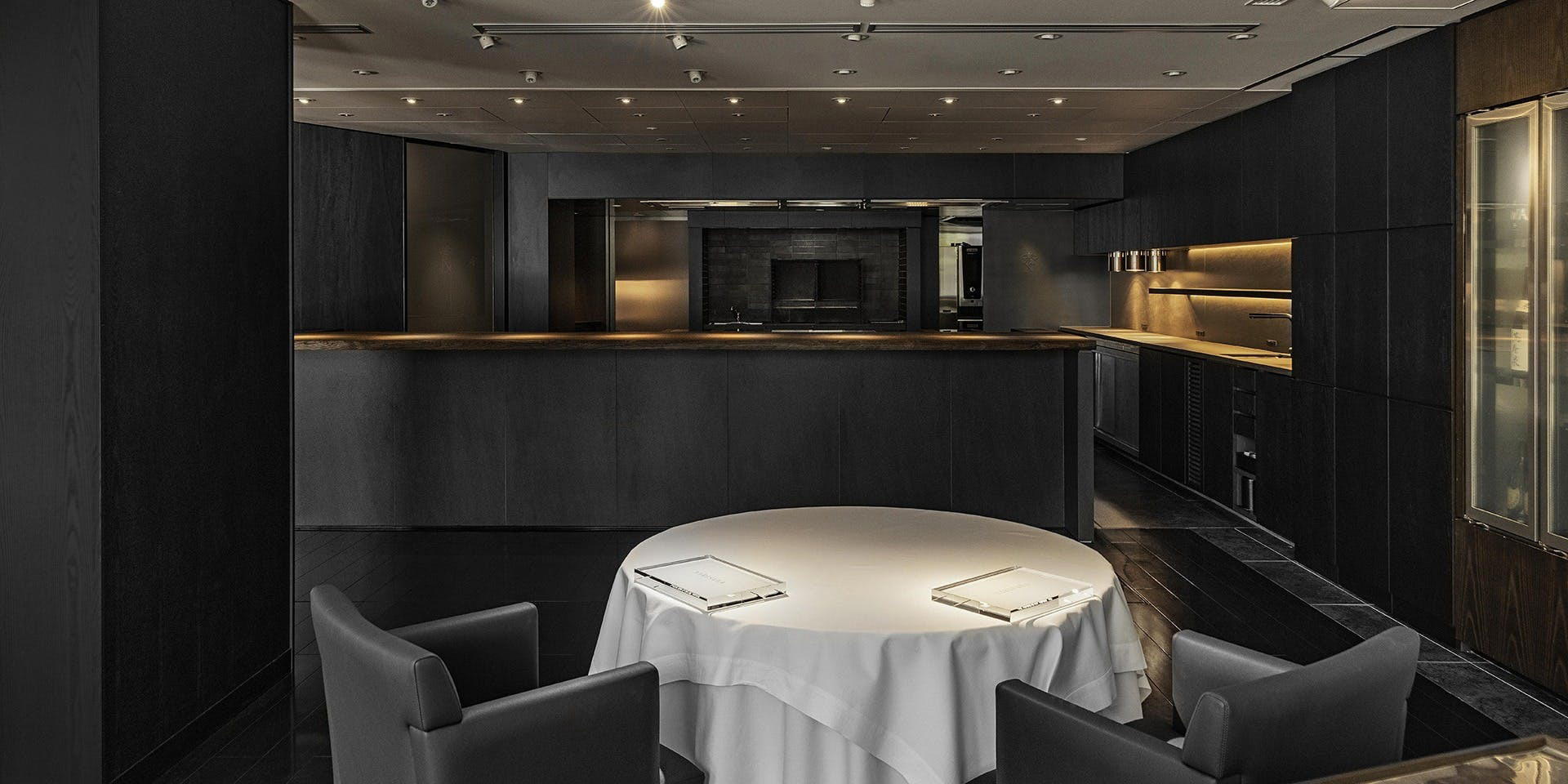
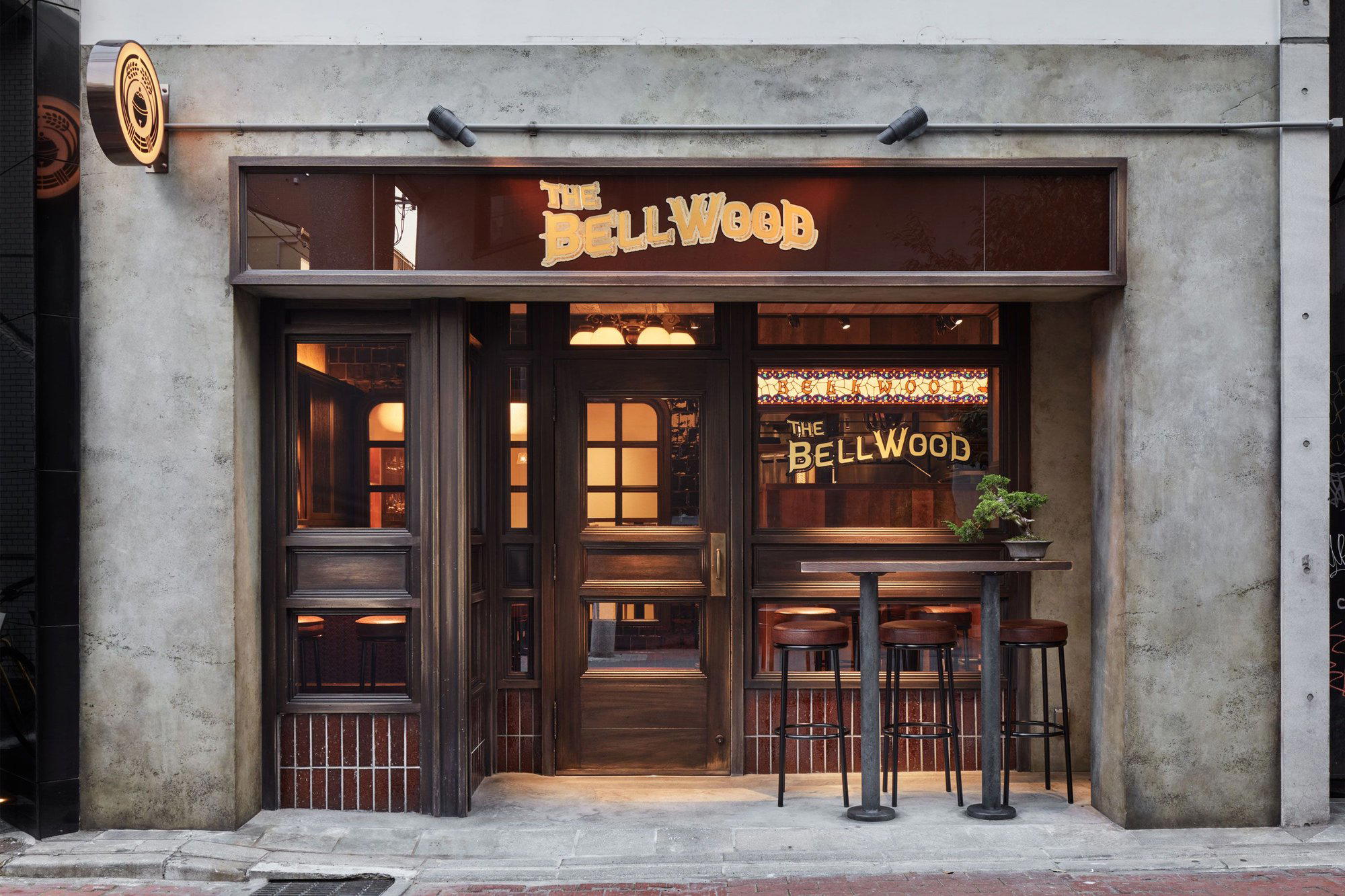
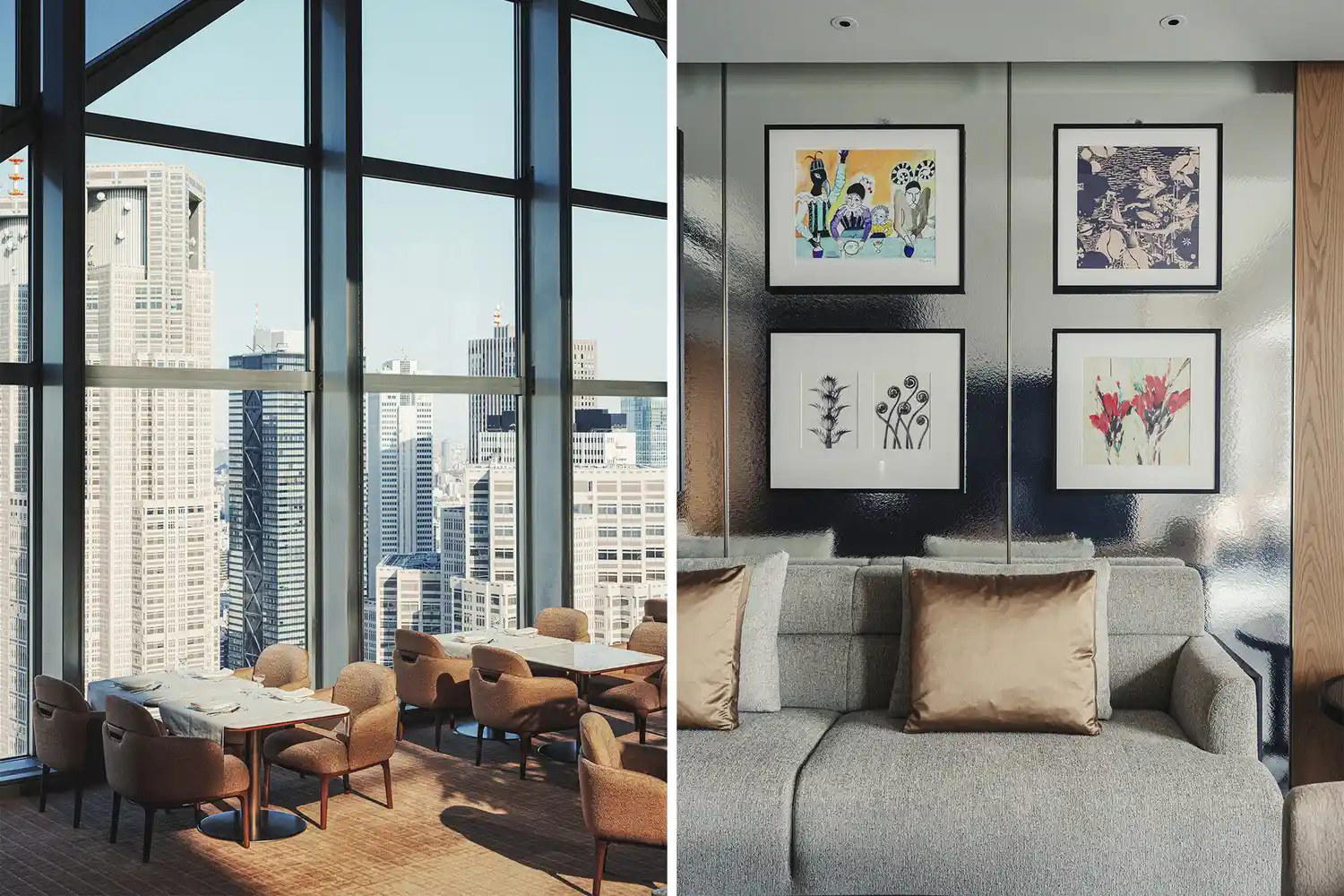
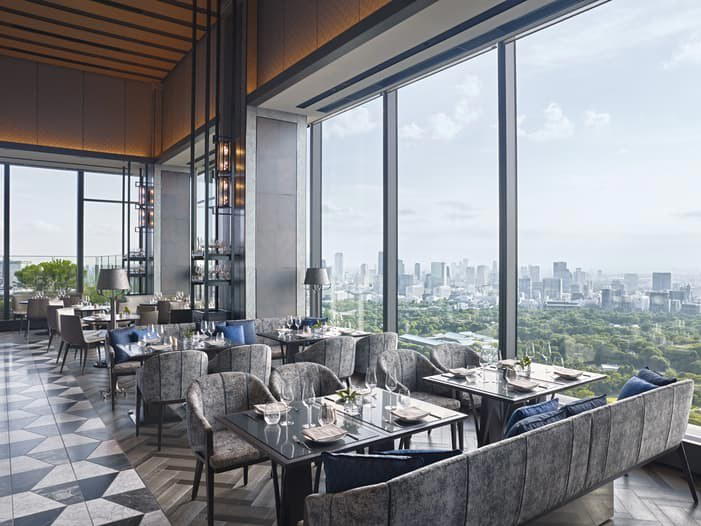
Warm, refined space with natural wood elements and relaxing atmosphere; counter seating and tatami room create an intimate, traditional setting.