京遊膳 花みやこ
Our verdict
京遊膳 花みやこ sits in Hitachinaka, Ibaraki Prefecture, where the Pacific coastline and inland agricultural plains together define what ends up on the table. The address in Sasanocho places it away from the more heavily trafficked dining corridors of the Kanto region, making it a considered stop rather than a casual one for visitors coming from Tokyo or Mito.

Pearl is the En Primeur Club membership app, where members save venues, book tables and use the concierge.
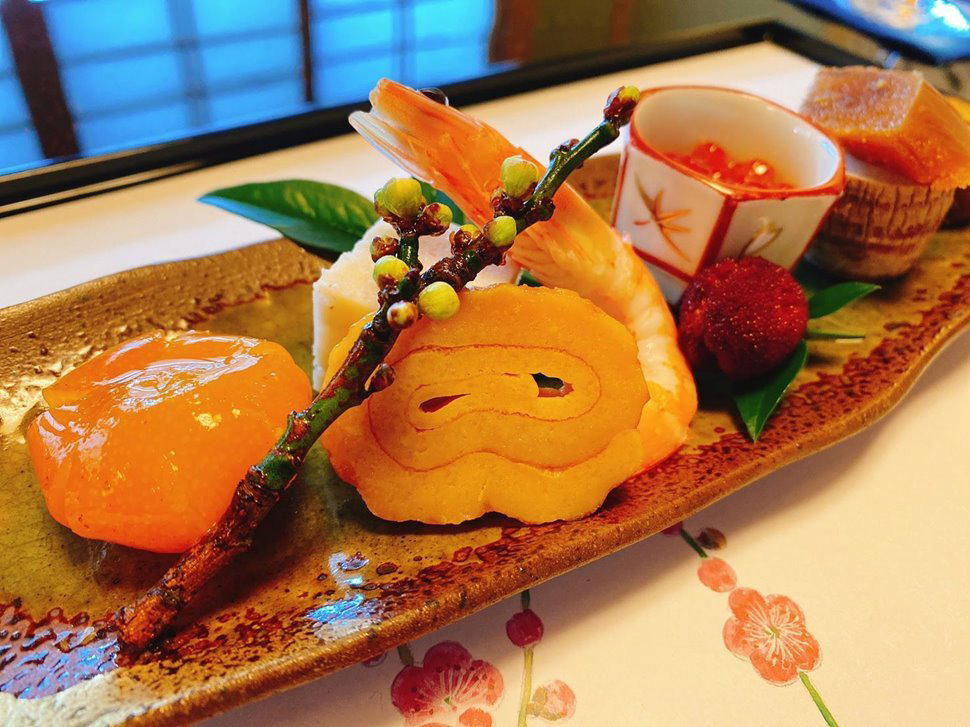
Ibaraki's Ingredient Belt and Why It Matters at the Table
Ibaraki Prefecture occupies a specific and underappreciated position in Japan's food geography. It sits between the Pacific Ocean to the east and the Kanto Plain to the west, a configuration that produces both serious coastal seafood and some of the country's most productive farmland. The prefecture consistently ranks among Japan's leading producers of natto soybeans, lotus root, and sweet potato, while the coastal waters off Hitachinaka yield sardines, mackerel, and seasonal shellfish that rarely travel far before reaching a kitchen. Dining in this part of Ibaraki means engaging with a supply chain that is short by design rather than by marketing choice.
That regional specificity is the correct frame for understanding 京遊膳 花みやこ, located at 3 Chome-14-26 Sasanocho in Hitachinaka. The restaurant's name combines characters pointing toward Kyoto-style elegance (京遊膳) with a sense of floral refinement (花みやこ), a pairing that signals kaiseki or washoku-adjacent cooking rooted in classical Japanese form. In a prefecture where Tokyo-facing dining tends to dominate the conversation, a venue with that kind of name orientation is making a deliberate statement about register and reference point.
The Setting: Sasanocho and What It Signals
Hitachinaka is not a dining destination in the way that Mito, its larger neighbor, has become for visitors to Ibaraki. Sasanocho, the specific district where 花みやこ is addressed, is a residential and light-commercial area rather than a culinary strip. Arriving here requires intention. There is no foot traffic carrying curious diners past the entrance; the clientele arrives because it chose to, which tends to produce a particular kind of room atmosphere: quieter, more deliberate, oriented toward the meal rather than the occasion of being seen at it.
In Japan, this geography of deliberate dining is well understood. Some of the country's most considered restaurants, from rural Nagano to coastal Hokkaido, operate outside major urban circuits precisely because proximity to source material outweighs the commercial logic of high-footfall locations. Venues like 湖邸庭苑 in Takashima and 鷹羽屋 in Nishikawa Machi operate on similar terms, drawing guests toward the ingredient rather than positioning themselves near existing demand. 花みやこ reads within that tradition.
Sourcing Logic in Ibaraki's Coastal-Agricultural Zone
The editorial angle most relevant to 花みやこ is what Hitachinaka's geography makes possible on the plate. The city sits roughly 130 kilometers northeast of Tokyo, close enough to the capital's procurement networks that premium ingredients flow both ways, but far enough that local producers retain a real market in regional kitchens. The sardine fishery off the Ibaraki coast, historically significant and still active, provides a fatty, seasonal catch that suits traditional Japanese preparation methods: marinated, grilled, or served raw when quality allows. Inland, the Naka River basin supports rice cultivation and vegetable growing that feeds directly into Ibaraki's washoku kitchens.
This dual access, coastal and agricultural, is the condition that makes a kaiseki or Japanese multi-course format viable in Hitachinaka at a level that could compete with similar formats in secondary cities. Venues operating this format in comparably positioned cities have demonstrated that ingredient proximity can substitute for the brand density of a major urban center. Gion Sasaki in Kyoto and akordu in Nara each operate in cities whose dining reputations rest partly on what the surrounding region produces, and 花みやこ's Ibaraki context positions it within that broader argument about regional sourcing as a foundation for serious cooking.
How 花みやこ Sits Within the Wider Japanese Dining Spectrum
Japan's premium dining tier has become increasingly legible to international visitors through the Michelin framework, which has awarded stars across Tokyo, Kyoto, Osaka, and a growing number of secondary cities. Venues like HAJIME in Osaka, Harutaka in Tokyo, and Goh in Fukuoka occupy known positions within that hierarchy. 花みやこ, based on available data, sits outside the Michelin-surveyed tier, which in the Japanese context does not imply lower cooking quality so much as it reflects the geographic scope of the guide's coverage. Ibaraki is not yet a Michelin-mapped prefecture at the level of Tokyo or Kyoto, meaning strong restaurants here operate without that particular signal infrastructure.
For comparison, internationally recognized venues like Le Bernardin in New York City or Atomix in New York City operate inside some of the densest critical coverage environments in the world. A restaurant in Hitachinaka operates in near-complete critical silence by those standards, which shifts the assessment logic entirely onto firsthand information and local knowledge rather than aggregated scores.
Planning a Visit: What to Know Before You Go
Hitachinaka is accessible by train from Mito Station via the Kashima Rinkai Railway Ōarai Kashima Line, and from Tokyo by limited express to Mito followed by a local connection. The journey from Tokyo runs approximately 75 to 90 minutes to Mito, making a day trip or evening visit viable for Kanto-based travelers. For visitors already in Ibaraki, the Sasanocho address sits within the city's residential grid and is reachable by local bus or taxi from the nearest station. Booking in advance is advisable for any Japanese restaurant of this register, particularly those operating in smaller cities where capacity tends to be limited and the kitchen schedules accordingly.
For broader context on where 花みやこ sits within the city's dining options, our full Hitachinaka restaurants guide maps the scene across cuisines and price points. Comparisons further afield can be drawn to 三本松 川島製 in Nanao, 夏代吉山乃 in Sapporo, Denko Sekka in Hiroshima, and Bistro Ange in Toyohashi, each representing the pattern of considered dining operating outside Japan's primary critical circuits. Additional regional dining reference points include Birdland in Sakai, Blue Ocean Steak in Nakagami District, bodai in 那智勝浦町, and Cafe Naoshima Konichiwa in Naoshima, venues that collectively illustrate how Japanese dining of serious intent distributes itself well beyond the Michelin map's current edges.
Frequently asked questions
Can I bring kids to 京遊膳 花みやこ?
花みやこ is located in Sasanocho, a quiet residential district of Hitachinaka rather than a casual dining strip, which signals a setting oriented toward composed, seated dining. Traditional Japanese kaiseki-style restaurants in this register typically require a level of patience that makes them better suited to older children or teenagers comfortable with a multi-course format.
What should I expect atmosphere-wise at 京遊膳 花みやこ?
The address, 3 Chome-14-26 Sasanocho, places 花みやこ in a low-density neighbourhood away from Hitachinaka's commercial corridors, which generally points toward an intimate, unhurried room rather than a high-footfall dining hall. Japanese restaurants operating under the 京遊膳 naming convention typically present tatami or semi-private seating arrangements with measured service pacing. Expect a quieter register than you would find in central Mito.
Is 京遊膳 花みやこ a good base for exploring Ibaraki's regional cuisine?
Hitachinaka sits roughly 130 kilometres northeast of Tokyo and within easy reach of both the Ibaraki coast and the agricultural interior, making it a practical stopping point for anyone tracking the prefecture's food geography. 花みやこ's Sasanocho address puts it in a local rather than tourist-facing district, which tends to mean the kitchen is cooking for a neighbourhood clientele rather than an international audience. Pairing a meal here with a visit to the broader Ibaraki coastal corridor, including the fishing port at Ōarai, gives useful context for what ends up on the plate.
What should I order at 京遊膳 花みやこ?
Seasonal set courses at this type of Ibaraki restaurant tend to reflect whatever the coast and the fields are producing that month. Requesting the chef's current seasonal course, rather than ordering à la carte, is the standard approach in this format.
Where is 京遊膳 花みやこ located?
京遊膳 花みやこ is located at 3 Chome-14-26 Sasanocho, Hitachinaka, Ibaraki 312-0018, Japan, Hitachinaka.
Should I book 京遊膳 花みやこ in advance?
Advance reservation is standard practice for seated Japanese restaurants in Hitachinaka, particularly those in residential neighbourhoods like Sasanocho where walk-in trade is limited. Because no online booking platform or phone number is currently listed for 花みやこ, contacting the restaurant directly, or asking your hotel concierge to arrange it, is the most reliable approach. Booking at least several days ahead is prudent, especially for weekend evenings.
Comparable Spots, Quickly
Comparable venues nearby, for context on price, style, and recognition.
| Venue | Cuisine | Price | Awards | Notes |
|---|---|---|---|---|
| 京遊膳 花みやこThis venue (the venue you are viewing) | Kyoto-style Kaiseki with Local Ibaraki Ingredients | $150–200 | Not listed | Not listed |
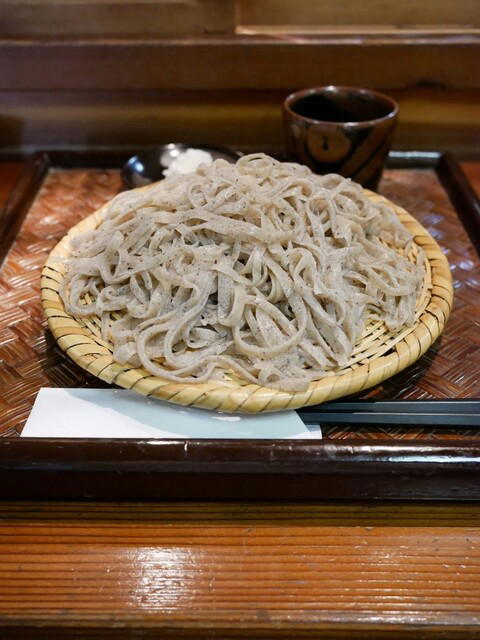
| Kobiki An | Traditional handmade soba | Not listed | Tabelog 100 #58 | Hitachinaka |
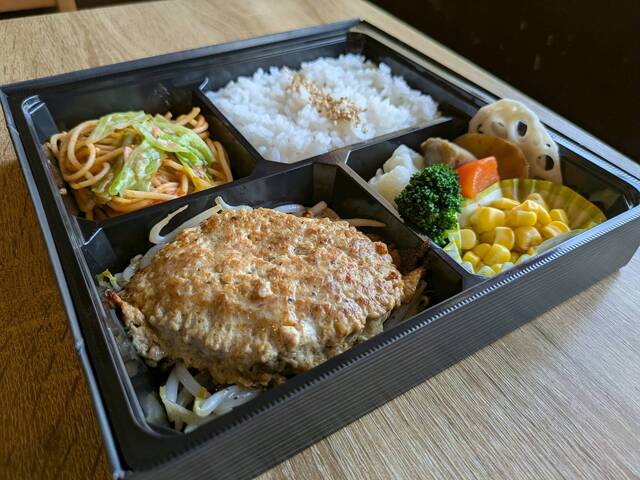
| Papa Burger Mama Sweets | Hamburger steak & cakes (Yoshoku-style Western Japanese) | $20–30 | Tabelog 100 #46 | Higashi-Oshima, Hitachinaka |
| Issen at Benesse House | Japanese Kaiseki | $50–100 | Not listed | Naoshima-cho |
| おにく 花柳 | Michelin-starred Wagyu kaiseki / meat kappo | $200–300 | Black Pearl 1 Diamond | Ginza |
| 精进料理 醍醐 | Shojin Ryori Kaiseki | $150–200 | 1 Michelin Star · La Liste Top Restaurants | Minato (Atago) |
Continue exploring
More in Hitachinaka
Details
- Elegant
- Cozy
- Sophisticated
- Intimate
- Special Occasion
- Private Dining
- Sake Program
- Local Sourcing
- Tasting Menu
- Sake Program
Current opening hours
- Monday
- Closed
- Tuesday
- Closed
- Wednesday
- 5:30–10 PM
- Thursday
- 11:30 AM–2:30 PM, 5:30–10 PM
- Friday
- 11:30 AM–2:30 PM, 5:30–10 PM
- Saturday
- 11:30 AM–2:30 PM, 5:30–10 PM
- Sunday
- 11:30 AM–2:30 PM, 5:30–10 PM
Hours can change for holidays and private events. Hours as of .
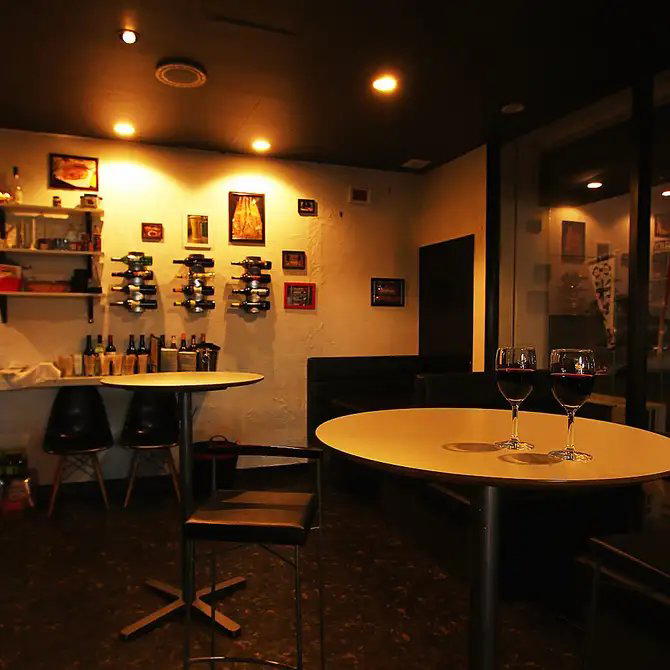
はんなりとした数寄屋の空間 (serene, elegant traditional Japanese sukiya architecture with refined Kyoto-inspired atmosphere).