Kobiki An

Kobiki An gives Hitachinaka a serious soba address rather than a generic noodle stop. Its Tabelog 100 Soba EAST 2025 selection, counter seating, no-smoking room, and sake-shochu drinks frame it as a disciplined, ingredient-led lunch built around buckwheat, quiet pacing, and local regularity rather than big-city theatre.
Pearl is the En Primeur Club membership app — saves, bookings, and concierge access live there. Same editors, same standards.
- Address
- 3069-14 Higashiishikawa, Hitachinaka, Ibaraki 312-0052, Japan
- Phone
- +81 29-274-0986
- Website
- kobikian.com
- Directions
- Get directions
 Saves & bookings on Pearl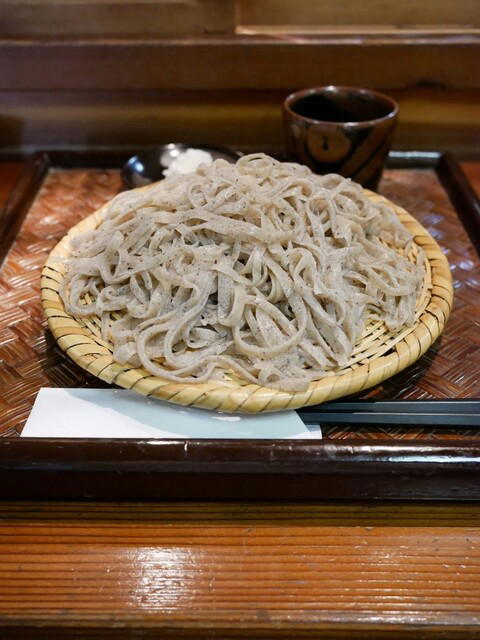
Approaching a specialist soba room in Hitachinaka differs from chasing a Tokyo counter. The cues are quieter: a modest local setting, a short lunch rhythm, and a room where noodle craft carries the meal. Kobiki An belongs to the Japanese tradition in which buckwheat is not a side note to tempura or a quick station meal, but the point of the table. Hitachinaka sits in Ibaraki, a prefecture with deep agricultural associations, so soba here reads less as metropolitan luxury than regional craft measured by restraint, freshness, and timing.
That matters because soba narrowly tests sourcing and handling. Buckwheat has little room for disguise: aroma fades, texture shifts, and a careless boil turns clarity into softness. A restaurant can spend heavily on interiors and still fail the noodle. Stronger houses in eastern Japan make the opposite wager: put craft, flour, water, and dipping broth under scrutiny, then keep the room disciplined enough for diners to notice. Kobiki An’s inclusion in Tabelog 100 Soba EAST 2025 places it inside that specialist bracket, among venues judged for category strength rather than general popularity.
Hitachinaka soba belongs to the regional craft tier, not the destination tasting-menu tier
The useful comparison is not kaiseki rooms or urban omakase counters. Soba has its own hierarchy: commuter-station bowls built for speed at one end, and destination shops where noodle, seasonal tempura, sake, and a limited run of dough define the day at the other. Hitachinaka’s appeal is that this spectrum remains legible; diners can eat locally without translating the experience through Tokyo’s reservation economy.
Kobiki An sits in the specialist lane: soba as a focused meal, not a catch-all Japanese restaurant. Tabelog lists the category as buckwheat noodles, with sake and shochu available, and counter seating. Those details suit solo diners as naturally as small groups. In Japan, that is not incidental: soba culture has long rewarded single-purpose rooms where guests eat attentively and leave the table to the next round, especially when the day’s noodles are finite.
The sourcing angle is cultural and practical. Eastern Japan has a long soba map, from rural milling traditions to urban shops prizing fragrance and cut. Ibaraki’s position north-east of Tokyo gives Hitachinaka a dining identity often missed by travelers moving between the capital and coastal excursions. Better to read a soba stop here as an agricultural and regional marker: buckwheat, water, broth, and pace tell a more precise story than a long menu.
Among Hitachinaka options, the contrast helps. Papa Burger Mama Sweets sits in a different casual comfort lane, while 京遊膳 花みやこ points toward a broader Japanese dining frame. The restaurant is narrower, and that narrowness is the argument. For travelers mapping the city beyond one meal, Our full Hitachinaka restaurants guide gives the surrounding dining context, while Our full Hitachinaka hotels guide, Our full Hitachinaka bars guide, Our full Hitachinaka wineries guide, and Our full Hitachinaka experiences guide place the meal inside a longer stay.
The room rewards attention: counter seating, no smoking, and a finite lunch rhythm
Soba rooms often reveal seriousness through limits. The restaurant’s no-smoking policy, counter seating, and finite daily supply create a sharper frame than broad service. The shop closes when soba runs out, a detail that says more about the category than decoration could. Fresh soba is not for indefinite service; the format privileges early decisions, quick turnover, and respect for the day’s preparation.
The Tabelog score of 3.65 is useful, if read correctly. On Japanese review platforms, category specialists outside central Tokyo can carry weight without international name recognition. Stronger evidence is cumulative: Tabelog 100 Soba EAST 2025, previous selections in 2024, 2022, and 2019, a clearly defined buckwheat-noodle category, and a compact room listed at 32 seats. Together, they put the restaurant in a regional soba conversation rather than a generic Hitachinaka lunch list.
Atmosphere-wise, do not expect sprawling hospitality choreography. Expect a focused room with low tolerance for distraction. No mobile phone use is listed, and that matters. It aligns with a wider Japanese dining code in which small restaurants protect concentration for kitchen and guests. The point is not severity; soba, served simply, loses force when treated as background food.
The price tier keeps the experience grounded. Specialist soba in Japan can deliver high craft without the cost structure of sushi, kappo, or French-influenced tasting menus. That makes Kobiki A strong for travelers wanting ingredient seriousness without ceremony. Where premium dining is often equated with counter prestige and long booking windows, a regional soba shop can express craft more cleanly: fewer courses, fewer explanations, and a more direct ingredient-meal relationship.
How to read it against Japan's broader casual dining map
For Japan itineraries, compare by function rather than cuisine alone. -Grilled beef Sukiyaki- KAMAKURA TANUKIAN 鎌倉 たぬき庵 in Kamakura serves a different regional comfort; . 鮪と炭火焼き うお炭 秋葉原店 in Tokyo belongs to the capital’s seafood-and-grill rhythm;.cafe in Osaka and.know in Kumamoto show how casual formats shift by city. Soba is more exacting than its price tag suggests because the craft is exposed: no sauce-heavy safety net, no luxury ingredient list required to justify attention.
That makes the restaurant a planning anchor for a specific traveler: one willing to build lunch around timing, quiet, and narrow menu logic. The same reader might compare category focus across (Shoku) Vietnam in Kawasaki, [Curry Senmon Ten] Maruyama Kyoju. in Sapporo, [ki:] in Kyoto, #肉といえば松田 奈良本店 in Kashihara, and 1/3 HAMBURGER FACTORY in Kanazawa: each asks whether a tight format can say more than a broad one. Even outside Japan, category discipline is the through-line at Jōdo Saké Bar in Los Angeles and Onigiri Time in Pasadena, where Japanese food culture is filtered through a different market.
The editorial verdict is clear: come for soba as craft, not a long lunch with theatrical service. The reward is the clarity of a regional Japanese dining form not inflated into luxury performance. In Hitachinaka, that is precisely the appeal.
Side-by-Side Snapshot
Comparable venues by cuisine and price in the same metro.
| Venue | Cuisine | Price | Notes |
|---|---|---|---|
| Kobiki An | Traditional handmade soba | $ | Hitachinaka |
| Papa Burger Mama Sweets | Hamburger steak & cakes (Yoshoku-style Western Japanese) | $$ | Higashi-Oshima, Hitachinaka |
| 京遊膳 花みやこ | Kyoto-style Kaiseki with Local Ibaraki Ingredients | $$$$ | Sasanocho |
| かつれつ軒 | Japanese Tonkatsu | $ | 神宮 |
| Yoshinoya (吉野家 178号線豊岡店) | Japanese Beef Bowl (Gyudon) | $ | 下陰 |
| Maki no Udon (牧のうどん 空港店) | Traditional Fukuoka Kamaage Udon | $ | Hakata |
Recognition history
Dated appearances from independent guides and award organizations, with the underlying list record or original source where available.
Tabelog 100 #58 · No. 58
Tabelog · Tabelog 100 - Soba - EAST - 2025
Continue exploring
More in Hitachinaka
Restaurants in Hitachinaka
Browse all →
At a Glance
- Rustic
- Cozy
- Quiet
- Intimate
- Solo
- Casual Hangout
- Family
- Standalone
Current opening hours
- Monday
- Closed
- Tuesday
- Closed
- Wednesday
- 11:30 AM–1:10 PM
- Thursday
- 11:30 AM–1:10 PM
- Friday
- 11:30 AM–1:10 PM
- Saturday
- 11:30 AM–1:10 PM
- Sunday
- 11:30 AM–1:10 PM
Hours can change for holidays and private events. Last verified .
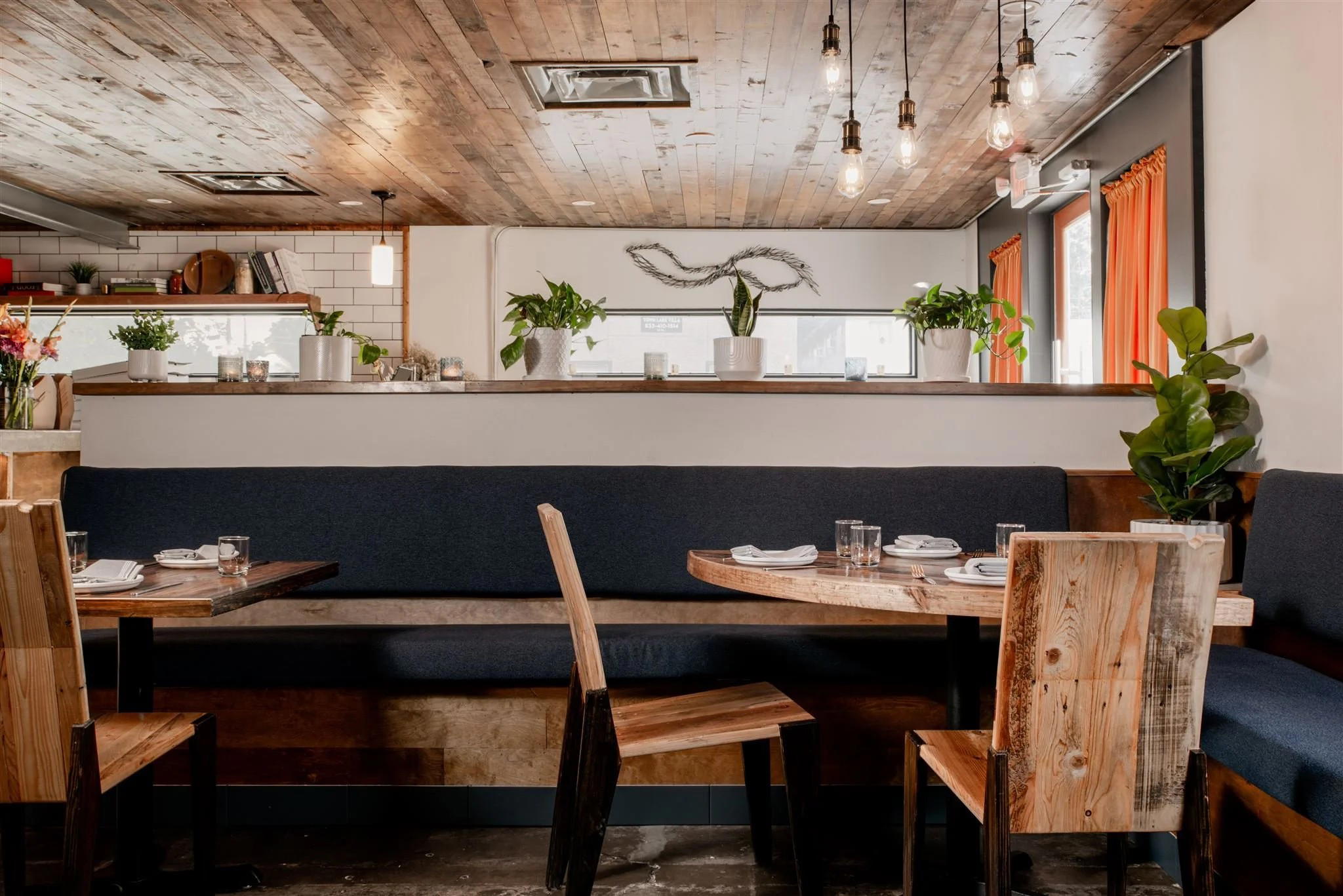
A quiet, homey soba shop with a rustic countryside feel, built and run by the owners themselves; the atmosphere is simple and unpretentious, focusing attention on the freshly made noodles rather than decor or formality.