
Mito’s soba scene is not built around spectacle; it rewards small rooms, careful flour handling, and the quiet discipline of noodle craft. Ninomae sits in that serious tier, selected for Tabelog 100 - Soba - EAST in 2025 and operating at a modest JPY 1,000 - JPY 1,999 range, with a compact counter-and-tatami format that suits focused eating rather than long-form ceremony.
Pearl is the En Primeur Club membership app — saves, bookings, and concierge access live there. Same editors, same standards.
- Address
- Japan, 〒310-0053 Ibaraki, Mito, Suehirocho, 3 Chome−7−15 2F
- Phone
- +81 29-303-6058
- Website
- ninomae-mito.com
 Saves & bookings on Pearl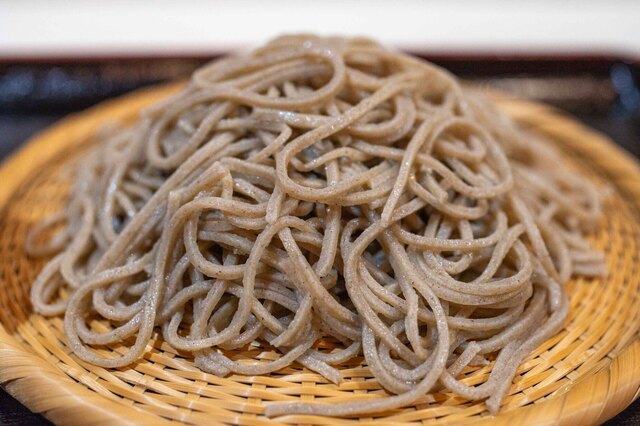
Approaching a serious soba room in Mito feels different from entering a big-city dégustation address. The cues are smaller: a compact upstairs setting, counter seats rather than a theatrical dining room, and the expectation that buckwheat, not service choreography, carries the meal. In Ibaraki, where grain, water, and rural foodways sit close to the city table, soba has a practical authority. Ninomae belongs to that lineage: a small-format restaurant where the craft is legible in the room before the bowl arrives.
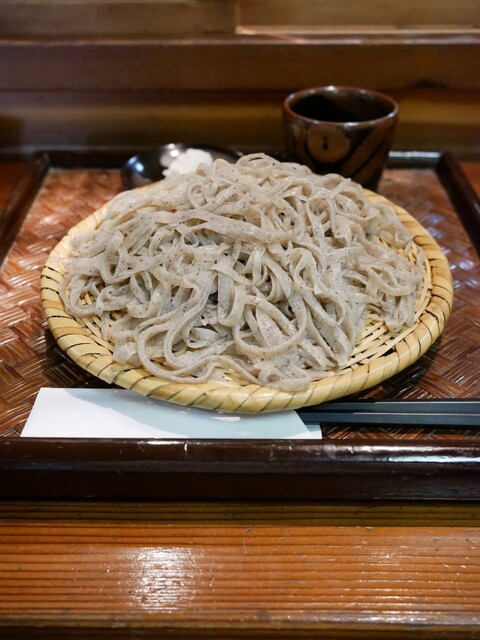
The useful way to read this address is through sourcing and format, not through luxury signals. Soba is unusually dependent on agricultural character. Buckwheat has less tolerance for disguise than wheat noodles; flour condition, grind, hydration, and timing all show quickly. That makes small soba restaurants more exposed than many casual Japanese categories. A modest bill does not mean a casual standard. It means the value sits in a craft tradition where restraint, repetition, and ingredient handling matter more than ceremony.
Buckwheat, restraint, and why Mito is the right setting
Mito is a sensible city for this kind of cooking. Ibaraki has long agricultural reach, and the regional table is comfortable with direct expressions of grain, vegetables, and fermented accompaniments. Soba fits that temperament: it is not a cuisine that needs architectural drama to justify attention. The pleasure is structural, a matter of noodle texture, broth balance, and the way the meal avoids excess.
Ninomae’s recognition in Tabelog 100 - Soba - EAST 2025 gives it a clear external credential inside a category that is often hard for visitors to judge. Soba specialists rarely announce themselves with the international machinery attached to sushi or kaiseki, so a category-specific selection matters. It places the restaurant inside eastern Japan’s more serious soba conversation rather than simply among inexpensive noodle shops. The Tabelog score of 3.74 reinforces the same point: this is a focused local address with enough outside validation to merit planning around, particularly for travelers using Mito as more than a transit stop.
The menu identity also resists neat sorting. Listed as soba with a Latin American category marker, the restaurant sits outside the usual binary of purely traditional noodle shop or contemporary Japanese dining room. That does not license assumptions about specific dishes, but it does say something about the current state of regional dining in Japan: smaller cities are no longer just preservation zones. They can hold precise, craft-led restaurants that also register influences beyond the inherited template.
A fifteen-seat room changes the meal's pace
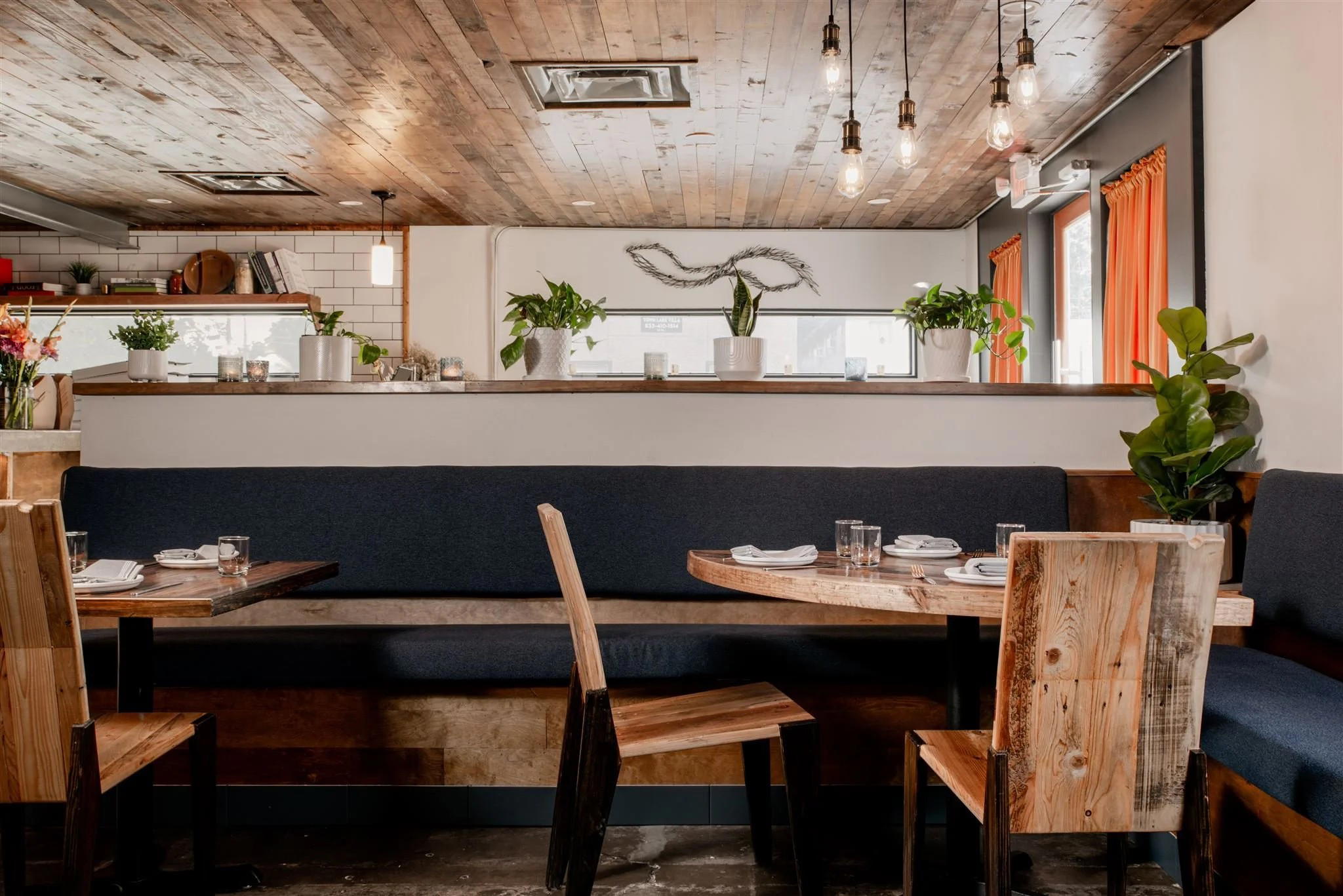
The scale is part of the argument. Fifteen seats, divided between a seven-seat counter and two raised-platform tables, put the kitchen and the dining room in close conversation. This is not a room designed for anonymity or high turnover. It suits solo diners and pairs who understand that soba rewards attention: the interval between ordering and eating, the quiet around the counter, the quick shift from aroma to texture once the noodles arrive.
That intimacy also changes how to compare the restaurant within Mito. Koji Koji sits in a similar JPY 1,000 - JPY 1,999 band, while Nuriya Izumichou oodoori and Shirakawa occupy higher spending brackets. The difference is not simply price. A soba specialist at this level asks for a narrower kind of attention than a broader dinner address. For visitors building a food day in the city, Ninomae makes more sense as a precise lunch or early evening anchor than as a lavish night out.
The drinks information points in the same direction. Sake and wine are both part of the offering, with stated attention to each, which is notable for a room in this price category. Soba and sake are an old pairing, but wine in a soba setting signals a broader view of texture and acidity without requiring the restaurant to become a hybrid concept. Again, the detail matters because it supports the sourcing angle: grain-led cooking benefits from drinks that do not flatten its subtlety.
How to fold it into a Mito itinerary
For travelers, the practical appeal is that this is a serious food stop without the financial weight attached to Japan’s more formal counters. The trade-off is compact capacity and a schedule that rewards advance planning. Dinner-course reservations are accepted, and the room’s small size makes spontaneity less reliable than the price might suggest. Payment is cash-only across cards, electronic money, and QR methods, so the old rule applies: bring yen and do not treat a low bill as permission to arrive unprepared.
Families need to read the soba context carefully. Buckwheat is central here, and the restaurant’s own guidance asks that children under five refrain from entering because flour in the room can pose an allergen risk for young children and sensitive guests. That is not a hospitality quirk; it is a direct consequence of working seriously with buckwheat in a small space.
As part of a wider Mito plan, this address pairs well with a broader look at the city’s dining spread in Our full Mito restaurants guide, with hotels mapped separately in Our full Mito hotels guide. Drink-led evenings belong in Our full Mito bars guide, while regional producers and cultural planning sit in Our full Mito wineries guide and Our full Mito experiences guide. Nearby and related restaurant research can also extend through Agni, Bansen Store, Karma, and Kimura Ya Honten, with wider Japan and overseas references including -Grilled beef Sukiyaki- KAMAKURA TANUKIAN 鎌倉 たぬき庵 in Kamakura,. 鮪と炭火焼き うお炭 秋葉原店 in Tokyo,.cafe in Osaka,.know in Kumamoto, (Shoku) Vietnam in Kawasaki, [Curry Senmon Ten] Maruyama Kyoju. in Sapporo, Jōdo Saké Bar in Los Angeles, and Onigiri Time in Pasadena.
The editorial case is simple: Ninomae gives Mito a serious soba address at a price that leaves the focus on buckwheat rather than occasion. Its small room, category-specific recognition, and ingredient-sensitive format make it a sharper choice for travelers who care about regional Japanese food than another generic station-area meal.
Quick Comparison
Comparable venues by cuisine and price in the same metro.
| Venue | Cuisine | Price | Awards | Notes |
|---|---|---|---|---|
| NinomaeThis venue — the venue you are viewing | Handmade Hitachi Aki soba | $ | , | |
| Kimura Ya Honten | Traditional Japanese wagashi shop | $ | , | Minamimachi |
| Nuriya Izumichou oodoori | Traditional Unagi (Eel) Restaurant | $$$ | , | Izumicho, Mito |
| Shirakawa | Teppanyaki & Hitachi Beef Steakhouse | $$$ | , | Minami-machi |
| Bansen Store | Casual Thai & Curry House | $ | , | Hiratocho |
| Taverna Hamburg | Italian-inflected hamburg steak & meat house | $$ | , | Mito |
Continue exploring
More in Mito

At a Glance
- Intimate
- Cozy
- Hidden Gem
- Classic
- Solo
- Family
- Casual Hangout
- Standalone
- Farm To Table
- Local Sourcing
Small and intimate soba shop with only a few tables, giving a quiet, cozy atmosphere that feels like a classic neighborhood spot.