
A six-seat counter in Takadanobaba gives Tokyo’s curry culture one of its tighter formats: low spend, high turnover, and recognition from Tabelog Curry TOKYO 100 in 2024, 2023, 2022, and 2020. Curry Rice Senmon Ten Brother belongs to the city’s serious everyday-curry tier, where reputation is built less on ceremony than repeatable focus.
Pearl is the En Primeur Club membership app — saves, bookings, and concierge access live there. Same editors, same standards.
- Address
- 東京都新宿区高田馬場2-19-7 タックイレブン1F
- Website
- tabelog.com
 Saves & bookings on Pearl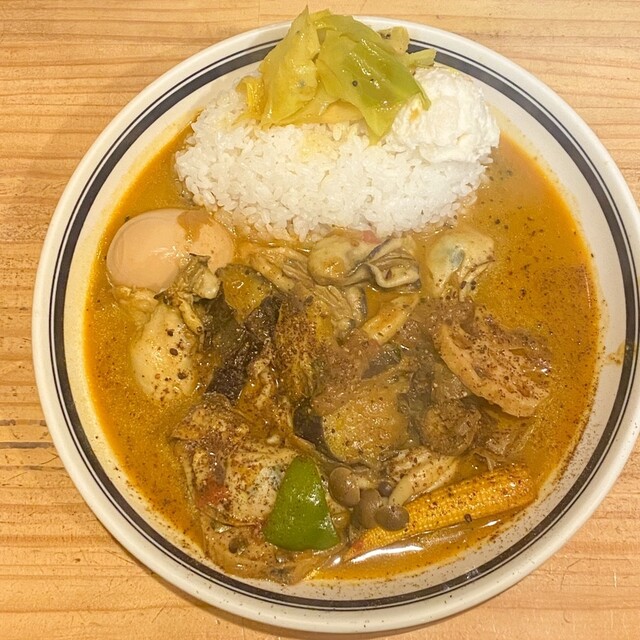
Takadanobaba does not ask curry shops to perform luxury. Around the station, the rhythm is faster and more practical: students, office workers, commuters, and solo diners moving through compact rooms where the counter is the format, not an aesthetic choice. Curry Rice Senmon Ten Brother fits that Tokyo pattern at its sharpest, with six counter seats and a price band of JPY 1,000 to JPY 1,999 for both lunch and dinner. In a city where curry can range from cafeteria staple to spice-obsessed specialist cooking, that combination matters: small room, modest spend, and a reputation strong enough to appear repeatedly in Tabelog’s curry selections.
The award history gives the address its weight. Selection for Tabelog Curry TOKYO 100 in 2024, with earlier selections in 2023, 2022, and 2020, places it in a category that Tokyo diners take seriously. Tabelog’s Hyakumeiten lists are not luxury dining medals; they are closer to a map of genre credibility. For curry, that distinction is useful because Tokyo’s field is crowded, informal, and often hyper-local. Recognition here signals consistency in a cuisine where queues, lunch habits, and neighbourhood loyalty can be as telling as formal criticism.
Six counter seats and the discipline of Tokyo curry
Japanese curry in Tokyo has never been a single tradition. It includes thick yoshoku-style curry rice, spice-forward independent shops, cutlet curry, regional interpretations, and hybrid formats shaped by India, Britain, and Japan’s own cafeteria culture. The strongest small specialists usually narrow the experience rather than broaden it. A limited counter, a short service rhythm, and a direct relationship between kitchen and diner are part of the appeal. Curry Rice Senmon Ten Brother operates in that compact specialist lane rather than the all-purpose restaurant lane.
That format changes the reader’s expectations. This is not a long-table, linger-over-wine meal, and it is not a chef-driven tasting counter in the Ginza sense. It is closer to Tokyo’s high-function everyday dining: quick, focused, and judged by repeatability. Six seats mean the room has little margin for indecision, and the counter setup suits solo dining or pairs better than groups. The absence of private rooms, private use, and parking reinforces the point. The value is in concentration, not accommodation.
Takadanobaba is a credible setting for that style. The neighbourhood’s food culture is shaped by Waseda students, train-line traffic, and a long tradition of affordable specialist shops. Curry, ramen, tonkatsu, and udon all compete here on speed and conviction. In that context, a JPY 1,000 to JPY 1,999 curry counter with repeated Tabelog Curry TOKYO 100 recognition sits in a different decision set from Tokyo’s destination tasting menus. It is a precision lunch or early dinner choice, especially for diners already moving through Shinjuku, Ikebukuro, or the Yamanote Line corridor.
Recognition without luxury signalling
Tokyo’s curry reputation is unusually democratic. A high-end dining room can earn international attention, but curry credibility is often built through daily volume, regular customers, and small differences in style that become visible only across a crowded field. That is why the Tabelog 100 signal carries practical value here. It separates a six-seat specialist from the broader mass of station-area curry shops without turning it into a formal occasion.
The comparison set around Tokyo’s casual dining scene is instructive. Tonkatsu specialists such as Tonta and Tonkatsu Hinata operate in another comfort-food lane, where frying technique and pork sourcing define the conversation. Sanuki Udon Kuranosuke and Pneuma Curry show how low-price specialist formats can attract attention without hotel-level service structures. Fry-ya belongs to the same broader category of focused, informal Tokyo dining where a narrow kitchen identity is the point. Curry Rice Senmon Ten Brother belongs in that ecosystem: small, category-specific, and reputation-led.
For travellers, this is the kind of address that makes sense when Tokyo fatigue sets in. The city can over-supply ceremony: omakase counters, cocktail reservations, multi-course French-Japanese rooms, hotel lounges. A serious curry counter offers a different kind of intelligence. It reveals how Tokyo eats between appointments, between train lines, and between higher-spend meals. The low price does not make it casual in ambition; it makes the judgment stricter, because the food has to justify attention without the protective theatre of luxury.
Know Before You Go
- Format: Six counter seats; suited to solo diners and pairs rather than larger parties.
- Price band: JPY 1,000 to JPY 1,999 at lunch and dinner.
- Recognition: Selected for Tabelog Curry TOKYO 100 in 2024, 2023, 2022, and 2020.
- Location: Takadanobaba, Shinjuku, near Takadanobaba Station’s Waseda Exit.
- Payment: Credit cards, electronic money, and QR code payments are not accepted.
- Room: Counter seating, non-smoking, no private rooms, no parking.
- Service note: Take-out is listed, which adds flexibility if the counter is full.
Tokyo curry planning rewards neighbourhood clustering. For another curry reference point inside the city, compare the specialist frame with 3 Chome no Curry Ya San, or look north to Sapporo’s [Curry Senmon Ten] Maruyama Kyoju. for a different regional context. Nearby Tokyo dining can move in several directions: casual visual-cafe culture at 2D Cafe, yakitori structure at 124. KAGURAZAKA (Yakitori), Shinjuku dining at 12/10 Shinjuku ten, or seafood and charcoal cooking at . 鮪と炭火焼き うお炭 秋葉原店. For broader planning, use Our full Tokyo restaurants guide, then cross-check lodging, drinking, wine, and cultural itineraries through Our full Tokyo hotels guide, Our full Tokyo bars guide, Our full Tokyo wineries guide, and Our full Tokyo experiences guide.
For travellers building a wider Japan food route, the casual-specialist thread continues beyond Tokyo: -Grilled beef Sukiyaki- KAMAKURA TANUKIAN 鎌倉 たぬき庵 in Kamakura.cafe in Osaka.know in Kumamoto, (Shoku) Vietnam in Kawasaki, and [ki:] in Kyoto each show how focused formats behave outside the capital. For Japanese food culture abroad, Jōdo Saké Bar in Los Angeles and Onigiri Time in Pasadena extend the conversation into California’s casual dining scene.
Recognition, Side-by-Side
Comparable options at the same price tier.
| Venue | Cuisine | Price | Notes |
|---|---|---|---|
| Curry Rice Senmon Ten BrotherThis venue — the venue you are viewing | Japanese Curry Counter | $ | Not listed |
| Uogashi Nihon-ichi (魚がし日本一) | Standing Sushi Bar | $ | Shibuya |
| Gyoza no Fukuho (餃子の福包) | Traditional Japanese Gyoza | $ | Shinjuku |
| Suzumeya | Japanese sweets / Dorayaki | $ | Toshima |
| Minoringo | Japanese Curry House | $ | Shibuya |
| Uoriki | Traditional Japanese fish set-meal diner (teishoku) | $ | Shibuya |
Recognition history
Dated appearances from independent guides and award organizations, with the underlying list record or original source where available.
Tabelog 100 #39 · No. 39
Tabelog · Tabelog 100 - Curry - TOKYO - 2024














At a Glance
- Cozy
- Intimate
- Solo
- After Work
- Casual Hangout
- Chefs Counter
- Standalone
- Street Scene
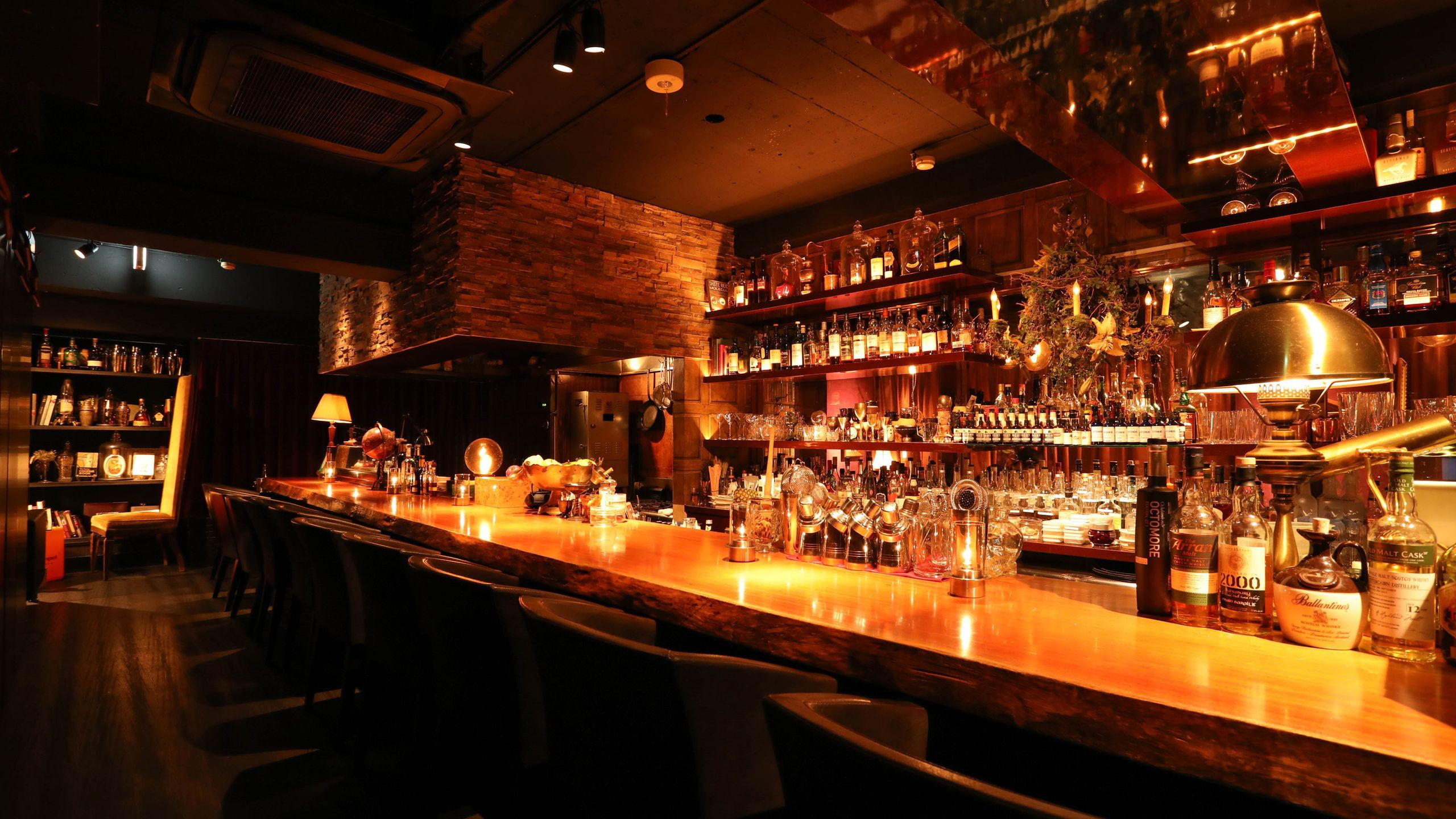
small, non-smoking counter shop along the train tracks with a casual, functional feel; guests queue and eat quickly in a lively but not rowdy atmosphere.