
Harajuku’s curry culture runs on speed, small rooms, and obsessive repeat customers rather than ceremony. Minoringo belongs to that compact Tokyo genre: a 13-seat curry counter near Harajuku Station, selected for Tabelog Curry TOKYO 100 in 2019, 2020, 2023, and 2024, with casual pricing and no reservation system.
Pearl is the En Primeur Club membership app — saves, bookings, and concierge access live there. Same editors, same standards.
- Address
- 東京都渋谷区神宮前1-22-7 ウエストビル 1F
- Phone
- +81364472414
- Website
- minoringo.jp
 Saves & bookings on Pearl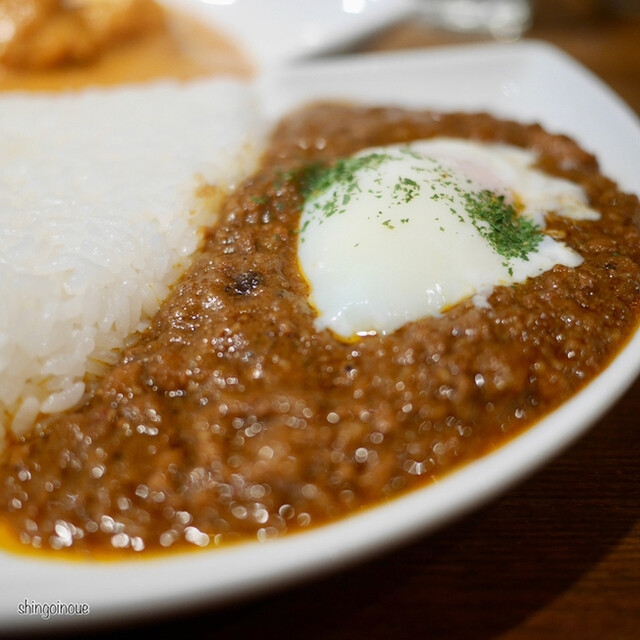
Harajuku shifts register quickly: fashion queues, station foot traffic, side-street cafés, then the quieter concentration that settles around a small curry counter. In Tokyo, curry is not a single cuisine so much as a city habit with many dialects: Japanese roux shops, spice-curry specialists, old-school kissaten plates, and compact counters built for solo diners and pairs. Minoringo sits in that last category, where the room matters less as decoration than as rhythm: a counter-led setup, limited seats, quick turnover, and a crowd that treats curry as a serious meal rather than a fallback.
The useful context is price and recognition. Tokyo’s high-end dining economy can make lunch feel like a strategic decision, yet curry remains one of the city’s great value categories. Minoringo is listed in the JPY 999 range, a bracket that places it far from Harajuku’s polished destination restaurants and closer to the neighborhood’s everyday eating culture. Its repeated selection for Tabelog Curry TOKYO 100, including 2024, gives it a public signal in a category where local enthusiasm often matters more than international awards.
Harajuku curry without the performance layer
Tokyo curry has become increasingly specialized, but the strongest shops often resist restaurant theater. The format is compact, the menu is focused, and the decision-making happens before the plate arrives. That approach suits Harajuku better than it first appears. The area is associated with visual noise, but its side streets have long supported practical dining: ramen counters, soba rooms, cafés, and curry shops that absorb commuters, shoppers, and neighborhood regulars in short bursts.
Minoringo’s scale helps explain its place in that ecosystem. Thirteen seats, including 11 at the counter and 2 at a table, keep the experience close to the cook line and remove the distance of a dining room. This is not a room for lingering over a long bottle list, even though shochu, wine, and cocktails are listed as available. It belongs to the Tokyo counter tradition: efficient, compact, and better suited to focused eating than group dining.
That distinction matters in Harajuku, where nearby choices can pull in different directions. AFURI Harajuku represents the area’s ramen-and-brand fluency; Takenoshita Soba points toward a more expensive soba register; Enseigne d'angle Harajuku ten sits in a café-priced bracket; Ristorante Hamasaki brings Italian dining into the broader Tokyo comparison; and 重よし belongs to another strand of neighborhood seriousness. Against that spread, curry at this scale reads as a sharp, low-friction decision rather than a formal meal.
The sensory grammar of a small curry counter
Curry rooms announce themselves differently from sushi counters or kappo restaurants. The cues are less ceremonial: steam, spice, heat from the kitchen, the low sound of stools and trays, and the visual compression of diners seated close to the work. Specific dishes are not needed to understand the appeal. Tokyo curry is built around aroma and temperature, and a small counter intensifies both. The experience depends on immediacy: food leaves the kitchen quickly, the room turns, and the next diner takes the place.
The Tabelog score of 3.73 is useful here because Japanese review culture is parsimonious; scores above the mid-3s can signal durable local approval, particularly in casual categories. The repeated Curry 100 selections in 2019, 2020, 2023, and 2024 reinforce that this is not a passing Harajuku queue. It has held attention across several selection cycles in a city where curry competition is deep and highly localized.
For travelers mapping Tokyo food by genre, curry deserves a slot beside sushi, ramen, yakitori, and soba. It is one of the clearest ways to see how the city absorbs outside influences, domesticates them, and then subdivides them into exacting formats. A shop such as Minoringo is not trying to compete with tasting-menu Tokyo. Its value is narrower and, for the right diner, more useful: a compact expression of how seriously the city takes casual food.
How to place it in a Tokyo itinerary
The strongest use case is a Harajuku or Jingumae day that needs precision rather than ceremony. Pairing a curry counter with galleries, shopping, or a walk toward Meiji Jingumae makes more sense than treating it as the anchor for a long evening. The no-reservations format rewards flexible timing, and the small seat count means parties should stay lean. Solo diners and pairs are the natural fit.
Within a broader Tokyo plan, it works as a category check: not the grand sushi counter, not the hotel dining room, not the late-night bar, but a piece of the city’s daily food intelligence. Readers comparing neighborhoods can use Our full Tokyo restaurants guide for the wider restaurant map, then branch into adjacent formats through Our full Tokyo hotels guide, Our full Tokyo bars guide, Our full Tokyo wineries guide, and Our full Tokyo experiences guide.
For comparison across Japanese casual and specialist dining, the broader EP Club restaurant archive shows how different cities frame value and format: 3 Chome no Curry Ya San offers another curry reference point, while 124. KAGURAZAKA (Yakitori), 12/10 Shinjuku ten. 鮪と炭火焼き うお炭 秋葉原店, and 2D Cafe sketch other Tokyo registers. Beyond the city, -Grilled beef Sukiyaki- KAMAKURA TANUKIAN 鎌倉 たぬき庵 in Kamakura.cafe in Osaka.know in Kumamoto, (Shoku) Vietnam in Kawasaki, [Curry Senmon Ten] Maruyama Kyoju. in Sapporo, [ki:] in Kyoto, Jōdo Saké Bar in Los Angeles, and Onigiri Time in Pasadena make useful contrasts in how focused formats travel across regions.
Comparison Snapshot
Comparable options at the same price tier.
| Venue | Cuisine | Price | Notes |
|---|---|---|---|
| MinoringoThis venue — the venue you are viewing | Japanese Curry House | $ | Not listed |
| Hendrix curry | Japanese Spice Curry Bar | $ | Shibuya |
| Taiyaki Wakaba | Traditional Japanese taiyaki & wagashi shop | $ | Shinjuku |
| Akasaka Aono Honten | Traditional Japanese Wagashi Shop | $ | Minato |
| Ichigenya | Traditional Japanese Sweets (Wagashi) | $ | Chiyoda |
| Matsushimaya | Traditional Japanese wagashi and daifuku shop | $ | Minato |
Recognition history
Dated appearances from independent guides and award organizations, with the underlying list record or original source where available.
Tabelog 100 #11 · No. 11
Tabelog · Tabelog 100 - Curry - TOKYO - 2024














At a Glance
- Cozy
- Lively
- Intimate
- Classic
- Solo
- Casual Hangout
- After Work
- Standalone
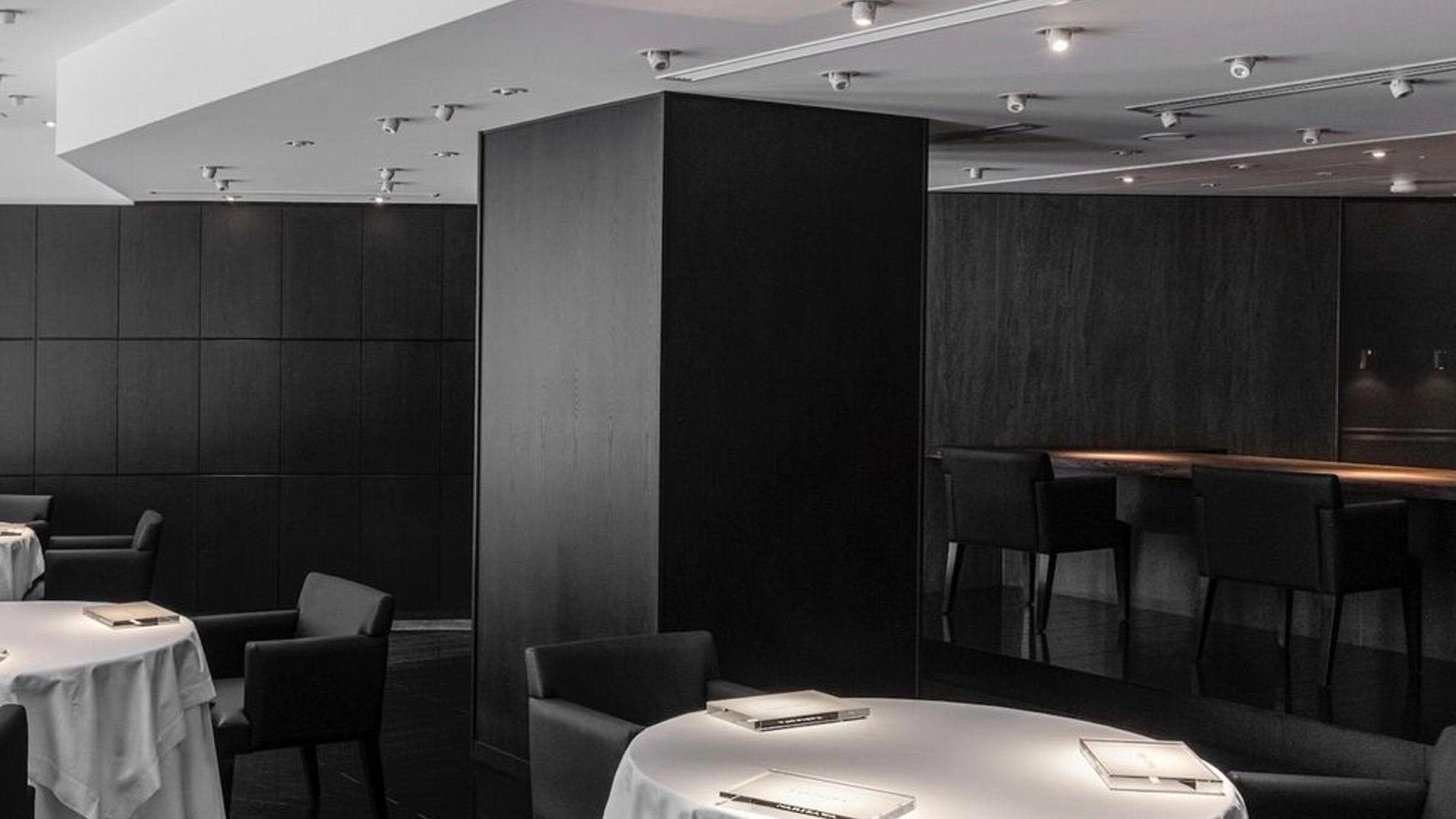
A snug, counter-focused curry bar with just a handful of seats, creating a casual and energetic atmosphere where guests sit close together in a relaxed, no-frills setting.