
Tokyo’s wagashi culture is often read through Ginza salons and department-store counters, but Ikebukuro’s small sweet shops show a more daily ritual. Suzumeya belongs to that lower-priced, take-out tradition, with dorayaki and monaka priced for repeat visits rather than ceremony, and recognition in Tabelog’s Tokyo Japanese sweets 100 selection in 2023.
Pearl is the En Primeur Club membership app — saves, bookings, and concierge access live there. Same editors, same standards.
- Address
- 東京都豊島区南池袋2-18-5
- Website
- suzumeya.info
 Saves & bookings on Pearl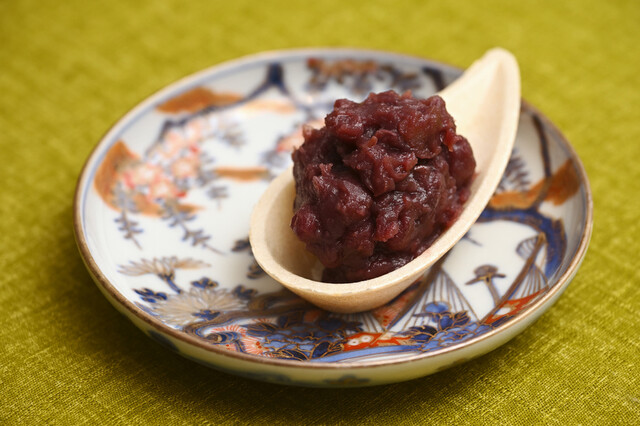
Minami-Ikebukuro changes register quickly: station traffic, side streets, then the quieter cadence of a neighborhood sweet shop. In Tokyo, wagashi is not only tea-ceremony object or department-store gift; it is a short, deliberate errand: arrive early, choose cleanly, carry the box away before the batch disappears. Suzumeya belongs to that tradition, closer to daily custom than luxury performance.
The useful comparison is Tokyo’s disciplined small-format food culture, not tasting-menu counters. A bowl specialist such as 3 Chome no Curry Ya San, a coffee stop such as COFFEE VALLEY, and a noodle counter such as Uchitate ya share the same low-ticket rhythm: pleasure through focus, not breadth. Suzumeya’s average spend is listed under JPY 999, unlike a bar such as BAR Too or beef-led dining such as Wagyumafia. This is Tokyo at snack scale, where a few hundred yen still buys carefully made craft.
Dorayaki and monaka as a Tokyo buying ritual
Wagashi rewards restraint. The format is old, but Tokyo keeps finding uses for it: station gifts, office visits, school-age family stops, after-lunch sweets, and quiet take-home purchases. Dorayaki, two small pancakes enclosing bean paste, moves between childhood memory and adult connoisseurship. Monaka works differently, using crisp wafers and filling as a study in texture rather than volume. Neither needs a long menu.
Suzumeya’s year-round items state that plainly: dorayaki with bean paste at JPY 230 each, monaka in two types at JPY 200 for one set, and chadama dried sweets at JPY 300 for four pieces. Those numbers matter. In a city where premium sushi and kappo increasingly signal access through price and reservation friction, this category preserves democratic precision. The ritual is selection, timing, and restraint, not extended dining.
Timing is etiquette. Small wagashi shops reward customers who treat the purchase as perishable, not decorative. Chadama production is weather-sensitive because moisture can affect the sweets, explaining why traditional confectionery is less standardized than a display case suggests. Tokyo’s better sweet shops manage humidity, bean texture, wafer condition, and the short life of fresh formats, not simply sugar.
The award context helps. Suzumeya was selected for Tabelog’s Tokyo Japanese traditional sweets and Japanese sweets cafe 100 list in 2023, with earlier Tabelog Sweets Tokyo 100 selections in 2022 and 2020. Tabelog’s Hyakumeiten lists are not Michelin-style stars, but in Japan they carry practical weight because they identify venues local diners repeatedly place in a serious competitive tier. For wagashi, Suzumeya sits among Tokyo addresses where craft and repeat demand matter more than room design.
Ikebukuro's quieter food logic
Ikebukuro is often reduced to transit scale: department stores, cinema traffic, ramen lines, game centers, and commuters moving between rail systems. Its food character is broader. Around the station, Tokyo’s everyday eating culture is compressed, with sweets, curry, coffee, casual counters, and izakaya formats close by. A traveler using our full Tokyo restaurants guide will see how often serious Tokyo food sits outside polished dining rooms.
That is the right frame for Suzumeya. The format is take-out, private rooms are not part of the equation, and the setting is described as a house restaurant. This is not a place to measure against a long dinner at 124. KAGURAZAKA (Yakitori) or a late meal after drinks near Akihabara at . 鮪と炭火焼き うお炭 秋葉原店. It belongs to Tokyo’s daylight eating: small purchases, quick decisions, and respect for stock that can run out.
That low-friction scale also makes wagashi a counterpoint to Tokyo’s reservation culture. Visitors often plan around omakase counters, hotel bars, and fixed-course dining, then miss smaller rituals. Dorayaki can be carried to a park, taken back to a hotel room, or bought as a modest gift. The etiquette is care, not status: choose what travels well, eat fresh items promptly, and understand that some sweets follow weather rather than a year-round industrial schedule.
For a Tokyo food day, this stop works between heavier commitments. A lunch near Shinjuku at 12/10 Shinjuku ten, a coffee-and-dessert detour at 2D Cafe, or a later bar plan from our full Tokyo bars guide all ask for different pacing. Wagashi asks for a pause, not a slot in a tasting itinerary.
How to read the value of a small sweet shop
The mistake is judging a shop like this by breadth. Tokyo has restaurants built on abundance, technical spectacle, or high-price scarcity. Wagashi at this level narrows the field. A few items, low listed spend, take-out service, and repeat Tabelog recognition signal a specialist rather than a general sweets cafe. The absence of cards and electronic payments also points to an older retail rhythm: arrive prepared, buy simply, and do not turn the transaction into theater.
Compared with larger cafe culture, the advantage is clarity. The buyer is not being sold a long afternoon, a room, or a lifestyle image. The purchase is the object. That puts Suzumeya closer to Japan’s precise small-shop habit than to the international dessert-cafe model, and explains why a venue can matter without chef biography, long tasting notes, or a long list of named creations.
Tokyo itineraries often widen beyond restaurants once that logic clicks. Hotels shape the base, and our full Tokyo hotels guide is the useful companion for choosing neighborhood rhythm. Daytime cultural planning belongs in our full Tokyo experiences guide, while drinks and late-night pacing sit elsewhere. Even our full Tokyo wineries guide makes the same point: Tokyo is best understood through specialized categories rather than one grand dining hierarchy.
For context outside the city, Japan’s small-format food culture travels in many directions: -Grilled beef Sukiyaki- KAMAKURA TANUKIAN 鎌倉 たぬき庵 in Kamakura.cafe in Osaka.know in Kumamoto, (Shoku) Vietnam in Kawasaki, [Curry Senmon Ten] Maruyama Kyoju. in Sapporo, and [ki:] in Kyoto each show a different local reading of specialization. Abroad, Jōdo Saké Bar in Los Angeles and Onigiri Time in Pasadena show how Japanese formats shift when they leave their daily domestic context.
Suzumeya’s appeal is precise because modest. It gives the traveler a clean view of Tokyo’s wagashi habit: short hours, small purchases, traditional forms, weather-sensitive making, and recognition from a local dining platform that takes sweets seriously. Treat it as part of the city’s daily grammar, not dessert after a grand meal.
Just the Basics
Comparable venues by price and recognition.
| Venue | Cuisine | Price | Notes |
|---|---|---|---|
| SuzumeyaThis venue — the venue you are viewing | Not listed | $ | Not listed |
| Nakazato | Kita, Traditional Japanese Wagashi Shop | $ | Not listed |
| Curry Ya Banbi | Not listed | $ | Chiyoda, Japanese curry & Indian curry izakaya |
| Tsuruse Yushima honten | Not listed | $ | Bunkyō, Traditional Japanese wagashi & tea cafe |
| Kanda Yabu Soba | Chiyoda, Edo-Style Soba | $ | Not listed |
| Oishii Curry | Setagaya, Japanese Curry House | $ | Not listed |
Recognition history
Dated appearances from independent guides and award organizations, with the underlying list record or original source where available.
Tabelog 100 #65 · No. 65
Tabelog · Tabelog 100 - Japanese traditional sweets / Japanese sweets cafe - TOKYO - 2023











At a Glance
- Cozy
- Classic
- Casual Hangout
- Solo
- Family
- Standalone
A cozy, house-style Japanese sweets shop with a quiet, traditional feel.