
Uoriki puts Tokyo’s everyday fish-meal tradition in sharper focus than many higher-priced counters. In Kamiyamacho, its cafeteria, seafood, and izakaya format connects set-meal pragmatism with fish-shop discipline, with Tabelog 100 Diner selection in 2026 and earlier recognition in the set-meal category giving the room a clear credential beyond neighborhood loyalty.
Pearl is the En Primeur Club membership app — saves, bookings, and concierge access live there. Same editors, same standards.
- Address
- 東京都渋谷区神山町40-4
- Phone
- +81334676709
- Website
- okushibu-uoriki.jp
 Saves & bookings on Pearl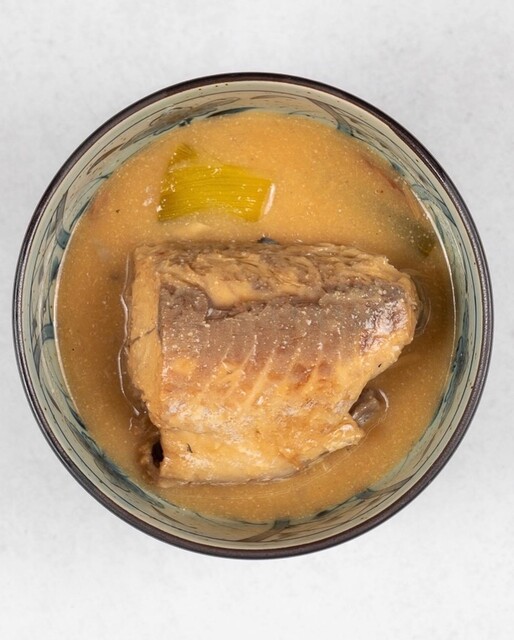
Kamiyamacho sits at a useful remove from Shibuya’s louder dining circuits: near the station economy, far enough to reward walking past the obvious options. Uoriki belongs to a Tokyo category travelers often underread: the fish-focused shokudo, where menu structure matters as much as cooking. This is not the ritualized theatre of a sushi counter or the open-ended rhythm of a late izakaya, but a tighter, meal-led format built around seafood, rice, and the confidence of a place that knows its purpose.
Tokyo’s international dining reputation can make seafood feel synonymous with omakase, but the city’s fish culture is broader and more democratic. The everyday set meal is where sourcing, portion logic, and service speed become the point. Uoriki’s placement in Tabelog’s 2026 Diner 100 list, with earlier selection in the set-meal category, matters because recognition lands in a field where consistency and repeat-use value count more than luxury signaling. Its Tabelog score of 3.71 places it in a tier where local evaluation has accumulated around a specific promise, not spectacle.
Fish, rice, and the disciplined grammar of the shokudo menu
The menu architecture tells the story. Cafeteria, seafood, and izakaya are often treated as separate labels, but in Tokyo they frequently overlap: one format supplies the meal, another the fish vocabulary, the third the drinks logic. Uoriki works inside that overlap. Fish is the anchor, not an occasional protein, and the structure points toward complete meals rather than grazing. Sashimi and seafood bowls appear in the restaurant’s own description, but the broader point is categorical: rice is not filler, it is the frame that turns fish from a premium ingredient into a daily proposition.
That distinction matters against nearby options. Sushi Rizaki Shibuya sits in a much higher price bracket, where diners pay for counter pacing, chef-controlled sequence, and the status language of omakase. FUGLEN TOKYO and Theobroma Shibuya honten answer different urban needs, from coffee to patisserie. Uoriki’s lane is narrower and more grounded: fish as lunch or early dinner, supported by sake and shochu rather than a long wine conversation. The case for going is not that it competes with expensive sushi rooms, but that it represents the parallel seafood culture those rooms can obscure.
The fish-shop connection adds credibility without needing family mythology. Tokyo has long treated specialist suppliers and neighborhood dining rooms as one ecosystem. When a fish-led cafeteria carries a retail-adjacent identity, the menu can stay concise because the category supplies the logic: fish first, set-meal structure second, drink compatibility third. Where luxury seafood can become performance, this format keeps the transaction legible.
Why this Shibuya address reads differently from a destination counter
Kamiyamacho and the Yoyogi Park edge change how a meal like this lands. The area lacks the compressed nightlife identity of central Shibuya and the hushed polish of Ginza. It better suits restaurants built on neighborhood repetition, office-adjacent routines, and diners willing to walk for a specific format. That geography fits a shokudo: the pleasure is not a rarefied sequence, but being fed with clarity.
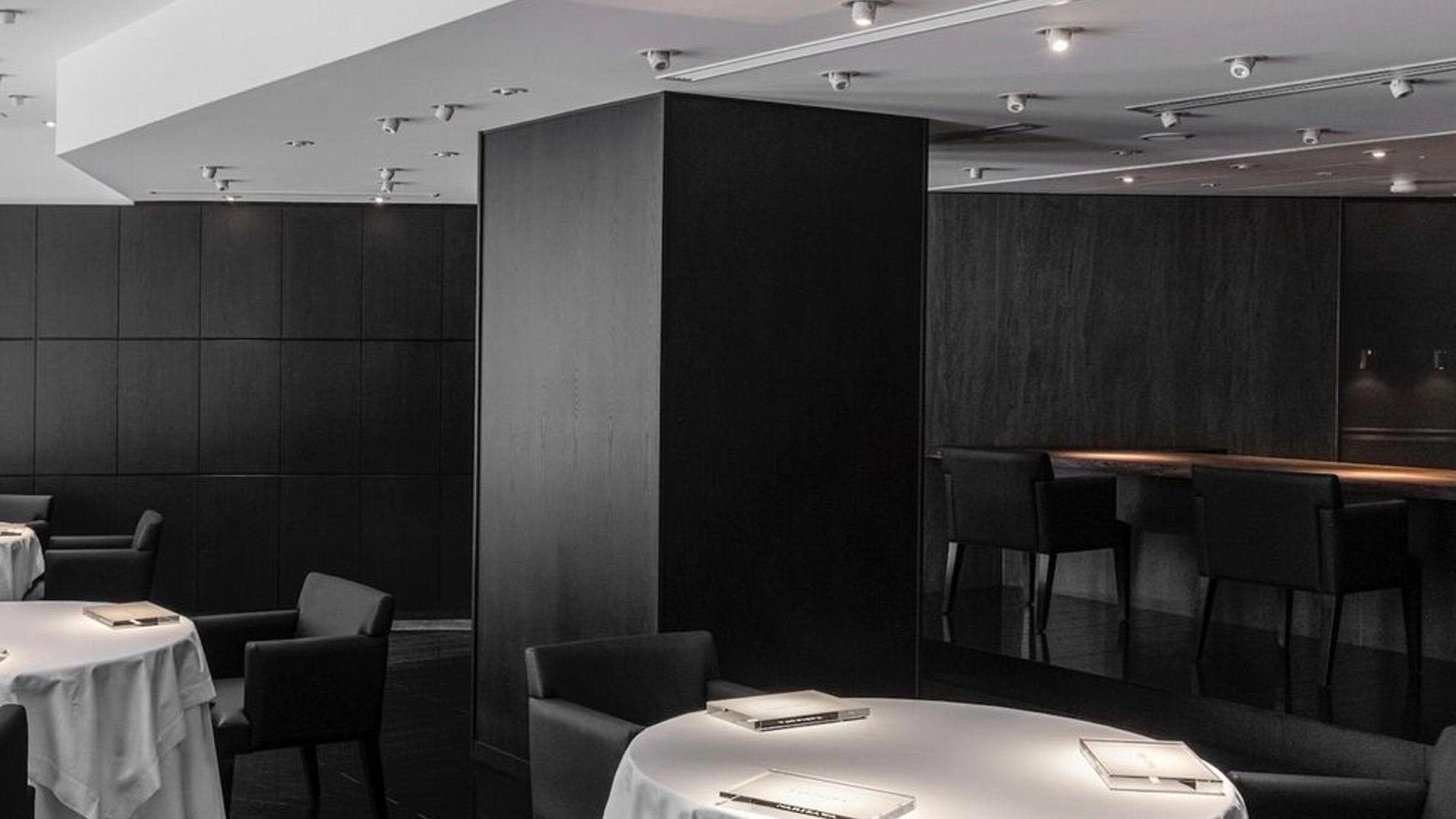
The room reinforces that reading. A compact first-floor counter and larger second-floor table area make the restaurant flexible without becoming a sprawling dining hall. Private rooms are not part of the proposition, and the non-smoking policy places it closer to contemporary family-friendly Tokyo dining than older tavern stereotypes. Children are welcome, significant in a city where seafood restaurants can split sharply between adult-only counters and casual chains. Here, accessibility does not mean anonymity.
Timing follows the format. Lunch and early evening seafood meals in Tokyo reward decisiveness: choose the fish-led structure, eat with purpose, and leave lingering to bars or kissaten. That rhythm distinguishes Uoriki from more elastic izakaya nights, where ordering unfolds drink by drink. Sake and shochu are present, but the meal remains the center. For travelers trying to understand Tokyo beyond omakase, ramen queues, and convenience-store mythology, this is a clean lesson in how residents use fish restaurants.
The editorial read: value comes from category, not ceremony
Uoriki’s strongest argument is category precision. In Tokyo, a modestly priced fish meal with recognized local standing can reveal more than another expensive counter reservation. The 2026 Tabelog Diner 100 selection identifies the restaurant within a competitive everyday field, not as a trophy stop. The earlier set-meal recognition sharpens the point: this is a place to understand teishoku and seafood bowls as serious urban food, not consolation prizes below sushi.
That makes it a useful counterweight in a Tokyo dining itinerary. Pairing a fish shokudo with higher-formality meals gives the city more texture. A traveler might look at . 鮪と炭火焼き うお炭 秋葉原店 for another fish-and-grill register, 124. KAGURAZAKA (Yakitori) for skewered poultry discipline, or 3 Chome no Curry Ya San for different Tokyo lunch logic. For contrast rather than equivalence, 12/10 Shinjuku ten and 2D Cafe show how wide the city’s casual formats run.
The same logic applies beyond Tokyo. Regional and international comparisons clarify what this restaurant is not trying to be: -Grilled beef Sukiyaki- KAMAKURA TANUKIAN 鎌倉 たぬき庵 in Kamakura belongs to a different beef-led tradition.cafe in Osaka to café culture.know in Kumamoto to another regional register, (Shoku) Vietnam in Kawasaki to Vietnamese cooking in Japan, [Curry Senmon Ten] Maruyama Kyoju. in Sapporo to curry specialization, and [ki:] in Kyoto to Kyoto’s separate dining grammar. For sake context outside Japan, Jōdo Saké Bar in Los Angeles and Onigiri Time in Pasadena show how Japanese formats translate abroad, often with different expectations around pace and choice.
For the wider trip, use Our full Tokyo restaurants guide to place Uoriki among the city’s dining categories, then cross-check the scene through Our full Tokyo hotels guide, Our full Tokyo bars guide, Our full Tokyo wineries guide, and Our full Tokyo experiences guide. The better Tokyo itineraries do not chase only prestige dining. They balance ceremony with the meal formats that keep the city fed.
A Pricing-First Comparison
Comparable options at the same price tier.
| Venue | Cuisine | Price | Notes |
|---|---|---|---|
| UorikiThis venue — the venue you are viewing | Not listed | $ | Not listed |
| Uogashi Nihon-ichi (魚がし日本一) | Shibuya, Standing Sushi Bar | $ | Not listed |
| Higashi Shinjuku Sanrasa | Shinjuku, Japanese Curry | $ | Not listed |
| Ramen Jiro Mita honten | Minato, Japanese Ramen | $ | Not listed |
| Kanmi Okame Yuurakuchou ten | Not listed | $ | Chiyoda, Traditional Japanese sweets cafe (wagashi & kakigori) |
| Sabouru 2 | Not listed | $ | Chiyoda, Yoshoku & Napolitan Pasta Kissaten |
Recognition history
Dated appearances from independent guides and award organizations, with the underlying list record or original source where available.
Tabelog 100 #89 · No. 89
Tabelog · Tabelog 100 - Diner - 2026













At a Glance
- Classic
- Cozy
- Lively
- Solo
- Family
- Casual Hangout
- After Work
- Group Dining
- Standalone
- Historic Building
- Local Sourcing
- Sustainable Seafood