

Star Wine List · Wine Spectator Best of Award of Excellence
Our verdict
Kayuputi occupies the Nusa Dua hotel corridor, where Bali's resort dining scene has historically defaulted to safe internationalism. Its Star Wine List White Star recognition signals a wine program that operates at a different register. For visitors tracking where serious ingredient-led cooking and a considered cellar intersect in southern Bali, this is a property worth understanding before you book.

Pearl is the En Primeur Club membership app, where members save venues, book tables and use the concierge.
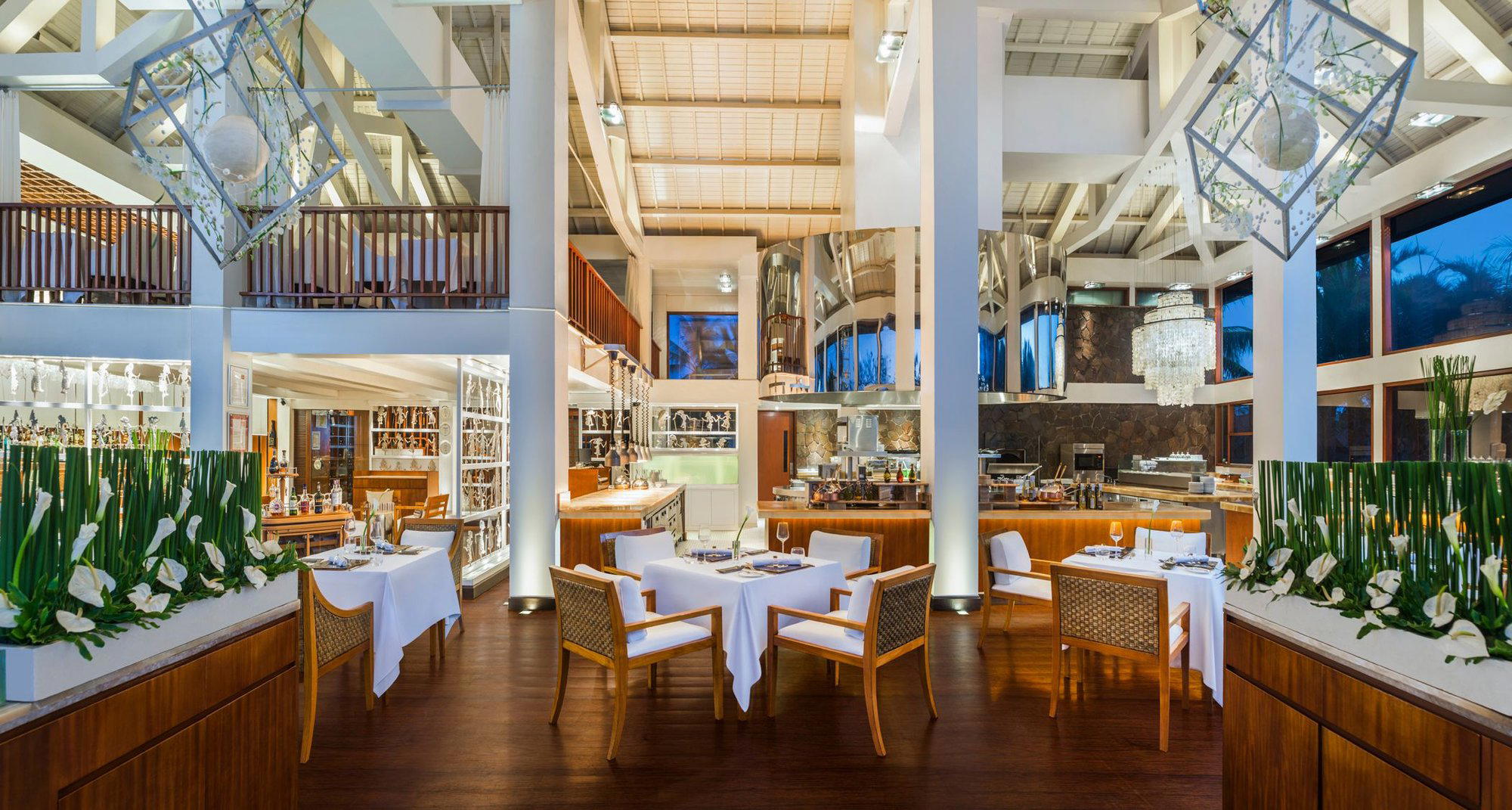
Where Nusa Dua's Resort Strip Gets Serious
The approach to Nusa Dua sets expectations that Kayuputi works against. This southern corridor of Bali is dominated by large international resort footprints, properties where food and beverage tends to operate as a comfort service rather than a destination in its own right. The physical environment here is polished and composed in the way that major resort zones across Southeast Asia tend to be: landscaped, intentional, insulated from the noise of the island's busier creative quarters. Against that context, a restaurant earning external recognition from a specialist wine publication is a meaningful signal. Star Wine List's White Star designation, awarded in December 2023, is given to venues with wine programs of genuine depth rather than volume, placing Kayuputi in a different tier from the resort-dining standard around it.
That distinction matters more when you consider how Nusa Dua sits in Bali's broader dining geography. The island's most discussed ingredient-led restaurants tend to cluster further north: Moksa in Ubud works from a permaculture garden, and Locavore NXT in Ubud has driven much of the international conversation around Indonesian fine dining since its opening. Nusa Dua has rarely featured in that conversation. Kayuputi's recognition asks whether that assumption should be revisited.
The Sourcing Question in Balinese Fine Dining
Ingredient provenance has become the defining argument in Indonesian fine dining over the past decade. What began as a niche position, held by a handful of Ubud-based operators, has expanded into a wider expectation. Restaurants across Bali now make claims about local supply chains, but the credibility of those claims varies considerably. The meaningful markers are structural: whether a kitchen has built relationships with specific farmers, whether the menu shifts with what those relationships produce, and whether the wine program reflects a similar sourcing discipline or defaults to globally branded bottles that could appear on any list anywhere in the world.
A Star Wine List White Star indicates that Kayuputi's cellar clears a bar that most resort restaurants in the region do not. The award considers list construction, range, and the quality of sourcing decisions rather than simply the length of a wine menu. In a region where wine service is often treated as a secondary concern behind food and atmosphere, that credential positions the restaurant as a venue where the beverage program has been built with the same intentionality as the kitchen. For a dinner where you want the wine to be as considered as the food, that is not a negligible point.
The broader pattern in Indonesian fine dining is that the most credible venues are those treating local produce not as a marketing posture but as a structural kitchen decision. Sarong Bali in Canggu has operated with a similarly ingredient-attentive approach in Bali's west, while Rumari in Jimbaran represents another Badung Regency property working with coastal and island-sourced ingredients in a fine-dining register. Understanding where Kayuputi sits relative to those properties requires knowing what its kitchen prioritises, which is precisely why visiting with questions about sourcing is worthwhile.
The Wine Program as a Lens
For a venue to earn specialist wine recognition in a tropical island context is a logistical achievement as much as a curatorial one. Wine storage, service temperature, and the challenge of building and maintaining a list in a supply environment that prioritises volume over depth all work against the sort of program that earns a White Star. The restaurants that manage it in Southeast Asia tend to share a commitment to treating the cellar as a serious investment rather than an amenity. 8 1/2 Otto e Mezzo Bombana in Hong Kong and Alain Ducasse at Louis XV in Monte Carlo represent the extreme end of that commitment in the Asia-Pacific and European fine dining worlds respectively. Kayuputi sits in a different tier and context, but the recognition places it alongside properties that take the same question seriously.
Wine pairings in tropical settings also raise different challenges than in temperate fine-dining cities. The food tends toward acidity, heat, and aromatic complexity that can overwhelm European wine structures. Restaurants that earn specialist recognition in this context have typically done the work of curating specifically for the cuisine rather than simply assembling a prestigious but geographically mismatched cellar. That curatorial discipline, if present, is worth exploring at the table.
Kayuputi in the Nusa Dua Context
Nusa Dua's positioning within Bali has always been as the island's most controlled luxury zone, a planned resort area where the infrastructure is reliable and the experience is deliberately managed. For travellers staying in this part of Bali, the question is often whether to travel to Seminyak, Canggu, or Ubud for serious dining or whether something meaningful is available locally. The Legian in Seminyak and Lulu Bistrot in Badung represent the calibre of restaurant available in those adjacent areas. Kayuputi's wine credentials suggest it belongs in the same planning consideration for visitors based in or near Nusa Dua.
For visitors comparing across Indonesia's wider dining scene, context from other cities is useful: August in Jakarta and Kahyangan in Gondangdia represent what the country's capital produces at a serious level. Bali operates in a different register, where tourism shapes the market and where the interplay between resort infrastructure and independent culinary ambition produces a more varied landscape than Jakarta's city-driven dining economy. Kayuputi sits at that intersection in Nusa Dua.
Planning a Visit
Kayuputi is located at the Kawasan Pariwisata resort area on Jalan Nusa Dua in Benoa, within the Kuta Selatan district of Badung Regency. The address places it within the central Nusa Dua development, accessible from the major resort properties in the zone. Given the award recognition and the typically high demand that resort-area fine dining faces in peak Bali travel season, securing a reservation before arrival rather than on the night is the practical approach. Bali's high season runs from July through August and again across the December holiday period, when tables at recognised venues fill quickly. Travelling outside those windows, particularly in the April to June shoulder period, gives more flexibility. For those building a wider Bali itinerary around serious dining and drinking, the full Bali restaurants guide, Bali bars guide, Bali hotels guide, Bali wineries guide, and Bali experiences guide provide the full picture.
Frequently asked questions
Where exactly is Kayuputi?
Kayuputi is located at Kawasan Pariwisata, Jalan Nusa Dua, Benoa, Kec. Kuta Sel. Kabupaten Badung, Bali 80363, Indonesia, Bali.
Does Kayuputi have a Michelin star or similar recognition?
Kayuputi has received recognition including: Kayuputi is a restaurant venue.without_translation_and hotel in Bali, Indonesia. It was published on Star Wine List on December 5, 2023 and is a White Star.
What do people recommend at Kayuputi?
Guests interested in wine-led dining will find that pairing is woven into the meal rather than treated as an afterthought. For current menu details, check the venue's official channels or check closer to your visit date.
Should I book Kayuputi in advance?
Kayuputi sits within the Kawasan Pariwisata resort zone on Jalan Nusa Dua in Benoa, Badung Regency, an area where demand from resort guests and destination diners runs steadily. Securing a reservation ahead of your stay is advisable, particularly during Bali's peak travel periods from July through August and over the Christmas and New Year stretch.
What has Kayuputi built its reputation on?
Kayuputi earned a White Star from Star Wine List, published in December 2023, which places it among a select group of venues in Indonesia recognised for wine program quality. That credential, in a tropical island context where cellar conditions are logistically demanding, marks it as a venue that takes the wine side of the equation seriously alongside the food.
What if I have allergies at Kayuputi?
The standard approach at fine dining restaurants in Bali's Nusa Dua corridor is to accommodate dietary requirements when notified at the time of booking. Contact Kayuputi directly before your reservation to confirm what accommodations are possible.
Comparable Spots, Quickly
Comparable venues nearby, for context on price, style, and recognition.
| Venue | Cuisine | Price | Awards | Notes |
|---|---|---|---|---|
| KayuputiThis venue (the venue you are viewing) | Modern French Fine Dining | $100–150 | Star Wine List · Wine Spectator Best of Award of Excellence | Not listed |
| Apéritif Restaurant & Bar | Modern Fusion Fine Dining | $150–200 | Star Wine List | Ubud |
| Moksa | Plant-Based Vegan Permaculture | $20–30 | We're Smart World 3 Radishes | Sayan, Ubud |
| Babi Guling Pak Dobiel | Traditional Balinese Roasted Suckling Pig (Babi Guling) | $1–10 | Not listed | Nusa Dua, Benoa, South Kuta |
| Peloton Supershop | Plant-Based Cafe | $10–20 | Not listed | Berawa |
| Kynd Community | Plant-Based Café | $10–20 | Not listed | Seminyak |
Recognition history
Dated appearances from independent guides and award organizations, with the underlying list record or original source where available.
Star Wine List
Star Wine List
Wine Spectator Best of Award of Excellence
Wine Spectator
Continue exploring
More in Bali
Restaurants in Bali
All restaurants in Bali →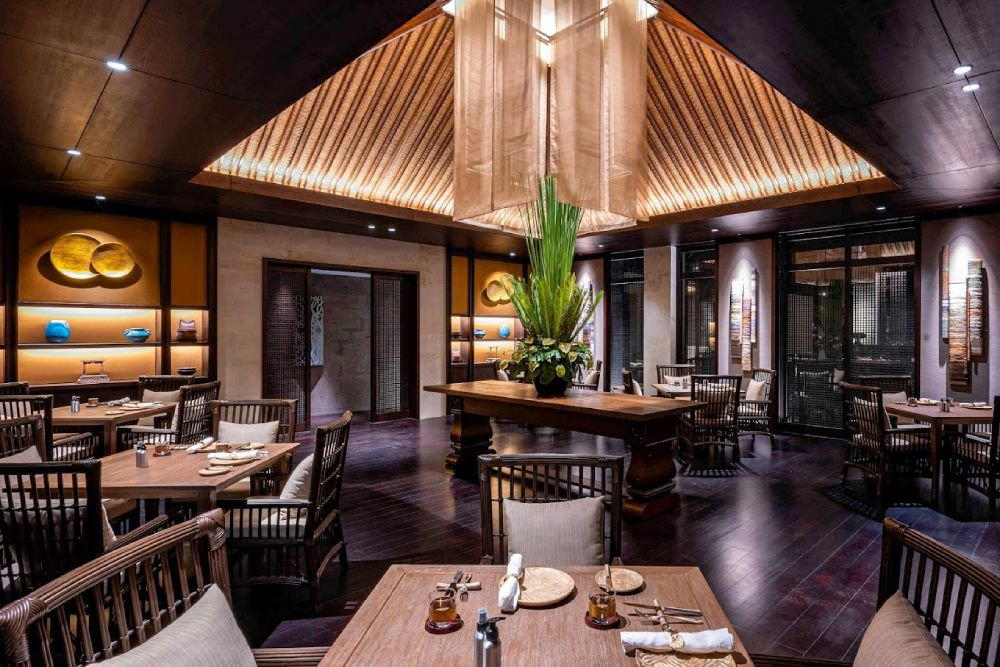



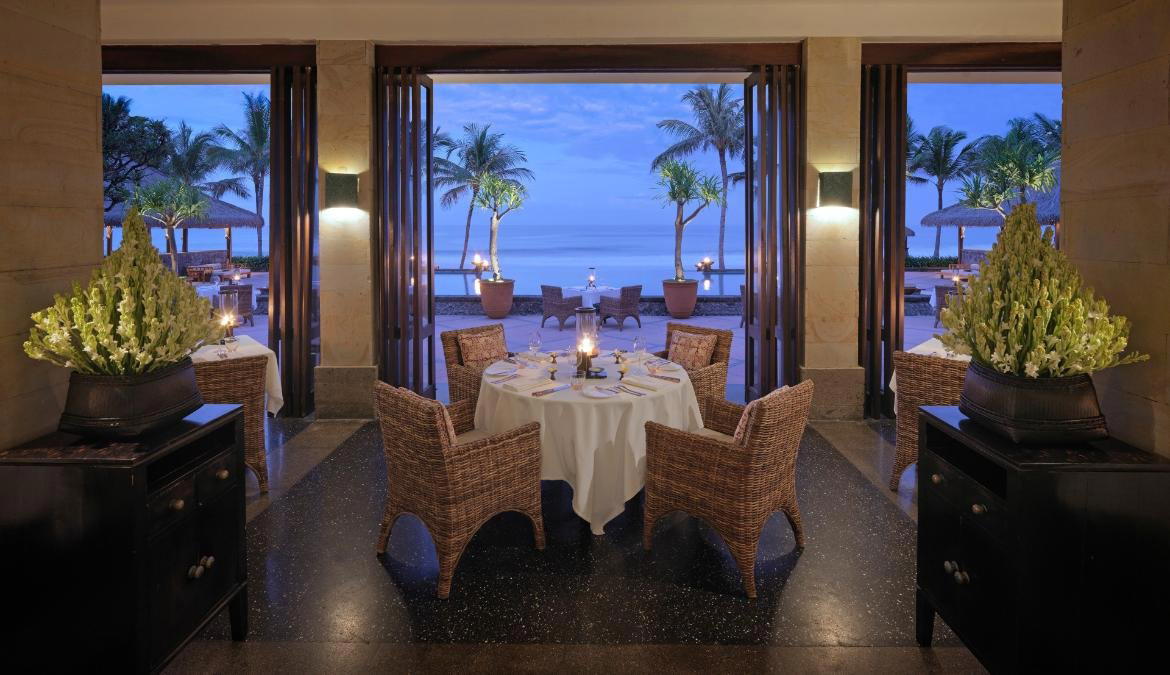
Bars in Bali
All bars in Bali →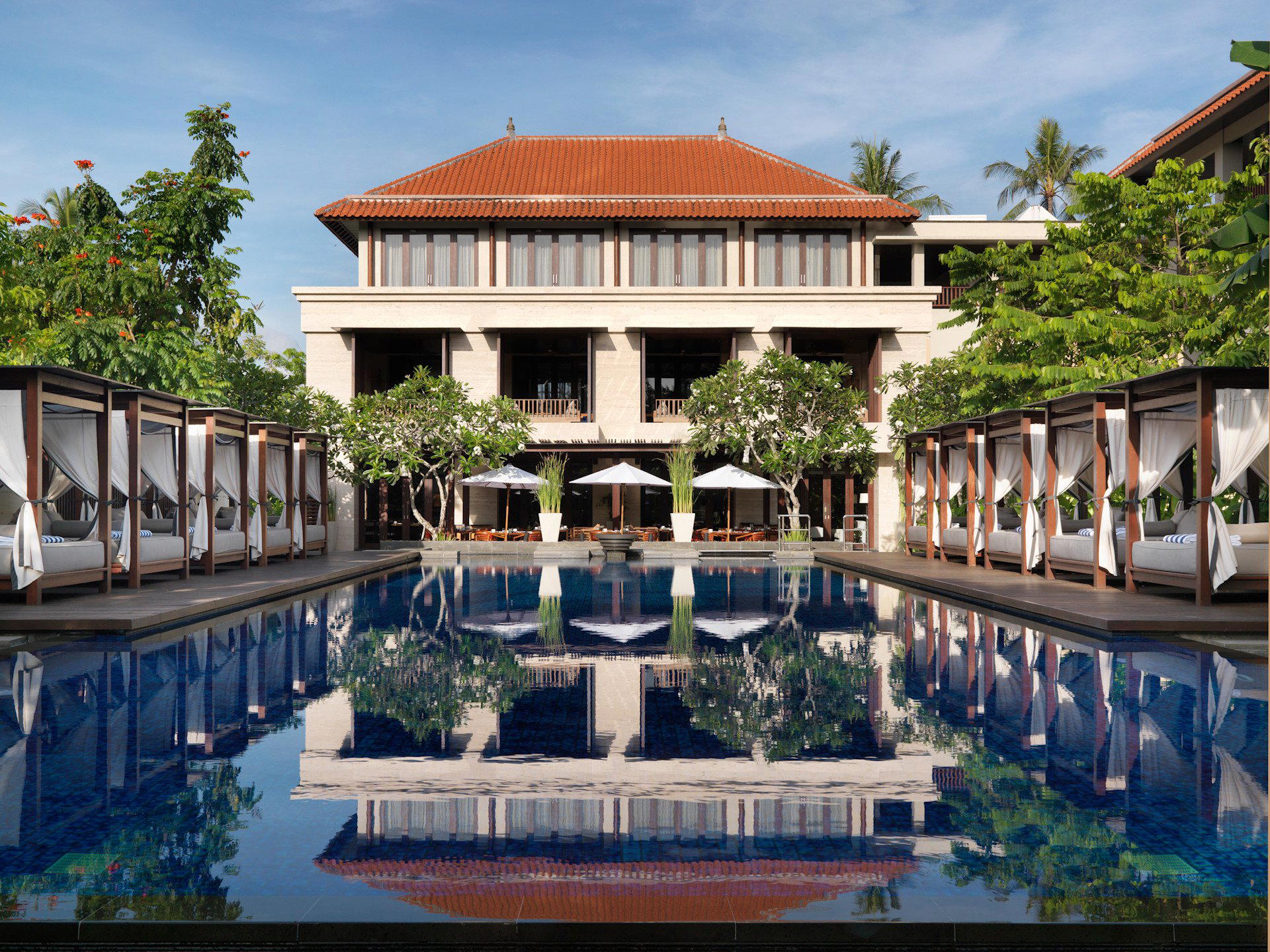

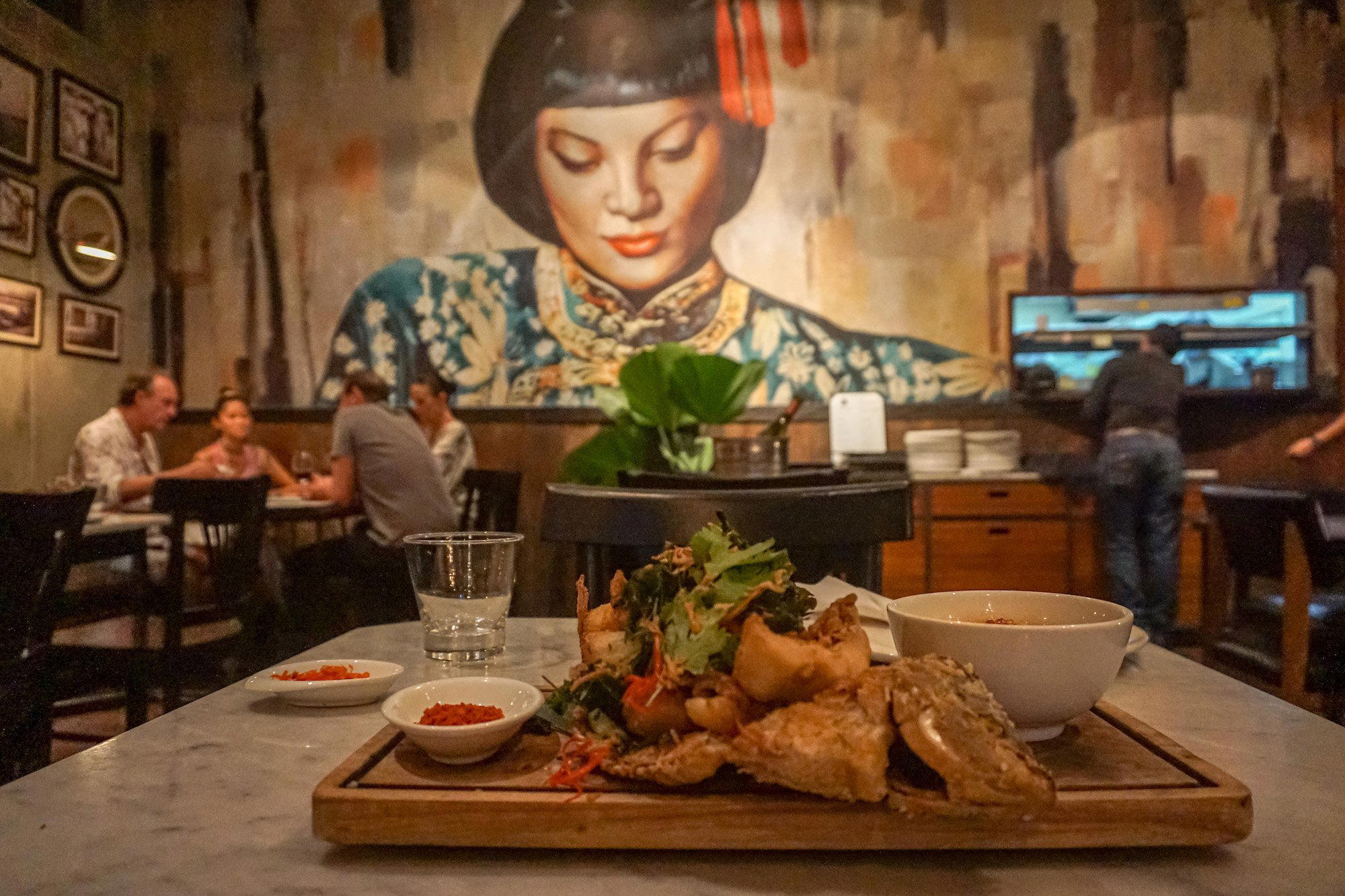
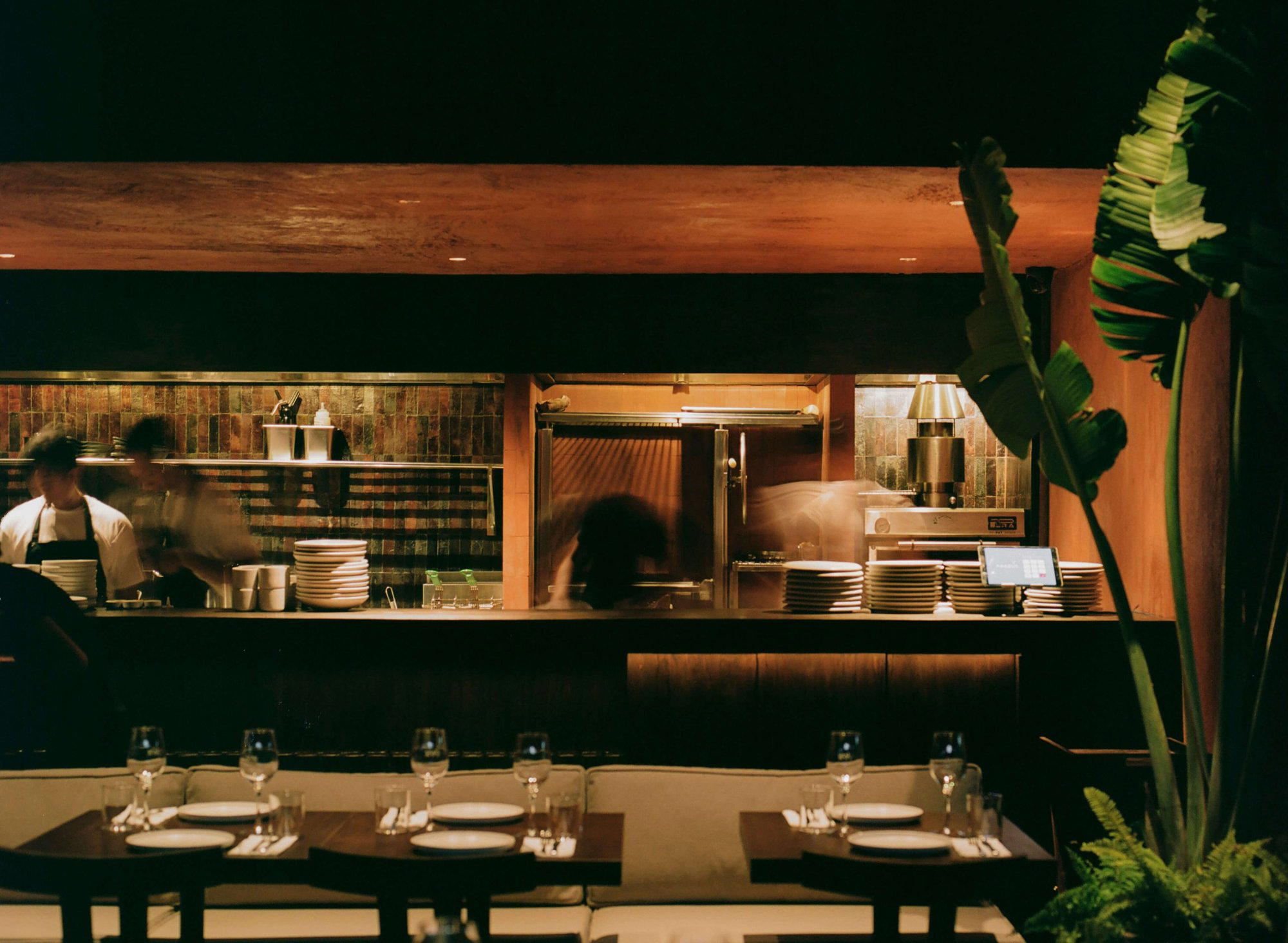


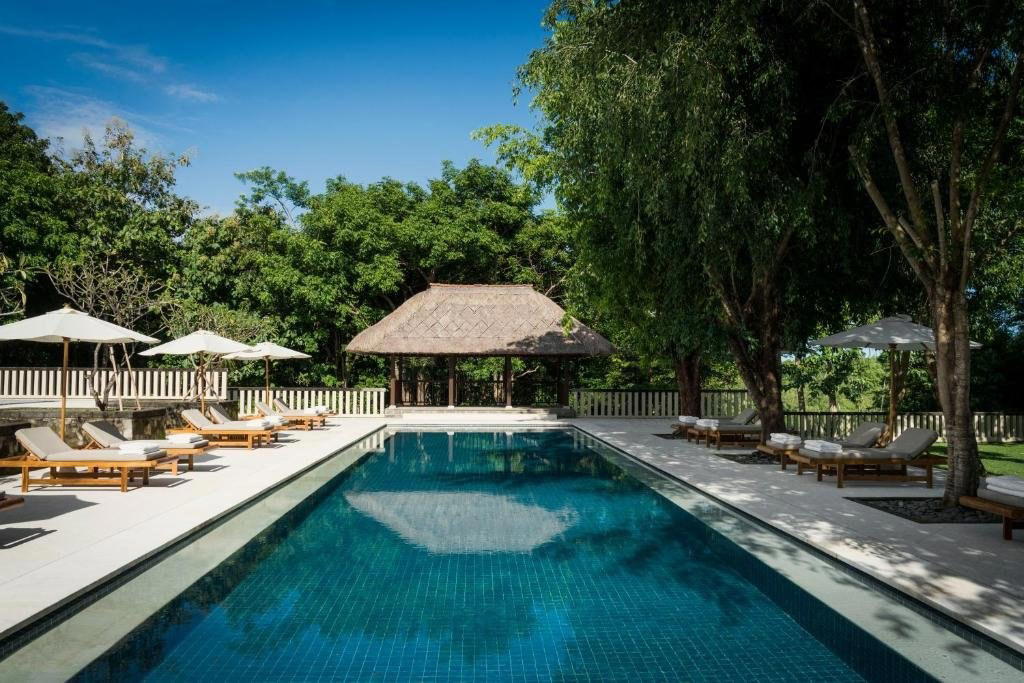


Kayuputi
The wine
Kayuputi holds the Wine Spectator Best of Award of Excellence, which Wine Spectator gives to lists of usually 350 or more selections.
- Wine Spectator
- Wine Spectator Best of Award of Excellence
- Extensive wine list
Details
- Elegant
- Sophisticated
- Romantic
- Scenic
- Intimate
- Date Night
- Special Occasion
- Celebration
- Beachfront
- Open Kitchen
- Terrace
- Extensive Wine List
- Local Sourcing
- Waterfront
Current opening hours
- Monday
- 12–10:30 PM
- Tuesday
- 12–10:30 PM
- Wednesday
- 12–10:30 PM
- Thursday
- 12–10:30 PM
- Friday
- 12–10:30 PM
- Saturday
- 12–10:30 PM
- Sunday
- 12–10:30 PM
Hours can change for holidays and private events. Last verified .
Airy and refined with bright lighting, open kitchen energy, and serene beachfront views creating an elegant yet relaxed atmosphere.