Our verdict
On Via Acciaioli, a short walk from the Tiber, Écru occupies a quietly considered space that positions it within Rome's emerging tier of design-conscious dining rooms. The address alone signals intent: a street where the city's historic fabric is dense and the competition for serious-minded diners is real. For those tracking where Rome's creative restaurant scene is moving, Écru merits attention.

Pearl is the En Primeur Club membership app, where members save venues, book tables and use the concierge.
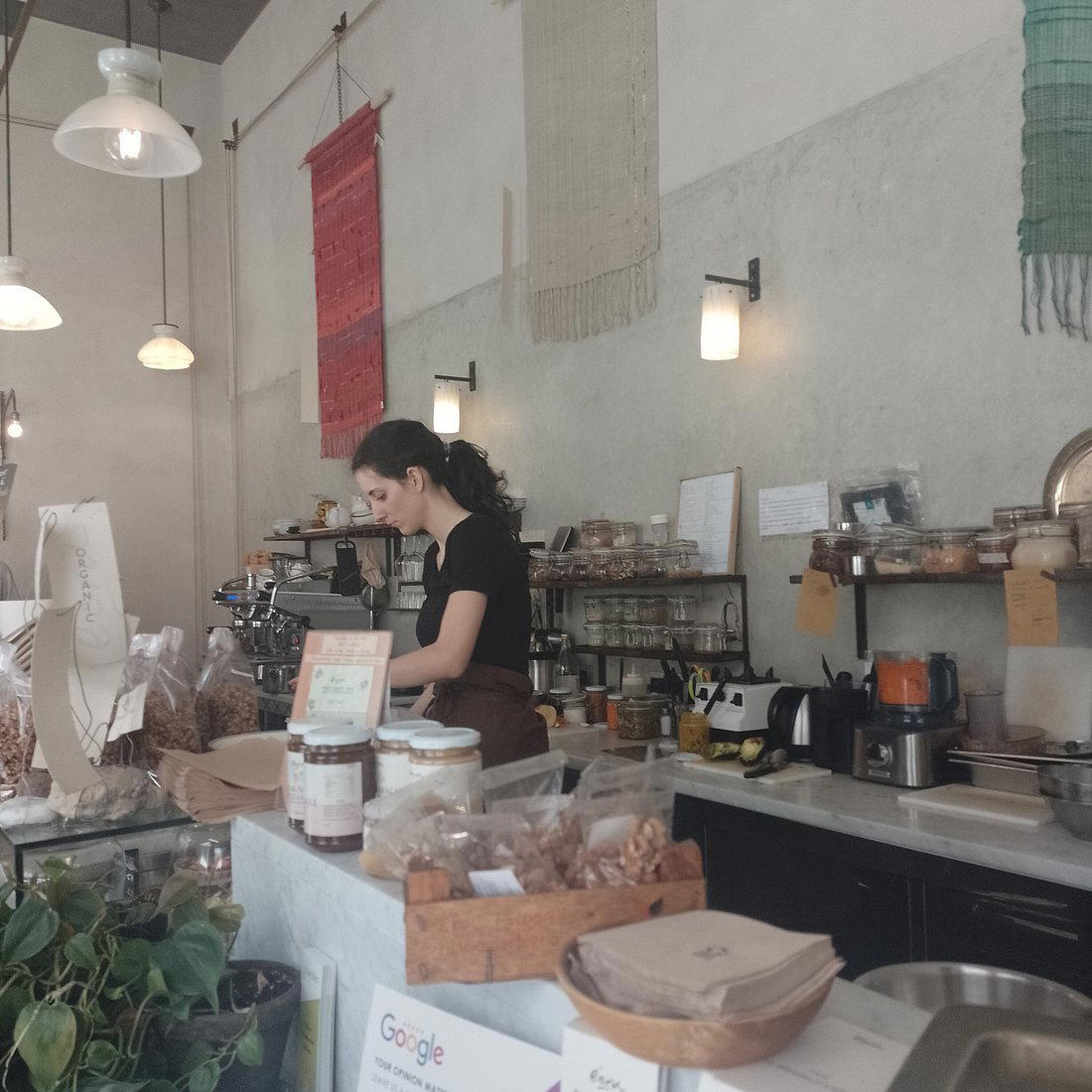
The menu
What to order
- Mushroom Caps with Cream Spinach
- Peanut Butter Bar
- Banana Pancake with Raw Cocoa Cream
- Sprouted Hummus with Ancient Grain Crackers
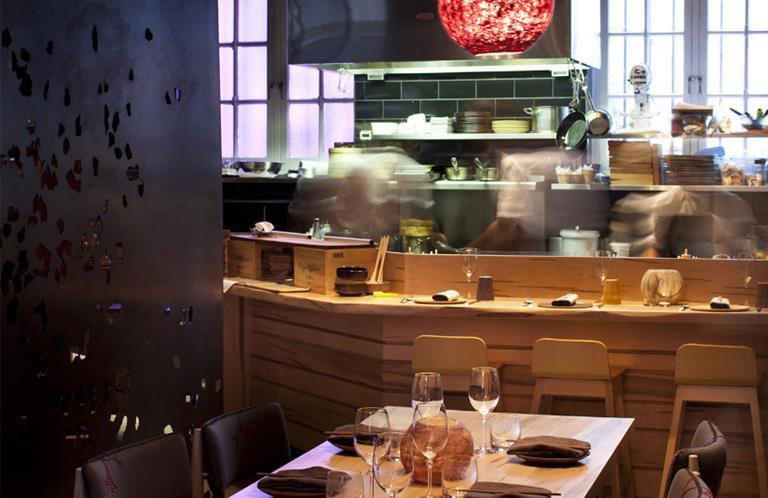
A Dining Room That Makes a Spatial Argument
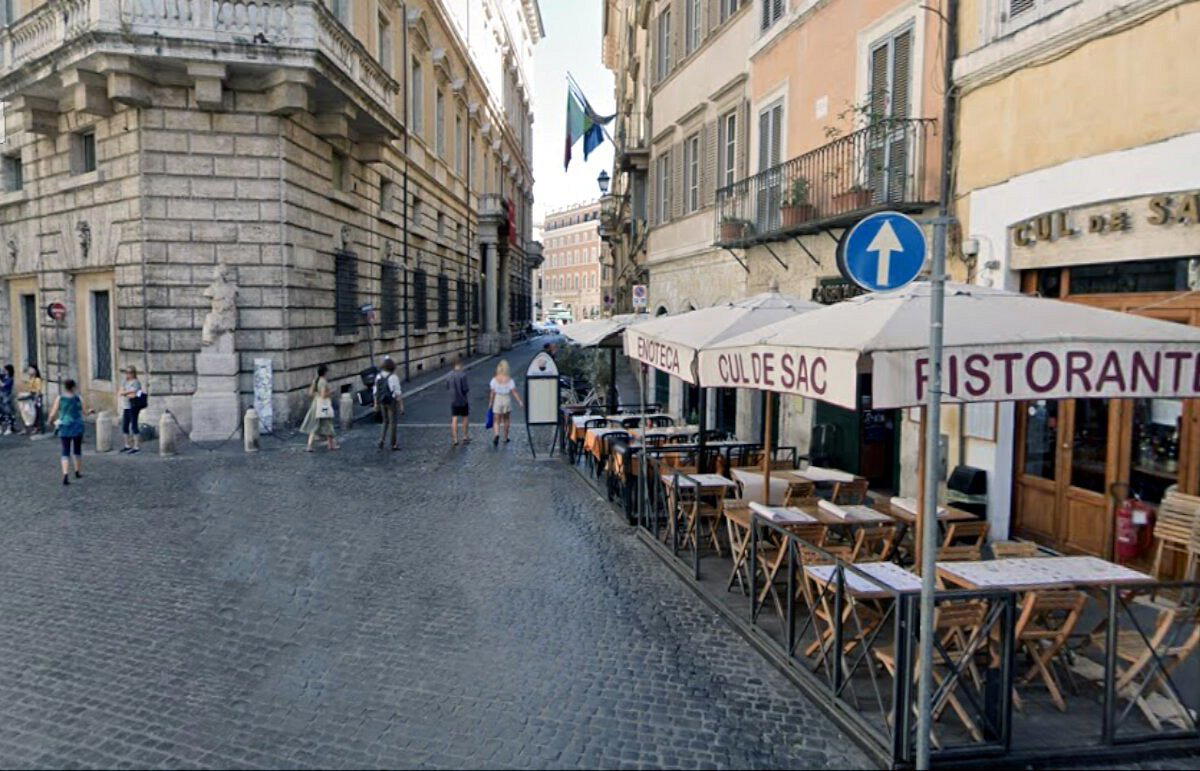
Via Acciaioli sits in the historic centre of Rome, close enough to the Tiber that the air carries a particular weight in summer evenings, and hemmed in by the kind of ochre-walled streets that have housed Romans, pilgrims, and foreign correspondents for centuries. It is not a street where restaurants open casually. The address at number 13 belongs to Écru, and the name itself, the French word for the undyed, unbleached quality of raw linen, signals something about the design posture before you have sat down. In a city where many ambitious dining rooms reach for grandeur through gilded ceilings and heavy drapes, a name that gestures toward restraint and the natural state of materials reads as a deliberate counter-position.
Rome's fine dining interior vocabulary has historically defaulted to the monumental: vaulted stone, archaeological references, the weight of empire pressed into the decor. The more recent wave of considered modern restaurants has carved out a different register, one where materiality is addressed rather than obscured. Écru's address in the centro storico places it inside that newer current, in a neighbourhood where the backdrop is already so historically loaded that interiors which shout tend to lose the argument to the street outside.
Where This Address Fits in Rome's Creative Dining Tier
Rome's serious restaurant scene has never been as geographically concentrated as Milan's or as institutionally decorated as Florence's, where Enoteca Pinchiorri in Florence has held its position for decades as a reference point for Italian grand dining. Rome instead operates across scattered neighbourhoods, with creative kitchens turning up in Prati, Testaccio, and the centro storico in roughly equal measure. The city's Michelin-decorated addresses include La Pergola, which sits at three stars and occupies a different tier entirely, and a mid-tier of creative kitchens that includes Il Pagliaccio, Acquolina, and Enoteca La Torre, all working within the creative and contemporary Italian registers at the €€€€ price bracket.
Écru's position within this map is worth understanding before you book. The Via Acciaioli address places it in the most historically trafficked part of the city, which means it is both accessible to visitors staying in the centre and subject to the distorting economics of high-footfall locations. Restaurants that survive and develop a serious identity in this part of Rome tend to do so because their interior and kitchen proposition gives regulars a reason to return that goes beyond convenience. The same pressure applies to comparable addresses across Italy's creative fine dining tier: consider how Achilli al Parlamento has used its central position to build a wine-led identity that differentiates it from nearby competition.
The Design Logic of the Space
The name Écru implies a specific material sensibility: the absence of applied colour, a preference for the texture and tone of things in their least processed state. In interior terms, this translates to a set of recognisable choices, natural stone, undyed textiles, warm neutrals, light sources that work with material surfaces rather than flattening them. Whether the execution of this at Via Acciaioli 13 meets that implied standard cannot be confirmed without current verified data, but the name functions as a programme note for what the dining room is attempting.
Across Italy's newer generation of serious restaurants, the design conversation has moved significantly. At the broader Italian level, addresses like Reale in Castel di Sangro and Piazza Duomo in Alba have demonstrated that a considered spatial identity is now treated as integral to the overall proposition, not decorative. The leading Italian creative kitchens now think about the room's material character, acoustic behaviour, and seating geometry as extensions of the culinary argument. A name like Écru places the venue in that conversation explicitly.
In Rome specifically, the challenge for any design-conscious room is that the city itself is the dominant visual environment. Diners arrive having walked past the Pantheon or along the Lungotevere; the interior needs to create a coherent sensory shift without competing with what is outside. This is a problem that Rome's more architecturally considered rooms, and their counterparts elsewhere in Europe, from Le Bernardin in New York City to Lazy Bear in San Francisco, have approached in different ways, with varying degrees of success.
Italy's Wider Creative Scene as Context
Understanding where Écru sits requires at least a passing knowledge of where Italy's creative dining tier has moved in the past decade. Osteria Francescana in Modena set a global reference point for Italian conceptual cooking. Enrico Bartolini in Milan represents the decorated multi-site version of Italian contemporary cuisine. Outside the major cities, addresses like Uliassi in Senigallia, Dal Pescatore in Runate, Quattro Passi in Marina del Cantone, Atelier Moessmer Norbert Niederkofler in Brunico, and Le Calandre in Rubano each represent how Italian fine dining has developed strong regional identities. Rome's creative tier is working against a different set of pressures: a tourist economy that can sustain mediocrity, a local dining culture that retains strong loyalties to traditional formats, and a recent influx of more internationally minded kitchens. See our full Rome restaurants guide for a broader map of how the city's scene is currently arranged.
Planning Your Visit
Know Before You Go
- Address: Via Acciaioli, 13, 00186 Roma RM, Italy
- Location context: Central Rome, close to the Tiber and the historic centre. Walkable from most centro storico hotels.
- Website: Not currently listed. Search current booking platforms for availability.
- Pricing: Given the address and positioning, budget accordingly and verify before visiting.
- Reservations: Given the centro storico location and the category of restaurant, advance booking is advisable, particularly for weekend evenings and during peak tourist months (April through October).
Frequently asked questions
Where exactly is Écru?
Écru is located at Via Acciaioli, 13, 00186 Roma RM, Italy, Rome.
What kind of atmosphere does Écru offer compared to other Rome historic centre restaurants?
Écru's name signals a deliberate departure from the ornate, heavily decorated interiors that characterise many restaurants in Rome's centro storico. Where much of the neighbourhood leans into frescoed ceilings and classical reference, a restaurant called Écru is positioning itself through material absence, raw tones, unfinished textures, deliberate quiet.
What dish is Écru famous for?
The restaurant's name, a term for undyed, unbleached fabric, suggests a kitchen philosophy oriented around restraint and raw material integrity rather than showpiece technique, which at Via Acciaioli 13 in Rome's centro storico typically points toward produce-led cooking. Confirming specifics requires contacting the venue directly.
Should I book Écru in advance?
For a design-conscious restaurant at Via Acciaioli 13 in Rome's historic centre, booking ahead is the practical approach. The centro storico operates at high occupancy for most of the year, and smaller creative restaurants in this neighbourhood fill their covers quickly, particularly on Thursday through Saturday evenings. No phone or website is confirmed publicly, so reaching Écru requires current local research.
What's the defining dish or idea at Écru?
The name Écru points toward a specific editorial position: unprocessed, unadorned, with texture doing the work that colour and decoration usually do. In culinary terms, that aesthetic tends to favour single-origin ingredients treated with minimal intervention, in a room where the design makes the same argument as the plate. This is a restaurant where the concept precedes the menu, not the other way around.
Can Écru adjust for dietary needs?
Guests with firm dietary requirements should seek current contact details through Rome restaurant reservation platforms before arrival.
Should I splurge on Écru?
What can be said is that the Via Acciaioli address places it in one of Rome's higher-rent corridors in the historic centre, and restaurants at this location with a design-led identity generally operate in the mid-to-upper price tier. Treat this as a destination dinner rather than a casual stop, and verify current pricing before booking.
Comparable Venues
Comparable venues nearby, for context on price, style, and recognition.
| Venue | Cuisine | Price | Notes |
|---|---|---|---|
| ÉcruThis venue (the venue you are viewing) | Raw Vegan Organic Café | $20–30 | Not listed |
| Trattoria da Lucia | Traditional Roman Trattoria | $20–30 | Trastevere |
| Borgo Nuovo | Roman Trattoria & Pizzeria | $20–30 | Borgo |
| Ristorante dai Pupi | Sicilian Seafood | $30–50 | Campo Marzio |
| Hostaria Isidoro | Traditional Roman Trattoria | $30–50 | Monti |
| Trattoria Morgana | Traditional Roman Trattoria | $20–30 | Monti |
Continue exploring
More in Rome
Restaurants in Rome
All restaurants in Rome →
Bars in Rome
All bars in Rome →

Details
- Cozy
- Modern
- Casual Hangout
- Solo
- Brunch
- Open Kitchen
- Standalone
- Farm To Table
- Organic
- Local Sourcing
- A La Carte
- Smoothies
- Milkshakes
- Vegetarian Friendly
- Vegan Options
- Gluten Free Options
- Organic Focus
Current opening hours
- Monday
- 12–9 PM
- Tuesday
- Closed
- Wednesday
- Closed
- Thursday
- 12–9 PM
- Friday
- 12–9 PM
- Saturday
- 12–11 PM
- Sunday
- 12–9 PM
Hours can change for holidays and private events. Hours as of .
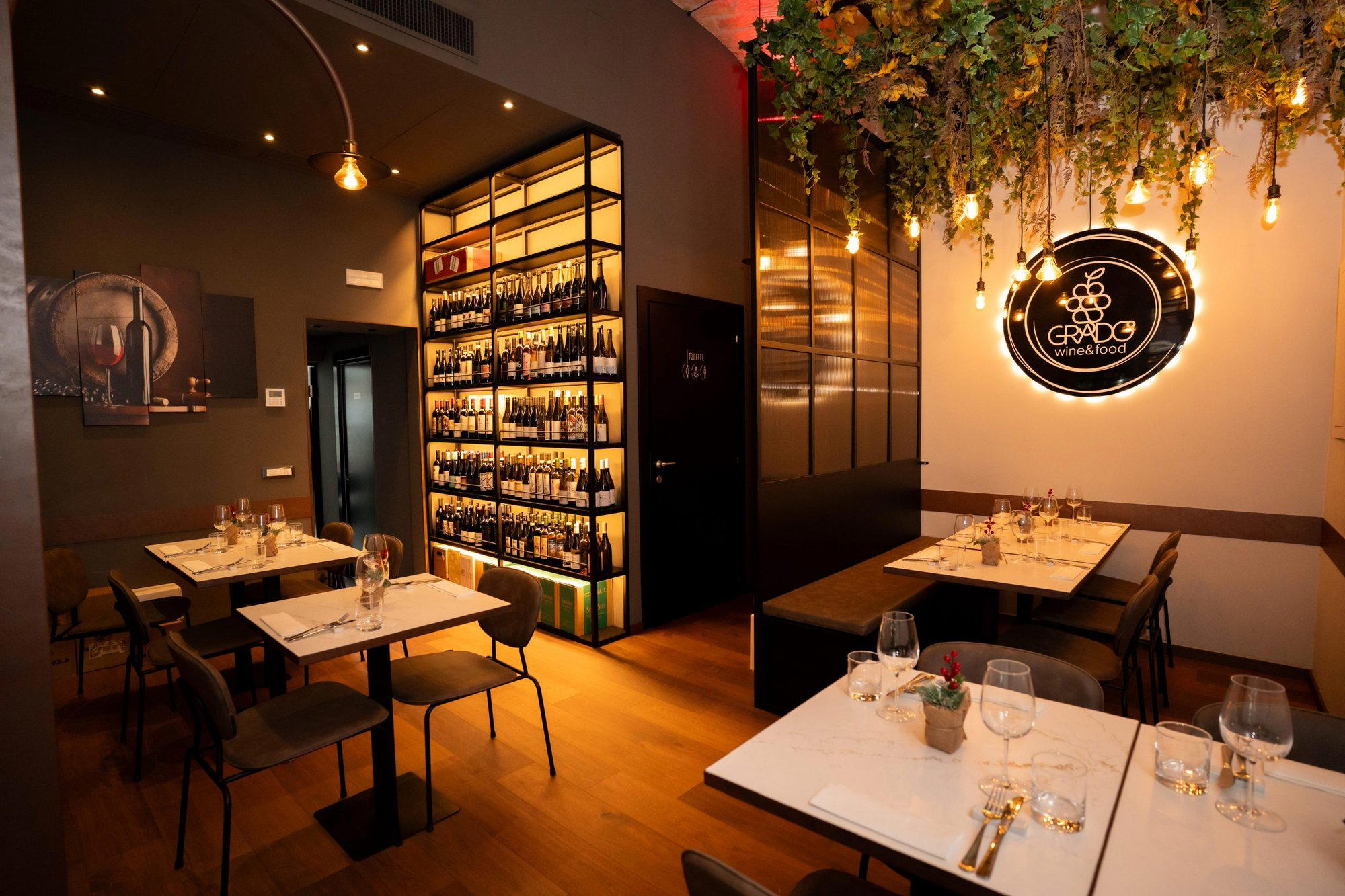
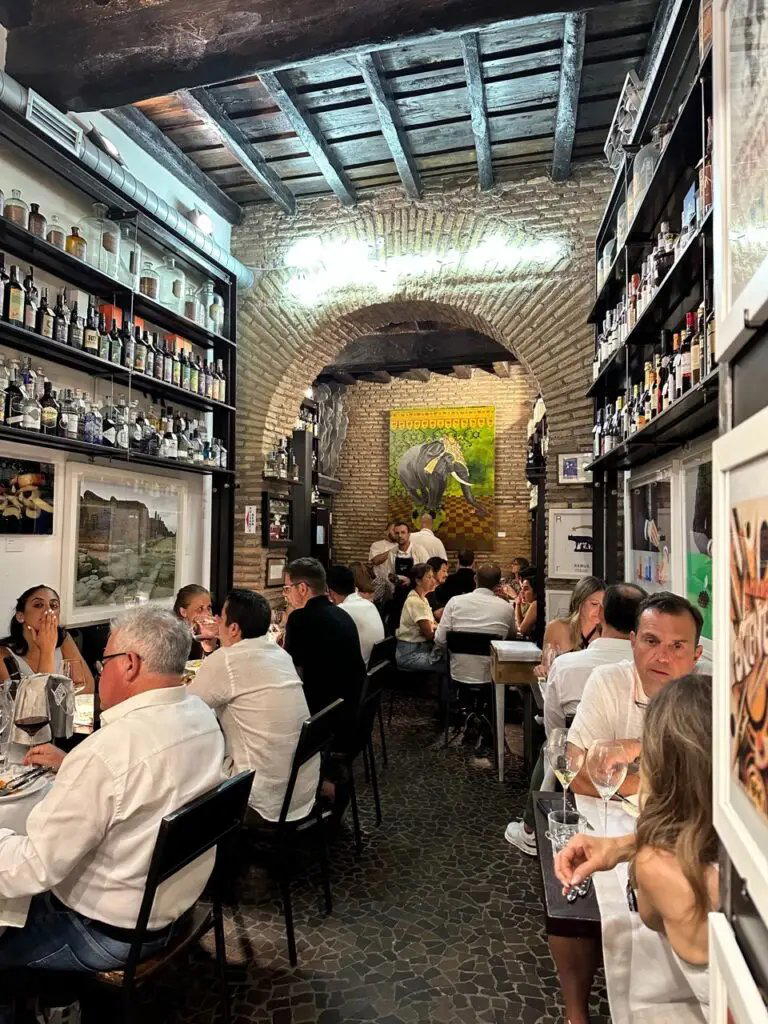
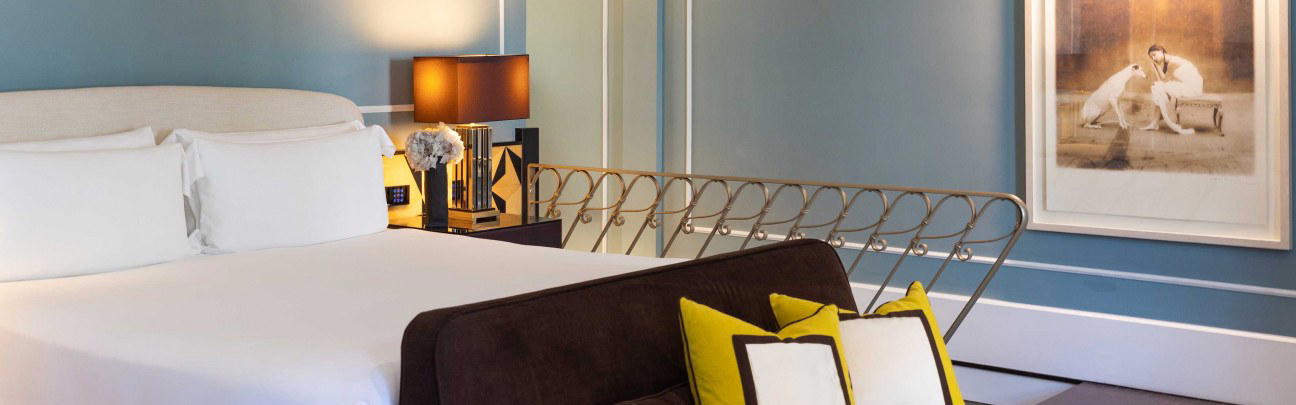
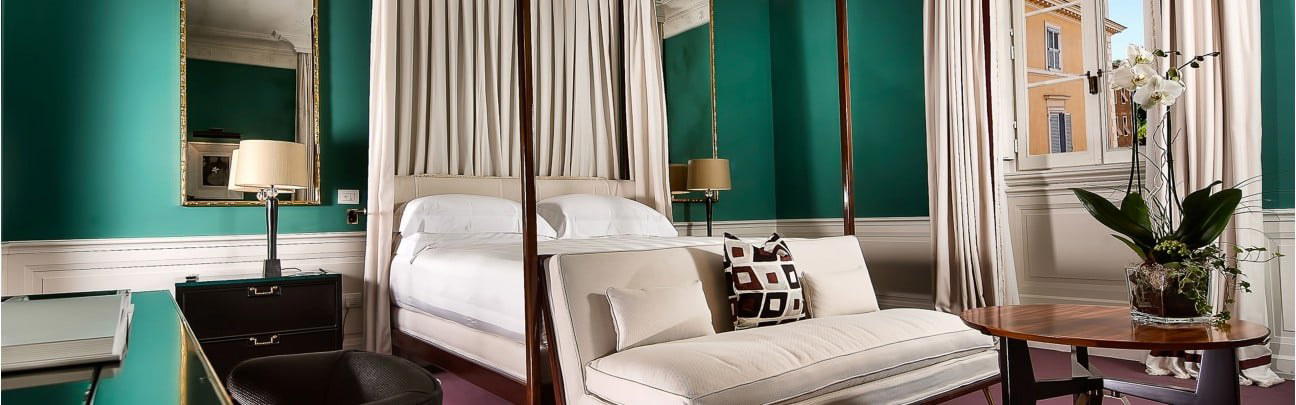
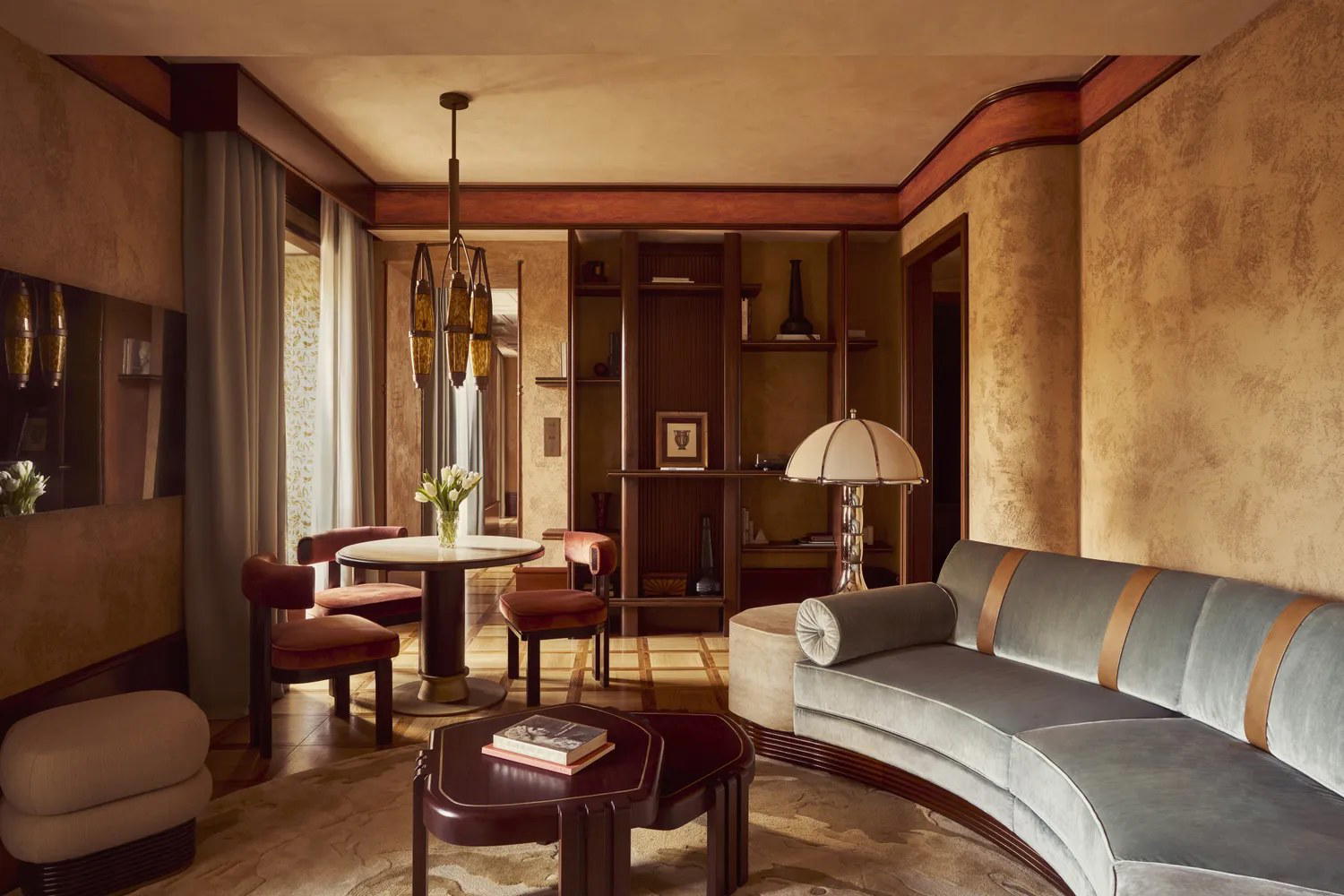
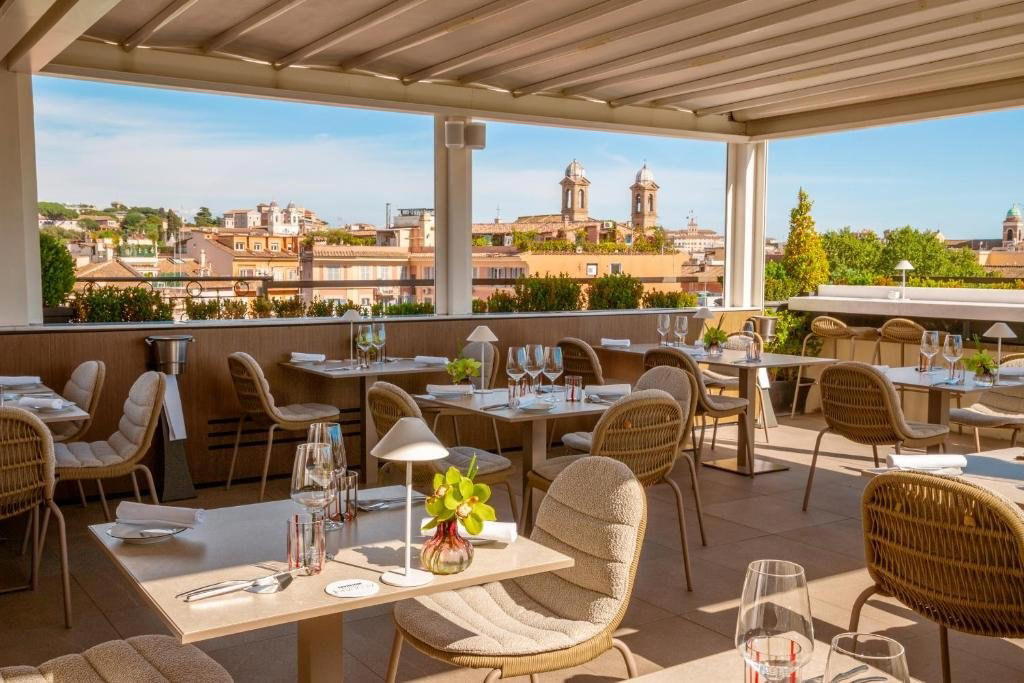
Warm and inviting with modern elegance and rustic charm; bright natural lighting from street-facing seating where diners can enjoy Italian sunshine while eating.